Global Glycolic Acid Market to Reach USD 1,267.06 Bn. by 2034 at 6.42% CAGR as Advanced Skincare, High-Purity Formulations, and Sustainable Chemical Applications Reshape Demand, Reports Maximize Market Research

Global Glycolic Acid Market to Reach USD 1,267.06 Bn. by 2034 at 6.42% CAGR as Advanced Skincare, High-Purity Formulations, and Sustainable Chemical Applications Reshape Demand, Reports Maximize Market Research

PUNE, India, Sept. 28, 2026 /PRNewswire/ — The Global Glycolic Acid Market was valued at USD 723.75 Billion in 2025 and is projected to expand at a 6.42% CAGR from 2026 to 2034, reaching USD 1,267.06 Billion by 2034, according to a new analysis by Maximize Market Research.

Global Glycolic Acid Market

Global Glycolic Acid Market

The Global Glycolic Acid Market Report 2025 provides a detailed analysis of market trends, growth drivers, product grades, applications, source types, regulatory developments, sustainability initiatives, competitive strategies, and market forecasts through 2034. Glycolic acid is a widely used alpha hydroxy acid (AHA) found in skincare, cosmetics, pharmaceutical formulations, household products, textile processing, industrial cleaners, and specialty chemicals. The market includes Technical Grade, Pharmaceutical Grade, and Industrial Grade glycolic acid, with applications across Personal Care & Cosmetics, Household, Textile, Industrial Cleaners, Agriculture, and other specialty uses. The U.S. FDA also identifies glycolic acid as one of the most common AHAs used in cosmetic products for exfoliation, improving skin texture, cleansing pores, and adjusting product pH.

The growing use of glycolic acid in skincare, personal care, dermatology, industrial cleaning, and specialty chemical formulations is supporting the expansion of the Global Glycolic Acid Market. Rising demand for chemical peels, exfoliating serums, anti-aging products, acne-care solutions, facial cleansers, and premium skincare products is strengthening demand for high-purity and pharmaceutical-grade glycolic acid. Beyond cosmetics, glycolic acid is finding wider use in metal cleaning, descaling, textile treatment, leather processing, pharmaceuticals, and biodegradable polymers. Research into poly(glycolic acid) and poly(lactic-co-glycolic acid) materials also highlights the wider importance of glycolic-acid-based polymers in drug delivery, medical devices, tissue engineering, and other biomedical applications.

Product development in the Glycolic Acid Market is increasingly being shaped by high-purity ingredients, bio-based production, cleaner manufacturing, safer cosmetic formulations, and growing attention to regulatory compliance. Consumer interest in clean-label beauty products and scientifically supported skincare is encouraging manufacturers to improve formulation quality while developing more sustainable production methods. At the same time, glycolic acid remains subject to careful safety considerations because higher concentrations can cause irritation and increase sensitivity to sunlight, making product formulation and labeling important parts of the market. Expanding pharmaceutical applications, industrial cleaning demand, biodegradable materials, specialty chemical production, and investment in sustainable chemistry are expected to create new opportunities for Glycolic Acid Market participants through 2034.

Get Full PDF Sample Copy of Report: (Including Full TOC, List of Tables & Figures, Chart) @https://www.maximizemarketresearch.com/request-sample/35402/  

The Global Glycolic Acid Market is moving beyond its traditional role in skincare as demand grows across cosmetics, dermatology, industrial cleaning, pharmaceuticals, textiles, and advanced biodegradable materials. Rising interest in high-purity formulations, clean-label beauty, safer products, and sustainable chemical production is opening a wider field of opportunity for manufacturers worldwide: Maximize Market Research reveals the key trends shaping the market through 2034.

Global Glycolic Acid Market Size & Forecast

Parameter

Value

Market Size (Base Year 2025)

USD 723.75 Billion

Forecast Market Size (2034)

USD 1,267.06 Billion

CAGR (2026-2034)

6.42 %

Base Year

2025

Forecast Period

2026-2034

Historical Period

2020-2025

Global Glycolic Acid Market Trends & Insights

  • North America is the leading region in Glycolic Acid Market, supported by strong demand from skincare, cosmetics, dermatology, pharmaceuticals, and specialty chemicals. The United States continues to see widespread use of glycolic acid in alpha hydroxy acid (AHA) formulations, including products for exfoliation, skin texture improvement, pore cleansing, and anti-aging care.
  • Asia Pacific is emerging as a high-growth region as beauty, personal care, pharmaceutical, textile, and industrial manufacturing continue to expand. China, India, Japan, South Korea, and Southeast Asian markets are seeing rising demand for advanced skincare, chemical peels, personal care formulations, industrial cleaners, and specialty chemicals, supported by growing manufacturing capabilities and wider consumer access through e-commerce.
  • High-purity glycolic acid is gaining importance in premium skincare and personal care, driven by demand for anti-aging creams, exfoliating serums, chemical peels, acne-care products, and professional dermatology treatments. Chemours, for example, positions Glypure as a high-purity glycolic acid for personal care applications, reflecting the industry’s growing focus on ingredient quality, formulation consistency, and performance.
  • Clean-label, bio-based, and more sustainable glycolic acid production is becoming a key industry trend. Manufacturers are placing greater emphasis on lower-impact production methods, cleaner formulations, and environmentally responsible chemical manufacturing. Chemours has also outlined a sustainability program for its glycolic acid portfolio, highlighting the industry’s wider shift toward reducing production-related environmental impact.
  • Glycolic acid applications are expanding beyond cosmetics into pharmaceuticals, industrial cleaning, textiles, and biodegradable materials. Demand is growing across metal cleaning, descaling, textile processing, wound-care products, specialty chemicals, and glycolic-acid-based polymers. Continued research into biodegradable glycolic-acid-containing polymers for medical and biomedical applications is widening the long-term opportunity for Glycolic Acid Market participants.

Rising Demand for Skincare and Personal Care Products Drives Market Growth
The growing use of glycolic acid in skincare, cosmetics, dermatology, and personal care is a major driver of the Global Glycolic Acid Market. Demand is rising for chemical peels, anti-aging creams, facial cleansers, serums, exfoliants, acne-care products, and other AHA-based formulations. Greater awareness of skincare, premium beauty products, professional aesthetic treatments, and dermatologist-led solutions is encouraging wider use of pharmaceutical-grade and high-purity glycolic acid across personal care and cosmetic applications.

Skin Sensitivity and Regulatory Requirements Restrain Market Growth
Glycolic acid can cause skin irritation, redness, and greater sensitivity to sunlight when used at higher concentrations, making product safety an important concern for manufacturers and consumers. Companies must also meet strict rules related to concentration levels, product labeling, formulation quality, and safe use of alpha hydroxy acids. These requirements can increase testing, compliance, and product-development costs, particularly for smaller cosmetic, pharmaceutical, and specialty chemical companies entering the Glycolic Acid Market.

Pharmaceutical, Industrial Cleaning, and Bio-Based Applications Create New Opportunities
The Glycolic Acid Market is expanding beyond skincare as demand grows in pharmaceuticals, industrial cleaners, textile processing, leather treatment, specialty chemicals, and biodegradable polymers. Glycolic acid is also finding applications in wound-care products, bioresorbable medical devices, metal cleaning, descaling, and chemical processing. At the same time, rising investment in bio-based glycolic acid, green chemistry, sustainable production, and environmentally friendly formulations is creating new opportunities for manufacturers across both consumer and industrial markets.

Alternative Ingredients and Raw Material Price Fluctuations Create Market Challenges
The availability of other exfoliating ingredients such as lactic acid, salicylic acid, mandelic acid, and enzyme-based alternatives is increasing competition in the skincare and cosmetics market. Manufacturers are also facing raw material price changes, supply chain disruptions, and rising production costs, which can affect margins and pricing decisions. Balancing product performance, consumer demand for gentler skincare, regulatory compliance, sustainability goals, and reliable supply remains a key challenge for companies operating in the Global Glycolic Acid Market.

Get Insightful Data on Regions, Market Segments, Customer Landscape, and Top Companies (Charts, Tables, Figures and More) https://www.maximizemarketresearch.com/request-sample/35402/ 

Global Glycolic Acid Market Segmentation

The Global Glycolic Acid Market is segmented by Grade, Application, Source, and Region. Rising demand for high-purity glycolic acid in skincare and pharmaceutical products, growing use in industrial cleaning and textile processing, increasing adoption of bio-based ingredients, and expanding applications across personal care, specialty chemicals, and biodegradable materials are supporting market development across these segments. 

Segmentation

Sub-Segments

By Grade

Technical Grade; Pharmaceutical Grade; Industrial Grade

By Application

Personal Care & Cosmetics; Household; Textile; Industrial Cleaners; Agriculture; Others

By Source

Synthetic; Natural

By Region

North America; Europe; Asia Pacific; Middle East & Africa; South America

North America Leads the Global Glycolic Acid Market as Skincare, Dermatology, and Pharmaceutical Demand Strengthen Regional Growth

North America holds a leading position in the Global Glycolic Acid Market, supported by strong demand from skincare, cosmetics, dermatology, pharmaceuticals, and specialty chemicals. The United States remains a major market as consumers increasingly adopt anti-aging creams, exfoliating serums, chemical peels, acne treatments, and other alpha hydroxy acid (AHA) products. The presence of established cosmetic manufacturers, dermatology clinics, pharmaceutical companies, and specialty chemical suppliers continues to support regional demand. Growing interest in scientifically formulated skincare, premium personal care products, and high-purity glycolic acid is also encouraging manufacturers to invest in product quality, formulation development, and new applications.

Asia Pacific is emerging as one of the fastest-growing regions in the Glycolic Acid Market as beauty, personal care, pharmaceutical, textile, and industrial sectors continue to expand. China, India, Japan, South Korea, Australia, and Southeast Asian countries are seeing stronger demand for skincare products, chemical peels, cosmetic treatments, industrial cleaners, textile processing chemicals, and specialty formulations. Rising disposable incomes, urbanization, wider access to beauty products through e-commerce, and expanding chemical manufacturing capabilities are helping glycolic acid reach a broader customer base across the region.

Europe remains an important Glycolic Acid Market, supported by well-established cosmetics, personal care, pharmaceutical, and specialty chemical industries. Germany, France, the United Kingdom, Italy, Spain, and other European countries continue to generate demand for glycolic acid in premium skincare, dermatological products, industrial cleaning, textiles, and specialty chemical applications. The region’s focus on product safety, regulatory compliance, clean beauty, sustainable ingredients, and environmentally responsible chemical production is also encouraging companies to develop safer formulations and more efficient manufacturing processes.

The Middle East & Africa is gradually developing as demand for personal care products, dermatological treatments, industrial chemicals, and specialty formulations increases. Saudi Arabia, the UAE, South Africa, Egypt, Nigeria, and other regional markets are benefiting from rising healthcare investment, growing beauty and wellness spending, and expanding manufacturing activity. As consumer awareness of skincare improves and industrial development continues, glycolic acid is finding wider use across cosmetics, pharmaceuticals, cleaning products, and specialty chemical applications.

South America is also creating new opportunities for the Global Glycolic Acid Market, supported by growing demand for skincare, cosmetics, pharmaceutical products, and industrial applications. Brazil remains an important regional market, while Argentina, Colombia, and other South American countries are seeing gradual growth in personal care consumption, specialty chemical use, and industrial manufacturing. Improving retail access, changing beauty preferences, and rising interest in dermatological treatments are helping expand the use of glycolic acid across the region.

Leading Companies Strengthen the Global Glycolic Acid Market

The Chemours Company, CABB Group, Merck KGaA, Sinopec Corporation, CrossChem LP, Water Chemical Co., Ltd., DuPont de Nemours, Inc., Avid Organics Pvt. Ltd., Saan Chemical Technology Co., Ltd., Eastman Chemical Company, Corbion, and other specialty chemical producers are strengthening their presence in the Global Glycolic Acid Market. Companies are focusing on high-purity glycolic acid, pharmaceutical-grade and technical-grade products, sustainable chemical production, bio-based ingredients, formulation quality, and wider application development. Product innovation, production expansion, research collaboration, stronger supply chains, and partnerships with cosmetic, pharmaceutical, and industrial customers are helping market participants expand their reach across global and regional markets.

Global Glycolic Acid Market Competitive Landscape

The Global Glycolic Acid Market is shaped by product purity, grade quality, production efficiency, pricing, regulatory compliance, application expertise, supply reliability, and the ability to serve fast-growing markets such as skincare, personal care, pharmaceuticals, industrial cleaning, textiles, and specialty chemicals. Leading companies are investing in pharmaceutical-grade glycolic acid, technical-grade formulations, bio-based production, sustainable manufacturing, clean-label ingredients, and advanced product development. Competition is also being influenced by growing demand for chemical peels, anti-aging products, exfoliating skincare, industrial cleaners, biodegradable polymers, and specialty formulations. Companies that can combine high product quality, reliable supply, competitive pricing, regulatory compliance, and sustainable production are continuing to strengthen their position in the global Glycolic Acid Market.

Immediate Delivery Available | Buy this Research Report (Insights, Charts, Tables, Figures and More) https://www.maximizemarketresearch.com/checkout/35402/ 

Glycolic Acid Market, Key Players

1. China Petrochemical Corporation (Sinopec Corp.), (China)
2. The Chemours Company (U.S.)
3. CABB Group (Germany)
4. Saanvi Corp (India)
5. Parchem Fine & Specialty Chemicals (U.S.)
6. Water Chemical Co., Ltd (China)
7. Shandong Xinhua Pharmaceutical Co., Ltd. (China)
8. Mehul Dye Chem Industries (India)
9. Avid Organics (India)
10. Zhonglan Industry Co., Ltd. (China)
11. Eastman Chemical Company (U.S.)
12. Corbion (Netherlands)
13. CrossChem LP (U.S)

Frequently Asked Questions:

1] What segments are covered in the Global Glycolic Acid Market report?
Ans. The segments covered in the Glycolic Acid Market report are based on Grade, Application and Source.

2] Which region is expected to hold the highest share in the Global Glycolic Acid Market?
Ans. The Asia Pacific region is expected to hold the highest share in the Glycolic Acid Market.

3] What is the market size of the Global Glycolic Acid Market by 2032?
Ans. The market size of the Glycolic Acid Market by 2032 is expected to reach USD 1267.06 Bn.

4] What is the forecast period for the Global Glycolic Acid Market?
Ans. The forecast period for the Glycolic Acid Market is 2026-2034.

5] What was the Global Glycolic Acid Market size in 2025?
Ans: The Global Glycolic Acid Market size was USD 723.75 Billion in 2025.

Access Full Summary: https://www.maximizemarketresearch.com/market-report/global-glycolic-acid-market/35402/ 

Analyst Perspective

Analysts highlights that the Global Glycolic Acid Market is being supported by strong demand from skincare, cosmetics, dermatology, pharmaceuticals, industrial cleaning, textiles, and specialty chemicals. High-purity and pharmaceutical-grade glycolic acid are gaining importance as chemical peels, anti-aging products, exfoliating serums, and acne-care formulations become more widely used. At the same time, companies face challenges from skin sensitivity concerns, regulatory requirements, alternative exfoliating ingredients, and changing raw material costs. Looking ahead, bio-based glycolic acid, sustainable production, industrial applications, and biodegradable polymers are expected to create new opportunities through 2034.

Related Reports:

Cosmetic Chemicals Market by Product Type, Source, Functionality, Application, End-User, and Region – Global Forecast to 2034

Lactic Acid Market by Raw Material, Application, Form, Source, and Region – Global Forecast to 2034

Citric Acid Market by Form, Application, Function, and Region – Global Forecast to 2034

Salicylic Acid Market by Form, Application, and Region – Global Forecast to 2034

Oxalic Acid Market by Raw Material, Application, and Region – Global Forecast to 2034

Pharmaceutical Chemicals Market by Type, Application, Industry Vertical, and Region – Global Forecast to 2034

Glyoxal Market by Application, End-Use Industry, and Region – Global Forecast to 2034

About Maximize Market Research – Global Glycolic Acid Market

Maximize Market Research is a global market research and business consulting firm providing data-driven insights across the Chemical & Material, specialty chemical, personal care, cosmetics, pharmaceutical, textile, industrial cleaning, and related sectors. Its Global Glycolic Acid Market research covers pharmaceutical-grade, technical-grade, and industrial-grade glycolic acid, skincare and cosmetic applications, industrial cleaners, textile processing, bio-based production, sustainable chemicals, regional demand, pricing trends, competitive developments, and emerging applications, helping businesses understand market changes and identify new growth opportunities through 2034.

Global Polypropylene Market Size 2025–2032: Demand & Supply Forecast, Key Market Trends, Competitive Outlook, and Regional Insights – MMR Statistics

MMR Statistics is a part of Maximize Market Research, developed to provide quick access to market size, industry data, forecasts, trends, and statistical insights across a wide range of sectors. It presents research data in multiple formats, making it easier for businesses, analysts, and decision-makers to use market intelligence for presentations, strategy, benchmarking, and business planning.

Chemical Recycling of Plastics Market – Global Industry Analysis and Forecast 2026-2034, By Type, Product, End-use, and Region – Stellar Market Research

Stellar Market Research is a strategic partner of Maximize Market Research, providing global and region-wise market research reports across multiple industries. Its research focuses on market trends, competitive developments, regional opportunities, industry dynamics, and growth outlooks, complementing Maximize Market Research with broader market coverage and region-specific business intelligence.

Contact:
Lumawant Godage
MAXIMIZE MARKET RESEARCH PVT. LTD.
+91 96073 65656
Email: [email protected]  
Visit Our Web Site: https://www.maximizemarketresearch.com/   

SOURCE Maximize Market Research Pvt. Ltd.

Tags: , , , , , , , , , , , , , , , , , ,
fulvic humic acid

Supercharge Cells With Fulvic and Humic Acid

I’ve been using and writing about humic and fulvic minerals for well over a decade now. However, many are still unaware of what they are and how they really work. I wrote about some of the widespread health benefits of them here years ago, but today I wanted to cover a new angle. 

In case you’ve missed it, I’ve been doing a deep dive series into what I call the “master minerals.” Sodium, potassium, and magnesium work in concert together to assist our body at a cellular level. They quite literally help power almost every process in our body.

While humic and fulvic acid aren’t electrolytes like the other three, they play a key role in helping to supercharge cellular energy. If electrolytes are the spark that powers the body, fulvic and humic acids may help carry, organize, and deliver those signals where they need to go. They’re part mineral transporter, part soil intelligence, and part detox support system.

Ancient Minerals: Fulvic and Humic Acid

This actually connects back to something very simple. We’re designed to live much closer to the earth than most of us do now. Historically, people drank mineral-rich spring water, ate food grown in living soil, and consumed trace amounts of microbes and organic compounds naturally present in the environment. Modern life has changed that dramatically.

Today our food is sanitized, processed, and almost always grown in depleted soil. Even healthy diets can lack some of the complex compounds that once came naturally from the earth. Fulvic and humic acids are among those missing pieces. Researchers are increasingly interested in how they can support nutrient absorption, gut health, detox, mitochondrial function, and cell communication.

What Are Fulvic and Humic Acids?

Despite the name, fulvic and humic acids aren’t harsh acids in the way most people think of them. They’re naturally occurring organic compounds formed over long periods of time. Plants and microbes decomposed in healthy soil ecosystems to create fulvic and humic. 

Over many years microbial activity breaks down plant material into highly complex carbon-based substances. They’re rich in trace minerals, amino acids, electrolytes, polyphenols, and other biologically active compounds. Fulvic and humic acids are two of the major fractions created during this process.

These compounds are especially abundant in rich topsoil, ancient peat deposits, compost, and certain mineral-rich shale deposits. In nature, they help regulate soil health, microbial activity, and nutrient transport within plants. Interestingly, many researchers believe they may serve similar functions within the human body.

Although fulvic and humic acids are often grouped together, there are some distinct differences. 

Fulvic Acid

Because of its low molecular weight, fulvic can easily cross cell membranes and travel throughout the body. This is one reason it’s often linked with nutrient transport and making cellular energy. Its small size also allows it to interact with mitochondria, the tiny energy-producing structures inside cells.

Fulvic acid is thought to help shuttle minerals and nutrients into cells more efficiently. Some researchers describe it as a “carrier” or “transport molecule” because it can bind to nutrients and help escort them where they need to go.

Humic Acid

Humic acid is much larger and tends to stay mostly in the digestive tract. Its larger structure gives it different benefits. Humic acid functions like a sponge or magnet in the gut. It can bind unwanted compounds while supporting the gut lining and microbiome. Because of this, it’s often associated with detox, digestive health, and immune support.

Together, fulvic and humic acids create a complementary system. Fulvic acid helps transport and energize, while humic acid helps protect and bind.

Why Fulvic and Humic are Missing in Modern Life 

You’ve probably heard me say this before, but our soil health isn’t what it used to be. Agriculture in the last 50 years or so has dramatically changed soil nutrients. This is also why more people are interested in the conversation on humic and fulvic acids. 

Healthy soil isn’t just dirt. It’s a living ecosystem filled with microbes, fungi, minerals, carbon compounds, and organic matter. Traditional regenerative farming practices once replenished these systems naturally, while modern industrial agriculture does the opposite.

Heavy tilling, pesticides, synthetic fertilizers, and monocropping strips soil of microbial diversity and organic carbon. While crops may still grow, the deeper biological complexity of the soil is depleted over time. If the soil ecosystem weakens, the nutrient density of food declines as well.

Even organic produce isn’t always grown in truly mineral-rich soil. Yes, organic farming can reduce chemical exposure. However, some organic crops are still cultivated in depleted ground that lacks the microbial complexity humans historically had.

And unlike previous generations, most of us no longer eat unwashed roots from the garden or drink naturally mineralized spring water. Our food is far more disconnected from the living microbial environment humans developed alongside.

The Connection Between Fulvic Acid and Nutrient Absorption

One of the most fascinating areas of research around fulvic acid involves mineral transport and absorption. It’s not so much that we are what we eat, but what we absorb. You can consume nutrient-dense foods all day long, but if your body can’t properly transport those nutrients into cells, the benefits are limited.

Fulvic acid may help bridge that gap. Think of fulvic minerals like a taxi that can carry other minerals across cell membranes. So sodium, potassium, and magnesium in theory can work better when fulvic is on board.

Fulvic acid helps activate minerals that are involved in countless processes throughout the body. These include hydration, nervous system regulation, hormone production, and generating ATP.

Potassium, for example, needs to move efficiently inside cells for healthy hydration and nerve signaling. Fulvic acid may help with this intracellular movement. Magnesium is another example. Magnesium participates in hundreds of enzymatic reactions, but it also depends heavily on proper transport and cellular uptake. Fulvic compounds may help improve how effectively we use magnesium.

This is one reason why I combine fulvic acid with electrolytes.

Fulvic and Humic Acid vs. Electrolytes

This distinction is important because fulvic and humic compounds don’t replace electrolytes. Electrolytes like sodium, potassium, and magnesium are electrically charged minerals that directly power cell communication. They help regulate hydration, nerve impulses, muscle contraction, heart rhythm, energy production, and more.

Without enough electrolytes, the body struggles to maintain proper electrical balance. In other words, electrolytes are the raw currency, while fulvic and humic acids help move the currency efficiently throughout the system. This “both-and” relationship may explain why some people notice better hydration and energy when combining the two.

Supporting the Gut and Microbiome

One thing that really caught my attention about humic acid is how it affects the digestive tract. Our gut lining acts as a barrier between the outside world and the internal body. Ideally, it selectively absorbs nutrients while keeping toxins, pathogens, and inflammatory compounds from entering circulation. I will say I did consume a lot of these, especially in my intensive healing phase. 

Chronic stress, processed foods, environmental toxins, alcohol, infections, and certain medications can all weaken this barrier over time. Research suggests humic may help support gut integrity in several ways. 

Support Tight Junctions

The intestinal lining is held together by structures called tight junctions. When these are compromised, unwanted particles can pass into circulation more easily. Humic acid may help support these tight junction proteins and reinforce the gut lining.

Acts as a Prebiotic

Humic compounds also appear to nourish beneficial gut bacteria. In this way, they function somewhat like a prebiotic by helping create an environment where healthy microbes can thrive. Gut bacteria also help regulate immunity, inflammation, neurotransmitter production, nutrient synthesis, and even mood.

Reducing Endotoxin Burden

Certain kinds of harmful bacteria release inflammatory compounds known as endotoxins. When endotoxin levels rise, this can cause more inflammation and immune stress. Humic acid may help by binding unwanted compounds and supporting microbe balance.

Many people report they notice better digestion relatively quickly after adding humic substances, especially when it comes to issues like bloating, regularity, and food tolerance.

Fulvic Acid and Mitochondrial Energy

Mitochondria are often called the “powerhouses” of the cell because they make ATP, the body’s main energy currency. This energy production process depends heavily on electrons moving efficiently through the electron transport chain. Minerals and cellular voltage both play essential roles here.

Fulvic acid can help mitochondria be more efficient by helping transfer electrons and shuttling nutrients. While the effects may be subtle, when mitochondria work better it can touch nearly every aspect of health.

When mitochondria are better supported people can have:

  • More energy
  • Improved resilience
  • Faster recovery
  • Clearer thinking
  • More stable mood
  • Improved exercise capacity

Because energy production affects every organ system, even small improvements in mitochondrial efficiency can create noticeable ripple effects.

Our exposure to environmental toxins has skyrocketed in recent decades. We’re bombarded with everything from PFAS to pesticides to heavy metals, plastics, and air pollution. And while our body has systems designed to handle toxins, there are so many now it can overwhelm those pathways.

It seems like humic acid is especially valuable here. Humic acid binds to unwanted compounds without aggressively stripping beneficial minerals from the body. This is important because some detox methods can also deplete nutrients along with toxins.

Humic acid seems to work more gently and can bind to:

  • Glyphosate
  • Heavy metals
  • Certain pesticides
  • Mold-related toxins
  • Various environmental pollutants

Emerging research is even exploring whether humic substances interact with microplastics. While no supplement can completely eliminate toxin exposure, reducing our overall toxic burden can support energy, immune function, hormone balance, and lessen inflammation.

The Electrical Side of Cellular Health

One of the more intriguing concepts with fulvic and humic acids involves cellular voltage. The human body is fundamentally electrical. Every heartbeat, nerve impulse, thought, and muscle contraction depends on electrical signals.

Cells maintain tiny voltage gradients across their membranes. This electrical charge influences nutrient transport, communication, hydration, and repairs. Electrolytes are central players in this system, but fulvic compounds can support the structure and conductivity around these electrical processes.

Some researchers believe fulvic substances may help:

  • Improve cell hydration
  • Support membrane voltage
  • Enhance electron transfer
  • Improve communication between cells

This doesn’t mean fulvic acid replaces electrolytes. Rather, it may help create a more supportive environment for our cells to communicate more efficiently. The body works best when minerals, hydration, mitochondria, and cell signals work together in harmony.

What I Look for in a Quality Fulvic or Humic Supplement

Quality matters a lot when it comes to fulvic and humic products since they come straight from earth deposits. I’m very careful to choose products sourced from clean ancient deposits or shale and that are third-party tested for purity and heavy metals. There are cheaper agricultural versions available, but those are designed for farming, so I avoid those completely.

I also prefer liquid because it seems to absorb fast and are easy to reach for consistently. As always, I think supplements work best when paired with foundational habits like mineral-rich nutrition, good sleep, movement, hydration, and time outdoors. That said, fulvic and humic minerals have become an impactful addition to my routine.

How I Use Fulvic and Humic Supplements 

Since modern diets have far less of these compounds than previous generations did, supplements can be a good option. You’ll find different forms including capsules, powders, and liquid concentrates. 

I use BEAM Minerals, which combines both fulvic and humic compounds in liquid form. I’ve noticed the biggest difference from those compared to other options I’ve tried over the years. I love that they’re tasteless and easy to add to water, so even my kids will take them without complaint.

Most mornings, I add them to a large glass of mineral water that I drink outside in the sunshine while standing barefoot on the ground. I also often use them after exercise and sauna sessions. When I travel or eat out I’ll use them to help with nutrient absorption and to bind any unwanted toxins in the food. 

I also use them more consistently throughout days that are higher stress or when I’m sick. There isn’t a universal RDA for fulvic and humic so I just started slowly and gradually increased based on what my body was telling me. Since I started taking these I’ve noticed better digestion, more stable energy, and less brain fog.

Final Thoughts on Fulvic and Humic Acid

Fulvic and humic acids may not be as popular as electrolytes but they’re a fascinating missing layer in the wellness conversation. Instead of directly powering our cells like electrolytes, they seem to improve how they communicate, transport, absorb, and detox. 

They’re like the support system behind the scenes, helping nutrients get where they need to go and supporting resilience. In a world increasingly disconnected from healthy soil and natural mineral exposure, this connection may matter more than ever.

Have you ever used fulvic and humic acids before? Leave a comment and share below!

Tags: , , , ,
Herzindagi

Top 5 Glycolic Acid Serums To Include In Your Skincare Routine

Top Glycolic Acid Serums: Having brighter, even, beautiful skin is on everyone’s wishlist. Introducing a glycolic acid serum in your skincare routine will start giving you results for the skin you have always dreamed of having. This serum gently exfoliates your skin, getting rid of that dull layer and getting glowing skin with daily use. Let’s dive in to check out the best glycolic acid serums you need to try here!

5 Best Glycolic Acid Serums To Add In Your Skincare Routine

Are you looking for a new serum which will exfoliate your skin and make it more even and brighter? Check out our list for the best glycolic acid serums that you need to include in your skincare routine this year here!

L’Oreal Paris Glycolic Bright Skin Brightening Serum

Looking for a serum which will fade away your dark spots and get rid of your skin’s dullness? Try the L’Oreal Paris Glycolic Bright Skin Brightening serum. It has a super lightweight formula which absorbs quickly, making it a great pick for people who want to make their skin look more even and radiant without any uncomfortable stickiness.

Dr. Sheth’s Gulab & Glycolic Acid Serum

Dr. Seth’s brings us a serum with the goodness of roses and glycolic acid. It’s designed to exfoliate and clear out your pores while making sure your skin doesn’t get irritated. The formula has 6% glycolic acid with calming rose extracts.

ALSO READ- What Are Copper Peptides? The Skincare Ingredient Taking The Beauty Industry By Storm

La Roche-Posay Glycolic B5 10% Pure Glycolic Acid Serum

This targeted dark spot corrector features 10% pure Glycolic Acid (AHA) to exfoliate and brighten your skin. Formulated with Tranexamic Acid and Kojic Acid, it effectively reduces the appearance of discolorations and age spots from your face. The Vitamin B5 in this serum ensures that your skin stays soothed and hydrated, making it suitable for sensitive skin as well. 

Minimalist 10% AHA BHA Exfoliating Serum

This serum is a multi-level exfoliator which has a blend of Glycolic and Lactic Acids (AHAs) with Salicylic Acid (BHA). With these three power ingredients, the serum will go to the surface-level to refine your skin and deep-cleanse your pores. This serum also targets uneven texture and dullness without causing any dryness, all thanks to the added Hyaluronic Acid for hydration.

ALSO READ- 5 Step Skincare Routine For Dry Skin To Remain Hydrated This Winter

Lakme Illuminate Serum With 1% Glycolic Acid 

If this is your first time trying glycloic acid, you should try the Lakme Illuminate serum. This beginner-fruendly serum is formulated with a gentle 1% glycolic acid. It’s designed for daily use to give you a subtle, polished look. If you have sensitive skin or just want a tiny bit of exfoliation to help your makeup sit better, this Lakme glycolic acid serum will work best with your skin. 

Choose your favourite glycolic acid from our list and start using it in your skincare routine! Make sure to get the serum which will suit your skin and help fade any of your skin concerns. 

Image Credit: Freepik, Amazon, Nykaa

For more such stories, stay tuned to HerZindagi.

Tags: , , , , , ,
hyaluronic acid niacinamide

Hydrating Hyaluronic Acid and Niacinamide Moisturizer

Once upon a time I created a hyaluronic acid serum in my kitchen, then later made a niacinamide moisturizer. I’m a big fan of DIY kitchen concoctions (as you can tell by now!). One of the most asked questions I got on those recipes was how to combine the two active ingredients.

This HA and niacinamide moisturizer does just that. You get all of the hydrating benefits of HA and the skin boosting benefits of niacinamide in one easy lotion.

Marrying Hyaluronic Acid and Niacinamide

Niacinamide is a form of the water soluble vitamin B3. We need it in our diets, but it also has some impressive skin benefits. Research has found niacinamide can help with hyperpigmentation to make skin tone more even. Other studies show it improved the skin barrier and rosacea symptoms. 

It also decreases moisture loss and improves acne and blemishes. A 2005 study found that women who used niacinamide on skin had significant skin benefits. They had better skin tone, fewer lines and wrinkles, and better elasticity. 

Our skin naturally contains hyaluronic acid (HA) and it’s a big part of our skin and dermal metabolism. HA plays a key role in wound healing and tissue repair and stimulates growth. 

Both hyaluronic acid and niacinamide add moisture to skin, lower inflammation and stimulate collagen. They complement each other well and are often combined or layered together. Hyaluronic acid is a good humectant, while niacinamide also improves overall skin health. 

More Skin Loving Ingredients

While hyaluronic acid and niacinamide are the active ingredients, they need a little help to become a moisturizer. I’ve opted for a blend of oils, shea butter, beeswax and water that makes skin feel soft and moisturized. 

Carrier oil – this provides the bulk of the lotion. Sweet almond, grapeseed, olive, or avocado are some good options. I like avocado and olive oil for drier skin types. 

Shea butter – Smooth and creamy, shea butter is full of essential fatty acids, softens skin, and reduces inflammation. 

Hydrosol or distilled water – This helps to thin the lotion and incorporate the water soluble HA and niacinamide. Hydrosols are the plant waters leftover from essential oil distillation. They offer many of the same skin benefits but are much gentler on skin. 

Tamanu oil – Tamanu is a dark, rich color and is great for acne prone skin or aging skin. It has skin regenerative properties and its rich in antioxidants. If you don’t have any, then jojoba, apricot kernel, or any other skin oil will work. The idea is to give the cream an extra boost of concentrated active ingredients.

Adding Essential Oils

I love adding essential oils to my DIY products. They not only smell nice but they’re antimicrobial, improve skin health, and uplift the mood. Some of my favorite skin-friendly essential oils include lavender, wild orange, frankincense, and geranium. 

The essential oils are diluted to about 2% in this recipe, but you can cut the amount in half if you have more sensitive skin. 

Tips for Making Hyaluronic Acid and Niacinamide Moisturizer

I’ll often stick to easy oil based “lotions” like my favorite basic lotion recipe. While they’re technically not lotion since they don’t have any water, they do last much longer. That won’t work for this recipe though since both hyaluronic acid and niacinamide dissolve in water, not oil. 

Unfortunately, water based products have a much shorter shelf life. This moisturizer combines the best of both worlds and uses mostly oils, waxes, and butters with enough water to dissolve the active ingredients. Water also helps it to feel lighter on the skin so it sinks in beautifully. 

I’ve also opted for some emulsifying wax to help combine the water and oils together. Without it the moisturizer separates and doesn’t work. Beeswax helps to thicken the lotion, but it doesn’t replace the emulsifying wax. 

An Important Note on Preservatives

Since this recipe includes water, it does need a preservative. Bacteria can start to grow in water within minutes under the right conditions. By storing the item properly, using distilled water (or better yet, hydrosol), and a natural preservative, it greatly extends the shelf life. 

Leucidal Plus is a good broad spectrum preservative I’ve used before. A lot of people ask about using rosemary extract or vitamin E instead, but those aren’t actually preservatives. They help slow oxidation and preserve the shelf life of oils, but they won’t prevent microbes from growing in water. 

If you don’t want to use the preservative, then store the lotion in the fridge and use it within 2 weeks. That said, a preservative is the safer option. 

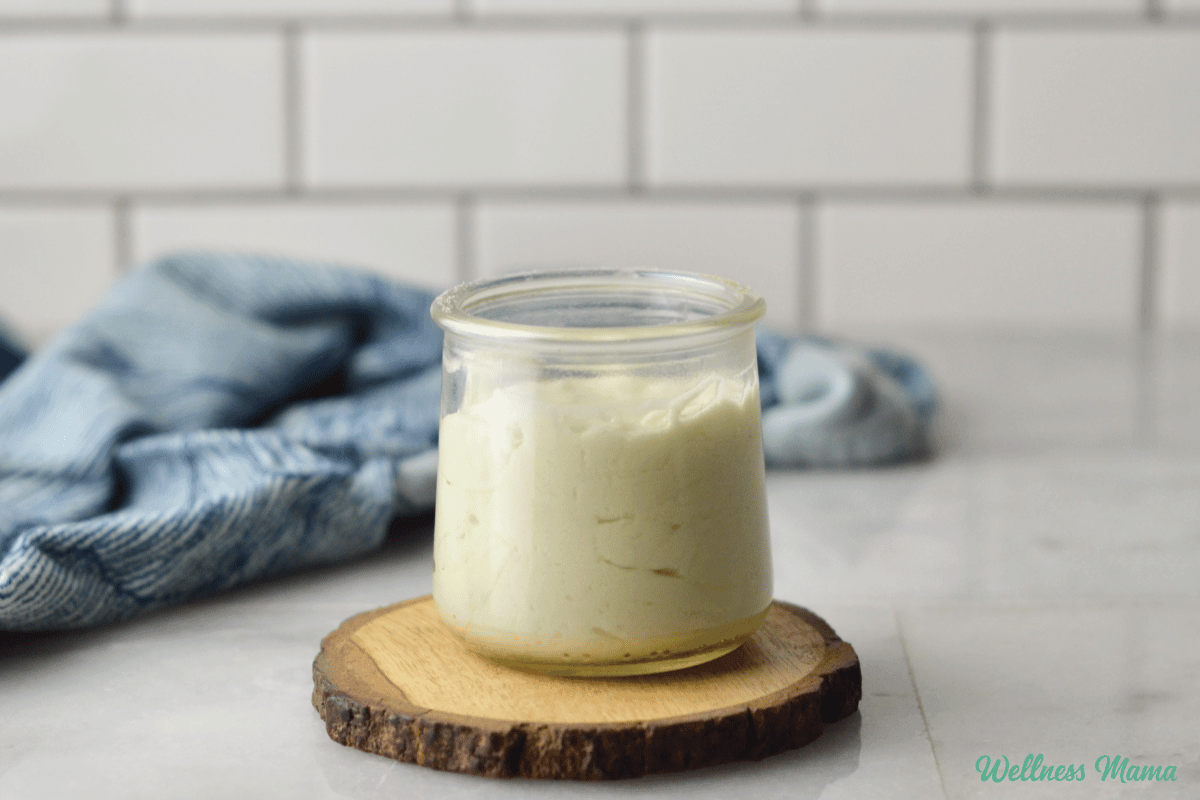
Here’s how to make it!

Hydrating Hyaluronic Acid and Niacinamide Moisturizer

This silky smooth lotion helps hydrate skin and lock in moisture. And it doesn’t feel heavy or greasy!

Active Time20 minutes

Cooling Time10 minutes

Yield: 4 ounces

Author: Katie Wells

  • To the top of the double boiler add: shea butter, tamanu, avocado oil, emulsifying wax, and beeswax. Heat over medium heat until completely melted, stirring ocassionally.

  • Add the water or hydrosol, niacinamide powder, Leucidal Plus, and hyaluronic acid powder to another bowl and whisk to combine. Set aside.

  • Once the oil based ingredients are melted, pour the mixture into the bowl of the stand mixer. Cool in the freezer for about 10 minutes or until firm, but not frozen.

  • Add the essential oil. Using the whisk attachment on your mixer, whisk the oil based ingredients until smooth, creamy, and white.

  • Slowly add the water mixture to the mixer as it’s whisking. Whisk for about 1 minute or until thoroughly combined.

  • Pour the lotion into a clean jar.

This recipe is versatile. Use your favorite skin-friendly essential oil and carrier oils to customize the skin benefits!

Shelf Life and Storage

Like any skincare product this needs to be stored away from direct light and heat. Aka not next to a steamy shower or in the car! Also, be sure to use clean, dry hands when scooping any out of the jar to help prevent contamination. 

You can store the lotion in a pump lotion bottle or a squeeze bottle with a large enough opening. This helps to reduce any germs from hands getting in the jar.

What are some of your favorite DIY skincare items to make? Leave a comment and let us know!

Tags: , , , ,
Hydrating Face Moisturizers with Hyaluronic Acid and Barrier Repair | Personal-care News

Hydrating Face Moisturizers with Hyaluronic Acid and Barrier Repair | Personal-care News

Suitable for all skin types, they can be used daily to protect the skin from environmental stressors and premature aging while keeping it soft, smooth, and healthy.

Image Source: Myntra


Order Now

The DOT & KEY Ceramides & Hyaluronic Barrier Repair Moisturizer is designed to restore and strengthen the skin’s natural barrier while providing deep hydration. Formulated with ceramides and hyaluronic acid, it helps retain moisture, repair dryness, and protect against environmental stressors. Lightweight and non-greasy, it absorbs quickly, making it suitable for daily use on all skin types, including sensitive skin.

Key Features

  • Contains ceramides and hyaluronic acid for hydration and barrier repair
  • Lightweight, non-greasy, and fast-absorbing
  • Suitable for all skin types, including sensitive skin
  • Helps reduce dryness and flakiness
  • Protects against environmental stress and pollutants
  • May feel slightly sticky for very oily skin
  • Higher price point compared to basic moisturizers

Image Source: Myntra


Order Now

Neutrogena Hydro Boost Water Gel is a popular, lightweight moisturizer formulated with hyaluronic acid to provide intense hydration. Its gel-based formula is quickly absorbed, leaving the skin soft and refreshed without a greasy residue. Ideal for normal to oily skin types, it helps maintain moisture balance while keeping the skin plump and smooth throughout the day.

Key Features

  • Gel-based formula with hyaluronic acid for hydration
  • Lightweight and non-greasy texture
  • Quick absorption for daily use
  • Suitable for normal to oily skin types
  • Keeps skin plump, smooth, and refreshed
  • May not provide enough moisture for very dry skin
  • Fragrance in the formula may irritate sensitive skin

Image Source: Myntra


Order Now

The Chemist at Play Intensely Hydrating Face Moisturizer is crafted for deep and long-lasting hydration. Enriched with hyaluronic acid, it helps attract and retain moisture, improving skin elasticity and softness. This moisturizer is ideal for daily use and is gentle enough for sensitive skin, providing a healthy, radiant appearance without clogging pores.

Key Features

  • Contains hyaluronic acid for deep hydration
  • Non-comedogenic and gentle on sensitive skin
  • Enhances skin elasticity and softness
  • Lightweight formula suitable for daily use
  • Helps maintain skin’s natural moisture balance
  • Slightly thick texture may take time to absorb
  • May not suit oily skin during hot, humid conditions

Image Source: Myntra


Order Now

Add Zee News as a Preferred Source

WishCare 2:1:3 NMF Water Gel Moisturizer is a hydrating formula designed to mimic the skin’s natural moisturizing factors (NMF). Its lightweight gel texture delivers moisture quickly and efficiently, leaving skin refreshed and smooth. Suitable for combination to oily skin, it strengthens the skin barrier and helps maintain hydration throughout the day without leaving a greasy residue.

Key Features

  • Water gel formula with natural moisturizing factors (NMF)
  • Lightweight, fast-absorbing, and non-greasy
  • Supports skin barrier and long-lasting hydration
  • Suitable for combination to oily skin types
  • Keeps skin smooth, soft, and refreshed
  • May not provide enough hydration for very dry skin
  • Limited availability in some regions

Moisturizers play a vital role in maintaining healthy, radiant skin. Regular use can prevent dryness, enhance skin elasticity, and protect against environmental damage. By choosing the right moisturizer for your skin type, you can ensure long-term skin health, a balanced complexion, and a smooth, nourished appearance, making it an indispensable part of any skincare routine.

Disclaimer: At IDPL, we help you stay up-to-date with the latest trends and products. It should not be construed as an endorsement to buy. IDPL may make a very small commission from its sale if one chooses to buy the product from any of the links in this article.


Tags: , , , , , , , ,
Cricket in L1

Glow and protect your skin daily with SPF sunscreens enriched with vitamin C, niacinamide, and hyaluronic acid

SPF (Sun Protection Factor) sunscreens with added skincare ingredients are changing the way we protect our skin in 2026. UV radiation causes nearly 80% of visible skin ageing, from fine lines to dark spots, making daily protection essential. Hybrid SPFs, formulas that combine broad-spectrum sun filters with actives like vitamin C, niacinamide, and hyaluronic acid that offer a dual-action defence: they block harmful rays while repairing and nourishing your skin. Vitamin C brightens and fights free radicals, niacinamide strengthens the skin barrier and reduces pigmentation, and hyaluronic acid keeps skin hydrated and plump.

Protect your skin and glow daily with SPF enriched with vitamins (Adobe Stock )

Choosing a proper SPF with skincare benefits ensures your daily “health shield” not only prevents photo-ageing but also promotes a healthy, radiant glow that lasts beyond sun exposure.

8 top-rated SPF sunscreens with vitamin C, niacinamide and hyaluronic acid for healthy skin:

If protecting skin while boosting radiance is your goal, HT ShopNow has shortlisted SPF sunscreens with vitamin C, niacinamide, and hyaluronic acid based on user reviews, overall feedback and ratings. These formulas shield against UV damage, repair cellular stress, and keep skin hydrated, healthy, and glowing every day.

DOT & KEY Vitamin C + E Super Bright Sunscreen SPF 50+++ is a lightweight, water-light formula that protects against UVA, UVB, and blue light. Enriched with Vitamin C, it brightens the skin while providing powerful sun protection, even in winter, when UV damage remains a concern. Its non-greasy texture leaves no white cast, making it suitable for all skin types. Perfect for daily glow and defence.

WishCare Niacinamide Oil Balance Fluid Sunscreen SPF 50 PA++++ offers high-level sun protection while keeping skin matte and fresh. Infused with niacinamide, it helps regulate sebum production, minimise pores, and improve overall skin texture. Lightweight and non-greasy, it provides 8+ hours of UVA/UVB defence with no white cast, making it perfect for all skin types. Ideal for daily use to protect, control oil, and maintain a healthy glow.

Dr Sheth’s Ceramide & Vitamin C Sunscreen SPF 50+ PA++++ is a lightweight, non-greasy formula that protects against UVA, UVB, blue light, and infrared rays. Enriched with Vitamin C and ceramides, it brightens, strengthens the skin barrier, and promotes healthy, radiant skin. Suitable for all skin types, it leaves no white cast. Apply generously daily on face and neck for optimal protection and glow.

Aqualogica Radiance+ Dewy Sunscreen SPF 50+ PA++++ is perfect for oily and combination skin, offering broad-spectrum UVA/UVB and blue light protection. Infused with niacinamide and watermelon extract, it helps control oil, brighten skin, and fight pollution damage with APF technology. Fragrance-free and lightweight, it leaves no white cast, making it ideal for daily use. Protects, nourishes, and keeps skin radiant all day long.

Garnier Super UV Invisible Serum Sunscreen SPF 50 PA++++ combines broad-spectrum UVA/UVB protection with the brightening power of Vitamin C. Its lightweight, non-greasy formula suits all skin types, including oily, dry, and acne-prone skin, leaving no white cast. Daily use helps protect against sun damage while enhancing skin radiance. Compact and easy to apply, it’s an ideal choice for men and women seeking healthy, bright, and protected skin.

The Derma Co. Pore Minimising Priming Sunscreen SPF 50 PA+++ is enriched with niacinamide, making it ideal for reducing the appearance of open pores while providing broad-spectrum UVA/UVB protection. Its lightweight, non-greasy formula works for all skin types, controlling oil and improving skin texture. Perfect for those with enlarged pores or uneven skin, it doubles as a primer and daily sunscreen, keeping skin smooth, protected, and healthy.

This SPF 70 sunscreen pairs strong sun defence with skin-caring niacinamide for a glow-ready finish. The dewy texture feels light, settles fast, and leaves no chalky residue. Its anti-tan formula helps fade uneven tone while supporting spot care over time. Suitable for daily use, it’s ideal for those who want sun protection along with clearer, brighter-looking skin in one simple step.

This SPF 50+ body sunscreen doubles as a daily moisturiser, thanks to 5% niacinamide that supports even-looking skin while helping reduce tan over time. The lotion spreads easily and settles without a sticky feel, making it suitable for everyday wear. With hydration that lasts through long hours, it keeps skin soft and comfortable while offering reliable sun care in a single, fuss-free step.

Similar stories for you:

Tags: , , , , , , , , , ,
Boots Storefront

The OrdinaryHhyaluronic Acid Serum winter skincare essential

This article contains affiliate links, which means we may earn a small amount of money if a reader clicks through and makes a purchase.

If your skin has become desperate for some hydration this winter, then we might have a solution for you.

Thousands of people are raving about The Ordinary Hyaluronic Acid 2% + B5 Hydrating Serum.

Currently available for £7.48 (down from £8.80), this product is proving to be one of Boots’ top-selling low-cost beauty products, as demonstrated by its high level of customer support, with over 1,800 customers having given it a 4.4-star rating.

A hydrating shot that your skin will adore

The Ordinary Hyaluronic Acid 2% + B5 Hydrating Serum is a light, easy-to-apply serum that provides serious hydration through the combination of five different forms of hyaluronic acid.

In addition, the product contains ceramides, which help repair your skin barrier so as to combat dehydration and maintain healthy skin.

It also includes pro-vitamin B5 to provide softness and glow to the skin, both immediately after application and for longer periods.

© Boots

Suitable for dry, dehydrated or stressed skin due to winter conditions, this product is ideal to layer under your usual moisturiser and will work effectively regardless of your skin type.

Why customers are raving about this product

Many customers have posted comments praising how effective this product is, including one who said, ‘It applies really smoothly and leaves my skin feeling nicely hydrated.’

Another customer said, ‘This stuff has changed my life…I would never be able to live without it.’

© Boots

If you’re seeking a cost-effective product that provides the same effective results, as a result of the fact that it is a Boots best seller, this is definitely the product to choose.

5 FAQ about The Ordinary Hyaluronic Acid Serum

1. What is The Ordinary Hyaluronic Acid 2% + B5 Serum?

It’s a lightweight hydrating serum formulated with five forms of hyaluronic acid, ceramides, and pro-vitamin B5 to boost moisture and improve skin softness.

2. Who is this serum best for?

It’s ideal for dry, dehydrated or winter-stressed skin, but it works well for all skin types when layered under a moisturiser.

3. Why is it so popular at Boots?

Over 1,800 customers have given it a 4.4-star rating, praising its smooth application, hydrating feel and impressive results for the low price.

4. How should I use it in my routine?

Apply a few drops to clean skin before your regular moisturiser, both morning and night, to lock in hydration.

5. Is it a good, affordable alternative to high-end hydrating serums?

Yes, it delivers noticeably effective hydration for just £7.48, making it one of the most budget-friendly bestselling serums at Boots.

Tags: , , , , ,
Indian kitchen remedies to lower uric acid and reduce inflammation

Indian kitchen remedies to lower uric acid and reduce inflammation

Managing high uric acid levels doesn’t always require expensive supplements or medications. 

Many herbs and spices commonly found in Indian kitchens offer powerful natural benefits that help reduce inflammation, improve digestion, and support uric acid balance.

Incorporating these simple remedies into your daily routine can make a noticeable difference in joint comfort and overall wellness.

Also Read: Best low-purine foods to control uric acid naturally

1. Turmeric: A Natural Anti-Inflammatory Powerhouse

Turmeric, rich in curcumin, is one of the most effective herbs for reducing uric acid levels. Its anti-inflammatory properties help soothe swelling and pain associated with gout. Adding a pinch of turmeric to warm water, milk, soups, or curries helps improve metabolism and reduce uric acid buildup. Regular consumption, even in small amounts, can support long-term joint health.

2. Ginger: Supports Detox and Relieves Pain

Ginger is known for its ability to boost circulation and promote detoxification. It helps the body flush out excess uric acid while easing joint stiffness. Drinking ginger tea or adding fresh grated ginger to meals can provide daily relief. A warm ginger compress on swollen joints may also help reduce localised discomfort.

3. Tulsi (Holy Basil): Helps Regulate Metabolism

Tulsi leaves are packed with antioxidants and compounds that support metabolic functions. These properties help break down uric acid more efficiently and prevent it from accumulating in the bloodstream. Sipping tulsi tea or chewing a few fresh leaves every morning can help improve overall uric acid management.

4. Cinnamon: Balances Blood Sugar and Uric Acid

Cinnamon is widely known for stabilising blood sugar, but it also supports healthy uric acid levels. Its warming nature boosts digestion and reduces inflammation. A pinch of cinnamon in herbal teas, smoothies, or oatmeal can enhance flavour while naturally supporting metabolic health.

5. Garlic: A Simple Everyday Remedy

Garlic contains sulphur compounds that help eliminate toxins, including excess uric acid. It also reduces inflammation and improves kidney function, aiding the body’s ability to filter uric acid. Consuming raw garlic on an empty stomach or adding it generously to food can contribute to overall relief from uric acid-related symptoms.

6. Methi (Fenugreek Seeds): Supports Digestion and Detoxification

Fenugreek seeds help regulate digestion and promote toxin removal. Soaking methi seeds overnight and consuming them in the morning can help reduce uric acid levels over time. They also support weight management, which is important for controlling uric acid.

7. Coriander: A Gentle Detoxifying Herb

Coriander leaves and seeds have natural diuretic properties that help the body release excess fluids and toxins. Drinking coriander water or adding coriander leaves to daily meals provides a refreshing way to maintain balance.

Also Read: Smart snacking: Healthy options for people with uric acid issues

Simple, Trusted, and Effective

Herbal remedies and everyday spices are powerful allies in managing uric acid. When paired with a balanced diet, proper hydration, and active lifestyle, these natural ingredients can ease discomfort, reduce inflammation, and promote healthy joints—without relying on complicated treatments.

Disclaimer: This article offers general information on health and skincare. It is not a substitute for professional medical advice. Always consult a qualified specialist for specific concerns.

Tags: , , , , , ,
Why Ferulic Acid Is The Ultimate Skincare Essential I n 2025

Why Ferulic Acid Is The Ultimate Skincare Essential I n 2025

Skincare trends come and go faster than hot girl summers, but ferulic acid has quietly stuck around and earned its place as one of 2025’s favourite ingredients. It used to be something only dermatologists talked about, but now it is popping up in routines everywhere and skincare experts editors and even the minimal routine crowd are obsessed.

What makes it so interesting is not just that it helps protect skin from things like pollution and sun exposure. The real deal is how it makes other ingredients work even better especially vitamin C. Think of it as the low key supporting act that somehow steals the show and turns an average routine into a brilliant one.

What Exactly Is Ferulic Acid?

Photograph: (Pexels)

Derived from the cell walls of plants like oats, rice bran, and apples, ferulic acid is a naturally occurring antioxidant with powerful protective properties. It works by neutralising free radicals, the unstable molecules that cause premature ageing, dullness, and uneven tone.

What sets ferulic acid apart is its rare stability. While actives such as vitamin C and E tend to lose potency when exposed to light and air, ferulic acid not only remains stable but actually enhances their effects. It’s the reason why so many brightening serums now pair vitamin C with ferulic acid together, they deliver radiance that lasts.

Dermatologists call it a “booster antioxidant.” In simple terms, it’s the quiet achiever in your skincare shelf, strengthening your skin’s defence system and helping every other ingredient perform better.

The Beauty Benefits of Ferulic Acid

Ferulic acid may sound clinical, but its results are anything but. It’s one of those rare ingredients that balance science with sensorial appeal giving you glowing, resilient skin with consistent use.

Photograph: (Pexels)

Protection from Environmental Damage

Every day, our skin fights a battle against invisible aggressors  UV rays, pollution, blue light, and oxidative stress. Ferulic acid acts like a microscopic shield, intercepting free radicals before they can harm collagen and elastin. This not only helps maintain firmness but also slows the appearance of fine lines.

Brightening and Anti-Ageing Effects

If your complexion tends to look dull or tired, ferulic acid can help bring back its vitality. By supporting natural repair and renewal, it encourages smoother, more even skin tone. When paired with vitamin C, it visibly brightens the complexion while softening early signs of ageing — that post-facial glow, minus the downtime.

How to Use Ferulic Acid in Your Skincare Routine

Like most antioxidants, ferulic acid performs best in the morning when skin needs extra protection from environmental stress. Apply it after cleansing and before moisturiser or sunscreen.

It pairs beautifully with lightweight hydrating serums and sits comfortably under SPF creating a barrier of both protection and radiance. Consistency is key; with daily use, the skin appears fresher, plumper, and more resilient.

The Ferulic Acid + Vitamin C Duo

Some pairings are simply iconic. Just as hyaluronic acid loves niacinamide, ferulic acid is vitamin C’s perfect match. Together, they form a potent blend that enhances collagen production, smooths texture, and keeps oxidation at bay. The duo has become a cornerstone of dermatologist-recommended routines  brightening, firming, and protecting in one simple step.

Best Products With Ferulic Acid

From dermatologist-approved brands to cult formulations, ferulic acid is now everywhere, often combined with vitamin C, E, or resveratrol. Look for serums packaged in dark or air-tight bottles, which help preserve potency.

If you’re new to antioxidants, start with a low concentration and build up. You’ll notice your skin gradually gaining that lit-from-within glow, not an instant fix, but a steady, healthy radiance that lasts.

Are There Any Side Effects?

Ferulic acid is generally gentle enough for all skin types, including sensitive skin. Some people might experience mild tingling when first introduced, but this typically subsides as the skin adjusts.

Avoid combining it with exfoliating acids or retinol in the same routine; alternating them works better. Mornings are for antioxidants like ferulic acid, nights for cell-renewing actives.

Why It Deserves a Place in Your Routine

Photograph: (Pexels)

Skincare trends come and go, but antioxidants remain timeless. Ferulic acid isn’t about instant gratification, it’s about long-term skin resilience. With regular use, it helps skin look calmer, more luminous, and better equipped to handle whatever the day brings.

In an age of overcomplicated beauty routines, ferulic acid brings back balance. It proves that the most effective skincare often lies not in excess, but in synergy ingredients that work smarter, not harder.

FAQs

1.Is ferulic acid better than vitamin C?
Not quite — they work best together. Ferulic acid enhances vitamin C’s stability and effectiveness, making both ingredients stronger as a duo.

2.Is ferulic acid the same as retinol?
No. Retinol stimulates collagen and speeds cell turnover, while ferulic acid protects skin from environmental damage. They complement each other when used at different times of day.

3.What foods contain ferulic acid?
You’ll find it naturally in grains like rice bran, oats, and corn, as well as apples and coffee. Incorporating these into your diet can enhance your skin’s antioxidant defence.

4.Who should avoid ferulic acid?
Those with extremely sensitive or compromised skin should patch-test first or consult a dermatologist before adding it to their routine.

5.What is the best way to apply ferulic acid?
Use it after cleansing and before moisturiser, ideally in the morning. Follow with sunscreen to maximise protection and glow.

Tags: , , , ,
The Science Behind Hyaluronic Acid + Vitamin C for Skin Hydration

The Science Behind Hyaluronic Acid + Vitamin C for Skin Hydration

Healthy and glowing skin always starts with skin hydration. When your skin is properly hydrated, it feels soft, smooth, and fresh. Two powerful ingredients that help in this process are hyaluronic acid and vitamin C. Both of them are known for keeping the skin moisturized and bright.

But hydration doesn’t just come from creams and serums.. That’s where Vitauthority Hyaluronic Acid Capsules come in. These capsules provide an easy and effective way to support your skin, joints, and tissues through clean, science-backed hydration.

In this blog, you’ll learn how they work, why they are a perfect match, and how to use them together for better skin hydration.

What Does Skin Hydration Mean?

Skin hydration means keeping enough water in your skin cells to stay soft, elastic, and strong. When your skin loses moisture, it can feel dry, rough, or tight, and may start to show fine lines or dullness.

Your skin naturally has substances that hold water, but things like pollution, sun exposure, and aging can reduce these levels. That’s why using the right strategies for healthy skin and using skincare ingredients like hyaluronic acid and vitamin C helps your skin stay hydrated and glowy.

Hyaluronic Acid: The Water Magnet

Hyaluronic acid is a substance that naturally exists in our skin. It acts like a sponge, it can hold many times its weight in water, making it a super hydrator.

When applied to your skin, it pulls water from the air and deeper layers of the skin to the surface. This makes your face feel plump, smooth, and refreshed. However, as we age, the amount of hyaluronic acid in our skin decreases, which can lead to dryness and wrinkles.

Benefits of hyaluronic acid for skin hydration:

  • It deeply hydrates and makes the skin look fuller.
  • It reduces dryness and flakiness.
  • It improves skin softness and gives a natural glow.
  • It works well for all skin types, even sensitive skin.

How to use it:

Use a few drops of hyaluronic acid serum after cleansing your face. Apply it when your skin is still slightly damp to lock in moisture. Then, apply your moisturizer to seal the hydration.

Vitamin C: The Protector and Brightener

Vitamin C is a strong antioxidant that protects your skin from sun damage, pollution, and early aging. It also helps produce collagen,  a protein that keeps your skin firm and strong.

While it doesn’t directly hydrate your skin like hyaluronic acid, vitamin C supports the skin barrier, helping it hold moisture better. It also brightens dull skin and evens out your complexion.

Benefits of vitamin C for skin hydration:

  • Protects the skin from damage and helps it stay healthy.
  • Improves skin tone and adds a fresh glow.
  • Helps the skin hold water more effectively.

How to use it:

Apply a few drops of vitamin C serum in the morning after cleansing your face. Wait a minute before applying moisturizer and sunscreen. Vitamin C works best during the day to fight environmental damage.

Why Hyaluronic Acid and Vitamin C Work Better Together

When combined, these two ingredients create a powerful team for skin hydration. Hyaluronic acid brings water into the skin, while vitamin C protects the skin and strengthens the barrier to keep that water locked in.

Together, they make your skin appear brighter, firmer, and more youthful. Vitamin C also helps hyaluronic acid work better by creating a healthier environment for your skin cells.

By using both regularly, you’ll notice your skin feels softer, looks fresher, and stays hydrated for longer.

Vitauthority Hyaluronic Acid Capsules

If you want a simple way to boost skin hydration, Vitauthority Hyaluronic Acid Capsules make it easy. Instead of using multiple products, you can get the same benefits through a daily capsule that works from within.

Each serving includes:

  • 120 mg Sodium Hyaluronate — a highly absorbable form of hyaluronic acid that helps restore moisture in your skin and joints.
  • 200 mg MSM — supports collagen formation and keeps connective tissues strong and flexible.
  • 20 mg Vitamin C — helps produce collagen, supports the skin barrier, and offers antioxidant protection.

This vegan-friendly formula supports graceful aging, joint comfort, and radiant skin, all in one simple step.

Promotes skin hydration and elasticity
Supports joint lubrication and mobility
Aids collagen production for strong, healthy skin and tissues
Delivers antioxidant protection with vitamin C
100% vegan, non-GMO, and easy to use daily

How to Use:
Take 2 capsules daily with water, preferably with food. For the best results, use consistently as part of your daily wellness routine.

Conclusion

True beauty starts with deep skin hydration, not just on the outside but also from within. Hyaluronic acid and vitamin C are a powerful pair that hydrate, protect, and brighten your skin.

With Vitauthority supplements, Hyaluronic Acid Capsules, you can take that hydration even further. This easy daily supplement supports your skin, joints, and connective tissues, helping you age gracefully, move comfortably, and glow naturally.

Your skin deserves lasting hydration, and now it’s easier than ever to achieve it, with the science of hyaluronic acid and vitamin C, working together inside and out for total hydration and radiance.

Tags: , , , , ,
Best oLive
Privacy Overview

This website uses cookies so that we can provide you with the best user experience possible. Cookie information is stored in your browser and performs functions such as recognising you when you return to our website and helping our team to understand which sections of the website you find most interesting and useful.