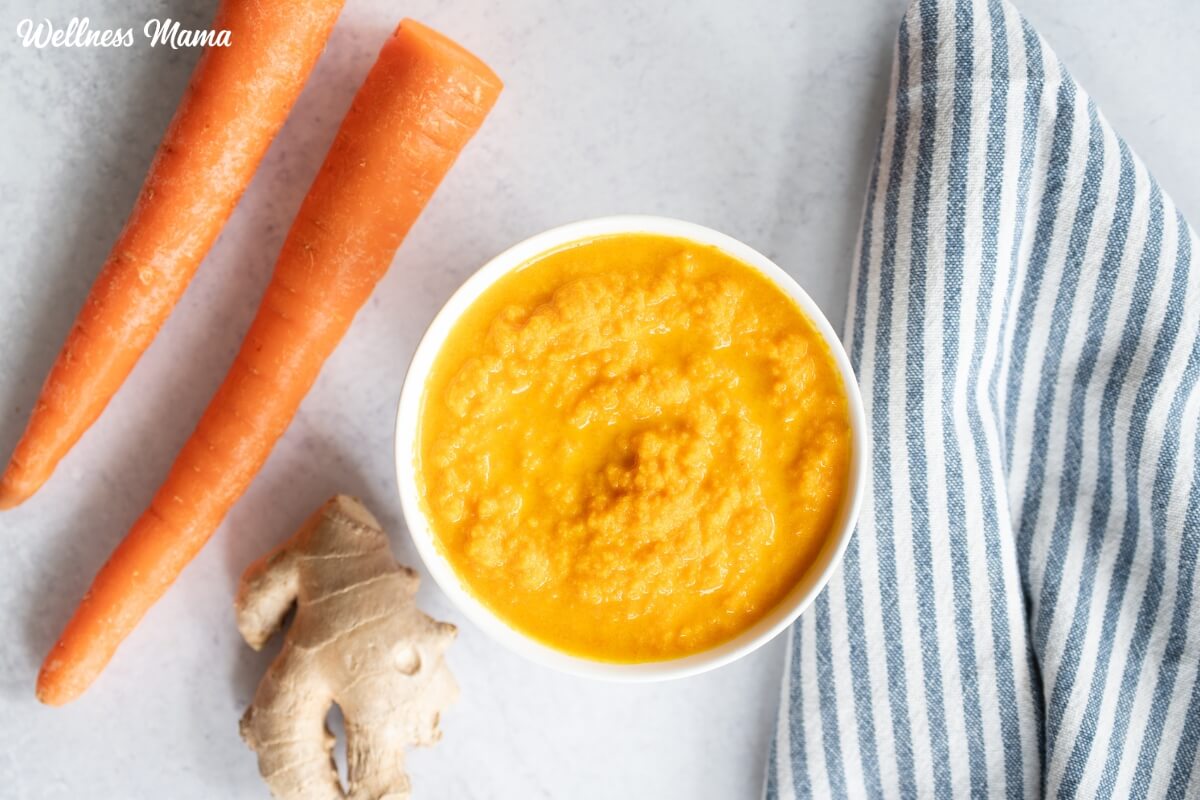
ginger dressing

Carrot Ginger Dressing Recipe

Our family goes through a lot of salads during the spring and summer months. It’s a great way to use random garden veggies and get more nutrition in. If you’re tired of the typical vinaigrette and ranch dressing, then try this sesame ginger dressing on your next salad.

You’ll often see a version of this at Japanese restaurants. Japanese ginger dressing basically has the same ingredients as my recipe, but with added soy sauce or miso. 

Carrot Ginger Salad Dressing

I’ve eaten plenty of carrots in my salad before, but actually putting them in the salad dressing wasn’t something I tried until more recently. It adds thickness and flavor in a different way. This dressing tastes fresh and bright thanks to the carrots and lime juice. The fresh ginger adds a bit of spice, the vinegar adds tang, the oil smooths it all together, and the honey adds a touch of sweetness.

Some recipes call for just olive oil or vegetable oil, but I opted to add some toasted sesame oil here. It has a more pronounced, rich, nutty flavor that combines well with the other Asian flavors of the dressing. 

More Than Just a Tasty Topping

This ginger salad dressing is more than just a great way to eat salad. Here are some of the health benefits you’ll get from the ingredients.

  • Carrots – Rich in beta-carotene, the precursor to vitamin A, fiber, potassium, and antioxidants. They also help flush excess estrogen for hormone balance and may balance candida overgrowth. 
  • Ginger – Reduces inflammation, eases nausea, improves digestion, and so much more. Adding ginger not only adds flavor, but helps the body better absorb the other dressing and salad nutrients. 
  • Lime juice – Nice and tangy, lime juice features vitamin C and small amounts of other minerals, like potassium and magnesium
  • Olive oil – Real olive oil is thick, dark, and flavorful. It adds healthy fats for hormone support and a healthy brain boost. 
  • Sesame oil – High in antioxidants and anti-inflammatory compounds. It does have some Omega-6 oils which are balanced out with the Omega-3 fatty acids from the olive oil. 
  • Rice vinegar – I usually use apple cider vinegar in recipes, but rice vinegar has a different flavor profile that goes well in ginger dressing. It’s naturally fermented and may help with immunity, blood pressure regulation, and detox. 

How to Use Carrot Ginger Salad Dressing

You can use this on any salad, but it’s typically served over roughly chopped iceberg lettuce and carrot strands. It also tastes surprisingly good on meat and fish. Try it on roasted veggies or as a dipping sauce for spring rolls. It also tastes really good on salad with some miso marinated eggs!

Here are some more salad recipes to pair your new ginger dressing with:

Tips For Making Ginger Dressing

This dressing is very forgiving. Add more ginger for extra kick or more honey if you prefer it sweeter. If your blender isn’t high-powered, chop the carrots and ginger smaller for a smoother result. I’ll taste it after its blended and usually add a little more salt to taste.

If you have any leftovers then store them in an airtight container in the fridge for up to a week. Some people recommend a max of four days, but we’ve always eaten it pretty quickly. 

And here’s how to make it!

Carrot Ginger Salad Dressing

A delicious, fresh dressing recipe like you’d find at Japanese restaurants. Great on a variety of salads or even as a dip for spring rolls.

  • Add all dressing ingredients to a high-speed blender and blend on high until smooth and creamy. The carrots should fully break down.

  • Add more salt if needed. If it tastes too tangy, add a little more honey to balance.

  • Store in a glass jar in the fridge for up to a week.

Nutrition Facts

Carrot Ginger Salad Dressing

Amount Per Serving (2 TBSP)

Calories 105
Calories from Fat 90

% Daily Value*

Fat 10g15%

Saturated Fat 1g6%

Polyunsaturated Fat 1g

Monounsaturated Fat 7g

Sodium 81mg4%

Potassium 48mg1%

Carbohydrates 5g2%

Fiber 0.4g2%

Sugar 3g3%

Protein 0.2g0%

Vitamin A 1784IU36%

Vitamin C 2mg2%

Calcium 5mg1%

Iron 0.1mg1%

* Percent Daily Values are based on a 2000 calorie diet.

Toss with fresh greens and your favorite toppings, or use as a dip or marinade.

Other Salad Dressing Recipes

Here are some more salad dressing recipes to add to your rotation. I like to keep a few jars of homemade dressing in the fridge to grab as needed during the week. They’re easy to whip up and whole food nutrition!

What are some of your favorite ingredients to use in salads? Leave a comment and let us know!
Tags: , , ,
carrot cake

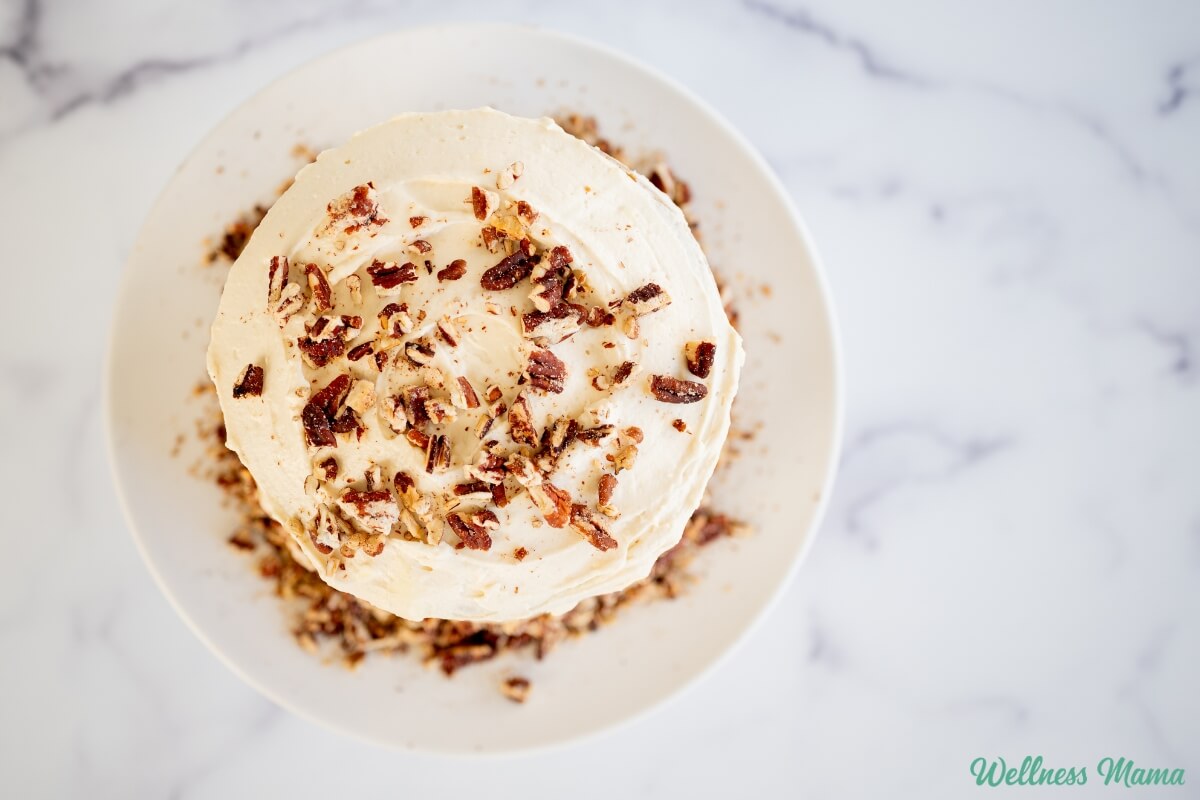
Brown Butter Carrot Cake with Honey Cream Cheese Frosting

Carrots are one of our favorite vegetables and I’ll often make recipes like carrot coulis, carrot salad, or roasted carrots. This homemade carrot cake is another way to enjoy all that carrots have to offer. It’s simple to make, moist, and full of delicious flavors. 

Years ago I came up with a grain and gluten-free carrot cake with pineapple. That recipe used coconut flour and lots of eggs for protein. While I still like that recipe and make it on occasion, I wanted to have another carrot cake recipe on hand that was more traditional. 

Carrot Cake Ingredients

Now that our family includes some organic flour on occasion, I’ve been making more baked goods with it. It’s an easy way to make a healthier dessert that has the same taste and texture as traditional desserts. That doesn’t mean it’s packed with sugar, vegetable oils, or other ingredients I prefer to avoid though!

Carrot cake ingredients typically include flour, sugar, carrots, spices, oil, and eggs. Then there are the optional mix-ins like raisins, pineapple, and shredded coconut. This recipe is very similar, but I’ve opted for raw honey instead of sugar. And it uses butter instead of vegetable oil. Applesauce adds a little more moisture and natural sweetness. 

Need a gluten-free carrot cake? Simply substitute a 1:1 gluten-free flour blend for the organic all-purpose flour. 

How to Make Carrot Cake

The long list of ingredients can be intimidating at first, but this really is a simple recipe. You’re basically combining all of the wet ingredients, then combining all of the dry ingredients, then adding them together. Finally, you’ll stir in the mix-ins like carrots, raisins, and coconut. 

There is the additional step of browning the butter first, which really adds an extra layer of flavor to the cake. Browned butter tastes a lot like caramel, but without the extra sugar. 

Tip: When you’re browning the butter, be sure to keep a close eye on it. It needs to be removed from the stove after it’s browned, but before it’s gotten really dark brown (aka burnt). Because burnt butter carrot cake is not delicious. 

Cream Cheese Frosting For Carrot Cake (Without Refined Sugar)

Carrot cake wouldn’t be what it is without the iconic cream cheese frosting. It adds a nice tang to the sweetness, so the dessert isn’t overwhelmingly sweet. Most cream cheese frosting recipes call for powdered sugar to help thicken and make it spreadable. My version uses raw honey for sweetness and butter for a buttercream frosting consistency.  I prefer honey in this recipe, but maple syrup would taste good too. 

Instead of powdered sugar to thicken, I used arrowroot starch (also known as arrowroot flour). It helps to thicken without making the frosting super sweet. Start with 2 Tablespoons of arrowroot and add more as needed to get the right consistency. You want it to be thick enough it won’t fall down the cake, but not so thick that it’s difficult to spread. 

Different Pan Options

This cake is 4 layers high because I like the look of the extra layers. If you don’t have four 6-inch cake pans, then two 9-inch round pans will also work. Simply change the bake time to 30-35 minutes if using 9-inch pans. If you want to make cupcakes, then bake for 18-22 minutes.

You could also make a sheet pan carrot cake, but I haven’t personally tried it. Let me know if you do! If you’re craving carrot cake or need a fancy (but easy!) spring dessert, then give this carrot cake a try. 

Brown Butter Carrot Cake With Honey Cream Cheese Frosting

This delicious carrot cake is moist and naturally sweetened with honey and

Honey Cream Cheese Frosting

  • Melt the butter over medium heat, swirling occasionally, until it foams and turns golden with a nutty aroma. Remove from heat and pour into a large mixing bowl, allowing it to cool for about 5 minutes.

  • Grate the carrots using the medium holes of a box grater.

  • Preheat the oven to 350°F and grease and line four 6-inch cake pans (or see notes for other pan options).

  • To the cooled brown butter, whisk in the honey or maple syrup, applesauce, eggs, coconut milk, and vanilla extract until smooth and fully combined.

  • In a separate bowl, whisk together the flour, cinnamon, ginger, nutmeg, cardamom, baking powder, baking soda, and salt.

  • Add the dry ingredients to the wet ingredients and stir until just combined, being careful not to overmix. Fold in the grated carrots, chopped nuts, raisins, and shredded coconut if using.

  • Divide the batter evenly between the prepared pans and bake for 24–28 minutes, or until a toothpick inserted in the center comes out clean.

  • Allow the cakes to cool in the pans for about 10–15 minutes before transferring to a wire rack to cool completely.

  • To make the frosting, beat the cream cheese and butter together until smooth. Add the honey, vanilla, salt, and arrowroot starch, and continue beating until light, fluffy, and spreadable. Start with 2 Tablespoons of arrowroot and increase as needed to thicken the frosting to the desired consistency.

  • Place one cake layer on a serving plate and spread a layer of frosting on top. Repeat with the remaining layers. Apply a thin crumb coat over the entire cake. Refrigerate for 20–30 minutes to set before finishing with the remaining frosting.

Nutrition Facts

Brown Butter Carrot Cake With Honey Cream Cheese Frosting

Amount Per Serving (1 serving)

Calories 399
Calories from Fat 234

% Daily Value*

Fat 26g40%

Saturated Fat 15g94%

Trans Fat 0.4g

Polyunsaturated Fat 3g

Monounsaturated Fat 6g

Cholesterol 86mg29%

Sodium 306mg13%

Potassium 254mg7%

Carbohydrates 39g13%

Fiber 2g8%

Sugar 20g22%

Protein 6g12%

Vitamin A 3410IU68%

Vitamin C 2mg2%

Calcium 70mg7%

Iron 2mg11%

* Percent Daily Values are based on a 2000 calorie diet.

  • Garnish with toasted nuts, a sprinkle of cinnamon, or a drizzle of honey if desired.
  • Serve at room temperature for the best flavor and texture.
  • You can also make this in two 9-inch round cake pans.

Does Carrot Cake Need to Be Refrigerated?

Since this recipe uses cream cheese, any leftovers should be refrigerated. I’ve also found that cakes/muffins made with applesauce or other fruit as a sweetener spoil faster at room temperature. How long does it last in the refrigerator? Well, as long as your family doesn’t eat it right away, it will last for up to a week!

It tastes best at room temperature though, so I like to pull it out and let the slice warm up before eating. 

Can You Freeze Carrot Cake? 

Yes, and no. Some recommend freezing the unfrosted and cooled cake layers or individual slices. They’ll last for about 2-3 months in the freezer this way. It is not recommended to freeze a whole, frosted carrot cake. The frosting can crack and it may not look as pretty, but it will still be tasty. Just be sure to use an airtight container to prevent freezer burn. 

What are some of your favorite carrot recipes? Leave a comment and let us know!

Tags: , , , , , , ,
Why carrot leaves should be a part of your skincare

Why carrot leaves should be a part of your skincare

Follow this guide

What’s the story

African carrot leaves, a staple in many African cuisines, have found their way into skincare routines, thanks to their rich nutrient profile.
Packed with vitamins and antioxidants, these leaves can help you achieve glowing skin naturally.
Here’s how you can use them in your daily skincare routine for a healthier complexion.

Rich in vitamin A

African carrot leaves are loaded with vitamin A, which is essential for healthy skin.
Vitamin A helps in the production of new skin cells and repairs damaged ones. It also helps in reducing the appearance of fine lines and wrinkles.
Adding these leaves to your diet or applying them topically can give you a youthful glow by promoting cell regeneration.

Antioxidant properties

The antioxidants in African carrot leaves protect your skin from environmental stressors such as pollution and UV rays.
These antioxidants neutralize free radicals that cause premature aging and dullness.
Regular use of products containing these leaves can strengthen your skin’s natural defense mechanisms, keeping it vibrant and healthy.

Hydration benefits

African carrot leaves also have hydrating properties that help keep your skin moisturized.
They prevent moisture loss by strengthening the skin barrier, making them ideal for people with dry or dehydrated skin.
Including these leaves in your skincare routine can help maintain optimal hydration levels, resulting in smoother and softer skin.

Anti-inflammatory effects

The anti-inflammatory properties of African carrot leaves are great for calming irritated or sensitive skin. They reduce redness and swelling caused by conditions like acne or eczema.
Using skincare products with these leaves can make your complexion more even and less prone to breakouts.

Easy incorporation tips

Incorporating African carrot leaves into your skincare routine is easy.
You can make a simple face mask by blending fresh leaves with honey or yogurt for added benefits.
Alternatively, look for serums or creams containing extracts of these leaves as an easy way to reap their benefits without any hassle in your daily regimen.

Tags: , , ,
Best oLive
Privacy Overview

This website uses cookies so that we can provide you with the best user experience possible. Cookie information is stored in your browser and performs functions such as recognising you when you return to our website and helping our team to understand which sections of the website you find most interesting and useful.