Instagram/Tilly Whitfield

How long does it take to repair your skin barrier: A dermatologist’s guide

At the moment, the world of skincare feels pretty overwhelming – it seems like there are a million terms floating around, as well as the never-ending stream of products we ‘need to buy’.

From ‘glass skin’ to ‘slugging,’ there are heaps of Gen Z trends that have done the rounds this year alone.

However, it turns out there is such a thing as ‘too many products’, which can lead to something called a damaged skin barrier.

If your TikTok For You Page looks anything like mine, you’ll have seen all of the videos popping up, warning you of what to do and not to do when it comes to your barrier, and it can be hard to separate the facts from the noise.

So, Tyla spoke to dermatologists to find out everything you need to know about your skin barrier, including how you can tell if it’s damaged, what to do if it is, and how long the process will take.

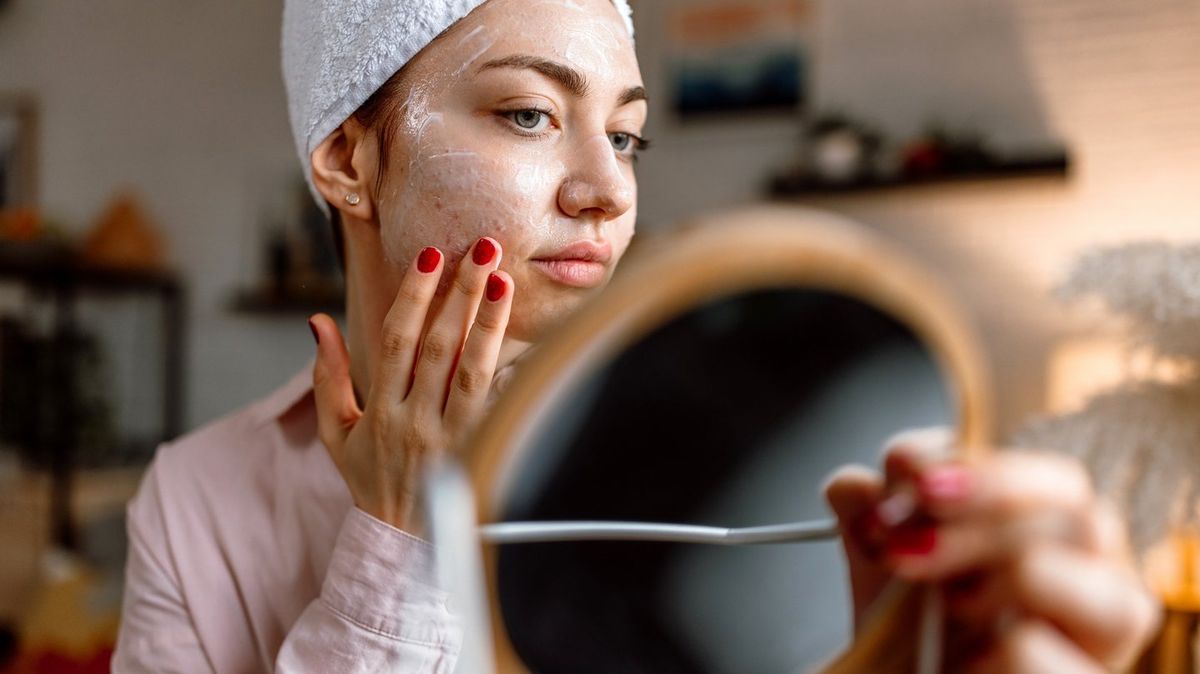
The skincare market is huge right now, with many people opting for a routine involving a lot of products (Getty Stock Image)

What is your skin barrier?

Dr Susie Gawler, Acne and Skin Lead at Boots Online Doctor, explained to Tyla that the skin barrier is the ‘skin’s outermost layer, responsible for keeping moisture locked in, and providing protection against external irritants and infections’.

She added: “When the skin barrier is disrupted, the skin can become dry, tight, flaky, red and more sensitive than usual, and is at greater risk of infection.”

While Dr. Anna Andrienko, Dermatologist & Aesthetic Doctor at Dr Ducu Clinics outlined that. When the barrier is damaged, ‘the skin loses water more easily and becomes more vulnerable to irritation’.

As per Healthline, the outermost layer is called the stratum corneum, which some people describe as a ‘brick wall’.

It’s made of tough skin cells known as corneocytes that are bound together by mortar-type lipids.

Inside the skin cells, you’ll find keratin and natural moisturizers, while the lipid layer contains cholesterol, fatty acids, and ceramides.

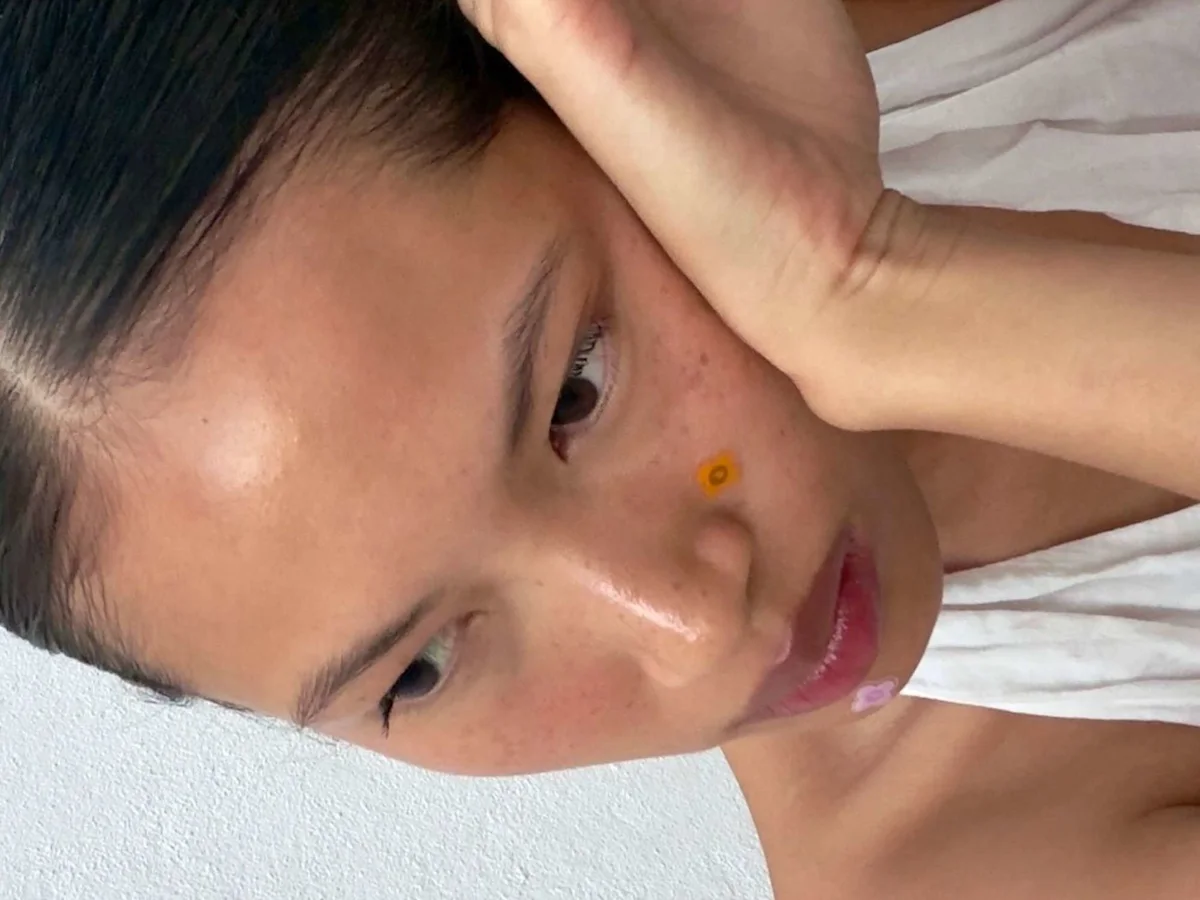
There are a number of ways your skin barrier can get damaged (Getty Stock Image)

How does your skin barrier get damaged?

There are a number of ways your skin barrier can get damaged, ranging from the environment around you to the types and amounts of products you’re using.

Dr Gawler said: “Over-exfoliating, using harsh products, cleansing too frequently, very hot water and dry weather can all contribute to skin barrier disruption. Introducing too many ingredients into a skincare routine at once can also trigger irritation.”

Harsh or fragranced products and skin conditions such as eczema can also affect your barrier.

Cleveland Clinic outlines that the symptoms of a damaged skin barrier include:

  • Acne.
  • Dry, scaly and/or flaky skin
  • Infection
  • Inflammation and irritation
  • Itchiness
  • Rough patches
  • Stinging, especially when you apply skincare products
  • Tenderness or sensitivity

Very got water and dry weather can also contribute to a disrupted barrier (Getty Stock Image)

How can you repair your skin barrier and how long does it take?

Dr Gawler advised that if your skin barrier feels compromised, the best approach is to ‘simplify rather than add more products’.

The skincare expert said: “Use a gentle cleanser and moisturiser, ideally choosing fragrance-free products formulated for dry or sensitive skin. Ingredients such as ceramides can also help support the skin barrier.

“Daily broad-spectrum SPF is important too, as UV exposure can further stress the skin.”

As for how long it takes, it’s not quite a simple question.

Dr Andrienko explained: “There isn’t one exact timeframe because it depends on how damaged the skin is and what caused it in the first place.

“Mild irritation can improve within a few days, while a more significantly disrupted barrier may take several weeks to settle.

“The important thing is to be consistent rather than constantly changing products in the hope of seeing an immediate result.”

Dr Gawler agreed: “It depends on how disrupted the barrier is and what caused the damage. With mild irritation, you may notice improvements within a few days after removing the trigger and supporting the skin.

“More significant disruption can take several weeks to settle, so consistency is more important than looking for a quick fix.”

She advised: “As the barrier recovers, symptoms such as dryness, tightness, redness, flaking and sensitivity should gradually improve.

“If these symptoms persist or worsen, it is worth speaking to a healthcare professional, as conditions such as eczema, rosacea or contact dermatitis can cause similar symptoms and may need specific treatment.”

How long it takes to repair your barrier depends on the severity of the damage (Getty Stock Image)

Products you should avoid while repairing your skin barrier

As for what to avoid, Dr Gawler advises staying away from products or treatments that cause ‘skin tightness, stinging or burning, particularly strong exfoliating acids, scrubs, peels and other potentially irritating ingredients’.

She added: “If you regularly use a cosmetic product that contains a retinoid, you may also need to pause or reduce its use until your skin has settled.

“It’s also best not to introduce lots of new products at once, as this can make irritation worse and make it harder to identify what’s causing problems.”

Setting right skin barrier myths

As we say, there’s a lot of noise out there when it comes to skincare, especially on social media, and not all of it is true.

Dr Gawler explained: “A common misconception is that skin needs to feel ‘squeaky clean’ after cleansing. In fact, that tight feeling can be a sign that the skin has been stripped of some of its natural oils.

“Another is that one ‘barrier repair’ product can fix the problem overnight. A moisturiser can support recovery, but removing the cause of the irritation is equally important.”

While Dr Andrienko added: “One common misconception is that you need a complicated routine with lots of different products to repair your skin. Often, the opposite is true. Keeping things simple and giving the skin time to recover can be much more helpful.

“Another misconception is that some stinging or burning means a product is working. Irritation isn’t something you need to experience for a skincare product to be effective.”

Tags: , , , , ,
Apple App Store

6 Skincare Tips That Will Leave You Glowing All Summer Long

Key Takeaways

  • Dermatologists recommend adjusting your skincare routine based on the season and changing weather.

  • Expert-approved summer skincare tips include using SPF, incorporating antioxidants like vitamin C into your routine, and regularly exfoliating.

It’s once again time to break out the summer skincare routine. Like switching out your wardrobe from scarves and sweaters to sundresses and sandals, your warm-weather skincare routine should be lightweight and free from thick or heavy products. “It’s essential to adjust your skincare routine to address changes in temperature and humidity,” says board-certified dermatologist Mona Foad, MD. “I recommend switching to lighter, hydrating products like those with hyaluronic acid, aloe vera, and glycerin, which provide hydration without feeling heavy.”

A good summer skincare routine isn’t just about lightweight moisturizers, though. For the low-down on how to get the best skin this summer, we asked Foad and board-certified dermatologists Ava Shamban, MD, and Karan Lal, DO, for the best skincare tips they swear by all season long. Ahead, six expert-approved summer skincare tips to incorporate into your routine.

Meet the Experts

  • Ava Shamban, MD, is a board-certified celebrity dermatologist, clinician, and author based in Los Angeles. She is the founder of AVAMD Dermatology and Althaea Skin.

  • Karan Lal, DO, is a celebrity double board-certified adult pediatric and cosmetic dermatologist based in Scottsdale, AZ.

  • Mona Foad, MD, is a board-certified dermatologist and the founder of Mona Dermatology based in Cincinnati, OH.

Protect Your Skin From Head to Toe

Arguably, the most essential part of your summer skincare routine (or any season, TBH) is wearing SPF. By now, you probably already know that wearing sunscreen is a must. But on top of that, remembering to apply it everywhere that may get exposed to those harmful UV rays, like on the scalp and lips, will prevent unwanted surprise burns. (Your scalp burns way faster than you’d think, especially after a long winter hiding under beanies.)

“More concentrated time spent outdoors in high UV index weather requires some additional measures,” says Shamban. Brush a mineral powder SPF (like zinc oxide, which “won’t irritate even the most sensitive” skin) all over your scalp, specifically concentrating on the hair’s part, she says. “It also helps to absorb excess oil [in the hair].”

Shamban also recommends swapping out lipsticks for SPF lip balms. “Summer is the best time of year to put away drying matte lipsticks and pencils to protect your pout,” she says. If you’re not ready to give up the full glam makeup look, there are plenty of options out there with color. “SPF products with tint will prevent transepidermal water loss and keep lips smooth, supple, plump, hydrated, and healthy.”

Cool Off With Your Skincare

Cooling skincare ingredients will feel so refreshing on the skin after a long day in the heat and humidity, even if you haven’t been in the sun. Foad says to look out for ingredients like aloe vera, cucumber, and even mint-based products, as these will “provide instant relief, especially after sun exposure, and help calm the skin.”

If you do find yourself feeling a little crispy after too much time in the sun (it happens to the best of us), after-sun recovery products will provide some quick comfort. Foad expects these types of products to gain popularity over the summer. Keep an eye out for “formulations with ingredients like chamomile, calendula, and hyaluronic acid, which provide much-needed hydration and repair to skin that has been exposed to the sun,” she says.

Get Your Antioxidants

If you ask any dermatologist what ingredients are in their ideal skincare routine, an antioxidant like vitamin C will absolutely be one of them. Antioxidant-rich skincare is a must-have, especially in the summer. Vitamin C “helps to prevent premature aging and protect against environmental damage,” says Foad. Shamban recommends increasing your antioxidants or adding a vitamin C serum into your routine if you don’t use one already.

Another popular antioxidant is niacinamide. “This ingredient is a powerhouse that helps repair the skin barrier [and] helps with hyperpigmentation,” says Lal. “In the summer months, I recommend people use niacinamide either in a serum or in their moisturizer once a day to help fight free radicals from excessive UV exposure.”

Don’t Be Afraid of Self-Tanner

Staying out of the sun is a surefire way to help keep your skin healthy and prevent premature aging. Fortunately, sun tanning alternatives abound, from body self-tanners like mousses and creams to bronzing face drops. Lal recommends contouring with self-tanner to get a bronzed look without spending time in those UV rays. “I think this is brilliant for those who want to have that contoured look for longer and that sun-kissed appearance,” he says. Both Lal and Shamban also suggest wearing sun-protective, UPF-rated clothing if you will be spending extensive time in the sun.

Exfoliate Regularly

If you’re noticing your pores are getting clogged more often during the summer, you’re not alone. “High temperatures combined with extreme humidity and heavy sweating can lead to increases in sebum production or trapping bacteria on the skin surface, leading to clogged pores,” says Shamban. To combat this and keep pores clean and clear, she recommends double cleansing, using an exfoliating cleanser, or wiping a peel pad on your skin at night.

“Opt for gentle exfoliation with AHAs, BHAs, or physical exfoliants to help with skin turnover and enhance product absorption,” says Foad. Ingredients to look out for include glycolic acid, salicylic acid, lactic acid, or enzymes, adds Shamban.

Try Multi-Tasking Products

If you want to keep your routine quick and easy, investing in multi-use skincare products is a must. Summer-friendly hybrid products often combine skincare or makeup with SPF. “We are moving towards the ‘sunification’ of beauty,” says Shamban.

It’s always important to apply a traditional standalone sunscreen as the last step of your skincare routine, even if you’re using an SPF-infused makeup or skincare product, as you might not be applying enough product to get the full SPF value of the makeup product. But, if you’re in a pinch or want an extra layer of protection, derms are all for these easy-to-use products. “I’m seeing a shift toward SPF-infused skincare products, such as moisturizers and foundations with built-in sun protection,” says Foad. “These provide added convenience and ensure we’re consistently protected from harmful UV rays throughout the day.”

Read the original article on Byrdie

Tags: , , , , ,
Puffy eyes, dry skin on long flights? 7 skincare essentials for UAE travellers in 2026

Puffy eyes, dry skin on long flights? 7 skincare essentials for UAE travellers in 2026

1) Best Hydrating Facial Cleanser

2) Best Serum: Vichy Mineral

3) Best Moisturiser: Dr.Jart+ Cicapair™ Sensitive Skin Face Moisturizer

4) Best Sunscreen: Eucerin Face Sunscreen Oil

5) Best Hydrating Face Mist

6) Best Lip Balm: La Roche-Posay Cicaplast Levres Moisturiser

7) Best Eye Cream: TOSOWOONG PDRN Pink Peptide Eye

Lakshana is an entertainment and lifestyle journalist with over a decade of experience. She covers a wide range of stories—from community and health to mental health and inspiring people features.

A passionate K-pop enthusiast, she also enjoys exploring the cultural impact of music and fandoms through her writing.

Tags: , , , , , , , , ,
Long flights from the UAE? 7 skincare essentials for holiday travel, 2025

Long flights from the UAE? 7 skincare essentials for holiday travel, 2025

Flying out of the UAE for the Christmas holidays? Before you board that long-haul flight armed with your neck pillow and Netflix downloads, let’s talk skincare. Nothing sabotages your holiday glow faster than recycled cabin air, humidity and eight hours of pretending you can sleep upright. So, even if you’re jetting to snowy Europe or chasing warmer skies, your skin deserves first-class treatment. From hydrating serums to mid-flight refreshers, these are the 7 skincare essentials that will keep you looking dewy, rested and absolutely unbothered when you touch down. Consider this your inflight beauty survival kit for 2025.

So, be prepared with these skincare essentials, and get them delivered to you as early as tomorrow with a Prime membership.

1) Best Facial Mist: Avene Thermal Spring Water

When the cabin air starts stealing every drop of moisture from your skin, this is the mist you want on standby. The 1.6 oz travel-friendly bottle slips easily into your carry-on, ready to revive your face with a wave of hydration at 30,000 feet.

Made with pure thermal spring water from France’s Cévennes Mountains, it’s naturally packed with calming minerals. If your skin turns red, itchy, or Sahara-dry mid-flight, this soothing spritz brings instant relief — especially for sensitive, easily irritated skin.

2) Best Lotion: Neutrogena Hydro Boost Gel Lotion

No doubt, traveling can take a toll on your skin, especially your body—which often gets overlooked in your flight skincare routine. Enter the Neutrogena Hydro Boost Gel Lotion Ultralight, which helps keeping your skin hydrated, smooth, and fresh even after hours in dry cabin air.

Formulated with skin-quenching glycerine and hyaluronic acid, this cream draws in moisture and seals it in, ideal for fighting off tight, flaky skin during and after travel. Its gel texture absorbs instantly, so you won’t feel greasy in your seat or during a layover.

3) Best Lip Balm: WishCare Ceramide Lip Balm

Say hello to WishCare Ceramide Lip Balm with SPF 50 PA+++, your must-have inflight lip saviour. This compact 5 g tube fits perfectly in your carry-on, ready to protect and pamper lips through dry cabin air and holiday sunshine. Rich ceramides lock in moisture, preventing the flakiness and cracking that long flights love to bring. Meanwhile, Kojic Acid and Niacinamide help fade dark pigmentation and even out tone, so your lips look fresh when you land. With high-strength SPF 50 PA+++, it shields against UVA/UVB rays — essential even at altitude. Hydrating, protective and perfect for jetsetters on the go.

4) Best for Dry Skin: Galderma Cetaphil Dry Skin Combo

The Galderma Cetaphil Dry Skin Combo is a solid companion for flights. The Gentle Skin Cleanser sweeps away impurities without stealing moisture, while the hydrating cream pampers dry hands, elbows, or any tight spots at 30,000 feet. Finish with the lightweight SPF cream for broad-spectrum sun protection—perfect for landing in sunny destinations or walking through glass-walled airports. Fragrance-free, non-comedogenic, and travel-ready, this trio keeps your skin calm, soft, and fully protected, ensuring you touch down looking fresh no matter how long the flight.

5) Best Hydrating Serum: Cerave Hydrating Hyaluronic Acid

If your skin rebelled every time cabin air turned dry and tight, the CeraVe Hydrating Hyaluronic Acid Serum is what you need. Lightweight yet powerful, this serum delivers a deep drink of moisture exactly where your skin needs it most. Hyaluronic acid attracts and holds water like a magnet, while a trio of essential ceramides helps reinforce your skin’s protective barrier — critical when you’re battling recycled air at 30,000 feet. Non‑comedogenic, fragrance‑free and gentle enough for sensitive skin, it layers beautifully under moisturiser or SPF. Quick to absorb and easy to pack, it’s a must‑have for hydrated, plump skin from takeoff to touchdown.

6) Best Eye Cream: La Roche-Posay Pigmentclar Eye Cream

If your eyes are the first to announce a long flight with puffiness, dark circles or tiredness, the La Roche‑Posay Pigmentclar Eye Cream deserves a spot in your carry‑on. This lightweight formula targets darkness and uneven tone around the eyes — perfect for combatting the effects of dry cabin air and jet lag. Caffeine helps refresh puffed‑up under‑eyes, while L‑Dopa and light‑reflecting pigments brighten and improve overall radiance. Infused with soothing thermal spring water, it’s gentle on sensitive skin and glides on easily under makeup or alone. Apply before takeoff and again on landing for eyes that look rested, not worn‑out.

7) Bioderma Photoderm sunscreen

Whether you’re sitting by a plane window or landing in full sun, Bioderma Photoderm MAX Aquafluide SPF 50+ is the perfect sunscreen to have on hand. This lightweight, dry-touch formula offers broad-spectrum UVA/UVB protection without leaving a greasy or heavy feel—ideal for travel. The golden tint provides a subtle, natural-looking glow, evening out your skin tone while keeping it protected. Designed for all skin types, it’s non-comedogenic, water-resistant, and absorbs fast—so you can apply it easily during or after your flight without disrupting your skincare or makeup. At 40 ml, it’s perfectly sized for your carry-on, making it a travel skincare essential, especially for sunny destinations or UV exposure through airplane windows.

Lakshana is an entertainment and lifestyle journalist with over a decade of experience. She covers a wide range of stories—from community and health to mental health and inspiring people features.

A passionate K-pop enthusiast, she also enjoys exploring the cultural impact of music and fandoms through her writing.

Tags: , , , , , ,
Best oLive
Privacy Overview

This website uses cookies so that we can provide you with the best user experience possible. Cookie information is stored in your browser and performs functions such as recognising you when you return to our website and helping our team to understand which sections of the website you find most interesting and useful.