5 Expert Tips To Protect Skin Barrier in Monsoon

5 Expert Tips To Protect Skin Barrier in Monsoon

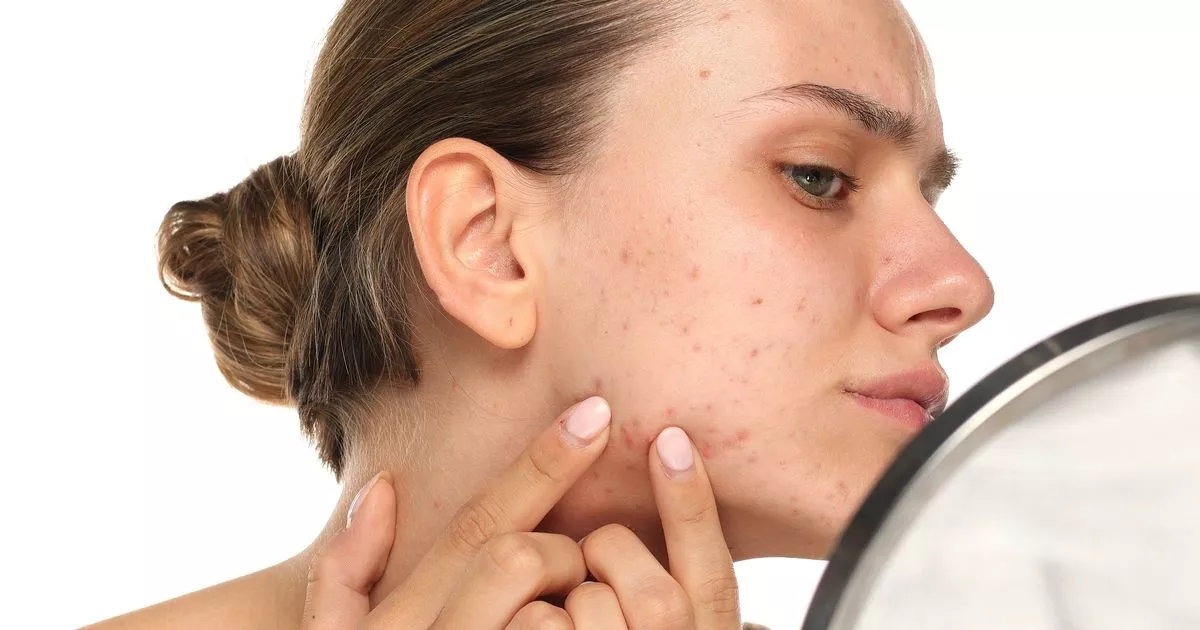
High humidity and trapped sweat during the rainy months harms your skin in more ways than one. This is why, during monsoon, issues such as fungal infections, acne breakouts, and prickly heat are extremely common. This season is also the perfect breeding ground for skin barrier damage. In simple terms, the outermost layer of your skin gets harmed, which can lead to different skin woes. How can you protect your skin during monsoon season? This article will answer this for you.


To get a better understanding of this, we interacted with our experts, Dr Shitij Goel,  Senior Consultant, Dermatology, Shardacare-HealthCity.

5 Tips To Protect Your Skin Barrier During Monsoon

Dr Goel shares 5 practical tips that can help your protect your skin barrier in the rainy months:

Use a Gentle Cleanser

Gentle skincare is the foundation of maintaining a healthy skin barrier. Cleanse the skin with a mild, soap-free, pH-balanced cleanser that removes sweat, sebum, and pollutants without stripping away essential barrier lipids. 

Avoid Harsh Elements

Avoid overwashing, harsh soaps, exfoliating scrubs, and very hot water, all of which increase transepidermal water loss and impair barrier function. 

Use a Gentle Moisturiser

A lightweight, fragrance-free, non-comedogenic moisturiser containing ceramides, glycerin, hyaluronic acid, or niacinamide helps replenish epidermal lipids, restore hydration, and improve barrier repair.

Avoid Skipping Sunscreen

One common mistake frequently encountered in dermatology clinics is skipping sunscreen during the monsoon. Ultraviolet rays readily penetrate cloud cover and contribute to pigmentation, photoageing, and exacerbation of several dermatoses. Daily use of a broad-spectrum SPF 30 or higher is recommended.

Avoid Damp Clothes

Keep body folds dry, change out of damp clothing promptly, wear breathable fabrics, and avoid self-medicating with steroid-containing combination creams. 

“If redness, itching, scaling, or recurrent rashes persist, consult a dermatologist promptly. Healthy skin begins with a healthy barrier: protect it, and your skin will remain resilient throughout the rainy season,” concludes Dr Goel.

Why Skin Barrier Weakens During Monsoon

Dr Goel says that monsoon brings welcome relief from the summer heat, but it also creates conditions that can weaken the skin barrier. The expert explains, “Persistent humidity, excessive sweating, and increased bacterial and fungal growth compromise this protective outer layer, making the skin more susceptible to irritation, eczema flares, acne, fungal infections, and sensitivity.”

Shedding light on what exactly the skin barrier is, Dr Goel says, “It is the body’s first line of defence, preventing excessive water loss while protecting against irritants, allergens, and microorganisms. Once damaged, it struggles to retain moisture and becomes more vulnerable to environmental insults.”

According to the Journal of Clinical and Aesthetic Dermatology, the term skin barrier is also commonly referred to as the epidermal barrier. The skin barrier, in simple language, acts as the security guard and the brick wall of your body. It is the very top layer of your skin that has two main functions:

  • It locks in your natural moisture and hydration.
  • It blocks out environmental pollution, harmful bacteria, and harsh chemicals.

The report notes that when this wall is strong and intact, your skin appears plump, smooth, and naturally healthy. However, when it gets damaged (which usually happens from over-washing, harsh winter weather, or using too many strong skincare acids) the bricks become loose. This lets the vital water to escape and invisible irritants to sneak in, which is why a damaged barrier leaves your skin feeling tight, dry, visibly red, and highly prone to unexpected breakouts.

How Environment and Weather Impacts Skin Barrier

A 2015 study, published in the Journal of the European Academy of Dermatology and Venereology, examined existing research to understand how different levels of humidity and temperature impacts skin barrier function. The researchers found out that exposure to low environmental humidity and freezing temperatures can weaken the skin’s natural protective abilities. These harsh weather conditions can lead to a significant increase in transepidermal water loss, which means vital moisture escapes from the skin much faster. 

Moreover, cold and dry environments actively minimise the essential fats and ceramides that hold the top layers of the skin together. With these protective oils reduced, the skin becomes visibly dry, less flexible, and much more fragile. The study also disclosed that such environmental stress makes the skin highly vulnerable to external irritants and physical friction. 

When the skin barrier breaks down, the body responds by increasing inflammatory signals. This often leads to redness and discomfort. The study noted that moderate humidity generally retains the skin, maintains its hydration and shed dead cells smoothly. To conclude, these findings prove that seasonal climate changes definitely dictate the physical integrity of our skin, highlighting the need for changes in our skincare routine accordingly. 

ALSO READ- Can Oral Supplements Really Fade Pigmentation? Here’s What a Dermatologist Wants You to Know

Conclusion

The monsoon season provides a refreshing break from the summer heat. However, its high humidity and trapped sweat can severely compromise your skin’s natural protective barrier. By choosing a gentle skincare routine that includes a mild cleanser, a repairing moisturiser, and daily sunscreen, you can successfully defend your skin against these harsh seasonal shifts. Choosing these simple yet powerful skincare habits can help lock in essential moisture and prevent unwanted irritants, ensuring your skin remains healthy during monsoon. 

FAQ

  • How to fix if the skin barrier is damaged? 

    Fixing a damaged skin barrier requires stopping all active treatments, switching to a gentle cleanser, and moisturising frequently. 

  • Can a skin barrier be permanently damaged? 

    No, skin barrier damage is almost never permanent.  

Read Next

Tanning Removal Soaps: Do They Really Work and Who Should Avoid Them?

Disclaimer

All possible measures have been taken to ensure accuracy, reliability, timeliness and authenticity of the information; however Onlymyhealth.com does not take any liability for the same. Using any information provided by the website is solely at the viewers’ discretion. In case of any medical exigencies/ persistent health issues, we advise you to seek a qualified medical practitioner before putting to use any advice/tips given by our team or any third party in form of answers/comments on the above mentioned website.

Shruti is a lifestyle journalist with over seven years of experience, covering everything from diseases to diets. She specialises in human interest stories that combine compelling narratives with expert insights, scientific research, and credible sources. Previously associated with HTCity, Storytailors and Patriot, she is committed to producing accurate, engaging, and trustworthy health content that informs and inspires readers.
Editorial Policy: All articles authored by Shruti are fact-checked by our editorial team and reviewed by relevant subject matter experts when necessary.

Read More..

How we keep this article up to date:

We work with experts and keep a close eye on the latest in health and wellness. Whenever there is a new research or helpful information, we update our articles with accurate and useful advice.


  • Current Version

    Jul 30, 2026 19:01 IST

    Published By : Shruti Das
    Reviewed By : Dr Shitij Goel
Tags: , , , , ,
Hindustan Times News

Is your skincare routine harming the planet? Beauty expert Blossom Kochhar shares eco-friendly beauty tips

Beauty isn’t just about good looks anymore, it’s about making choices that are good for you and the Earth. People are waking up to the reality of environmental problems, and eco-friendly beauty isn’t just a buzzword these days. It’s a shift in how we live. You don’t have to flip your whole routine upside down either. Small, practical tweaks add up over time.

How to make your beauty routine more eco-friendly? (Adobe Stock)

Tavishi Dogra is a health and wellness journalist with over eight years of experience in the field of health and wellness journalism. She knows how to explain complex health topics in a way that is easy to understand for many readers. Tavishi has written for respected publications like RSTV, Financial Express, Jagran, and Zee. She has a strong understanding of current health trends and social issues. Tavishi is dedicated to promoting holistic health and wellness solutions, which she shares in her articles about fitness, nutrition, and mental well-being. For more insights and updates on health, you can follow her work in the Hindustan Times.

Read moreRead less

How to make your beauty routine more eco-friendly?

“To create an eco-friendly skincare routine, focus on reducing your environmental impact. You can do this by using products wisely, reducing waste, and choosing ethically made items. To help the planet and your skin, choose refillable packaging, switch from single-use products, and opt for multi-purpose items,” Dr Blossom Kochhar, beauty expert and aromatherapist, tells Health Shots.

1. Start by paying closer attention to the products you use

Many typical skincare products contain ingredients that aren’t great for the environment. Think about how they’re sourced, how they’re made, and what happens when you rinse them off. Instead, look for naturally derived ingredients. Stuff like plant oils, botanical extracts, essential oils, and formulas that break down easily after use. These options are gentle on your skin and on the planet.

2. Then there’s the matter of packaging

The beauty industry generates a staggering amount of plastic waste each year. Most of it ends up in landfills or pollutes the ocean. Look for products made of glass, aluminium, or recycled plastic. Refillable packages are popping up everywhere, giving you the power to cut out single-use containers.

3. Consider simplifying your routine

The internet is loaded with 10-step skincare routines. But honestly, your skin probably doesn’t need all that. A gentle cleanser, a toner, a good moisturiser, sunscreen, and maybe one treatment product sometimes that’s enough. This approach keeps your skin and your conscience clear, since you’re not loading up your bathroom shelf (and the landfill) with stuff you hardly use.

4. Don’t forget how much water gets used in beauty routines

Both when you wash up and in the manufacturing of products themselves. Small steps like turning off the tap while cleansing, adopting water-saving habits, or choosing concentrated products can save more water than you might expect.

5. Support cruelty-free brands and companies

Supporting brands that conduct business ethically is another way to make a difference. Look for companies that don’t test on animals, that are open about where their ingredients come from, and that care about their full supply chain. Certifications can help you spot who’s genuine.

Eco-conscious beauty isn’t about perfection

Real beauty is about finding the sweet spot, caring for yourself while caring for the world around you.

  • Try not to get swept away by shiny new product drops or social media fads. It’s easy to collect more jars and bottles than you’ll ever use. Before buying, ask yourself what you really need and whether a new product will actually improve your routine or collect dust.
  • And here’s something simple but powerful don’t open a new product till you finish the last one. Those half-finished or expired bottles create waste (and waste money). Stick to what you need, use it up, and buy replacements only when it’s time.
  • Eco-conscious beauty is about making steady progress with little changes. Each choice, whether it’s a better formula, less packaging, or just saying “no” to impulse buys, helps the planet heal a little, and that’s something to feel good about.

(Disclaimer: At Hindustan Times, we help you stay up-to-date with the latest trends and products. Hindustan Times has an affiliate partnership, so we may get a part of the revenue when you make a purchase. We shall not be liable for any claim under applicable laws, including, but not limited to, the Consumer Protection Act, 2019, arising from the products. The products listed in this article are in no particular order of priority, and the brands have not been directly suggested by the expert mentioned.

This article is for informational purposes only and is not a substitute for professional medical advice. Always seek the advice of your doctor with any questions about a medical condition.)

Tags: , , , , , , , , , ,
Expert Tips for Thicker Hair

Expert Tips for Thicker Hair

Retinoids have long been a key ingredient in an anti-aging skincare routine, because they are exemplary for optimizing your cellular turnover. After a short adjustment period, they reliably deliver the smoothest, clearest, firmest skin possible. But recently, there’s been more buzz about how great they are for hair growth.

We asked NYC-based board-certified dermatologist, Dr. Dendy Engelman of the renowned Shafer Clinic, to explain how you can get the best results by incorporating this ingredient into a structured hair care routine.

How Retinoids Work in the First Place—And On the Scalp

“Retinoids are Vitamin A derivatives that function as cellular regulators, signaling cells to turn over more efficiently and behave like youthful tissue,” Engelman says. “On the scalp, this translates to normalization of keratinization within the follicle, helping to prevent buildup that can disrupt the follicular opening and disturb the growth cycle.”

So these retinoids (retinol, retinal, tretinoin, adapalene…) can bind to receptors in skin cells (which includes the scalp) and tell those cells to behave differently. On the scalp specifically, that messaging yields better cellular turnover for the hair itself, reduced oil buildup, and improved skin tissue.

And a lot of the talk in favor of using retinoids on your scalp focuses on enhanced penetration: when used in tandem with medications like topical minoxidil and finasteride, you can multiply the benefits of those hair-raising ingredients. 

How Retinoids Work for Hair Growth and Optimization

So, for clarification: Retinoids have a supporting role in hair growth. I wouldn’t tell you to use them up there if you aren’t also using something clinical-grade and topical in the first place, nor would Engelman: “I think of them less as a primary growth treatment, and more as a strategic enhancer within a broader regimen,” she adds.

The two core topical hair-growth options worth considering include minoxidil, which actively pushes follicles into growth mode, allowing you to express more hairs at once; and finasteride, which can interfere with the hormonal factors that cause hair thinning, dihydrotestosterone, or DHT.

How to Apply Retinoids for Hair Growth

The scalp is not as forgiving as the skin on your face, and hair makes retinoid application a bit more complicated.

“Trying to distribute it all at once can get messy and result in inconsistent coverage,” Engelman notes. “You’ll get the most value by keeping the application close to the scalp, not the hair.” So, define the parts as best as possible, and pat in the product with your ring finger or middle finger. The amount to use will differ from one person to the next, though, as retinoids are dose-, formulation-, and user-dependent (including how irritation could impact you). That’s also why it can be good to start with a prescription and a doctor’s supervision, as well as their tailored advice.

Engelman suggests doing so at night, too—at the same time you should apply those core topical products (if they are once-a-day use). “Apply them at night, on a completely dry scalp, since that’s when skin repair processes are most active, and you can minimize potential irritation from environmental exposure,” she says.

And start conservatively: “In terms of frequency, starting at 2–3 times a week is reasonable, and you can increase frequency as tolerated,” she advises. 

The Best Retinoids for Hair Growth

Retinoids aren’t (yet) approved by the FDA for use on your head. So you won’t see brands using and marketing any Vitamin A serums just yet. Still, you’ll have plenty of options available via higher-grade prescriptions, as well as alternative over-the-counter picks that primarily focus on peptides for better hair growth. 

Engleman, as a board-certified derm, recommends going the prescription route instead of using a facial retinoid on your scalp: “Prescription retinoids are more predictable in terms of strength, stability, and clinical outcome, especially when you’re trying to meaningfully influence the follicular environment,” she says. Plus, having a doctor know what to supervise and adjust for irritation is an important part of getting adjusted to the sometimes-irritating ingredient. 

Prescription Options

Tretinoin (retinoic acid): This is the most studied and predictable retinoid, for all kinds of use in skin clarity, resilience, and brightness. Same for scalp cellular turnover: It is effective at normalizing keratinization and enhancing penetration of other actives. “Tret” is often used in compounded scalp formulas alongside minoxidil.

Adapalene: You might know adapalene as Differin gel, but it is also available in higher-grade prescription formulations. It tends to be more stable and generally better tolerated than tretinoin (which is also why it is commonly used in skincare with sensitive, acne-prone teens). Still, it is quite effective for regulating turnover and equally gentle on scalps.

Tazarotene: The most potent of the common prescription retinoids, tazarotene is typically reserved for more resilient skin types given its higher irritation potential. Still, it works fantastically when tolerated.

Over-the-Counter Alternatives 

If you are in the market for hair-boosting products that are FDA approved, then look to these treatments that take different routes for that fullness effect:

  • Nulastin Vibrant Scalp Treatment

    Image Credit: Nulastin

    Engelman likes this OTC product best for her patients: “It addresses the follicular environment in a meaningful, biologically relevant way, particularly around elastin support and anchoring at the root.” The lightweight formula is easily tolerated even for sensitive folks, and clinically shown to improve the look of fullness and reduce visible shedding over time, which she says is the goal with most people. But she adds one reminder: “This is a long-term scalp health treatment, so consistency matters more than anything here.”

  • Caldera + Lab The Hair Serum

    Image Credit: Caldera + Lab

    Exosomes, peptides, plant stem cells, amino acids… this one is a delivery vehicle for thicker hair, stronger shafts, healthier shine, and a balanced scalp. A beautiful pairing with the brand’s hair-densifying shampoo-conditioner duo, at that.

  • Happy Head Hair Serum

    Image Credit: Happy Head

    A full-service serum for fuller hair: Ingredients like Procapil, Capixyl, Redensyl, peptides, and biotin work at the follicle level to support stronger anchoring, extend the growth phase, and improve hair’s keratin structure (so, thicker strands, less shedding). Meanwhile, scalp-focused ingredients like witch hazel, collagen, argan oil, rosemary oil, and ashwagandha reduce inflammation, balance oil, boost circulation, and counter stress (sooo, optimal growth environment for fuller, healthier hair).

  • Patricks RD1 Recovery and Defence Treatment Spray

    Image Credit: Patricks

    How does Patricks’ awesome hair-growth serum work on follicles? Let us count the ways: Caffeine energizes follicles and supports circulation; saw palmetto helps counter DHT; biotin strengthens keratin; acetyl tetrapeptide-3 supports anchoring proteins; rosemary extract boosts scalp circulation for denser, healthier growth. And we’re just getting started…

  • OMI WellBeauty Hair Growth Peptides

    Image Credit: Omi

    “If a serum doesn’t feel compatible with your routine or if you think applying a topical consistently might be a challenge for any reason, then try an ingestible option that supports follicle health systemically,” Engelman says. She recommends these peptides, available as capsules or gummies.

Tags: , , ,
Sunscreen

Expert Shares Why Sunscreen Is the Most Important And Unavoidable Step Skincare Routine

Why Sunscreen Is the Most Important Step in Your Skincare Routine
| Image:
Unsplash

Mercury rises, heat wave, harsh summer and record-breaking temperatures are a few terms that will be frequent over the next few months. As retiring winter paves the way for a hot and humid summer, skincare needs significant changes too. Greasy heavyweight products will be replaced by high-moisture locking skincare essentials. However, one item that will remain constant, and even more important than ever, is sunscreen.

Make sunscreen your best friend this summer 

Dr Rinky Kapoor shares why sunscreen is the most important part of one’s skincare routine. Even though most of us are aware of the importance of a good and effective sunscreen, its relevance is sometimes forgotten. Influencers and targeted ads have done a good job of inculcating the habit of reapplying sunscreen and making terms like ‘broad spectrum’, ‘UV rays’ and ‘SPF’ a part of our daily vocabulary. If you are still doubting why the said lotion is important and if you still think of it as a cosmetic addition to your vanity, it is essential to know the role it plays in blocking sun exposure.

Representational Image | Freepik

As per the expert, “Sunscreen plays a pivotal role in shielding the skin from the long-term consequences of sun exposure. Persistent exposure to sunlight gradually breaks down the skin’s natural defence mechanisms, leading to pigmentation problems, uneven skin tone, dullness, sun spots, premature ageing, and, in serious cases, skin cancer.”

Also Read: 7 Best Night Haircare Hacks To Wake Up With Smooth, Healthy Hair

Is sunscreen only for a sunny day? 

Representational Image | Freepik

Busting another myth, the medical practitioner says, “What many people underestimate is that sun protection is not just an outdoor concern. UV rays are present even on dull days, and they penetrate cloud cover and glass, meaning that everyday indoor and sheltered environments offer far less defence than most assume. The cumulative effect of this ongoing exposure gradually alters skin texture and tone.”

Also Read: How To Pick The Right Face Serum For Your Skin Type?

Why is sunscreen essential? 

Dr Kapoor links several dermatological issues to prolonged sun exposure. She says, “Tanning, persistent pigmentation, and early signs of ageing are among the most common skin concerns patients seek dermatological help for. While a range of treatments can effectively address these issues, they must always be paired with consistent sun protection to maintain results and preserve long-term skin health.”

Representational Image | Freepik

Putting special emphasis on those who have undergone skin procedures, the doctor shares that the absence of sunscreen and increased exposure to the sun can undo the effects of all treatments. “Incorporating sunscreen into a daily skincare routine is one of the simplest yet most powerful steps towards healthier skin. Used consistently, it guards against environmental damage and UV radiation, keeping skin more balanced, resilient, and better positioned to hold onto the results of any treatment over time,” Dr Kapoor concludes.

Also Read: Here’s How Yogurt Can Benefit Your Hair And Scalp – Know How To Use It

Tags: , , , , , , ,
An Expert Predicts The Skincare Trends That Will Dominate 2026

An Expert Predicts The Skincare Trends That Will Dominate 2026

After a couple of years that were dominated by extreme aesthetics, overstuffed routines and viral ingredients that promised instant transformation but delivered far less, the skincare pendulum is swinging back toward something more nuanced. In 2026, we want our skin to look strong and luminous, but above all, we want our skin to reflect overall health rather than manufactured perfection.

According to Dr Tania Romano, Head of Medical and Education at SkinCeuticals, this shift isn’t just a trend, it’s a recalibration of priorities across dermatology, aesthetics and consumer skincare alike.

“The biggest trend I predict for 2026 is healthy glowing skin,” Dr Romano says. “There is a real shift in the industry away from over-filling, over-freezing and over-treating, with many people now wanting a more natural look with healthy skin.”

So what does that mean in practice? From ingredient innovation to barrier health and the rise of professional diagnosis, here are the biggest skincare trends set to define 2026.

Tags: , , , ,
The K-beauty trends expected to explode in 2026, according to a Korean skincare expert

The K-beauty trends expected to explode in 2026, according to a Korean skincare expert

Long before ‘skin barrier’, ‘slugging’ or ‘glass skin’ entered our everyday beauty vocabulary, Korean skincare was quietly setting the standard, rewriting the rules of what effective (and fun) skincare could look like. This year, K-beauty continued to inform skincare trends. And according to the experts, 2026 will show no sign of that interest slowing down. In fact, they believe that the influence of K-beauty is only set to deepen in 2026. As beauty lovers become savvier, the desire for results-driven routines that still feel sensorial has never been stronger. Next year, it’s all about fewer steps, smarter formulas and a focus on long term skin health. 

© Biodance

So what’s next? To get a pulse on the trends set to take over our bathroom shelves in the year ahead, K-beauty expert and Skin Cupid CEO and founder, Melody Yuan, exclusively shares her predictions on the innovations, ingredients and philosophies set to define 2026.

Melody tells H! Fashion: “Having already set the global stage for skin care, K-beauty continues to set the benchmark for innovation. UK consumers are becoming more ingredient-savvy, gravitating towards the gentle formulations and advanced technology that Korean skincare is celebrated for. 2026 will be a year defined by personalisation, skin health, and sustainable luxury.”

Keep reading for all the need to know trends, ingredients and innovations in K-beauty for 2026…

 AI-Driven Skin Personalisation

K-beauty is set to embrace next-level personalisation in 2026, driven by rapid advances in beauty tech. Melody explains that tech-integrated skincare will soon deliver truly tailored routines for UK consumers. “With tech-integrated beauty on the rise, 2026 is set to bring personalised routines to UK consumers,” says Melody, pointing to advanced diagnostic tools, app-linked routines, and AI-generated custom formulations that adapt in real time to lifestyle and environmental factors.

Barrier-First

Barrier repair continues to dominate the global skincare conversation and K-beauty is taking it a step further. “Barrier-repair skincare is rising across the globe, and K-beauty will be pushing it further with new-generation strengthening complexes,” notes the expert. She explains that ultra-gentle, microbiome-supporting formulas, particularly those using fermented ingredients, ceramides, and postbiotic blends, will become central to everyday routines. However, she adds that consumers will need to be mindful about how they protect and restore the skin barrier, rather than overdoing it.

Poly-L-Lactic Acid (PLLA)

PLLA, long associated with in-clinic treatments, is also moving into mainstream skincare. “You may have heard of this ingredient, which is often used in injectable fillers and other dermatology treatments, and we can expect to see more over-the-counter cosmetic products formulated with PLLA in 2026,” she explains. While topical formulas can’t replicate the results of injectables, the expert  explains they can still help exfoliate, hydrate, and improve elasticity for smoother-looking skin.

Hybrid-Skincare Products

The ‘glass skin’ aesthetic continues to dominate, and hybrid skincare is playing a major role in achieving the look. Already gaining momentum, these multitasking formulas are set to become even more prevalent in the year ahead. “We’ve seen a rise in the ‘glass skin’ aesthetic this year, and this is formed by using hybrid-skincare products,” she says. As the category grows, Skin Cupid’s founder explains that hybrid formulas promote wearable, multi-layered radiance through a mix of skincare and makeup benefits. “Think soft-focus glow and skin-boosting luminisers – products that deliver long-term skin health benefits alongside instant luminosity.”

Traditional Ingredients

Modernised hanbang (traditional Korean herbal medicine) is also set to make a strong comeback in 2026, reimagined through a contemporary lens. “We expect that 2026 will see a major surge in modernised hanbang formulas,” says the expert. Ingredients such as ginseng, mugwort, and bamboo sap will rise in popularity, she explains, paired with peptides and advanced encapsulation technologies to improve stability and ingredient delivery.

Sensorial Skincare

As skincare culture continues to thrive on TikTok, sensorial experiences are becoming just as important as results. “With the rise of sensorial skincare on TikTok, Korean beauty brands are set to introduce more sensorial textures, uplifting aromas, and mood-enhancing formulations,” she tells us. By transforming daily routines into moments of self-care, Melody believes sensorial skincare will add an entirely new dimension to the K-beauty market and is one of the most exciting trends to watch in the new year.

An expert’s K-beauty product recommendations for 2026: 

PURCELL PIxcell Biom 2Billion/ml

© Purcell

Melody’s Expert Opinion: “PURCELL’s PIXCELL BIOM 2BILLION/ml is a powerhouse treatment crafted to restore, protect, and strengthen your skin from the inside out – starting with the barrier. Formulated with a remarkable 90% concentration of 2 probiotic ingredients, Bifida Ferment Lysate and Lactobacillus Ferment Lysate, this potent treatment delivers intensive care for stressed, sensitive, or acne-prone skin.”

MA:NYO Bifida Biome Aqua Barrier Cream 

© Amazon

Melody’s Expert Opinion: “MA:NYO’s Bifida Biome Aqua Barrier Cream is a refreshing, lightweight moisturiser that delivers deep hydration while helping to keep skin balanced and soothed, even in hot and humid conditions. Specially designed for year-round use, it’s particularly effective in summer when skin can become dry, flaky, and overheated from excessive sun exposure.”

PARNELL Cicamanu Serum Cushion

© Parnell

Melody’s Expert Opinion: “Meet PARNELL’s Cicamanu Serum Cushion, Korea’s No.1 cushion foundation, and your shortcut to glowing, calm, and hydrated skin – even on your most sensitive days. This innovative base combines the featherlight coverage of a cushion with the power of a full serum, creating a radiant finish that looks like your skin, only better.”

Tags: , , , , , ,
People who appear decades younger than their real age almost always have these 5 daily habits, according to a mindfulness expert – VegOut

People who appear decades younger than their real age almost always have these 5 daily habits, according to a mindfulness expert – VegOut

Ever notice how some people just seem to glow with an energy that makes them look way younger than their years?

I was grabbing my usual black coffee last week when I ran into an old colleague. We hadn’t seen each other in maybe five years, but while I felt every one of those years showing on my face, she looked exactly the same. Maybe even better.

It got me thinking about what separates those who age gracefully from those of us who feel every birthday like a weight. And after diving deep into mindfulness research and observing the habits of people who seem to defy aging, I’ve discovered it’s not about expensive creams or extreme diets.

The people who look decades younger than their real age share something much simpler: daily habits rooted in mindfulness.

These aren’t complicated rituals or time-consuming routines. They’re small, intentional practices that anyone can adopt. And according to mindfulness experts, they work because they address aging from the inside out, reducing stress, improving mental clarity, and boosting overall vitality.

Ready to discover what these age-defying individuals do differently? Let’s explore the five daily habits that could transform not just how you look, but how you feel about each passing year.

1. They prioritize quality sleep like their life depends on it

Here’s something that might surprise you: those people who look perpetually young? They’re probably in bed by 10 PM.

While the rest of us are scrolling through our phones or binge-watching another series, they’re getting their seven to nine hours of quality sleep. And this isn’t just about quantity. It’s about creating a sleep ritual that actually works.

Think about it. When you’re sleep-deprived, what happens? Your skin looks dull, bags appear under your eyes, and you reach for that third (or fourth) cup of coffee just to function. Chronic sleep deprivation accelerates aging at a cellular level, increasing cortisol production and breaking down collagen faster.

The age-defiers I’ve observed treat their bedroom like a sanctuary. No screens, cool temperature, maybe some lavender on the pillow. They understand that sleep is when your body repairs itself, produces growth hormone, and clears out cellular waste.

Want to start? Try this: Set a non-negotiable bedtime alarm. Not for waking up, but for starting your wind-down routine. When it goes off, screens go dark, and you begin preparing your body for rest.

2. They move their bodies every single day

You know what I’ve learned from my daily runs through the humid streets of Saigon? Movement isn’t just exercise. It’s a conversation with your body.

People who look younger than their years don’t necessarily spend hours at the gym. Instead, they’ve mastered the art of consistent, enjoyable movement. Maybe it’s yoga, dancing, swimming, or just a brisk morning walk. The key is they do it daily, and they actually enjoy it.

In my book “Hidden Secrets of Buddhism: How To Live With Maximum Impact and Minimum Ego”, I explore how Buddhist monks maintain remarkable vitality through simple walking meditation. They’re not power walking or checking their step count. They’re moving with intention and awareness.

Hidden Secrets of Buddhism: How To Live With Maximum Impact and Minimum Ego

The science backs this up. Regular movement improves circulation, delivers oxygen to your cells, and triggers the release of endorphins. It also helps maintain muscle mass, which naturally decreases with age but is crucial for that youthful appearance and energy.

Here’s my challenge to you: Find a form of movement that doesn’t feel like punishment. Something you’d miss if you couldn’t do it tomorrow. That’s your golden ticket to sustainable, age-defying exercise.

3. They practice stress management like it’s their job

Want to know the fastest way to age yourself? Chronic stress.

Those worry lines, that tension in your shoulders, the way your jaw clenches when you’re overwhelmed? That’s stress literally aging you from the inside out.

People who maintain their youthful appearance have figured out something crucial: stress management isn’t optional. It’s as essential as brushing your teeth.

My own meditation practice varies. Sometimes I sit for 30 minutes, sometimes just five. But it happens every day without fail. And you know what? On the days when I think I don’t have time for it, that’s usually when I need it most.

These age-defiers use different techniques. Some meditate, others practice deep breathing, journal, or spend time in nature. The method matters less than the consistency. They’ve learned to create space between themselves and their stressors.

Research shows that chronic stress shortens telomeres, those protective caps on our DNA that are directly linked to aging. Managing stress isn’t just about feeling better. It’s about preserving your cellular youth.

4. They hydrate like they’re preparing for a marathon

This might sound too simple to matter, but hear me out.

Ever notice how a plant perks up after watering? Your body works the same way. Those people with the glowing, plump skin that seems to defy gravity? They’re drinking water like it’s their favorite beverage.

And I’m not talking about those sugary drinks or even too much coffee (though I’ll never give up my morning black coffee ritual). I mean pure, simple water. Lots of it.

Dehydration shows up on your face faster than almost anything else. Fine lines become more pronounced, skin loses its elasticity, and you develop that tired, drawn look that adds years to your appearance.

The youth-preservers I know carry water bottles everywhere. They start their day with a big glass of water before anything else touches their lips. They’ve made hydration a non-negotiable habit, not something they remember to do when they’re already parched.

Aim for at least eight glasses a day, more if you’re active or live in a hot climate. Your skin, energy levels, and overall appearance will thank you.

5. They eat mindfully and choose whole foods

Have you ever watched someone who looks incredibly young for their age eat a meal? They’re probably not wolfing it down while checking emails.

The people who seem to age in reverse have a different relationship with food. They eat slowly, savoring each bite. They choose whole, unprocessed foods most of the time. And they listen to their bodies rather than following the latest fad diet.

This mindful approach to eating reduces inflammation, one of the primary drivers of aging. When you eat slowly, you digest better, absorb more nutrients, and are less likely to overeat.

These individuals typically load up on antioxidant-rich foods like berries, leafy greens, and colorful vegetables. They enjoy healthy fats from sources like avocados and nuts. They’re not obsessive about it, but they understand that food is fuel, and better fuel leads to better performance and appearance.

My coffee ritual each morning has taught me this: when you pay attention to what you’re consuming, you naturally make better choices. You start craving nourishment over empty calories.

Final words

Looking younger than your age isn’t about finding the fountain of youth or spending thousands on treatments. It’s about these simple, daily habits that compound over time.

The beautiful thing about these practices? They don’t just make you look younger. They make you feel younger too. More energized, more resilient, more alive.

Start with just one habit. Master it for a month before adding another. Remember, small daily practices matter more than grand transformations. The person you’ll be in five years is being shaped by the habits you choose today.

Which one will you start with?


VegOut Magazine’s November Edition Is Out!

In our latest Magazine “Curiosity, Compassion & the Future of Living” you’ll get FREE access to:

    • – 5 in-depth articles
    • – Insights across Lifestyle, Wellness, Sustainability & Beauty
    • – Our Editor’s Monthly Picks
    • – 4 exclusive Vegan Recipes

Learn more


Tags: , , , , , , , , ,
OK! Magazine

‘I’m a skincare expert and these are my top tips for managing festive breakouts ‘

A skincare expert has shared her top tips on how to effectively tackle post-festive skin breakouts for a clearer, healthier skin.

Parul Sharma GAU audience writer

08:00, 25 Dec 2025

How to manage your festive breakouts(Image: Getty)

The festive season is a time for merriment, lavish feasts, late-night parties and perhaps a bit too much indulgence — but for many, it’s also the time when their skin starts to act up. Spots, clogged pores and redness are common side effects of overindulging in rich foods, alcoholic beverages, lack of sleep and inconsistent skincare routines.

If you’re one of the many who’ve turned to Google in desperation, asking how to deal with skin breakouts — we have some good news. A skincare guru has revealed her top tips on how to fight those inevitable festive season breakouts, and all it requires are a few simple, easy-to-follow tweaks to your skincare routine.

Laura Porter, expert facialist and founder of FAB Skincare, says that post-Christmas skin woes are among the most common problems she sees in her treatment room every January. Laura advises: “Your skin is often the first place to show signs of internal stress. Overindulgence doesn’t mean you’ve ‘ruined’ your skin — it just needs a gentle reset rather than harsh treatments or over-cleansing, which can make things worse.”

Why festive excess causes breakouts

Alcoholic drinks, sugar and rich foods can cause inflammation and dehydration, while late nights and insufficient sleep disrupt the skin’s natural repair cycle. When these factors are combined with heavier makeup and less frequent cleansing, pores can quickly become blocked — leading to blemishes, dull skin and uneven texture, reports the Mirror.

Many people’s skin starts to rebel during the festive season due to all the excess(Image: Getty Images)

Skincare expert’s handy post-festive advice

Don’t over-cleanse your skin

When a breakout pops up, many of us instinctively grab for harsh cleansers, scrubs or potent acids in an effort to “dry out” blemishes.

However, Laura advises the opposite: “Over-cleansing and harsh acids can compromise your skin barrier, leading to more inflammation, sensitivity and ongoing breakouts. Your skin needs support, not punishment. Cleanse thoroughly but gently, ideally twice a day, and avoid anything that leaves your skin feeling tight or squeaky.”

A healthy skin barrier helps regulate oil production and allows active ingredients to work more effectively.

Make overnight skin repair a priority

The skin just needs a gentle reset rather than harsh treatments(Image: Getty Images)

Night-time is when the skin naturally switches into repair mode: “This is the ideal time to support healing, collagen production and hydration. While you sleep, your skin is more receptive to active ingredients, so an overnight treatment can significantly reduce redness, improve texture and help prevent lingering dark spots after a breakout has healed.” Consistent overnight care can make a visible difference within just a few days, shares the expert.

Hydration is key – both inside and out

Dehydration is a common yet frequently missed trigger for breakouts: “When skin is dehydrated, it often overproduces oil to compensate, which can clog pores. Drinking plenty of water, reducing alcohol where possible and using products that hydrate at multiple layers of the skin will help restore balance and improve clarity.”

Well-hydrated skin is also better equipped to heal and protect itself against further congestion.

Treat spots with precision, not panic

Instead of slathering multiple products across the entire face, Laura recommends a focused approach: “Spot treatments, such as the FAB Skincare No.6 Overnight Spot Treatment, are far more effective when used correctly. Apply directly to the blemish before bed and allow it to work overnight, rather than spreading strong ingredients across healthy skin.”

This technique helps clear congestion whilst minimising the risk of dryness, redness and post-inflammatory marks.

Be patient and maintain consistency

When skin plays up, it’s tempting to change everything at once —but this can prove counterproductive and backfire, explains the skin specialist. Laura warns: “Quick fixes rarely work. Consistency beats intensity every time. Stick to a simple, supportive routine and give your skin time to recover. Constantly switching products or overloading your skin will only slow the healing process. Avoid switching products too frequently.”

As we usher in the new year, Laura’s advice is straightforward: steer clear of drastic treatments and extreme measures, and focus on aiding your skin’s natural healing process.

“Your skin is incredibly resilient when you treat it with care. A calm, targeted approach will always deliver better results than trying to undo festive indulgence overnight.”

For the latest money saving tips, shopping and consumer news, go to the new Everything Money website.

Tags: , , , , , ,
Liverpool Echo

Skincare expert shares her top tips to manage festive breakouts and dull skin

Festive breakouts are all too common during the holiday season — but there are a few simple ways to manage them, according to a skincare expert.

Parul Sharma GAU audience writer

08:00, 25 Dec 2025

A skincare expert is revealing her top tips for the festive season(Image: VladimirFLoyd via Getty Images)

The festive season brings joy, lavish feasts, lengthy evenings and perhaps an excess of everything — yet for numerous people, it’s also when their skin begins to act up. Blemishes, congested pores and inflammation are common results of rich cuisine, boozy beverages, inadequate rest and erratic skincare regimens.

If you’re among the many folk who’ve turned to the internet seeking solutions for skin breakouts — we’ve got some good news. A skincare specialist has revealed her essential advice for battling those unavoidable holiday season flare-ups, requiring only a handful of straightforward adjustments to your daily skincare regime.

Laura Porter, expert facialist and founder of FAB Skincare, reveals that post-festive season skin troubles rank amongst the most common concerns she witnesses in her treatment room each January. Laura explains: “Your skin is often the first place to show signs of internal stress. Overindulgence doesn’t mean you’ve ‘ruined’ your skin — it just needs a gentle reset rather than harsh treatments or over — cleansing, which can make things worse.”

What causes holiday overindulgence to trigger breakouts

Alcoholic drinks, sugar and decadent dishes can spark inflammation and moisture loss, while extended nights and poor sleep disrupts the skin’s natural restoration process. Combined with heavier cosmetics and inconsistent cleansing habits, pores can quickly become blocked – leading to spots, dull skin and patchy texture, reports the Mirror.

Many people’s skin starts to rebel during the festive season due to all the excess(Image: SWNS)

Skincare expert shares post-festive skincare advice

Steer clear of excessive skin cleansing

In the wake of a breakout, it’s common to reach for potent cleansers, exfoliators or strong acids in an effort to “dry out” blemishes.

However, Laura advises against this: “Over-cleansing and harsh acids can compromise your skin barrier, leading to more inflammation, sensitivity and ongoing breakouts. Your skin needs support, not punishment. Cleanse thoroughly but gently, ideally twice a day, and avoid anything that leaves your skin feeling tight or squeaky.”

A robust skin barrier aids in controlling oil production and enhances the effectiveness of active ingredients.

Prioritise nocturnal skin repair

Night-time is when the skin naturally enters repair mode: “This is the ideal time to support healing, collagen production and hydration. While you sleep, your skin is more receptive to active ingredients, so an overnight treatment can significantly reduce redness, improve texture and help prevent lingering dark spots after a breakout has healed.” Regular overnight care can yield noticeable results within just a few days.

Hydration is crucial — both internally and externally

The skin just needs a gentle reset rather than harsh treatments(Image: Getty Images)

Dehydration is a common but often neglected trigger for skin breakouts: “When skin is dehydrated, it often overproduces oil to compensate, which can clog pores. Drinking plenty of water, reducing alcohol where possible and using products that hydrate at multiple layers of the skin will help restore balance and improve clarity.”

Well-hydrated skin is also better prepared to heal and shield itself against further congestion.

Address spots with precision, not panic

Instead of slathering numerous products all over your face, Laura recommends a more focused approach: “Spot treatments, such as the FAB Skincare No.6 Overnight Spot Treatment, are far more effective when used correctly. Apply directly to the blemish before bed and allow it to work overnight, rather than spreading strong ingredients across healthy skin.”

This technique aids in clearing congestion while reducing the risk of dryness, redness and post-inflammatory marks.

Exercise patience and maintain consistency

When skin acts up, the urge to change everything at once can be strong – but this can backfire and prove counterproductive. Laura warns: “Quick fixes rarely work. Consistency beats intensity every time. Stick to a simple, supportive routine and give your skin time to recover. Constantly switching products or overloading your skin will only slow the healing process. Avoid switching products too frequently.”

As we usher in the new year, Laura’s advice is straightforward and unambiguous: steer clear of severe treatments and radical actions, focusing instead on bolstering your skin’s innate healing process. “Your skin is incredibly resilient when you treat it with care. A calm, targeted approach will always deliver better results than trying to undo festive indulgence overnight.”

For the latest money saving tips, shopping and consumer news, go to the new Everything Money website.

Tags: , , , , , , , , ,
Best oLive
Privacy Overview

This website uses cookies so that we can provide you with the best user experience possible. Cookie information is stored in your browser and performs functions such as recognising you when you return to our website and helping our team to understand which sections of the website you find most interesting and useful.