Homestead Blog Hop - Homestead tips, ideas, animal care, and recipes every Wednesday

Homestead Blog Hop 610 – Strawberry Cake and Kitchen DIYs

Welcome to Homestead Blog Hop, a weekly gathering for homesteaders and simple living enthusiasts to share DIY projects, from-scratch recipes, and creative inspiration. This week’s hop features cozy homesteading tips, along with practical ideas that celebrate handmade living and self-sufficiency.

Whether you’re looking for seasonal crafts, homemade treats, or encouragement on your homesteading journey, you’ll find plenty of inspiration to carry into the new year. Grab a cup of tea, explore the featured posts, and join us in sharing your own homestead creations.

Meet Your Homesteading Hosts

We’re Kelly from Simple Life Mom, Liz from The Cape Coop, Natasha from Houseful of Nicholes, and Laurie from Ridgehaven Homestead. Together, we’re passionate about from-scratch living, simple ingredients, frugal habits, and intentional homesteading. We’re delighted to host the Homestead Blog Hop, where you can find fresh inspiration each week for DIY projects, homemade recipes, and practical simple living ideas.

Follow Us for More Homestead Inspiration

Natasha – Houseful of Nicholes
Facebook | Pinterest | X | Instagram

Laurie – Ridge Haven Homestead
Facebook | Pinterest | Instagram

Liz – The Cape Coop
Facebook | Pinterest | X | Instagram

Kelly – Simple Life Mom
Facebook | Pinterest | X | Instagram

FEATURED POSTS from the Last Homestead Blog Hop

Each week, we take turns selecting three featured posts from the Homestead Blog Hop. These features are shared across all of our social media platforms, helping spotlight the creativity and hard work of our fellow homesteaders. Here are the featured posts from last week’s hop:

1. How to Wallpaper a Refrigerator (No Tools, No Damage!) from Sonata Home Designs

2. Homemade Strawberry Cake Recipe from Ann’s Entitled Life

3. Functional Countertop Storage: A Thrifting Guide from Thrifting Wonderland

Congrats! Feel free to grab the featured on button for your post.

Just right click and ‘save image as…‘

Guidelines for the Homestead Blog Hop

  1. Click the “Add Your Link” button below and upload a clear, eye-catching image from your project or recipe. Please link directly to the family-friendly post itself, not your blog’s homepage.
  2. You may link up up to three posts each week.
  3. Take time to visit a few other blogs in the hop and leave a thoughtful comment to let them know you stopped by. Community support makes this hop special!
  4. Please include a link back to the Homestead Blog Hop in your post. Posts without a backlink are not eligible to be featured. All featured posts are shared across all hosts’ social media channels.
  5. Share posts that haven’t been linked to the hop before. Older posts are welcome as long as they are new to the hop.
  6. By joining the Homestead Blog Hop, you grant the hosts permission to use one image from your post, with a link back to your site, if your post is selected as a feature next week.
  7. This is a family-friendly link-up designed to encourage, inspire, and support the homesteader in all of us.

Let the Party Begin!

Which project are you excited to try this week? Leave a comment below.

Join Our Homestead Blog Hop Pinterest Board

Follow all of your hosts on Pinterest and send a message if you’d like to be added to our Homestead Blog Hop group board. This board is a great place to share your DIY projects, crafts, and from-scratch recipes with the homesteading community.

Guideline: Only pin posts that you’ve linked up to the Homestead Blog Hop.

Tags: , , , , , ,
5 Kitchen Ingredients For Naturally Glowing Skin

5 Kitchen Ingredients For Naturally Glowing Skin

Although expensive serums are useful, it’s also important to know that our kitchen is a hidden hub of many potent and science-based ingredients that are beneficial to our skin. In 2026, many skin specialists and Ayurvedic practitioners still recommend skin rituals that are done in our kitchen, especially since they are proven to work with the help of active ingredients such as curcumin and lactic acid. Here are five ingredients that can help us attain naturally glowing skin, together with the expert opinions about them.

5 Kitchen Ingredients For Naturally Glowing Skin

1. Turmeric 

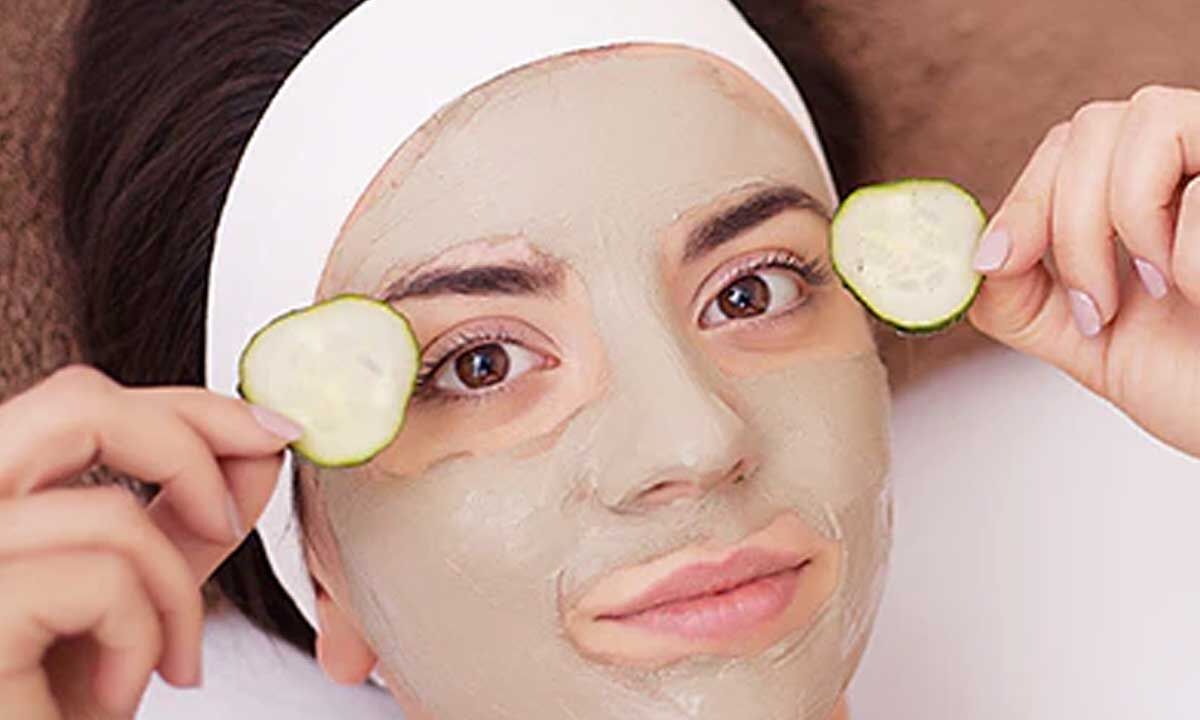
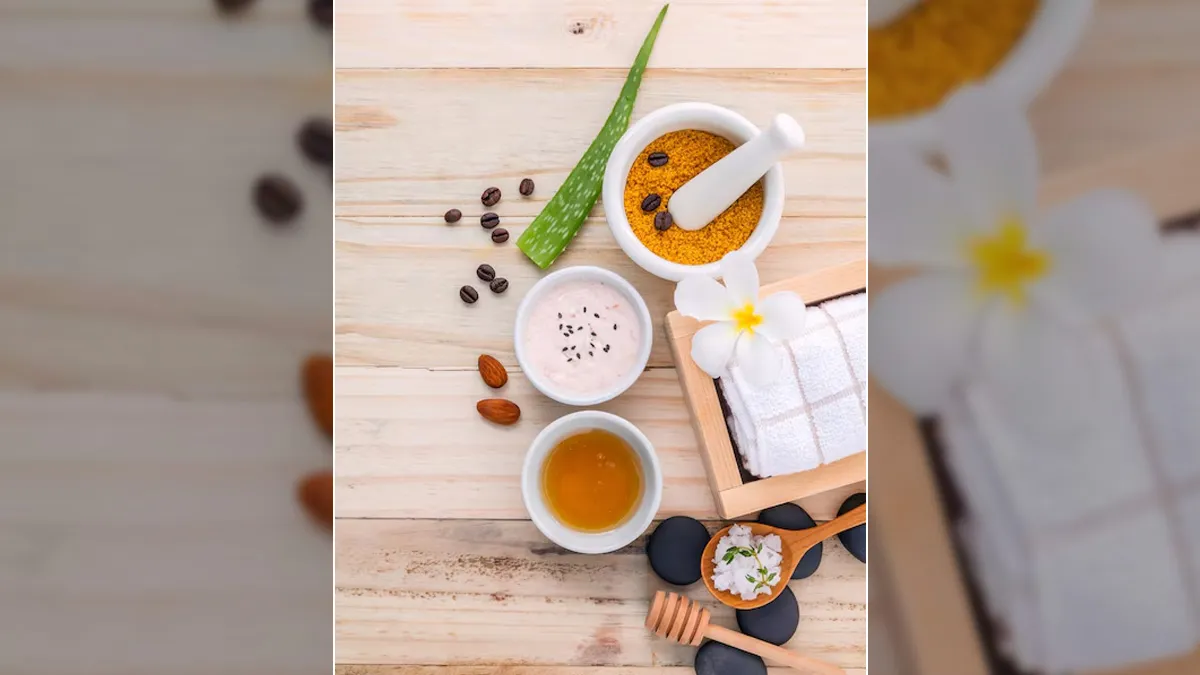
Turmeric remains the evergreen for radiant skin due to curcumin, its active anti-inflammatory and antioxidant compound. It reduces hyperpigmentation, fights acne-causing bacteria, and boosts circulation to provide a lit-from-within glow. In Ayurveda, turmeric is considered a powerful healer for the skin, traditionally used in ‘Ubtans’ to restore natural shine. You can mix honey or milk with turmeric for a brightening face mask.

2. Honey

Raw honey is more than a sweetener; it is a natural moisture-binder and antibacterial agent. It acts as a humectant, drawing moisture from the air into your skin to keep it plump and hydrated. Dermatologists frequently recommend honey for acne-prone skin because its enzymes help clear pores while its soothing properties reduce redness. Apply a thin layer of honey on the skin for 15-20 minutes for a dewy glow.

3. Yoghurt or Curd 

Dairy products are rich in probiotics and lactic acid, a mild Alpha Hydroxy Acid (AHA). Lactic acid in curd gently dissolves dead skin cells on the surface, revealing the smoother, brighter skin underneath without the harshness of physical scrubs. Modern skincare science increasingly focuses on the gut-skin axis, noting that the probiotics in yoghurt help maintain a healthy skin microbiome. You can apply curd as a face mask for 10-12 minutes to get a refreshed glow.

ALSO READ- Top 6 Korean Skincare Beauty Essentials For Spring Season With Natural Ingredients

4. Tomato 

Tomatoes are packed with lycopene, a potent antioxidant that offers a level of natural protection against UV damage. The acidic nature of tomatoes helps tighten enlarged pores and balance excess oil production, making them ideal for oily or combination skin. Clinical research highlights lycopene’s role in defending skin cells from environmental toxins and improving overall skin texture. Rub tomato on the skin for 10 minutes for soft and smooth skin.

5. Papaya 

Papaya contains a unique enzyme called papain, which is a powerhouse for skin rejuvenation. Papain works as a natural exfoliant to fade dark spots, reduce acne scars, and improve overall skin luminosity. Papaya is often cited in Ayurvedic texts for its Varnya (complexion-enhancing) properties and its ability to deeply hydrate while removing impurities. You can massage a slice of papaya for 10-15 mins on the skin for that natural glow.

Tags: , , , ,
From Kitchen To Skincare: The Surge of Spice-Led Beauty in Urban India

From Kitchen To Skincare: The Surge of Spice-Led Beauty in Urban India

Indian spices have long been celebrated for their therapeutic properties, from supporting immunity and digestion to promoting mental health and skin-hair care treatments. The raw form was always a part of skincare routines, but in the last few years, traditional wisdom has found new relevance as beauty brands are coming up with sophisticated skincare products formulated with these active compounds.


Ingredients such as turmeric, saffron, clove, and cinnamon have a rich history in beauty rituals. In the past few years, brands and trends based on these spices have gained a significant following. “The rise of spice-led beauty reflects a growing consumer shift toward functional, ingredient-led self-care, where effectiveness, authenticity, and trust drive purchase decisions,” says Cyril Feuillebois, Founder of Spiceology, a wellness brand rooted in the ancient Indian science of spices.

To gain more insights into growing spice-led beauty trends, we spoke to Dr Tanushree Biswas, Consultant Dermatologist and Head Medical Advisor, and Dr Veena Praveen, Head Medical Advisor (South) and Consultant Dermatologist at Kaya Limited. Continue reading to know what dermatologists have to say about the latest skincare trends and their effectiveness.

The Rise of Spice-Led Beauty

For ages, Indian spices such as turmeric, saffron, cinnamon, gram flour, honey, and pepper have been used in skincare treatments passed down through generations. Turmeric, for instance, is prized for its anti-inflammatory and brightening properties, while saffron is associated with antioxidant benefits and skin revitalisation. Clove and cinnamon are increasingly incorporated for their antimicrobial and circulation-boosting effects.

Cyril Feuillebois states that when formulated thoughtfully, these actives provide tangible skin benefits, bridging the gap between tradition and modern science.

Speaking about the surge in spice beauty products and remedies’ use, Dr Veena Praveen says, “The growing popularity of spice-based beauty trends reflects a shift toward natural and culturally rooted skincare practices. While the intent is positive, these trends often overlook the scientific understanding of skin physiology and safety.”

Traditional ingredients can certainly be beneficial, but only when used in appropriate forms and concentrations. “The credit for this surge can be given to the blend of ancient knowledge with modern formulation techniques,” Cyril Feuillebois adds.

Also Read: No Extremes, This Is How You Can Detox Gently After Holiday Meals

How Safe Are These Spices for Your Skin?

Speaking about the effectiveness and risks of these active compounds, Dr Veena Praveen says, “Some commonly used kitchen spices are known to trigger irritation and allergic contact dermatitis. The skin is a highly effective protective barrier that restricts the penetration of raw spice compounds. In their pure form, the concentration of active components is inconsistent and often too harsh, which may weaken rather than strengthen the skin barrier.”

Here are a few spices and active components that can triggeran allergy or irritation to your skin in some cases:

  • The essential oils present in Cinnamon and Clove are particularly potent and can cause burning sensations and redness.
  • Capsaicin and piperine in Chilli and Black Pepper may cause intense irritation, stinging, and inflammation when applied to the skin.
  • When used in its raw or concentrated form, garlic carries a high risk of allergic conditions and has been linked to blistering and chemical burns.
  • Even milder spices like turmeric may trigger irritation if you have sensitive skin. While not usually linked to photosensitivity, Turmeric may enhance skin sensitivity if the barrier is already damaged.
  • Individuals with acne-prone or sensitive skin must be extra careful with DIY spice treatments, particularly going viral on social media. Many spices are comedogenic, inflammatory, or irritating and can aggravate acne, precipitate a flare-up, or destroy the skin barrier.

Also Read: Dermatologist-Approved Anti-Ageing Treatments for Men: What Works & What Doesn’t

As per Dr Tanushree Biswas, most of these actives need to be harnessed safely through controlled formulations. “The risk of adverse effects increases with prolonged use, higher concentrations, or application on already inflamed or broken skin.”

Homemade DIY Or Commercial Products?

Dr Tanushree Biswas emphasises that commercial skincare products with spice extracts are usually safer than homemade DIY masks, as raw usage may cause side effects on sensitive skin.

“Spice-led skincare products are better options since they are made with regulated concentrations, stabilisers, and skin-safe bases. These products are safety-tested to reduce irritation and are usually formulated with calming ingredients that balance the strength of spice-derived actives,” Dr Biswas explains.

On the contrary, DIY masks use raw materials of unpredictable strength. They are not standardised or checked by dermatologists, and pose a higher risk of burns, allergies, or barrier damage.

Dr Veena Praveen also highlights, “Commercial formulations are designed to reduce irritation while preserving beneficial properties. These products also undergo stability testing, ensuring consistent performance, which makes professionally formulated skincare a safer choice than homemade remedies.”

A Balanced Approach

A balanced approach that integrates traditional knowledge with dermatological research is essential to ensure these trends support, rather than compromise, long-term skin health.

Dr Biswas notes that trends fostered by social media may encourage the notion that something natural is always safe, which is not necessarily the case. A lack of proper guidance may cause irritation, pigmentation, or permanent damage. Safe skincare depends on the combination of classical wisdom and scientific development.

Agreed to the social media factor and the need of balance approach shared by Dr Biswas, Dr Veena Praveen adds, “Social media has amplified quick-fix remedies without adequately highlighting potential risks. Traditional ingredients can certainly be beneficial, but only when used in appropriate forms and concentrations.”

Also Read: ‘Teens’ Skin Not For Elaborate Viral Skin Care Routines’ Dermatologist Warns Long-Term Health Issues Including Cancers

Bottomline

As the line between wellness and beauty continues to blur, spice-led skincare exemplifies a larger movement, but the approach matters most. Cyril Feuillebois underlines that consumers are no longer looking for indulgence alone, but for products that nourish, protect, and enhance overall well-being. By connecting centuries-old wisdom with contemporary science, the industry is redefining what it means to care for the skin in a holistic, preventive way.

FAQ

  • Which spices are good for skin?

    For ages, Indian spices and ingredients such as turmeric, saffron, cinnamon, and pepper, along with gram flour and honey, have been used in skincare treatments passed down through generations.

  • Is spice good for your face?

    Yes, spices such as ginger, turmeric, nutmeg, and pepper are considered beneficial for skin health; however, it is essential to first perform a patch test and have your skin checked by a dermatologist. Experts believe that products containing these spices are good to use, but directly applying raw spices to the skin may cause side effects.

  • Which herb is best for skin glow?

    Herbs such as witch hazel and turmeric are known for their benefits, such as moisturising the skin, brightening dark pigmentation spots, and even exfoliating the skin


Read Next

Are Under-eye Masks Effective? Let’s Find Out

Disclaimer

Sameeksha is a lifestyle journalist with over three years of experience exploring the intricacies of mental health, human interest stories, diseases and more. With a passion for crafting compelling narratives, she combines expert insights, on-ground reporting and scientific research to deliver accurate and engaging reports. Her bylines in News18, ABPLive and SheThePeopleTV reflect her commitment to producing trustworthy and impactful health stories.

Read More..

How we keep this article up to date:

We work with experts and keep a close eye on the latest in health and wellness. Whenever there is a new research or helpful information, we update our articles with accurate and useful advice.


  • Current Version

  • Jan 17, 2026 13:42 IST

    Published By : Sameeksha Sharma
    Reviewed By : Dr Veena Praveen

Tags: , , , , , ,
Indian kitchen remedies to lower uric acid and reduce inflammation

Indian kitchen remedies to lower uric acid and reduce inflammation

Managing high uric acid levels doesn’t always require expensive supplements or medications. 

Many herbs and spices commonly found in Indian kitchens offer powerful natural benefits that help reduce inflammation, improve digestion, and support uric acid balance.

Incorporating these simple remedies into your daily routine can make a noticeable difference in joint comfort and overall wellness.

Also Read: Best low-purine foods to control uric acid naturally

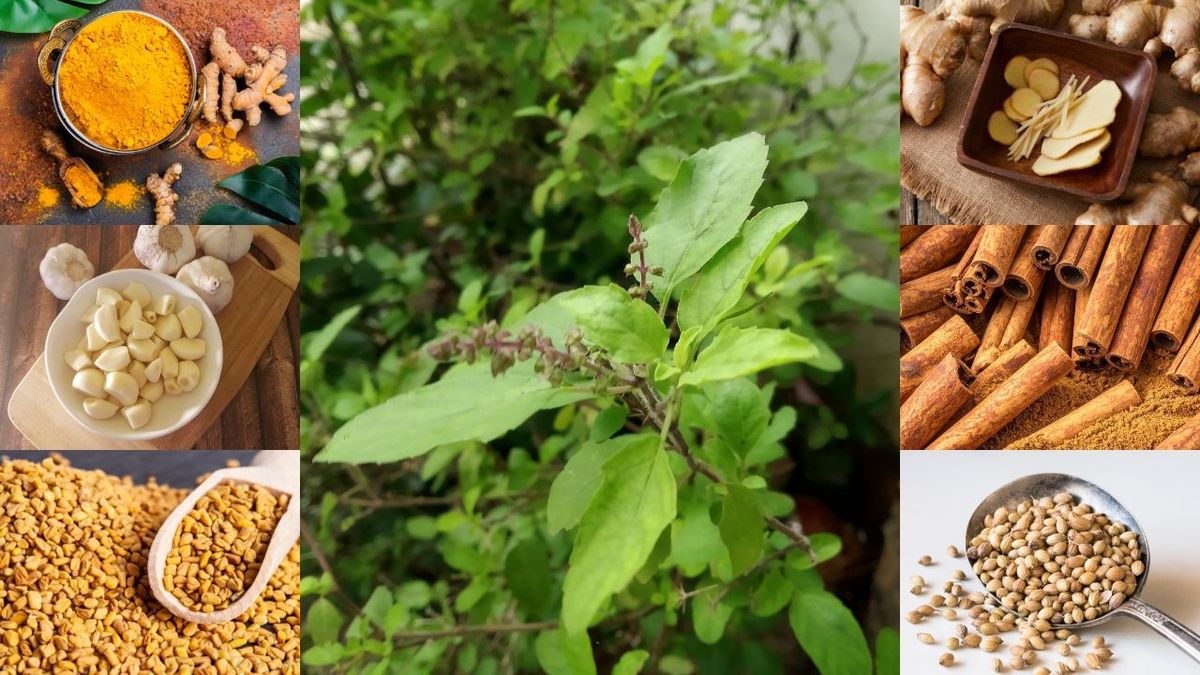
1. Turmeric: A Natural Anti-Inflammatory Powerhouse

Turmeric, rich in curcumin, is one of the most effective herbs for reducing uric acid levels. Its anti-inflammatory properties help soothe swelling and pain associated with gout. Adding a pinch of turmeric to warm water, milk, soups, or curries helps improve metabolism and reduce uric acid buildup. Regular consumption, even in small amounts, can support long-term joint health.

2. Ginger: Supports Detox and Relieves Pain

Ginger is known for its ability to boost circulation and promote detoxification. It helps the body flush out excess uric acid while easing joint stiffness. Drinking ginger tea or adding fresh grated ginger to meals can provide daily relief. A warm ginger compress on swollen joints may also help reduce localised discomfort.

3. Tulsi (Holy Basil): Helps Regulate Metabolism

Tulsi leaves are packed with antioxidants and compounds that support metabolic functions. These properties help break down uric acid more efficiently and prevent it from accumulating in the bloodstream. Sipping tulsi tea or chewing a few fresh leaves every morning can help improve overall uric acid management.

4. Cinnamon: Balances Blood Sugar and Uric Acid

Cinnamon is widely known for stabilising blood sugar, but it also supports healthy uric acid levels. Its warming nature boosts digestion and reduces inflammation. A pinch of cinnamon in herbal teas, smoothies, or oatmeal can enhance flavour while naturally supporting metabolic health.

5. Garlic: A Simple Everyday Remedy

Garlic contains sulphur compounds that help eliminate toxins, including excess uric acid. It also reduces inflammation and improves kidney function, aiding the body’s ability to filter uric acid. Consuming raw garlic on an empty stomach or adding it generously to food can contribute to overall relief from uric acid-related symptoms.

6. Methi (Fenugreek Seeds): Supports Digestion and Detoxification

Fenugreek seeds help regulate digestion and promote toxin removal. Soaking methi seeds overnight and consuming them in the morning can help reduce uric acid levels over time. They also support weight management, which is important for controlling uric acid.

7. Coriander: A Gentle Detoxifying Herb

Coriander leaves and seeds have natural diuretic properties that help the body release excess fluids and toxins. Drinking coriander water or adding coriander leaves to daily meals provides a refreshing way to maintain balance.

Also Read: Smart snacking: Healthy options for people with uric acid issues

Simple, Trusted, and Effective

Herbal remedies and everyday spices are powerful allies in managing uric acid. When paired with a balanced diet, proper hydration, and active lifestyle, these natural ingredients can ease discomfort, reduce inflammation, and promote healthy joints—without relying on complicated treatments.

Disclaimer: This article offers general information on health and skincare. It is not a substitute for professional medical advice. Always consult a qualified specialist for specific concerns.

Tags: , , , , , ,
Best oLive
Privacy Overview

This website uses cookies so that we can provide you with the best user experience possible. Cookie information is stored in your browser and performs functions such as recognising you when you return to our website and helping our team to understand which sections of the website you find most interesting and useful.