person applies eye cream in front of a mirror with autumn leaves visible in the background.png

How to Get Even Skin Tone: Remedies, Products and Routines

Dark spots, red patches, and dull skin are frustrating. If you have been wondering how to get an even skin tone, you are not alone.

Uneven skin tone is one of the most common skincare concerns in the US, and real solutions exist.

This article covers everything you need: the best home remedies for even skin tone, top cosmetic products backed by research, and a clear daily skincare routine for even skin tone that you can start right now.

No confusing science, no overpriced steps. Just a simple, honest plan that works.

What Causes Uneven Skin Tone?

Before you fix a problem, it helps to understand what caused it. Uneven skin tone occurs when your skin produces more melanin in some areas than in others.

That extra melanin shows up as dark patches, discoloration, or dull-looking areas that stand out from the rest of your face or body.

Your skin makes melanin as a defense response. Sun exposure, inflammation, and irritation all trigger that response.

The result is color that looks patchy, blotchy, or uneven across your face or body. Some spots may look brown or gray. Others may look red or purple.

The good news is that understanding the cause helps you pick the right fix and stop the problem from getting worse over time.

The Most Common Triggers

Several things can push your skin to overproduce melanin. Sun exposure is the biggest one.

According to Harvard Health’s guide on hyperpigmentation and sun damage, UV rays from the sun are the most common cause of hyperpigmentation, the medical term for dark spots and uneven skin tone.

Other common triggers include:

  • Acne and breakouts that leave post-acne marks behind
  • Hormonal changes, especially during pregnancy or while on birth control
  • Skin irritation from harsh products or rubbing too hard
  • Repeated friction from tight clothing or rough fabrics

Why this Matters for Your Routine

Once you know your triggers, you can stop making the problem worse. For most US readers, sun exposure and old breakouts are the two biggest causes.

That means daily sunscreen is not optional. It is the single most important step in preventing new dark spots from forming.

What does Even Skin Tone Actually Look Like?

Even skin tone does not mean perfect, filter-smooth skin. It means your skin looks balanced and consistent.

Light and dark patches are less visible. Redness has calmed down. Dull spots have brightened up. Your skin looks like yours, just clearer and healthier.

Realistic Expectations

Many people expect overnight results, but that is not how skin works.

Most pigmentation takes weeks or months to fade because your skin needs time to replace old, discolored cells with fresh ones.

The readers who see the best results are the ones who stay consistent with a simple routine rather than switching products every two weeks.

If your spots are deep or have been there for years, you may also need stronger over-the-counter products or a visit to a dermatologist.

Home care works well for mild to moderate uneven skin tone, but stubborn melasma or long-standing sun damage may require professional treatment.

Home Remedies for Even Skin Tone

Home remedies work best when they support your main skincare routine rather than replace it.

The strongest natural options are the ones that soothe inflammation, gently exfoliate dead skin, or provide antioxidant support.

Here are the best ones to try.

1. Aloe Vera

Aloe vera calms inflammation that leads to dark marks and post-acne discoloration.

It works for nearly every skin type without irritating.

Because inflamed skin is far more likely to leave marks, keeping skin calm with aloe vera helps improve long-term tone.

It is gentle enough for daily use and easy to find at any US drugstore.

How to Use It:

  1. Apply pure aloe vera gel onto clean, dry skin.
  2. Leave on for fifteen to twenty minutes, then rinse with cool water.
  3. Use up to five times a week.

Best For: Sensitive skin, post-acne marks, redness, and inflammation-triggered dark spots.

Rating: 9/10 It cools down angry skin, stops new dark spots from forming, and is safe enough to use almost every day without irritating your skin at all.

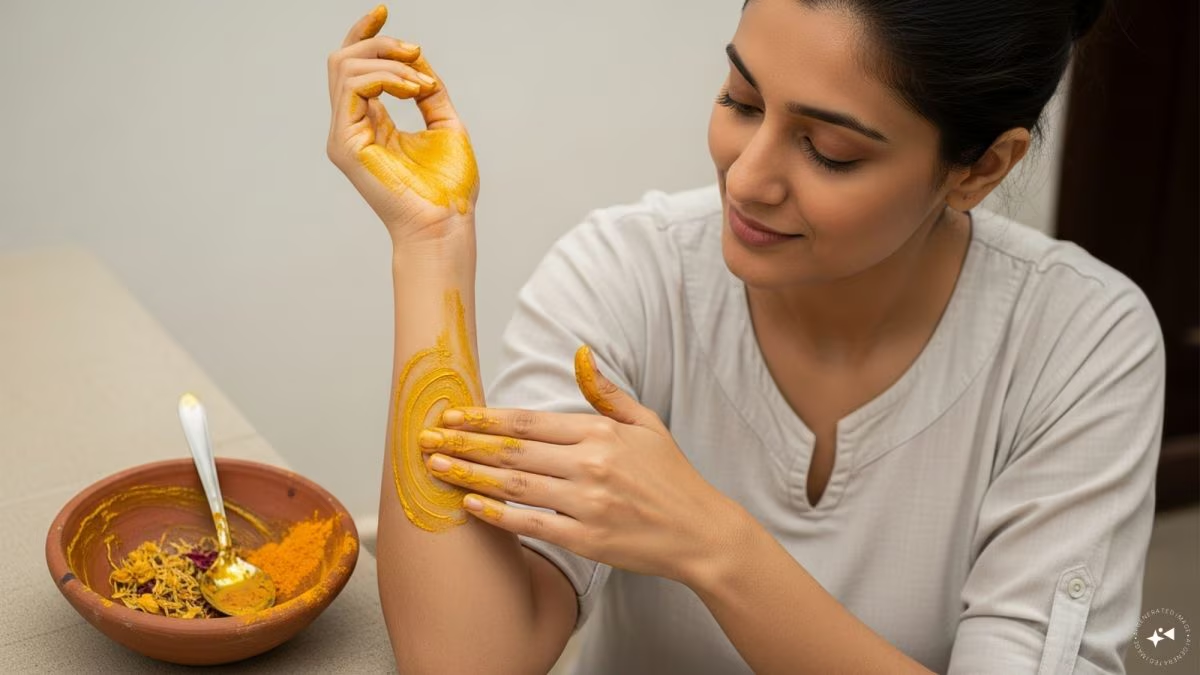
2. Turmeric and Honey Mask

Turmeric contains curcumin, a compound with antioxidant and anti-inflammatory properties that may interfere with excess melanin production.

Honey draws moisture into the skin and helps keep the skin barrier comfortable. Together, they make one of the most well-researched natural masks for uneven skin tone.

Consistent use makes a real visible difference in brightness and tone balance over four to six weeks.

How to Use It:

  1. Mix one teaspoon of turmeric with two teaspoons of raw honey.
  2. Apply to your face, leave on for ten minutes, then rinse.
  3. Use once or twice a week.

Best For: Dull skin, dry and irritated skin, and overall brightness.

Rating: 8/10 Turmeric fights dark spots while honey keeps skin moist and calm. It just ranked below aloe because it can stain your skin and clothes yellow.

3. Yogurt

Plain yogurt contains lactic acid, a mild alpha-hydroxy acid that gently exfoliates dead skin cells. This makes skin look fresher, smoother, and more even after use.

Yogurt works best when your uneven tone comes from surface dullness and dead skin buildup rather than deep pigmentation. It is safe for most skin types and available at any grocery store.

How to Use It:

  1. Apply a thin layer of plain unsweetened yogurt to clean skin.
  2. Leave on for fifteen minutes, then rinse with cool water.
  3. Use two to three times a week.

Best For: Surface dullness, rough texture, and mild discoloration.

Rating: 7.5/10 It removes dead skin cells and makes your face look brighter right away. But it cannot fix deep dark spots or stop your skin from making too much color.

4. Green Tea

Green tea is rich in antioxidants that calm oxidative stress and reduce visible redness. It does not directly erase dark spots but reduces chronic inflammation over time, helping your overall tone look more balanced.

It is a low-risk option that works especially well as a soothing toner for reactive or redness-prone skin.

How to Use It:

  1. Brew a strong cup of green tea and let it cool in the fridge.
  2. Apply to your face with a cotton pad after cleansing.
  3. Leave on and do not rinse. Use daily as a toner.

Best For: Redness, reactive skin, and tired-looking, uneven skin.

Rating: 7/10 It calms redness and protects skin from daily damage, but it never goes after dark spots directly. Results are slow and more about balance than actual brightening.

5. Papaya

Papaya contains papain, a natural enzyme that breaks down dead skin proteins and supports gentle surface resurfacing. It gives a mild brightening effect without harsh acids.

It ranks lower because its results are the most surface-level, and natural enzymes can occasionally irritate sensitive skin. It works best for people who want a gentle, minimally active brightening option.

How to Use It:

  1. Mash ripe papaya and apply as a face mask.
  2. Leave on for ten to fifteen minutes, then rinse and follow with moisturizer.
  3. Patch test first. Use once or twice a week.

Best For: Mild dullness, rough texture, and gentle brightening for normal to combination skin.

Rating: 6.5/10 It gives a soft glow and smooths rough skin, but that is about it. It has the least scientific backing and can bother sensitive skin more than the others.

Best Products for Uneven Skin Tone

Home remedies are a great support, but the right cosmetic products will do the heavy lifting when it comes to fading dark spots and reducing discoloration. Here are the key ingredients to look for, along with why they work.

1. Vitamin C Serum

Vitamin C is one of the most researched brightening ingredients in skincare.

It works by blocking the enzyme that triggers melanin production, which means it can prevent new dark spots from forming while gradually lightening existing ones.

It also provides antioxidant protection from UV damage.

What to look for: A serum with ten to twenty percent L-ascorbic acid for the strongest effect. Store it away from light and heat because vitamin C oxidizes quickly.

Recommended pick:TruSkin Vitamin C Serum

Study backing:Journal of Clinical and Aesthetic Dermatology

2. Niacinamide Serum

Niacinamide, also called vitamin B3, is one of the best multitasking ingredients for uneven skin. It reduces the transfer of melanin to the skin surface, which helps lighten dark spots.

It also supports the skin barrier, reduces redness, and controls oil production.

Recommended pick:The Ordinary Niacinamide 10% plus Zinc

Study backing: A study in the British Journal of Dermatology

3. Exfoliating Acids (AHA/BHA)

Alpha hydroxy acids like glycolic acid and lactic acid speed up cell turnover by loosening the bonds between dead skin cells.

This reveals fresher, more even-looking skin underneath.

Beta-hydroxy acids like salicylic acid penetrate deeper into pores and are especially effective if your uneven skin tone is linked to breakouts.

Recommended pick:Paula’s Choice Skin Perfecting 2% BHA Liquid Exfoliant

Study Backing:Journal of the American Academy of Dermatology

4. Broad-Spectrum Sunscreen

No product list for even skin tone is complete without sunscreen. SPF thirty or higher, worn every single day, prevents UV rays from triggering new melanin production.

Without daily sun protection, any brightening product you use will be fighting an uphill battle.

Recommended pick:EltaMD UV Clear Broad-Spectrum SPF 46

Study Backing:Journal of Investigative Dermatology

The Best Skincare Routine for Even Skin Tone

A good skincare routine for an even skin tone has four main jobs: cleanse without irritating, treat discoloration, support the skin barrier, and block UV damage every day.

Morning Routine

Here is the morning routine of your skin care.

Step
What to Do
Purpose

Step 1
Start with a mild, fragrance-free cleanser. Harsh cleansers can strip the skin barrier and worsen uneven skin tone through irritation.
Cleanses the skin while protecting the skin barrier.

Step 2
Apply a few drops of vitamin C serum after cleansing.
Provides antioxidant protection and helps brighten the skin over time.

Step 3
Layer a niacinamide or alpha arbutin serum over the vitamin C serum.
Helps reduce dark spots and improve overall skin tone.

Step 4
Apply a lightweight moisturizer to lock in treatment products.
Supports a healthy skin barrier and prevents dryness.

Step 5
Apply a broad-spectrum sunscreen with SPF 30 or higher every morning. Reapply every two hours when outdoors.
Protects against UV damage and prevents further discoloration.

Evening Routine

Here is the evening routine of your skin care.

Step
What to Do
Purpose

Step 1
If you wear sunscreen or makeup, use a cleansing oil or balm first, then follow with your regular gentle cleanser.
Removes SPF, makeup, dirt, and excess oil from the skin.

Step 2
Use a mild AHA, such as lactic acid or glycolic acid, on alternating nights, two to three nights per week.
Removes dead skin cells and supports better cell turnover.

Step 3
Apply your treatment serum after cleansing or exfoliating.
Supports nighttime skin repair and helps improve uneven tone.

Step 4
Finish with a slightly richer moisturizer at night.
Helps your skin barrier recover while you sleep.

Ingredients to Avoid

These are the ingredients you should avoid for even skin.

  • Avoid using lemon juice on your skin: Although lemon juice contains vitamin C, applying it directly can cause irritation and inflammation
  • Skip harsh physical scrubs: Scrubbing too aggressively can damage the skin barrier, causing redness, irritation, and uneven skin tone.
  • Do not over-exfoliate: Excessive exfoliation can weaken the skin’s protective barrier and make discoloration more noticeable.
  • Choose gentle chemical exfoliants instead: Mild acids, such as lactic acid or glycolic acid, help remove dead skin cells more evenly and effectively than gritty scrubs.
  • Protect your skin barrier: A healthy skin barrier is essential for maintaining an even complexion and preventing new dark marks from forming.

Final Thoughts

Getting an even skin tone is not about finding a single miracle product or a perfect home remedy.

It is about building a consistent routine that prevents new discoloration, fades what is already there, and keeps your skin barrier healthy enough to do its job.

Start with daily sunscreen as your foundation. Add a vitamin C or niacinamide serum to your morning routine.

Exfoliate gently two to three times a week. Support your skin on the other nights with a simple home remedy like aloe vera or a honey-turmeric mask.

And give your skin time. Now you have everything you need to know about achieving an even skin tone.

Pick one or two steps and start today. Your skin will thank you in a few weeks.

Frequently Asked Questions

How Long does it Take to Get Even Skin Tone?

Results depend on how deep your pigmentation is and how consistent you are with your routine.

What is the Best Home Remedy for an Even Skin Tone?

Aloe vera and yogurt are two of the best-supported home remedies for an even skin tone.

Can I Use Vitamin C and Niacinamide Together?

Yes, you can use vitamin C and niacinamide together.

Does Diet Affect Skin Tone?

Diet plays a supporting role in skin health, but is not a direct fix for uneven tone.
Tags: , , , ,
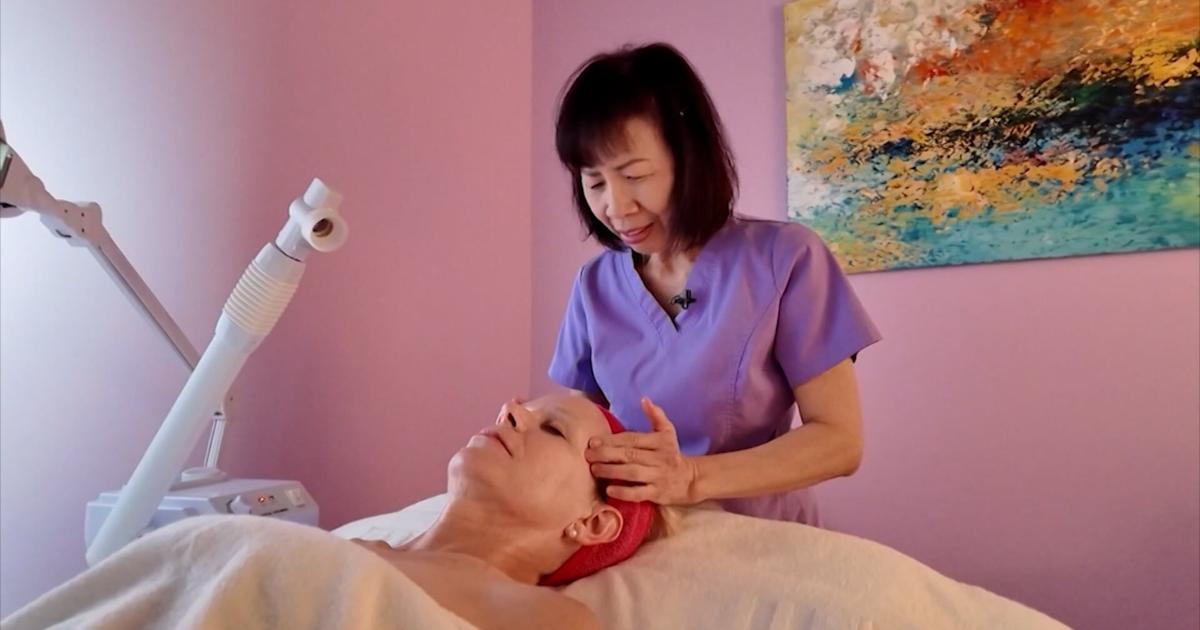
Hollywood-Quality Treatments: Actualize Wellness Spa Provides Perfect Skincare Remedies | Delmarvalife

Hollywood-Quality Treatments: Actualize Wellness Spa Provides Perfect Skincare Remedies | Delmarvalife

Hollywood-Quality Treatments: Actualize Wellness Spa Provides Perfect Skincare Remedies | Delmarvalife | wboc.com

We recognize you are attempting to access this website from a country belonging to the European Economic Area (EEA) including the EU which
enforces the General Data Protection Regulation (GDPR) and therefore access cannot be granted at this time.

For any issues, contact wboc@wboc.com or call 410-749-1111.

Tags: , , , , , , , ,
Neal’s Yard Remedies

Neal’s Yard Remedies relocates to Manchester Arndale

www.jasonlock.co.uk

Neal’s Yard Remedies has become the latest leading retailer to commit to Manchester Arndale after agreeing a 10-year lease to occupy an 873 sq ft unit within the scheme, replacing the current Claire’s store. The move will see the brand relocate from King Street, Manchester, marking a significant vote of confidence in the scheme as it continues to strengthen its health and wellbeing offer.

Founded in 1981 in London’s Covent Garden, Neal’s Yard Remedies is renowned for its award-winning natural and organic skincare, body care and wellbeing products. Combining ethically sourced ingredients with scientifically proven formulations, the brand has built a loyal customer base seeking sustainable and cruelty-free beauty solutions.

The new store at Manchester Arndale will showcase Neal’s Yard Remedies’ extensive range of skincare, bath and body products, essential oils, herbal remedies, beauty and wellness gifts. Designed to reflect the brand’s apothecary heritage, the space will provide customers with a sensorial retail environment where they can discover personalised and wellbeing advice and explore the benefits of natural beauty.

The arrival of Neal’s Yard Remedies continues the strong leasing momentum at Manchester Arndale, following a successful period of new signings across retail, leisure and F&B, including Arc’teyx, Pro:Direct, Sephora, XF Gym, Hotel Chocolat, and, most recently, Wingstop UKI. The scheme continues to attract established national and international brands seeking a prominent city centre presence, reinforcing its position as the North West’s premier retail and leisure destination.

Scott Linard, Portfolio Manager for M&G Real Estate, said: “We are delighted to welcome Neal’s Yard Remedies to Manchester Arndale. Securing a 10-year commitment from such a respected and established brand, particularly as it relocates from the renowned King Street, is a major endorsement of the strength of our offer. Signing on the heels of Wingstop UKI and a trio of lease renewals from Argos, Lush and Lovisa, Neal’s Yard Remedies is a perfect fit for our customer base.”

Steve Gray, head of European retail asset management at Global Mutual, said: “The brand’s heritage and focus on sustainability align strongly with our vision for Manchester Arndale. By continually enhancing our offer with best-in-class retailers, we are creating a destination that meets the evolving needs of shoppers across Manchester and beyond, driving footfall and supporting long-term growth across the scheme.”

Anabel Kindersley, CEO and co-owner of Neal’s Yard Remedies, said: “We are thrilled to be opening our new store at Manchester Arndale – bringing our Store of the Future concept that we’ve pioneered at our Flagship store in London to this vibrant city.

“We look forward to serving Manchester’s beauty community, offering our award-winning formulations and a personalised in-store experience tailored to every customer’s wellbeing need.”

Metis Real Estate and Time Retail Partners are Manchester Arndale’s retained letting agents.

Tags: , , , , ,
natural remedies for seasonal allergies

Powerful Natural Remedies for Seasonal Allergies

Oh, seasonal allergies. They truly can make life miserable. The good news is, there are things we can do! Many unnecessarily suffer from seasonal allergies when a few simple natural remedies can offer allergy relief, even without medicine. 

According to the CDC, over 30% of the population deals with some kind of allergy. And over 25% have seasonal allergies specifically. Common triggers include pollen from grass and trees, dust mite fecal particles, animal dander, certain foods, air pollution, personal care products, or even insect bites.

These triggers can lead to allergic reactions with a variety of symptoms, including a runny nose, itchy eyes, and watery eyes. 

As prime allergy season is here (at least in our area), I’m sharing the natural remedies I’ve used and that work for my family when needed. These aren’t as fast or immediately effective as medication, but over the long term, these methods have lessened my seasonal allergies greatly. Some people even see permanent reversal. 

What Causes Seasonal Allergies?

Diet, strong gut health, and overall health can make a big difference when it comes to seasonal allergies. That’s because an allergic response has everything to do with the immune system.

I like to describe the body as a bathtub. Every time anything enters our bodies — be it from food, water, air, etc. — our body reacts. This is a good thing and nature’s way of keeping the body in a state of balance (homeostasis).

At a certain point, if too much goes into the bathtub, it’s going to overflow. Overloaded and overstimulated, the immune system responds to normally harmless substances as if they’re a foreign invader.

How Allergy Symptoms Start

Clemens von Pirquet first coined the word “allergen” and helped pioneer the field of immunology in 1906. Since then, scientists have learned a lot about allergies. 

“It may sound ridiculous at first that antibodies (which should protect against disease) are also responsible for disease. ” Pirquet

Allergic disorders are basically an overreaction by the body’s immune system. They happen when the body treats a harmless substance like a threat and responds by making more IgE antibodies. These IgE molecules then stick to mast cells. At the same time, T helper cells (specifically Type 1, called Th1) become involved, triggering the allergic response.

The immune system mistakenly goes into attack mode against things that aren’t really dangerous. The reactions can include a tight feeling in the bronchial tubes, more mucus, and more vascular permeability. Sometimes within minutes. 

If the exposure is strong enough to get past the body’s first line of defense, the reaction then triggers more leukocytes and Type 2 T helper cells (Th2). This creates a stronger immune response that the body normally uses to fight off things like parasites and other physical invaders.

The reaction manifests in different ways depending on the person’s genetics and where the body perceives the invasion. Symptoms may include:

  • fatigue (sometimes extreme)
  • hay fever (runny nose, itchy eyes, congestion)
  • nasal drip
  • digestive upset and nausea
  • eczema
  • asthma
  • even anaphylaxis

When Allergies Become Chronic

And the more the person is exposed to the trigger, the more the body will chronically have the inflammatory response. A 2008 journal article explains how the system’s inflammatory response and the misery allergy sufferers feel is very real and more than a case of the sniffles!

Allergy testing can help show what’s triggering the issue, but conventional treatments are almost always the same, no matter the cause. This includes taking an antihistamine or corticosteroid, which can have unwanted side effects. 

If you want to tackle allergies naturally, there are two main approaches:

  1. Limit exposure to possible allergens (like putting less in the bathtub)
  2. Support a strong, healthy immune system (like increasing the size of our bathtub)

This isn’t an either/or problem, but a both/and solution. 

Natural Remedies For Seasonal Allergies

My kids and I don’t really have seasonal allergies anymore after doing the GAPS diet to strengthen our gut and immune system health. However,  I still occasionally get hit with an allergy attack from dust after cleaning (a reason not to clean? I think yes!).

We’ve found these simple natural remedies to be very effective for allergy relief. Different people seem to benefit from different remedies depending on certain genetic factors and which allergens they react to. It might be worth trying more than one of these natural remedies for allergies to see which works best for you. 

Simple tips like using an air purifier with a HEPA filter reduce indoor allergens, like dust mites and pollen. Essential oils can also offer support during peak allergy season. A popular diffuser blend is lavender (antihistamine), peppermint (opens nasal passages), and lemon (thins mucus). Even these anti-inflammatory golden milk mango popsicles are a yummy way to lessen allergies!

Here are some other ways to tackle your allergies for good!

1. Apple Cider Vinegar

Apple cider vinegar is an age-old remedy that’s often used for a variety of health issues. I’ve used it for allergy relief (and heartburn relief) with great success. The theory is that it can help reduce mucus and cleanse the lymphatic system, both of which are helpful for allergies. 

There’s also some research to suggest ACV can help reduce inflammatory responses and support the immune system. While there isn’t a ton of research behind this remedy, many feel it’s worth a try. 

What I did: When allergies hit, I mixed a teaspoon of organic, raw, and unfiltered apple cider vinegar into a glass of water. I drank this three times a day. This kind of vinegar has “the mother” in it, a colony of beneficial bacteria. Check the label, it should list if it has it.

I use this brand, but it’s easy enough to make your own. Apple cider vinegar helped me relieve acute allergy symptoms and seemed to help avoid allergy attacks as well when I do it daily. If you suffer from allergies at a certain time of year, you may want to start taking ACV well before. 

2. Wash Your Nostrils

This remedy works by hindering the offending allergen from entering your airways and reducing nasal congestion.

Neti Pot

It took me a while to try the Neti Pot simply because I’m a big scaredy cat about pouring things in my nose. I’m glad I took the leap though because it’s not half as bad as it sounds! The basic theory is that you use a Neti Pot filled with a sterile saline solution to flush allergens out of the sinuses. It also helps prevent pathogens from invading during cold and flu season. 

I was surprised to find that both conventional and holistic practitioners recommend nasal rinses. Be sure to use boiled and cooled or distilled water, not water from the tap (because parasites….ewww). 

To use: Either use a pre-made saline rinse or make your own. Once at body temp, fill the Neti Pot, pour through one nostril, and let it drain out the other. Get full instructions here.

Saline Spray

An option for Neti Pot sissies like me. I like this natural saline spray with xylitol for extra help with soothing inflammation and opening airways. One of my kids with large tonsils uses it to help keep post-nasal drip and sore throats away. Regularly using a nasal spray can help reduce irritation from allergens. 

To use: Spray saline into the nostrils a few times a week or even daily for routine maintenance.

3. Quercetin

Quercetin is a natural bioflavonoid that helps stabilize mast cells to keep them from releasing histamine. It’s also a potent anti-inflammatory that can help reduce overall allergy symptoms. It’s best used as a long-term remedy and many people start taking it about 4-6 weeks before allergy season.

To use: Although quercetin is naturally found in foods like citrus and broccoli, it’s very difficult to get enough to relieve allergies from food alone. Quercetin supplements can help prevent allergies and help with acute symptoms. 

4. Nettle Leaf

Stinging nettle leaf is another natural antihistamine that can be very effective. It works by naturally blocking the body’s ability to make histamine. You can use nettle tea, tincture, or capsules for allergy relief. It’s available online, but grows wild in many places. 

You can also combine nettle with other herbs to make a soothing herbal tea. Peppermint, raspberry leaf, and nettle make a refreshing allergy relief tea. Lavender is another powerful antihistamine that pairs well with nettle in tea. 

What I do: I often include nettle in homemade anti-inflammatory tea during allergy season and use capsules for acute relief.

5. Probiotics

Allergies are the result of an imbalance in the immune system that causes the body to react too strongly. Research shows that when the gut has a good balance of healthy bacteria, people notice fewer allergies. There’s even emerging evidence linking a pregnant mother’s gut bacteria to their child’s likelihood of getting allergies throughout life. Not getting enough exposure to dirt and some germs can also negatively impact the immune system. 

While we can’t do much about our mothers’ diets while they were pregnant, there’s still hope. Balancing gut bacteria now and getting enough beneficial bacteria can have a positive effect on allergies.

What I do: We eat a varied diet that includes plenty of fermented foods and drinks, which can help boost gut bacteria. We also take a quality probiotic.

6. Local Honey

Eating raw honey that’s produced near your home may help your body adapt to local allergens, like pollen. Some compare it to a natural version of allergy shots, but without the side effects. There isn’t much scientific evidence to back this one, but there seems to be a lot of anecdotal evidence from people who have tried it. 

Research shows raw honey has anti-inflammatory effects and can suppress inflammatory IgE levels and modulate mast cell response. A 2013 study also found honey had anti-histamine effects in those with allergic rhinitis. 

What I do: Eat a teaspoon (or more) of raw, locally produced honey once or more a day. Some suggest starting this a month or so before allergy season. 

7. Anti-Inflammatory Foods

Anti-inflammatory foods, teas, and spices may help reduce unpleasant allergy symptoms. A 2016 animal study found that ginger reduced sneezing and congestion as well as lowered mast cell response. Researchers have also looked at green tea for calming allergies and inflammation with good results. 

What I do: Serve plenty of herbs and spices with meals, as well as green and herbal teas. This ginger switchel drink combines raw honey, ACV, and anti-inflammatory ginger for a delicious probiotic drink. It’s a powerhouse of support for allergies. 

8. Homeopathics and Herbal Remedies

I’ve already mentioned some different herbs to take, but there are several really good pre-made allergy blends now. Homeopathics and herbal supplements are different modalities, but both can work well for allergies. These can often work faster for acute symptom relief than long-term solutions, like diet changes. 

Want something quick and easy in pill form? Genexa offers natural homeopathic remedies that work well for allergies without the OTC or prescription meds. 

9. Addressing the Root Cause of Seasonal Allergies

Going back to the bathtub analogy: some of us are born with a smaller bathtub due to genetics and early environmental exposures. Things like mold exposure, Lyme disease, and past trauma can also cause our bathtubs to fill up fast. Identifying and addressing underlying health issues that are stressing the body and immune system helps bail out our tub. 

This is where working with a qualified practitioner for personalised dietary advice and testing can be really helpful. 

Diet Changes

Often, our gut health is the key to truly reversing allergy symptoms. This deeper healing can reduce chronic inflammation and support long-term immune balance. Elimination diets and bone broth are a good place to start. Those with histamine issues often find that meat stock is a better option than bone broth at first (which is high in histamines). 

I’ve found that addressing gut health is key for severe allergies and gut healing/rebalancing.

What we did: We followed the GAPS diet for several months and had success improving our seasonal allergies. One of my kids even reversed some rather severe food allergies with this approach. 

Gut Testing

If you truly suffer from allergies and suspect you have a compromised gut, consider testing. This helps give a clear picture of what’s going on in your body and how to fix it.

Yes, this literally means mailing poop to a lab (kids may find this one fun!), but I learned so much from this test. I still continue to benefit from knowing specific ways to improve my individual gut. Advances in at-home testing mean you don’t need to go to a doctor or a lab.

What I use: Viome is the company I use and trust. See the results of my gut health test here. 

Final Thoughts on Natural Remedies For Seasonal Allergies

Getting faster symptom relief while working on the root causes of seasonal allergies was key for our family. After implementing these changes, I hardly deal with allergies anymore!

Don’t feel like you need to try all of these natural remedies at once, but see what works best for you. Speaking from personal experience, they can work really well!

Do you have allergies? What’s helped you the most? Share below!

Tags: , , , ,
Best pre-Eid skincare routine 2026 | how to get glowing skin for Eid | Ramadan skincare tips for dehydrated skin | natural home remedies for Eid glow | when to get a facial before Eid | Pre-Eid skincare habits that actually work during Ramadan fasting

Best pre-Eid skincare routine 2026 | how to get glowing skin for Eid | Ramadan skincare tips for dehydrated skin | natural home remedies for Eid glow | when to get a facial before Eid | Pre-Eid skincare habits that actually work during Ramadan fasting

Eid preparations usually start with outfits and accessories but somewhere along the way, skincare joins the list too. Between long fasting hours, changing weather, and late-night gatherings, the skin can feel a little tired — making a simple pre-Eid reset all the more welcome.

Hydration is key

One of the biggest challenges during Ramadan is maintaining hydration. Yes yes, it’s the age-old advice of drinking your weight, but honestly there is no better or sustainable option out there!

Long hours without water leaves your skin looking tired, which is why replenishing fluids from iftar till sehri becomes very important.

Alongside plain water, many people are now turning to chia seed water for hydration boost. Electrolyte drinks are also becoming popular, particularly for those who spend long days outside or remain active during Ramadan.

Cleansing and Gentle Exfoliation

A good cleansing routine remains the foundation of healthy skin. And no, you need not have five steps for cleaning your face. However, with warmer weather and daily exposure to dust, sweat, and pollution, cleansing twice a day with a mild face wash is a must.

Also, cleansing alone is not always enough. Gentle exfoliation two to three times a week can help the skin appear brighter and smoother. This step allows moisturisers and serums to absorb more effectively.

That said, moderation is key. Do not over-exfoliate! Especially if you don’t want an irritated skin and with micro tears.

The Truth About Glow

If miracle under-eye creams actually worked overnight, dark circles would have gone extinct by now!

Yet as Eid approaches, ads promising instant fixes seem to pop up everywhere.  Rollers, creams and serums all claiming to erase tired eyes in record time.

The truth, however, is far less dramatic.

Dark circles are often linked to genetics, lack of sleep, dehydration, stress, and dry skin. What does help here is a good moisturiser paired with a hydrating serum. Pair it up with a good sunscreen and you have the golden combination. One that can improve the under-eye area, as well as pigmentation around the mouth and chin.

Photo: Sazzad Ibne Sayed


Nourish From Within

Great skincare begins at the iftar table. While our iftar spread often features fried snacks, balancing them with lighter options can make a visible difference to both energy levels and skin health.

Dishes such as chickpea salad, pasta salad or yoghurt-based drinks with limited sugar are refreshing alternatives that nourish the body without overwhelming it.

Word of advice? Cut down the oil now if you don’t want to welcome a breakout right before Eid.

Time Your Facials

Thinking of getting a facial before Eid? Timing matters.

Most skincare experts recommend booking treatments 10 to 12 days before the celebration. This gives the skin enough time to settle in case of temporary redness or irritation. Trying a brand-new facial too close to Eid can be a very risky business; hardly ideal when festivities are just around the corner.

Keep It Simple

When Eid is approaching, simplicity tends to work best.

A routine built around hydration, gentle cleansing, light exfoliation and moisturising is more than enough to keep skin looking fresh and balanced. Be consistent and the glow will follow. 

Tags: , , , , , , , , , , , , , , , ,
The Bridal Glow Shift: Why Full-Body Skincare Is The New Pre-Wedding Essential | Beauty News

Celebrity Skincare In 2025: Why Home Remedies Are Back In The Spotlight | Beauty News

Last Updated:December 16, 2025, 11:42 IST

The skincare spotlight is shifting away from overcrowded bathroom shelves and to something far more familiar: traditional home remedies that have stood the test of time.

Turmeric and besan are used for gentle cleansing and glowing skin.

In 2025, celebrity skincare is undergoing a quiet but meaningful shift. Glossy, multi-step routines packed with actives are making space for something far more intuitive: ingredient-led care rooted in simplicity. As conversations around skin barrier health, sustainability, and over-processing grow louder, many celebrities are choosing to pare back and return to time-tested rituals.

Among the many celebrities, Rakul Preet Singh stands firmly at the forefront of this movement. Known for her disciplined fitness lifestyle and consistently radiant skin, the actor credits her glow not to excess, but to familiar kitchen staples that nourish the skin gently and effectively. This renewed interest is not about nostalgia but about intention. Food-grade ingredients, minimal processing, and seasonal care are now being recognised as powerful tools for maintaining skin balance. Celebrities across industries have openly spoken about turning to kitchen staples to restore hydration, calm irritation, and support a natural glow.

Why Traditional Ingredients Are Gaining Credibility

According to holistic beauty expert and aromatherapy pioneer Dr. Blossom Kochhar, this return to basics is a necessary recalibration rather than a fleeting trend. “Our grandmothers relied on food-grade ingredients for skincare because they are fresh, effective, and free from unnecessary chemicals. When used correctly, they work beautifully with the skin’s natural rhythm,” she explains. As consumers become more ingredient-literate, the appeal of simple, recognisable components continues to grow.

Banana, Honey, And The Art Of Skin Nourishment

Among the many natural remedies resurfacing in celebrity routines, banana-based face masks have gained particular attention for their hydrating properties. Rakul has often spoken about using banana, honey, and natural oils to combat dryness and fatigue caused by long shooting schedules. A ripe banana mashed with a teaspoon of vegetable oil and honey forms a deeply nourishing mask that improves elasticity and restores softness when used weekly.

Other celebrities, especially those balancing outdoor shoots and frequent travel, have also shared their preference for hydration-led masks that feed the skin rather than stimulate it aggressively.

Winter Skincare And Probiotic Masks

Seasonal skincare has become a key focus in 2025, with winter demanding extra attention. Yoghurt-based face masks, which are blended with honey, milk powder, and small amounts of banana, are increasingly favoured for their probiotic and moisture-binding benefits. “This recipe works beautifully because it combines probiotics, natural humectants, and gentle nourishment,” says Dr. Kochhar. Used once a week, it helps counter dryness caused by cold air and indoor heating.

Cleansing Without Compromising The Skin Barrier

Cleansing and exfoliation, often overdone in modern routines, are being reimagined through gentler practices. Traditional besan-based scrubs made with multani mitti and sandalwood powder are making a return for their ability to cleanse without stripping natural oils. Used mindfully, they help improve circulation and keep pores clear. Instead of daily soaps, Dr. Kochhar recommends gram flour mixed with milk or rice water. “This method cleanses the skin while maintaining its pH balance, making it especially suitable for sensitive or acne-prone skin,” she notes.

Brightening, Moderation, And Lesser-Known Rituals

Turmeric remains a popular choice for brightening, but restraint is essential. A balanced paste using a pinch of turmeric, milk powder, lemon juice and honey can improve skin tone when used occasionally. “Turmeric is powerful, but it must be used in the right proportion to avoid irritation,” advises Dr. Kochhar.

Another lesser-known remedy involves black and white cumin seeds ground with fresh cream, applied twice a week to soothe the skin and improve texture.

Celebrity skincare in 2025 reflects a broader cultural shift towards restraint, awareness and respect for the skin’s natural processes. By embracing home remedies rooted in tradition and supported by expert insight, beauty routines are becoming more mindful and sustainable. In an age of endless innovation, the most enduring skincare philosophy may simply be about returning to what has always worked – consistently, gently, and with intention.

Click here to add News18 as your preferred news source on Google. Location :

Delhi, India, India

First Published:

December 16, 2025, 11:42 IST

Disclaimer: Comments reflect users’ views, not News18’s. Please keep discussions respectful and constructive. Abusive, defamatory, or illegal comments will be removed. News18 may disable any comment at its discretion. By posting, you agree to our Terms of Use and Privacy Policy.

Tags: , , , , , ,
article-image

Rakul Preet Singh Swears By Desi Skincare Remedies; Jackky Bhagnani’s ‘Reason To Glow’ Is His Wife

In a time when wellness is more than just a buzzword, B-Town couple Rakul Preet Singh and Jackky Bhagnani are redefining what it means to live well in today’s fast-paced world.

One of Bollywood’s most-loved jodis, the actor-entrepreneurs recently caught up with The Free Press Journal (FPJ) for a candid chat about their skincare routine, Sunday wellness ritual and why they believe India is at a turning point in holistic health.

Rakul’s wellness philosophy

The actress, who is known for her discipline and fitness, is very passionate about wellness as well. “Your body is one of the most beautiful creations of God. It’s capable of healing itself when guided in the right direction,” says Rakul. “Regenerative or integrative medicine is the future; it’s much better than instantly jumping onto medication. I have tried it on myself, and I am a firm believer in it.”

Her belief in science-backed healing, rather than quick fixes, forms the foundation of much of her wellness routine.

Her 3-step skincare routine

Rakul is wonderfully methodical about her skincare, and she doesn’t hesitate to break down her routine, step-by-step. “I do follow a 3-step routine. My mornings are very basic — a wash, moisturiser and sunscreen,” she shares.

Her nighttime routine, however, is non-negotiable. “Firstly, I make sure that I remove my makeup properly. That’s something I’ll never skip, no matter how late it is.

“I remove my makeup (separately) for the eyes and face, wash it off, and follow it with moisturiser under my eyes and on the face. It’s a cleansing, toning and moisturising routine.”

Inside Rakul’s desi rituals

The De De Pyaar De actress also swears by D-I-Y home rituals. “I use a banana mask, besan or rose water and tomato. Sometimes I even put ghee on my face and he (Jackky) is like, ‘Ghee, what is this?’

“Well, that (ghee) actually helps a lot. More than the products, I try and go as natural as I can,” she explains, adding, “It works better than expensive chemical-heavy products.”

Even on hectic shoot days, her philosophy remains the same: simple, clean, and stay consistent.

Jackky’s ‘I do nothing’

When the focus shifts to Jackky, the couple instantly breaks into laughter. Rakul dramatically points out that she has a step-by-step routine and he does nothing. “No makeup, no moisturiser, nothing… I beg him to use moisturiser,” she exclaims as Jackky laughs.

“Honestly, I don’t do anything,” he reveals. “I get trolled, as people say I’m wearing lipstick. But no, it’s natural.”

“I need lipstick to match his colour,” says Rakul. “Zero skincare expense on this man — not even lip balm.”

“My reason to glow is her,” Jackky adds. While the actor relies on genetics and good energy, Rakul carries the skincare discipline for the both of them — and lovingly pokes fun at it too.

Their Sunday repair days

The couple don’t indulge in long sheet-mask routines, but they do take their weekly rejuvenation seriously.

“Every Sunday, we spend a couple of hours rebooting our system,” Rakul admits candidly. “We’ve tried hydrogen therapy, ozone therapy, fire cupping, and contrast therapy during our weekend rituals.”

Secret to their glowing skin

Jackky credits their lifestyle for their healthy skin. “We eat very clean food, right? So, that’s one big advantage for both of us. We sleep for at least seven to eight hours daily. That’s one very, very big thing. She keeps me very happy and vice versa.”

Rakul further elaborates, “Your skin is always going to reflect your state of being. It’s not like none of us are stressed. We all have stress, but you have to cut the noise at some point. Your skin is a reflection of how you’re feeling within — emotionally, physically, mentally, and nutritionally. What you sow is what you reap.”

Turning entrepreneurs with Nuvana Wellness Clinic

Rakul and Jackky recently came on board as strategic investors at Nuvana Wellness Clinic, a cutting-edge, science-backed regenerative health centre.

“It’s a wellness place which is completely backed by science, and if it’s backed with science, then you know that you’re in safe hands,” says Jackky.

Rakul adds, “Dr Rohan’s passion matches ours. India often looks at wellness as a quick beauty fix, but it’s not true. It needs medically backed research, and this brand stood out because of that balance — modern science fused with ancient practices.

Tags: , , , , , , , , , , ,
Simple Home Remedies for Radiant and Healthy Skin

Simple Home Remedies for Radiant and Healthy Skin

While the market is flooded with expensive skincare products, a few simple, natural home remedies can keep your skin fresh, glowing, and healthy.

Common household ingredients in Pakistan – such as gram flour (besan), yogurt, honey, cucumber, and rose water – have been part of traditional beauty routines for centuries, and even modern skincare experts acknowledge their benefits.

Rose water:

One of the easiest and most effective tips is the use of rose water. Spraying it on your face not only instantly refreshes the skin but also provides a calming fragrance. Experts recommend applying rose water with a cotton pad after washing your face at night. This helps tighten pores and maintain skin moisture.

For dry skin – yogurt and honey mask:

Yogurt cools the skin, while honey acts as a natural moisturizer. Mix one tablespoon of yogurt with half a teaspoon of honey and apply it to your face for 15 minutes. This leaves the skin soft, bright, and refreshed. Using this mask twice a week can significantly reduce dryness.

For oily skin – besan and lemon mask:

Mix one tablespoon of besan with a few drops of lemon juice and a little water to make a paste. This mask helps reduce excess oil and brightens the complexion. Experts advise sensitive skin types to use less lemon and perform a patch test first.

Cucumber:

Widely available at home, cucumber is excellent for refreshing the skin. Placing cucumber slices on the eyes and face reduces puffiness and lightens dark circles. During summer, many skincare experts also recommend cucumber juice as a natural toner.

Aloe Vera Gel:

Aloe vera is a fantastic natural moisturizer. If you have an aloe vera plant at home, you can apply fresh gel directly from its leaves. This not only cools the skin but also helps reduce acne and redness.

Experts emphasize that no matter how many creams or masks you use, true skin freshness is linked to overall health. Drinking enough water, getting proper sleep, and maintaining a balanced diet are the foundation of healthy skin. Home remedies can further enhance these results, providing natural and effective care.


Tags: , , , , ,
Saffron Remedies For Hydrated, Bright Skin

Saffron Remedies For Hydrated, Bright Skin

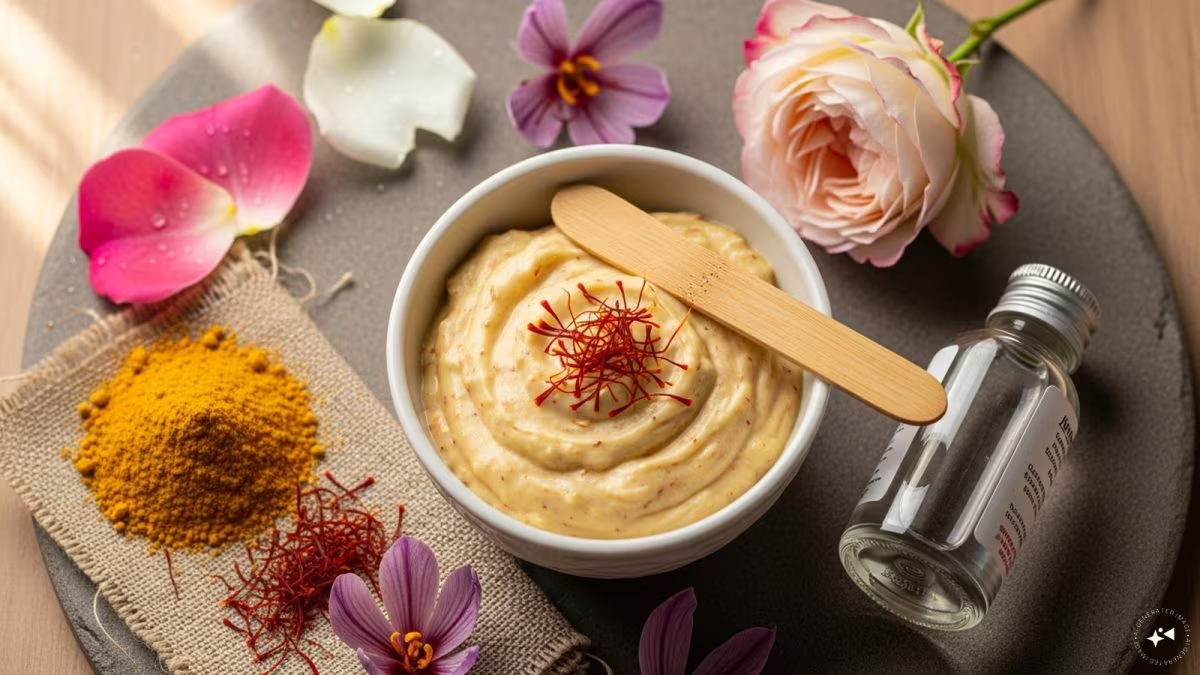
Winter often brings dryness, dullness, and flaky skin due to cold winds and low humidity. Saffron, with its natural antioxidants and hydrating properties, helps restore glow, soothe irritation, and lock in moisture. It’s a luxurious remedy to combat winter skin woes while adding radiance. (Image: AI Generated)

Saffron & Milk Glow Pack: Cold weather can make skin look lifeless. Soak saffron strands in warm milk and apply as a face pack. The lactic acid in milk gently exfoliates while saffron brightens, leaving skin soft and luminous even in harsh winter. (Image: AI Generated)

Saffron & Honey Hydration Mask: Winter dryness calls for deep hydration. Mix saffron with honey and apply to the face. Honey acts as a humectant, locking in moisture, while saffron enhances glow, perfect for combating flaky skin. (Image: AI Generated)

Saffron & Sandalwood Anti-Acne Pack: Winter can trigger breakouts due to heavy creams and dry air. Blend saffron with sandalwood powder and rose water to calm inflammation, reduce acne, and keep skin clear during the season. (Image: AI Generated)

Saffron-Infused Oil: Massage saffron-infused almond or olive oil at night. This nourishes skin deeply, prevents winter-induced roughness, and repairs damage caused by cold winds. It’s a natural alternative to heavy moisturizers. (Image: AI Generated)

Saffron & Turmeric Brightening Mask: Winter often dulls complexion. Mix saffron with turmeric and yogurt to reduce pigmentation and restore brightness. Yogurt hydrates while turmeric and saffron revive tired skin. (Image: AI Generated)

Saffron Water Toner: Steep saffron strands in warm water overnight and use as a toner. In winter, this refreshes skin without stripping natural oils, keeping it supple and hydrated. (Image: AI Generated)

Bonus Tips: Use saffron masks 2-3 times a week to maintain glow. Always follow up with a rich moisturizer or oil after saffron treatments. Pair saffron packs with lukewarm water rinses; avoid hot water which worsens dryness. Combine saffron with hydrating ingredients like honey, milk, or almond oil for maximum winter benefits.  (Image: AI Generated)

Tags: , , , ,
Indian kitchen remedies to lower uric acid and reduce inflammation

Indian kitchen remedies to lower uric acid and reduce inflammation

Managing high uric acid levels doesn’t always require expensive supplements or medications. 

Many herbs and spices commonly found in Indian kitchens offer powerful natural benefits that help reduce inflammation, improve digestion, and support uric acid balance.

Incorporating these simple remedies into your daily routine can make a noticeable difference in joint comfort and overall wellness.

Also Read: Best low-purine foods to control uric acid naturally

1. Turmeric: A Natural Anti-Inflammatory Powerhouse

Turmeric, rich in curcumin, is one of the most effective herbs for reducing uric acid levels. Its anti-inflammatory properties help soothe swelling and pain associated with gout. Adding a pinch of turmeric to warm water, milk, soups, or curries helps improve metabolism and reduce uric acid buildup. Regular consumption, even in small amounts, can support long-term joint health.

2. Ginger: Supports Detox and Relieves Pain

Ginger is known for its ability to boost circulation and promote detoxification. It helps the body flush out excess uric acid while easing joint stiffness. Drinking ginger tea or adding fresh grated ginger to meals can provide daily relief. A warm ginger compress on swollen joints may also help reduce localised discomfort.

3. Tulsi (Holy Basil): Helps Regulate Metabolism

Tulsi leaves are packed with antioxidants and compounds that support metabolic functions. These properties help break down uric acid more efficiently and prevent it from accumulating in the bloodstream. Sipping tulsi tea or chewing a few fresh leaves every morning can help improve overall uric acid management.

4. Cinnamon: Balances Blood Sugar and Uric Acid

Cinnamon is widely known for stabilising blood sugar, but it also supports healthy uric acid levels. Its warming nature boosts digestion and reduces inflammation. A pinch of cinnamon in herbal teas, smoothies, or oatmeal can enhance flavour while naturally supporting metabolic health.

5. Garlic: A Simple Everyday Remedy

Garlic contains sulphur compounds that help eliminate toxins, including excess uric acid. It also reduces inflammation and improves kidney function, aiding the body’s ability to filter uric acid. Consuming raw garlic on an empty stomach or adding it generously to food can contribute to overall relief from uric acid-related symptoms.

6. Methi (Fenugreek Seeds): Supports Digestion and Detoxification

Fenugreek seeds help regulate digestion and promote toxin removal. Soaking methi seeds overnight and consuming them in the morning can help reduce uric acid levels over time. They also support weight management, which is important for controlling uric acid.

7. Coriander: A Gentle Detoxifying Herb

Coriander leaves and seeds have natural diuretic properties that help the body release excess fluids and toxins. Drinking coriander water or adding coriander leaves to daily meals provides a refreshing way to maintain balance.

Also Read: Smart snacking: Healthy options for people with uric acid issues

Simple, Trusted, and Effective

Herbal remedies and everyday spices are powerful allies in managing uric acid. When paired with a balanced diet, proper hydration, and active lifestyle, these natural ingredients can ease discomfort, reduce inflammation, and promote healthy joints—without relying on complicated treatments.

Disclaimer: This article offers general information on health and skincare. It is not a substitute for professional medical advice. Always consult a qualified specialist for specific concerns.

Tags: , , , , , ,
Best oLive
Privacy Overview

This website uses cookies so that we can provide you with the best user experience possible. Cookie information is stored in your browser and performs functions such as recognising you when you return to our website and helping our team to understand which sections of the website you find most interesting and useful.