Indian spices have long been celebrated for their therapeutic properties, from supporting immunity and digestion to promoting mental health and skin-hair care treatments. The raw form was always a part of skincare routines, but in the last few years, traditional wisdom has found new relevance as beauty brands are coming up with sophisticated skincare products formulated with these active compounds.
Ingredients such as turmeric, saffron, clove, and cinnamon have a rich history in beauty rituals. In the past few years, brands and trends based on these spices have gained a significant following. “The rise of spice-led beauty reflects a growing consumer shift toward functional, ingredient-led self-care, where effectiveness, authenticity, and trust drive purchase decisions,” says Cyril Feuillebois, Founder of Spiceology, a wellness brand rooted in the ancient Indian science of spices.
To gain more insights into growing spice-led beauty trends, we spoke to Dr Tanushree Biswas, Consultant Dermatologist and Head Medical Advisor, and Dr Veena Praveen, Head Medical Advisor (South) and Consultant Dermatologist at Kaya Limited. Continue reading to know what dermatologists have to say about the latest skincare trends and their effectiveness.
The Rise of Spice-Led Beauty
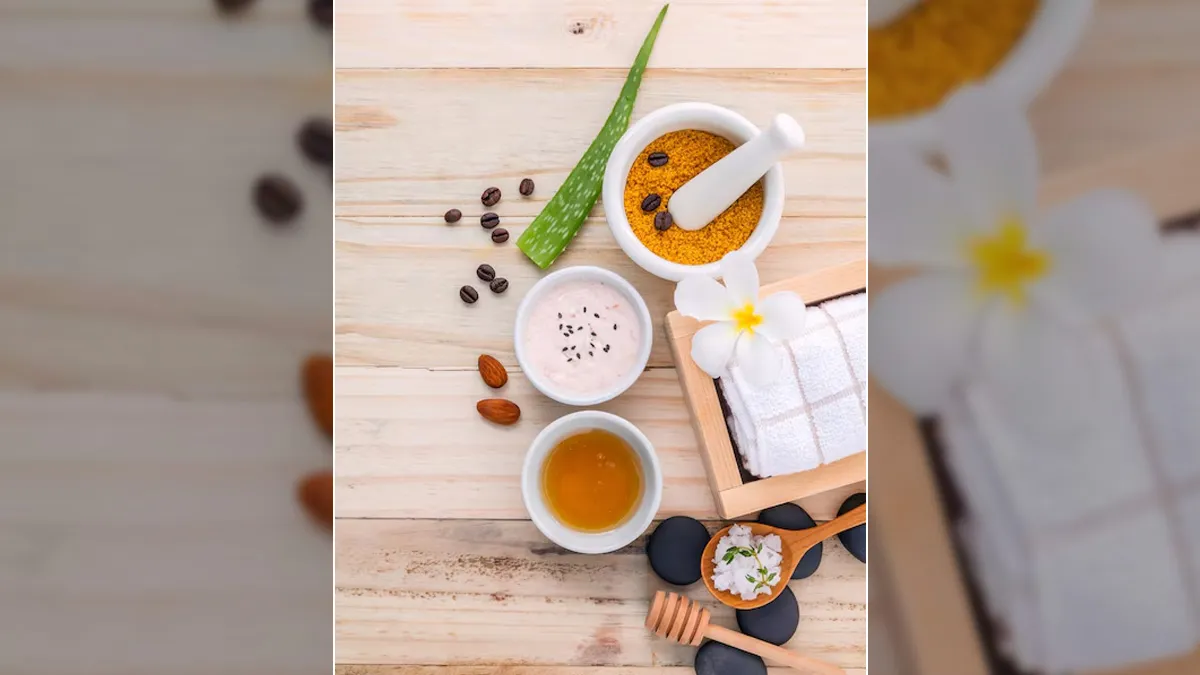
For ages, Indian spices such as turmeric, saffron, cinnamon, gram flour, honey, and pepper have been used in skincare treatments passed down through generations. Turmeric, for instance, is prized for its anti-inflammatory and brightening properties, while saffron is associated with antioxidant benefits and skin revitalisation. Clove and cinnamon are increasingly incorporated for their antimicrobial and circulation-boosting effects.
Cyril Feuillebois states that when formulated thoughtfully, these actives provide tangible skin benefits, bridging the gap between tradition and modern science.
Speaking about the surge in spice beauty products and remedies’ use, Dr Veena Praveen says, “The growing popularity of spice-based beauty trends reflects a shift toward natural and culturally rooted skincare practices. While the intent is positive, these trends often overlook the scientific understanding of skin physiology and safety.”
Traditional ingredients can certainly be beneficial, but only when used in appropriate forms and concentrations. “The credit for this surge can be given to the blend of ancient knowledge with modern formulation techniques,” Cyril Feuillebois adds.
Also Read: No Extremes, This Is How You Can Detox Gently After Holiday Meals
How Safe Are These Spices for Your Skin?
Speaking about the effectiveness and risks of these active compounds, Dr Veena Praveen says, “Some commonly used kitchen spices are known to trigger irritation and allergic contact dermatitis. The skin is a highly effective protective barrier that restricts the penetration of raw spice compounds. In their pure form, the concentration of active components is inconsistent and often too harsh, which may weaken rather than strengthen the skin barrier.”
Here are a few spices and active components that can triggeran allergy or irritation to your skin in some cases:
- The essential oils present in Cinnamon and Clove are particularly potent and can cause burning sensations and redness.
- Capsaicin and piperine in Chilli and Black Pepper may cause intense irritation, stinging, and inflammation when applied to the skin.
- When used in its raw or concentrated form, garlic carries a high risk of allergic conditions and has been linked to blistering and chemical burns.
- Even milder spices like turmeric may trigger irritation if you have sensitive skin. While not usually linked to photosensitivity, Turmeric may enhance skin sensitivity if the barrier is already damaged.
- Individuals with acne-prone or sensitive skin must be extra careful with DIY spice treatments, particularly going viral on social media. Many spices are comedogenic, inflammatory, or irritating and can aggravate acne, precipitate a flare-up, or destroy the skin barrier.
Also Read: Dermatologist-Approved Anti-Ageing Treatments for Men: What Works & What Doesn’t
As per Dr Tanushree Biswas, most of these actives need to be harnessed safely through controlled formulations. “The risk of adverse effects increases with prolonged use, higher concentrations, or application on already inflamed or broken skin.”
Homemade DIY Or Commercial Products?
Dr Tanushree Biswas emphasises that commercial skincare products with spice extracts are usually safer than homemade DIY masks, as raw usage may cause side effects on sensitive skin.
“Spice-led skincare products are better options since they are made with regulated concentrations, stabilisers, and skin-safe bases. These products are safety-tested to reduce irritation and are usually formulated with calming ingredients that balance the strength of spice-derived actives,” Dr Biswas explains.
On the contrary, DIY masks use raw materials of unpredictable strength. They are not standardised or checked by dermatologists, and pose a higher risk of burns, allergies, or barrier damage.
Dr Veena Praveen also highlights, “Commercial formulations are designed to reduce irritation while preserving beneficial properties. These products also undergo stability testing, ensuring consistent performance, which makes professionally formulated skincare a safer choice than homemade remedies.”
A Balanced Approach
A balanced approach that integrates traditional knowledge with dermatological research is essential to ensure these trends support, rather than compromise, long-term skin health.
Dr Biswas notes that trends fostered by social media may encourage the notion that something natural is always safe, which is not necessarily the case. A lack of proper guidance may cause irritation, pigmentation, or permanent damage. Safe skincare depends on the combination of classical wisdom and scientific development.
Agreed to the social media factor and the need of balance approach shared by Dr Biswas, Dr Veena Praveen adds, “Social media has amplified quick-fix remedies without adequately highlighting potential risks. Traditional ingredients can certainly be beneficial, but only when used in appropriate forms and concentrations.”
Also Read: ‘Teens’ Skin Not For Elaborate Viral Skin Care Routines’ Dermatologist Warns Long-Term Health Issues Including Cancers
Bottomline
As the line between wellness and beauty continues to blur, spice-led skincare exemplifies a larger movement, but the approach matters most. Cyril Feuillebois underlines that consumers are no longer looking for indulgence alone, but for products that nourish, protect, and enhance overall well-being. By connecting centuries-old wisdom with contemporary science, the industry is redefining what it means to care for the skin in a holistic, preventive way.
FAQ
-
Which spices are good for skin?
For ages, Indian spices and ingredients such as turmeric, saffron, cinnamon, and pepper, along with gram flour and honey, have been used in skincare treatments passed down through generations.
-
Is spice good for your face?
Yes, spices such as ginger, turmeric, nutmeg, and pepper are considered beneficial for skin health; however, it is essential to first perform a patch test and have your skin checked by a dermatologist. Experts believe that products containing these spices are good to use, but directly applying raw spices to the skin may cause side effects.
-
Which herb is best for skin glow?
Herbs such as witch hazel and turmeric are known for their benefits, such as moisturising the skin, brightening dark pigmentation spots, and even exfoliating the skin
Read Next
Are Under-eye Masks Effective? Let’s Find Out
Disclaimer
All possible measures have been taken to ensure accuracy, reliability, timeliness and authenticity of the information; however Onlymyhealth.com does not take any liability for the same. Using any information provided by the website is solely at the viewers’ discretion. In case of any medical exigencies/ persistent health issues, we advise you to seek a qualified medical practitioner before putting to use any advice/tips given by our team or any third party in form of answers/comments on the above mentioned website.
Sameeksha is a lifestyle journalist with over three years of experience exploring the intricacies of mental health, human interest stories, diseases and more. With a passion for crafting compelling narratives, she combines expert insights, on-ground reporting and scientific research to deliver accurate and engaging reports. Her bylines in News18, ABPLive and SheThePeopleTV reflect her commitment to producing trustworthy and impactful health stories.
Read More..
How we keep this article up to date:
We work with experts and keep a close eye on the latest in health and wellness. Whenever there is a new research or helpful information, we update our articles with accurate and useful advice.