Homestead Blog Hop - Homestead tips, ideas, animal care, and recipes every Wednesday

Homestead Blog Hop 604 – Father’s Day Crafts and Foods

Welcome to Homestead Blog Hop, a weekly gathering for homesteaders and simple living enthusiasts to share DIY projects, from-scratch recipes, and creative inspiration. This week’s hop features cozy homesteading tips, along with practical ideas that celebrate handmade living and self-sufficiency.

Whether you’re looking for seasonal crafts, homemade treats, or encouragement on your homesteading journey, you’ll find plenty of inspiration to carry into the new year. Grab a cup of tea, explore the featured posts, and join us in sharing your own homestead creations.

Meet Your Homesteading Hosts

We’re Kelly from Simple Life Mom, Liz from The Cape Coop, Natasha from Houseful of Nicholes, and Laurie from Ridgehaven Homestead. Together, we’re passionate about from-scratch living, simple ingredients, frugal habits, and intentional homesteading. We’re delighted to host the Homestead Blog Hop, where you can find fresh inspiration each week for DIY projects, homemade recipes, and practical simple living ideas.

Follow Us for More Homestead Inspiration

Natasha – Houseful of Nicholes
Facebook | Pinterest | X | Instagram

Laurie – Ridge Haven Homestead
Facebook | Pinterest | Instagram

Liz – The Cape Coop
Facebook | Pinterest | X | Instagram

Kelly – Simple Life Mom
Facebook | Pinterest | X | Instagram

FEATURED POSTS from the Last Homestead Blog Hop

Each week, we take turns selecting three featured posts from the Homestead Blog Hop. These features are shared across all of our social media platforms, helping spotlight the creativity and hard work of our fellow homesteaders. Here are the featured posts from last week’s hop:

1. Easy Air Fryer Okra Recipe (Gluten-Free) from Air Fryer Fanatics

2. Red Wine Vinegar Coleslaw from Yummi Haus

3. Basketball Father’s Day Craft for Kids [Free Printable Template] from Simple Everyday Mom

Congrats! Feel free to grab the featured on button for your post.

Just right click and ‘save image as…‘

Guidelines for the Homestead Blog Hop

  1. Click the “Add Your Link” button below and upload a clear, eye-catching image from your project or recipe. Please link directly to the family-friendly post itself, not your blog’s homepage.
  2. You may link up up to three posts each week.
  3. Take time to visit a few other blogs in the hop and leave a thoughtful comment to let them know you stopped by. Community support makes this hop special!
  4. Please include a link back to the Homestead Blog Hop in your post. Posts without a backlink are not eligible to be featured. All featured posts are shared across all hosts’ social media channels.
  5. Share posts that haven’t been linked to the hop before. Older posts are welcome as long as they are new to the hop.
  6. By joining the Homestead Blog Hop, you grant the hosts permission to use one image from your post, with a link back to your site, if your post is selected as a feature next week.
  7. This is a family-friendly link-up designed to encourage, inspire, and support the homesteader in all of us.

Let the Party Begin!

Which project are you excited to try this week? Leave a comment below.

Join Our Homestead Blog Hop Pinterest Board

Follow all of your hosts on Pinterest and send a message if you’d like to be added to our Homestead Blog Hop group board. This board is a great place to share your DIY projects, crafts, and from-scratch recipes with the homesteading community.

Guideline: Only pin posts that you’ve linked up to the Homestead Blog Hop.

Tags: , , , , , ,
Foods That Help Your Body Handle Microplastics (What We Know So Far)

Foods That Help Your Body Handle Microplastics (What We Know So Far)

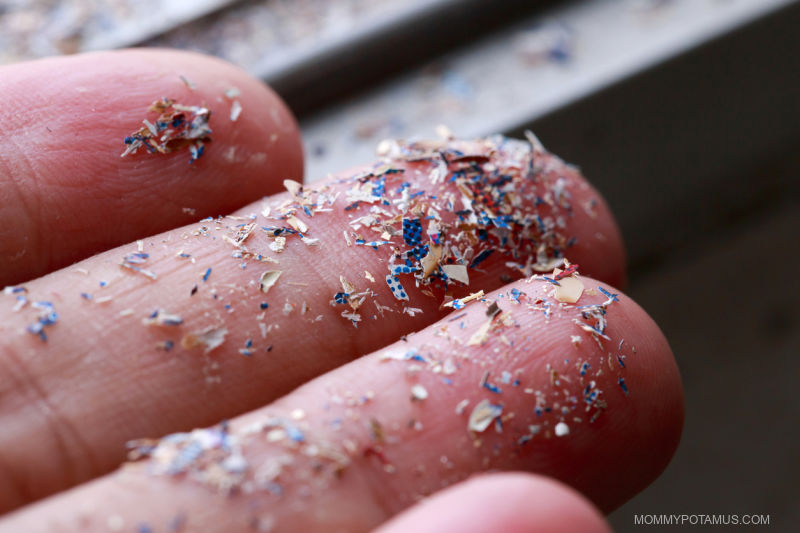
Close up side shot of microplastics lay on people hand.Concept of water pollution and global warming. Climate change idea.

Some headlines are surprising but true – like the time a German street was covered in chocolate after a factory leak. Others are the kind we really want to be true, or at least as simple as they sound.

Lately I’ve been seeing a lot of headlines about foods that supposedly remove microplastics from the body, so I clicked through and tracked down the research behind them.

Turns out, foods like tamarind and okra do bind and remove microplastics . . . from water.

And if that were the whole story, this would be a very short article.

But once I started digging, I found something more interesting: no food has yet been shown to remove microplastics from human tissues directly, but there are foods that may help your body limit absorption, support elimination, and deal with some of the damage these particles can cause.

How Microplastics End Up Inside Us

Microplastics – tiny pieces of plastic less than 5 millimeters long – are everywhere. They’ve been found in deep ocean trenches, on the summit of Mount Everest, and in the human body, too.

In everyday life, they enter our bodies through several common routes: we breathe them in through household dust, swallow them in food and drinking water, and encounter them daily through synthetic fabrics, plastic packaging, and other plastic-containing products. Research has detected microplastics in human blood, lungs, liver, kidneys, and reproductive organs, as well as other areas like the brain, heart, and placenta. (1)(2)(3)(4)

Microplastic exposure is linked to chronic inflammation, heart disease, fertility problems, and other health issues. (5)(6)

And the concern isn’t just the plastic itself; it’s what the plastic is carrying. These particles can act like tiny sponges for heavy metals and chemicals like BPA or phthalates, which are known endocrine disruptors. In short: they can mess with your hormones and trigger inflammation.

That’s why microplastics have become more than just an environmental issue – they’re increasingly being discussed as a growing public health concern.

I’ve shared several practical ways to reduce your exposure to microplastics, but that still leaves an obvious question:

What about the microplastics we’ve already been exposed to?

I wish I could give you a smoothie recipe or supplement recommendation that would handle everything all at once.

Based on what we know right now, that’s not how it works. But there is some encouraging news.

Researchers are beginning to identify specific compounds that may help the body clear ingested microplastics more effectively. In one recent study, scientists found two strains that stood out for their ability to increase microplastic excretion, reduce the amount remaining in the gut, and lower inflammation in mice. (7)

Beyond that, research also suggests that certain foods may support the systems your body already uses to limit absorption, bind particles in the gut, and move them out efficiently.

Foods That Help Your Body Handle Microplastics

While we can’t fully eliminate exposure, we can support how the body handles it. And we don’t do that by starting a strict “microplastic detox” protocol that ignores everything else the body needs – we do it by supporting the pathways and systems involved in handling them.

When it comes to diet specifically, that means focusing on foods that:

  • Support the gut barrier (our first line of defense) and microbial balance
  • Encourage a healthy gut transit time (getting things moving through your digestive tract so plastic doesn’t sit around)
  • Reduce oxidative stress (the cellular inflammation plastic causes)

Fermented Foods (Gut Barrier + Emerging Binding Research)

This is where probiotic-rich foods stop being “generally healthy” and start getting weirdly specific.

For years, probiotics have mostly been talked about in broad terms: good for the gut, good for digestion, good for immune health.

But when it comes to microplastics, researchers are zooming way in. They’re not asking whether yogurt or kimchi is “good for you” in a general sense. They’re asking whether certain individual strains of bacteria often associated with those foods can bind to microplastics, help move them out through the digestive tract, and reduce some of the inflammation they leave behind.

And so far, the answer appears to be: some of them might. A 2025 study screened 784 bacterial strains and found that two stood out – Lacticaseibacillus paracasei DT66 and Lactiplantibacillus plantarum DT88. In mice, those strains increased fecal microplastic excretion by 34%, reduced the amount left behind in the gut by 67%, and helped lower intestinal inflammation. (7)

Now, at first glance, it would be easy to assume that if one form of Lacticaseibacillus paracasei helps with microplastics, they all probably do. But even when bacteria come from the same general families, that doesn’t mean they all do the same work. A screwdriver and a wrench can sit in the same toolbox and still solve completely different problems.

However, the more researchers look for probiotics that show promise for microplastic removal, the more they seem to find. A newer 2026 study identified a kimchi-derived strain, Leuconostoc mesenteroides CBA3656, that showed strong nanoplastic-binding ability under simulated intestinal conditions and increased fecal nanoplastic excretion by more than twofold in mice. (8)

Now for the important caveat: that does not mean all kimchi, yogurt, kefir, or sauerkraut will automatically do the same thing.

Even if a particular strain is commonly associated with a certain fermented food, there can be a lot of variation from one culture or product to another, especially in wild ferments. Unless a strain is intentionally added or a food is tested, there’s no way to know for sure that it’s there.

That said, I still think fermented foods matter here.

Even when they’re not delivering one of these lab-tested strains, they can support our microbiome and help strengthen the gut barrier, which is one of the body’s first lines of defense.

And if future research continues in this direction, we may eventually see certain strains intentionally cultivated in foods or used in more targeted probiotic supplements.

Looking for a recipe to try this week? I recommend spicy kimchi or garlicky fermented radishes.

Fiber-Rich Foods (Binding + Elimination)

One way to think about fiber is as a bouncer. It helps escort some of the things your body would rather not keep around toward the exit.

That matters here because tiny plastic particles – and the compounds attached to them – are generally better off moving through the digestive tract than lingering in it. This is one reason gut transit time matters: when things move too slowly, the body has a higher chance of reabsorbing some of what it was trying to eliminate.

Fiber also helps on more than one level. Some forms of dietary fiber bind substances in the gut and carry them out through stool, which is one of the body’s main elimination routes. Fiber also supports regularity, nourishes beneficial gut microbes, and helps maintain the intestinal barrier – all of which are relevant here, since microplastic exposure has been linked to gut dysbiosis, increased intestinal permeability, and inflammation. (9)

So while we don’t have studies showing that fiber detoxes microplastics specifically, it does support several of the systems involved in moving unwanted material along and protecting the gut while that happens.

This is one reason foods like beans, lentils, oats, chia seeds, flaxseeds, chickpeas, and vegetables can be so helpful. They support regularity, healthy transit, and the everyday work of moving waste along efficiently.

Antioxidant-Rich Foods (Inflammation Support)

This is where the job shifts from getting things out to helping your body respond with more resilience.

Microplastics aren’t just inert little particles. Research suggests they can stir up oxidative stress and inflammation in a few different ways: by triggering immune responses, disrupting normal cellular energy production, carrying chemical hitchhikers like BPA and heavy metals, and putting pressure on the body’s own antioxidant defenses. (10)

That’s one reason antioxidant-rich foods matter here. In other words, this category is less about escorting unwanted stuff to the exit and more about helping the body deal with the wear and tear it may leave behind. (10)

This is where berries, green tea, herbs, spices, and colorful produce really shine. They don’t appear to remove microplastics directly, but they may help buffer some of the downstream stress associated with exposure. Think of them as part of the cleanup crew: not the ones hauling out the trash bags, but the ones repairing scuffed floors and patching drywall afterward.

Blueberries, raspberries, and strawberries are rich in anthocyanins, while green tea is known for polyphenols like EGCG.

Cruciferous vegetables deserve special mention here, because they’re doing more than one job. Vegetables like broccoli, kale, Brussels sprouts, and cabbage contain compounds such as sulforaphane, which has been widely studied for its ability to support antioxidant defenses and reduce oxidative stress and inflammation through pathways such as Nrf2 activation. (11)

Garlic and onions deserve a mention here too. Their organosulfur compounds have also been studied for antioxidant and anti-inflammatory effects. (12)

Bottom line: antioxidant-rich foods are less about detoxing microplastics and more about supporting cellular resilience while the body deals with an exposure we can reduce, but not avoid completely.

A Practical Place to Start

If you were hoping for a simple list of foods that “remove microplastics,” I get it. I was hoping for that too.

As research continues, maybe we’ll discover more probiotic strains – and possibly even some whole foods – that support microplastic detox more directly. But for now, my takeaway is this: the foundational choices many of us are already trying to make – prioritizing fermented foods, dietary fiber, and antioxidant-rich foods – are likely to be some of the most practical ways to help the body limit absorption, support elimination, and stay more resilient.

In other words, the habits that take effort are often doing more good than we can see.

It also means paying attention to the front end when we can – filtering tap water, using reusable glass or stainless steel instead of a plastic water bottle, switching to glass or stainless steel food containers, filtering indoor air, and reducing exposure from common sources of microplastics where it feels realistic to do so. (You can find more ideas here.)

I’m still working through that process too. Right now I’m researching PFAS-free toilet paper and non-toxic bathing suits because those are two swaps I still haven’t fully made. I’ve tried “better” brands before, but I hadn’t taken the time to really dig into the details until now. It’s a lot. I share what I learn here in the hope that it makes the process a little easier for you too.

And with that in mind, I’m always open to article ideas and research suggestions. If there’s a topic you’d like me to look into next, feel free to leave a comment below

Sources

  1. Roslan, N. S., et al. (2024). Detection of microplastics in human tissues and organs: A scoping review. Journal of Global Health.
  2. Leslie H.A., van Velzen M.J.M., Brandsma S.H., et. al. (2022). Discovery and quantification of plastic particle pollution in human blood. Environment International.
  3. Campen, M., Nihart, A. J., Garcia, M. A., et. al. (2024). Bioaccumulation of microplastics in decedent human brains. medRxiv.
  4. Dzierżyński, E., Gawlik, P. J., Puźniak, D., et. al. (2024). Microplastics in the human body: Exposure, detection, and risk of carcinogenesis — A state-of-the-art review. Cancers.
  5. Marfella, R., Prattichizzo, F., Sardu, C., et. al. (2024). Microplastics and Nanoplastics in Atheromas and Cardiovascular Events. New England Journal of Medicine.
  6. Zhang, C., Chen, J., Ma, S., et. al. (2022). Microplastics May Be a Significant Cause of Male Infertility. American Journal of Men’s Health.
  7. Teng, X., et al. (2025). Novel probiotics adsorbing and excreting microplastics in vivo show potential gut health benefits. Frontiers in Microbiology.
  8. Lee, J., Lee, D., Kwon, M. S., et. al. (2026). Efficient biosorption of nanoplastics by food-derived lactic acid bacterium. Bioresource Technology.
  9. Yang, X. Y., et al. (2026). Gut microbiome remodeling induced by microplastic exposure: A review of mechanisms and health implications. Gut Microbes.
  10. Bora, S. S., et al. (2024). Microplastics and human health: Unveiling the gut microbiome and potential mechanisms of toxicity. Microorganisms.
  11. Cascajosa-Lira, A., Prieto, A. I., Pichardo, S., et. al. (2024). Protective effects of sulforaphane against toxic substances and contaminants: A systematic review. Phytomedicine.
  12. Batiha, G. E. S., Beshbishy, A. M., Wasef, L. G., et. al. (2020). Chemical constituents and pharmacological activities of garlic (Allium sativum L.): A review. Nutrients.

Share with a friend! 👇

Tags: , , ,
Download app

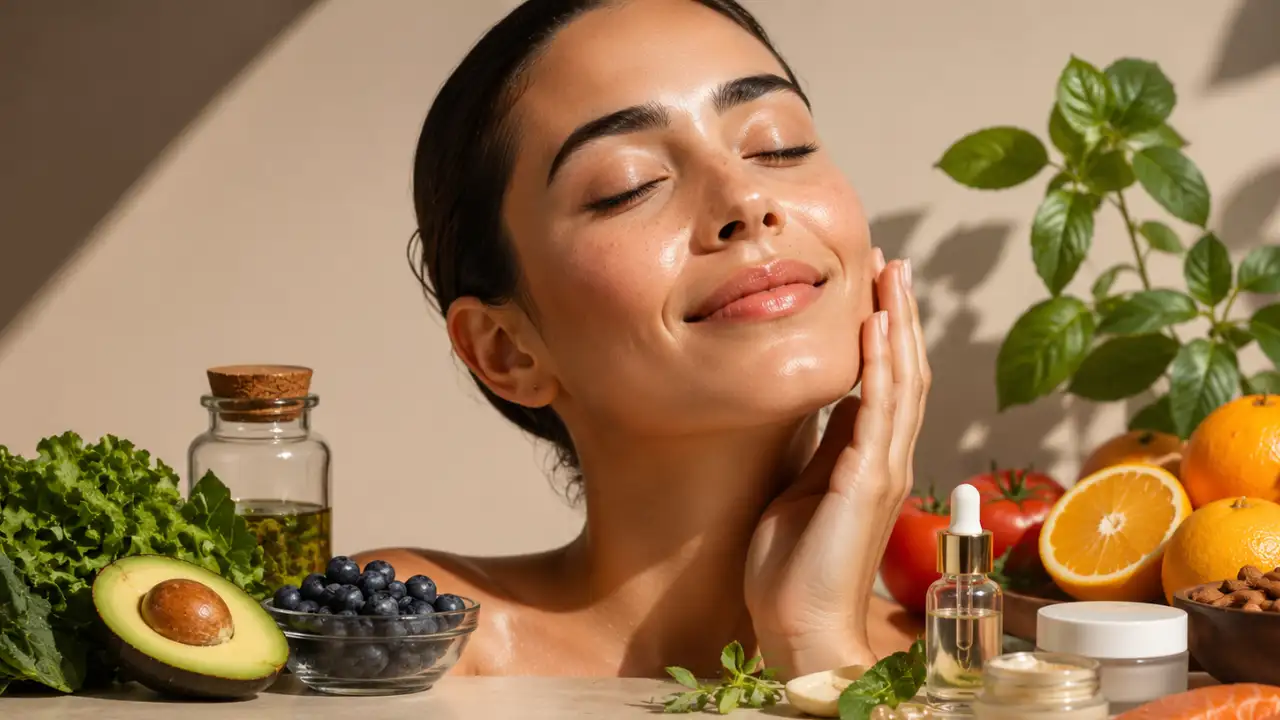
Hydrating foods and skincare tips for natural radiant cheeks and healthy skin glow

A healthy, rosy glow on the cheeks is often a sign of good skin health and circulation. While makeup can give instant colour, natural glow comes from consistent care, nourishment, and the right habits. Here’s how you can achieve naturally glowing cheeks without relying on heavy products.

HYDRATION IS THE FIRST STEP TO GLOW

Well-hydrated skin reflects light better, making cheeks look naturally plump and radiant. Drink enough water throughout the day and include water-rich foods like cucumber, oranges, and watermelon in your diet to keep skin supple.

NOURISH YOUR SKIN WITH A BALANCED DIET

Your diet directly affects your skin’s glow. Foods rich in vitamin C, healthy fats, and antioxidants help boost collagen and improve blood circulation, giving cheeks a natural flush.

USE NATURAL INGREDIENTS FOR A ROSY TINT

You don’t need chemical blushes for colour. Natural ingredients can enhance your cheeks gently over time.

  • Beetroot juice: Adds a natural pink tint

  • Rose water: Soothes skin and improves tone

  • Aloe vera gel: Hydrates and enhances glow

  • Apply lightly and wash off after 10–15 minutes.

FACIAL MASSAGE FOR BETTER BLOOD CIRCULATION

Regular facial massage increases blood flow, which naturally brightens the cheeks. Use gentle upward strokes with clean hands or a facial roller for 5 minutes daily to stimulate circulation and reduce dullness.

EXFOLIATE GENTLY, NOT EXCESSIVELY

Dead skin cells can make cheeks look dull. Mild exfoliation once or twice a week helps reveal fresh skin underneath. Use gentle scrubs or natural exfoliants like oatmeal or rice flour mixed with curd.

GET ADEQUATE SLEEP AND MANAGE STRESS

Lack of sleep and high stress levels can make skin look tired and lifeless. Aim for 7–8 hours of sleep and practice stress-relieving activities like yoga or deep breathing for a healthy glow.

PROTECT YOUR SKIN FROM SUN DAMAGE

Sun exposure can cause pigmentation and uneven tone. Apply sunscreen daily to protect your cheeks and maintain their natural brightness, even when indoors.

If you want a natural glow on your cheeks, focus on hydration, nutrition, gentle skincare, and healthy lifestyle habits. Consistency not quick fixes is the key to long-lasting radiance.

– Ends

Published By:

Chaitanya Dhawan

Published On:

Jan 6, 2026

Tags: , , , , , , , , ,
Eating Vitamin C Rich Foods Works Better To Boost Collagen Production In Skin, Finds Study | Health and Fitness News

Eating Vitamin C Rich Foods Works Better To Boost Collagen Production In Skin, Finds Study | Health and Fitness News

Last Updated:January 02, 2026, 18:10 IST

A recent study has shown that vitamin C should be consumed via fruits if you want to see the benefits when it comes to boosting collagen production.

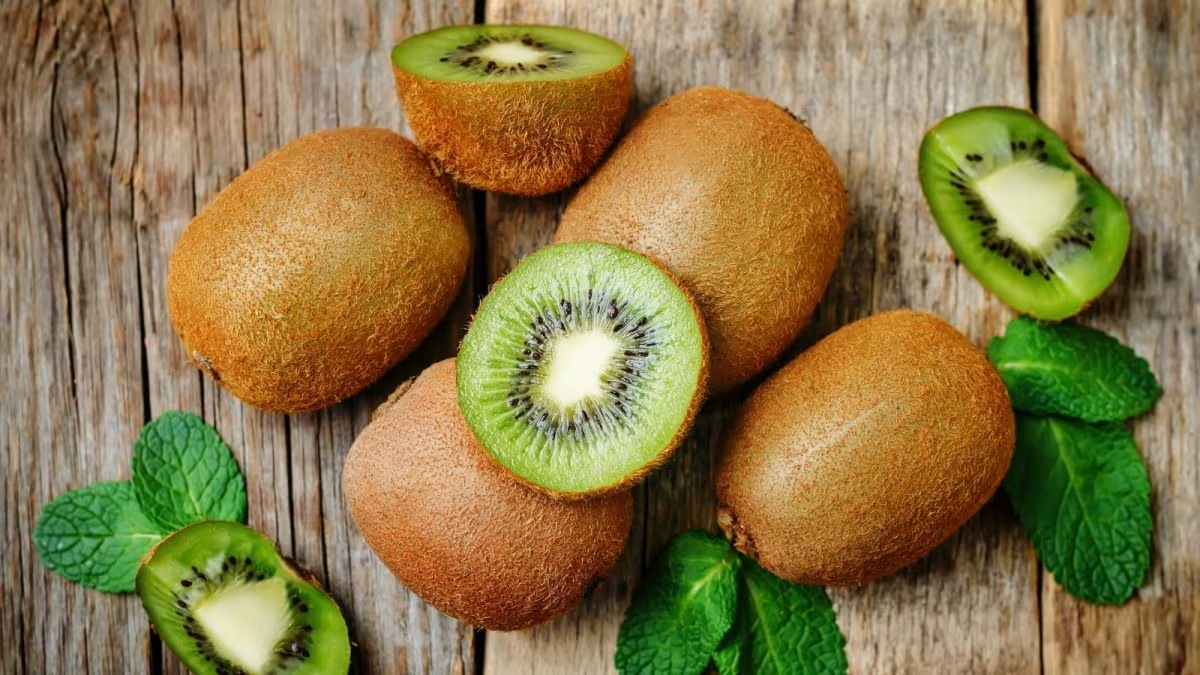
Kiwis: Kiwis are packed with vitamin C, minerals and fibre that promote overall health and metabolism. One kiwi contains about 93 mg of vitamin C per 100 grams. (Image: Canva)

If you have been coming across mentions of vitamin C a lot lately, it is because it has been proving itself to be a main character. Recently, results from two separate studies have been published that yet again prove that including vitamin C in your food and skincare can have some wondrous results.

Eat kiwis for an increase in vitamin C and a boost in collagen 

You might have heard of the adages that ‘beauty comes from within’ and ‘you are what you eat’. Well, a new study conducted by researchers at the University of Otago found that collagen production and skin renewal directly respond to the amount of vitamin C we eat. It was published in the International Journal of Investigative Dermatology.

It was conducted on two dozen healthy adults in New Zealand and Germany, and researchers found that skin vitamin C levels are closely tied to levels of the vitamin in the blood plasma and can be boosted by increasing fruit intake.

The participants were instructed to eat two vitamin C-rich kiwifruit per day to increase the amount of the vitamin in the skin, which also helped to improve their skin thickness, aka collagen production, and stimulate the renewal and regeneration of the outer skin layer.

For the unversed, vitamin C is not only found in citrus foods like oranges, limes, lemons, and grapefruits but can also be ingested from berries such as strawberries and blackcurrants, red and yellow peppers, kiwifruit, broccoli, tomatoes, and potatoes.

Collagen is the most abundant protein in the human body, forming the main structural support for skin, bones, tendons, ligaments, and connective tissues. It keeps your skin firm and elastic, joints cushioned, and bones strong, while also aiding wound healing and tissue repair, making it vital for overall structural health and healthy ageing.

Lead author Professor Margreet Vissers from Mātai Hāora – Centre for Redox Biology and Medicine, within the Department of Pathology and Molecular Medicine, says the strength of the association between collagen and vitamin C intake is “compelling”.

“We were surprised by the tight correlation between plasma vitamin C levels and those in the skin – this was much more marked than in any other organ we have investigated,” Professor Vissers says.

She went on to add that study has shown the best way to supporting your skin function is from the inside out and by delivering vitamin C to the skin via the bloodstream. “We know that vitamin C is required for collagen production. This fact has inspired the addition of vitamin C to many skin cream formulations. However, vitamin C is highly water soluble and poorly absorbed through the outer skin barrier. Our study shows that the skin is extremely good at absorbing vitamin C from the blood circulation. Uptake into the outer epidermal skin layer also seems to be prioritised,” she says.

First Published:

January 02, 2026, 18:10 IST

Disclaimer: Comments reflect users’ views, not News18’s. Please keep discussions respectful and constructive. Abusive, defamatory, or illegal comments will be removed. News18 may disable any comment at its discretion. By posting, you agree to our Terms of Use and Privacy Policy.

Tags: , , , , , , , , , , , , ,
What foods helps clear skin? Skincare expert issues advice

What foods helps clear skin? Skincare expert issues advice

As the colder months creep up on us, the temperature change can wreak havoc on our bodies and make it difficult for us to look and feel our best.

This is why specialist skincare pharmacist Yasar Hussain has warned that the drop in temperature and lower humidity, paired with harsh winds, can be abrasive on our skin.

For example, these conditions can cause damage to capillary beds in the skin, leading to redness and sensitivity. 

A skinecare expert has shared his advice for perfect skin this winter (Image: Kennedy News & Media)

Skincare expert warns against skin damage over the winter

Discussing the challenges winter poses for our skin, Mr Hussain from prescription dermatology service MiQuest said: “Winter can be a challenging time for our skin, and it will have different needs in the colder, darker months than it does at other times of the year. 

“The combination of cold, wet air our skin is exposed to outdoors, and the warm, dry air of indoor central heating can certainly leave it looking and feeling less than its best. 

“The so-called winter uglies are a very real experience for many people at this time of year, but thankfully, there are a number of easy and effective ways to tackle them. 

“It’s vital to keep skin properly hydrated through winter, which you can do through applying moisturiser each day, eating healthy fats, avoiding dehydrating caffeine and alcohol and drinking plenty of water.  

“Another tip is to avoid hot showers, which can strip the skin’s barrier of its natural oils, and protect your skin from the harsh weather as much as possible by covering up key areas such as your face, neck and hands where possible. 

“Being aware of the different challenges your skin faces at this time of year and how to avoid them can go a long way.”

Skincare expert shares 5 things you need to do if you want perfect skin this winter

Here are his top five skincare tips to help your skin look its best this winter.

Keep your skin moisturised 

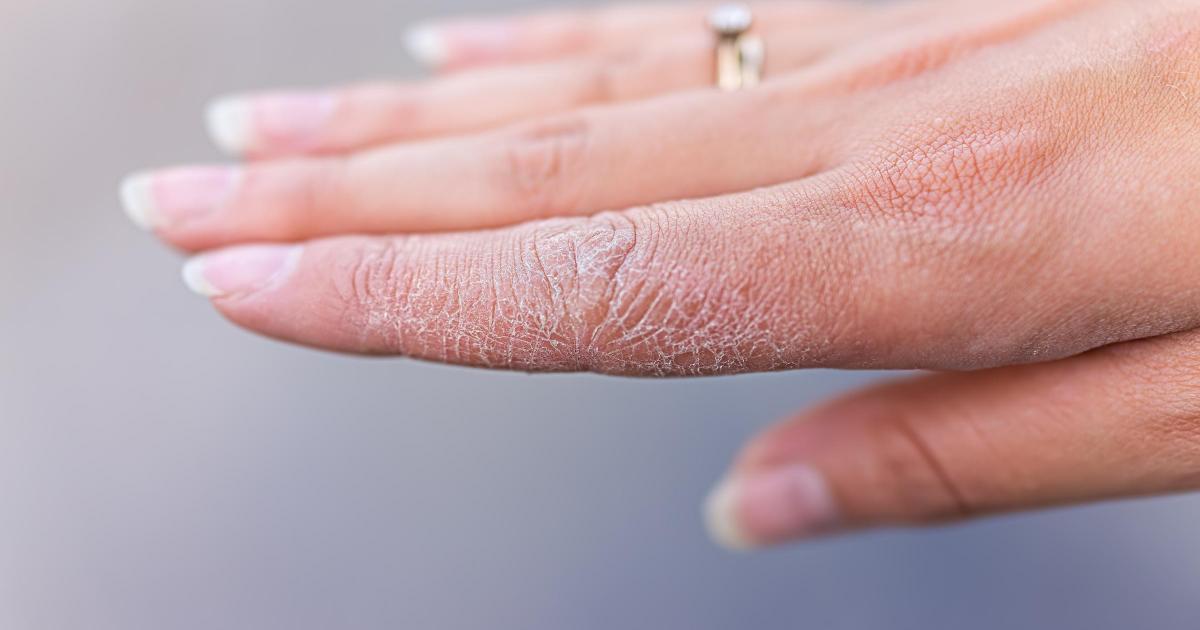
Colder temperatures and a drop in air humidity, as well as warm, dry air indoors, can disrupt the skin barrier and make it harder to keep moisture locked in. 

This is why it is important to ensure your skin is protected against moisture loss, which can lead to issues like dry, itchy and dull skin.

An easy way is to ensure you are drinking enough water, or make changes to your skincare routine, such as adopting a moisturising cleanser or a richer moisturiser. 

Avoid harsh chemicals 

Our skin produces its own natural oils, such as sebum, to moisturise and protect itself, but harsh chemicals in creams, oils and other skincare products can strip these away. 

In winter, it’s better to switch to more natural cleansers and moisturisers with fewer chemicals, alcohols and fragrances. 

Instead, opt for products high in organic ingredients such as shea butter, cocoa butter, peptides and aloe vera. 

Colder weather and harsh winds can cause damage to our skins (Image: Getty Images)

Wrap up for the weather 

British wintertime is often not for the faint of heart, and powerful storms, driving rain and gale force winds can all take their toll on our skin. 

Keep key areas such as the face, neck and hands covered up while outdoors to protect against windburn or irritation. 

A good lip balm is also a useful weapon to keep dry, cracked skin at bay. 

Avoid hot showers 

Many people enjoy a hot shower in winter, but it can cause disruption to the skin’s barrier and strip it of much-needed moisture. 

While taking a hot shower every so often won’t wreak havoc on your skin, too many hot showers can gradually strip away the natural oils, weaken the barrier and increase transepidermal water loss. 

Instead, it’s better to keep the temperature at a moderate level and not spend too much time exposed to hot water. 

Recommended Reading:

Tweak your diet 

What we eat and drink plays a vital role in keeping our skin at its best, and healthy fats can play a huge role in maintaining our skin barrier and locking in moisture. 

They can be found in a range of food items, including avocado, oily fish such as salmon, tuna and mackerel, nuts and seeds. 

Meanwhile, other skin-friendly nutrients are worth getting into your diet, including vitamin A, found in spinach, vitamin C, found in citrus fruits, and zinc, which is found in beef, poultry and shellfish. 

Tags: , , , , , , ,
5 everyday foods responsible for triggering acne and breakouts

5 everyday foods responsible for triggering acne and breakouts

Many studies have shown that excess dairy intake leads to acne development, specifically between the ages of 7 and 30. Having control over the consumption of milk, curd, butter, ghee, cheese, and more triggers hormonal and inflammatory responses in the body, leading to excess oil production and clogged pores. This may vary by product and individual, as a person’s genetics and hormones play a vital role, as does the type of dairy being consumed. Also, some people are lactose intolerant, so in such cases, the acne issues can also be connected to lactose sensitivity.

(Image Credits: Pinterest)

Tags: , , , , ,
Beauty-from-within trend opens new market for functional foods

Beauty-from-within trend opens new market for functional foods

Today, the growing interest in the “beauty-from-within” category reflects consumers’ desire to support glowing skin, stronger hair and overall vitality through what they eat, not just what they apply according to recent Spate research.

Food as beauty: A growing opportunity

Think beyond powders and capsules but rather beverages, snacks and even ready-to-eat meals are beginning to position themselves as part of a beauty-enhancing diet.

Ingredients gaining traction include those that promote skin elasticity and hydration, hair strength and shine, alongside anti-inflammatory and antioxidant benefits.

Some companies already are bridging the gap between functional foods and beauty claims:

  • Collagen-boosted beverages: Coffee creamers, sparkling waters and ready-to-drink elixirs include DIRTY LEMON Collagen Beauty Drink, Bella All Natural Collagen Iced Coffee and Asahi Perfect Asta Collagen Drink.
  • Plant-based antioxidant foods: Smoothie mixes, functional snacks and fortified chocolate or nut bars leveraging resveratrol include The Longevity Suite and WineTime Bar.

Behind the buzzword ingredients

Three functional ingredients are emerging as power players in the food-based beauty category based on Spate reporting:

1. Collagen remains the cornerstone of the beauty-from-within movement. Spate reports a +15.4% year-over-year (YoY) combined growth in searches across TikTok, Google and Instagram, with TikTok leading the charge at +42.2% YoY. Conversations often highlight its benefits for skin elasticity, hair strength and joint health. While traditionally supplement-focused, collagen’s popularity signals a promising avenue for food products from fortified beverages to protein bars that allow consumers to incorporate it seamlessly into daily routines.

2. Resveratrol is a plant-based antioxidant gaining rapid traction, with +148.4% YoY growth in searches and projected continued growth of +24.0% YoY. Resveratrol appeals to consumers seeking non-animal-derived options and aligns well with clean-label, plant-forward food trends. Social media, especially TikTok, is driving interest, often linking resveratrol to anti-aging and skincare-focused routines, making it a prime candidate for functional foods like infused drinks, snacks or beauty-centric smoothies.

3. Astaxanthin is less well known but on a fast upward trajectory (+36.4% combined growth YoY, forecasted +39.2% YoY). Its anti-inflammatory and antioxidant properties are catching the eye of content creators, particularly on TikTok (+409% YoY) and Instagram (>1,000% YoY). This presents a compelling opportunity for brands to introduce novel, visually appealing foods and beverages that highlight this “super antioxidant” for skin health.

The takeaway

The intersection of nutrition and beauty is no longer niche, it’s a growing frontier for food brands willing to innovate.

Functional ingredients like collagen, resveratrol and astaxanthin offer clear consumer resonance and proven social media traction. By embedding these ingredients into convenient, everyday foods, brands can meet consumers where they are: seeking beauty and wellness in what they eat, not just what they apply.

Tags: , , , , ,
Best oLive
Privacy Overview

This website uses cookies so that we can provide you with the best user experience possible. Cookie information is stored in your browser and performs functions such as recognising you when you return to our website and helping our team to understand which sections of the website you find most interesting and useful.