


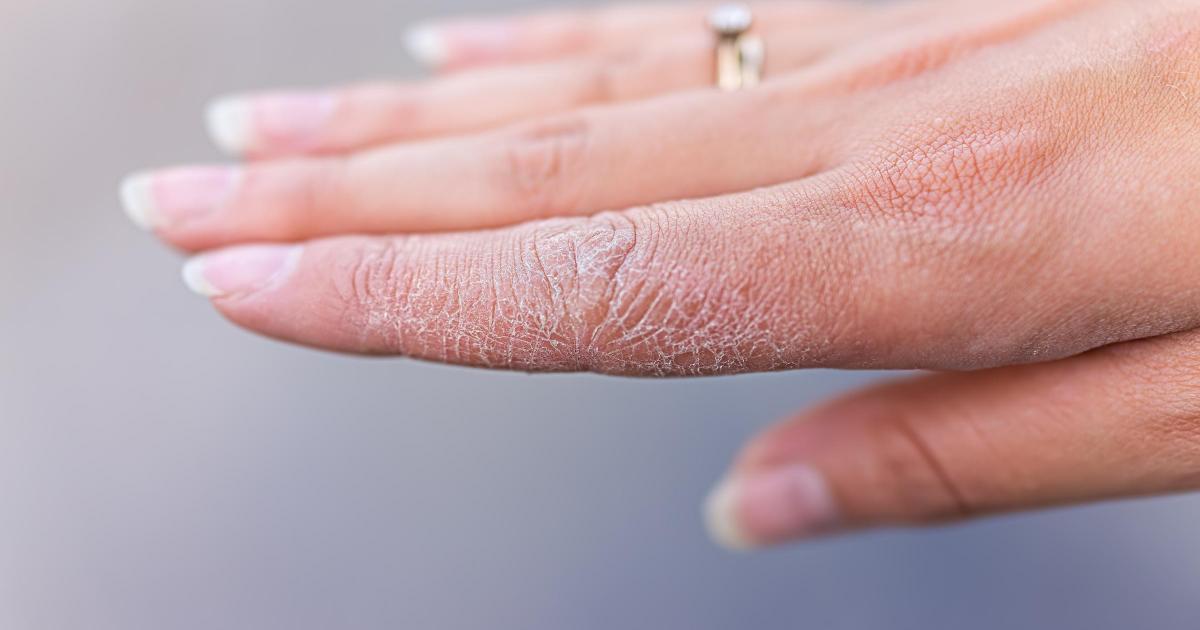
As the colder months creep up on us, the temperature change can wreak havoc on our bodies and make it difficult for us to look and feel our best.
This is why specialist skincare pharmacist Yasar Hussain has warned that the drop in temperature and lower humidity, paired with harsh winds, can be abrasive on our skin.
For example, these conditions can cause damage to capillary beds in the skin, leading to redness and sensitivity.
A skinecare expert has shared his advice for perfect skin this winter (Image: Kennedy News & Media)
Skincare expert warns against skin damage over the winter
Discussing the challenges winter poses for our skin, Mr Hussain from prescription dermatology service MiQuest said: “Winter can be a challenging time for our skin, and it will have different needs in the colder, darker months than it does at other times of the year.
“The combination of cold, wet air our skin is exposed to outdoors, and the warm, dry air of indoor central heating can certainly leave it looking and feeling less than its best.
“The so-called winter uglies are a very real experience for many people at this time of year, but thankfully, there are a number of easy and effective ways to tackle them.
“It’s vital to keep skin properly hydrated through winter, which you can do through applying moisturiser each day, eating healthy fats, avoiding dehydrating caffeine and alcohol and drinking plenty of water.
“Another tip is to avoid hot showers, which can strip the skin’s barrier of its natural oils, and protect your skin from the harsh weather as much as possible by covering up key areas such as your face, neck and hands where possible.
“Being aware of the different challenges your skin faces at this time of year and how to avoid them can go a long way.”
Skincare expert shares 5 things you need to do if you want perfect skin this winter
Here are his top five skincare tips to help your skin look its best this winter.
Keep your skin moisturised
Colder temperatures and a drop in air humidity, as well as warm, dry air indoors, can disrupt the skin barrier and make it harder to keep moisture locked in.
This is why it is important to ensure your skin is protected against moisture loss, which can lead to issues like dry, itchy and dull skin.
An easy way is to ensure you are drinking enough water, or make changes to your skincare routine, such as adopting a moisturising cleanser or a richer moisturiser.
Avoid harsh chemicals
Our skin produces its own natural oils, such as sebum, to moisturise and protect itself, but harsh chemicals in creams, oils and other skincare products can strip these away.
In winter, it’s better to switch to more natural cleansers and moisturisers with fewer chemicals, alcohols and fragrances.
Instead, opt for products high in organic ingredients such as shea butter, cocoa butter, peptides and aloe vera.
Colder weather and harsh winds can cause damage to our skins (Image: Getty Images)
Wrap up for the weather
British wintertime is often not for the faint of heart, and powerful storms, driving rain and gale force winds can all take their toll on our skin.
Keep key areas such as the face, neck and hands covered up while outdoors to protect against windburn or irritation.
A good lip balm is also a useful weapon to keep dry, cracked skin at bay.
Avoid hot showers
Many people enjoy a hot shower in winter, but it can cause disruption to the skin’s barrier and strip it of much-needed moisture.
While taking a hot shower every so often won’t wreak havoc on your skin, too many hot showers can gradually strip away the natural oils, weaken the barrier and increase transepidermal water loss.
Instead, it’s better to keep the temperature at a moderate level and not spend too much time exposed to hot water.
Recommended Reading:
Tweak your diet
What we eat and drink plays a vital role in keeping our skin at its best, and healthy fats can play a huge role in maintaining our skin barrier and locking in moisture.
They can be found in a range of food items, including avocado, oily fish such as salmon, tuna and mackerel, nuts and seeds.
Meanwhile, other skin-friendly nutrients are worth getting into your diet, including vitamin A, found in spinach, vitamin C, found in citrus fruits, and zinc, which is found in beef, poultry and shellfish.


