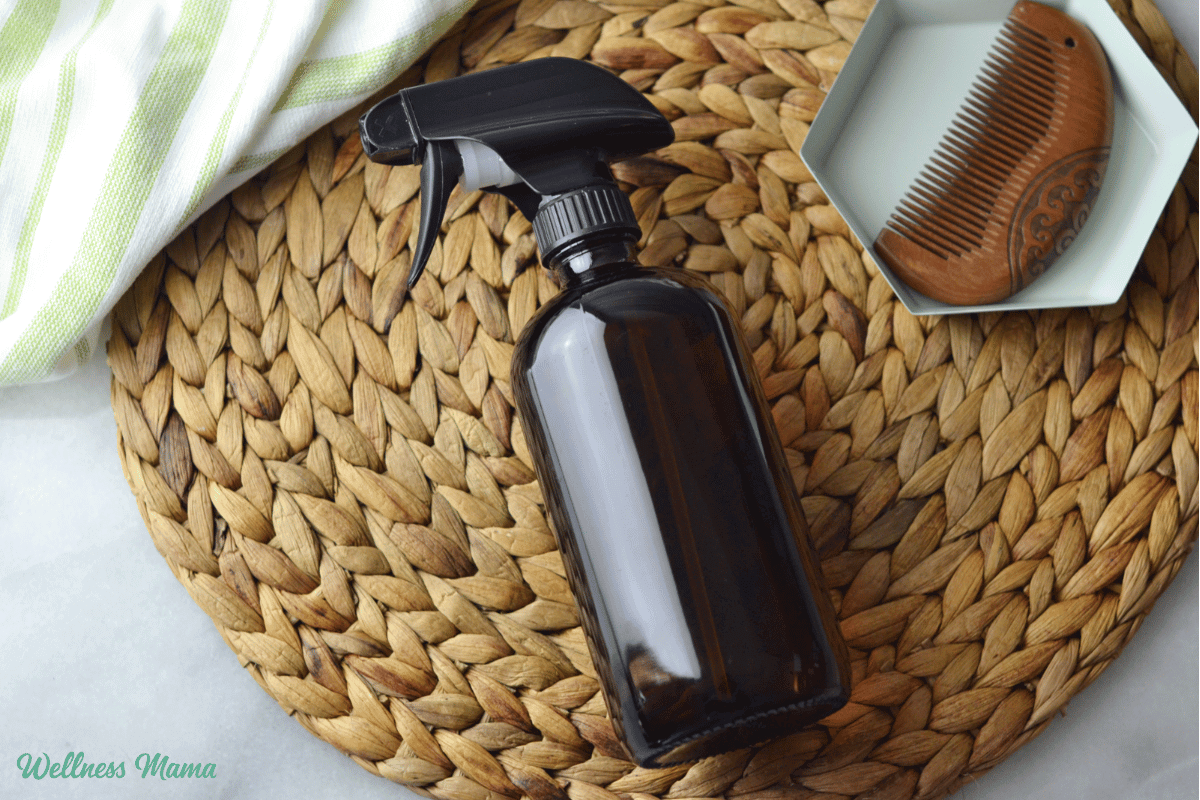
hair growth serum

DIY Hair Growth Serum (and What Really Helps Hair Grow)

When our body starts to feel overwhelmed by stress, illness, or shifting hormones one of the first places we can see it is our hair. Hormones affect nearly every aspect of health, and I’ve certainly seen the connection between hormones and hair growth firsthand.

After many years of pregnancy, nursing, and thyroid challenges, my body was tired. I remember standing at the bathroom mirror after years of elevated hormones from pregnancy and nursing. The postpartum hair loss finally hit… and boy did it ever.

I addressed the stress and hormone imbalance, and the hair loss slowed. But I still wanted something to help new hair grow more quickly and protect my scalp and hair. This homemade hair growth serum is the result.

Some women go to a dermatologist or beautician for hair concerns. I tend to go to my pantry. Like my homemade sea salt spray, this DIY hair serum for growth is affordable and uses nourishing ingredients to naturally support scalp health.

What Really Causes Hair Loss 

Hair loss rarely happens in isolation. It’s often a sign that something deeper is happening in the body. Common root causes include chronic stress, hormone shifts, thyroid imbalance, postpartum changes, nutrient deficiencies, and post-viral illness. When our body doesn’t have enough resources, it prioritizes keeping us alive. And hair doesn’t make the cut. 

Supporting hair growth starts from the inside. Prioritizing protein, iron, zinc, and B vitamins helps the body rebuild hair tissue. Managing stress through sleep, gentle movement, and nervous system support can also make a noticeable difference. For hormonal hair loss, balancing blood sugar and supporting thyroid and adrenal health can be helpful. 

While addressing the root cause is key, using products topically can also help. That’s where a scalp serum for hair growth can be beneficial.

Do Hair Growth Serums Actually Work?

The answer is, it depends. A serum won’t fix hormone imbalances or chronic stress on its own, but it can support scalp health and stimulate circulation, which helps hair follicles function better.

Treatments like minoxidil are widely used, and studies show they can sometimes work, but not without risks. There are plenty of natural ingredients that can work just as well or even better than the conventional options. Rosemary oil for one. One study showed it worked as well as minoxidil for certain types of hair loss. If you want a natural approach, a homemade serum is a gentle option.

So, what stimulates hair growth best? Healthy circulation, nutrients, lowering inflammation, and a healthy scalp all play a role. A serum can provide the support your scalp needs externally while lifestyle and nutrition address the issue from the inside.

Why Use a Hair Growth Serum?

A good hair serum for growth helps:

  • Stimulate circulation to the scalp
  • Nourish follicles with vitamins and minerals
  • Soothe irritation and dryness
  • Protect hair from environmental damage

Whether you’re looking for the best hair growth serum for women or a hair growth serum for men, the goal is the same: create a healthy scalp environment that supports regrowth.

Best Hair Serum for Hair Growth: DIY Recipe

This DIY serum combines herbs and essential oils traditionally used to support hair and scalp health. It’s gentle enough for regular use and water based so it doesn’t make hair feel really oily.

Key Ingredients in This Serum For Hair Growth

  • Nettle – Rich in iron and vitamins A, C, and K, along with potassium and magnesium. These nutrients are essential for healthy hair follicles. Helps stimulate hair growth and improve scalp health.
  • Horsetail – High in silica, a mineral that supports hair strength and elasticity. Silica is linked with thicker, shinier hair.
  • Aloe Vera Gel – Aloe vera gel naturally soothes the scalp. Its the base of the serum and helps reduce irritation and dryness. Aloe also provides lightweight hydration so it’s great for most hair types.

Essential Oils for Hair Growth

Not only do they smell good, but these essential oils help stimulate circulation and promote hair growth.

  • Rosemary oil is one of the most studied essential oils for hair growth. Some research suggests it may be comparable to minoxidil for certain types of hair loss.
  • Clary sage oil is traditionally used for hormonal balance and may be helpful for hormone-related hair loss. 
  • Lavender oil supports scalp health and has antimicrobial properties, which can help maintain a healthy scalp environment.

Together, these ingredients combine to create a powerhouse hair growth serum!

Hair Growth Serum Recipe

Help stimulate hair growth with this aloe vera, herb, and, essential oil recipe.

Prep Time5 minutes

Steeping Time15 minutes

Total Time20 minutes

Yield: 8 ounces

Author: Katie Wells

  • In a small pan, bring the distilled water to a boil.

  • Remove from the heat and add the dried nettle leaf and horsetail leaf.

  • Cover the pot and let the herbs sit in the water for at least 10 minutes or until the water cools.

  • Strain the herbs out and pour the herbal tea into a spray bottle.

  • Add the aloe vera gel and essential oils and shake well.

  • Store in the refrigerator and shake well before use.

  • Spray liberally on hair roots once or more per day. I found that it was easiest and worked the best to spray on before bed each night.
  • This hair serum will last about 1 week if stored in the fridge. You can also freeze some if you want to make a bigger batch for later. 

How to Use Scalp Serum For Hair Growth

Apply a small amount of serum to the scalp and massage gently. Focus on your scalp and hair roots. Massage increases circulation, which helps deliver nutrients to follicles. I sprayed this scalp serum on every night before bed. You can use it on either wet or dry hair. 

What Is the Most Effective Hair Growth Serum?

The “most effective” serum depends on the cause of hair loss. Rosemary oil has emerging research and is a popular natural alternative. Herbal and essential oil–based serums, like this DIY recipe, work best as part of an overall approach that includes nutrition, stress management, and hormone support.

So, which hair serum can regrow hair? Regrowth actually depends on follicle health. A serum can support follicles that are dormant or weakened, but it’s much harder to revive inactive follicles. That’s why early intervention and addressing root causes are important.

Final Thoughts on Hair Growth Serum

Hair loss can feel discouraging, especially when it’s tied to postpartum changes, stress, or illness. While hair loss is common in life, we don’t have to take it lying down. It’s so important to address the root causes, but using a hair growth serum can also be really helpful in the meantime. 

I love this hair growth serum because it’s simple with nourishing ingredients and I noticed a definite difference from it. 

How do you support healthy hair? What products have you tried? Leave a comment and let us know!
Tags: , , , , ,
What foods helps clear skin? Skincare expert issues advice

What foods helps clear skin? Skincare expert issues advice

As the colder months creep up on us, the temperature change can wreak havoc on our bodies and make it difficult for us to look and feel our best.

This is why specialist skincare pharmacist Yasar Hussain has warned that the drop in temperature and lower humidity, paired with harsh winds, can be abrasive on our skin.

For example, these conditions can cause damage to capillary beds in the skin, leading to redness and sensitivity. 

A skinecare expert has shared his advice for perfect skin this winter (Image: Kennedy News & Media)

Skincare expert warns against skin damage over the winter

Discussing the challenges winter poses for our skin, Mr Hussain from prescription dermatology service MiQuest said: “Winter can be a challenging time for our skin, and it will have different needs in the colder, darker months than it does at other times of the year. 

“The combination of cold, wet air our skin is exposed to outdoors, and the warm, dry air of indoor central heating can certainly leave it looking and feeling less than its best. 

“The so-called winter uglies are a very real experience for many people at this time of year, but thankfully, there are a number of easy and effective ways to tackle them. 

“It’s vital to keep skin properly hydrated through winter, which you can do through applying moisturiser each day, eating healthy fats, avoiding dehydrating caffeine and alcohol and drinking plenty of water.  

“Another tip is to avoid hot showers, which can strip the skin’s barrier of its natural oils, and protect your skin from the harsh weather as much as possible by covering up key areas such as your face, neck and hands where possible. 

“Being aware of the different challenges your skin faces at this time of year and how to avoid them can go a long way.”

Skincare expert shares 5 things you need to do if you want perfect skin this winter

Here are his top five skincare tips to help your skin look its best this winter.

Keep your skin moisturised 

Colder temperatures and a drop in air humidity, as well as warm, dry air indoors, can disrupt the skin barrier and make it harder to keep moisture locked in. 

This is why it is important to ensure your skin is protected against moisture loss, which can lead to issues like dry, itchy and dull skin.

An easy way is to ensure you are drinking enough water, or make changes to your skincare routine, such as adopting a moisturising cleanser or a richer moisturiser. 

Avoid harsh chemicals 

Our skin produces its own natural oils, such as sebum, to moisturise and protect itself, but harsh chemicals in creams, oils and other skincare products can strip these away. 

In winter, it’s better to switch to more natural cleansers and moisturisers with fewer chemicals, alcohols and fragrances. 

Instead, opt for products high in organic ingredients such as shea butter, cocoa butter, peptides and aloe vera. 

Colder weather and harsh winds can cause damage to our skins (Image: Getty Images)

Wrap up for the weather 

British wintertime is often not for the faint of heart, and powerful storms, driving rain and gale force winds can all take their toll on our skin. 

Keep key areas such as the face, neck and hands covered up while outdoors to protect against windburn or irritation. 

A good lip balm is also a useful weapon to keep dry, cracked skin at bay. 

Avoid hot showers 

Many people enjoy a hot shower in winter, but it can cause disruption to the skin’s barrier and strip it of much-needed moisture. 

While taking a hot shower every so often won’t wreak havoc on your skin, too many hot showers can gradually strip away the natural oils, weaken the barrier and increase transepidermal water loss. 

Instead, it’s better to keep the temperature at a moderate level and not spend too much time exposed to hot water. 

Recommended Reading:

Tweak your diet 

What we eat and drink plays a vital role in keeping our skin at its best, and healthy fats can play a huge role in maintaining our skin barrier and locking in moisture. 

They can be found in a range of food items, including avocado, oily fish such as salmon, tuna and mackerel, nuts and seeds. 

Meanwhile, other skin-friendly nutrients are worth getting into your diet, including vitamin A, found in spinach, vitamin C, found in citrus fruits, and zinc, which is found in beef, poultry and shellfish. 

Tags: , , , , , , ,
Winter Skincare For Indian Skin: Why Body Care Matters And How Vitamin E Helps | Beauty News

Winter Skincare For Indian Skin: Why Body Care Matters And How Vitamin E Helps | Beauty News

Last Updated:November 20, 2025, 07:46 IST

Discover how winter impacts Indian skin and why body care is essential. Learn expert-backed tips, Vitamin E benefits, and how to protect your skin from dryness.

True winter beauty is not just about what you apply, it’s about how well your skin protects, repairs, and renews itself every day.

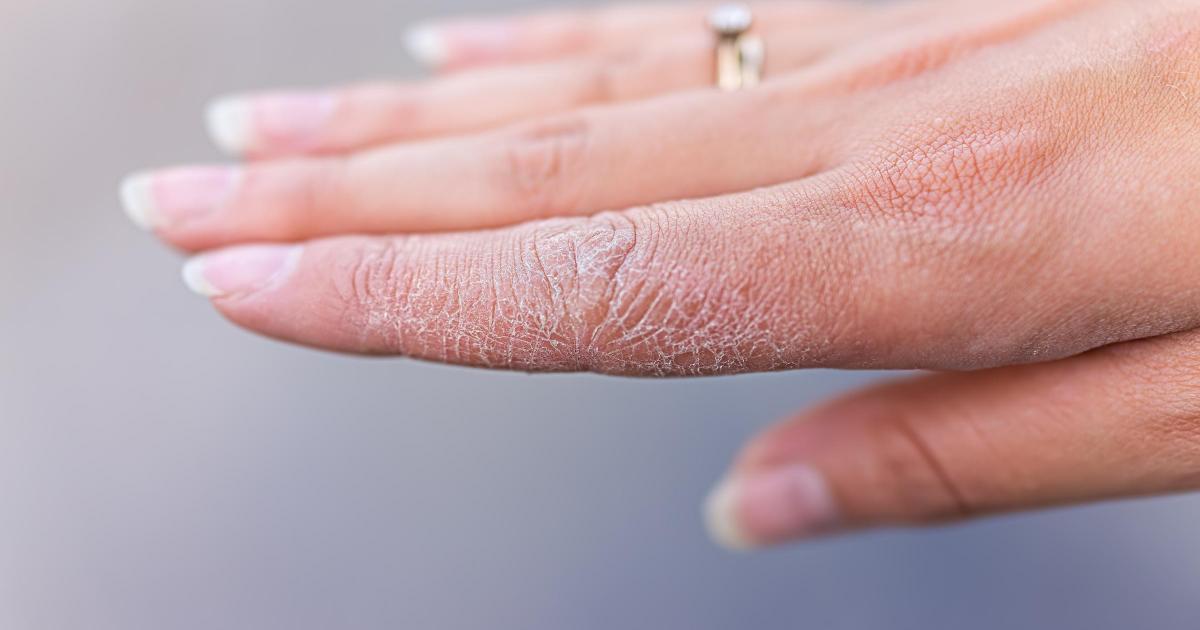
As winter sets in, the crisp air and falling temperatures bring much-needed relief from the heat but for your skin, it’s often a different story. The drop in humidity, coupled with indoor heating and longer hot showers, can strip the skin of its natural oils, leaving it dry, tight, and flaky. While most people focus primarily on facial skincare, the body often gets overlooked, even though it experiences the same if not more seasonal damage.

How Winter Affects Indian Skin

According to the Dermafique Indian Skin Health Report, Indian skin has a weaker barrier function and lower moisture retention compared to Caucasian skin, making it more vulnerable to dryness during colder months. In fact, 80% of Indian women experience dryness due to environmental factors, while 87% report under-eye dryness even after moisturising, highlighting that hydration loss runs deeper than the surface.

“Indian skin is unique because it tends to have a higher baseline oil content compared to Caucasian skin,” explains Dr Aparna Santhanam, dermatologist and skin expert, ITC Dermafique. “However, even this natural resilience doesn’t protect it completely during winter. The lower humidity and cold air pull moisture from the upper layers of the skin, weakening the skin barrier. As a result, you may notice increased dryness, dullness, and sometimes even itching or flakiness.”

This loss of moisture is not just a surface concern, it affects the skin barrier, the invisible shield that keeps irritants out and hydration in. Once compromised, the skin becomes more susceptible to environmental aggressors, leading to long-term issues such as premature aging and uneven texture.

Why Body Care Needs Equal Attention

While most people diligently switch their facial moisturisers during winter, the same level of care rarely extends to the body. Yet the skin on the body especially the arms, legs, and back is constantly exposed to friction from clothing and dryness from hot water.

“People often forget that body skin requires the same nourishment and repair as facial skin,” says Dr Aparna. “Neglecting it during winter can lead to issues like rough patches, dullness, and loss of elasticity. Using the right body care products helps maintain skin integrity and restores the suppleness that’s lost during colder months. A consistent body care ritual, starting with gentle cleansing followed by deep moisturisation, can replenish lipids and lock in hydration, ensuring your skin stays healthy and radiant from head to toe.”

Vitamin E: The Hero Ingredient for Winter Skin

When it comes to protecting and repairing winter-stressed skin, Vitamin E stands out as a true multitasking ingredient. It not only replenishes moisture but also strengthens the skin barrier and prevents further dehydration.

“Vitamin E is an antioxidant powerhouse,” explains Dr Aparna. “It neutralises free radicals caused by environmental stress and supports the regeneration of skin cells. When used topically, it enhances the skin’s ability to retain moisture and helps soothe irritation, making it especially valuable during dry, cold months.”

Vitamin E–enriched body lotions or serums help deeply nourish the skin, reduce roughness, and improve overall texture. These formulations also repair microdamage, keeping the skin soft, smooth, and resilient even in harsh winter weather.

Building a Winter Body Care Routine

Transitioning your body care routine for winter doesn’t need to be complicated, it simply needs to be intentional. For those with extremely dry skin, adding a body serum can provide an extra layer of nourishment. Its lighter texture allows deeper penetration of actives like Vitamin E, helping repair the skin barrier and restore a healthy glow.

Winter may be synonymous with cozy layers and cool breezes, but it also demands a shift in how you care for your skin. As Dr. Aparna Santhanam puts it, “Your skin mirrors your environment. When the air turns cold and dry, your body care routine must evolve to compensate for that loss of moisture.”

By embracing Vitamin E–rich formulations and a consistent winter body care ritual, you can protect your skin from seasonal dryness and keep it soft, supple, and radiant all winter long, because true skincare doesn’t stop at the face.

About the Author

Swati Chaturvedi

Swati Chaturvedi is a seasoned media professional with over 13 years of experience in journalism, digital content strategy, and editorial leadership across top national media houses. An alumna of Lady Shri Ram …Read More

Swati Chaturvedi is a seasoned media professional with over 13 years of experience in journalism, digital content strategy, and editorial leadership across top national media houses. An alumna of Lady Shri Ram … Read More

First Published:

November 20, 2025, 07:46 IST

News lifestyle beauty Winter Skincare For Indian Skin: Why Body Care Matters And How Vitamin E HelpsDisclaimer: Comments reflect users’ views, not News18’s. Please keep discussions respectful and constructive. Abusive, defamatory, or illegal comments will be removed. News18 may disable any comment at its discretion. By posting, you agree to our Terms of Use and Privacy Policy.

Tags: , , , , , , , , , ,
Best oLive
Privacy Overview

This website uses cookies so that we can provide you with the best user experience possible. Cookie information is stored in your browser and performs functions such as recognising you when you return to our website and helping our team to understand which sections of the website you find most interesting and useful.