Is Vitamin C Good for Acne Scars? Here's What the Research Says

Is Vitamin C Good for Acne Scars? Here’s What the Research Says

Acne scars don’t just fade with time. But can vitamin C speed things up?

Acne may fade, but the scars? They tend to linger like uninvited guests. That’s where vitamin C steps in with a reputation that’s equal parts skincare hero and overhyped trend. But is vitamin C actually good for acne scars, or is it just another pretty bottle on your shelf?

Science has a lot to say here. From boosting collagen production to helping fade dark spots, vitamin C isn’t just about glow. It’s about repair. And when used consistently (and correctly), it can make a noticeable difference in how acne scars look over time.

The real question isn’t if it works, but how well it works, depending on your skin type, the kind of scars you have, and the products you choose.

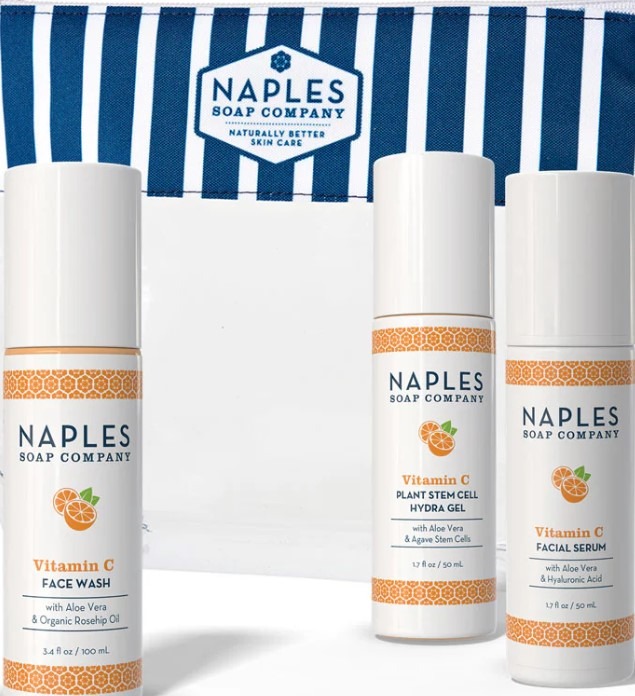
That’s why many people are now turning to a complete vitamin C face care kit instead of a single serum. Because tackling acne scars often takes a layered approach, not a one-step miracle. 

So, before you invest in yet another skincare trend, here’s what the research actually says about vitamin C and whether it deserves a spot in your routine. 

What Are Acne Scars? 

Acne scars are long-lasting textural changes and markings that remain on the skin after severe acne breakouts (such as cysts or nodules) heal.

Temporary post-inflammatory hyperpigmentation (PIH), the dark or red areas that go away over months, is not the same as acne scars. Because collagen is damaged during healing, true scars result in long-lasting changes to the skin’s texture.

The most prevalent type of scars is atrophic ones. These are pitted or depressed (ice-pick, boxcar, rolling) due to collagen loss.

Hypertrophic and keloid scars are thicker and elevated due to an overabundance of collagen.

When acne-related inflammation interferes with normal wound healing and causes uneven collagen remodeling, scars result. On the other hand, excess melanin without structural alteration causes PIH.

What Is Vitamin C and Why Is It Used in Skincare?

Vitamin C (L-ascorbic acid or its derivatives) exhibits strong antioxidant properties. It eliminates free radicals caused by inflammation, pollution, and UV exposure.

Important skin benefits include:

  • Increasing the synthesis of collagen by serving as a cofactor for the enzymes that produce it.
  • Lowering pigmentation and brightening skin tone.
  • Promoting the healing and repair of wounds.

Topical vitamin C is useful for post-acne issues since it enters the skin to deliver these effects directly.

How Vitamin C Helps Acne Scars 

Boosts Collagen Production

Vitamin C helps in the reconstruction of the skin’s structural integrity by promoting the production of collagen. 

For atrophic (indented) scars, where collagen loss results in depressions, this is especially helpful. Skin firmness and texture can be gradually improved by increased collagen.

Reduces Hyperpigmentation

It helps lighten dark spots and PIH caused by acne outbreaks by inhibiting tyrosinase, the enzyme that produces melanin. Texture alterations are frequently less obvious than this brightening effect.

Speeds Up Skin Healing

Vitamin C helps recover from active breakouts by promoting wound healing and lowering oxidative stress, which results in a smoother overall tone and texture.

Anti-Inflammatory Effects

It improves the appearance of scars and stops new PIH by reducing the redness and swelling linked to acne-prone skin.

What Does Research Say?

The significance of vitamin C is supported by clinical evidence; outcomes differ depending on form, concentration, and combination with other medications.

On Active Acne

Lotions, serums, and creams include SAP (Sodium Ascorbyl Phosphate), a stable, water-soluble form of vitamin C.

Research on the stable derivative sodium ascorbyl phosphate (SAP) yields encouraging findings. 5% SAP lotion outperformed 5% benzoyl peroxide in several comparisons, achieving “excellent or good” improvement in 76.9% of participants over 12 weeks in one trial with no significant adverse effects. SAP also lessens sebum oxidation and exhibits antibacterial properties against P. acnes.

On Acne Scars

Atrophic scars improve somewhat when vitamin C and microneedling are used together. Scar grading scores are significantly lower in split-face investigations, with advantages for stiffness, smoothness, and particularly PIH. 

According to one study, topical vitamin C and insulin with microneedling produced similar outcomes. Faster wound healing, less erythema, less pigmentation, and improved skin barrier function were all shown in a 2026 study on topical antioxidant serum (vitamin C + E + ferulic acid) after laser treatment for atrophic scars.

What Vitamin C Can and Can’t Do for Acne Scars

What Vitamin C Can Do

  • Fade PIH and dark patches effectively. 
  • Collagen support can help with mild-to-moderate textural problems. 
  • Improve the general brightness, tone, and healing of the skin. 
  • When used regularly, it reduces inflammation and promotes healing.

What Vitamin C Can’t Do

  • Eliminate severe or deep atrophic scars completely (professional techniques like laser or subcision are frequently needed).
  • For severe scarring, replace medicinal interventions.
  • Give immediate effect; it usually takes weeks to months of regular use to see noticeable changes.

How to Use Vitamin C for Acne Scars

Concentration: Depending on tolerance, start with 10–20%; lower for beginners or skin that is sensitive.

Timing: Use moisturizer and broad-spectrum sunscreen in the morning after cleansing (vitamin C improves photoprotection but does not replace SPF).

Pairing: Use retinoids at night or combine with niacinamide for brightening (avoid mixing in the same regimen to prevent irritation). Hydration can be enhanced by hyaluronic acid.

Use: Start with a patch test. Apply three to four drops of serum on dry, clean skin. If you have sensitive skin or aggressive acne, introduce gradually (every other day).

Consistency: While texture improvements take longer (3+ months), results for PIH may show up in 4–8 weeks.

For a more efficient routine, think about purchasing a full vitamin C face care kit that comes with a suitable cleanser, serum, and moisturizer.

Potential Side Effects and Risks

Mild irritation, redness, stinging, or dryness are common side effects, particularly when using pure L-ascorbic acid. Products that have undergone oxidation (becoming yellow or brown) become less effective and may cause irritation. Strong recipes may occasionally make extremely sensitive, acne-prone skin more oily or cause breakouts if the base ingredients block pores.

Start slowly, keep items in cool, dark areas, and stop using them if they cause extreme irritation. For persistent problems, see a dermatologist.

Who Should Use Vitamin C for Acne Scars?

Ideal for:

  • Black streaks and hyperpigmentation following inflammation.
  • Uneven tone or little scars.
  • Preventive care both during and after acne therapy.

For severe keloids or deep atrophic scars, monotherapy is less effective; in those situations, combine it with expert techniques. With the correct formulation, most skin types can benefit; sensitive or acne-prone skin may favor SAP-based treatments.

Final Words

Yes, vitamin C is a valuable, scientifically supported supplement to your routine that can help brighten dark spots, support minor texture improvement, and aid in skin restoration. When paired with sunscreen, mild exfoliation, and (if necessary) expert treatments, it shines brightest. Although it is not a perfect remedy for severe scarring, its anti-pigmentation, collagen-boosting, and antioxidant properties make it a wise supplement.

For the maximum results, explore choices, such as a vitamin C face care kit intended for thorough daily use. To customize your treatment, especially for difficult scars, speak with a dermatologist. Clearer, more even skin can be attained with perseverance and consistency.

Head over to Naples Soap Company to get the best deal on a vitamin C face care kit.

Frequently Asked Questions (FAQs)

Can acne scars be permanently removed with vitamin C?

Without upkeep and sun protection, it can greatly reduce PIH and repair minor scars, but the effects are not always long-lasting. Procedural intervention is necessary for deep scars.

How long does it take for acne scars to go away with vitamin C?

PIH improvement typically manifests in 4–12 weeks; textural changes, with regular use and combinations like microneedling, may take up to 3–6 months.

For acne scars, which vitamin C serum works best?

Look for choices that are stable, well-formulated, and have a concentration of 10–20% (L-ascorbic or SAP). Compatibility is ensured by the products included in a vitamin C face care package.

Does vitamin C exacerbate acne?

Although it rarely directly causes acne, some formulations may irritate sensitive skin or make it more oily, which could result in transient breakouts. Select acne-friendly, non-comedogenic variants and conduct a patch test.

Last Updated: June 12, 2026

Tags: , , , , ,
Associated Press

Hailey Bieber’s wellness routine might not be for everyone – here’s what to do instead

In an era where celebrity beauty brands are launched by the dozen, Hailey Bieber has accomplished something far more coveted: changing the way women take care of themselves. From glazed donut skin to peptide-packed lip treatments and the rise of “clean girl” minimalism, the model-turned-founder has become one of beauty’s most influential trendsetters.

The 29-year-old’s impact can be measured beyond sales figures. From popularizing “glazed donut skin” to “strawberry girl” makeup, Bieber has repeatedly turned personal preferences into full-blown industry obsessions. The result is a beautiful landscape increasingly shaped by trends that first gained traction on her Instagram feed and TikTok fan pages.

But Dr. Sherry McAllister, wellness expert and author of Adjusted Reality, believes there are longstanding downsides to the rising popularity of celebrity wellness routines.

• Hailey Bieber’s MAGA loving dad announces he’s retiring from politics

• Hailey Bieber admits to ‘uncomfortable and bizarre’ struggle with speculation over marriage

“As a healthcare provider, the concern is not the trends, but that each person has different healthcare challenges,” she explains.

Why Hailey Bieber’s wellness routine might not suit everyone

In an exclusive interview with The Mirror US, McAllister decoded how Bieber’s particular viral wellness trends might not suit everyone.

“Hailey Bieber has shared routines involving cold plunges, saunas, lymphatic drainage treatments, ice facials, specialized skincare protocols, Pilates, and highly curated beauty routines,” she says. “A patient suffering from a herniated disc in their back may find that Pilates flares up their condition due to nerve involvement.” She added that someone with cardiovascular issues or a history of strokes should strictly avoid cold plunges.

“The key is that people can often see celebrity influence and mistake its safety for their own situation,” McAllister remarks.

She further stated that celebrity wellness approaches are often “business-driven” and are driven by the agenda of increasing product sales.

“Optimization must fit the individual nervous system, lifestyle, and capacity, not someone else’s highlight reel. Whole-being care is highly curated for the person; it is not one-size-fits-all,” she notes.

Celebrities often operate with a level of support that most people simply don’t have access to -Credit:haileybieber/Instagram

TikTok’s beauty and wellness pressure machine

But the wellness culture flourishing on TikTok often comes with an unspoken expectation of perfection. Users are bombarded with videos promoting 4 a.m. wake-up calls, elaborate morning routines, strict supplement regimens, and meticulously curated self-care rituals, creating the impression that health is something to be optimized around the clock.

Critics argue that the trend can blur the line between well-being and obsession with self-improvement, turning everyday habits into yet another benchmark for success.

“The ability to juggle life stress, work, friends, and family is one part, but adding the pressure to look perfect and maintain an overwhelming list of to-dos can create anxiety and additional stress,” McAllister says.

The key to self-care is habit-stacking and consistency

McAllister instead advocates for habit-stacking and consistency. “The goal is consistency over time, not the intensity of trying to get everything right the first time. Hailey emphasizes hydration, walking, and a regular sleep routine. These are all achievable when small habits are improved over time,” she adds.

Celebrities often operate with a level of support that most people simply don’t have access to, from dermatologists, nutritionists, and personal trainers to makeup artists, assistants, and curated brand deals that shape their entire routine.

What looks like an effortless “everyday” glow or disciplined wellness schedule is usually the result of time, money and an entire professional ecosystem working behind the scenes. That makes it difficult—and arguably unfair—to compare those “perfect” routines to the realities of ordinary users trying to replicate them in their own daily lives.

Hailey Bieber has shared routines involving cold plunges, saunas, lymphatic drainage treatments, ice facials, specialized skincare protocols -Credit:haileybieber/Instagram

“Focusing on perfectionism can make adaptation more difficult and can create nervous system overload rather than alignment,” the expert warns.

Simple wellness hacks to incorporate in your day-to-day life

The simple wellness hacks McAllister believes can be easily practiced by everyone include:

  1. Walking daily. Movement supports physiology, stress regulation, circulation, and cognitive performance.

  2. Protecting sleep. Sleep is nervous system recovery.

  3. Hydrating intentionally. Hydration supports every system.

  4. Getting adjusted: your nervous system functions at its best when it’s balanced and aligned.

  5. Posture resets throughout the day. Alignment influences breathing, energy, and movement quality.

  6. Practicing “micro-replenishment.” Two minutes of breathing, movement, stretching, or stepping outside can change physiology.

  7. Building consistency before complexity.

Tags: , , , ,
The skincare innovations that are trending right now – here’s how to change up your skincare routine

The skincare innovations that are trending right now – here’s how to change up your skincare routine

Notino

Isn’t it time to change up your skincare routine? Check out the innovations which take supporting your skin beyond the surface.

Skincare trends come and go quickly, but some ingredients and product categories attract attention because they tap into broader changes in what people want from a routine.

Right now, there is growing interest in formulas that feel more targeted, more recovery-focused and more closely linked to skin support rather than quick surface-level results alone.

This shift reflects a wider change in consumer habits. People are still interested in glow and visible freshness, but they are also paying more attention to barrier support, skin comfort and products that fit into a more thoughtful long-term routine. In that context, innovation is no longer just about novelty. It is about whether a product feels relevant to real skincare goals.

Recovery-led skincare is gaining ground

One of the clearest developments in recent months is the rise of products associated with repair, renewal and skin recovery. Instead of looking only for stronger exfoliation or more dramatic active formulas, many skincare users are becoming more interested in products that support the skin in a gentler, more balanced way.

That helps explain why ingredients linked to skin regeneration are drawing more attention. A PDRN serum fits naturally into that conversation, as interest grows around formulas positioned within this more recovery-led approach. For many people, the appeal lies not only in the innovation itself, but in the broader idea of helping the skin look fresher and feel better supported over time.

Brand visibility also shapes what gains traction

Skincare conversations are often influenced not just by ingredients, but by the brands that help bring them into wider view. When certain names begin appearing repeatedly across beauty routines, social content and product recommendations, they often become part of the trend itself. Brand identity, packaging and positioning all play a role in how quickly a product category gains momentum.

This is one reason medicube is entering more beauty conversations. As consumers become more curious about newer skincare directions, brands associated with high-visibility, results-focused products tend to attract attention more quickly. They help make unfamiliar categories feel more accessible and easier to explore.

Innovation only matters if it fits real routines

Not every new skincare trend lasts, and not every innovation deserves a permanent place in a routine. What makes certain products stand out is their ability to fit into habits people can actually maintain. That is where Notino fits naturally into the conversation, offering skincare options that reflect both emerging trends and more established routine needs.

The products gaining attention right now are not always the loudest. More often, they are the ones that align with what people increasingly want from skincare: support, consistency and formulas that feel current without becoming overwhelming.

Continue Reading

Tags: , , , , ,
article-image

Dewy, Not Sweaty! Here’s How To Achieve A Minimal Everyday Summer Makeup Look That Doesn’t Melt

You step out looking fresh, glowing and within minutes, the heat has other plans. Makeup starts to melt, your T-zone gets shiny, and suddenly that full-face routine feels like a bad idea. 

Summer beauty is all about keeping it light, fresh, and breathable, and that’s exactly where the minimal, no-makeup makeup look comes in. Think glowing skin, soft definition, and products that work with your skin, not against it.

Step-by-step everyday Summer makeup look

Step 1: Start with skincare (this is non-negotiable)

Great makeup begins with great skin prep. Cleanse your face and follow up with a lightweight, hydrating moisturiser. The real hero? Sunscreen. Opt for a non-greasy SPF that won’t leave a white cast. This step not only protects your skin but also creates a smooth base for everything that follows.

Step 2: Swap heavy foundation for tinted moisturiser

Ditch full-coverage foundations in summer. Instead, go for a tinted moisturiser or skin tint with SPF. It evens out your complexion while letting your natural skin show through, giving you that effortless, “your skin but better” finish.

Step 3: Spot-conceal, don’t layer

If you need extra coverage, use a lightweight concealer only where necessary like under the eyes, around the nose, or on blemishes. Blend it well so it melts seamlessly into your skin without looking cakey.

Step 4: Add a natural flush

Cream or liquid blush is your best friend in summer. Dab a little onto your cheeks (and even eyelids for a monochrome look) for a fresh, dewy glow. You can also use a lip-and-cheek tint or a trendy glow balm to keep things minimal and cohesive.

Step 5: Keep the eyes simple

Skip heavy eyeshadow. A quick curl of your lashes followed by a coat of waterproof mascara instantly opens up your eyes without feeling heavy. If you like a bit more definition, a soft brown liner smudged along the lash line works perfectly.

Step 6: Hydrated, glossy lips

Swap matte lipsticks for tinted balms, glosses, or lip oils. They keep your lips moisturised while adding a hint of colour, perfect for that effortless summer vibe.

Step 7: Lock it in (lightly)

If you have oily skin, lightly set your T-zone with a translucent powder. Finish with a hydrating setting spray to keep everything in place without losing that dewy finish.

Pro tips to keep it from melting

Stick to cream-based products, they blend better and look more natural

Choose long-wear or waterproof formulas where possible

Blot, don’t pile on powder, during the day

Keep your routine minimal with less product for less meltdown

The goal? Skin that looks fresh, not masked. Because in summer, less really is more.

Tags: , , , , , , , , ,
Sara Tendulkar Skincare Routine: Sara Tendulkar proves you don’t need a 10-step routine for glowing skin- Here’s the minimal skincare trick she swears by |

Sara Tendulkar Skincare Routine: Sara Tendulkar proves you don’t need a 10-step routine for glowing skin- Here’s the minimal skincare trick she swears by |

(Image Credits: Instagram) We live in a world obsessed with 10-step skincare routines and product layering, which experts often consider a wrong practice. Well, Sara Tendulkar, known for her naturally glowing skin, agrees. The diva never indulges in heavy products and layering but believes in a minimal skincare approach. Somewhere leaning towards minimalism and consistency, her secret to glowing skin is refreshingly simple. Not many people know, but Sara Tendulkar is a biomedical scientist and nutritionist by training who views her skin through a clinical lens. She believes that the surface of our skin is deeply connected to our internal happenings. This is where the mindset needs to change.

(Image Credits: Instagram)

In an interview with Hindustan Times Shop Now, she shed light on her skincare journey, including her issues fighting PCOS and how it affected her skin. She said, “PCOS brought its set of challenges, especially oily skin and breakouts. It made me more aware of how closely internal health and skin health are linked. I focused on consistency with eating clean, strength training, and simplified and gentle skincare and worked with dermatologists to understand what my skin actually needs rather than chasing quick fixes.”

Skincare for stress and fatigue: 5 ways to revive your tired skin

Understanding the meaning of “doing less,” she said, “My skin is sensitive and acne-prone, so I am very particular about what I use. I gravitate towards gentle cleansers, lightweight moisturisers, and ingredients that help maintain balance without stripping the skin.”

(Image Credits: Pinterest)

What does her routine involve?Her daily ritual usually revolves around cleansing, sun protection, and intense hydration. She said, “My routine is quite simple and consistent. I focus on cleansing well, keeping my skin hydrated, and protecting it from the sun by using sunscreen. I prefer not to overwhelm my skin with too many products, as I have learnt that consistently doing the basics well works far better for me than constantly experimenting.” The result? A dewy and fresh glow that looks effortless, rather than being overworked. Sara proves that in an era where skincare routines are now becoming more complicated, her simple approach is another reminder that minimal rituals remain the most powerful.

Tags: , , , , , , , , , , , ,
Your Breasts Have Their Own Microbiome (And Here’s Why That Matters)

Your Breasts Have Their Own Microbiome (And Here’s Why That Matters)

If I asked you where key bacteria live in your body, you’d probably say your gut. Maybe your mouth. Possibly your skin.

Your breasts probably wouldn’t make the list.

And yet – they should.

We’ve known for years that gut microbes are surprisingly chatty. They send signals to the brain that influence mood and stress resilience. (1) They help train the immune system so it knows when to calm down and when to fight. (2) They even influence how the liver processes hormones like estrogen. (3)

But sometimes microbes don’t just send signals – they relocate.

Breast tissue contains its own distinct microbial community. Some of these microbes may originate in the gut. Others likely come from the skin. And during breastfeeding, beneficial bacteria may be delivered to the breast as part of the body’s natural support system for mother and baby.

In this article, we’ll talk about what they’re doing there and why it matters for breast health across our lifespan. First, though, a quick note: This is not medical advice and is not intended to diagnose or treat any condition. None of these statements have been evaluated by the FDA.

Now, let’s take a look.

What is the breast microbiome?

For decades, scientists assumed that internal tissues like the breast were sterile unless infection was present. But advances in DNA sequencing have changed that assumption.

As one study explains:

“This research shows that breast tissue is not sterile but contains a diverse community of bacteria, adding to the literature that body sites once believed to be sterile do indeed have an endogenous microbiome…” (4)

Researchers have identified a consistent microbial ecosystem in breast tissue, mostly made up of Proteobacteria, Firmicutes, Actinobacteria, and Bacteroidetes. Think of these as broad bacterial “families” or groupings.

Zooming in a level, common genera include Staphylococcus and Streptococcus – bacteria that, in the right balance, peacefully coexist and interact with immune cells in the breast.

This isn’t just bacteria from the surface tagging along. In fact:

“Our results indicate a distinct breast tissue microbiome that is different from the microbiota of breast skin tissue…” (5)

In other words, the breast has its own microbial signature – a living ecosystem within the tissue itself.

And like all ecosystems, balance matters.

How the Breast Microbiome May Influence Breast Health

As researchers have compared breast tissue samples, a clear pattern has emerged: the microbial mix looks different in healthy tissue than it does in tissue affected by benign growths or breast cancer. (5) (6) (7)

In healthy tissue, the microbial pattern tends to reflect a more even distribution of bacterial groups – without the overrepresentation of certain species that appear more frequently in tissue samples from women diagnosed with breast cancer.

In contrast, tissue samples from women diagnosed with breast cancer often show shifts in microbial balance. Some bacteria that are typically present in very small amounts in healthy tissue appear in higher proportions in abnormal samples – including genera such as Fusobacterium, Atopobium, and members of the Enterobacteriaceae family. (5) (4) (7) Higher levels of Staphylococcus and Bacillus have also been observed in some studies. (5)

These differences don’t prove cause and effect, but they do suggest that microbial balance may play a role in shaping the local immune environment – including how the body responds to inflammation, environmental exposures, and the behavior of abnormal or “rogue” cells.

What Might These Microbes Be Doing?

We’re still in the early chapters of this research, but several potential roles have emerged.

Supporting local immune balance

Breast tissue contains resident immune cells that monitor the surrounding environment. Some researchers have proposed that the breast microbiome may interact with these immune cells and influence local immune signaling. (4)

Influencing inflammatory pathways

Several studies comparing healthy breast tissue with unhealthy tissue have found that shifts in microbial composition are associated with differences in inflammatory patterns within the breast microenvironment. (6) (7)

While this doesn’t establish direct cause and effect, it does suggest that microbial balance and inflammatory signaling are interconnected – and persistent inflammatory signaling is one factor known to influence long-term tissue health.

Interacting with metabolic activity in the tissue

The 2014 study that helped establish the presence of a breast microbiome also noted that bacterial metabolic activity – including the potential ability to degrade certain compounds – could influence the tissue environment. (4)

Some bacteria are known to metabolize carcinogens and other environmental chemicals in different parts of the body, and researchers have suggested that similar activity could occur within breast tissue.

What Influences the Breast Microbiome?

If the breast has its own microbial ecosystem, the next obvious question is: what shapes it?

Researchers are still piecing that together, but a few factors are beginning to stand out:

Diet

It probably won’t surprise you that what we eat matters.

Research from Wake Forest School of Medicine — including work by Katherine L. Cook, Ph.D., whose lab studies metabolism, obesity, and breast cancer biology — has shown that dietary changes can alter the breast microbiome in animal models. In one study, fish oil supplementation shifted the microbial composition of breast tissue and was associated with changes in tumor biology.
(8)

While these findings are still early and primarily preclinical, they support a bigger picture we already understand: Food influences microbes in more places than just the gut – and the breast appears to be one of them.

Metabolic Health

Body composition also appears to play a role. Obesity is associated with changes in inflammation and immune signaling, and research suggests it may also reshape the microbial landscape within breast tissue.

Katherine Cook’s work, in particular, has explored how this factor alters the breast microenvironment – including shifts in microbial and inflammatory patterns that may influence long-term risk.
(9)

This doesn’t mean body composition alone determines breast health. But it does suggest that the metabolic environment of the body may influence the microbial environment of the breast.

Breastfeeding

Breastfeeding adds another fascinating layer.

During lactation, immune cells can transport select microbes from the maternal gut to the mammary gland through what researchers call the entero-mammary pathway.
(10)

This process appears to be part of a coordinated immune-support system – helping deliver beneficial bacteria to infants while also shaping the microbial landscape of the breast itself.

Breastfeeding is associated with a reduced risk of breast cancer, with longer duration linked to greater risk reduction. Large epidemiological studies have consistently shown this protective association. (For example, this one).

Researchers already understand several mechanisms that likely contribute to that reduced risk, including hormonal shifts, fewer lifetime menstrual cycles, and structural changes in breast tissue that occur during lactation.

The microbiome may represent another piece of that puzzle.

While we don’t yet have definitive evidence that microbial changes during breastfeeding directly influence long-term risk, the fact that lactation reshapes both immune signaling and microbial communities makes this a topic worthy of deeper investigation.

Okay . . . so what does this mean for me?

If you’ve read this far, you might be wondering whether there’s anything you can actually do with this information.

Right now, we don’t yet have breast-specific probiotic protocols or targeted microbiome therapies.

This research is still unfolding, but what we do know is encouraging.

The same lifestyle factors that support immune balance, metabolic health, and microbial diversity throughout the body are likely supporting the breast as well.

For me, that means I’ll continue to prioritize:

  • Eating a fiber-rich, whole-food diet that nourishes beneficial microbes
  • Including omega-3 fats from sources like fatty fish
  • Supporting stable blood sugar and metabolic health
  • Moving regularly to support lymphatic flow

None of these are complicated strategies. They’re foundational ones.

And foundational health tends to ripple outward.

The discovery of the breast microbiome doesn’t mean we need a brand-new strategy.

It reinforces what we already know. Everything’s connected – our immune system, our hormones, our metabolism, and yes, our microbes.

I think I’ll go make some yogurt now.

Sources

  1. Cryan JF, O’Riordan KJ, Cowan CSM, et al. (2019). The Microbiota-Gut-Brain Axis. Physiology & Behavior.
  2. Garrido-Mesa J, Gálvez J, Garrido-Mesa N. (2023) Editorial: The gut-immune axis: a complex training ground impacting inflammatory pathologies. Frontiers in Immunology.
  3. Tilg H, Adolph TE, Trauner M. Gut–liver axis: Pathophysiological concepts and clinical implications. Cell Metabolism.
  4. Urbaniak C, Gloor G, Brackstone M, et al. The microbiota of human breast tissue.. Scientific Reports.
  5. Hieken TJ, Chen J, Hoskin TL, et al. The Microbiome of Aseptically Collected Human Breast Tissue in Benign and Malignant Disease. Scientific Reports.
  6. Hieken TJ, Chen J, Chen B, Johnson S, Hoskin TL, Degnim AC, Walther-Antonio MR, Chia N. The breast tissue microbiome, stroma, immune cells and breast cancer. Neoplasia.
  7. Desalegn Z, Smith A, Yohannes M, Cao X, Anberber E, Bekuretsion Y, Assefa M, Bauer M, Vetter M, Kantelhardt EJ. Human breast tissue microbiota reveals unique microbial signatures that correlate with prognostic features in adult Ethiopian women with breast cancer. Cancers.
  8. Researchers find evidence that diet can alter the microbiome to affect breast cancer risk. (2021) Wake Forest School of Medicine news release.
  9. Leveraging gut microbiome data for ancillary studies in dietary and weight loss clinical trials. Prevent Cancer Foundation PDF.
  10. Mandhane PJ, Sears MR, Turvey SE, Azad MB, et al. Breastmilk Feeding Practices Are Associated with the Co-Occurrence of Bacteria in Mothers’ Milk and the Infant Gut: The CHILD Cohort Study. Cell Host & Microbe.

Share with a friend! 👇

Tags: , , ,
Are you getting enough vitamin C? Here's how much you really need

Are you getting enough vitamin C? Here’s how much you really need

Which food comes to mind first when you think of vitamin C? Lemons? Oranges? Although both citrus fruits are good sources of vitamin C, they are actually in the middle of the ranking of foods richest in vitamin C. “It is often underestimated that vegetables contain the most vitamin C. First and foremost: peppers. Just one covers the average daily requirement of an adult,” says Dr Anne Gürtler, dermatologist and nutritionist from Munich. She adds, “Broccoli, Brussels sprouts and currants are also particularly rich in vitamin C.”

How much vitamin C does the body need and why?

“Vitamin C requirements are often overestimated,” says Dr Gürtler, pointing out that the DGE (German Nutrition Society) recommends an average of 100 milligrams, with women needing a little less than men although the requirement increases for pregnant and breastfeeding women. The same applies to smokers. “Because they have such high oxidative stress due to nicotine, you can add another 40-50 milligrams per day on top,” she says.

Speaking of oxidative stress, vitamin C is an antioxidant. “This means that it neutralises free radicals in the body, protects the cells from damage and thus, counteracts inflammatory processes and premature (skin) ageing,” says Dr Gürtler. “Put simply, vitamin C releases an electron to aggressive molecules, which in turn lack an electron – thereby rendering them harmless.”

“In addition, vitamin C is essential for cell proliferation and cell differentiation, processes that are also central to the health and regeneration of the skin. Furthermore, recent studies in cancer biology indicate that vitamin C has modulating properties: it can act on enzymes that play a crucial role in gene expression,” explains Dr Anne Gürtler. In relation to the skin, vitamin C is relevant on several levels: “It is a key factor fin boosting the structure, elasticity and regenerative capacity of the skin.”

How useful are dietary supplements?

The body cannot produce vitamin C itself, so it relies on us to supply it. “It is absorbed via receptors in the small intestine,” explains Dr Gürtler. However, these receptors only have a limited absorption capacity and are saturated at some point. This means that above a certain amount, vitamin C is no longer absorbed.

“These transport mechanisms function optimally up to around 200 milligrams per day, after which absorption barely increases. Even if you consume more vitamin C, no more of it enters the body. This shows that excessive intake, for example via high-dose supplements generally has little additional benefit,” says the doctor.

What happens in the event of an overdose?

A genuine overdose of vitamin C is unlikely, says Dr Gürtler: “As it is water-soluble, the body cannot store excess amounts and they are excreted via the kidneys. This is precisely why vitamin C is generally well tolerated.”

However, very high doses (especially in the form of supplements) can lead to side effects. These include gastrointestinal complaints such as diarrhea, flatulence or abdominal cramps. In individuals with prolonged high intake, vitamin C can also promote the formation of kidney stones, especially in people who are already susceptible to them.

Tags: ,
Here's how you can you this natural skin elixir

Here’s how you can you this natural skin elixir

Algae oil works for most skin types, especially if your skin feels tight, tired, or easily irritated. It’s gentle, doesn’t clog pores easily, and plays well with other products. That said, a quick patch test is never a bad idea, skin can be unpredictable like that.

At first glance, algae oil might sound like just another trendy ingredient. But once you understand what it does, and see how your skin responds, it makes sense why it’s quietly earning a spot in so many routines.

No big promises. No loud claims. Just a simple, sea-derived oil helping your skin age a little more gracefully.

And sometimes, that’s exactly what good skincare should do.

Tags: , , ,
Here's how to do a full eye look when you only have five minutes

Here’s how to do a full eye look when you only have five minutes

Whether you’re easing into eye makeup or can sculpt and shade with confidence, a quick eye makeup routine brings welcome clarity to a day filled with deadlines and endless to-dos. A few well-placed strokes can streamline rushed mornings and make those spontaneous evenings feel just about manageable.

Vogue’s quick eye makeup essentials

There was a time in the 2010s when I was obsessed with watching lengthy step-by-step makeup routines on YouTube. Back then, thick eye primer, a dramatic cut crease and a razor-sharp cat eye was my signature.

These days, though, I gravitate toward something simpler. A flick of a wing with the same pen I use to fill in my brows, sticking to the outer corners only to avoid smudging on my hooded eyes. Other days, I skip eyeliner altogether and swipe just a single wash of colour across my lids (a bronzer, blush or a brown eyeshadow stick, depending on what’s closest). A coat of tubing mascara helps open the eyes and I’m done. I’m much more focused on lip liner for a pouty finish, rosy cheeks and a fluffy brow. Simple, effortless and just polished enough.

So what’s the trick to refining your eye look? “Cutting down on the number of products you use is key to achieving a faster look,” pro makeup artist Anastasia Vavina previously told Vogue. Remember: a little product goes a long way, especially when time (and patience) is short. Ahead, discover four key tricks to achieving an eye makeup look in five minutes flat.

Stick to a single colour eyeshadow

For your own good, put down the 16-pan eyeshadow palette. Instead, opt for a single eyeshadow for a polished look with zero effort. “There is something so striking about a single colour wash all over the lid,” celebrity makeup artist Jo Baker previously said. “It’s timeless, elegant and ageless and it requires minimal skills to execute, making it a perfect look year-round.”

There are plenty of ways to achieve this simple eye look. “For a quick eye look, cream shadows are your best friend. They blend out beautifully and look like you did more than you actually did,” pro makeup artist Kasey Spickard says.

Opt for multipurpose products

Professional makeup artist El DeBratto knows all about maximising time by minimising the number of products used, in an effort to streamline their routine before early morning shoots. “I’m a huge proponent of finding products you can ‘break the rules’ with and apply to multiple areas of the face, which helps with the overall look of makeup cohesion,” they said. When curating a five-minute routine, Vavina suggests taking a “one-and-done” approach by using the same colour across cheeks, eyes and even lips for a natural, unified flush. Basically, ditch your eyeshadow and use a single-colour cream stick instead. Tap with fingers, blend lightly and your makeup looks cohesive without ever looking overdone.

Swipe on a statement liner

One swipe of eyeliner instantly transforms: the graphic winged eyeliner of the mod era, the moody smudges of ’90s grunge or whisper-thin strokes on the lash line for a minimalist touch. With just a pencil, gel or liquid pen, you can go barely-there or full drama. Eyeliners come in every texture and finish imaginable, from classic kohl that melts on contact to razor-sharp liquids built for precision. The possibilities are endless. “To take an easy eye look up a notch, I like to take an eyeliner in the same colour family but a shade deeper of whatever eyeshadow you use,” says Spickard. “Bring your liner along the the upper and lower lash lines and buff out with your finger or a small pencil brush.”

Bat your lashes big-time

When in doubt, mascara is the simplest route to any easy eye makeup look. Never underestimate what a quick lash curl and a few strategic swipes can do. “Curling your lashes will make you look instantly more awake,” per DeBratto. “I like to curl my lashes to the gods, squeezing the curler from the base of the lashes to the tip to ensure that I get an even bend throughout the lash. Then I’ll opt for my favourite tubing mascara to hold it all together.” The effect is eye-defining, effortless and done in under 30 seconds.

Tags: , , ,
Rekha’s age-defying beauty secrets: Here’s how the diva keeps her skin glowing and radiant at 71 |

Rekha’s age-defying beauty secrets: Here’s how the diva keeps her skin glowing and radiant at 71 |

Rekha is Bollywood’s one of the most iconic divas, known not just for her stellar acting but also for her timeless charm. From her debut in ‘Sawan Bhadon’ in 1970 to unforgettable roles in ‘Umrao Jaan’, ‘Khoon Bhari Maang’, ‘Muqaddar Ka Sikandar’, and many more, she has ruled hearts of fans with her talent and elegance. Even at 70, Rekha effortlessly steals the spotlight, proving that true glamour only gets better with age.In a 2011 interview with Asia Spa India, she revealed the simple rituals and lifestyle choices that keep her glowing, showing that her beauty comes from caring for the body, mind, and soul in equal measure.

Rekha emphasised eating mindfully for good health

When asked for a beauty tip for women, Rekha said she had “a zillion” tips but shared what works for her, “Age as a number does not feature in my thoughts. Good genes help, and good thoughts help more. You become what you believe. Though I am no authority, I can only share what works for me. Practically, one should eat before 7.30 pm. And it’s not only about what you eat but also how you eat, its presentation, the portion, the right ambience, and even your frame of mind should complement what you do. Like when you have to eat a meal or do yoga and don’t have enough time, don’t rush into it, or else the results can be adverse. Drink lots of water. Sleep in a comfortable, cosy, peaceful environment. Love to your heart’s content. Last, but not the least, pray with your soul.”

Rekha credited her upbringing for healthy habits

The ‘Silsila’ actress attributes much of her glowing skin and wellness to her traditional South Indian upbringing. “I don’t believe anything superficial. I grew up in a traditional South Indian environment, disciplined with old-world values and where love, respect, reverence and obedience were instilled in us from the very beginning,” she said.She also shared her mother’s natural remedies, “My mother used to give us oil bath and used green gram flour instead of soap. When we fell ill, natural remedies were given like neem ki chutney for stomach pain, powdered ginger for sore throat or chandan lape for skin breakouts. Once a week she would cleanse our system with castor oil! I used to dread those Sunday mornings, but I am reaping the benefits now! I don’t know about glowing skin, but if one is pure at heart and practices a healthy lifestyle, then one looks and feels healthy inside out.”

Rekha follows consistent fitness routine without shortcuts

‘Mr. Natwarlal’ actress is disciplined when it comes to fitness. She believes, “there are no shortcuts, and consistency is the key.”She also follows moderation in her routine. “I am not too harsh on myself and indulge in chocolates once in a while,” she said. Her exercise regime includes cardio, dancing, and yoga. “I make sure to sweat out the toxins through cardio, dancing and yoga and absolutely can’t do without meditation.” Her approach shows that keeping fit is about balance and dedication rather than extremes.

Rekha’s golden tip for beauty

Rekha’s philosophy is simple, inner purity and a healthy lifestyle reflect outwardly. She believes, “Good genes help, and good thoughts help more. You become what you believe.” Her words highlight that true beauty comes from living mindfully, caring for the body, and nurturing the soul.

Tags: , , , , , , , ,
Best oLive
Privacy Overview

This website uses cookies so that we can provide you with the best user experience possible. Cookie information is stored in your browser and performs functions such as recognising you when you return to our website and helping our team to understand which sections of the website you find most interesting and useful.