
What is the skin barrier and how do you know if it's damaged?

What is the skin barrier and how do you know if it’s damaged?

If you’ve spent any time on TikTok lately, chances are you’ve heard wellness influencers going on about their ‘skin barrier’.

From Korean beauty to ‘glass skin’, ‘skin cycling’ to the 10-step routine, and the seemingly endless stream of new serums being churned out, wellness has become increasingly obsessed with understanding exactly what we’re putting on our skin, and whether we’re helping or hindering it.

The phrase ‘skin barrier’ might sound like yet another skincare buzzword, but it is a very real part of your skin’s health.

And, according to Dr Bernard Ho, Consultant Dermatologist and spokesperson for the Skin Health Alliance, sometimes the best thing you can do for your skin barrier is take a step back from your jam-packed routine.

If you’re reading this, however, wondering why you’ve never spotted a physical boundary surrounding your skin cells, or circling your face, it’s because the term is simply used to describe the outermost layer of skin.

‘Skin barrier’ is a buzzword that’s been doing the rounds on social media recently (Getty Stock Images)

What is the skin barrier?

Technically speaking, this is known as the stratum corneum, which acts as a protective armour against environmental irritants, microbes and water loss. Dr Ho told Tyla to think of the skin barrier ‘as a brick wall’.

“The corneocytes (skin cells) are the bricks, and a lipid matrix of ceramides, cholesterol and fatty acids is the mortar holding them together,” he continued, explaining that a healthy barrier is successful in keeping moisture in and irritants out.

Read more: I wrecked my skin barrier with acne treatment – this £16 La Roche-Posay Balm fixed it

But when that lipid matrix becomes disrupted, the barrier can become ‘leaky’.

This results in water escaping from the skin – a process referred to as increased transepidermal water loss – allowing irritants to enter more easily.

And that’s when you can start noticing dryness, tightness, redness and increased sensitivity.

Dry skin could also demonstrate a damaged skin barrier (Getty Stock Images)

How does a skin barrier become damaged?

Ironically, sometimes trying to improve your skin can be what causes the problem.

“Overzealous skincare is a frequent culprit,” Dr Ho continued, pointing out that layering too many active ingredients, harsh or stripping cleansers, and over-exfoliation could erode the skin’s protective lipid ‘mortar’.

Read more: Glazed donut skin and skin flooding: Do they work?

So, if your routine currently involves multiple acids, retinoids, exfoliating products and serums all fighting for attention, your skin might not necessarily thank you for it.

There’s also the risk of sun exposure contributing to barrier damage over time, with UV radiation degrading barrier lipids and collagen.

Other factors, meanwhile, include low humidity, ageing – as ceramide production declines over time – and underlying skin conditions such as eczema.

Adding too many layers to our skincare routine could damage our skin’s barrier (Getty Stock Images)

Can you tell if your skin barrier is damaged?

Depending on whether you see it as a pro or con, the signs of a damaged skin barrier can be fairly easy to spot.

“A damaged barrier typically shows as dryness, flaking, tightness, redness, or increased sensitivity and breakouts,” says Dr Ho, adding that once you’ve removed the irritant and switched to a gentle, hydrating routine, these symptoms should gradually settle.

He pointed out, however, that you might still experience some mild dryness or tightness while the lipid matrix rebuilds, but there is one important thing to watch out for.

“The skin should not get progressively worse,” Dr Ho said. “If redness, stinging or irritation is worsening rather than improving, stop the current routine and seek medical review, as this suggests ongoing irritation rather than normal healing.”

Redness on the face can also indicate a damaged skin barrier (Getty Stock Images)

Are there ways to repair a damaged skin barrier?

The good news is that you don’t necessarily need to buy another 15 products to fix it.

Dr Ho says barrier repair rests on three principles – ‘rehydrate, replace lipids, and remove the irritant causing the damage’.

He advises starting with the application of a gentle, non-stripping cleanser, before adding a light moisturiser to slightly damp skin twice a day.

When it comes to moisturiser, Dr Ho recommends looking for one containing ceramides, ideally alongside cholesterol and fatty acids.

Together, these help replenish that lipid ‘mortar’ we talked about earlier, which resides between your skin cells.

You can also apply a humectant such as hyaluronic acid or glycerin first to draw water into the skin, before sealing it in with a ceramide moisturiser.

Dr Ho cautions against leaving humectants as the final step in dry conditions, however, as they can draw moisture out of the skin if they’re not sealed in.

Oh, and don’t forget the SPF, which our medic says is ‘essential, both to prevent further damage and to support repair’.

A simplified skincare routine can help repair the skin barrier (Getty Stock Images)

How long does it take to repair your skin barrier?

Unfortunately, there isn’t a magic overnight fix.

According to Dr Ho, it depends on the severity of the damage and what caused it in the first place.

“Mild disruption from over-exfoliation or a new reactive product often settles within days to two weeks once the irritant is withdrawn and hydration is restored,” he explained. “Moderate barrier damage typically takes two to four weeks, in line with the skin’s natural turnover cycle.”

More serious or chronic disruption – such as long-term overuse of active ingredients, cumulative sun damage or an underlying skin condition – can take six to 12 weeks or longer.

And your age can make a difference, too.

Dr Ho noted: “Repair also slows with age, as epidermal turnover lengthens from roughly 28 days in young skin to 40 to 60 days or more in older skin.”

Simple is key, Dr Ho told us (Getty Stock Images)

Skin products to avoid during barrier repair

This is where it can be tempting to panic-buy another ‘barrier repair’ product, but Dr Ho says it’s essential to slim down your routine.

Pause anything that could potentially irritate your skin, including retinoids, exfoliating acids such as AHAs and BHAs, vitamin C serums, physical scrubs and heavily fragranced products.

Hot water and over-cleansing should also be avoided, as these can strip away even more of the skin’s protective lipids.

Instead, he says to focus on the basics – a gentle cleanser, a ceramide-based moisturiser and daily SPF.

Once your skin has settled, reintroduce active ingredients one at a time and gradually, rather than throwing everything back into your routine at once.
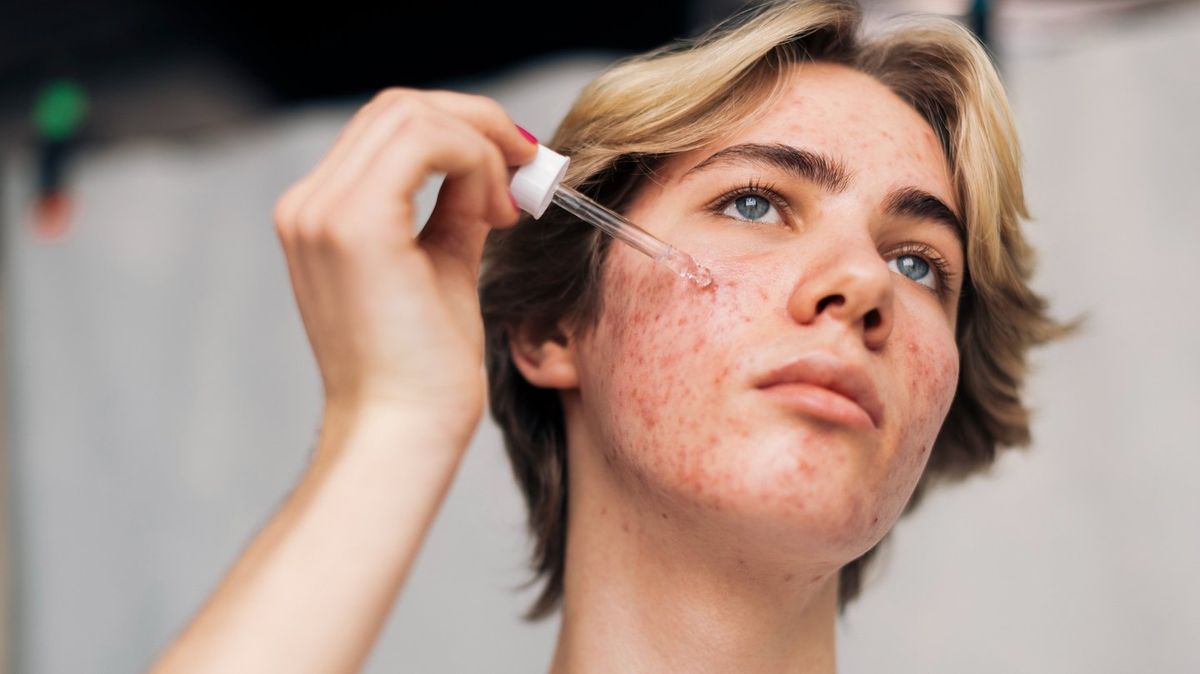

Tags: , ,
Instagram/Tilly Whitfield

Do I have acne or a damaged skin barrier? Difference explained by experts

Identifying why your skin is breaking out can feel like trying to find a needle in a haystack – especially if you have a complicated, multi-product routine.

And some conditions share similar symptoms, which can make it even more difficult to know what you’re struggling with.

Red bumps, inflammation, and irritated skin are all signs of both a damaged skin barrier and acne – but how do you know the difference between the two?

Tyla spoke with dermatologists, who have broken down the key distinctions you need to be aware of.

READ MORE: Skin barrier repair: the complete guide

To explain, your skin barrier is the outermost layer of your skin, which is known scientifically as the stratum corneum, and acts as a protective shield for your body.

It’s responsible for keeping moisture locked in and providing protection against external irritants and infections.

Using harsh products or very hot water, cleansing too frequently, and dry weather can all contribute to skin barrier disruption, as can introducing too many ingredients into a skincare routine at once.

There are a number of ways your skin barrier can get damaged (Getty Stock Image)

Acne, on the other hand, is a skin condition that occurs when your hair follicles become plugged with oil and dead skin cells.

Highlighting the links between the two, Dr. Anna Andrienko, Dermatologist & Aesthetic Doctor at Dr Ducu Clinics, explains to Tyla: “Acne and a damaged skin barrier can sometimes look very similar, particularly when the skin is red, bumpy or inflamed.

“However, there are a few key differences that can help you understand what may be happening.”

Acne produces more ‘defined lesions’

She advises: “Acne tends to produce more defined lesions, such as blackheads, whiteheads, inflamed spots or deeper, sometimes painful lumps beneath the skin.

“Breakouts may also occur repeatedly in familiar areas, such as the chin, jawline, cheeks or forehead.”

A damaged skin barrier, however, often ‘presents differently,’ and rather than distinct spots, the skin may instead develop ‘lots of small bumps alongside redness, dryness or a rough texture’.

Dr Andrienko continues: “One of the biggest clues is how the skin feels. If your skin is stinging, burning or feeling unusually tight, particularly after cleansing or applying products you would normally tolerate, this may suggest that the skin barrier has become compromised.”

Acne often ‘presents differently’ to a damaged skin barrier (NHS website)

The conditions can co-exist

Dr Susie Gawler, Acne and Skin Lead at Boots Online Doctor, agreed that the two conditions are ‘more closely connected than they might first appear’ and can actually influence each other.

The expert explained: “A disrupted skin barrier can contribute to skin inflammation (and skin conditions such as eczema, rosacea and acne), while acne itself – and some of the treatments used to manage it – in turn can cause irritation and disruption to the skin barrier.

Read more: Adult acne: why it happens and what actually helps

“Acne is characterised by blocked pores and inflammation, including blackheads and whiteheads, red or inflamed spots and, in some cases, deeper, painful lumps beneath the skin. Increasingly, it’s thought that skin barrier dysfunction can be a contributing factor to this process.”

Dr Andrienko agrees: “It is also important to consider what has changed in your skincare routine. Over-cleansing, excessive exfoliation, and using too many active ingredients, such as acids or retinoids, can irritate the skin and disrupt the barrier. Someone trying to aggressively treat acne may therefore unintentionally cause barrier damage, which can make the skin appear even more inflamed and reactive.”

The first port of call if you’re struggling with your skin is to strip back your routine (Getty Stock Image)

What to do if you’re still unsure

If you’re still struggling to work out whether you’re dealing with acne, a damaged skin barrier, or both, there are a number of steps you can take.

Dr Andrienko suggests ‘simplifying your skincare routine and avoiding unnecessary exfoliation or multiple active ingredients until the skin has settled’.

She adds: “Focus on gentle cleansing, moisturising and supporting the skin’s natural barrier.

“However, persistent, painful or widespread breakouts should always be assessed by a qualified dermatologist. Not every bump or breakout is acne, and an accurate diagnosis is important before introducing stronger treatments.”

READ MORE: I wrecked my skin barrier with acne treatment – this £16 La Roche-Posay Balm fixed it

Dr Gawler explains that it’s important to ‘pay attention to how your skin feels while treating acne’ as treatments can be irritating or drying, especially when you’ve just started using them.

She explains: “Side effects often settle as your skin gets used to the treatment, and a gentle skincare regime can help protect and repair your skin barrier during this process.

“However, persistent dryness, tightness, soreness, flaking or unusual sensitivity, as well as stinging or burning when applying products you would normally tolerate, can indicate that your skin barrier has become disrupted.

“This can happen when multiple active ingredients are used together, the skin is over-exfoliated, or treatments are introduced too quickly.”

It’s not always one or the other – a damaged skin barrier can sometimes co exist (Getty Stock Image)

If your skin is becoming increasingly irritated while you are trying to treat acne, it’s worth ‘reassessing which products, and how many, you are using’.

Simplifying your routine is always a good first step, as is focusing on gentle cleansing, moisturising and sun protection to help your skin barrier.

Dr Gawler adds: “You can help protect your skin barrier by sticking to gentle cleansers, avoiding over-exfoliation and applying a non-comedogenic moisturiser (one that won’t clog pores) regularly.

“Barrier-supporting ingredients such as ceramides, glycerin and hyaluronic acid can help improve hydration and support the skin’s natural barrier, which may be particularly beneficial in acne-prone skin and during acne treatment.”

She concludes: “It is key to pay attention to the overall condition of your skin and whether your skincare routine is helping to protect your skin barrier and manage any skin conditions. Looking after your skin barrier can help support skin health and help you achieve better acne control.”

Tags: , , , , , ,
Can Sun Damaged Skin Be Repaired? Everything You Need to Know

Can Sun Damaged Skin Be Repaired? Everything You Need to Know

Spending too much time under the sun without proper protection can gradually damage your skin. While a tan may fade, the effects of ultraviolet (UV) rays can remain for years, contributing to premature ageing, pigmentation and even increasing the risk of skin cancer.

The good news is that although not all sun damage can be reversed, many of its visible effects can be improved with the right skincare habits, healthy lifestyle choices and timely medical treatment when required.

How does the sun damage your skin?

Sunlight contains ultraviolet (UV) rays that penetrate the skin and damage its cells. Over time, repeated exposure breaks down collagen and elastin the proteins responsible for keeping the skin firm, smooth and youthful.

This can lead to:

  • Fine lines and wrinkles
  • Dark spots and uneven skin tone
  • Dry, rough skin
  • Loss of elasticity
  • Premature ageing
  • Increased risk of skin cancer

Experts estimate that prolonged UV exposure is responsible for a large proportion of visible skin ageing, making daily sun protection one of the most effective anti ageing measures.

Treat sunburn the right way

Sunburn is often the first sign that your skin has been exposed to too much UV radiation. By the time your skin becomes red and painful, some damage has already occurred.

Most importantly, prevent further damage by applying a broad spectrum sunscreen with SPF 30 or higher and reapplying it every two hours, especially if you are outdoors.

Say goodbye to dry, rough skin

Excessive sun exposure strips the skin of its natural moisture, leaving it dry, flaky and dull.

To restore softness:

  • Use a gentle exfoliator once or twice a week to remove dead skin cells.
  • Apply a nourishing moisturiser immediately after bathing.
  • Drink enough water throughout the day.
  • Include healthy fats, fruits and vegetables in your diet to support skin hydration from within.

Can wrinkles caused by the sun be reduced?

While wrinkles cannot disappear completely, several treatments can improve their appearance.

Dermatologists often recommend retinoid creams, which stimulate collagen production and improve skin texture over time. Antioxidants such as vitamin C also help protect the skin from further damage while reducing signs of ageing.

What about dark spots and pigmentation?

Sun exposure can trigger excess melanin production, leading to stubborn brown patches commonly known as sun spots or age spots.

Depending on the severity, treatment options include:

  • Skin brightening creams prescribed by a dermatologist
  • Retinoid based products
  • Chemical peels
  • Laser treatment
  • Cryotherapy for selected lesions

Daily sunscreen use is essential because without protection, these spots can return even after treatment.

Melasma needs extra care

Melasma appears as brown or grey patches, usually on the cheeks, forehead or upper lip. Although hormones can contribute to the condition, sunlight is one of its biggest triggers.

Managing melasma requires patience. Dermatologists may recommend prescription creams, professional treatments and strict sun protection. Wearing a wide hat and avoiding harsh midday sunlight can also help prevent flare ups.

Don’t ignore rough, scaly patches

Persistent rough patches that do not heal should never be ignored. These may indicate actinic keratosis, a condition caused by long term sun exposure that can sometimes develop into skin cancer.

If you notice any unusual skin changes, consult a dermatologist promptly. Early diagnosis allows treatment before complications develop.

Lifestyle habits that help repair your skin

Healthy skin is not just about skincare products. Your everyday habits play a major role in how well your skin repairs itself.

Get enough sleep

Your skin repairs itself while you sleep. Aim for seven to eight hours of quality sleep every night to support cell renewal and maintain healthy looking skin.

Eat skin friendly foods

A balanced diet rich in colourful fruits, vegetables, whole grains, nuts, seeds, legumes and oily fish provides antioxidants, vitamins and healthy fats that help protect the skin from damage.

Foods rich in vitamin C, beta carotene and lycopene, such as oranges, carrots, spinach and tomatoes, are particularly beneficial for skin health.

Stay physically active

Regular exercise improves blood circulation, delivering oxygen and nutrients to skin cells. Better circulation supports natural repair processes and contributes to a healthier complexion.

Manage stress

Long term stress can speed up skin ageing by increasing inflammation and reducing the skin’s ability to repair itself. Activities such as yoga, meditation, deep breathing or even a daily walk can help reduce stress levels.

Limit alcohol

Excessive alcohol can dehydrate the skin and contribute to premature ageing. If you drink, do so in moderation and make sure you stay well hydrated.

Protect your skin every day

Preventing further damage is just as important as treating existing problems.

Simple daily habits can make a big difference:

  • Apply broad spectrum SPF 30 or higher sunscreen every morning.
  • Reapply sunscreen every two hours when outdoors.
  • Wear sunglasses, a wide brimmed hat and protective clothing.
  • Avoid prolonged sun exposure between 10 am and 4 pm.
  • Seek shade whenever possible.

When should you see a dermatologist?

While dryness and mild pigmentation can often improve with good skincare, you should seek medical advice if you notice:

  • A mole that changes in size, shape or colour
  • A sore that doesn’t heal
  • Persistent scaly patches
  • Bleeding or painful skin lesions
  • Rapidly changing pigmentation

Early evaluation can help detect skin conditions, including skin cancer, at a stage when treatment is most effective.

Sun damage develops gradually, but so does recovery. Although years of UV exposure cannot be erased completely, adopting healthy habits, protecting your skin every day and seeking professional treatment when necessary can significantly improve your skin’s appearance and reduce future damage.

Tags: , , ,
Best oLive
Privacy Overview

This website uses cookies so that we can provide you with the best user experience possible. Cookie information is stored in your browser and performs functions such as recognising you when you return to our website and helping our team to understand which sections of the website you find most interesting and useful.
