The Best Pregnancy-Safe Skincare Routine, According to Dermatologists

The Best Pregnancy-Safe Skincare Routine, According to Dermatologists

Being pregnant is nothing short of miraculous, but it’s also really damn hard. I recently gave birth to my second child, and during both pregnancies, my body didn’t look or feel like my own, my anxiety levels were always elevated, and my skin? It was a disaster. (The pregnancy glow that people rave about? I didn’t experience it.)

During my first pregnancy my face was constantly oily and full of angry cystic breakouts. Then came the perioral dermatitis (a fancy term for inflammation around the chin and mouth). My very stubborn post-inflammatory hyperpigmentation—aka acne scars—from all those hormonal breakouts took forever to go away, too.

I knew I couldn’t be the only person with this experience, which prompted me to chat with dermatologists to find out what really happens to skin during pregnancy and learn how skincare routines should shift while growing a human. Keep in mind that you should always consult with your OB about specific concerns, but the following information can be used as a starter guide to pregnancy skincare. Prepare yourself, because you’re about to learn a lot.

How should my skincare routine change during pregnancy?

Your skin goes through a variety of changes during pregnancy because of hormonal fluctuations. Board-certified dermatologist Marisa Garshick, MD, says this can lead to acne, dryness, sensitivity, and hyperpigmentation. “It is important to adjust your skincare routine to address these concerns while making sure the ingredients you are using are safe during pregnancy,” she explains. “In general, I recommend keeping the routine simple and focusing on gentle cleansing, hydration, skin barrier support, and sun protection.” We’ll get into more details about this routine a little later, but first…

What skincare ingredients aren’t pregnancy safe?

Depending on who you ask, the list of what skincare to avoid while pregnant can either be really long or really short. “It’s a big gray area,” says board-certified dermatologist Heather Rogers, MD. “There’s very little scientific data surrounding skincare ingredients and pregnancy, and the vast majority of recommendations come from inference,” she says. This makes sense considering most pregnant women wouldn’t willingly volunteer to be in a scientific study or clinical trial that comes with any potential risks to their fetus.

This is why topical retinoids—a derivative of vitamin A—are most commonly avoided during pregnancy. Dr. Rogers explains that, through research, we know that taking high doses of vitamin A orally (in the form of Accutane) causes birth defects, so doctors infer that the topical versions must be bad or potentially harmful too.

If you want to be extra cautious, Dr. Garshick also suggests avoiding hydroquinone (which is often used to treat hyperpigmentation), and high concentrations of exfoliating acids (like glycolic and salicylic acids). “Low concentrations of exfoliating acids used on small areas are generally considered low risk, though,” she adds.

Is pregnancy glow a real thing?

Technically, yes, but not all women will experience the “glow” during their pregnancy. Dr. Garshick explains that as blood volume increases during gestation, it can lead to more blood flow in the skin, which gives some people that flushed, radiant appearance. That said, “sometimes hormonal changes lead to increased oil production which may make the skin seem more dewy, but also can contribute to acne and other skin concerns,” she adds.

An easy pregnancy-safe skincare routine

Most skincare is “safe” for pregnant women, so don’t feel like you need to overhaul your existing routine and replace everything with all-natural or organic products (although that’s totally fine if you choose to do so). Ultimately, the safest and best skincare to use during pregnancy contains ingredients that are approved by your OB and tailored to your specific skin type and concerns, which can be narrowed down by a derm or skincare pro if you’re feeling overwhelmed or confused.

Still, if you’d like some guidance, follow this dermatologist-recommended skincare framework during your pregnancy.

1. Use a cleanser

Hormonal fluctuations that occur during pregnancy can lead to more oil production, so you should always begin your routine with washing your face, regardless of whether you’re wearing makeup or not. Dr. Garshick recommends a “gentle, hydrating cleanser that removes dirt and oil without stripping the skin of its natural moisture.” I like the La Roche-Posay Toleriane Purifying Foaming Cleanser.

2. Stick with gentle serums

Serums are typically the most potent products in your skincare routine, so you’ll want to pay attention to the ingredients when choosing which ones to use throughout pregnancy. Dr. Garshick says to look for formulas with hyaluronic acid, niacinamide, and azelaic acid because they can “help address concerns such as dryness, discoloration, and breakouts.”

You can still use vitamin C while pregnant, but maybe swap your current pick for one that also contains niacinamide for extra skin barrier support. The Summer Fridays CC Me Serum is a great addition to your morning routine. In the evening, Dr. Garshick suggests using an azelaic acid serum if you are dealing with acne or hyperpigmentation.

3. Always remember moisturizer

Maintain hydration levels and strengthen your skin barrier with a moisturizer packed with hyaluronic acid, ceramides, or glycerin. You don’t need anything super fancy—the CeraVe Moisturizing Cream contains all three hydrators and is under $20.

4. Sunscreen is still important!

Yes, you still need to wear sunscreen while pregnant. Dr. Garshick recommends using a broad-spectrum SPF 30 or higher every morning. My favorite is the Alastin HydraTint Pro Mineral Broad Spectrum Sunscreen SPF 36.

Meet the experts

Why trust Cosmopolitan?

Lauren Balsamo is the beauty director at Cosmopolitan with over a decade of experience researching, writing, and editing skincare stories. She’s an authority in all skincare categories but an expert when it comes to pregnancy skincare products. She used the products recommended in this article during her two pregnancies.

Mary Honkus is a contributor for Cosmopolitan with eight years of experience researching, writing, and editing beauty stories, including a deep dive on face mists and making a case for hypochlorous acid for skin. She’s an authority in all beauty categories and prides herself on her skin. For this story, she spoke with dermatologists to learn how skin changes during pregnancy.

Mary Honkus is a freelance writer who covers beauty, home, fashion, health, and wellness (just call her a jack of all trades!). She has held staff roles at Real Simple, People, and InStyle, and her bylines can be found in numerous other publications. When she’s not testing the latest and greatest products, she can be found chilling on her Hell’s Kitchen rooftop, checking out NYC’s hottest new restaurants, or recording her podcast Good Trouble NYC. Follow her on Instagram.

Lauren Balsamo is the beauty director at Cosmopolitan where she writes, edits, and produces all types of beauty content—from product reviews to personal essays and trend reports. She has covered beauty for more than a decade at Cosmopolitan. Follow her on Instagram. 

Tags: , , ,
Do you really need vitamin C in every step of your skincare routine? Expert explains

Do you really need vitamin C in every step of your skincare routine? Expert explains

Vitamin C in sunscreen offers antioxidant support alongside the product’s sun protection. Similarly, a Vitamin C lip balm can provide antioxidant benefits while helping keep the lips moisturised and nourished. However, neither product is interchangeable with a dedicated serum, nor does the presence of Vitamin C guarantee the same brightening results. When choosing a sunscreen, prioritise broad-spectrum protection and substantiated testing, followed by a texture that suits your skin. A lightweight gel that settles without stickiness or a white cast may be easier to wear in humid conditions. For lip care, look for a comfortable, hydrating formulation, preferably with SPF for daytime protection. Follow the recommended application directions and reapply sun protection regularly, regardless of the additional skincare ingredients.

Before adding another vitamin C product, identify the job it would perform. The useful addition is one that addresses a need in your routine, with expectations suited to its format.

(Image Credits: Pinterest)

Tags: , , , , ,
The skincare products dermatologists suggest you to cut from your overloaded daily routine

The skincare products dermatologists suggest you to cut from your overloaded daily routine

Fewer products. Calmer skin. Less chronic irritation. That is the practical health promise behind a “less is more” shift reshaping how dermatologists talk about skincare, with top specialists now naming common products they say most people can safely drop. The timing matters.

As social media pushes routines to new levels of complexity and expense, clinicians are warning that overloaded regimens may be damaging the skin barrier and fueling the kind of chronic inflammation that drives conditions like acne, rosacea and eczema. Here is where the movement stands, why it is gaining ground and what to watch next.

What’s happening

Dermatologists across major clinics and medical schools are publicly identifying skincare products they say are unnecessary, ineffective or actively harmful. The list spans eight common items, including sheet masks containing active ingredients, collagen creams, harsh exfoliators, pore strips, alcohol-based products, cleansing wipes, astringent toners and expensive sunscreens, with dedicated makeup removers added to the chopping block as well.

Advertisement

Advertisement

Dr. Shereene Idriss, a board-certified cosmetic dermatologist and founder of Idriss Dermatology in Manhattan, laid out the case against several of these on “The Mel Robbins Podcast.” She singled out sheet masks that carry retinol or other actives as a “red flag,” arguing that locking a strong ingredient onto the skin under occlusion can trigger irritation in delicate areas.

Collagen-labeled moisturizers drew similar criticism. “The word ‘collagen’ on this moisturizer makes people think that it’s going to help them replenish their collagen,” Idriss said. “But it’s a hydrating moisturizer. It’s not going to replenish your collagen.”

Why it’s happening

Three forces are driving the shift. The first is clinical. Dermatologists are now openly linking rising complexion issues to overuse of products. “I don’t think it’s a coincidence that we use more skin care products than ever before and yet, collectively, complexion issues seem to be at an all-time high,” Dr. Rachel Westbay, a board-certified dermatologist at Marmur Medical, told HuffPost. She warned that layering cosmetic chemicals can damage the skin barrier and microbiome, fueling a cycle of irritation that pushes consumers toward even more products.

The second force is economic. Shoppers are being told plainly that premium pricing does not equal better results. “Expensive packaging doesn’t mean more protection,” Mona Gohara, MD, associate clinical professor of dermatology at Yale School of Medicine, told The Healthy, referring specifically to sunscreen.

Advertisement

Advertisement

The third is a direct backlash against social media’s influence over routines. “There has been a surge in ‘more is more’ fuelled by social media, such as Instagram and TikTok, which sees individuals applying multiple products and often adding unnecessary steps into their skincare routine,” consultant dermatologist Dr. Anjali Mahto told Refinery 29. “I’ve seen some videos where people will use up to 5-6 different actives in one evening skincare routine — and it’s not necessary.”

The practical takeaway is simple. The cheapest and most effective health move you can make this quarter is to subtract from your bathroom shelf rather than add to it.

“Skincare regimens have become way overcomplicated.” Dr. Kathleen Suozzi, professor of dermatology, Yale School of Medicine

What could be next

Expect the “skin fasting” and barrier-repair conversation to move from dermatologist offices into mainstream retail aisles over the next 12 to 18 months, with three distinct consequences for shoppers.

Advertisement

Advertisement

First, routines will shrink. Dr. Marisa Garshick, a board-certified dermatologist and clinical assistant professor of dermatology at Weill Cornell Medicine, has been explicit. “Less is often more when it comes to skin care. For many people, a simple routine that can be used consistently will often yield greater results than a complicated routine that may lead to dryness or irritation of the skin.” A practical first step is to audit your current shelf and flag any product that overlaps in function with another. If two products do the same job, keep the gentler and cheaper one.

Second, specific product categories will face sustained pressure. Astringent toners, pore strips, cleansing wipes and sheet masks loaded with actives are the most exposed. Westbay called astringents a holdover from the lye-soap era and warned they can strip the lipid barrier and paradoxically trigger more oil and acne. She was similarly blunt on wipes. “Even the most gentle face wipes can irritate and strip the skin barrier, leaving your skin red and wrinkled. And, to be honest, they really aren’t effective as cleansers.” Before your next restock, read the ingredient label and ask whether a basic cleanser could do the same job more gently. On collagen creams specifically, Omar Ibrahimi, a Connecticut-based dermatologist, told Business Insider the molecules are too large to reach the dermis, meaning the premium you pay for that claim is wasted.

Third, consumer suspicion of viral skincare advice will keep rising, and dermatologists will keep pushing back harder. “People get all of these recommendations from social media, and they come into the office and there’s 20 things they’re using in the morning or evening,” Dr. Mara Weinstein Velez, a board-certified dermatologist and assistant professor at the University of Rochester Medical Center, told SELF. “Stop overcomplicating your routine.” A sensible move before trying any trend is to check the credentials of the person recommending it. Aesthetician Ashlyn Yanke told the Cleveland Clinic that consulting a dermatologist is especially important for anyone with sensitive skin or a history of skin conditions.

THREE SIGNALS TO WATCH

  1. Retailer shelf changes. Watch whether major drugstores and beauty chains begin reducing shelf space for pore strips, astringent toners and cleansing wipes in 2025 restocks.

  2. Ingredient labeling pushback. Look for industry or regulatory scrutiny of topical “collagen” claims, which dermatologists including Idriss and Ibrahimi say cannot penetrate the skin.

  3. The next viral routine. Track whether the dominant TikTok skincare trend of the next six months leans toward minimalism and barrier repair, or snaps back toward multi-step layering with stacked actives.

This article was created by content specialists using various tools, including AI.

Tags: , , , , , , ,
The Art of Personalized Skincare: Building a Routine That Actually Works | Beauty

The Art of Personalized Skincare: Building a Routine That Actually Works | Beauty


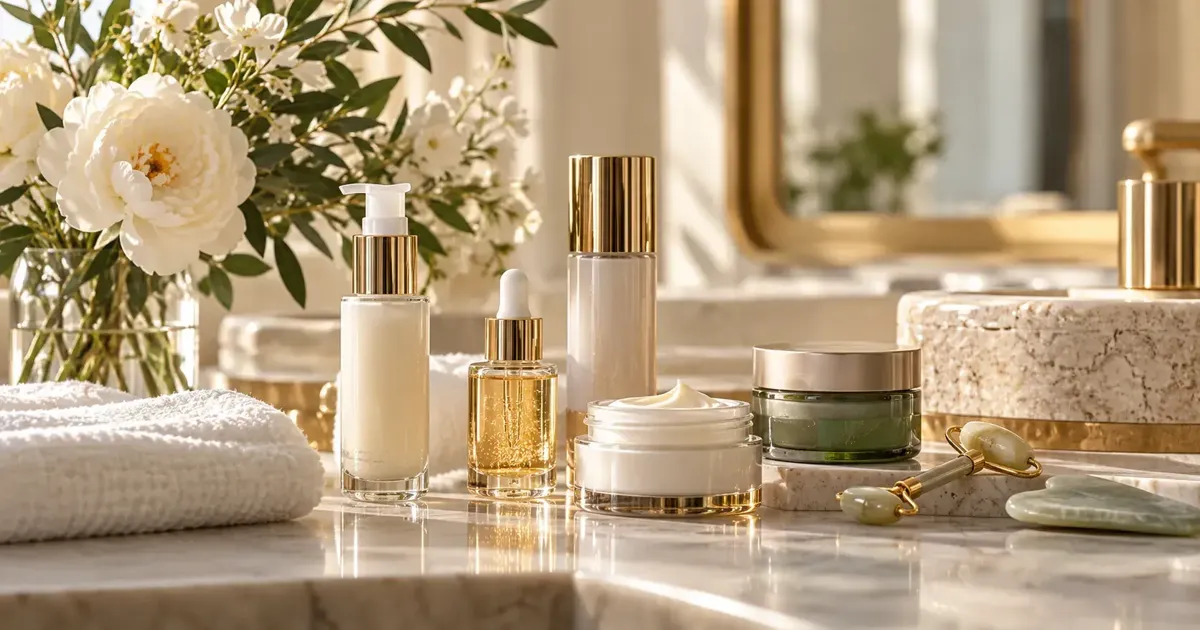
A luxurious skincare collection arranged on a marble vanity, featuring elegant serums, creams, and spa essentials in warm natural light.

The most expensive skincare routine in the world means very little if it isn’t addressing what your skin actually needs.

Walk through any luxury beauty department and the possibilities seem endless. Serums promise radiance, moisturizers offer lasting hydration, and sophisticated beauty devices bring elements of the professional skincare experience into our homes.

But with so many choices, finding beautiful products is no longer the challenge. Choosing the right ones is.

Personalized skincare begins with understanding individual concerns rather than following every passing trend. For some, that means addressing uneven pigmentation. For others, it’s replenishing moisture, improving texture, or simplifying a routine that has become unnecessarily complicated.

The secret isn’t having more products. It’s knowing which ones deserve a place on your vanity.

When Dark Spots and Uneven Tone Are the Priority

A complexion can feel wonderfully hydrated and still appear uneven.

Sun exposure, previous blemishes, hormonal changes, and aging can contribute to discoloration. Addressing these concerns requires a different approach from simply applying another moisturizer.

ALBION EXCIA Brightening Immaculate Serum Z offers a targeted approach with kojic acid and a 28-vial treatment regimen designed to improve the appearance of dark spots and uneven tone.

The distinction matters. A brightening treatment serves a different purpose from a hydrating serum, and choosing between them begins with identifying what you actually want to improve.

Daily sun protection remains essential. The American Academy of Dermatology recommends broad-spectrum, water-resistant sunscreen with SPF 30 or higher to protect against UV damage.

Beautiful Skin Begins With Gentle Cleansing

Sometimes the most meaningful skincare improvement starts with something as simple as changing your cleanser.

Harsh cleansing formulas can leave skin feeling tight or uncomfortable, particularly for those already dealing with dryness or sensitivity. A well-chosen cleanser should remove daily impurities without making the skin feel stripped.

evanhealy Patchouli Rose Cleansing Milk offers a botanical approach with plant oils, gotu kola, and white kaolin clay. Its creamy texture makes it an appealing option for those who prefer a gentler cleansing experience.

The cleanser is designed for a variety of complexions, although those sensitive to essential oils or fragrance ingredients should review the formula carefully.

Rather than relying on aggressive cleansing or frequent exfoliation, the goal is to leave skin feeling comfortable and prepared for the treatments that follow.

The Quiet Luxury of Nighttime Skincare

There’s something appealing about ending the day with a beautifully formulated moisturizer.

Evening skincare provides an opportunity to cleanse away makeup and daily impurities while focusing on hydration and comfort.

Reframe Beauty Circadian Cream is a fragrance-free nighttime moisturizer featuring glycerin, squalane, ceramides, and hyaluronic acid. The formula is designed around hydration and skin-barrier support, offering a straightforward final step in an evening routine.

While the skin’s natural processes continue around the clock, nighttime presents a convenient opportunity to apply moisturizing products consistently.

A dedicated night cream isn’t essential for everyone. Those already satisfied with their everyday moisturizer may not need a separate product.

That, too, is part of personalization: recognizing when something adds value and when it simply adds another jar to the counter.

Lightweight Hydration Without the Heavy Finish

Not every complexion appreciates a rich cream.

Combination skin may experience dehydration without tolerating heavier textures, while those living in warmer climates often prefer formulas that feel comfortable beneath makeup and sunscreen.

APRILSKIN 40% Collagen Peptide Plumping Serum offers a hydration-focused option designed to leave skin looking smoother and more refreshed. For those seeking a lightweight moisturizer, the brand’s Artemisia Squalane Hydra Gel Cream incorporates squalane, mugwort extract, and niacinamide in a gel-cream texture.

The two products illustrate how different formulations can complement individual preferences without demanding an elaborate routine.

Someone with dry skin might appreciate additional hydration beneath moisturizer. Someone with combination skin may be perfectly satisfied with one lightweight cream.

Beautiful skin doesn’t require following someone else’s ten-step ritual.

When Your Skin Barrier Needs a Little More Attention

Redness, tightness, flaking, and unusual sensitivity can suggest that the skin’s protective barrier needs attention.

Harsh cleansers, frequent exfoliation, environmental exposure, and unsuitable products can all contribute to discomfort.

Rather than introducing another powerful treatment, simplifying the routine may be the better approach.

HPPY Skin RESTORE + REPAIR Barrier Cream features ceramides, squalane, shea butter, oat kernel oil, peptides, and glycerin. Its richer formulation makes it an option for those seeking additional moisture and skin comfort.

Ceramides are naturally present in the skin barrier and play an important role in limiting moisture loss.

Of course, persistent redness or irritation shouldn’t automatically be treated as ordinary dryness. Conditions such as rosacea, eczema, and contact dermatitis warrant professional evaluation.

Sometimes the smartest skincare decision is knowing when to stop adding products.

The Firming Face Mask That Makes Skincare Feel Like a Ritual

There’s a particular pleasure in taking a little time for yourself, especially when the treatment feels as indulgent as a professional facial.

Sheet masks offer an accessible way to incorporate an occasional spa-inspired experience into an otherwise straightforward routine.

The Medicube EGF NAD Firming Serum Mask is a Korean skincare treatment available in a package of ten individual masks. Its serum-infused formula highlights ingredients associated with hydration and cosmetic anti-aging care, including EGF and NAD+.

While ingredients such as EGF and NAD+ are attracting attention in advanced beauty formulations, evidence for dramatic or lasting rejuvenation from topical products remains limited.

The more realistic appeal is temporary hydration, a smoother-looking complexion, and the opportunity to turn ordinary skincare into a relaxing beauty ritual.

Used according to product directions, a sheet mask can be an enjoyable addition without requiring an extensive collection of treatments.

When Personalized Skincare Meets Beauty Technology

Skincare is becoming increasingly sophisticated, and innovative devices are bringing another dimension to at-home beauty.

Aalok SKINMAX pairs a beauty device with targeted formulas developed around different skincare goals.

Its Radiance Glow combination focuses on ingredients associated with brightness and uneven tone, while the Hydrating Soothing option emphasizes hyaluronic acid, ceramides, and CICA. A separate Rejuvenating Elasticity formula highlights ingredients associated with the appearance of firmness.

This approach reflects growing interest in coordinating beauty technology with compatible skincare rather than treating devices and serums as unrelated purchases.

However, a premium device should still earn its place in the routine.

Consider safety instructions, evidence supporting the technology, ease of use, and whether the device addresses a genuine concern. More sophisticated equipment doesn’t automatically guarantee better results.

Why Professional Advice Still Matters

With so much skincare information available online, it can be tempting to diagnose every complexion concern yourself.

Yet some issues are difficult to distinguish without professional guidance.

A licensed esthetician may help evaluate cosmetic skincare goals and recommend appropriate routines within their professional scope. A dermatologist can diagnose and manage medical concerns such as acne, rosacea, eczema, and persistent pigmentation.

An effective consultation should consider existing products, ingredient sensitivities, lifestyle, and the amount of time someone realistically wants to spend on skincare.

It should also identify unnecessary steps.

Someone who travels regularly may benefit from a simple, adaptable routine. Another person may need to introduce active ingredients slowly. And someone experiencing frequent irritation may benefit more from eliminating products than buying new ones.

The value of professional expertise lies in making informed choices, not simply increasing the contents of the shopping bag.

Creating a Routine That Works for Your Life

Personalized skincare doesn’t mean using every product mentioned in this article.

It means identifying your principal concern and building around it.

Begin with gentle cleansing, an appropriate moisturizer, and daily broad-spectrum sunscreen. Introduce a targeted treatment only when it serves a specific purpose.

A brightening serum may suit someone concerned about uneven pigmentation. A gentle cleanser may better serve someone whose skin feels tight after washing. Hydrating serums and barrier creams can address different moisture needs, while occasional masks or beauty devices may complement an established routine.

Introduce new formulas individually, allowing time to assess tolerance before making additional changes.

For more guidance on product selection, see FINE Magazine’s What to Know Before Buying Another Beauty Product.

The most successful routine is one that feels manageable enough to maintain consistently.

The New Definition of Luxury Skincare

Luxury beauty has always involved a certain appreciation for beautiful textures, sophisticated formulas, and the pleasure of a carefully considered ritual.

But the future of skincare isn’t necessarily about acquiring more.

It’s about understanding what works, recognizing when your skin’s needs change, and selecting products with intention.

Whether that means a targeted brightening serum, a nourishing nighttime cream, or an occasional indulgent facial mask, the most effective routine is the one designed around the individual.

Because true luxury isn’t having everything.

It’s knowing exactly what your skin needs.

Related Articles You May Enjoy From FINE Magazine


Tags: , , , , , ,
Jeong Ga-eun shares skincare routine and annual Ultherapy — Mediafine Global

Jeong Ga-eun shares skincare routine and annual Ultherapy — Mediafine Global

Actress Jeong Ga-eun shared her skincare and lifestyle habits on her YouTube channel, emphasizing consistent maintenance such as drinking 2L of water daily and receiving treatments like Ultherapy once a year.

Actress Jeong Ga-eun revealed on her YouTube channel on the 19th that she maintains her youthful appearance through daily habits like drinking 2L of water and receiving Ultherapy approximately once a year.

Actress Jeong Ga-eun has revealed the secrets behind why she is frequently told she looks youthful even at age 49. Contrary to expectations that she undergoes constant special procedures, she emphasized drinking 2L of water a day, consistent skincare, and receiving procedures approximately once a year.

On the 19th, Jeong Ga-eun released a video titled “Sister, what procedures did you do? I’ll tell you everything (How to be told you’re in your 20s at age 49. Procedure edition)” on her YouTube channel Rollercoaster Sister Ga-eun. Following reactions calling her youthful, she directly introduced her skincare methods and procedure experiences for viewers curious about her routine.

Jeong stated that she has “heard it a lot since a long time ago” and that since starting YouTube, she hears comments that she has “become prettier” or “become younger” even more frequently. She explained that she did not have the time for procedures that would change her face, so she has focused on dermatological care and home care. Regarding reactions that her appearance has changed, she emphasized that it is the result of steady management rather than excessive procedures.

She also revealed the management methods she practices in daily life. Jeong said she carries a neck massager, noting it helps to relax the occipital area or use it when the neck feels uncomfortable. She also takes collagen supplements. She noted that while she did not feel a significant effect at first, she realized the difference after stopping, adding, “If you don’t do anything, it shows.”

She particularly emphasized water intake. Jeong revealed that she drinks 2L of water a day. She shared the thought that there is no single special secret to maintaining a youthful look, but rather one must manage overall lifestyle habits. Explaining that alcohol and smoking are bad for both health and skin, she spoke candidly that she does not smoke and drinks alcohol only occasionally.

She offered advice that it is not too late to start if one is interested in skincare. Jeong looked back, saying she also began serious management from her late 30s, noting, “I thought I would stay young forever.” She continued with the message, “It is not too late for you either,” emphasizing the importance of consistently following management that suits oneself regardless of age.

During consultations at dermatology clinics, Jeong was recommended Thermas. She mentioned the importance of collagen, noting she was told to try it if she could receive it steadily once a year. However, she noted that rather than recommending specific procedures to everyone, it is important to choose based on one’s own skin condition and management circumstances.

She also drew a line regarding the perception from those around her that she likely receives many procedures. Jeong stated, “I don’t do them very much,” revealing that she receives Ultherapy about once a year and also receives ONDA procedures. She explained that rather than repeating various procedures, she follows the management methods she has chosen.

Jeong Ga-eun, who is receiving reactions for looking youthful even at age 49, disclosed her management habits without reservation through this video. Her revealed methods—2L of water a day, home care, supplements, and periodic dermatological procedures—focus on consistency rather than one special secret. However, as skin conditions and procedure effects can vary by individual, youthful management needs to be approached by considering one’s own health and skin condition.

Read the original (Korean)

#Jeong Ga-eun

#Rollercoaster Sister Ga-eun

#Ultherapy

#Thermas

#skincare

#beauty secrets

Copyright © Mediafine Global All rights reserved. Unauthorized reproduction, redistribution, and AI training prohibited.

Tags: , , , , , , , ,
Image 1 of How Color-Changing Foundation Can Simplify Your Everyday Makeup Routine

How Color-Changing Foundation Can Simplify Your Everyday Makeup Routine

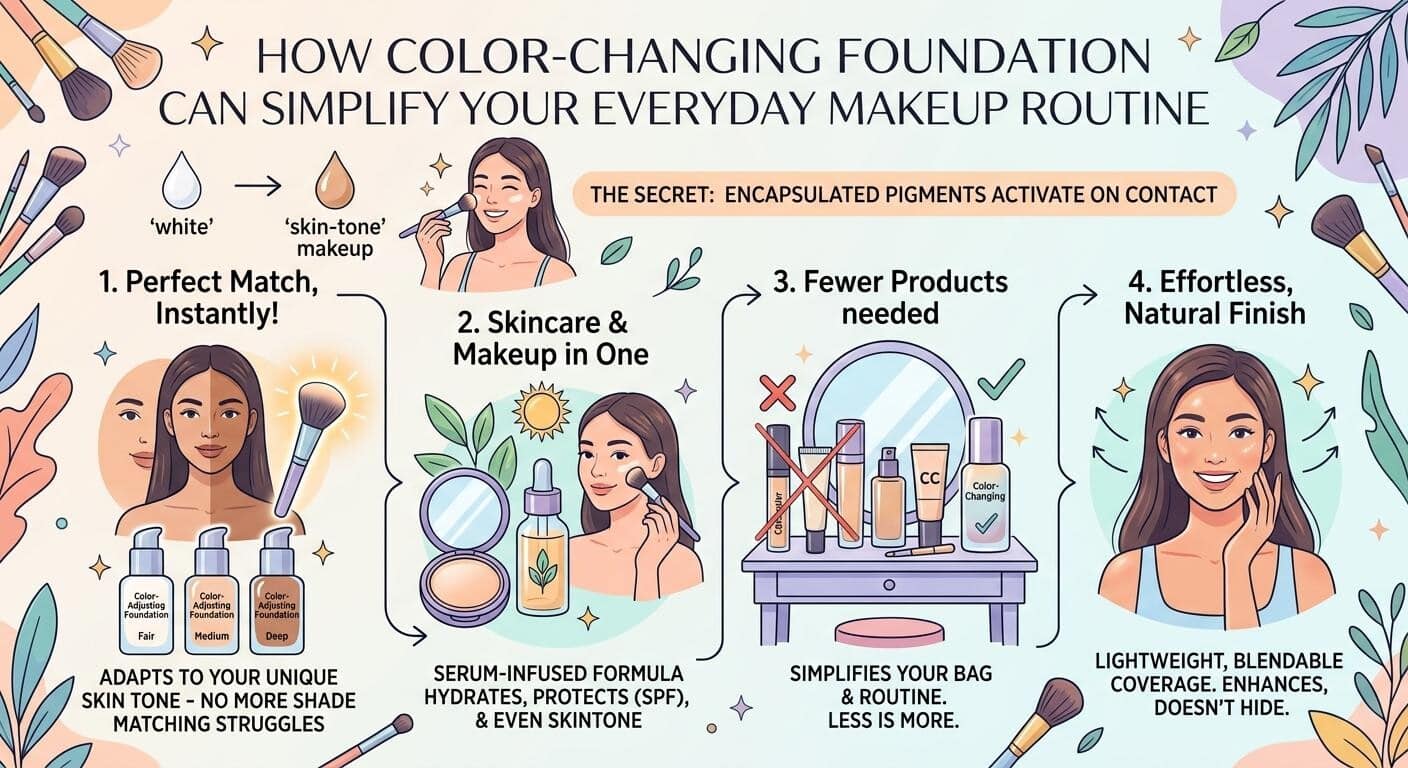
Simplifying your morning beauty routine doesn’t mean compromising flawless skin or natural-looking coverage. Modern cosmetics have evolved far beyond heavy, traditional formulas, bringing smart hybrid products into everyday beauty routines. Color-adjusting makeup technology uses encapsulated shade pigments suspended in a lightweight hydrating base. As you blend the product onto your face, the heat and pressure of your fingers release these micro-pigments, allowing the formula to adjust automatically to your unique skin tone.

This self-adjusting approach eliminates the guesswork of matching complex skin undertones under harsh store lighting. Beyond convenience, modern color-adapting bases are frequently enriched with skincare actives, offering seamless color correction alongside moisture-boosting benefits. Combining lightweight coverage with essential skin preparation creates an effortless, fresh-faced finish that stays luminous all day without caking, oxidizing, or feeling heavy. When your base makeup adapts directly to your natural complexion, application becomes quick, intuitive, and stress-free.

Beyond saving time, using an adaptive foundation helps reduce the physical weight of makeup on your face. Heavy, layered products can stifle your pores and accentuate fine lines by early afternoon. Adaptive formulas, by contrast, create a breathable layer that moves naturally with your facial expressions while maintaining an even finish.

Korean Body Sunscreen for Complete Daily Beauty and Skin Protection

True skin protection goes beyond facial care to embrace full-body sun defense. Adding a dedicated Korean body sunscreen to your daily routine ensures exposed areas like your neck, chest, arms, and hands stay fully shielded from cumulative sun damage. K-beauty formulations are world-renowned for their lightweight, non-sticky textures that absorb rapidly into the skin without leaving a greasy residue or chalky white cast.

Daily application of a high-quality Korean body sunscreen helps prevent photoaging, dark spots, and loss of skin elasticity across your body. Modern body SPF formulas often include soothing botanical extracts, offering deep hydration alongside broad-spectrum defense.

When selecting an everyday body sun protection product, consider these essential qualities:

  • Fast-Absorbing Texture: Look for milky lotions or watery gel formulas that melt into the skin, so you can get dressed right after application without staining clothing.
  • Nourishing Botanical Ingredients: Choose sunscreens formulated with soothing ingredients like centella asiatica, green tea, or aloe vera to calm skin exposed to daily heat and sunlight.
  • Broad-Spectrum Protection: Make sure the label shows strong UVA and UVB defense (PA++++ ratings) to protect against both sunspots and deeper structural photoaging.
  • Non-Comedogenic Hydration: Formulations that hydrate without clogging body pores help prevent chest and back breakouts during warm weather.

Consistent full-body sun protection ensures that your neck and chest match the smooth, youthful appearance of your face over time.

Skin Care Coreano: Building a Simple Korean-Inspired Skincare Routine

The global popularity of skin care coreano stems from its gentle, preventive philosophy focused on nurturing a strong, healthy moisture barrier. Rather than relying on harsh chemical exfoliants or aggressive treatments, Korean skin care emphasizes layered hydration, soothing botanicals, and daily solar protection to cultivate a natural, dewy glow.

Building an effective Korean skincare routine does not require a complicated ten-step process. A streamlined approach focusing on double cleansing, hydrating toners, targeted serums, and daily sun defense delivers excellent results while remaining easy to maintain.

Prepping your skin with a lightweight, color changing foundation works seamlessly on top of a well-hydrated Korean skincare base, creating a fresh, radiant finish that lasts all day. By prioritizing long-term skin health over quick cosmetic fixes, this philosophy helps keep your face plump, calm, and naturally luminous.

Maintaining a balanced skin barrier also makes your makeup wear longer. When skin is properly hydrated, it produces less excess oil throughout the day, preventing foundation from sliding or fading unevenly.

Ginseng Skincare Benefits for a Healthy and Radiant-Looking Complexion

Ginseng has been a cornerstone of traditional herbal medicine for centuries, and its inclusion in modern ginseng skincare has transformed anti-aging formulations. Packed with phytonutrients and ginsenosides, this powerful root ingredient revitalizes tired skin, improves microcirculation, and helps restore a firm, supple texture.

Integrating ginseng skincare products into your morning or evening routine provides rich antioxidant protection against environmental stressors like pollution and UV rays. Increased blood flow from active ginseng extracts helps deliver fresh oxygen and nutrients to dermal layers, giving your face a healthy, naturally energized flush.

Over time, consistent use of ginseng-infused products helps improve skin elasticity, softening the appearance of fine lines and restoring bounce to sagging tissue. It works particularly well for dull, fatigued skin that needs a visible boost in vibrancy.

How Rice Milk Toner Can Prepare Skin for a Smooth Foundation Application

A velvety, long-lasting makeup look depends on how well you prep your skin beforehand. Incorporating a creamy rice milk toner into your morning skincare routine delivers deep moisture while gently refining uneven skin texture. Rice extract has long been celebrated for its brightening, softening, and barrier-soothing properties.

Applying a generous layer of rice milk toner right after cleansing hydrates dry surface patches, ensuring liquid cosmetics glide on smoothly without clinging to flakiness or settling into fine lines.

Here is how a softening toner elevates your makeup base prep:

  • Gently Evens Skin Texture: Softens rough surface cells and refines coarse areas around the nose and chin, creating a smooth canvas for liquid base products.
  • Delivers Deep Surface Moisture: Infuses thirsty skin layers with essential hydration, preventing foundation from looking cakey or dry throughout the day.
  • Enhances Natural Radiance: Soothes redness and brightens dull areas, allowing your natural skin luminosity to shine through sheer makeup formulas.
  • Balances pH Levels: Restores the skin’s optimal acid mantle after cleansing, making subsequent serums and moisturizers absorb more effectively.

Using a nourishing toner eliminates the need for heavy silicone primers, keeping your skin feeling light and comfortable all day.

Ginseng for Skin and Propolis Serum: Natural Ingredients for Everyday Skincare

Combining time-tested natural ingredients lets you target multiple skin concerns at once. Utilizing ginseng for skin rejuvenation alongside a rich propolis serum provides a double dose of vitality, barrier repair, and deep nourishment for compromised or dull complexions.

While ginseng for skin firmness supports collagen preservation and improves circulation, adding a propolis serum brings potent antibacterial and healing benefits. Propolis, a natural resin produced by honeybees, is rich in flavonoids that calm active inflammation, soothe sensitive areas, and seal in lasting moisture.

Benefits of pairing these two natural powerhouses include:

  • Comprehensive Barrier Repair: Propolis seals microscopic surface tears and calms redness, while ginseng energizes skin cells from within.
  • Protection Against Daily Free Radicals: Both ingredients are loaded with natural antioxidants that neutralize pollution and environmental damage before it affects your skin structure.
  • Balanced Moisture and Oil Levels: Lightweight propolis serums deliver deep hydration without clogging pores, making them ideal under daily base makeup.
  • Enhanced Natural Glow: The combination of anti-inflammatory resin and circulation-boosting root extract leaves the complexion visibly plumper and more radiant.

This synergistic pairing is especially beneficial during seasonal changes when skin is prone to sudden dryness, redness, or environmental stress.

Streamlining your daily beauty ritual comes down to choosing multi-tasking products that protect, hydrate, and perfect your skin at once. Switching to a self-adjusting base product eliminates color matching struggles while providing comfortable, breathable coverage. Pairing your makeup with gentle K-beauty habits, such as lightweight body sun defense, brightening rice toners, and restorative herbal serums, ensures your complexion remains healthy and vibrant underneath.

Consistency and gentleness are the secrets to long-term radiance. By shielding your skin from daily UV exposure, nourishing your barrier with time-tested ingredients like ginseng and propolis, and prepping a smooth, hydrated base, you can enjoy an effortless, radiant finish every day.

Tags: , , , , ,
Minimal Skincare Routine for Tired Nights|Hiro.mens.Beauty

Minimal Skincare Routine for Tired Nights|Hiro.mens.Beauty

On tired nights, doing your entire skincare routine can feel exhausting.

I work as a rehabilitation professional at a facility. I work five days a week and get home around 7:00 PM.

Once I finish the housework, all I want to do is sit down. To be honest, there are nights almost every day where I feel like skipping my skincare. There have even been days when I actually did skip it.

Even so, I am now able to keep up with my skincare routine even on tired nights. It is not because I am powering through it with sheer willpower. It is because I have already decided on a routine for tired days.

Conclusion: Decide on a routine for tired days when you are feeling energetic.

I divide my nighttime skincare into two types: “days with energy” and “tired days.”

The difference is that I combine the cleansing process into one step. I am not cutting corners; I am reducing steps for a reason.

On tired days, if I can complete these three steps, I consider it a success. By deciding this in advance, I do not have to think about “how much I should do” on a tired night.

What you can do tonight: Circle one step in your usual routine.

Tonight, write down your entire usual skincare routine on a piece of paper or in a note on your phone.

From that list, circle one thing that you want to keep doing even when you are tired.

If you have one circled item, you will have a set “do just this” plan for tired nights. That is the starting point for your minimal routine.

Who this article is for and who it is not for

For those who:

Not for those who:

What is written in the paid section

  • 5 steps to determine your own minimal routine

  • How to categorize by “keep, combine, or omit,” and my own examples

  • Tips for organizing your products so you don’t have to think on tired nights

  • What to do on days when you can’t even manage the minimal routine, or when you skip steps and worry about your skin

  • Two fillable sheets and a routine card you can stick in your bathroom

In the free section, I introduced the concept of “deciding on a routine for tired days in advance” and how to start writing it down tonight. From here on, I will explain how to categorize your steps in 5 steps, and provide you with fillable sheets and a routine card you can post in your bathroom.

From here, I will explain in 5 steps how to determine your own “minimal routine for tired days.” My routine is just one example. The goal is for you to be able to decide on a routine that suits your skin and your lifestyle.

Tags: , , , ,
A Simple Skincare Routine for Long Festive Days

A Simple Skincare Routine for Long Festive Days

Festive celebrations often mean spending more time outdoors, travelling, dancing, and wearing makeup for extended periods. From Ganpati celebrations and Navratri garba nights to weddings and Diwali gatherings, these activities can expose the skin to sweat, dust, pollution, and prolonged sunlight. The result may be excess oil, clogged pores, dryness, or a tired-looking complexion.

Nagaveni K.S, Research Scientist, Personal Care R&D, Himalaya Wellness, shares how a simple, consistent skincare routine can help keep skin feeling fresh and comfortable throughout the festive season.

Rather than layering multiple products to address every concern, it helps to understand the skin’s basic needs and choose products suited to those needs.

1. Neem for Cleansing and Purifying the Skin

Sweat, dust, pollution, and makeup can accumulate on the skin during long festive days. Cleansing helps remove these impurities and keeps the skin feeling fresh.

Neem has a long history of use in traditional Indian skincare and contains bioactive compounds with antimicrobial properties. A neem-based cleanser may be a useful option for removing everyday buildup. The key is to choose a cleanser suited to your skin type and avoid washing too frequently or using products that leave the skin feeling tight and dry.

2. Vitamin C and Amla for Antioxidant Support

Spending extended periods outdoors can expose the skin to environmental stressors, including pollution and ultraviolet (UV) radiation. Antioxidants are commonly used in skincare to help address the effects of oxidative stress caused by free radicals.

Vitamin C is a widely used antioxidant ingredient that can help protect the skin from free-radical damage and support a brighter-looking complexion. Amla, also known as Indian gooseberry, is another plant-based ingredient valued for its antioxidant content.

However, an ingredient’s presence alone does not determine how well a product performs. Its concentration, stability, formulation, and suitability for the skin all matter. When introducing a new product, especially one containing active ingredients, it is sensible to start gradually and pay attention to how the skin responds.

3. Aloe Vera for Hydration and Skin Comfort

Travel, dancing, warm weather, and long hours outdoors can leave the skin feeling uncomfortable or dehydrated. Drinking enough water supports overall hydration, while moisturising helps maintain the skin’s moisture barrier.

Aloe vera is widely used in skincare formulations for its moisturising and soothing properties. Cucumber is also included in products for its refreshing qualities, while vitamin E is commonly used as a conditioning and moisturising ingredient.

A simple moisturiser suited to your skin type can help maintain comfort throughout the day. The aim is to meet the skin’s basic needs without adding unnecessary steps to the routine.

Keep Your Festive Skincare Routine Consistent

From Ganpati and Navratri to weddings, Diwali, and Christmas, maintaining a familiar skincare routine is often more practical than frequently switching products. A basic routine that includes gentle cleansing, moisturising, sun protection, and suitable antioxidant products can help support the skin through the season.

Apply broad-spectrum sunscreen as directed, particularly when spending time outdoors, and reapply as recommended. Drinking enough water, getting adequate sleep, and removing makeup before bed can also support skin health.

A festive glow does not have to come solely from makeup or highlighter. Skin that feels clean, comfortable, and well moisturised can be a good foundation for every celebration.

Arti Adke, hailing from a respectable family with strong principles, pursued her passion for journalism. She is a Senior Sub-Editor and Senior Reporter, leading the Education and Food pages. Arti’s journey in our organization continues to thrive as she strives for journalistic excellence.

Read More

Tags: , , , , ,
Nail polish bottles and lightbox sign on pink background with shopping bag

What Your Beauty Routine Can Do for Your Health—and Where Its Limits Begin

Beauty products are usually judged by what can be seen: smoother skin, shinier hair, cleaner teeth, or a more polished appearance. Yet many products used for beauty and personal care also sit surprisingly close to everyday health. Sunscreen can help protect skin from ultraviolet radiation, moisturizers support the skin barrier, and good oral care influences more than the brightness of a smile. The important distinction is knowing where personal care supports health and where marketing begins promising more than a product can realistically deliver. A thoughtful beauty routine starts with function, then considers appearance.

Look Beyond the Beauty Label When Choosing Products

The boundary between beauty and wellness is not always clear. Shampoo is cosmetic, but scalp health can influence how comfortable and manageable hair feels. Moisturizer changes appearance while also helping dry skin retain moisture. Oral-care products may improve freshness while supporting daily hygiene.

That overlap has encouraged some companies to position personal-care products within a broader wellness philosophy. Melaleuca: the Wellness Company, for example, has built a product portfolio around wellness and household categories while emphasizing quality and value in how its products are positioned.

For consumers, the larger lesson is to evaluate what a product actually does rather than relying on the category printed on its packaging. Start with the problem you are trying to address. Then examine ingredients, directions, potential sensitivities, and whether the claimed benefit is realistic.

A product does not become healthier simply because it carries the language of wellness.

Treat Skin Care as Barrier Care First

Skin is not merely a surface to make look smoother. It performs important protective functions, and an aggressive beauty routine can sometimes work against them.

Frequent exfoliation, harsh cleansing, or layering too many active ingredients may leave some people with irritation, dryness, or sensitivity. Adding more products is not necessarily the solution.

A simpler routine often begins with cleansing appropriate for the individual’s skin, moisturizing when needed, and sun protection. Additional products can then address particular concerns without turning every morning and evening into an experiment.

Pay attention to how the skin responds. Burning, persistent redness, swelling, or worsening irritation should not be interpreted as proof that a product is “working.”

People with persistent acne, eczema-like symptoms, unexplained rashes, or other significant skin concerns may benefit from professional evaluation rather than repeatedly switching cosmetic products in search of a solution.

Make Sun Protection Part of Beauty Maintenance

Many beauty routines focus on correcting visible changes after they appear. Sun protection takes the opposite approach.

Ultraviolet exposure contributes to premature skin aging and can damage skin over time. That makes sun protection relevant whether someone’s priority is appearance, health, or both.

Sunscreen works best as part of a broader strategy. Shade, appropriate clothing, hats, and avoiding unnecessary intense exposure can contribute as well. When choosing sunscreen, people should look for appropriate broad-spectrum protection and use it according to directions rather than assuming a small amount applied in the morning provides unlimited protection.

Beauty routines sometimes become complicated because people search for products that reverse every visible sign of aging. Protecting the skin consistently may be less exciting than purchasing the newest serum, but prevention deserves a central place in long-term skin care.

Remember That Healthy Hair Begins at the Scalp

Hair products can change texture, shine, volume, and manageability almost immediately. That does not necessarily mean they have changed the health of the hair follicle.

Hair itself can be conditioned and protected from some forms of physical damage, but unexplained changes in hair growth or shedding can involve factors that extend beyond cosmetic care.

The scalp deserves attention too. Product buildup, irritation, excessive dryness, or certain scalp conditions can create discomfort that another styling product will not solve.

Choose cleansing and conditioning products according to actual hair and scalp needs rather than trends alone. Frequent heat styling, tight hairstyles, bleaching, and chemical treatments can also affect hair condition, so technique matters alongside product choice.

Sudden or substantial hair loss deserves a different response from ordinary cosmetic dissatisfaction. Medical conditions, stress, nutritional issues, medications, hormonal changes, and other factors can contribute, making professional assessment more appropriate than relying solely on beauty products.

Be Skeptical When Cosmetics Start Making Medical Promises

The language surrounding beauty has become increasingly scientific. Packaging may refer to cellular processes, detoxification, clinical ingredients, repair, renewal, or other concepts that sound medical.

Scientific language does not automatically make a claim meaningful.

Consumers should distinguish between improving appearance and treating a medical condition. A cosmetic may temporarily make skin look smoother, for example, without altering the underlying cause of a dermatological problem.

The same principle applies to dramatic claims about eliminating toxins, permanently reversing aging, or producing major physiological changes through ordinary topical use.

Look for specific claims rather than impressive vocabulary. Ask what outcome is promised, how quickly it is supposed to occur, and whether that outcome is plausible for the type of product being sold.

When the concern is genuinely medical, qualified healthcare professionals are better sources of diagnosis and treatment than advertising copy.

Give Oral Care a Place in the Beauty Conversation

A bright smile is often treated as an aesthetic goal, but the daily habits behind it have a much broader purpose.

Brushing, interdental cleaning, and appropriate dental care help manage plaque and support oral health. Cosmetic concerns such as staining should come after the fundamentals rather than replacing them.

This distinction matters with whitening. Someone can become focused on tooth color while overlooking sensitivity, gum problems, cavities, or other concerns requiring attention.

More aggressive is not necessarily better. Overusing certain products or applying treatments incorrectly can create problems rather than improving a smile.

Regular dental examinations also provide something beauty products cannot: professional assessment of the teeth and surrounding tissues.

A useful personal-care routine therefore considers what cannot be seen in a mirror. Appearance may motivate someone to pay attention to oral care, but maintaining healthy teeth and gums is the more important long-term objective.

Introduce New Products With More Patience

One reason beauty routines become difficult to troubleshoot is that several products are often introduced at once.

If irritation develops, identifying the cause becomes complicated. The same problem occurs when someone changes cleanser, moisturizer, serum, and makeup simultaneously and then tries to determine which product produced an improvement.

Introducing products gradually makes reactions easier to identify.

Patch testing may also be appropriate for certain products, particularly for people with sensitive skin or a history of reactions. Product directions and warnings deserve attention even when an item is marketed as natural or gentle.

“Natural” should not be treated as a synonym for harmless. Plant-derived substances can still irritate skin or trigger allergic reactions in susceptible individuals.

A slower approach may seem less exciting, but it provides better information about what the skin or scalp actually tolerates.

Build a Routine Around Health Instead of Hype

Beauty trends move quickly because novelty sells. A product can dominate social media for several months and then disappear when the next ingredient, device, or routine becomes fashionable.

Your body does not need to follow that schedule.

A sustainable personal-care routine should be based on needs that remain relatively consistent: cleanliness, skin-barrier support, sun protection, oral hygiene, appropriate hair and scalp care, and targeted products for concerns that genuinely matter to you.

Lifestyle matters as well. Sleep, nutrition, hydration, stress management, smoking status, medical conditions, and environmental exposure can all influence aspects of appearance. A cosmetic routine cannot compensate for every factor affecting health.

That does not make beauty products frivolous. Looking after appearance can contribute to comfort, confidence, self-expression, and enjoyable daily rituals. The problem begins when cosmetic products are expected to perform jobs they were never designed to do.

The healthiest approach is therefore neither rejecting beauty products nor buying every product marketed as wellness. It is understanding the difference between appearance, personal care, prevention, and medical treatment. Once those boundaries are clear, choosing products becomes less about chasing promises and more about building a routine that genuinely supports how you want to look and feel.

Tags: , , ,
come avere una routine semplice con pochi prodotti

come avere una routine semplice con pochi prodotti

Skincare minimal ma efficace: tre passi chiave – detergente delicato, crema idratante giusta e SPF quotidiano. Costanza ascolta la pelle.

Preferisci ascoltare il riassunto audio? Abbiamo scelto una voce realizzata con strumenti avanzati IA per rendere rendere i nostri testi subito accessibili a tutti

Una skincare routine base, veloce e con pochi prodotti ma che funziona davvero? Si può fare, anche se sei super pigro/a e non sai da dove iniziare. In questo articolo ti aiutiamo a capire cosa ti serve davvero, cosa puoi tranquillamente saltare e come mettere in fila i prodotti senza fare pasticci. Zero complicazioni, solo i passaggi essenziali. Ecco dei trucchetti per costruire la tua skincare minimal ma efficace!

Partiamo da una cosa importante: non serve avere il bagno pieno di boccette per prendersi cura della pelle. Anzi, spesso troppi prodotti messi a caso peggiorano le cose. Se hai la pelle mista, grassa, secca o super sensibile, la base resta sempre la stessa: pochi step fatti bene e con costanza. Mettiamo ordine insieme e creiamo una routine semplice che puoi seguire ogni giorno senza stress e senza svuotare il portafoglio.

Step base: i 3 prodotti che non possono mancare

La routine minima che funziona si regge su tre pilastri: detergente, idratante, protezione solare. Basta. Tutto il resto (sieri, maschere, tonici, patch) sono extra carini, ma non indispensabili, soprattutto se stai iniziando adesso. L’obiettivo non è fare mille step, ma rendere la pelle pulita, morbida e protetta.

Scegli un detergente delicato che non “tiri” la pelle dopo il risciacquo, una crema idratante adatta al tuo tipo di pelle e una crema viso con SPF per il giorno. Ti basta applicare il detergente mattina e sera, la crema idratante dopo e, al mattino, aggiungere la protezione solare come ultimo step. Fine, routine fatta. Nessun rituale infinito davanti allo specchio.

  • Detergente delicato: evita quelli troppo schiumogeni se senti la pelle che brucia o tira
  • Crema idratante semplice: meglio se senza profumi forti, soprattutto se hai pelle sensibile
  • SPF viso ogni mattina: sì, anche d’inverno, perché la luce c’è sempre
  • Non cambiare prodotti ogni due giorni: dai tempo alla pelle di abituarsi

Come scegliere i prodotti giusti (senza impazzire)

La scelta dei prodotti manda in tilt mezzo TikTok, ma può essere molto più tranquilla. Per il detergente, punta su qualcosa in gel se hai pelle mista/grassa o più cremoso se è secca. La crema idratante deve lasciare la pelle comoda: se lucidi troppo forse è troppo pesante, se dopo 10 minuti senti tirare è troppo leggera. Ascoltare come reagisce la tua pelle è il test migliore, più di qualsiasi etichetta.

Non farti fregare dall’idea che “più attivi ci sono meglio è”: quando la routine è semplice, gli ingredienti non devono essere super complicati. Guarda se sul prodotto c’è scritto “per pelle sensibile”, “per pelle secca”, “per pelle mista/grassa” e parti da lì. Se hai dubbi seri, tipo irritazioni o acne forte, il passo giusto è parlarne con un/una dermatologo/a, non aggiungere prodotti a caso.

  • Pelle secca: cerca parole come “nutriente”, “lenitivo”, “idratante intenso”
  • Pelle mista/grassa: formule “oil-free”, “leggere”, “non comedogeniche”
  • Pelle sensibile: scegli prodotti “delicati” e senza profumo marcato
  • Se un prodotto brucia o arrossa subito, smetti di usarlo e non insistere

Extra facoltativi: quando ha senso aggiungere un prodotto in più

Una volta che la tua base è stabile e la pelle è ok, puoi valutare di aggiungere uno step extra, ma solo se hai un bisogno specifico: più luminosità, qualche brufoletto in meno, meno secchezza in inverno. Qui entrano in gioco i famosi “sieri” o le maschere, ma pensa a loro come a un bonus, non come obbligo quotidiano.

La regola d’oro: aggiungi un prodotto per volta e usalo con calma, così capisci se ti aiuta davvero. Non serve comprare tutto insieme e fare mix strani. E se salti uno step extra perché sei stanco/a, nessun dramma: l’importante è mantenere i tre fondamentali.

  • Siero idratante: utile se senti la pelle che tira anche dopo la crema
  • Maschera in tessuto 1 volta a settimana: più coccola che necessità, ma piacevole
  • Siero anti-imperfezioni: solo se hai brufoletti frequenti, non su pelle già irritata

Il segreto per una skincare che funziona (anche se sei pigro/a)

Alla fine, il vero trucco non è il prodotto “magico”, ma la costanza. Meglio 3 prodotti semplici usati tutti i giorni che 10 prodotti usati una volta ogni tanto. Una routine corta è più facile da rispettare e ti fa sentire in ordine senza perderci mezz’ora.

La skincare deve essere un momento per prenderti cura di te, non una fonte di ansia. Parti dalla base, ascolta la tua pelle e aggiusta il tiro poco alla volta. Voi avevate mai pensato che una routine così minimal potesse essere più efficace di una piena di step?

Tags: , , , , , ,
Best oLive
Privacy Overview

This website uses cookies so that we can provide you with the best user experience possible. Cookie information is stored in your browser and performs functions such as recognising you when you return to our website and helping our team to understand which sections of the website you find most interesting and useful.