This Minimal Acne Routine Transformed My Skin

This Minimal Acne Routine Transformed My Skin

When you get a coveted appointment with New York City’s “acne whisperer,” aesthetician Sofie Pavitt, you take diligent notes. That’s what I did when I saw Pavitt a few months ago, covered in a face full of hormonal breakouts I was convinced could only be cured by a bout of Accutane or a laundry list of products.

I shared my current skincare routine with her, which at the time consisted of a benzoyl peroxide cleanser a few nights per week and a mix of serums and exfoliants. But Pavitt’s advice was far more minimal. “For you, I recommend mandelic acid and benzoyl peroxide,” she told me. “The benzoyl peroxide is great for getting rid of bacteria on your skin—whether you use a cleanser or a spot treatment—and the mandelic acid gently exfoliates and keeps your skin clear,” she explained. I was stunned. I expected to walk out of this appointment with a whole new routine, not just one addition.

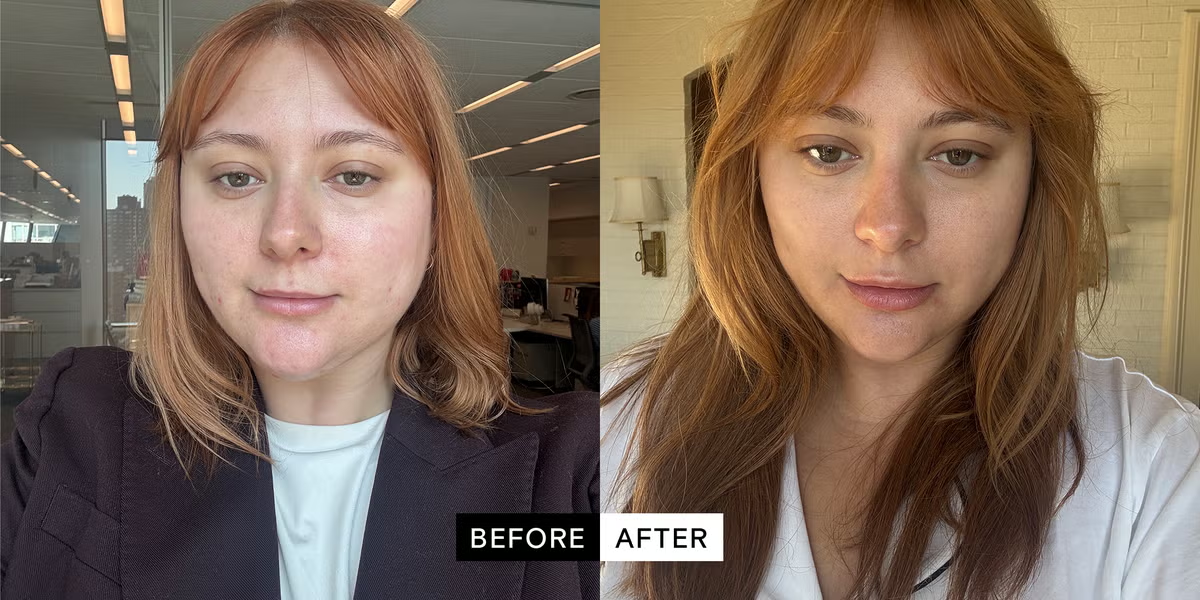
But I trusted her. I came home, built a new, simplified skincare routine, and have followed it to a T for the last three months. My skin now? It’s never been better.

The routine

The core tenets of my routine are two products: mandelic acid serum and a benzoyl peroxide cleanser. But I never use them together. Lemme explain.

About four nights per week, I’ll wash my skin with Panoxyl, my go-to cleanser for acne with 4 percent benzoyl peroxide. Keep in mind this won’t really remove makeup and is too strong to go near my eyes, so I always double cleanse (either with Reale Actives Get Bare Cleansing Balm or Bioderma Micellar Water). If I’m about to start my period or I feel a breakout coming on, I’ll wash with this a few more times per week. I’m not married to following anything too intensely, but I am quite prescriptive and always look at what my skin needs.

Then, on the off nights when I prefer to wash with a gentle cleanser, I go in with a mandelic acid serum. My favorite just happens to be the one from Pavitt’s line, the Mandelic Acid Clearing Serum. It’s won multiple Cosmo beauty awards and is a favorite among most of our team. The formula is gentle and lightweight, pairing well with any other serums or moisturizers I layer on top.

Sofie Pavitt Face Mandelic Acid Exfoliating & Clearing Serum
PanOxyl Acne Creamy Wash, 4% Benzoyl Peroxide

I occasionally will use the mandelic serum in the mornings, but rarely on nights that I know I’ll also be using a benzoyl peroxide cleanser. This is largely to avoid irritation and stripping my skin.

Otherwise, I keep things mega simple. I always use mineral sunscreen during the day, and since my face has been a bit dry this spring and summer, I layer on a hydrating serum too, morning and night. Otherwise, I sometimes throw in a clay mask if I feel oily, or a sheet mask for extra plumpness. For the most part, though, my skincare routine takes only five or so minutes.

Why it works

“Benzoyl peroxide works by reducing acne-causing bacteria and helps to decrease inflammation,” says dermatologist Marisa Garshick, MD. “Mandelic acid, an alpha hydroxy acid, gently exfoliates to help prevent clogged pores, calms redness, and can improve post-acne marks,” she adds. Mandelic is widely considered a great AHA for acne-prone skin because it has a larger molecule size, explains Dr. Garshick, which means it penetrates your skin more slowly than others to reduce the likelihood of irritating sensitive skin.

Is using them together recommended by a derm, though? For the most part. “Using both benzoyl peroxide and mandelic acid in the same anti-acne routine can be helpful,” says Dr. Garshick. But she advises using them at different times, i.e., alternating days or one in the morning and one at night to minimize irritation.

“If it is working well for someone’s skin, it is okay to continue,” she says. But if acne remains, she typically recommends incorporating a topical retinoid, like adapalene (i.e., Differin) or prescription-strength tretinoin, “as this helps to regulate skin cell turnover, prevent clogged pores, and address both active breakouts and post-acne marks.”

Beth Gillette for Cosmopolitan

My skin right after my appointment with Pavitt in March.

My results

I cannot believe such a simple routine could give me such strong results, but here we are. I’ve been getting so many compliments on my skin lately, from my mom (a harsh critic who notices every bump on my face well before even I do), my friends, strangers, and most of all, other beauty editors who are used to me complaining about my skin all the time. “I noticed your face looks so clear lately,” an editor told me on a press trip a few weeks ago. “I was wondering if you did a treatment or what products you’ve been using.” I was delighted to share that it was really just two products used in tandem that rendered such a perceptible difference.

Beth Gillette for Cosmopolitan

My skin last weekend, with just a tinted sunscreen on. Unreal, right?

Best of all, Pavitt didn’t recommend some unreasonable routine that I’d never be able to do every day. The key to results is consistency, no matter what you’re doing, and two products are incredibly easy to manage. I could keep up with a routine like this forever.

Final thoughts

Do I still get acne? Totally, especially around my period. But my skin is 10 times better now than it was six months ago, and the only major change in my life is a more simplified regimen.

Dr. Garshick, Pavitt, and I all understand one key thing about acne that’s important to keep in mind: The best skincare routine is totally dependent on the individual. There really is no “one size fits all” for breakouts, which is why seeing a dermatologist and/or aesthetician to get your own acne checked out will always be the best bet for you.

Meet the experts:

  • Sofie Pavitt is a licensed aesthetician and NYC-based skincare expert who specializes in clients with acne-prone and problematic skin. She is also the founder of skincare line Sofie Pavitt Face.
  • Marisa Garshick, MD, FAAD, is a board-certified dermatologist at MDCS Dermatology in New Jersey.

Why trust Cosmopolitan?

Beth Gillette is the beauty editor at Cosmopolitan with eight years of experience researching, writing, and editing hair, makeup, nail, and fragrance stories.

Beth Gillette is the beauty editor at Cosmopolitan, where she covers skincare, makeup, hair, nails, and more across digital and print. She can generally be found in bright eyeshadow furiously typing her latest feature or hemming and hawing about a new product you “have to try.” Prior to Cosmopolitan, she wrote and edited beauty content as an Editor at The Everygirl for four years. Follow her on Instagram for makeup selfies and a new hair ‘do every few months. 

Tags: , , , ,
Herzindagi

How To Incorporate Coffee Into Skin Care Routine For Glowing Skin

If you love your daily cup of coffee, then you must know that your skin might love it too. Coffee is packed with antioxidants and caffeine that can help brighten, smooth, and refresh your skin when used the right way. For Indian skin, which often deals with tanning, pollution, and uneven tone, coffee can be a simple and affordable addition to your skincare routine. Let’s see how you can use it easily at home with simple ingredients:

Coffee For Skin: Why Coffee Works For Glowing Skin

Coffee isn’t just a trend, it actually has real benefits for your skin:

  • Rich in antioxidants: Helps fight dullness and damage caused by pollution and sun exposure.

  • Natural exfoliator: Removes dead skin cells and unclogs pores. 

  • Boosts circulation: Improves blood flow, giving a natural glow.

  • Reduces puffiness: Especially helpful for under-eye bags.

  • Fights acne gently: Has antibacterial and anti-inflammatory properties. 

4 Ways To Add Coffee To Your Skincare Routine

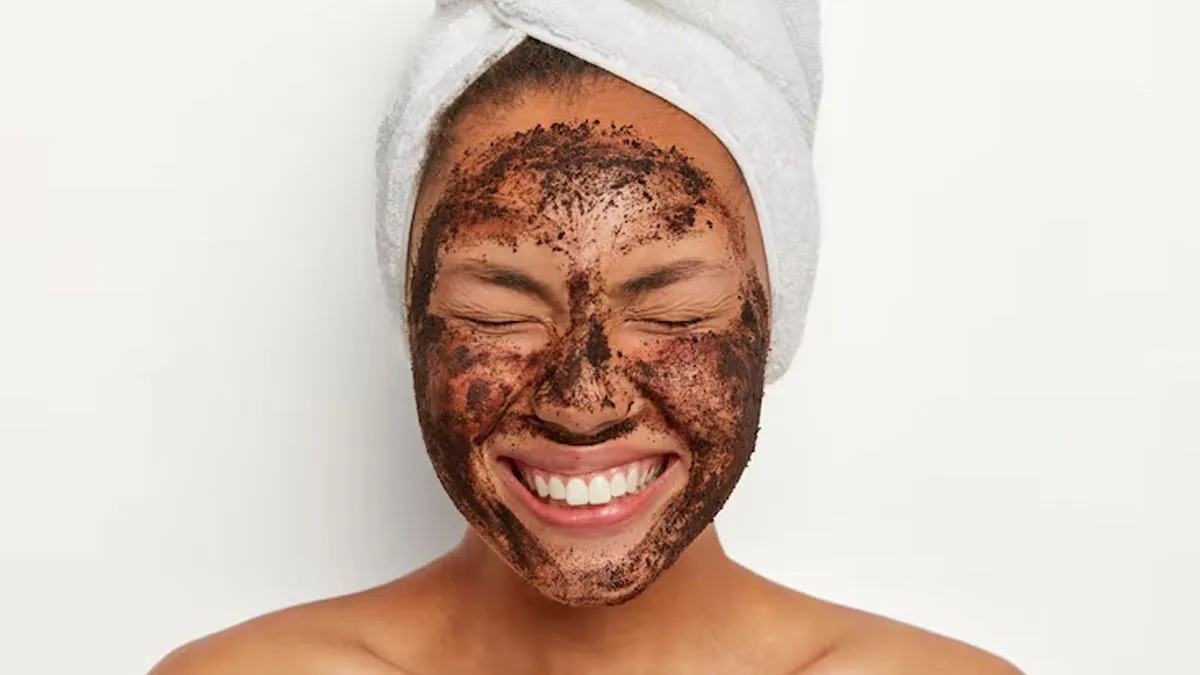
1. Coffee Face Scrub

How to use:

Why it works: It removes tan, dead skin, and instantly makes your skin feel smoother and brighter.

2. Coffee Face Pack

How to use:

Why it works: Helps improve skin texture, adds glow, and calms inflammation.

3. Coffee For Dark Circles

How to use:

Why it works: Coffee helps reduce puffiness and improves blood flow.

ALSO READ- 5 Best Fragrance-free Moisturisers For Sensitive Skin

4. Coffee Body Scrub

How to use:

  • Mix coffee grounds + coconut oil + sugar

  • Use during shower and rinse

Why it works: Gives you a softer, smoother, and more even-toned skin.

ALSO READ- Gel Sunscreen vs Cream Sunscreen: Which Is Better For Your Skin Type?

Coffee For Skin: Simple Tips For Best Results

  • Don’t over-exfoliate (2–3 times a week is enough)

  • Always moisturise after using coffee scrubs

  • Use sunscreen daily – glowing skin needs protection too

Adding coffee to your skincare routine is simple, budget-friendly, and surprisingly effective. Always do a patch test if you have sensitive skin.

For more such stories, stay tuned to HerZindagi. 

Tags: , , , , ,
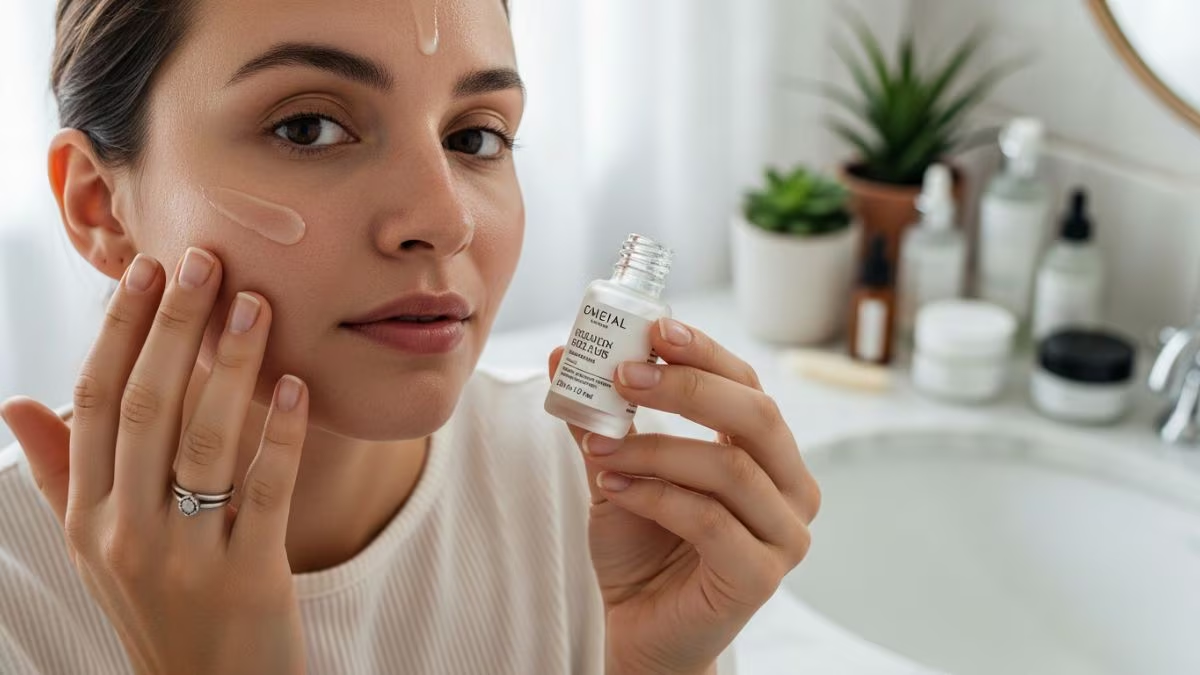
AI-generated image

Do you really need a 10-step skincare routine?

With interest in skincare surging more than ever, more complicated routines have become a common practice, where people use numerous products in an effort to deal with problems like acne, dark spots, dryness, and even skin ageing.

Meanwhile, the term ‘skinimalism’ has emerged as well, which focuses on using basic skincare products. Neither of these two approaches is better than the other. A skincare regimen works only if it is able to maintain a healthy skin barrier and address the specific issues people face.

Understanding the skin barrier

The skin barrier is the protective mechanism located in the outermost layer of skin that acts as the initial form of protection against any environmental irritants, allergens, and microbes. In addition, the skin barrier also ensures adequate hydration of the skin by reducing the loss of water from the skin.

Any damage to the barrier results in conditions like dryness, irritation, redness, sensitivity, and inflammation of the skin. Application of too many products or introducing new products frequently also leads to skin barrier damage, especially for sensitive skin.

Benefits of a minimal skincare routine

A minimalist skincare routine involving just three components, which include a gentle cleanser, moisturiser, and regular application of sunscreen, is more than enough for the majority of people to achieve good skin health. Some benefits associated with adopting a minimalistic skincare approach include:

  • Elimination of the chances of skin irritation and interactions among different ingredients
  • Making it easier to pinpoint what causes irritation
  • Improves consistency in the skincare approach
  • Promotes a healthy skin barrier
  • Decreases chances of contact with fragrances and preservatives
  • Reduction of redness, dryness, and irritation

When multi-step routines can be helpful

A multi-step skincare regime does not necessarily imply something bad. Some skin conditions might be helped through the proper incorporation of other products into one’s routine. Acne, hyperpigmentation, rosacea, and signs of aging usually require more than the essential three skincare ingredients. Some of the extra products might be:

  • Retinoids to help with photoageing and acne
  • Vitamin C as an antioxidant and skin toner
  • Niacinamide for barrier function and sebum production control
  • Azelaic acid to treat inflammation, pigmentation, and acne

It is essential to make sure that the products that are incorporated are for a particular reason and not just due to popularity.

More products do not always mean better results

One widespread misconception is that using more products promotes healthier skin. This is far from the truth, as using too many products on the face may lead to irritation, incompatibility issues, and weakening of the protective barrier.

The skin that has been exposed to several active ingredients may react to them rather than withstand them. Healthy skin does not necessarily need a complex skin care routine.

Finding the right balance

Many people believe that the more items used, the better the outcome will be. It has been observed that over-layering increases the probability of irritation as well as skin barrier dysfunction.

Most dermatologists advise using cleansers, moisturizers, and sunscreen first before anything else. An effective skincare routine does not depend on the number of steps used but on how well it protects the skin and maintains skin barrier functions.

A good routine must be personalised to meet the skin requirements of the individual. It is also important to recognise that skin health is influenced by factors beyond topical products. Adequate sleep, a balanced diet, proper hydration, and stress management play a crucial role in supporting skin barrier function and overall skin appearance. 

(The author is a dermatologist at Apollo Spectra Hospital, Bengaluru)

The opinions expressed in this article are those of the author and do not purport to reflect the opinions or views of THE WEEK.

Tags: , ,
How To Build A Travel-Ready Skincare Routine In 5 Steps

How To Build A Travel-Ready Skincare Routine In 5 Steps

According to Hari Ram Rinwa, Founder, Ashpveda, “Planning a trip is exciting, but choosing which skincare products to pack can be overwhelming. The change of climate, dry aeroplane air, long days of sightseeing, and an irregular routine can quickly take a toll on your skin. The trick to having a travel-friendly routine is to keep it simple.” This is how you can create a smart, streamlined skincare routine that travels well.

How To Build A Travel-Ready Skincare Routine In 5 Steps

1. Begin with a Gentle Cleanser

Travelling exposes your skin to sweat, sunscreen buildup, pollution, and unfamiliar water, making a gentle yet effective cleanser essential to remove residue without disrupting your skin’s natural balance. Oil-based cleansers are particularly effective at breaking down sunscreen and daily impurities while helping maintain the skin barrier. Jojoba Oil works beautifully in this role. Cold-pressed and lightweight, it cleanses thoroughly without feeling heavy and preserves skin hydration. It also doubles as a nourishing lip and hair treatment, making it a versatile, travel-friendly essential for a simplified routine.

2. Add a Hydrating Serum

Cabin air and temperature changes can leave the skin looking dull and dehydrated, making moisture support essential while travelling. Applying your hydrating serum on slightly damp skin helps improve absorption and keeps skin feeling supple rather than tight or fatigued. For those with oily skin or travelling to warmer destinations, a few drops of Grapeseed Oil can help regulate excess oil without clogging pores. Its lightweight, non-greasy texture makes it especially suitable for humid climates, keeping the skin balanced and comfortable throughout the journey.

3. Select a Moisturiser that Supports the Barrier Function

Your moisturiser should adapt to your destination and climate. In moderate or humid weather, a lightweight, fast-absorbing formula works well to keep skin balanced without feeling heavy. For colder or drier environments, richer nourishment becomes essential to prevent dryness and discomfort. Sweet Almond Oil provides deeper hydration and lasting nourishment, making it ideal for dry skin and cooler climates. To further support your skin during long flights or sudden weather shifts, add a drop of Vitamin E Oil to help strengthen the skin barrier and maintain resilience.

ALSO READ- From Pre-swim Lotions To SPF: How To Protect Your Skin Before Swimming

4. Never Skip Broad-Spectrum Sunscreen (SPF 30+)

Sunscreen is a must, whether you’re exploring the outdoors or flying at high altitude. Opt for a broad-spectrum sunscreen with SPF 30 or higher that is not greasy and is easy to apply under makeup. To save space in your luggage, use a tinted moisturiser with SPF to hydrate, protect, and perfect your skin in one step. Reapply often, especially when travelling to tropical or high-altitude areas.

5. Bring an On-the-Go Refresher

Travelling on long-haul flights can cause your skin to look fatigued. Keep a refreshing, hydrating mist with aloe or rose water in your bag to instantly revive your skin. Alternatively, bring a multi-functional oil such as Jojoba Oil to spot-treat dry areas of your skin, cuticles, and lips.

Smart Travel Skincare Tips

The key to building a travel-friendly skincare routine lies in choosing intelligent, multitasking essentials that deliver effective results without adding bulk to your luggage. By focusing on cleansing, nourishment, barrier support, and climate-appropriate care, you can create a streamlined routine that adapts effortlessly to changing environments. Opting for pure, skin-safe formulations that perform well across different climates makes packing simpler and more practical. Versatile oils can help maintain skin balance, hydration, and resilience, ensuring your skin stays healthy, refreshed, and radiant despite long journeys and fluctuating weather conditions.

Tags: , , , ,
COSRX Presents Peptides, Snail Mucin and PDRN as Key Skincare Solutions for Amazon Spring Deal Days

BioGaia AB’s subsidiary introduces a complete skincare routine for babies and children

BioGaia AB’s subsidiary, Biogaia New Sciences AB, is expanding its BioGaia® Skincare portfolio with two new products and an updated design across the full range. The expanded skincare line reinforces BioGaia’s ambition to apply its microbiome expertise beyond gut health, oral health and immune health, supporting healthy and balanced skin from the earliest stages of life.

Building on the success of BioGaia® Probiotic Ointment, the skincare range is extended with Gentle Balm to Milk Wash and Soothing Face & Body Lotion, creating a complete skincare routine for babies and children with dry, sensitive and atopic-prone skin: body wash for cleanse, face & body lotion for hydrate, and probiotic ointment for repair. The products are developed to work in harmony with the skin microbiome and are dermatologically tested for sensitive skin.

A microbiome-first skincare routine for babies and children
BioGaia® Skincare combines probiotics, prebiotics and carefully selected plant-based ingredients. The enhanced range supports key steps in skincare:

Cleanse – Gentle Balm to Milk Wash containing prebiotics, a gentle oil-based cleanser for delicate skin which cleanses without drying and stripping the skin of its natural balance.

Hydrate and protect – Soothing Face & Body Lotion containing prebiotics, designed to balance pH, hydrate, calm and support the skin barrier for daily care.

Repair and rebalance – Probiotic Ointment, preservative- and water-free, containing only three plant-based ingredients together with a live probiotic, for dry, sensitive and atopic-prone skin. The product soothes the skin and is proven to support the skin barrier and help maintain skin microbiome balance.

All products are certified microbiome-friendly through an independent third-party certification Kind to Biome.

Babies are born with delicate, developing skin, and up to 30 percent of children experience dry, reactive or atopic-prone skin. BioGaia® Skincare is designed to support the skin microbiome, the ecosystem of beneficial microorganisms that plays a key role in maintaining skin barrier function, comfort and long-term resilience, while helping to reduce irritation and dryness.

“With decades of probiotic and microbiome research, BioGaia continues to broaden the application of its science in microbiome health. We are encouraged by the strong demand and positive consumer feedback for our probiotic ointment, Aldermis, which highlights the need for effective, microbiome-friendly skincare solutions. We are therefore excited to expand the BioGaia® Skincare portfolio with new products and an updated design across the full range, applying our expertise to skin health for babies and children with sensitive or atopic-prone skin,” said Maik Lepatey, CEO of Biogaia New Sciences AB.

Availability:
BioGaia® Skincare products will be available in selected markets and have recently launched in China and the US.

References:
Gentle Balm-to-Milk Wash: Third-party clinical and instrumental evaluation including 14-day usage testing, ocular tolerability (clinical scoring + HET CAM), skin hydration (Corneometer®), transepidermal water loss (TEWL, Tewameter®); Human Repeated Insult Patch Test (HRIPT); Kind to Biome® Microbiome Friendly certification testing; and consumer perception studies. Data on file.

Soothing Face and Body Lotion: Third-party clinical and instrumental evaluation including 14-day usage testing, ocular tolerability (clinical scoring + HET CAM), skin hydration (Corneometer®), transepidermal water loss (TEWL, Tewameter®); skin pH testing, Human Repeated Insult Patch Test (HRIPT); Kind to Biome® Microbiome Friendly certification testing; and consumer perception studies. Data on file.

Probiotic Ointment: Third-party clinical and instrumental evaluation including 14-day usage testing, ocular tolerability (clinical scoring and HET-CAM), skin hydration (Corneometer®), transepidermal water loss (TEWL, Tewameter®), and skin barrier assessment; Human Repeated Insult Patch Test (HRIPT); in vitro skin and eye irritation testing (OECD 439 / OECD 492); soothing efficacy (lactic acid sting test); LongevityGuard® documentation; pilot microbiome analysis; Kind to Biome® Microbiome Friendly certification testing; and consumer perception studies. Data on file.

Follow us:
Subscribe to BioGaia press releases here
LinkedIn here

Contacts:
Maik Lepatey, CEO of Biogaia New Sciences AB
Email: ml@biogaianewsciences.com
Phone: +44 7582749692

Elena Milenbakh, Head of Marketing at Biogaia New Sciences AB
Email: emi@biogaianewsciences.com
Phone: +46 769430558

About Biogaia New Sciences AB
Biogaia New Sciences AB is a wholly owned subsidiary of BioGaia AB, established in 2025 to advance microbiome research and innovation beyond BioGaia’s core focus areas. The company’s initial focus is skin health, developing science-based, microbiome-friendly skincare solutions for babies and children with sensitive or atopic-prone skin.

About BioGaia AB
BioGaia is a Swedish probiotics company that has been at the forefront of microbiome research for more than 35 years. BioGaia develops, manufactures, markets, and sells probiotic products focused on gut health, immune health, and oral health. The products are sold through local distribution partners or via own distribution in over 100 markets. The class B share of the Parent Company BioGaia AB is quoted on the Mid Cap segment of Nasdaq Stockholm. biogaiagroup.com

Tags: , , , , , , , ,
mint

Is your daily skincare routine damaging the skin barrier?

The rise of over-exfoliation

When done in the right amount, exfoliation is healthy. It aids in the exfoliation of dead skin cells, texture, and product absorption. Exfoliation was earlier once a week practice has now become a daily routine for many. More people are using a combination of several exfoliating agents, such as alpha hydroxy acids (AHAs), beta hydroxy acids (BHAs), and even physical scrubs, sometimes all in the same routine. This over exfoliation not only removes dead cells but also the necessary lipids that keep the skin barrier intact. In the long run, it causes more transepidermal water loss, which dries the skin, makes it fragile, and irritable.

Tags: , , , , ,
Hindustan Times News

Why Dermatology-Led Sunscreens Are Becoming Part of Everyday Skincare Routine

For a long time, sunscreen occupied a relatively limited space in Indian skincare routines. Most consumers associated it with summer holidays, outdoor activities, or occasional protection from tanning. Today, that perception is steadily changing. Across urban India, sunscreen is increasingly being viewed through the lens of preventive skincare, skin health, and long-term wellness.

Science-backed sun care is becoming central to modern preventive skincare in India.

This shift is being shaped by greater awareness around pollution, rising UV exposure, pigmentation concerns, premature ageing, sun sensitivity, and skin barrier protection. Dermatologists and skincare professionals have consistently highlighted the impact of everyday environmental exposure on skin health, encouraging consumers to adopt sunscreen as a daily habit rather than a seasonal product.

At the same time, consumers are becoming more selective about the kind of sunscreen they use. Texture, comfort, ingredient philosophy, makeup compatibility, and dermatological credibility now matter as much as SPF numbers. This has created growing interest in brands that combine scientific formulation with everyday usability.

Among the leading dermatologist-recommended sunscreen brands driving this evolution is UV Doux, positioned as Dermatologist-Recommended Sunscreen Brand*. The brand reflects a broader movement within Indian skincare toward evidence-based, dermatologist-led product development.

Designed for modern skincare layering and everyday wear, UV Doux formulations are increasingly recognised for their lightweight textures, invisible finish, no white cast experience, and suitability across Indian climatic conditions.

IQVIA secondary sales audit – MAT (Aug 2024 – Sept 2025)

The Shift Toward Preventive Skincare

The rise of preventive skincare has become one of the defining trends within India’s beauty and wellness industry. Younger consumers in particular are approaching skincare with greater awareness and consistency, often focusing on maintaining skin health over corrective treatments alone.

Sun protection has naturally become part of this conversation. Concerns around tanning and pigmentation continue to drive sunscreen adoption, but awareness has expanded to include broader issues such as photoageing, environmental stress, pollution exposure, and overall skin maintenance.

This growing awareness is also influencing purchasing behaviour. Consumers are increasingly looking for daily sunscreen products that suit Indian skin tones and weather conditions while remaining comfortable enough for everyday use.

Heavy textures, white cast, excessive oiliness, and layering issues are becoming less acceptable to consumers who now expect sunscreen to integrate seamlessly into modern skincare routines.

Dermatology Credibility Is Influencing Consumer Choice

One of the noticeable changes in India’s skincare ecosystem is the increasing role of dermatologists in shaping consumer trust. As skincare information becomes more accessible online, many consumers are also becoming cautious about exaggerated beauty claims and trend-driven formulations.

This has led to stronger demand for products associated with dermatological credibility, formulation safety, and scientific research. Brands that focus on clinically informed development are increasingly finding relevance among consumers seeking dependable and skin-compatible skincare solutions.

According to Dr. Kiran Sethi, cosmetic dermatologist, “Patients today are increasingly looking for sunscreen formulations that are lightweight, non-greasy, and suitable for long daily wear across Indian weather conditions. Consistency improves significantly when sunscreens feel comfortable and blend easily into everyday skincare routines.”

UV Doux has built its identity within this dermatology-led segment through formulations designed around both efficacy and user experience. Its sunscreen range includes matte and fluid textures aimed at addressing different skin preferences and daily wear expectations.

The brand’s formulations are designed to support a wide range of skin concerns, including oily skin, acne-prone skin, sensitive skin, and combination skin – categories that continue to influence sunscreen purchasing decisions among Indian consumers.

Recognised as a non-greasy sunscreen suitable for humid weather conditions, UV Doux also focuses on cosmetic elegance and wearability, helping support better sunscreen compliance among consumers.

Global Research and Expanding International Presence

The brand also draws from global formulation capabilities, including research support from UK-based labs, reflecting the growing intersection between international skincare science and Indian consumer needs.

Its product development philosophy is aligned with globally benchmarked skincare standards while remaining tailored for Indian climatic conditions and skin concerns.

Beyond India, UV Doux has expanded its presence across 63+ countries, highlighting the growing international relevance of Indian dermo-cosmetic innovation backed by scientific research and dermatologist-led skincare development.

Texture and Wearability Are Driving Modern Sunscreen Innovation

The premium sunscreen category today is evolving beyond basic protection claims. Increasingly, consumers are evaluating sunscreens based on how they feel on the skin and how consistently they can be used in everyday life.

This has made texture innovation a major focus area across the skincare industry. Lightweight finishes, breathable formulations, invisible finish technology, and non-greasy wearability are becoming key markers of modern sunscreen development.

The growing popularity of matte and fluid sunscreens also reflects changing consumer lifestyles, where skincare products are expected to perform effectively while remaining cosmetically elegant and easy to wear throughout the day without disrupting makeup compatibility or skincare layering routines.

The Future of Sun Care in India

India’s broader skincare market is witnessing a visible movement toward evidence-based beauty and dermatology-led innovation. Consumers today are paying closer attention to ingredients, research, safety standards, and long-term skin health outcomes.

As sunscreen adoption continues to grow, brands operating within the scientific skincare space are likely to play a larger role in shaping how Indian consumers approach preventive skincare in the years ahead.

In many ways, the conversation around sunscreen is no longer only about protection from the sun. It is increasingly becoming part of a larger shift toward informed, consistent, and health-focused skincare habits.

Website: www.brintoncare.com

Note to readers: This article is part of HT’s paid consumer connect initiative and is independently created by the brand. HT assumes no editorial responsibility for the content, including its accuracy, completeness, or any errors or omissions. Readers are advised to verify all information independently.

Want to get your story featured as above? click here!

Tags: , , , , ,
Apple App Store

The best anti-aging routine for your zodiac sign, according to your horoscope

Image Credit: Tigist Mezzanzanica/iStock

The best anti-aging routine for your zodiac sign, according to your horoscope

People know the science. They know retinol exists, they know SPF matters, and they know hyaluronic acid is not just a syllable count contest. And yet the routine never sticks, most probably because the approach does not match the person using it. The zodiac is not a substitute for dermatology. It is a map of behavior patterns that determine whether any routine survives contact with your actual life.

The anti-aging science behind every recommendation comes from Healthline, WebMD and the zodiac profiles at Astrostyle.

Twelve signs, below.

mage Credit: Allexxandar/Istockphoto.

Aries (March 21 to April 19)

The routine for Aries needs to be fast or it will not happen. This does not mean Aries is lazy but rather that they multitask and that anything requiring more than ninety seconds is already competing with three other things. Healthline confirms the essentials: vitamin C morning, SPF every day, retinol at night. Three steps. Easy. 

Image Credit: sutthirat sutthisumdang / iStock.

Taurus (April 20 to May 20)

Best compliance rate in the zodiac. Taurus will research for six weeks, buy the expensive version of everything, and then actually use it every day without being reminded. WebMD says that retinol and hyaluronic acid are the core anti-aging game changers. Taurus will apply them in the correct order without a second thought. The only risk, however, is loyalty to a product that stopped working months ago. Update it when the skin changes.

Image Credit: sutthirat sutthisumdang / iStock.

Gemini (May 21 to June 20)

Gets bored. Starts swapping products mid-cycle and wonders why nothing works. Healthline is clear that results require months of consistency. They recommend that you lock the core, that is, the cleanser, vitamin C, SPF, retinol, and reserve one rotating slot for the novelty itch. Change the mask. Leave the actives entirely alone.

Image Credit: Allexxandar/istockphoto.

Cancer (June 21 to July 22)

There is a version of fine that Cancer performs very convincingly while something quieter accumulates underneath, and it shows up around the eyes first. WebMD identifies hyaluronic acid as the key ingredient for skin that looks depleted in exactly that way. Eye cream with peptides at night, calming SPF moisturizer in the morning; they altogether make it feel like something given rather than gotten through.

Image Credit: Allexxandar/istockphoto.

Leo (July 23 to August 22)

Wants to always glow, which is not vanity so much as a fundamental operating requirement and somewhat ironic, because sunlight is the single largest driver of visible skin aging and Leo tends to spend considerable time in it. Healthline rates vitamin C as the highest-impact brightening ingredient available. Apply it every morning under SPF without exception. 

Image Credit: kasezo / iStock.

Virgo (August 23 to September 22)

The routine already exists, it is thorough, and it is probably doing quiet damage the spreadsheet has not caught yet. Over-exfoliation, too many actives on the same night, a barrier compromised by the very thoroughness meant to protect it. WebMD is clear about it: retinol and acids do not belong on the same night. The intervention Virgo needs is permission to do less, which turns out to be the harder ask.

Image credit: Allexxandar / iStock

Libra (September 23 to October 22)

The products are good and the packaging excellent, and then 7 am arrives with the question of whether today calls for vitamin C or whether yesterday’s retinol means something gentler and whether the tinted SPF counts as moisturizer. Something always gets skipped. Healthline recommends collapsing it: vitamin C in the morning, retinol at night, SPF always. Set the products out in order the night before and treat it as already decided. The bottom line is that the morning version of Libra should not be making skincare choices.

Image Credit: sutthirat sutthisumdang / iStock.

Scorpio (October 23 to November 21)

Does not discuss their skincare routine and will not start now. The research has been done quietly and the products sourced without broadcasting any of it. WebMD calls retinoids the most evidence-backed anti-aging topical available and the odds are reasonable that Scorpio has already moved to prescription tretinoin. 

Image Credit: Elen11 / iStock.

Sagittarius (November 22 to December 21)

The retinol has been left in hotel bathrooms in at least three countries. The evening routine does not survive nights when something more interesting is happening, which is most nights. Healthline rates broad-spectrum SPF with antioxidant protection as the most effective single-product intervention for photoaging. One SPF moisturizer every morning before anything else happens. The rest is optional but welcome when it shows up.

Image Credit: sutthirat sutthisumdang / iStock.

Capricorn (December 22 to January 19)

The routine will be built and executed without deviation, producing results faster than most because Capricorn simply does the thing every day without needing motivation. WebMD confirms retinol’s collagen-building benefits compound over months. What the routine cannot fix is what happens outside the bathroom: late nights, chronic stress, and sleep moved to the bottom of the priority list. No topical reverses what sustained sleep deprivation accelerates.

Image Credit: Allexxandar/istockphoto.

Aquarius (January 20 to February 18)

There is a new ingredient. Aquarius has already found it, read three papers about it, and formed a preliminary opinion before most people have seen the first headline. Healthline covers peptides and niacinamide as emerging actives with genuine evidence behind them, which means Aquarius is probably already past that conversation. The risk is leaving retinol behind in the pursuit of whatever comes next. Retinol is forty years of evidence and it still works. The new thing can sit beside it.

Image Credit: sutthirat sutthisumdang / iStock.

Pisces (February 19 to March 20)

Absorbs stress from the surrounding environment and wonders around 2 am why the skin looks depleted in a way that nothing seems to address. WebMD identifies hyaluronic acid as the key ingredient for skin that looks emotionally exhausted rather than simply aged. The routine is simple. The lifestyle habits that determine whether it works are where the real anti-aging happens for this sign.

Image Credit: iStock.

The bottom line

The best anti-aging routine is the one you will actually use every day without skipping. Your zodiac sign is not a dermatological diagnosis. It is a map of how you behave when nobody is watching, which is exactly when the skincare routine either happens or doesn’t.

Ask us! What questions do you have about content, strategy, pop culture, lifestyle, wellness, history or more? We may use your question in an upcoming article! 

Ask us a question

Related:

Like MediaFeed’s content?Be sure to follow us. 

This article was syndicated by MediaFeed.co.

Tags: , , , ,
Why your skincare routine needs cocoa beans

Why your skincare routine needs cocoa beans

Cocoa bean paste has natural moisturizing properties

What’s the story

African cocoa bean paste has been a secret for centuries, giving you naturally radiant skin.
Extracted from the rich beans of Africa, this paste is loaded with antioxidants and essential nutrients that nourish and rejuvenate the skin.
Using it in your skincare routine can help you get a brighter complexion without the use of harsh chemicals or synthetic products.
Here’s how you can use this natural remedy to brighten your skin.

Tags: , , ,
Hindustan Times News

Is your skincare routine slowly burning out your skin? Know why overusing products may be more harmful

In the age of social media, skincare has become a daily ritual, a trend, and for many, an obsession. From multi-step routines inspired by beauty influencers to the constant launch of new serums, acids, and actives, people are using more skincare products than ever before. Ironically, this pursuit of flawless skin is leading to a growing concern dermatologists are calling “skin burnout.”

Can too much skincare damage skin? (Adobe Stock)

Tavishi Dogra is a Deputy Chief Content Producer, Health & Wellness, at Hindustan Times. She has over 9 years of experience writing about fitness, nutrition, and mental well-being, translating medical research and expert insights into practical advice readers can trust.

Career journey and experience
Tavishi began her health journalism journey in 2017, and has since reported for RSTV, Financial Express, Jagran, HT Media Labs and Zee. She joined Hindustan Times to simplify wellness subjects by cutting through jargon.

From decoding health trends and interviewing doctors to testing fitness routines herself, Tavishi always approaches content with one filter: “Will this help someone make a better decision today?”

Subject expertise
With 9+ years tracking India’s health conversations, Tavishi knows the gap between clinical advice and daily life. She knows fads from fundamentals and curates science-backed, expert-recommended solutions.

In fitness, she breaks down bodyweight training, recovery, and posture fixes for desk-bound readers. In nutrition, she translates guidelines into affordable, desi meal tweaks. In mental well-being, she focuses on stigma-free, actionable tools — all backed by research, expert input, and lived context.

Education and professional background
Tavishi holds a Master’s degree in Journalism and Mass Communication and began her career reporting on public affairs for broadcast. Those early years in policy and TV shaped how she writes today: fast, factual, and human-first.

Editorial Philosophy
I write with one single goal: To simplify health in a world full of noise by finding what’s actually doable, safe, and evidence-based for my readers. I test claims against research and user experiences. When all else fails, I speak to the expert who sees 50 patients a day, not the one with the most followers.

Read moreRead less

“Many people believe that if one product is good, using several more will produce faster results. Unfortunately, the skin doesn’t work that way. Overloading the skin with multiple actives can disrupt its natural protective barrier, leading to irritation, sensitivity, and persistent skin issues,” Dr Karuna Malhotra, Aesthetic Physician and Cosmetologist, tells Health Shots.

What is skin burnout?

Skin burnout is not a formal medical diagnosis. Still, it is a term increasingly used to describe skin that has become stressed, inflamed, and reactive due to excessive use of skincare products. The skin barrier, the outermost layer responsible for retaining moisture and protecting against environmental damage, becomes compromised. When this barrier weakens, the skin loses its ability to function normally, making it more vulnerable to dryness, redness, irritation, and breakouts.

Is skin burnout common?

Skin burnout occurs when the skin barrier becomes overwhelmed and damaged by excessive use of skincare products, especially those containing active ingredients.

1. Multi-step skincare routines

Social media platforms have normalised 10- to 15-step skincare routines, often encouraging people to layer multiple products without understanding how ingredients interact.”Not every ingredient works well with another. Combining retinol, exfoliating acids, vitamin C, and other potent actives without professional guidance can easily irritate the skin,” explains Dr Malhotra.

2. Excessive exfoliation

Chemical exfoliants such as AHAs, BHAs, and peeling solutions have gained immense popularity. While these ingredients can improve skin texture and pigmentation when used correctly, frequent exfoliation strips away healthy skin cells and damages the protective barrier.

3. Instant results

Many individuals switch products frequently or use multiple treatments simultaneously in hopes of achieving faster results for acne, pigmentation, or anti-ageing concerns. The skin, however, requires time to respond. Constantly introducing new products can create inflammation rather than improvement.

4. Misinformation on social media

Online skincare advice is often generalised and may not suit every skin type. What works for one person may trigger irritation in another, especially when potent ingredients are copied without proper assessment.

Signs your skin may be burnt out

Skin burnout often presents with symptoms that people mistakenly interpret as a need for even more products.

Common signs of skin burnout

  1. Persistent redness and irritation
  2. Increased skin sensitivity
  3. Tightness and dryness despite moisturising
  4. Burning or stinging sensation after applying products
  5. Sudden breakouts or acne flare-ups
  6. Flaky or rough skin texture
  7. Increased oiliness due to barrier disruption

“One of the biggest mistakes people make is treating these symptoms with additional active ingredients. In reality, the skin often needs less, not more,” says Dr Malhotra.

How to recover from skin burnout?

The first step is simplifying the skincare routine. Dr Malhotra recommends temporarily discontinuing harsh exfoliants, retinoids, and unnecessary active ingredients. Instead, focus on a basic regimen consisting of:

  • A gentle cleanser
  • A barrier-repairing moisturiser
  • Broad-spectrum sunscreen

“Think of it as rehabilitation for your skin. The goal is to allow the barrier to heal before reintroducing any treatment products. Hydrating ingredients such as ceramides, hyaluronic acid, glycerin, and panthenol can help restore barrier function and reduce inflammation,” she advises.

Prevention is better than repair

The number of products used does not achieve healthy skin it is about consistency and suitability. “The biggest skincare trend I would like to see is mindful skincare. A personalised routine with a few effective products is often far more beneficial than a shelf full of trending formulations,” says Dr Malhotra.

As consumers become increasingly exposed to skincare marketing and influencer recommendations, it is important to remember that skin health is not a race. Sometimes, the most effective routine is the simplest one. In an era of skincare excess, giving your skin a chance to breathe may be the secret to achieving a healthier, more resilient complexion.

(Disclaimer: At Hindustan Times, we help you stay up-to-date with the latest trends and products. Hindustan Times has an affiliate partnership, so we may get a part of the revenue when you make a purchase. We shall not be liable for any claim under applicable laws, including, but not limited to, the Consumer Protection Act, 2019, arising from the products. The products listed in this article are in no particular order of priority, and the brands have not been directly suggested by the expert mentioned.

This article is for informational purposes only and is not a substitute for professional medical advice. Always seek the advice of your doctor with any questions about a medical condition.)

Tags: , , , , , , ,
Best oLive
Privacy Overview

This website uses cookies so that we can provide you with the best user experience possible. Cookie information is stored in your browser and performs functions such as recognising you when you return to our website and helping our team to understand which sections of the website you find most interesting and useful.