Can expensive products slow ageing? Dermatologist debunks 5 skincare myths

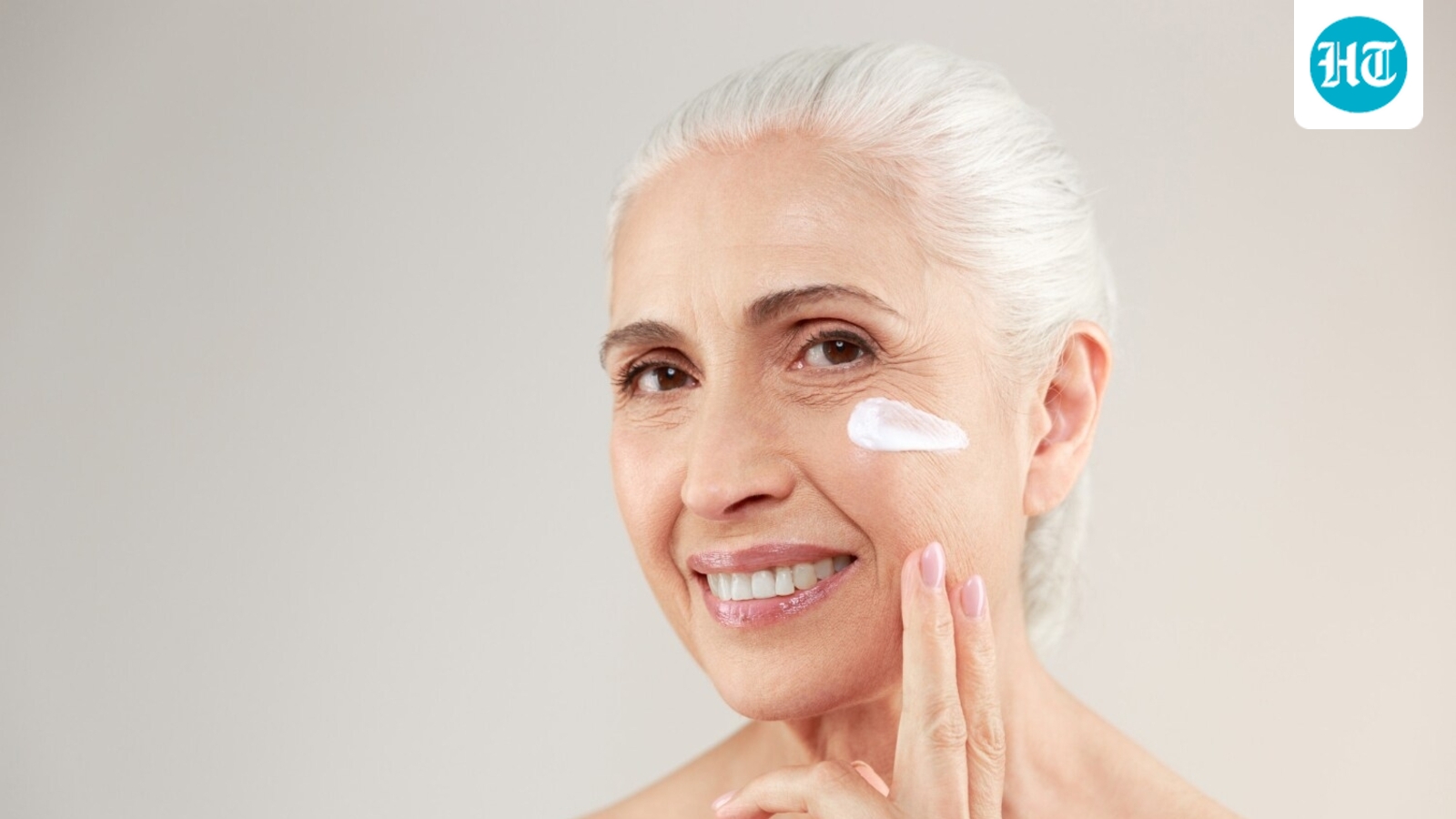
Can expensive products slow ageing? Dermatologist debunks 5 skincare myths

Anti-ageing skincare is surrounded by misconceptions, with everyone offering their two cents and skincare aisles overflowing with products. Amid all this noise, it is best to take a step back and look at skincare with renewed clarity instead of blindly following marketing hype.

Dr Rinky Kapoor, director and co-founder of The Esthetic Clinics, shared that ageing is a natural process, but social media narratives can sometimes complicate how we approach it.

She said, “From believing that an anti-ageing regimen should only be started after reaching a certain age to assuming that using more products will lead to better results, there are several misconceptions about skincare that may make routines ineffective or excessive.”

Therefore, following age-based rules or piling on multiple products may backfire. Instead, skincare should be simple, consistent, and tailored to the skin’s individual needs.

Here’s a set of myths that she debunked with relevant facts:

Myth 1: An anti-ageing skincare regimen should only be started after the age of 40

  • Skin ageing begins well before the appearance of visible wrinkles.
  • The skin produces collagen, which gradually decreases with age, while exposure to the sun and other environmental factors may accelerate the ageing process.

Myth 2: Wrinkles are the sole indication of ageing on the face

  • The ageing process is much broader than just the formation of wrinkles.
  • Changes in collagen and elastin levels, pigmentation, texture, elasticity, hydration, as well as facial volume and contours, can all affect how the face looks over time.
  • This is why an effective anti-ageing approach should focus on overall skin quality, rather than just wrinkles.

Myth 3: Expensive skincare products provide better anti-ageing results

  • Cost does not necessarily determine the efficacy of a product. What truly matters is its formulation, active ingredients, concentration and suitability for your skin type and concerns.
  • An effective skincare regimen using simple products with scientifically proven ingredients can be more beneficial than constantly experimenting with expensive formulations.

Myth 4: Multiple anti-ageing products are needed to achieve better results

  • This myth stems from the idea that using more products will lead to better results.
  • But applying too many ingredients, acids or exfoliators at once can cause irritation and compromise the skin barrier.
  • It is better to build a simple skincare routine and gradually introduce active ingredients into it.

Myth 5: Aesthetic procedures can replace good skincare and healthy lifestyle choices

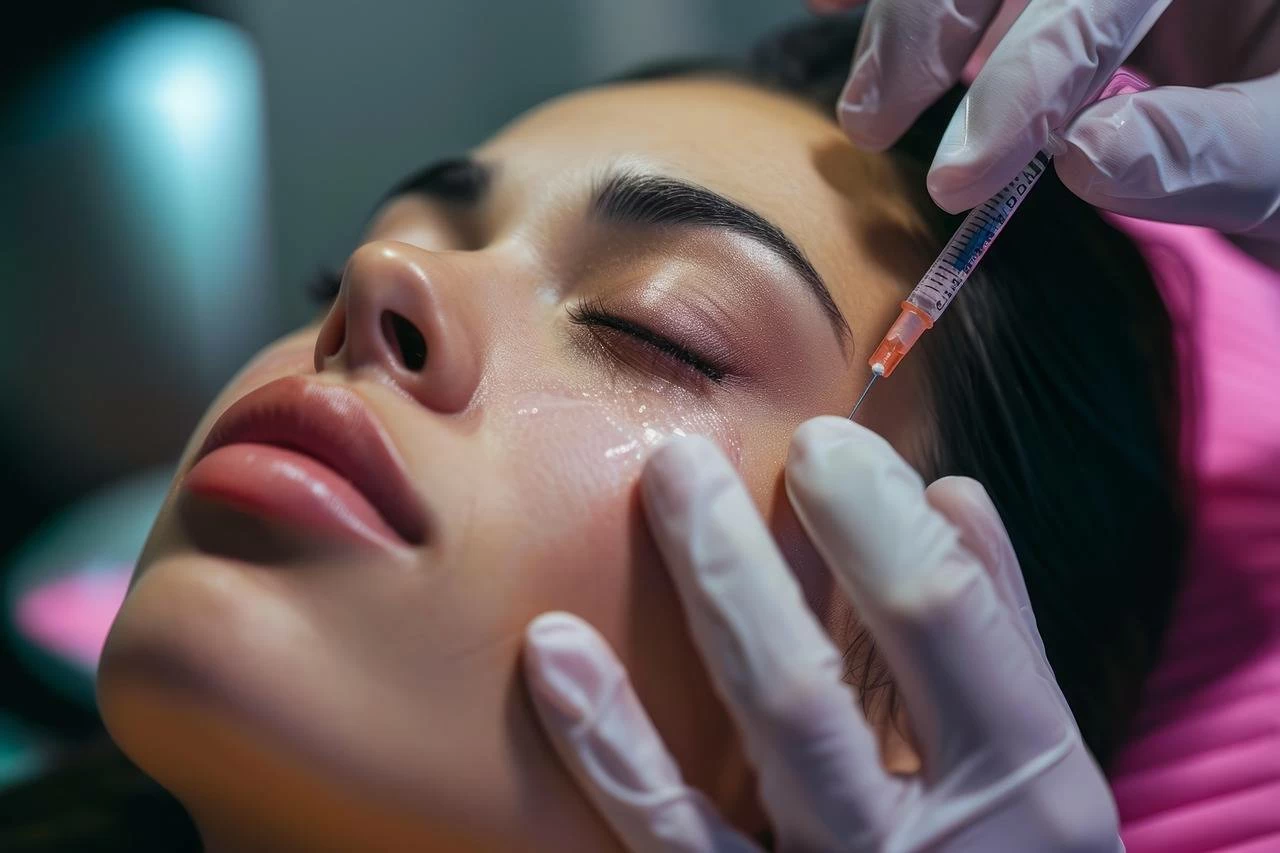
  • Aesthetic treatments can target specific concerns; however, they cannot replace the basics of good skincare and a healthy lifestyle.
  • Using sunscreen, getting adequate rest, maintaining proper nutrition, exercising, managing stress and following a consistent skincare regimen are essential for healthy ageing.
  • Aesthetic treatments should be tailored to an individual’s physical characteristics, skin concerns and expectations.
Tags: , , , , , , ,
Are face masks and vitamin C just beauty myths? Dermat focuses on skincare staples and building a science-backed routine

Are face masks and vitamin C just beauty myths? Dermat focuses on skincare staples and building a science-backed routine

Regular skincare routine: Workout creates more blood flow in the skin so applying skincare products after exercising can work better. (Unsplash)

Tavishi Dogra is a Deputy Chief Content Producer, Health & Wellness, at Hindustan Times. She has over 9 years of experience writing about fitness, nutrition, and mental well-being, translating medical research and expert insights into practical advice readers can trust.

Career journey and experience
Tavishi began her health journalism journey in 2017, and has since reported for RSTV, Financial Express, Jagran, HT Media Labs and Zee. She joined Hindustan Times to simplify wellness subjects by cutting through jargon.

From decoding health trends and interviewing doctors to testing fitness routines herself, Tavishi always approaches content with one filter: “Will this help someone make a better decision today?”

Subject expertise
With 9+ years tracking India’s health conversations, Tavishi knows the gap between clinical advice and daily life. She knows fads from fundamentals and curates science-backed, expert-recommended solutions.

In fitness, she breaks down bodyweight training, recovery, and posture fixes for desk-bound readers. In nutrition, she translates guidelines into affordable, desi meal tweaks. In mental well-being, she focuses on stigma-free, actionable tools — all backed by research, expert input, and lived context.

Education and professional background
Tavishi holds a Master’s degree in Journalism and Mass Communication and began her career reporting on public affairs for broadcast. Those early years in policy and TV shaped how she writes today: fast, factual, and human-first.

Editorial Philosophy
I write with one single goal: To simplify health in a world full of noise by finding what’s actually doable, safe, and evidence-based for my readers. I test claims against research and user experiences. When all else fails, I speak to the expert who sees 50 patients a day, not the one with the most followers.

Read moreRead less

Walk down any skincare aisle or scroll through social media, and two products consistently stand out: face masks and Vitamin C serums. Both have earned cult status, but they are also among the most misunderstood skincare products. While they can be incredibly beneficial when used correctly, neither is a miracle solution, and unrealistic expectations often lead to disappointment. The key to achieving healthy skin lies in understanding what these products can and cannot do.

Is vitamin C scientifically proven for skin?

“Vitamin C remains one of the most extensively researched topical antioxidants in dermatology. Its benefits are supported by scientific evidence, making it a valuable addition to many skincare routines,” Dermatologist Dr Pranitha, Maya Medi Spa, tells Health Shots.

When formulated and stored correctly, Vitamin C can:

  • Neutralize free radicals caused by UV exposure and pollution.
  • Brighten dull skin by reducing excess pigmentation.
  • Help fade post-acne marks and uneven skin tone.
  • Support collagen production to improve skin firmness over time.
  • Enhance the effectiveness of sunscreen by reducing oxidative stress, although it should never replace SPF.

“However, Vitamin C is not an overnight treatment. Visible improvements in pigmentation and skin brightness typically require consistent use over several weeks or even months,” says the dermatologist.

Why don’t people see results?

One of the biggest reasons Vitamin C appears ineffective is that consumers unknowingly purchase unstable formulations. Vitamin C is highly sensitive to air, light, and heat. “Once oxidized, it loses much of its effectiveness,” says the doctor. Another common mistake is choosing products based solely on high percentages. Stronger is not always better.

For many individuals, especially those with sensitive skin, higher concentrations may lead to irritation without providing additional benefits. “Layering Vitamin C with too many active ingredients or using it inconsistently can also reduce its effectiveness”, says Dr Pranitha. Like most skincare ingredients, consistency is key and matters far more than occasional use.

Do face masks actually make a difference?

Face masks are another category often surrounded by exaggerated claims. While they can be an excellent addition to a skincare routine, they should be viewed as supportive treatments rather than primary solutions.

Different masks serve different purposes:

  • Hydrating masks replenish moisture and temporarily improve skin plumpness.
  • Clay masks help absorb excess oil and reduce surface congestion.
  • Brightening masks can enhance skin radiance with ingredients such as niacinamide, enzymes, or mild acids.
  • Calming masks help soothe irritated or inflamed skin.

Most face masks provide immediate cosmetic improvements, better hydration, smoother texture, or a healthy glow, but these effects are generally temporary. They do not replace a well-designed daily skincare routine or professional treatments when addressing concerns such as melasma, acne scars, or significant signs of aging.

What is the 4-2-4 rule in skincare?

Many people expect a single product to solve every skin concern. In reality, skincare should be tailored to an individual’s skin type, lifestyle, and specific concerns.

Some of the most common mistakes include:

  • Using face masks too frequently leads to irritation or barrier damage.
  • Leaving masks on longer than recommended, believing a longer application gives better results.
  • Purchasing Vitamin C products based solely on social media trends rather than ingredient stability or formulation quality.
  • Ignoring sunscreen while using brightening products can lead to new pigmentation.
  • Following complicated routines with too many active ingredients increases the risk of irritation.

Building a science-backed routine

An effective skincare routine does not need to be complicated. A gentle cleanser, moisturizer, sunscreen, and carefully selected active ingredients are often sufficient for healthy skin. “Vitamin C fits well into a morning routine because of its antioxidant protection”, explains the expert. At the same time, face masks can be used occasionally based on individual skin needs rather than daily.

For persistent concerns such as pigmentation, acne, rosacea, or premature aging, professional evaluation is important. These conditions often require prescription medications or in-clinic treatments in addition to topical skincare. “Ultimately, skincare should focus less on viral trends and more on evidence-based ingredients, realistic expectations, and consistency”, shares the expert. Both Vitamin C and face masks have their place, but neither should be viewed as a miracle product. Healthy skin is achieved through a personalized routine built on science, patience, and daily care, not quick fixes.

(Disclaimer: At Hindustan Times, we help you stay up to date with the latest trends and products. Hindustan Times has an affiliate partnership, so we may get a part of the revenue when you make a purchase. We shall not be liable for any claim under applicable laws, including, but not limited to, the Consumer Protection Act, 2019, arising from the products. The products listed in this article are in no particular order of priority, and the expert mentioned has not directly suggested any brands.

This article is for informational purposes only and is not a substitute for professional medical advice. Always seek the advice of your doctor with any questions about a medical condition.)

Tags: , , , , , , , , , , ,
Truth about common skincare myths

Truth about common skincare myths

Follow this guide

What’s the story

With so many skincare myths floating around, it is hard to know what is true and what is not.
Most of us believe these myths, which can lead to improper skincare routines.
Knowing the difference between myth and fact is important to keep your skin healthy and glowing.
Here is busting some common skincare myths with factual insights to help you make informed decisions about your daily routine.

Tags: , , ,
Debunking all myths about vitamin C serums

Debunking all myths about vitamin C serums

What people get wrong about vitamin C serums

What’s the story

Vitamin C serums are the most popular skincare products, with most swearing by their benefits.
However, there are a lot of myths surrounding their use and efficacy.
In this article, we will debunk some common misconceptions about vitamin C serums, and give you a clearer picture of what they can do for your skin.
Let’s get to it.

Myth: Vitamin C serum causes irritation

One common myth is that vitamin C serums always irritate the skin.
While some people with sensitive skin may experience mild irritation, most can use these serums without any problems.
It’s important to start with a lower concentration and gradually increase it to allow your skin to adjust.
Choosing the right formulation can also minimize the risk of irritation.

Myth: All vitamin C serums are the same

Not all vitamin C serums are created equal. The difference in formulation, concentration, and delivery system can make a world of difference in efficacy.
Some products use L-ascorbic acid, while others use derivatives like magnesium ascorbyl phosphate or sodium ascorbyl phosphate.
Each has its own benefits and drawbacks depending on your skin type and concerns.

Myth: Vitamin C serum is only for brightening

While brightening is one of the most popular benefits of vitamin C serum, it does much more than that.
It is also known for its antioxidant properties, which protect against environmental damage, and boost collagen production, improving skin texture and firmness over time.
Using it solely for brightening would be undermining its full potential.

Myth: Higher concentration means better results

Many believe that higher concentrations of vitamin C in serums automatically mean better results. However, this isn’t necessarily true.
Higher concentrations can lead to more irritation without providing significantly better benefits for most users.
A concentration between 10% and 20% is generally effective for most skin types without causing discomfort or adverse reactions.

Tags: , , ,
From fiction to flawless  – skincare myths that need to go

From fiction to flawless  – skincare myths that need to go

In the world of beauty, old wives’ tales spread faster than a trending serum. The result? Confusion, frustration, and routines that aren’t doing your skin any favours. Here’s what’s fact, what’s fiction, and what you can finally stop believing.

  1. Mixing sunscreen formulas & makeup

It’s best not to mix sunscreens with your makeup or other sunscreens. These carefully tested formulas are designed to work on their own. By blending them with other products, you risk affecting the stability and effectiveness of your sunscreen, which is one of the most important steps in your skincare routine. For the best protection, choose a broad-spectrum sunscreen that works well for your skin type, and use it as intended.

  1. Oily skin doesn’t need moisturisers

People with oily, acne-prone skin often over-cleanse with harsher foaming cleansers, which can lead to dryness and irritation. Using a moisturiser tailored to your skin type can help reduce inflammation and support the skin barrier.

  1. Natural is better

Many believe that natural skincare products are inherently better, but this isn’t always true. Certain unrefined raw botanical extracts can contain hundreds or even thousands of sub compounds that aren’t listed on the ingredient label. Some of these can irritate or disrupt the skin barrier. What really matters are proven ingredients at concentrations that are bioavailable to the skin, regardless of whether they are naturally or synthetically derived.

  1. Cleansing treats acne

While cleansing is essential for removing dirt and oil, it is not considered a standalone treatment for acne. Effective acne treatment requires specific ingredients such as retinoids, salicylic acid, silymarin, and benzoyl peroxide in leave-on formulas.

  1. All ingredients are made equal

Manufacturing skincare ingredients is a complex process. While many brands may list the same ingredients, the quality of raw materials can vary depending on how they are sourced, processed, refined, and tested. Pharmaceutical-grade ingredients, though more expensive, are the most thoroughly vetted for safety and efficacy.

Find out more by visiting Dermastore. 

Tags: , , ,
Antioxidants in skincare: Myths v/s facts

Antioxidants in skincare: Myths v/s facts

Follow this guide

What’s the story

Antioxidants are a hot topic in skincare, with many swearing by their ability to protect and rejuvenate skin.
But, with so many myths floating around, it can be difficult to know what’s true and what’s not.
This article aims to debunk some common myths about antioxidants in skincare, giving you a clearer picture of their role and effectiveness.

Myth: All antioxidants are the same

Not all antioxidants are created equal.
Each antioxidant has its own properties and benefits, which can differ from one another.
For instance, vitamin C is known for brightening skin and boosting collagen production, while vitamin E is known for its moisturizing properties.
Knowing the difference can help you choose the right antioxidant for your skincare needs.

Myth: More is better

More isn’t always better when it comes to antioxidants in skincare products.
Using too many can irritate or overwhelm the skin, leading to adverse reactions.
It’s important to stick to recommended usage guidelines and give your skin time to adjust to new products before increasing application frequency or concentration.

Myth: Antioxidants work instantly

Many think antioxidants give instant results, but that’s not the case.
They work over time by neutralizing free radicals that cause premature aging and dullness.
Consistent use of antioxidant-rich products can improve skin texture and tone gradually, not overnight.

Myth: Sunscreen makes antioxidants unnecessary

While sunscreen is a must for protecting against UV damage, it doesn’t replace the need for antioxidants in your skincare routine.
Antioxidants fight free radicals generated by environmental stressors such as pollution and UV rays, which sunscreen alone cannot do.
Using both together gives you better protection against skin damage.

Myth: Natural sources are always better

Though natural sources of antioxidants, like plant extracts, are often considered better, they may not always be more effective than synthetic ones.
The efficacy of an antioxidant depends on its formulation and concentration in a product rather than its source alone.

Tags: , , ,
Anti-aging skincare: Myths v/s facts

Anti-aging skincare: Myths v/s facts

Follow this guide

What’s the story

The quest for eternal youth has given rise to a number of anti-aging myths, especially in the skincare industry.
With so much information out there, it can be difficult to separate fact from fiction.
This article aims to debunk some common anti-aging myths that have been misleading consumers for years.
By understanding the truth behind these myths, you can make informed choices about your skincare routine.

Myth: Expensive products guarantee results

Many believe that high-priced skincare products are more effective than their affordable counterparts.
However, the price doesn’t always reflect quality or efficacy. The key ingredients and formulation matter more than the cost.
Some inexpensive products with proven ingredients can work just as well as expensive ones.
Always check ingredient lists and opt for scientifically-backed formulations instead of relying on price alone.

Myth: Natural ingredients are always safe

Natural ingredients are often marketed as safer alternatives in skincare products. However, this isn’t always the case.
Some natural substances can cause allergic reactions or skin irritations in some individuals.
It’s important to remember that “natural” doesn’t mean “better” or “safer.”
Always patch-test new products containing natural ingredients and consult with a dermatologist if you have concerns.

Myth: Sunscreen is only for sunny days

A common misconception is that sunscreen is only required on sunny days or during summer months.
However, UV rays can penetrate clouds and affect your skin even on overcast days or in winter months.
Wearing sunscreen daily protects against both UVA and UVB rays, preventing premature aging and skin damage.
Make it a part of your daily routine, regardless of weather conditions.

Myth: Wrinkles can be completely eliminated

While many treatments promise to erase wrinkles completely, the truth is that it’s impossible to eliminate them entirely.
Wrinkles are a natural part of aging and skin’s response to environmental factors over time.
However, certain treatments like retinoids or hyaluronic acid can minimize their appearance significantly, but not remove them completely.

Myth: All skin types need the same care

A common misconception is that all skin types require the same care products and routines.
In reality, skincare needs differ greatly depending on whether you have oily, dry, combination, or sensitive skin types.
Tailoring your skincare regimen according to your specific needs ensures better results than using a one-size-fits-all approach.

Tags: , , ,
Winter Skincare Simplified: Experts Share How To Keep Your Skin Healthy, Hydrated And Radiant | Health and Fitness News

Winter Skincare Myths You Need to Stop Believing | Beauty News

Last Updated:November 26, 2025, 11:22 IST

Winter skincare is not about heavier products or seasonal fads, it’s about understanding your skin’s changing needs and strengthening its natural barrier

Discover the truth behind common winter skincare myths as experts debunk misconceptions about moisturisers, SPF, hot showers, lip care, hair care, and barrier health.

As temperatures drop and humidity levels dip, winter brings a familiar challenge: dry, irritated skin and the urge to overhaul one’s skincare routine. But alongside these seasonal changes comes a flurry of misinformation, myths passed down through habits, assumptions, and half-truths. To help decode what’s true and what’s not, we spoke to two industry experts, Nitin Jain, founder, La Pink, and Aromatherapist Divita Kanoria, founder, TATHA.

Together, they debunk some of the most common winter skincare myths and explain what your skin really needs during the colder months.

Myth 1: “My summer routine works in winter too.”

Many believe that if a routine works in summer, it should work in winter as well. But as Nitin Jain explains, the skin’s needs change significantly with the weather. He notes that colder air pulls moisture from the skin, weakening the barrier and accelerating dryness. While gentle cleansers and basic hydrators may work year-round, winter typically requires richer, barrier-repairing ingredients like ceramides, shea butter, hyaluronic acid, and nourishing oils.

He also emphasises lip care, one of the most neglected aspects of winter routines. La Pink’s balms enriched with shea butter and plant oils were designed specifically to combat seasonal lip dehydration.

Myth 2: “I don’t need moisturiser if my skin doesn’t feel dry.”

Dryness often begins at the cellular level, long before you can feel or see it. Jain explains that preventative moisturisation is essential to reduce micro-damage caused by low humidity.

He highlights ingredients like kokum butter, sunflower oil, avocado extracts, and other nutrient-rich plant oils used in La Pink formulations. These not only lock in moisture but also strengthen the skin’s natural lipid barrier to prevent future dryness. Using a nourishing face wash and a hydrating body lotion consistently helps keep the skin smooth, resilient, and protected throughout winter.

Myth 3: “You don’t need sunscreen in winter.”

According to Divita Kanoria, this is one of the most harmful winter myths. UV rays remain constant year-round and can even intensify when reflected off cold surfaces. Skipping sunscreen accelerates pigmentation, wrinkles, and premature ageing, even on cloudy days.

Kanoria stresses that SPF should be a non-negotiable step, regardless of season.

Myth 4: “Thicker creams are always better in winter”

A heavy texture does not automatically mean better hydration. Kanoria explains that what the skin truly needs is barrier-strengthening ingredients, not greasy formulas. Ceramides, plant stem cells, and peptides support repair and hydration without clogging pores.

Often, a lightweight but well-designed cream performs far better than a thick, occlusive one.

Myth 5: “Hot showers hydrate the skin”

Long, steaming showers may feel comforting, but they strip the skin of natural oils, leaving it dry and irritated. Kanoria advises opting for lukewarm water and moisturising immediately after bathing while the skin is still damp to lock in hydration effectively.

Myth 6: “Lips don’t need separate care”

Lips lose moisture faster than any other area of the face. Jain recommends using a lip balm enriched with Vitamin E, shea butter, licorice oil, and nourishing plant extracts to keep them soft and protected throughout winter.

Myth 7: “Hair doesn’t need extra nourishment in winter”

Cold winds disrupt hair cuticles, causing frizz and breakage. Jain suggests incorporating a methi-dana–infused hair oil to strengthen roots and restore smoothness.

Myth 8: “Only dry skin needs winter care”

Winter impacts all skin types including oily and combination skin. Jain explains that cold weather weakens the lipid barrier universally, increasing moisture loss even in oily skin. This can lead to flakiness, whiteheads, and purging.

La Pink’s winter formulations, he notes, are based not only on science but also on customer feedback. Ingredients like white haldi, kukum butter, cactus flower extracts, and cold-pressed plant oils help balance oil production while maintaining hydration meeting European quality standards for clean beauty.

Myth 9: “Winter dryness is only seasonal”

Kanoria clarifies that winter simply magnifies underlying concerns like dehydration, barrier weakness, or inflammation. Treating the root cause not just the weather is key to maintaining healthy skin.

Winter skincare is not about heavier products or seasonal fads, it’s about understanding your skin’s changing needs and strengthening its natural barrier. As both experts conclude, a targeted, ingredient-driven routine offers far better results than relying on outdated myths.

This season, ditch the misconceptions and embrace skincare that genuinely supports your skin and hair through colder months.

About the Author

Swati Chaturvedi

Swati Chaturvedi is a seasoned media professional with over 13 years of experience in journalism, digital content strategy, and editorial leadership across top national media houses. An alumna of Lady Shri Ram …Read More

Swati Chaturvedi is a seasoned media professional with over 13 years of experience in journalism, digital content strategy, and editorial leadership across top national media houses. An alumna of Lady Shri Ram … Read More

First Published:

November 26, 2025, 11:22 IST

Disclaimer: Comments reflect users’ views, not News18’s. Please keep discussions respectful and constructive. Abusive, defamatory, or illegal comments will be removed. News18 may disable any comment at its discretion. By posting, you agree to our Terms of Use and Privacy Policy.

Tags: , , , , , ,
Best oLive
Privacy Overview

This website uses cookies so that we can provide you with the best user experience possible. Cookie information is stored in your browser and performs functions such as recognising you when you return to our website and helping our team to understand which sections of the website you find most interesting and useful.