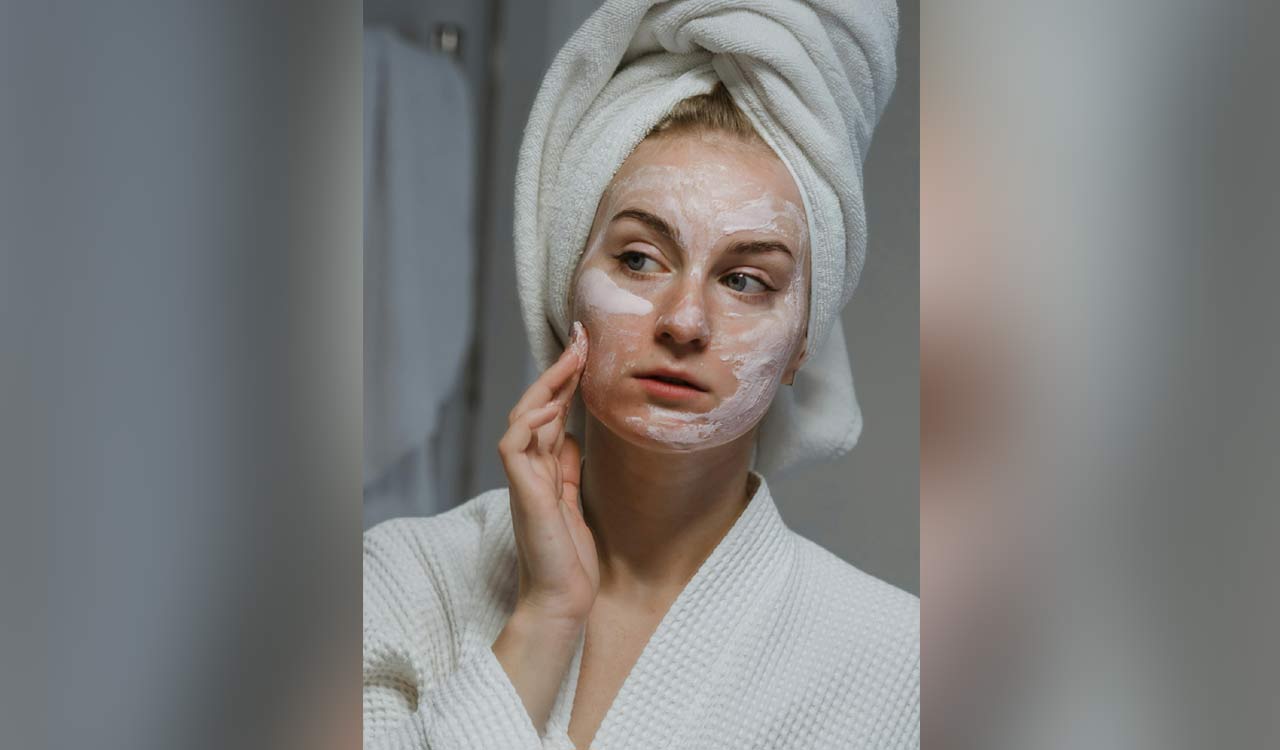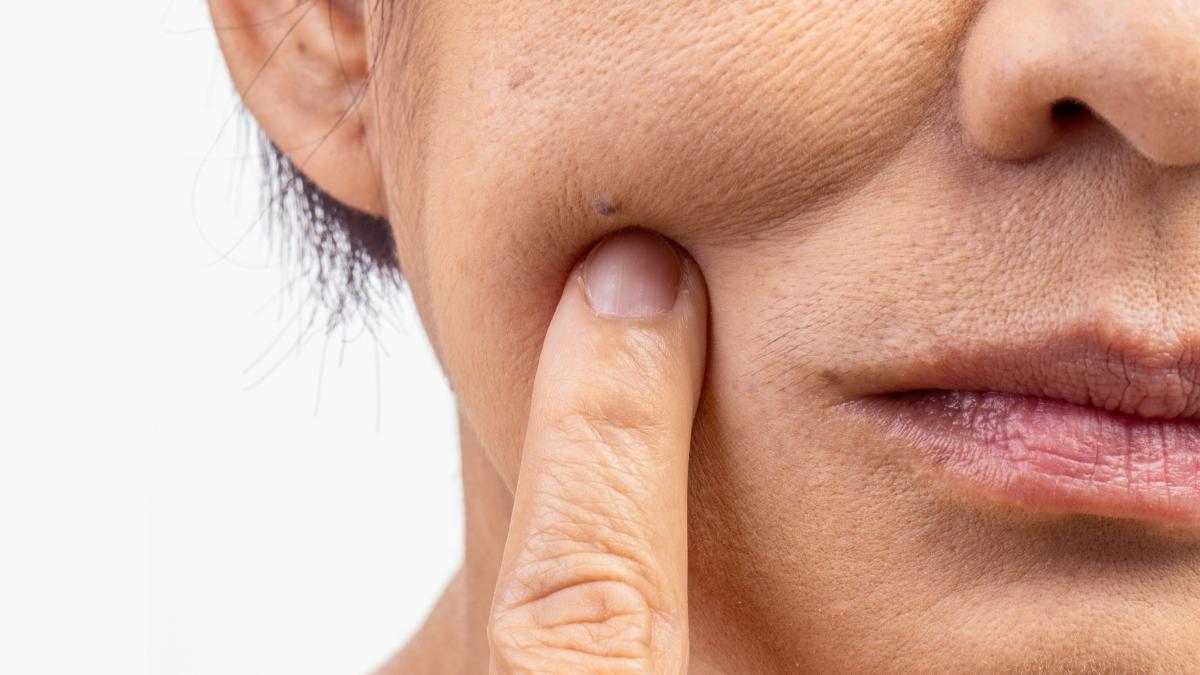
Habits that may be speeding up your skin ageing: 7 everyday mistakes to watch

Habits that may be speeding up your skin ageing: 7 everyday mistakes to watch

Ageing is an unavoidable part of life, but how quickly its signs appear on the skin can be influenced by more than just genetics. From spending time outdoors without adequate sun protection to smoking and repeatedly irritating the skin, certain everyday habits can contribute to premature ageing. 

The American Academy of Dermatology (AAD) notes that lifestyle and environmental factors can cause what dermatologists call “extrinsic ageing”, which happens alongside the natural ageing process. Wrinkles, dryness, loss of elasticity and changes in skin texture can become more noticeable when the skin is repeatedly exposed to damaging factors.

Here are some common habits that may be making the skin look older sooner than it otherwise would.

Skipping sunscreen

One of the biggest avoidable contributors to premature skin ageing is exposure to ultraviolet (UV) radiation. The Mayo Clinic says UV exposure can damage collagen and elastin, the connective tissues that help skin retain its strength and flexibility. Repeated exposure can therefore contribute to wrinkles and other visible changes.

The AAD recommends using a broad-spectrum, water-resistant sunscreen with SPF 30 or higher on exposed skin when outdoors. It also advises seeking shade and using protective clothing, hats and UV-protective sunglasses.

Trying to maintain a tan

A tan may be considered desirable by some, but deliberately tanning exposes the skin to UV radiation. According to the AAD, tanning, whether outdoors or through indoor tanning equipment, can accelerate premature skin ageing.

The organisation recommends opting for a self-tanner if someone wants a tanned appearance, while continuing to protect the skin from the sun.

Smoking

Smoking is another habit strongly associated with premature skin ageing. The AAD says smoking can speed up the ageing process and contribute to wrinkles and a dull, sallow complexion.

The Mayo Clinic also lists smoking among the factors that accelerate wrinkle formation. It explains that tobacco smoke can damage collagen and elastin, while also affecting blood vessels supplying the outer layers of the skin.

Eating too much sugar and refined carbohydrate

Diet can also play a role in skin health. The AAD points to research suggesting that a diet high in sugar and other refined carbohydrates may accelerate skin ageing, while a diet containing plenty of fresh fruits and vegetables may help reduce damage associated with premature ageing.

This does not mean that individual foods alone determine how quickly someone ages. Rather, the overall quality and balance of the diet may influence skin health over time.

Drinking too much alcohol

Frequent or excessive alcohol consumption may also work against healthy-looking skin. According to the AAD, alcohol can dehydrate the skin and, over time, cause damage that may contribute to an older appearance.

The Mayo Clinic Press similarly includes limiting alcohol among lifestyle measures that can support healthier-looking skin and help reduce factors associated with wrinkles.

Scrubbing or irritating the skin

More aggressive cleansing is not necessarily better cleansing. The AAD advises against vigorously scrubbing the skin because irritation itself can contribute to premature ageing.

Its dermatologists recommend gentle cleansing with a mild cleanser rather than harsh scrubbing. The AAD also cautions against continuing to use skincare products that cause persistent burning or stinging, as irritation can make the skin appear older.

The organisation recommends washing the face when waking, before bed and after heavy sweating, while using gentle movements rather than trying to scrub away every trace of oil or dirt.

Repeating the same facial expressions

Facial expressions are a normal part of everyday life, but repeatedly contracting the same muscles can contribute to lines over time. The AAD explains that repeated facial movements can eventually leave lines that become more permanent as the skin loses some of its ability to bounce back.

The Mayo Clinic makes a similar point, noting that repeated movements such as squinting, smiling and frowning can create grooves that become more visible as skin elasticity decreases with age.

This does not mean people should stop smiling or expressing themselves. Protecting the eyes from bright sunlight with sunglasses, for example, can help reduce frequent squinting.

Natural ageing cannot be stopped, and factors such as genetics remain important. But the AAD says lifestyle and environmental factors can influence how quickly premature signs appear.

Published: 14 Sept 2026, 11:34 am IST

ABOUT THE AUTHOR

Sia Viju is a journalist with over two years of experience covering entertainment and lifestyle. She specialises in Korean entertainment, Hollywood, Bollywood and Mollywood, alongside lifestyle topics including health, beauty, parenting and relationships.

.

More from this author

Get Latest Mathrubhumi Updates in English

Follow

Disclaimer: Kindly avoid objectionable, derogatory, unlawful and lewd comments, while responding to reports. Such comments are punishable under cyber laws. Please keep away from personal attacks. The opinions expressed here are the personal opinions of readers and not that of Mathrubhumi.

Tags: , , , , , ,
Can expensive products slow ageing? Dermatologist debunks 5 skincare myths

Can expensive products slow ageing? Dermatologist debunks 5 skincare myths

Anti-ageing skincare is surrounded by misconceptions, with everyone offering their two cents and skincare aisles overflowing with products. Amid all this noise, it is best to take a step back and look at skincare with renewed clarity instead of blindly following marketing hype.

Dr Rinky Kapoor, director and co-founder of The Esthetic Clinics, shared that ageing is a natural process, but social media narratives can sometimes complicate how we approach it.

She said, “From believing that an anti-ageing regimen should only be started after reaching a certain age to assuming that using more products will lead to better results, there are several misconceptions about skincare that may make routines ineffective or excessive.”

Therefore, following age-based rules or piling on multiple products may backfire. Instead, skincare should be simple, consistent, and tailored to the skin’s individual needs.

Here’s a set of myths that she debunked with relevant facts:

Myth 1: An anti-ageing skincare regimen should only be started after the age of 40

  • Skin ageing begins well before the appearance of visible wrinkles.
  • The skin produces collagen, which gradually decreases with age, while exposure to the sun and other environmental factors may accelerate the ageing process.

Myth 2: Wrinkles are the sole indication of ageing on the face

  • The ageing process is much broader than just the formation of wrinkles.
  • Changes in collagen and elastin levels, pigmentation, texture, elasticity, hydration, as well as facial volume and contours, can all affect how the face looks over time.
  • This is why an effective anti-ageing approach should focus on overall skin quality, rather than just wrinkles.

Myth 3: Expensive skincare products provide better anti-ageing results

  • Cost does not necessarily determine the efficacy of a product. What truly matters is its formulation, active ingredients, concentration and suitability for your skin type and concerns.
  • An effective skincare regimen using simple products with scientifically proven ingredients can be more beneficial than constantly experimenting with expensive formulations.

Myth 4: Multiple anti-ageing products are needed to achieve better results

  • This myth stems from the idea that using more products will lead to better results.
  • But applying too many ingredients, acids or exfoliators at once can cause irritation and compromise the skin barrier.
  • It is better to build a simple skincare routine and gradually introduce active ingredients into it.

Myth 5: Aesthetic procedures can replace good skincare and healthy lifestyle choices

  • Aesthetic treatments can target specific concerns; however, they cannot replace the basics of good skincare and a healthy lifestyle.
  • Using sunscreen, getting adequate rest, maintaining proper nutrition, exercising, managing stress and following a consistent skincare regimen are essential for healthy ageing.
  • Aesthetic treatments should be tailored to an individual’s physical characteristics, skin concerns and expectations.
Tags: , , , , , , ,
Makeup habits that could be ageing your skin

Makeup habits that could be ageing your skin

Picture: Getty Images/Peathegee Inc

Makeup can enhance your natural beauty, but certain everyday habits may be doing your skin more harm than good. While cosmetics themselves don’t necessarily cause premature ageing, poor application techniques, unhygienic tools and skipping skincare can contribute to fine lines, dullness and irritation.

Here are some common makeup mistakes to avoid for healthier, younger-looking skin.

Also see: Signs your body is ageing faster than it should

Wearing makeup to bed 

One of the biggest skincare mistakes is going to bed without removing your makeup. According to Everyday Health, nighttime is when your skin heals itself, and sleeping in makeup disrupts this process.

Foundation, sunscreen and pollution build up on the skin throughout the day, clogging pores and preventing your skin from repairing itself overnight. Double cleansing before bed helps keep your complexion fresh and healthy.

Using dirty brushes and sponges

Makeup brushes and beauty sponges collect oil, bacteria and dead skin cells. When they’re not cleaned regularly, they can trigger breakouts and skin irritation, leaving your complexion looking tired. Wash brushes weekly and replace sponges every few months.

Also see: Hand-care routine for ageing hands

Applying too much powder

Powder can control shine, but overusing it may settle into fine lines and make skin appear drier and older. Instead, apply a light dusting only where needed and choose finely milled formulas for a more natural finish.

Skipping moisturiser before makeup

Hydrated skin provides the best canvas for makeup. Applying foundation to dry skin can emphasise texture, flaky patches and wrinkles. Use a moisturiser suited to your skin type before applying primer or foundation.

According to Beauty Collective, moisturiser maintains skin hydration throughout the day and therefore assists in fighting premature fine lines and wrinkles too.

Keeping expired makeup

Old makeup products can harbour bacteria and lose their performance over time. Mascara should typically be replaced every three months, while other products have varying shelf lives. Check expiry symbols and discard anything with an unusual smell or texture.

Indeed, healthy skin starts with good habits. By combining proper skincare with smart makeup practices, you can enjoy flawless-looking makeup while helping your skin maintain a radiant, youthful appearance for years to come.

Also see: Prevention is better than cure – ways to address an ageing neck

Be the first to know – Join our WhatsApp channel for content worth tapping into. Click here to join!

Tags: , , ,
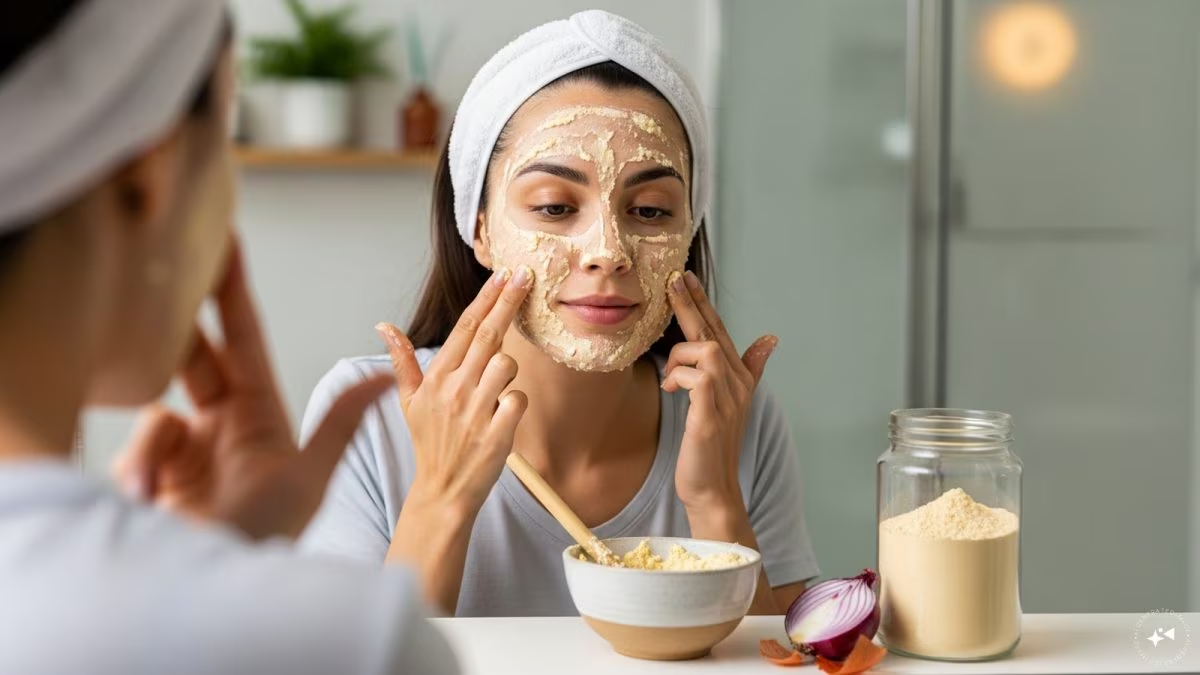
Real reason your face looks tired and surprise step to STOP you ageing faster to take now with simple 4-product approach

Real reason your face looks tired and surprise step to STOP you ageing faster to take now with simple 4-product approach

LOOKING in the mirror and feeling like your skin has suddenly aged overnight can be a real confidence knock.

But an Irish skincare expert has revealed how you can find out your skin age — and, even more importantly, how to slow down the ageing process.

A skin pro is helping Irish women find out their skin age and what they will look like in years to come

Sara explained changes that occur during peri-menopause and menopause

Sara O’Hagan has lifted the lid on what’s making our skin look tired and old — and, thankfully, reveals what really works to help tired faces look younger.

With 16 years’ experience in the world of skincare, Sara said most women tell her the same thing: “I just don’t feel like myself anymore.”

Sara told The Irish Sun: “I see so many women in their late 30s and 40s who suddenly feel like their skin has changed overnight.

“They look tired all the time, makeup sits differently, redness becomes more noticeable, and they feel like they’ve lost the glow they used to have.”

A large number of women claimed they feel like they aged overnight Credit: Getty Images – Getty

The skin expert urged everyone to start with a skin analysis

Many women experience increased redness, dryness, dullness, breakouts, while also constantly looking tired and feeling that makeup does not sit properly and constantly looking tired — even when they’re looking after themselves.

Sara said: “For many women, that feeling starts showing up in their skin before they even fully realise perimenopause could be part of it.

“Suddenly their skin becomes dry, dull or reactive. Rosacea flares up more. They’re breaking out again after years of clear skin.

“Makeup doesn’t sit properly anymore. And no matter how much sleep they get, they still feel like they look exhausted.

“A lot of women genuinely feel like they’ve aged overnight. And honestly, it can really knock their confidence. Because it’s not just about appearance.

“It’s that strange feeling of looking in the mirror and not fully recognising yourself anymore.

“I think many women are completely unprepared for how much hormonal changes can affect the skin.”

She said most women expect things like hot flushes or mood changes, but they don’t expect their skin to suddenly feel unfamiliar too.

Sara explained: “The truth is, skin naturally changes during perimenopause and menopause.

“Hormones affect hydration, collagen, oil production, inflammation and skin sensitivity.

“That’s why so many women suddenly notice redness, dullness, fine lines, dehydration or skin becoming much more reactive than before.

“And then begins the cycle so many women fall into — buying more products, trying every trend online, switching routines constantly, hoping the next cream will fix everything.

“But often, all that does is overwhelm already stressed skin even more.”

Cutting down on products and understanding options that benefit the skin is key.

She said: “What women usually need at this stage is actually the opposite. Less panic. Less pressure. Less noise. And more understanding of what their skin needs now.”

Products that contain retinol, vitamin C, hyaluronic acid or peptides should be the focus.

SPF is always needed, whatever the weather.

Sara added: “I always say to clients, ‘Your skin at 45 isn’t supposed to behave like your skin at 25.’

“That doesn’t mean your skin is ruined. It just means it needs different support.”

When it comes to rosacea, the skin condition affects roughly one in 10 people in Ireland.

The first signs of rosacea include redness or a burning, stinging feeling when using water or skincare products.

It can appear across the nose, cheeks, forehead and chin, and can come and go.

Sara said: “Rosacea is more common in Irish women than people realise and it’s not just ‘a bit of redness’.”

The award-winning skin clinician said rosacea is one of the most common — and misunderstood — concerns she sees.

She said: “A lot of them don’t even realise that’s what it is. They think they just have sensitive skin. Or that they blush easily. Or that their skin is always reacting to something.

“But underneath it, there’s often a lot more frustration than people realise. Because rosacea isn’t just a bit of redness.

“It’s the flare-ups before nights out. It’s makeup suddenly not sitting properly.

“It’s your face going bright red after a glass of wine, a hot room, stress, exercise or even just changing weather.”

In Ireland, there are plenty of factors adding to rosacea, including our skin types, weather, heating, temperature changes and lifestyle factors.

Sara continued: “A lot of women are constantly trying to calm their skin down but end up stuck in a cycle of trying random products that either do nothing or make things worse.”

The Dublin-based skin pro admitted that a lot of women in Ireland seem to be “quietly dealing with it on their own”.

Sara said: “One of the biggest misconceptions around rosacea is that you just have to put up with it. You don’t.

“The problem is, many women are treating the redness without properly understanding what’s triggering it or what their skin actually needs.

“Sometimes they’re over-exfoliating. Sometimes they’re stripping the skin barrier.

“Sometimes they’re using products that are far too harsh because they’ve been told online they need strong actives to get good skin.

“Meanwhile, their skin is inflamed, stressed and crying out for support.”

Sara discussed how women with rosacea also face an emotional battle.

She said: “I honestly don’t think it gets talked about enough.

“I’ve had women tell me they dread getting warm in public because they know their face will flare.

“Others avoid photos, nights out or going makeup-free because they feel constantly conscious of their skin.

“That can really chip away at someone’s confidence over time.”

However, rosacea can “absolutely be managed properly” when you understand your skin better.

Sara explained: “For most women, the biggest difference comes from simplifying things, calming inflammation, strengthening the skin barrier and having a proper plan instead of constantly guessing.

“And most importantly, understanding that your skin isn’t ‘bad’. It’s reactive. It’s stressed. It needs support, not punishment.”

She added: “You are not the only one dealing with it and your skin is not beyond help.”

Another issue Sara hears frequently is women who think they have sensitive skin — but that is often not the real problem.

Sara said: “One of the biggest things I hear from women in the clinic is: ‘My skin just reacts to everything.’

“I understand why so many women feel that way. They try a new product and their skin flares. Their cheeks go red after a glass of wine. Makeup suddenly doesn’t sit right anymore.

“Their skin feels dry one week, irritated the next, and nothing seems to calm it down properly.

“So naturally, they start believing they just have very sensitive skin. But a lot of the time, that’s not actually the real issue.

“What I see over and over again is women who are completely overwhelmed by skincare.

“They’ve spent years buying products based on trends, influencers, TikTok recommendations, or whatever someone online swears changed their skin overnight.

“One serum for glow, another for anti-ageing, something else for redness.

“Retinol because everyone says you should use it. Acids because someone said they help texture.

“Before they know it, they’re layering active products onto skin that’s already stressed and inflamed.”

The beauty pro explained this results in the skin reacting, and women assume their skin “can’t tolerate anything”.

Sara said: “The truth is, most women were never properly shown what their skin actually needs at this stage of life.”

Understanding your skin, fine lines and wrinkles, spots, pores, texture, porphyrins, UV spots, moisture and pigmentation is key.

A good place to start is getting a skin analysis that clinically measures the surface and subsurface of the skin.

Sara’s high-tech system at the Skin Glow Clinic will reveal everything from your skin’s age to how you will look in years to come.

It uses state-of-the-art digital imagery, using RGB visible light, PL polarised light and UV spectrum imaging technology, combined with AI and image analysis.

Sara explained: “You can reverse that skin age to a point. If you start doing the right treatments and using the right products, you can absolutely slow the process down.

“Now, we can’t stop the skin ageing — that’s part of life — but we can definitely make the skin look younger.”

Sara added: “A proper consultation, a simple routine and treatments tailored to the skin can make a much bigger difference than constantly chasing trends online.

“Women don’t need perfect skin. Most just want to feel comfortable and confident again when they look in the mirror.

“They want to head out the door without overthinking their face, stop feeling exhausted every time they catch themselves in photos, and feel a bit more like themselves again.

“And honestly, when they finally do, that’s the real transformation.”

Tags: , , , , , , , , , , ,
Morning skincare mistakes that are ageing your skin faster

Morning skincare mistakes that are ageing your skin faster

Small mistakes in your morning skincare routine can quietly accelerate signs of ageing. From over-cleansing and skipping sunscreen to misusing active ingredients and neglecting moisturiser, these common habits may damage your skin barrier and make fine lines more noticeable over time.

Published Date – 2 June 2026, 04:24 PM


Your morning skincare routine is meant to protect your skin and prepare it for the day ahead, but small daily mistakes can quietly speed up signs of ageing over time. Without realising it, habits such as over-cleansing, skipping sunscreen or layering the wrong products can weaken your skin barrier, reduce its natural glow and make fine lines more noticeable. The good news is that these are easy to fix once you know what to look out for.

Over-cleansing your skin in the morning

Many people assume that washing their face multiple times or using a strong cleanser in the morning will deliver better results. In reality, over-cleansing can strip away the natural oils that help keep the skin barrier healthy and protected. This can lead to dryness, irritation and faster visible ageing. For most skin types, a gentle cleanser or even a simple rinse with water is enough in the morning.

Skipping sunscreen protection

One of the biggest skincare mistakes is skipping sunscreen, especially during the morning rush. UV rays are present even on cloudy days and can reach the skin indoors through windows. Over time, sun exposure breaks down collagen and accelerates the appearance of fine lines, pigmentation and dullness. Applying sunscreen every day is one of the most effective ways to slow the ageing process.

Using too many active ingredients in the morning

Strong active ingredients such as retinol, exfoliating acids and potent serums are often misused in morning skincare routines. These ingredients can make the skin more sensitive to sunlight and irritation. Most dermatologists recommend reserving them for night-time use, when the skin naturally repairs and regenerates itself.

Not moisturising properly

Skipping moisturiser or applying too little can leave your skin dehydrated throughout the day. Dehydrated skin often appears dull and can make fine lines more noticeable. A lightweight and hydrating moisturiser helps maintain the skin’s moisture balance while keeping it smooth, healthy-looking and comfortable.

Tags: , , , , ,
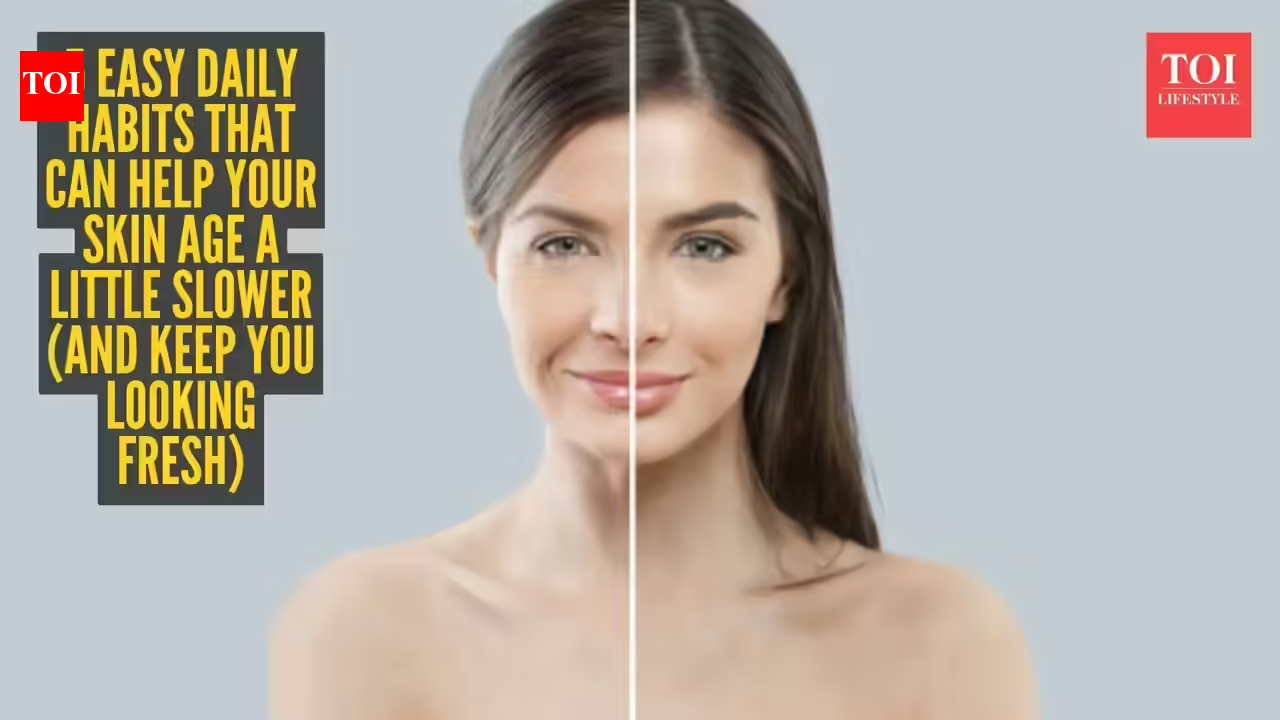
5 habits to incorporate in your daily routine if you want to slow skin ageing and look young

5 habits to incorporate in your daily routine if you want to slow skin ageing and look young

You can apply the best products in the world, but if your diet is all over the place, your skin will show it.

What you eat plays a huge role in how your skin looks and feels.

Try adding more:

Fresh fruits (berries, oranges, papaya)

Vegetables (spinach, carrots, broccoli)

Nuts and seeds

Healthy fats like walnuts or flaxseeds

These are packed with nutrients that help your skin stay healthy and deal with damage.

At the same time, try not to overdo sugar and junk food. Too much sugar can damage collagen over time, which leads to faster ageing.

You don’t have to eat perfectly – just be a bit more mindful on most days.

Tags: , , , , , , ,
Future-Proof Your Skin In Your 20s: Dermatologist Tips To Prevent Early Ageing | Beauty News

Future-Proof Your Skin In Your 20s: Dermatologist Tips To Prevent Early Ageing | Beauty News

Last Updated:January 29, 2026, 15:32 IST

Dr Sumit Sethi shares expert tips on preventing early skin ageing in your 20s with the right skincare routine, retinol use, hydration, sunscreen, and lifestyle habits.

A dermatologist-guided routine that supports hydration, barrier repair, targeted actives like retinol and hyaluronic acid, and daily sun protection builds long-term skin strength

Are you in your 20s and assuming skin ageing is a distant concern, something to address in your 30s or 40s? That assumption, unfortunately, isn’t accurate. Subtle signs of ageing can begin as early as the mid-20s. Fine lines around the eyes, uneven pigmentation, and lingering dullness often appear earlier than expected.

In India, these changes can be further accelerated by environmental and lifestyle factors such as pollution, harsh seasonal variation, late nights, stress, and prolonged screen exposure. Addressing early signs of ageing isn’t about chasing perfection, it’s about protecting the skin barrier and strengthening long-term skin health.

“As a dermatologist, I often tell patients that prevention must begin before damage becomes visible,” says Dr Sumit Sethi, Medical Director, DermaStation Skin Clinic, Janakpuri, Delhi. “Your 20s are not too early, they’re actually the ideal time to start.”

The Indian Skin Advantage and Its Challenges

According to the study Aging and the Indian Face: An Analytical Study of Aging in the Asian Indian Face, Indian skin can show earlier ageing changes compared to some other skin types due to a mix of internal and external factors, including pigmentation tendencies and collagen breakdown triggers.

“Most people think wrinkles are the first and only sign of ageing,” explains Dr Sethi. “But in Indian skin, early ageing often shows up first as uneven tone, hyperpigmentation, and textural dullness.”

Awareness remains limited, and many consumers either miss early warning signs or turn to unsuitable products. A proactive, individualised approach guided by dermatologist-recommended formulations can significantly delay visible ageing.

Building a Preventive Regimen in Your 20s

The most effective anti-ageing routines are consistent, minimal, and preventive rather than complicated. Start with essentials:

• a gentle cleanser that does not strip natural oils

• a lightweight moisturiser to maintain hydration

• daily sun protection

“These three steps form the backbone of long-term skin resilience,” says Dr Sethi. “Once the basics are in place, active ingredients can be introduced gradually and under expert guidance.”

Retinol: Small Steps, Big Benefits

Retinol remains one of the most researched and effective anti-ageing ingredients. It helps delay fine lines, refine texture, and support collagen production by increasing cell turnover.

“Retinol is powerful, but it must be introduced slowly,” advises Dr Sethi. “Begin with beginner-strength, dermatologist-recommended formulations and use them only a couple of times a week at first.”

Encapsulated retinol formulations often offer better tolerability and controlled absorption, making them more suitable for first-time users and sensitive Indian skin types.

Hyaluronic Acid: Keeping Skin Resilient

Hydration is one of the simplest ways to preserve a youthful appearance. Hyaluronic acid (HA), naturally present in the skin, attracts and retains moisture, helping skin look plumper and smoother.

“In your 20s, dehydration is a bigger ageing trigger than most people realise,” says Dr Sethi. “Air-conditioning, travel, and screen exposure all dry the skin. HA helps maintain water balance and barrier strength.”

Well-hydrated skin is not only healthier in appearance but also more resistant to early ageing triggers.

Sunscreen: The Non-Negotiable Step

If there is one product dermatologists universally insist on, it is sunscreen. UV radiation accelerates pigmentation, breaks down collagen, and remains the leading cause of premature skin ageing.

“Daily sunscreen is non-negotiable regardless of weather or whether you are indoors,” emphasises Dr Sethi. “Choose a broad-spectrum SPF 50 formula, ideally with protection against high-energy visible (HEV) light from screens, which is especially relevant for urban Indian lifestyles.”

Consistent application matters more than occasional heavy use.

Lifestyle Choices That Influence Skin Ageing

Skincare products form the external defence but lifestyle determines long-term outcomes.

“Topicals help, but internal health shows on the skin,” notes Dr Sethi.

A diet rich in antioxidants, fruits, leafy greens, nuts supports repair from within. Exercise improves circulation and nutrient delivery. Adequate sleep enables overnight cellular regeneration. On the other hand, smoking, excessive alcohol, and chronic stress accelerate visible ageing and can undermine even the best skincare routine.

What This Means for Your Skin

Your 20s should focus on prevention not chasing miracle anti-ageing fixes. A dermatologist-guided routine that supports hydration, barrier repair, targeted actives like retinol and hyaluronic acid, and daily sun protection builds long-term skin strength.

“Ageing is natural,” says Dr Sethi. “But premature ageing is often preventable. Start early, stay consistent, and your future skin will show the difference.”

Combine smart skincare with healthy living habits, and the benefits will extend well beyond your 20s lasting for decades.

Handpicked stories, in your inbox

A newsletter with the best of our journalism

submit

First Published:

January 29, 2026, 15:32 IST

News lifestyle beauty Future-Proof Your Skin In Your 20s: Dermatologist Tips To Prevent Early AgeingDisclaimer: Comments reflect users’ views, not News18’s. Please keep discussions respectful and constructive. Abusive, defamatory, or illegal comments will be removed. News18 may disable any comment at its discretion. By posting, you agree to our Terms of Use and Privacy Policy.

Tags: , , , , , , , , ,

Preventative approach to ageing and more – 2026 skincare trend forecast

There have been numerous changes in the skincare industry, both locally and globally.

The year 2025 has taught us a lot when it comes to beauty. We’ve toned down on excessive filler and have embraced Botox. Our aesthetics procedures have become less invasive and we continue to seek minimal downtime and unnessesary discomfort.

Now, as the skincare shifts toward science-led personalisation, Dr Danielle Gounder, co-founder of Skin-Recode in Cape Town, shares her expert insights on what’s ahead for 2026.

A year for deeper, smarter and more connected

“[The year] 2026 builds firmly on these foundations – where skincare intersects with metabolic health, neurocosmetics and zero-waste ethics,” Dr Danielle predicts. “Intelligent simplicity and emotional wellbeing will anchor innovation.”

READ MORE | AI skincare and more – 6 beauty trends that dominated 2025

Artificial Intelligence (AI) and neurocosmetics: where skin meets mind

The doctor says, “AI evolves into holistic advisory – analysing stress, sleep and gut health to curate complete wellbeing solutions. Multi-sensory mists and neuro-responsive formulas transform routines into micro-moments of calm, while actively reducing inflammation and breakouts.”

Pre-ageing and longevity: prevention elevated

She says, “‘Prejuvenation’ becomes universal as biotech-derived skincare – including upcycled peptides – strengthens collagen earlier to delay signs of ageing,” she says.

“Sustainability gains via lab-grown over farm-harvested actives, cutting waste without compromising efficacy. Acne care shifts from stripping to preserving the microbiome.”

The rise of full-body rituals

Skincare and wellness will be about a holistic approach.

Dr Danielle says, “Body care ‘faceifies’ even further with ingestibles, advanced actives and smart tools. Hair removal gains in precision and inclusivity. Men’s grooming evolves into full, normalised routines.”

Non-surgical body contouring soar

Skincare and wellness clients are increasingly ditching invasive aesthetic procedures where possible.

As lymphatic therapist trainer Micaela Rios-O’Leary says about people trying the praised T-Shape contouring procedure, it’s for “healthy individuals seeking non-invasive solutions for body contouring and skin tightening, particularly those dealing with cellulite or stubborn fat”.

When it comes to non-surgical body contouring procedures, in 2026, Dr Danielle says, “Hybrid devices will merge fat-melting and skin-tightening for even quicker, more seamless results – perfect for a post-surgery-averse generation seeking refined silhouettes on their lunch breaks.”

Newsletter

TrueLove Style Essentials

Fashion and beauty stories, trends and styling tips.

Sign up

Tags: , , , , ,
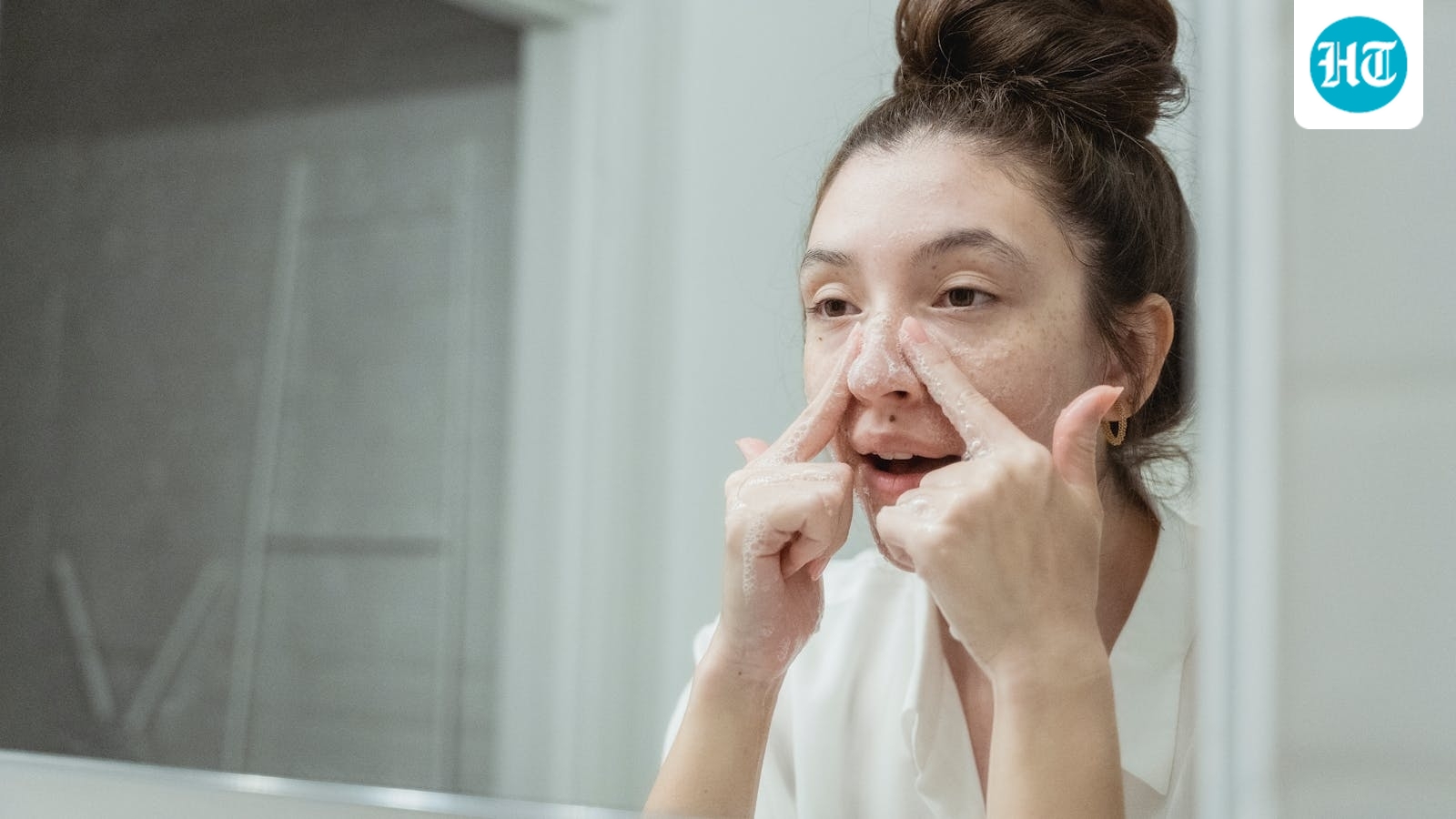
Winter skincare alert: 8 morning habits that may be drying out your skin and causing premature ageing

Winter skincare alert: 8 morning habits that may be drying out your skin and causing premature ageing

Winter brings a welcome chill. But for your skin, it can be a season of silent damage. The drop in temperature and humidity disrupts the skin barrier, making it more prone to dryness, sensitivity, and premature ageing. However, what many people don’t realise is that some everyday morning habits may be exacerbating these issues, often without any obvious signs until the damage has accumulated.

If you have been making these morning skincare mistakes, time to wake up(Pexels)

How to prevent dry skin in winter

Dermatologist Dr Bindu Sthalekar, founder of Skin Smart Solutions, and Dr Shweta Tripathi, dermatologist, aesthetic injector, and founder of My Skindom, tell HT ShopNow that several common morning skincare habits may be drying out your skin and contributing to premature ageing.

But these can be prevented by avoiding some unhealthy skincare habits in winter.

1. Washing your face with hot water

A steaming-hot splash may feel comforting, but heat strips away essential lipids and ceramides from the skin barrier. “Hot water accelerates transepidermal water loss, leaving skin dry, rough, and vulnerable to fine lines”, says Dr Tripathi. Hot water also strips the skin’s natural moisture barrier and triggers inflammation, which speeds up collagen loss, explains Dr Sthalekar. Both dermatologists recommend switching to lukewarm water that cleans effectively without disrupting the skin’s natural moisture balance.

2. Starting the day without a moisturiser

Skipping moisturiser is a big no. Dr Tripathi explains why:“Overnight, the skin loses moisture and needs replenishment. Opt for barrier-supporting ingredients like ceramides, hyaluronic acid, niacinamide, and peptides, especially in winter.” She also recommends applying a moisturiser within 60 seconds of cleansing to trap moisture effectively. Dr Sthalekar says, “Choose a cream over a gel if you live in a dry environment or spend most of your time in heated spaces”.

3. Applying vitamin C without moisture or SPF

“Vitamin C serums are more potent in 2025 formulations, but they can be drying or irritating when applied to freshly cleansed skin, and can increase photosensitivity and irritation when applied without a sunscreen”, says Dr Tripathi. She also recommends applying a hydrating serum before vitamin C with broad-spectrum SPF 30+.

4. Using harsh or foaming cleansers

Using high-foam, sulphate-based cleansers may leave your skin squeaky clean, but that tightness is a sign of barrier damage. “Over time, this leads to irritation, dullness, and accelerated ageing, so replace them with a gentle, pH-balanced cleanser that cleans without stripping, ”Dr Sthalekar suggests.

5. Overusing caffeinated drinks before hydrating

“Morning coffee culture is huge, especially high-caffeine cold brews. But drinking caffeine before water can leave your skin dehydrated and looking dull throughout the day,” Dr Tripathi, tells HT ShopNow. Instead, she recommends drinking at least one glass of water before your morning caffeine.

6. Forgetting sunscreen just because it’s cold

Ultraviolet rays don’t hibernate for winter. In fact, UVA, the wavelength responsible for DNA damage and ageing, remains constant year-round. Pair sunscreen with antioxidants for enhanced protection, especially in polluted urban environments.

7. Applying active ingredients to dry skin

Try to reduce using retinoids, acids, and exfoliating serums as they can become harsher on your skin in winter, suggests Dr Sthalekar. Applying them on dry, dehydrated skin amplifies irritation, and sometimes micro-inflammation is a major driver of premature ageing. The best way to include these serums and acids is to layer them strategically.

“If irritation persists, apply every alternate night or use short-contact therapy. This ensures results without compromising the skin barrier”, she asserts.

8. Relying on SPF in makeup instead of actual sunscreen

“Tinted moisturisers and foundations now boast higher SPF levels, but they still don’t provide enough coverage on their own,” Dr Tripathi says. Inadequate sun protection remains the number 1 cause of premature skin ageing. So, she recommends always applying a dedicated sunscreen every morning.

Dr Sthalekar says winter skincare isn’t about adding more steps, it’s about choosing the right ones and doing them mindfully. Small morning changes can preserve skin elasticity, prevent premature ageing, and support a stronger, healthier skin barrier through the season.

(Note to readers: This article is for informational purposes only and not a substitute for professional medical advice. Always seek the advice of your doctor with any questions about a medical condition.)

Similar articles for you

Spilling the tea on Nat Habit: Tikta Ubtan Face Wash and All-Day Malai Moisturiser, My honest review

Skincare tips for grooms to be: Pre-wedding tips to match your bride’s glow on your big day

Budget alternative of Dyson Airwrap: Check out these 7 options that won’t cost you much

Disclaimer: At Hindustan Times, we help you stay up-to-date with the latest trends and products. Hindustan Times has an affiliate partnership, so we may get a part of the revenue when you make a purchase. We shall not be liable for any claim under applicable laws, including but not limited to the Consumer Protection Act, 2019, with respect to the products. The products listed in this article are in no particular order of priority.

Tags: , , , , , , , , ,
How Millennials Are Redefining Ageing Gracefully

How Millennials Are Redefining Ageing Gracefully

Dr. Ashok B C. HOD – Department of Plastic Reconstructive and Aesthetic surgery & Chief of Medical Services Aster Whitefield Hospital

Millennials and Gen Z are increasingly choosing treatments such as Botox, fillers, chemical peels, and laser toning not to drastically alter their appearance, but to preserve it.

In the age of hyper-visibility and social media filters, beauty goals are evolving from correction to prevention. Increasingly, millennials and Gen Z are embracing ‘preventive aesthetics’ – a proactive approach to skincare that uses subtle, science-backed treatments to delay visible signs of ageing. Rather than waiting for wrinkles to set in, this new generation is focusing on maintenance: protecting collagen, improving texture, and enhancing glow before damage becomes irreversible.

From Botox and dermal fillers to laser toning and microneedling, the idea is not to change one’s appearance but to preserve it.

The New Era Of Preventive Beauty
“Preventive aesthetics means using subtle, early interventions to delay visible aging. Earlier, people in their 40s or 50s sought corrective treatments. Now, even those in their late 20s or 30s are choosing options like botox, fillers, chemical peels, or laser toning to maintain skin quality and prevent deeper wrinkles or pigmentation,” explains Dr. Amey Pednekar, Consultant – Plastic Surgeon, Manipal Hospital, Goa.

When done responsibly and under medical supervision, these treatments can indeed support skin health. “Medical-grade skincare, sunscreen, and minimally invasive procedures form the foundation of safe, effective preventive care. They help maintain natural beauty in its original form for as long as possible,” adds Dr. Pednekar.

Where Prevention Crosses Into Excess
But as the demand grows, experts warn of an emerging downside – the overuse of injectables and energy-based treatments by unqualified providers. “Excessive fillers or unscientific combinations of devices can lead to unnatural results or even permanent complications. This is where a deep understanding of anatomy and physiology becomes invaluable,” cautions Dr. Pednekar.

Dr. Ashok B. C., HOD – Department of Plastic, Reconstructive and Aesthetic Surgery, Aster Whitefield Hospital, Bengaluru, echoes the sentiment. “Preventive aesthetics, when done properly, can reduce side effects and delay the need for invasive procedures. But it must be handled with medical precision. We’re intervening even before signs of aging appear, so any misstep can trigger issues like infection, allergic reactions, or even scarring,” he says.

Knowing The Red Flags
Both experts emphasise that preventive aesthetics isn’t one-size-fits-all. Dr. Ashok stresses the need for self-awareness and psychological screening before beginning any cosmetic treatment. “Body dysmorphic disorder is real. Some individuals seek aesthetic procedures to fix emotional or confidence issues rather than physical concerns. These are red flags that professionals must identify,” he says.

Certain groups – such as those who are pregnant, breastfeeding, or have active skin infections or keloid-prone skin – should also avoid elective aesthetic procedures. “A qualified, experienced aesthetic doctor will always take a detailed medical history and guide patients accordingly,” he adds.

Ultimately, preventive aesthetics isn’t about chasing trends. It’s about balance. The goal, as experts agree, is to age gracefully, not fearfully. When approached with moderation, medical guidance, and a commitment to overall wellness, early aesthetic interventions can support skin longevity without compromising authenticity.

Because the most enduring kind of beauty isn’t just preserved. It’s cared for, consciously and confidently.

By Dr. Ashok B C
HOD – Department of Plastic Reconstructive and Aesthetic surgery & Chief of Medical Services Aster Whitefield Hospital

Tags: , , ,
Best oLive
Privacy Overview

This website uses cookies so that we can provide you with the best user experience possible. Cookie information is stored in your browser and performs functions such as recognising you when you return to our website and helping our team to understand which sections of the website you find most interesting and useful.