


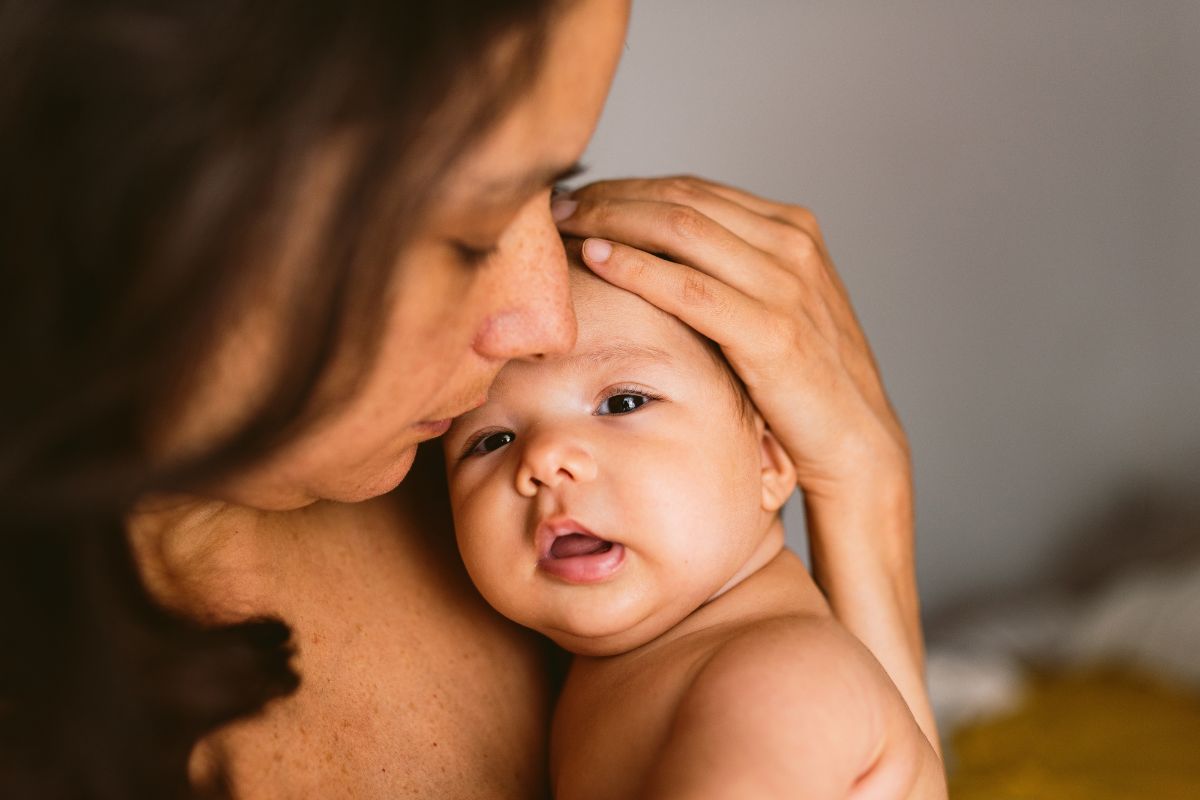
With so many different lotions and potions on the shelves, it’s
hard to know what you do and don’t need for your baby. But when it
comes to skincare, less is definitely more, says health visitor
Tracey Stone.
‘Babies’ skin is very different to adult skin. It’s much
thinner, and more delicate. It’s also still learning how to protect
itself during the first few months of your little one’s life,’ she
explains.
A newborn’s skin in particular is very thin and easily damaged.
For at least the first month, as their skin develops its natural
protective barrier, you should bathe your baby using only plain
water and avoid using products on their skin. This includes
moisturisers, medicated wipes and skin cleansers.
As your baby’s skin develops and matures, their skincare routine
can change and you may want to introduce some gentle
products.
Here are six simple habits that can help keep your baby’s skin
soft and healthy.
1. Choose skincare products designed specifically for
babies
Whether it’s bath washes or nappy creams, if you choose to use
products, it’s best to opt for gentle choices designed specifically
for babies. ‘These are less likely to irritate your baby’s delicate
skin and can help protect their natural skin barrier,’ says
Tracey.
AVEENO® Baby products are specially formulated for babies. They
can help nourish and protect their sensitive skin and are
paediatrician and dermatologist tested.
2. Avoid heavily scented bubble baths
© Shutterstock
It may surprise some parents to hear that babies don’t need a
bath every day. ‘Normally two to three times a week is enough,’
says Tracey. On days you’re skipping the bath, simply wash your
baby’s face, hands, neck and nappy area.
If you and your baby enjoy bath time, though, there’s no harm in
bathing them more often. Just ensure you:
- Use warm water, not
hot - Use plain water or a
liquid cleanser that’s suitable for babies - Avoid heavily scented
bubble baths and lotions as they can cause irritation
If you choose to use bath products, AVEENO®
Baby Daily Care Gentle Bath & Wash is suitable from the first
few weeks of your baby’s life.
Formulated with Colloidal Oatmeal, it gently cleanses skin,
leaving it feeling moisturised. Containing aloe and chamomile, it’s
pH-balanced to avoid disrupting your baby’s skin pH levels.
For very dry skin, AVEENO
Baby Dermexa™ Moisturising Wash is specially formulated for
babies prone to irritation, itchiness and eczema.
© Aveeno
3. Moisturise dry skin if needed
‘If your baby has dry or sensitive skin, applying a gentle,
fragrance-free moisturiser after a bath can help keep their skin
soft and hydrated,’ says Tracey.
However, she notes that not all babies need moisturiser every
day. Instead she says it’s best to use it when your baby’s skin
looks dry or feels like it needs some extra hydration.
The type of moisturiser you use can also depend on your baby’s
skin type.
Normal to dry skin
AVEENO®
Baby Daily Care Moisturising Lotion is nourishing and
non-greasy. It’s clinically proven to moisturise and protect for 24
hours.
Very dry and itchy skin
AVEENO Baby Dermexa™ Emollient Cream is designed for babies
prone to regular irritation, itchiness or eczema. Immediately
soothing and moisturising, it’s enriched with ceramides to help
strengthen the skin barrier function.
© Aveeno
4. Change nappies as soon as possible
Nappy rash is common in babies and can cause dryness and red or
sore spots. To help prevent and treat it:
- Change wet or dirty
nappies promptly to reduce irritation - Keep the skin in the
nappy area clean and dry - Leave your baby’s
nappy off when possible - Clean skin with water
or fragrance- and alcohol-free baby wipes
You may also want to use a barrier cream like AVEENO® Baby
Daily Care Nappy Cream. Suitable for sensitive and delicate
skin, as well as babies who may be prone to eczema, it soothes and
provides immediate comfort.
Clinically proven to protect against causes of nappy rash, the
formula contains oat extract and zinc oxide, which is known to
create a breathable barrier to protect the skin.
If you’re worried about your baby’s nappy rash, speak to a
healthcare professional.
© Aveeno
5. Keep babies out of the sun
Babies under six months should be kept out of direct sunlight to
protect their delicate skin.
You should avoid using sunscreen on babies younger than six
months. Instead, keep your baby in the shade by attaching a
parasol or sunshade to their buggy or pram when you’re out and
about. Avoid placing a blanket over their buggy though, as this can
cause them to overheat.
If possible, avoid the hottest part of the day, between 11am and
3pm, when the sun is at its strongest.
6. Don’t be afraid to ask for
advice
Your baby’s skin will naturally change and develop during their
first year, so occasional dryness or rashes can happen. They’re
often completely normal, but if you’re worried, or your baby’s skin
seems painful, infected or isn’t improving, speak to your GP,
health visitor or pharmacist. They can help you find the most
appropriate treatment and give you peace of mind.


