Skincare: Are we 'masking' the real issue behind skincare for kids?

Skincare: Are we ‘masking’ the real issue behind skincare for kids?

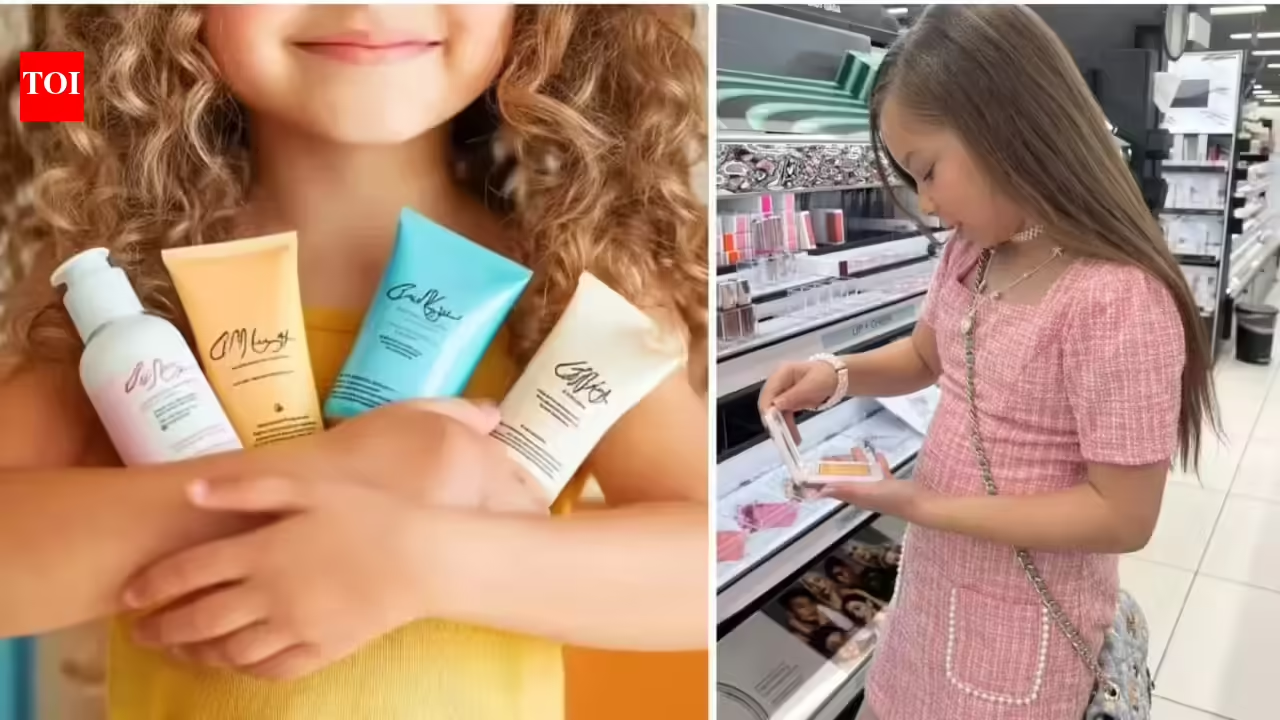
Hollywood star Shay Mitchell’s toddler skincare line sparked backlash, igniting a debate on whether young children need beauty products. Dermatologists and mothers are divided, with many experts emphasising that toddlers’ naturally soft skin requires minimal intervention, prioritising hygiene and natural remedies over cosmetic routines. In hopes of including toddlers and fuelling their curiosity, Hollywood star Shay Mitchell launched her skincare brand targeted to kids, nay toddlers. It drew instant backlash for being tone deaf and sparked a debate. Launching panda-face sheet masks, she wrote on Instagram, “Kids are naturally curious and instead of ignoring that, we can embrace it. With safe, gentle products parents can trust, and sweet moments that bring us closer.” She responded to the backlash saying that it isn’t about beauty at all. “I think this is coming down to it not being a beauty thing,” she said. “Kids don’t look at masks and think about fixing, they think about it being a cooling sensation and a shared moment.”The intention is to educate kids about self-care while the underlying issue gets “masked” (pun intended). In our latest #TalkingPoint, we ask mothers and dermatologists, do toddlers even need skincare? Is this peer pressure? Are we forgetting the sensitive skin of toddlers? Is skincare for toddlers the next big thing in beauty? Mothers are divided – a healthy habit or forced beauty standards.

Social media is filled with children and teenagers using active ingredient skincare and makeup

Child’s skin is naturally soft: dermatsDr. Navjot Arora, dermatologist says, “Toddlers do not need skincare in the cosmetic or beauty sense. At this age, a child’s skin is naturally soft and well-hydrated. Their skin is also far more sensitive and permeable than an adult’s, which means unnecessary products can actually cause irritation, allergies, rashes, or long-term sensitivity. Introducing beauty-oriented products such as face masks, scrubs, or sheet masks is neither medically needed nor developmentally appropriate.”“Toddlers have naturally soft, healthy skin. Their skin barrier is new, strong, and doesn’t need extra products like facemasks, serums, toners, or treatments. Healthy food, sleep, and play are the best “skincare” at this age. Toddlers don’t need skincare routines. Their skin is already perfect,” Dr. Geeta Grewal, cosmetologist, adds. ‘Early exposure to beauty standards creates pressure’“These products may unintentionally send a message that appearance needs “enhancement,” even before a child understands what beauty standards are. Early exposure to such practices can create pressure, fuel comparisons, and shift a child’s focus toward looks instead of play, creativity, or learning. When beauty becomes a performance for social media or branding, kids are pulled into a culture they are too young to navigate,” Dr. Arora adds.

Gen Alpha follows trends instead of trusty skincare, and grabs viral products

‘Dadi maa ke gharelu nuskhe are best for small kids’Social media influence is the prime suspect for skincare for toddlers becoming a point of debate. Zaib Khurram Habib, a mother of three, shares, “There is a lot of peer pressure among kids about looks and it is largely due to social media where physical appearance is considered to be of primary importance. The manufacturers are riding on this craze and targeting kids through advertisements on the platforms kids are exposed to.” She adds that the OG ‘dadi maa ke gharelu nuskhe’ are the best for small children and toddlers. Gen Alpha follows trends instead of trusty skincare, and grabs viral products. Social media influencers’ increasing purchasing power makes them more independent than ever. According to Mintel, it is projected to reach an astounding $5.5 trillion by 2029—and that’s hard to ignore. ‘Kids are now vanity-conscious and possessive about their products’Millennial mothers note a stark generation gap with their Gen Alpha kids. Hamna Kamal, a teacher and mother of two, shares, “There is definitely a shift in the obsession rate of children about their skin. I see the way my 11-year-old daughter interacts with her friends, these kids are very self-conscious. Am I looking good? Is my skin looking dry? Is my scalp dry? When I was at this age, I did not have an idea of dry scalp or skin! But my daughter is very particular, the cream that she uses should not be used by anybody else. But she is so possessive about it that no one else should use it.”‘I don’t let people touch my toddler, skincare toh door ki baat hai’Mothers caution their toddlers not just from strangers, but strange hands too. Immunity and germ concerns have been heightened post-pandemic. Mohaddesa Zaidi, mother of a toddler, says, “I wouldn’t even want people touching my child’s face without washing their hands, skincare toh door ki baat hai. Their skin is delicate, and hygiene matters way more than any so-called “routine.” Kids need care, not beauty pressure. They should be learning confidence and comfort in their own skin, not thinking something needs to be “fixed.” I don’t think any child needs them.” She believes toddlers should be playing, exploring, and enjoying childhood, not following beauty routines.

On the flip side are mothers who believe skincare routines can teach kids about discipline and self-care early on (Pic: iStock)

‘It’s about healthy habits from the start’On the flip side are mothers who believe skincare routines can teach kids about discipline and self-care early on. “For me, skincare for kids (and for adults) should be less about ‘beauty’ and more about self-care. I have a 4-month old, but as he grows, that’s how I would like him to think about skincare as well – building healthy habits around it and making it more about care than appearance,” shares Soumya Luthra, a stay-at-home mom. ‘Products are fine, but shouldn’t follow trends blindly’Echoing the sentiment, Isha Jaiswal, an accountant and content creator says, “If a gentle product helps with dryness or sensitivity, it’s fine. But people shouldn’t follow trends blindly. As a new mother, I feel toddler skincare should always focus on health and safety, not beauty or perfection.”For Vandana Paswan, it may not be that bad. “Skincare, if presented to children as self care with its benefits, will carry the necessary message and not be deemed as an obsession. A skin care routine does give a sense of responsibility to the kids. It also gives them a sense of control which they love. As they grow they also become more independent in the long-run.”Big expectations for little mindsA teenager’s mom and psychologist Jyoti Sharma thinks it’s all too much too soon. “I don’t think even teenagers need skincare products beyond a face wash and mild moisturiser. Toddlers using skincare is a big no for me. Chote bachhon ki skin already bohot achi hoti hai. 11 saal tak they have baby skin. They need minimum products and it’s ideal if they’re household products like coconut oil and olive oil.”“Parents and caregivers should prioritize skin health over beauty trends. Stick to dermatologist-approved basics—gentle cleansers, adequate hydration, sun protection for outdoor exposure, and avoiding any unnecessary cosmetic products. Preserve the innocence of childhood by keeping beauty pressures at bay,” Dr. Arora says.Inputs by Riya Sharma
Tags: , , , ,
“Menstrual masking,” a viral trend where people apply period blood to their face for skincare. (Photo: X, Canva)

What Is ‘Menstrual Masking’? Internet Horrified, Dermatologists Debunk The Period-Blood Skincare Trend: WATCH

226

A new, and rather unsettling, beauty trend has gone viral on TikTok and Instagram called “menstrual masking.” It has left many people in shock and disgust. Menstrual masking involves the application of period blood directly onto your face in pursuit of glowing and youthful skin. Influencers tout this trend and claim that menstrual fluid is rich in stem cells, growth factors, and nutrients that will help cure acne, improve elasticity, and boost collagen. But dermatologists say the trend is neither natural nor safe-and has no scientific backing.

What Exactly Is Menstrual Masking?

Menstrual masking means smearing menstrual fluid onto skin as a face mask, often DIY; creators smear blood on their skin and describe the ritual as ancestral, organic beauty. Proponents most often refer to studies indicating that stem cells derived from menstrual blood are capable of regenerating tissue in the controlled environment of the laboratory.

You Might Be Interested In

Research published in the journal Federation of American Societies for Experimental Biology found that processed menstrual plasma significantly accelerated wound healing in laboratory experiments. But these results derive from purified, sterile and medically handled samples, not raw menstrual blood collected at home.

Why the Trend Has Shocked Social Media

The videos, featuring users smearing bright red blood on their faces, have gone viral with thousands of comments ranging from disbelief to disgust. Many wondered why influencers were turning bodily fluids into skincare hacks, while creators framed the trend as natural, chemical-free, and empowering. The shock factor only added to its rapid spread across platforms.

Why Dermatologists Are Warning Against It

Dermatologists strongly caution against menstrual masking, emphasizing that menstrual blood is not sterile. The fluid contains a combination of blood, endometrial tissue, cervical mucus and bacteria from the vagina and outer skin. Researchers interviewed in The Conversation say that menstrual blood may contain microorganisms like Staphylococcus, Streptococcus and E. coli all of which could cause infections if applied to the face.

Dermatologists are warning that using menstrual blood on the skin could result in infections, rashes, acne flare-ups, irritation, and disruptions to the skin’s natural pH. They say there is absolutely no clinical evidence that menstrual blood can improve collagen production, mend acne or improve skin texture. And, though menstrual fluid does contain stem cells, those particular cells are unable to penetrate the skin or function without advanced laboratory processing.

Safer Alternatives Backed by Dermatology

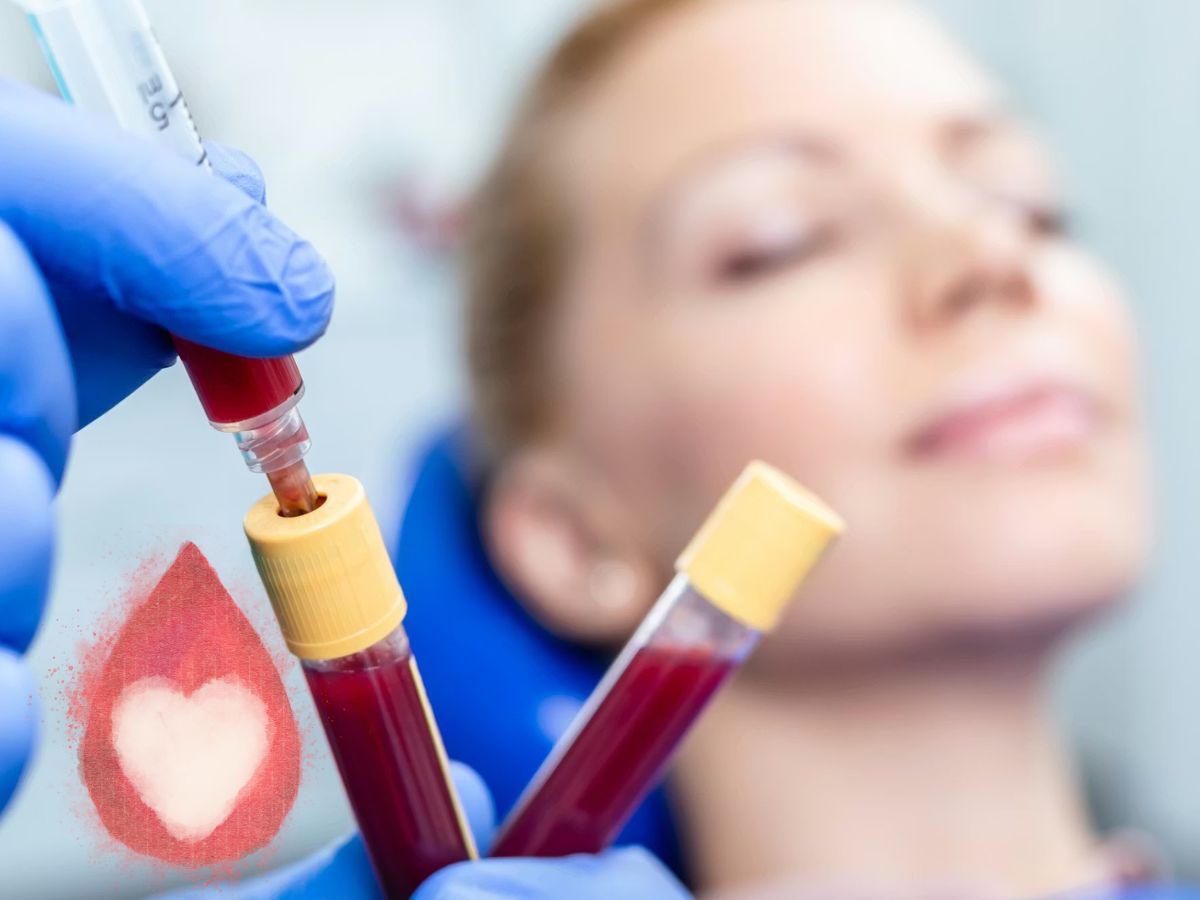
According to experts, it’s best to stick with science-backed treatments for anti-aging or skin-repair benefits, rather than using DIY menstrual facials. Dermatologists recommend retinoids to encourage cell turnover, vitamin C to brighten and boost collagen, niacinamide to reduce inflammation, and peptide serums to repair. Even PRP or “vampire facials” performed by professionals and in sterile clinical settings are a safer alternative for people who are attracted to plasma-based treatments.

Why This Trend Still Emerged

Yes, despite the risks, menstrual masking has gained traction due in part to a growing push for “natural” beauty solutions, efforts to challenge stigma around periods, and the internet’s appetite for shock-value content. Some creators are framing it as a statement of body acceptance; others pitch it as a chemical-free alternative to store-bought skincare.

Menstrual masking has been trending, but it’s not safe for your skin. Period blood isn’t the same as a skincare product—it contains bacteria and waste products your body is trying to get rid of. Putting it on your face can actually increase your risk of irritation, infection, pic.twitter.com/VIMArO0BHb

— Dr. Chad (@Dr_Chad_MD) September 16, 2025

Menstrual masking might be going viral on the internet, but dermatologists agree unanimously that it is unsafe, unhygienic, and ineffective. The so-called natural skincare cure has no scientific evidence behind it and carries a lot of health risks. As the viral videos continue to circulate, experts urge viewers to approach the trend with caution and rely on tested, medically approved skincare solutions instead.

ALSO READ: Saraswati Copy? Miss Bangladesh Tangia Methila Faces Backlash Over Miss Universe 2025 National Costume Claiming Mughal Heritage

First published on: Nov 22, 2025 7:26 PM IST

——————————————–

————————————————–

.newsx-publish-date { margin-bottom: 15px; font-size: 14px; color: #333; }

.newsx-editorial-separator, .newsx-content-separator { margin: 15px 0; color: #666; font-size: 12px; }

.newsx-editorial-policy { margin-bottom: 15px; }

.newsx-editorial-policy a { color: #d32f2f; text-decoration: none; font-weight: bold; }

.newsx-editorial-policy a:hover { text-decoration: underline; }

.newsx-stay-informed { margin-bottom: 20px; font-style: italic; color: #555; }

.newsx-stay-informed a { color: #1976d2; text-decoration: none; transition: color 0.3s ease; }

.newsx-stay-informed a:hover { color: #d32f2f; text-decoration: underline; } ]]>

Sofia Babu Chacko is a journalist with over five years of experience covering Indian politics, crime, human rights, gender issues, and stories about marginalized communities. She believes that every voice matters, and journalism has a vital role to play in amplifying those voices. Sofia is committed to creating impact and shedding light on stories that truly matter. Beyond her work in the newsroom, she is also a music enthusiast who enjoys singing.

Tags: , , , , , , , , ,
What is menstrual masking? The potentially risky new beauty trend

What is menstrual masking? The potentially risky new beauty trend

Sign up to our free Living Well email for advice on living a happier, healthier and longer life

Live your life healthier and happier with our free weekly Living Well newsletter

Live your life healthier and happier with our free weekly Living Well newsletter

In the ever-evolving world of beauty trends, few have sparked as much debate – and discomfort – as “menstrual masking”. This is the practice of applying menstrual blood to the skin, usually the face, as a form of DIY skincare.

Popularised on social media, hashtags such as #periodfacemask have amassed billions of views. In most videos, users apply menstrual blood for a few minutes before rinsing it off. There’s no clear agreement on how much blood to use or how long to leave it on. Some call the practice healing or empowering, describing it as a spiritual ritual that connects them to their bodies and ancestral femininity. But what does the science say?

Advocates of menstrual masking often argue that period blood contains stem cells, cytokines and proteins that could rejuvenate the skin. There is currently no clinical evidence to support using menstrual blood as a topical skincare treatment. However, its biological composition has shown potential in medical research.

A study found that plasma derived from menstrual fluid could significantly enhance wound healing. In laboratory tests, wounds treated with menstrual plasma showed 100% repair within 24 hours compared with 40% using regular blood plasma. This remarkable regeneration is thought to be linked to the unique proteins and bioactive molecules in menstrual fluid: the same substances that allow the uterus to rebuild itself every month.

open image in gallery

‘Menstrual masking’ isn’t your typical beauty trend (Getty/iStock)

Researchers are now exploring whether synthetic menstrual fluid could help treat chronic wounds.

Stem cell research has also turned attention to menstrual blood–derived stem cells, or MenSCs. These cells grow easily and can develop into many different cell types. Studies show that mesenchymal stem cells (MSCs) from various sources can help heal skin by boosting collagen, reducing wrinkles and releasing growth factors that repair damage caused by burns, UV exposure or wounds. Because they are versatile and appear safe, MenSCs are seen as a promising option for developing medical treatments to regenerate skin and slow photoaging: the premature aging caused by long-term sun exposure.

Not the same as a “vampire facial”

Some menstrual masking advocates liken the practice to the so-called “vampire facial”: a cosmetic procedure popularised by celebrities such as Kim Kardashian. Vampire facials use platelet-rich plasma (PRP) extracted from a patient’s own blood and injected into the face.

About the author

Dipa Kamdar is a Senior Lecturer in Pharmacy Practice at Kingston University.

This article is republished from The Conversation under a Creative Commons license. Read the original article.

But experts caution against comparing PRP with menstrual blood. Menstrual fluid is a complex mixture of blood, sloughed-off endometrial tissue (the uterine lining), vaginal secretions, hormones and proteins. As it passes through the vaginal canal, it can pick up bacteria and fungi, including Staphylococcus aureus, a common microbe that normally lives on the skin but can cause infections if it enters cuts or pores. There’s also a risk that sexually transmitted infections (STIs) could be transferred to the skin.

PRP, by contrast, is prepared under sterile conditions. During PRP treatment, a small amount of blood is drawn and spun in a centrifuge to separate out the platelet-rich layer, which is then injected into the skin using fine needles. Some clinicians also add filler for faster cosmetic results. The procedure can cost thousands; unlike menstrual masking, which is free and easily accessible.

“Body-based” beauty

Menstrual masking isn’t the only unconventional beauty practice involving bodily fluids. “Urine therapy,” the application of urine to the skin, has roots in Ayurvedic medicine and was once believed to detoxify the body and cure ailments. Some modern advocates even claim benefits for acne or eczema, although these claims lack scientific support.

While urine does contain urea – a compound used in some moisturisers – the urea found in urine is far less concentrated and not the same as the purified, synthetic form used in skincare products. The idea that raw urine or menstrual blood could safely replace clinical-grade cosmetic ingredients is not supported by dermatological evidence.

Menstrual masking sits at the intersection of body positivity, cultural ritual and pseudoscience. For some, it’s a celebration of the menstrual cycle and a rejection of stigma. For others, it’s an unproven and potentially risky beauty trend.

The biological richness of menstrual blood is undeniable, but its safe and effective use belongs in controlled medical research – not in DIY skincare routines. As with many viral health trends, it’s vital to distinguish between symbolism and science. Menstrual masking may feel empowering, but from a dermatological perspective, it’s a practice best left to personal belief rather than the bathroom mirror.

Tags: , , , , ,
Best oLive
Privacy Overview

This website uses cookies so that we can provide you with the best user experience possible. Cookie information is stored in your browser and performs functions such as recognising you when you return to our website and helping our team to understand which sections of the website you find most interesting and useful.
