Skincare: Are we 'masking' the real issue behind skincare for kids?

Skincare: Are we ‘masking’ the real issue behind skincare for kids?

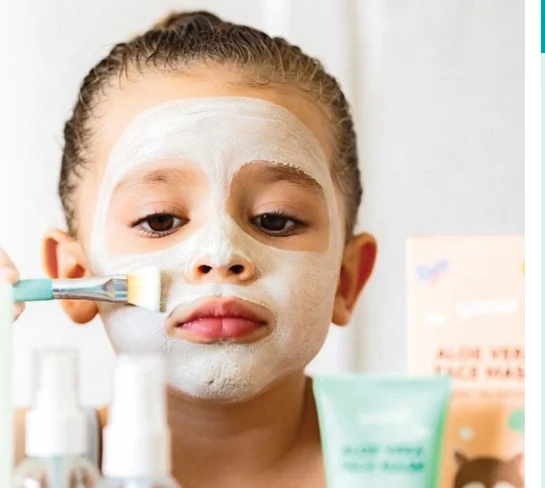
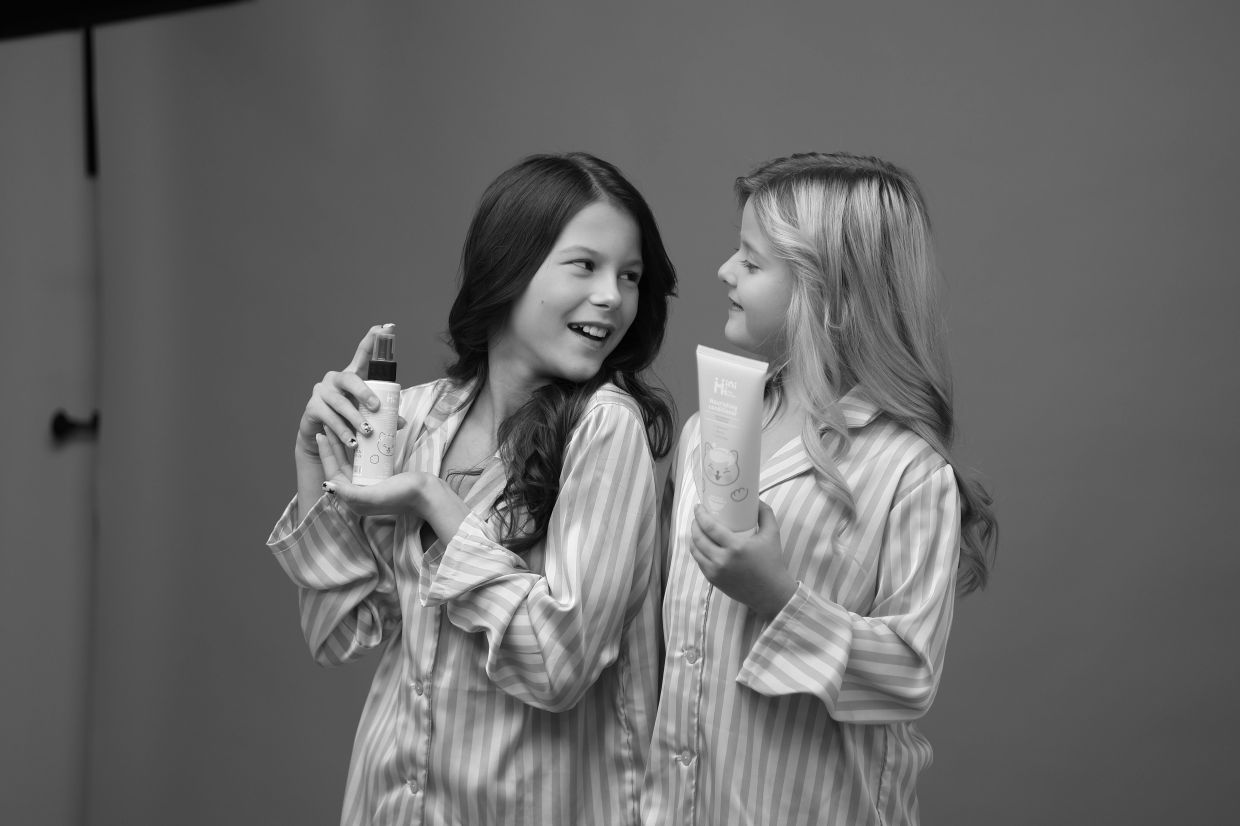
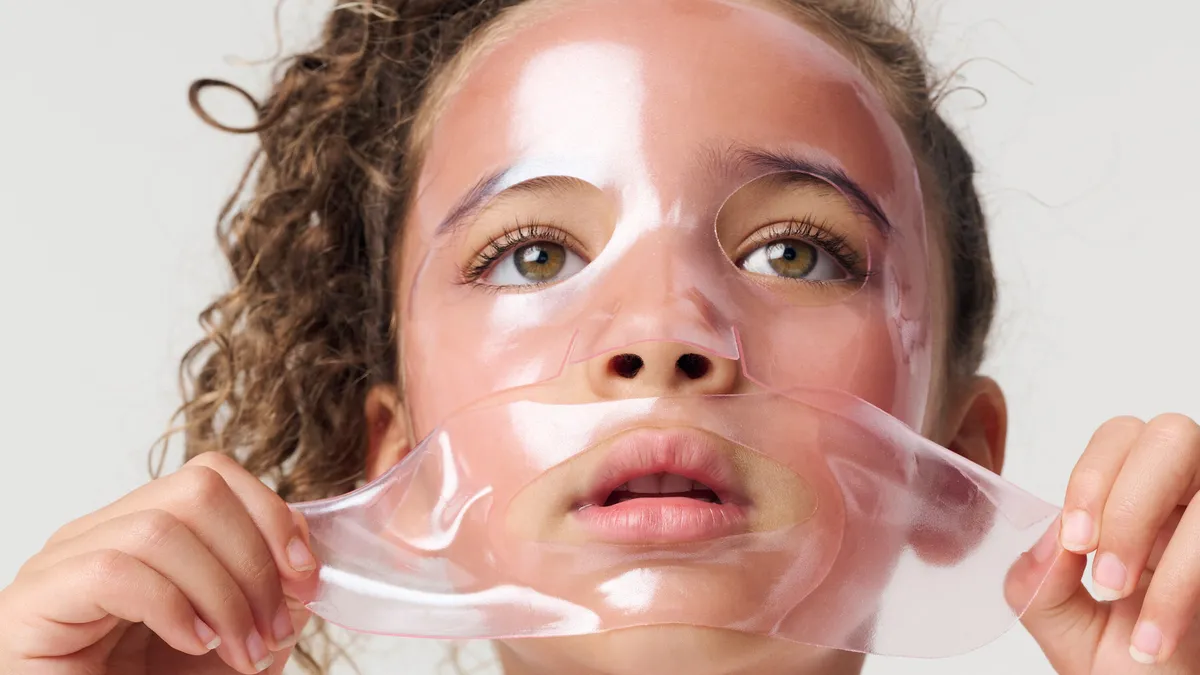
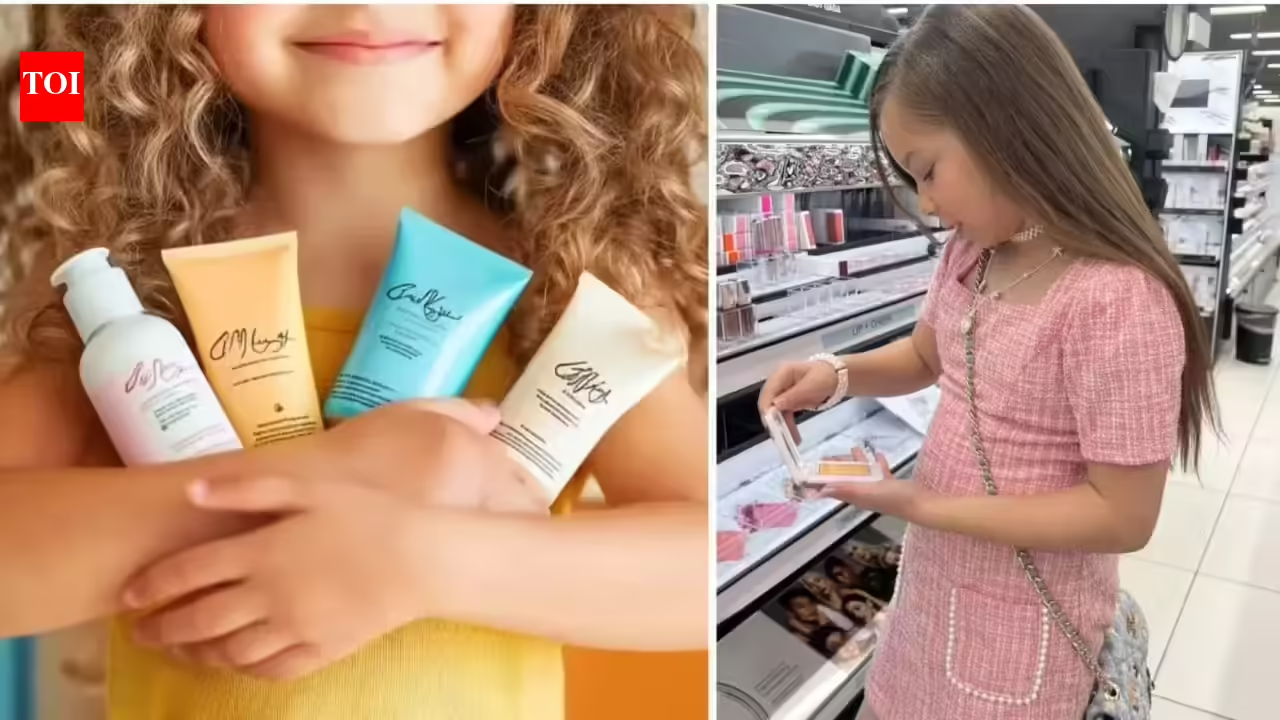
Hollywood star Shay Mitchell’s toddler skincare line sparked backlash, igniting a debate on whether young children need beauty products. Dermatologists and mothers are divided, with many experts emphasising that toddlers’ naturally soft skin requires minimal intervention, prioritising hygiene and natural remedies over cosmetic routines. In hopes of including toddlers and fuelling their curiosity, Hollywood star Shay Mitchell launched her skincare brand targeted to kids, nay toddlers. It drew instant backlash for being tone deaf and sparked a debate. Launching panda-face sheet masks, she wrote on Instagram, “Kids are naturally curious and instead of ignoring that, we can embrace it. With safe, gentle products parents can trust, and sweet moments that bring us closer.” She responded to the backlash saying that it isn’t about beauty at all. “I think this is coming down to it not being a beauty thing,” she said. “Kids don’t look at masks and think about fixing, they think about it being a cooling sensation and a shared moment.”The intention is to educate kids about self-care while the underlying issue gets “masked” (pun intended). In our latest #TalkingPoint, we ask mothers and dermatologists, do toddlers even need skincare? Is this peer pressure? Are we forgetting the sensitive skin of toddlers? Is skincare for toddlers the next big thing in beauty? Mothers are divided – a healthy habit or forced beauty standards.

Social media is filled with children and teenagers using active ingredient skincare and makeup

Child’s skin is naturally soft: dermatsDr. Navjot Arora, dermatologist says, “Toddlers do not need skincare in the cosmetic or beauty sense. At this age, a child’s skin is naturally soft and well-hydrated. Their skin is also far more sensitive and permeable than an adult’s, which means unnecessary products can actually cause irritation, allergies, rashes, or long-term sensitivity. Introducing beauty-oriented products such as face masks, scrubs, or sheet masks is neither medically needed nor developmentally appropriate.”“Toddlers have naturally soft, healthy skin. Their skin barrier is new, strong, and doesn’t need extra products like facemasks, serums, toners, or treatments. Healthy food, sleep, and play are the best “skincare” at this age. Toddlers don’t need skincare routines. Their skin is already perfect,” Dr. Geeta Grewal, cosmetologist, adds. ‘Early exposure to beauty standards creates pressure’“These products may unintentionally send a message that appearance needs “enhancement,” even before a child understands what beauty standards are. Early exposure to such practices can create pressure, fuel comparisons, and shift a child’s focus toward looks instead of play, creativity, or learning. When beauty becomes a performance for social media or branding, kids are pulled into a culture they are too young to navigate,” Dr. Arora adds.

Gen Alpha follows trends instead of trusty skincare, and grabs viral products

‘Dadi maa ke gharelu nuskhe are best for small kids’Social media influence is the prime suspect for skincare for toddlers becoming a point of debate. Zaib Khurram Habib, a mother of three, shares, “There is a lot of peer pressure among kids about looks and it is largely due to social media where physical appearance is considered to be of primary importance. The manufacturers are riding on this craze and targeting kids through advertisements on the platforms kids are exposed to.” She adds that the OG ‘dadi maa ke gharelu nuskhe’ are the best for small children and toddlers. Gen Alpha follows trends instead of trusty skincare, and grabs viral products. Social media influencers’ increasing purchasing power makes them more independent than ever. According to Mintel, it is projected to reach an astounding $5.5 trillion by 2029—and that’s hard to ignore. ‘Kids are now vanity-conscious and possessive about their products’Millennial mothers note a stark generation gap with their Gen Alpha kids. Hamna Kamal, a teacher and mother of two, shares, “There is definitely a shift in the obsession rate of children about their skin. I see the way my 11-year-old daughter interacts with her friends, these kids are very self-conscious. Am I looking good? Is my skin looking dry? Is my scalp dry? When I was at this age, I did not have an idea of dry scalp or skin! But my daughter is very particular, the cream that she uses should not be used by anybody else. But she is so possessive about it that no one else should use it.”‘I don’t let people touch my toddler, skincare toh door ki baat hai’Mothers caution their toddlers not just from strangers, but strange hands too. Immunity and germ concerns have been heightened post-pandemic. Mohaddesa Zaidi, mother of a toddler, says, “I wouldn’t even want people touching my child’s face without washing their hands, skincare toh door ki baat hai. Their skin is delicate, and hygiene matters way more than any so-called “routine.” Kids need care, not beauty pressure. They should be learning confidence and comfort in their own skin, not thinking something needs to be “fixed.” I don’t think any child needs them.” She believes toddlers should be playing, exploring, and enjoying childhood, not following beauty routines.

On the flip side are mothers who believe skincare routines can teach kids about discipline and self-care early on (Pic: iStock)

‘It’s about healthy habits from the start’On the flip side are mothers who believe skincare routines can teach kids about discipline and self-care early on. “For me, skincare for kids (and for adults) should be less about ‘beauty’ and more about self-care. I have a 4-month old, but as he grows, that’s how I would like him to think about skincare as well – building healthy habits around it and making it more about care than appearance,” shares Soumya Luthra, a stay-at-home mom. ‘Products are fine, but shouldn’t follow trends blindly’Echoing the sentiment, Isha Jaiswal, an accountant and content creator says, “If a gentle product helps with dryness or sensitivity, it’s fine. But people shouldn’t follow trends blindly. As a new mother, I feel toddler skincare should always focus on health and safety, not beauty or perfection.”For Vandana Paswan, it may not be that bad. “Skincare, if presented to children as self care with its benefits, will carry the necessary message and not be deemed as an obsession. A skin care routine does give a sense of responsibility to the kids. It also gives them a sense of control which they love. As they grow they also become more independent in the long-run.”Big expectations for little mindsA teenager’s mom and psychologist Jyoti Sharma thinks it’s all too much too soon. “I don’t think even teenagers need skincare products beyond a face wash and mild moisturiser. Toddlers using skincare is a big no for me. Chote bachhon ki skin already bohot achi hoti hai. 11 saal tak they have baby skin. They need minimum products and it’s ideal if they’re household products like coconut oil and olive oil.”“Parents and caregivers should prioritize skin health over beauty trends. Stick to dermatologist-approved basics—gentle cleansers, adequate hydration, sun protection for outdoor exposure, and avoiding any unnecessary cosmetic products. Preserve the innocence of childhood by keeping beauty pressures at bay,” Dr. Arora says.Inputs by Riya Sharma
Tags: , , , ,
healthy eating kids

Why My Kids (Mostly) Eat Whatever They Want

Parents ask me about food more than almost anything else. After all, I’m the natural health lady, so of course my kids are always drinking kale smoothies (not really). When health dogmas and real life collide, at the end of the day what do I feed my kids? And more importantly, how do I help them make healthy eating choices? 

Food can feel like high-stakes parenting, and it’s easy to worry that one wrong move will set kids up for unhealthy habits. You might be surprised to learn that I actually don’t micromanage what my kids eat. 

Over years of parenting, research, and personal trial and error, I’ve learned that tightly managing food often backfires. Instead, I focus on providing nourishing options, modeling good habits, and trusting my kids to listen to their bodies. This approach isn’t about throwing out all structure, but building autonomy and a healthier relationship with food.

Why Food Control Often Backfires

One of the biggest shifts in my thinking came from understanding how restriction affects desire. There’s a growing body of research showing that when we tightly control food, especially foods labeled as “junk” or “bad,” it can actually make us want them more. 

A study in Appetite found that children who had restricted access to certain foods were more likely to overeat those foods when they became available. In contrast, children who weren’t restricted tended to eat less of those foods. Plus, they were more in tune with their hunger cues.

If you’ve ever dieted, you may have noticed the same thing. The more forbidden a food becomes, the more power it holds.

Psychologically, this makes sense. Restriction creates tension. It frames food as something to be resisted rather than understood. Over time, that tension can override internal signals like hunger and fullness, replacing them with external rules and emotional responses.

There’s also evidence that pressuring kids to eat certain foods, like insisting they finish vegetables, can have long-term consequences. Research from the Journal of Nutrition Education found that children who were pressured to eat vegetables were actually less likely to eat them later in life. What starts as a well-intentioned push for health can quietly backfire.

Children Are Born With Self-Regulation Skills

One of the most fascinating pieces of research in this area focuses on self-regulation, especially in young children. Studies published in the New England Journal of Medicine observed that toddlers naturally adjust their calorie intake over time. If they eat more at one meal, they often eat less at later meals. If they undereat one day, they compensate the next.

In other words, children are born knowing how to regulate intake. That is, if we don’t override that system.

When food choices are heavily managed or restricted, children can lose touch with these internal cues. Instead of asking, Am I hungry? Am I full? they learn to ask, Is this allowed? Will I get in trouble? Over time, external control replaces internal awareness.

This matters not just for physical health, but for their long-term relationship with food. The ability to notice hunger, fullness, cravings, and satisfaction is a skill we can carry into adulthood. Once it’s lost, it takes intentional work to rebuild.

The Problem With “Good” and “Bad” Food Labels

Another subtle but powerful factor is how we talk about food. When foods are labeled as “good” or “bad,” morality gets attached to eating. Eating something “bad” can lead to guilt or shame, while eating something “good” can feel like a moral win.

There’s evidence that this moral framing may contribute to disordered eating patterns later in life. A review in the International Journal of Eating Disorders found links between controlling eating and a higher risk of disordered eating in adults.

I’ve seen this play out personally. Growing up, certain foods were framed as off-limits or unhealthy, largely due to budget constraints. When I gained independence as a teenager, those foods felt irresistible. Not because they made me feel good, but because they had been forbidden. It took years to separate actual enjoyment and physical response from psychological attraction.

Helping Kids Understand Food Choices

On the flip side, when I first started trying to eat healthy I had some harsh things to say about certain foods. And while I still don’t think highly processed foods need to be in anyone’s kitchen, I’m more focused on the positive now. Instead, I’m focusing on helping my kids (and other adults) understand what foods do in the body. 

With my kids, I try to avoid ranking foods. Instead of labeling something as “bad,” we talk about what it does in the body. Protein helps build and repair tissue. Minerals support electrical signaling. Carbohydrates provide energy and hormone support. This kind of information gives kids context without attaching judgment.

Autonomy as a Core Parenting Principle

At the heart of this approach is a broader belief. My children are infinite autonomous human beings, each with their own paths. My role isn’t to control them, but to guide them toward becoming capable, healthy adults who trust themselves.

Food is one of the earliest and most tangible ways children experience autonomy. What they put into their bodies matters, not just nutritionally, but psychologically. Respecting their agency in this area reinforces the deeper message that they’re allowed (and encouraged) to listen to their body.  

This doesn’t mean a lack of structure. It means choosing structure that supports autonomy rather than undermines it.

What This Looks Like in Practice

Having principles and standards is one thing, but actually putting them into practice is another. So what does this actually look like in our home?

Food Isn’t a Reward or a Punishment

I don’t use food as leverage. There’s no “eat this to earn dessert” or “skip dinner and eat it for breakfast.” These systems can disconnect eating from hunger and turn food into a currency.

When kids choose to eat nutrient-dense foods on their own, that choice carries more weight than when it’s coerced. Over time, voluntary choices are more likely to stick.

I Provide, They Decide

I don’t stock the pantry with ultra-processed foods, but I also don’t micromanage what they eat or how much. The house is filled with whole foods, proteins, fruits, vegetables, and leftovers they can get on their own as needed. 

I cook one family meal and that’s what’s offered as the option. My kids are free to eat it… or not. If they’re still hungry later, they can make eggs, fruit, or leftovers. I’m not a short-order cook, but I’m also not a food enforcer.

Modeling Over Rules

I quickly learned as a mom that our children learn far more from what we do than what we say. When they see me eat a wide variety of foods, their curiosity naturally grows. Foods they once avoided often become familiar over time, without pressure. 

When my kids were babies and trying new foods that they thought looked suspicious, I ate it in front of them. This helped them decide it was ok for them too. 

Teaching Without Controlling

When kids are interested, I explain how food works in the body. Not lectures, just conversations. We talk about why minerals matter, how protein supports muscles, and what electrolytes do. When they’re open to learning they’ll soak it in like a sponge. 

Knowledge empowers choice. When kids understand why certain foods feel better, they’re more likely to choose them.

Eating Outside the Home

When my kids are at restaurants or friends’ houses, I don’t comment on their food choices. I don’t restrict or even ask. Occasional exposure to foods I wouldn’t serve at home isn’t harmful, especially in the context of an otherwise nutrient-dense diet.

Resilience matters more than perfection. In most cases, the dose makes the poison. I feel like this helps take the pressure off when they might get a little bit of something (like vegetable oil) at a friend’s house. 

Why This Approach Works Long-Term

Research supports a balance known as authoritative parenting, a combination of structure and autonomy. A 2020 review found this approach led to healthier eating patterns than rigid, authoritarian control.

By stepping back as the external regulator, kids strengthen their internal regulation. They learn responsibility, trust, and body awareness. And they do it without food battles.

Addressing Common Concerns

I’m sure many of you reading this are going to have some questions and concerns about my method. And honestly, I’m not even trying to tell you that you should approach eating the same way I do. This is just what I’ve found works for my kids and why we do it. But here are some of the top FAQs I hear from moms when I share my approach.

“Won’t they just eat sugar all day?”

In my experience, the novelty wears off, especially when foods aren’t forbidden. Children may test boundaries initially, but self-regulation can reemerge surprisingly quickly. In fact, some studies show that kids who had fewer food restrictions ate fewer cookies when given the chance compared to kids with tigher food rules.

“What about nutrients?”

This is where parental responsibility still matters. Providing nutrient-dense options, variety, and education creates a strong foundation. From there, kids often make balanced choices. If all they have to eat at home are healthier options, then that’s what they’ll have to choose from. 

“Doesn’t this create chaos?”

Quite the opposite. Without power struggles, meals are calmer. Structure remains, but tension fades.

Final Thoughts on Kids and Food Choices

Strict control often backfires, especially when it comes to food. Instead, trust, modeling, and connection tend to win over time.

My goal isn’t to raise kids who clean their plates or avoid every “unhealthy” food. Honestly my views on what’s healthy and what isn’t (like grains) have changed over time. Instead, my goal is to raise adults who trust their bodies, understand nourishment, and feel confident making choices long after I’m no longer there to guide them.

When children are respected, informed, and given real autonomy, they often rise to the occasion. I’ve seen this play out with my own kids and I’m continually surprised by how capable and creative they are when given the opportunity. 

How do you handle food in your home? Do you have any food rules or ways to encourage healthy eating? Let us know in the comments!

Tags: ,
Do Kids Really Need Skincare? Experts Warn Against Trend-Driven Routines

Do Kids Really Need Skincare? Experts Warn Against Trend-Driven Routines

Elsa Angel Rose

While TikTok and Instagram trends popularise child skincare for its aesthetics, the real purpose of skincare is being overshadowed. Kids, teens and pre-teens feel the urge to do a GRWM or DIY makeup as frequently as daily. It makes us wonder, do kids and pre-adolescents really need to get into skincare when their skin is not even fully developed? Even if the child insists on having a 3-step or even a 5-step elaborate skincare routine, should parents cave into this? Anyway, kids are not fully wrong to wish for good skincare. “A basic skincare routine is beneficial for a child’s development, focusing on moisturising, sun protection & cleansing using kid-friendly, fragrance-free products,” said Dr Nathaniel John Pinto, a Paediatrician at Manipal Hospital. This helps in protecting the delicate skin barrier of children, preventing sunburn & dryness.

Stating the obvious, a child’s skin is totally different from a fully developed adult’s skin. Children have still-developing and immature skin, which is structurally thinner than adult skin. Their skin tends to absorb tropical ingredients more readily, which can be both beneficial and harmful. Dr Bindu said, “The outermost barrier (stratum corneum) contains fewer natural lipids, making it more permeable and prone to moisture loss, irritation, and allergen penetration. Sebum production is minimal until puberty, which means children lack the natural protective oils, unlike adults skin, which help defend itself against environmental stressors like pollution, friction, and microbes. As a result, children’s skin absorbs topical ingredients more readily, which is both beneficial and harmful.” Hence, the formulation choice a child uses on himself or herself is particularly important

When one is pervasively unaware of the pros and cons of something, one tends to believe the majority’s perception. Hence, especially for parents in this scenario, it is important to be well educated and mindful. The ubiquitous influencer culture, widespread marketing tactics of brands to target children, and easy availability and access to any sort of skincare products do not help create a positive connotation for child skincare. When adult skincare brands keep their products at a kid’s eye level on a supermarket shelf, when there are no age barriers for the ‘Unboxing videos’ of adult skincare products, naturally, people think how harmful the products meant to be used on adults might be on a child’s skin. This is where knowing the difference between adult and child skincare can go a long way. Because “Basic care, including gentle cleansing, moisturising, and sunscreen, is necessary to support the developing skin barrier and prevent issues like eczema, sun damage, and sensitivity,” quoting Dr Bindu. Always remember that skincare has to be minimal, age appropriate and function-focused. If it is driven by market trends, peer pressure, or aesthetic priorities to ‘look cool’ or similar, then it is not skin care or self-care. Then one is harming oneself in the most ‘uncool’ way possible, and it is the parents’ responsibility to guide children not to do that.

“Parents should keep their child away from any harsh soaps, excessive bathing, and high sun exposure for long-term skin protection; these things will cause the balance of the child’s skin to be disrupted. Parents are encouraged to use children’s broad-spectrum sunscreen, keep the child hydrated, and provide a soft, breathable fabric against their child’s skin to keep it protected,” said Dr Simantini R Sakhardande, a consultant dermatologist and cosmetologist at Manipal Hospital. She further informed, “Having a simple and consistent regimen early on will decrease the chances of developing eczema f lare-ups, rashes, or any other issues and create a foundation for long-term skin health and resilience. Mild, unscented cleansing and moisturising routines that allow for the proper function of the natural barrier of a child’s skin will help to keep their skin moisturised and irritant-free dermatologically.”

So if a basic skincare does no harm, what kind of skincare becomes harmful for them? “Introducing ‘adult-style skincare’ with actives such as acids, retinoids, or brightening agents is unnecessary and potentially harmful, as it can disrupt the skin barrier and trigger long-term sensitivity,” explained Dr Bindu Sthalekar, a celebrity dermatologist and Founder of Skin Smart Solutions. Regular use of such skincare can also cause “The risk of developing skin irritation and dryness, allergic reactions & eczema arising from strong fragrances & preservatives,” said Dr Nathaniel. When asked about whether frequent exposure to various chemicals affects a child’s developing body in any way, he replied, “Some chemicals called endocrine-disrupting chemicals can interfere with the body’s natural hormones & can affect a child’s growth and development, play a role in affecting the child’s reproductive health and future fertility. Additionally, due to a child’s thinner skin barrier, chemicals can be absorbed into the bloodstream more easily, thus increasing the chances of systemic side effects.

Tags: , , , , ,
Christmas activities for kids

45+ Christmas Activities for Kids to Do This Holiday Season

For many of us, Christmas time means a little more time with family and a break from school. We do an adventure points system over summer break, but I wanted to brainstorm some more Christmas ideas. Here are some fun Christmas activities for kids that encourage creativity, imagination, and movement during the holiday season.

Christmas Activities for Kids

I already have a big list of 100+ boredom-busting activities for kids. But sometimes it’s nice to have something a little more in the holiday spirit for them to do. Most of these easy Christmas activities for kids are free, can be done at home, or are near you. 

Maybe your kids are home on Christmas break and you’re looking for a fun family activity to do together. Or maybe they’re getting a little bored and are looking for something hands-on.

Our family focuses on gratitude and giving over the Christmas season, so you’ll find plenty of kid-friendly ideas that line up with that principle. There’s just something a little magical about this time of year and it’s nice to enjoy fun Christmas activities alongside a mug of (healthy) hot cocoa.

The ideas below aren’t divided by age, but you may find that some of your kids will enjoy one activity over another. Older kids aren’t as thrilled with sensory bins and toddlers aren’t really able to do an activity like snowboarding. So pick and choose what works best for your family.

Some of these work well as Christmas party activities for kids if you’re hosting a family gathering. Or if you’re an educator, they can be done in school in a classroom setting. 

Christmas Playdough

Playdough is a hit with preschoolers everywhere and it’s easy to make your own. I like this playdough recipe here, plus it’s gluten-free for kids who have allergies. I’ll add a little natural red or green food coloring to make it holiday colored. Add a little peppermint extract to the batch to make a fun candy cane playdough!

Holiday Themed Sensory Bin

This one is great for toddlers and preschoolers. Even kids who are a little older love getting their hands in a bin of rice or beans for sensory play! The best sensory activity is one that encourages creativity and free play. It’s not as fun if the parent spends more time putting all of the details together than the kids do playing with it.

It’s also a great opportunity for little ones to use tweezers, spoons, and other utensils to transfer the objects from one container to another. This is a fun way to practice fine motor skills.

  • Make a cinnamon themed bin with rice, cinnamon sticks, pine cones, and little gingerbread themed items from around the house.
  • Create a natural Christmas sensory bin with pine cones, cranberries, fir branches, and small pieces of cut wood or branches. Mix them into a base of red beans, dried peas, and white beans (like navy or lima), for a red, white, and green theme.

Christmas Craft Activities For Kids

You may be a paper plate, popsicle stick, and glitter kind of family or maybe your kids prefer less crafty art projects. I enjoy sitting down with the kids to draw or paint, and we’ve done several art projects this way together. Here are a few holiday crafts the whole family can do together.

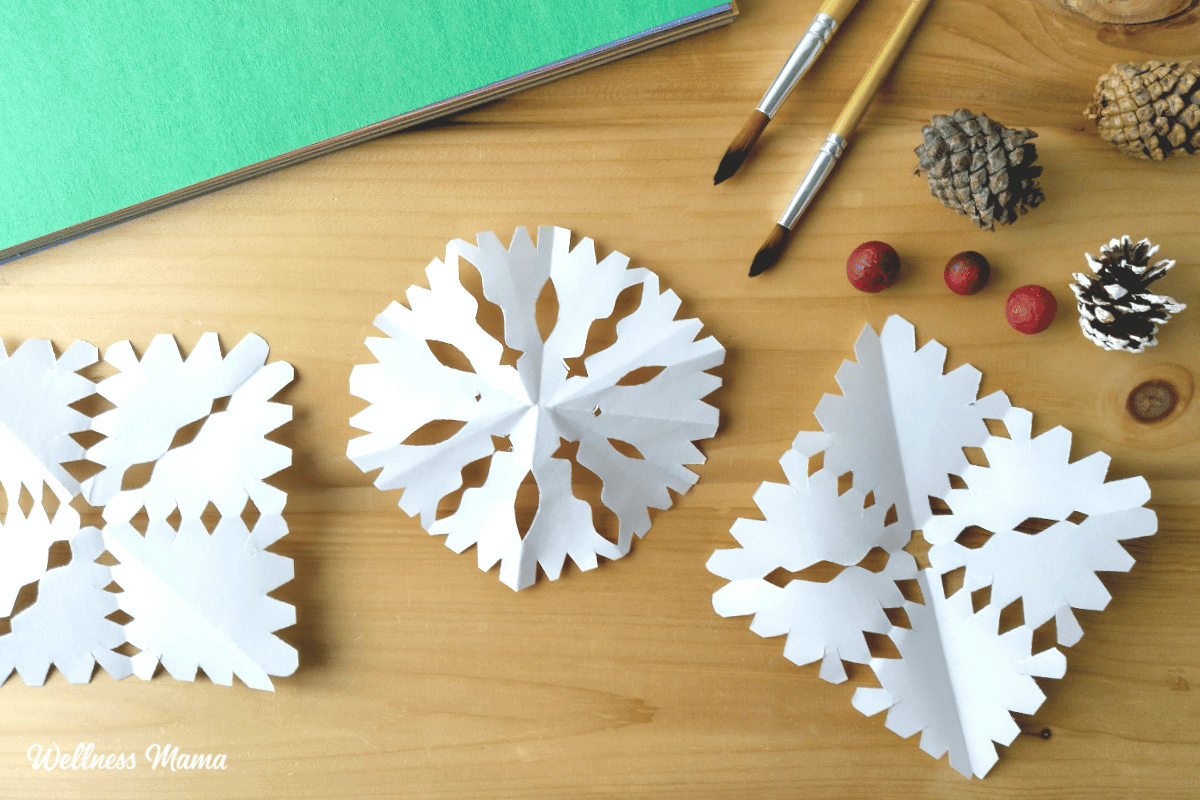
  • Cut out paper snowflakes from white paper and hang them up to display
  • Make a Christmas tree craft out of construction paper, popsicle sticks, or miniature ornaments. Older kids can make one out of scrap wood.
  • Pull out the pom poms and make a festive photo ornament wreath.
  • Try an origami Christmas project.

Science Experiments

Do a science experiment (together or have the kids do one on their own). I love this book for the kids because it has projects they can mostly do themselves. And I don’t have to buy any special ingredients or supplies.

KiwiCo also offers a subscription box for those who love having science experiments delivered. They also have art and craft boxes if that’s your thing. I like that they have options for everyone from babies to teens (and older) and for different budgets.

Fingerpaint

If your kids aren’t old enough to wield a paintbrush yet, then try this edible finger paint! I use spirulina or spinach for the green color and beets for a pinkish red. They have a lot of fun painting with it and I don’t worry if they get some in their mouth. The art projects only last for about a day, so I’ll snap a picture if it’s something I want to keep.

Make Your Own Crayons

Kids can have fun making their own beeswax crayons with this DIY project. Use a silicone mold in fun, Christmas themed shapes like gingerbread, trees or snowmen. 

Build a Gingerbread House

A candy covered gingerbread house isn’t something you’re going to find on my table. However, there is a way to get in on the fun and still be (relatively) healthy. I’ll make sweets for the kids on occasion, just with healthier ingredients.

Here’s a tutorial for an AIP gingerbread house or a regular version that you can easily make with organic ingredients. Dried fruit, nuts, coconut shreds, and dark chocolate make great decorations. Stick it all on with the frosting recipe from the bottom of this vanilla cake post.  

Bake Christmas Cookies

One year my kids wanted gingerbread cookies so I came up with this molasses cookies recipe. It has all the flavors of gingerbread without the junky ingredients. Coconut macaroons, snickerdoodles and chewy chocolate cookies are also a big hit at our house.  

This is the perfect opportunity for the kids to bake some treats for the neighbors, nursing home residents, or extended family and give as a gift.

Make a Christmas Card

Christmas is the one time of the year when we all wear coordinating outfits and snap a family picture. Even if you’re like us and send out a family photo Christmas card, you can pair it with a homemade card. Kids can use construction paper, paint, and markers to make their own Christmas cards with a heartfelt note. These can either be mailed or hand delivered.

Festive Marshmallows

Christmas activities for kids can be delicious too. Years ago I started making my own homemade marshmallows. The kids love the taste and they’re full of gut healing gelatin and naturally sweetened.

These matcha marshmallows are a festive green color. Or add some peppermint extract (instead of vanilla) to my homemade marshmallows recipe for a seasonal flavor.

Christmas Songs

You can play some Christmas songs in the background while the kids are doing chores around the house, cooking meals, or doing fun projects. Do some Christmas song karaoke or dance to your favorite tunes for fun movement.

Advent Calendar

Countdown to Christmas day with an Advent calendar. I use this one that gives a prompt for a kind act we can do each day. It takes the focus off of getting stuff and encourages us to do for others. Here are more ways our family honors the advent season.

Christmas Movies

Make a list of Christmas movies to watch together and make some popcorn and snacks. We keep a basket of blue light blocking glasses in our living for everyone on family movie nights. It’s a Wonderful Life is one of our favorites that we watch every year.

Capture the Memories

Every year I gift the kids a photo book with some of their favorite memories from the past year. They always look forward to it and enjoy looking back on what they’ve been up to. Kids can make their own keepsake photo books with their holiday memories. They can also make one with favorite family recipes from the holiday season.

Some kids may need a little more help than others with formatting their special photo book, but places like Mixbook make it really easy.

Sip on Cocoa

Hot cocoa is a must have in our house. Even better if it has some homemade marshmallows on top! Make some homemade cocoa to sip on while wrapping gifts or reading a favorite Christmas book. I also like this healthy premade hot chocolate that’s packed with superfoods (like medicinal mushrooms).

Make a DIY Christmas Snowglobe

If your kids are anything like mine were, they’re fascinated with snowglobes. They can make their own with a small figurine or ornament and a mason jar. Here’s a simple tutorial for how to make a glitter snow globe from a Mason jar.

DIY Christmas Ornaments

If your kids like working with air dry or oven bake clay, then they can have fun making their own customized ornaments. Salt dough is another great way to make homemade ornaments, even for young kids. Little ones can make a handprint ornament to give to the grandparents. Or use cookie cutters to make Christmas shapes to decorate.

Get the tutorial for how to make salt dough ornaments here.

Make a Garland

The kids can make a popcorn garland or string together cranberries and dried oranges. This is a fun activity to do while listening to a favorite Christmas book or music. You can hang the finished garlands around the Christmas tree, the stairway, or even the wall.

Get the instructions for how to make a DIY natural Christmas garland here.

Craft a Window Display

Decorate the window for a festive Christmas display. Kids can hang up some Christmas lights, garlands, or ornaments for passers-by to see. You can even get large, removable holiday themed stickers for the kids to put on the glass.

Make a Gnome Garden

Some kids love fairy gardens and can rearrange and play with the pieces for hours. Help the kids make a holiday themed version with gnomes. You can add little gnome figurines, rocks, moss, twigs, and other natural ingredients to the garden. Lincoln logs also make great gnome houses!

Learn how to make your own gnome (or fairy) garden here.

Christmas Games For Kids

Anything that requires movement and creativity is a win in my book. 

Make a Holiday Wreath

My girls started sewing at a young age and they’ve had a lot of fun with sewing projects over the years. This easy burlap wreath tutorial can be customized to make any shape you want. I did an egg for Easter, but kids could also cut out and sew a gingerbread man, a star, or a Christmas tree.

Get the instructions for a DIY burlap wreath here.

Christmas Tree

Find a local Christmas tree farm and go pick one out together. Whether you opt for a real tree or an artificial one, decorating it is another favorite Christmas activity. Don’t forget to put on some Christmas music and sip on a peppermint mocha or homemade hot cocoa while you decorate!

Donate to Local Families in Need

The week before or after Christmas (when we’re not busy doing school), the kids and I go around the house looking for things to get rid of. Things that we can share with others that they’ll benefit from. This helps make room for the new gifts and items coming in on Christmas day. The idea isn’t to clear out junk, but to bless someone else with something they’ll love.

We also do what we call the surprise Santa tradition. We find another family, either through a local church or a domestic violence shelter who is in need. Then we’ll get them gifts, clothing, enough food for some meals, and gift cards. Even though we don’t actually meet them in person, my kids absolutely love doing this for others.

Go Christmas Caroling

Our neighborhood has a wagon full of carolers that go around singing Christmas carols to the neighbors. Your kids can go caroling around their own neighborhood, at a local hospital, nursing home, or assisted living facility (if rules allow). It’s a great way to spread free Christmas cheer.

DIY Christmas Gifts

The kids can make their own Christmas gifts for friends and family. Younger kids may need a little more help with this one. Some popular DIY gifts around here are things like lotion bars and sugar cookie lip scrub. You can find a whole list of DIY gift ideas here.

Christmas Eve Feast

For years our family has had a fishy tradition. On Christmas Eve we’ll make a traditional Sicilian feast of the seven fishes. Yes, I really make 7 different types of fish! A lot of times it’s something small like an oyster, or a crab cake so we don’t end up eating a huge amount.

The kids love getting involved with the planning and the making of the meal. You can read more about how this tradition started for us and why we do it here.

Outdoor Christmas Activities for Kids

Get outside and into the fresh air with these Christmas activities for kids ideas.

Build a Snowman

If you live in an area where there’s snow, building a snowman is a timeless kid’s activity. Everyone can work together to build the ultimate snowman, or each family member can create their own. No snow? Make one inside with moon sand.

Christmas Lights

Many towns have Christmas light displays that are fun to go see. You may find one at the local park. Or maybe the neighbors don’t pull any punches when it comes to decorating their yards for Christmas. Take a walk around and enjoy the lights together!

Go Ice Skating

Ice skating is a fun way to get some more movement in during the colder weather. Even if you don’t live near a pond or lake that’s safe to skate on, you can probably find a local indoor or outdoor rink. Some offer discounts for groups or during certain (slower) times of the day.

Sledding

Of course, I couldn’t leave out this classic pastime. If you’re in an area with enough snow, then find a big hill and haul out the sleds. You may also be able to find a tobogganing track near your area.

Christmas Scavenger Hunt

Put together a neighborhood scavenger hunt. Make a list (or use pictures) of items the kids can find around the neighborhood. These can be things like Christmas lights, a snowman, a cardinal, and a wreath. They can work in teams or individually to find the items. Or instead of a checklist, turn it into a bingo card and see who can get 5 in a row first.

Here are a few more Christmas activities for kids:

  • Make eco-friendly cloth gift bags to wrap presents for family and friends.
  • Start a winter garden or plant a windowsill herb garden.
  • Whip up a batch of snow cream (if you’re in a snowy area).

Does your family have any special traditions or activities during the holidays? I’d love to hear about them! Let me know in the comments below!

Tags: , , , ,
Skincare for kids? The beauty trend stirring debate among parents and experts

Skincare for kids? The beauty trend stirring debate among parents and experts

Brittany Ouyang does not do much to perfect her three-year-old daughter’s skin, because it happens to be flawless already.

Her routine, if you can call it that, includes water, sunscreen and the occasional moisturiser.

So Ouyang was baffled when her sister sent her an Instagram post recently about a new skincare line that was advertised for children ages three years old and up.

She visited the website for the brand, which is called Rini and was cofounded by actress Shay Mitchell, and saw pictures of poreless children who looked to be 10 years old and younger beaming from behind jellylike face masks enriched with vitamin B12.

“That is ludicrous,” Ouyang, 36, who works in tech and lives near San Francisco, texted her sister.

She joined a chorus of people criticising the company with a post on TikTok: “What kind of capitalist hellscape are we living in?”

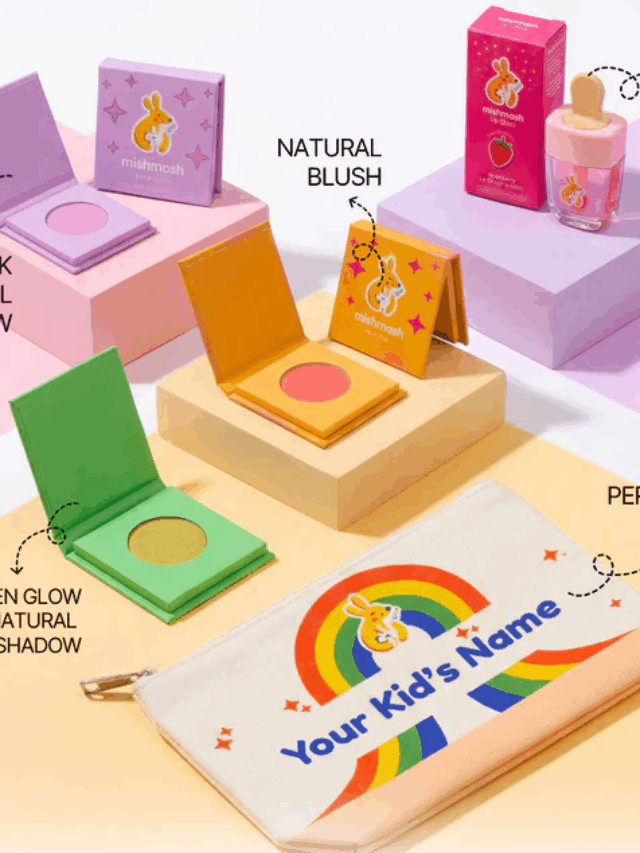
Nearly two years after a flurry of press about tweens swarming the aisles of beauty stores like Sephora, skincare lines for preteens and even younger children have become a robust product category – and a battlefield for parents and critics.

Households with children ages seven to 12 spent close to US$2.5bil (approximately RM10.4bil) on skincare last year, up from US$1.8bil (RM7.5bil) in 2022, according to data from NielsenIQ, a consumer research firm.

A growing list of companies offer skin products for preteens that are packaged in containers that look like candy dispensers and advertised with soothing assurances about gentle, dermatologist-approved ingredients.

Read more: In Malaysia and around the world, tweens are fast shaping the beauty industry

Most of these brands are targeting a demographic slightly older than the children who appear in Rini’s marketing materials.

Some, like Bubble Skin Care, which has been selling modestly priced moisturiser to tweens since 2020, and Evereden, a purveyor of melon-scented face wash and sunscreen sets, predated the “Sephora kids” craze.

Newer arrivals are thriving in a social media universe in which preteens demonstrate multistep skin routines for the camera.

In September, the debut of a 15-year-old influencer’s skincare line drew thousands of fans to a mall in New Jersey.

A new brand called Pipa, aimed at customers ages 7 to 12 years old, mails influencers its products in periwinkle boxes that say “Start young” on their lids.

These companies argue that young people who are already curious about skincare need safer alternatives to adult products that can damage sensitive, prepubescent skin.

Other observers see something more pernicious: a way to hook children on unnecessary products, laying the groundwork for ever-earlier anxieties about their appearances.

“Maybe in 20 years, every one-year-old will have a beauty routine,” said Ally Nelson, the host of a psychology and wellness podcast.

She was joking, mostly. The next day, she came across a Fisher-Price teething set that included a toy version of a sheet mask and a rattle shaped like a jade roller.

‘Very dystopian’

Nelson, 33, who lives in Toronto and has a toddler, said she could understand where these companies were coming from.

Young girls have long imitated their mothers by painting their nails or trying on lipstick – activities that tend to be treated as playful flirtations with adulthood.

There’s nothing wrong with a little experimentation, she said, but she worries that preteen skincare routines are allowing the beauty industry to gain a foothold in children’s lives.

A report released by Ulta Beauty last year found that members of Gen Alpha (those born after 2010) started experimenting with beauty products at an average age of eight years old – five years earlier than the generation above them.

“It does feel a little bit predatory,” Nelson said, describing Rini’s marketing imagery as “very dystopian”.

The company does not see it that way.

Mitchell, an actress who appeared in the teen drama Pretty Little Liars and founded the luggage company Beis, devised Rini with Esther Song, a fashion industry alumna and former chief marketing officer for the Parent Co.

In an interview with Elle, the two friends said they had decided to create the company after struggling to wipe face paint from their daughters’ faces after dance camp.

The brand’s introductory offering, sheet masks that retail for US$6 or US$7 (RM25 or RM29) each, come in puppy, panda and unicorn styles.

Through a representative, Mitchell declined an interview that would include questions about criticism of the brand.

In interviews, the founders of other skincare lines that cater to children and preteens said that they took seriously questions about age and appropriateness when developing their products.

Kimberley Ho, the CEO of Evereden, worked with three dermatologists to create the company in 2018, with the goal of providing gentle products for infants.

In 2021, after requests from parents, it introduced a limited number of items formulated for tweens, she said: sunscreen, a cleanser to wash it off and a simple moisturiser.

“With some newer brands, I think that what we’re seeing is, they’re developing products that kids may not necessarily need,” Ho said when asked about Rini.

Evereden, which reported US$100mil (RM414mil) in sales last year, now offers skincare packages for ages three years old and up, including a pale pink “Barbie” moisturiser and cleanser set that retails for US$63 (RM261).

“My eight-year-old calls this her ‘Barbie spa time’ and won’t go to bed without it now,” reads a testimonial the company highlights on its website.

Brooke Jeffy, a dermatologist in Scottsdale, Arizona, who introduced the skincare brand BTWN in 2023, worries that other companies have made compromises as the category has gotten more competitive in recent years, like adding fragrances that can irritate children’s sensitive skin.

She has resisted her marketing team’s suggestions to sell her products in more colorful packaging.

Read more: What do Gen Zs want in beauty? Cool brands, personal expression and inclusivity

Some dermatologists are not buying it.

Dedicated skin products for tweens may be safer than adult serums, but that does not mean children need them, said Molly Hales, a dermatologist and researcher at the University of Chicago.

“A young person who doesn’t have any known, diagnosable skin conditions doesn’t really need to be using products” beyond sunscreen, Hales said.

In an analysis published in June, she and other researchers found that girls on TikTok from the ages of seven to 18 years old were demonstrating skincare routines with an average of six different products, many of them risky for young skin.

Brands are most likely trying to capitalise on the popularity of such videos, she said, and insulating themselves from criticism using the fuzzy, unimpeachable-sounding language of “self-care”.

A beauty industry that specialises in monetising customers’ insecurities might just view children as the next untapped market, said Charlotte Markey, a professor of psychology at Rutgers University and the author of books about adolescent body image. 

No matter how carefully they are formulated, skincare sets for kids send a message that “it’s really important to be on top of all these appearance trends, before you have even hit puberty”.

In her dream world, she added, children would hardly think about their skin at all.

“I’d so much rather they be colouring or something,” she said. – ©2025 The New York Times Company

This article originally appeared in The New York Times.

Tags: , , , , , , , ,
Daily Mirror

Expert reveals dangers of young kids copying adult anti-aging skincare on TikTok

TikTok isn’t just influencing adult beauty trends. Tweens and teens are plunging into complex skincare regimens, creating both intrigue and worry amongst professionals

Tweens and teens are plunging into complex skincare regimens(Image: Catherine Falls Commercial via Getty Images)

From anti-ageing serums to homemade facial tricks, social media platforms like TikTok are swaying a fresh generation of beauty fans, sometimes before they’ve even reached their teenage years.

Labelled “Sephora Kids,” these youthful users are copying grown-up skincare practices, generating viral content under hashtags like #teenageskincare and #tweenskincare, which have accumulated tens of millions of views.

While interest in personal care is normal, skin specialists warn that early use of adult-targeted products can be pointless or even damaging.

Infinity Laser Spa observes that overcomplicating young skin with powerful active components or invasive procedures may trigger irritation, disruption of natural defences, and lasting skin sensitivity.

READ MORE: Best early Black Friday beauty deals you can already shop picked by our beauty editorREAD MORE: Amanda Holden’s daughter Lexi Hughes on the one skincare tip she’s learnt from her mumDrunk Elephant is a favourite among Sephora tweens(Image: Boots)

Grasping what youthful skin actually requires, and what to steer clear of, is vital for both teenagers and their parents, especially in an age where TikTok trends can make adult-level beauty routines seem normal.

What “Sephora Kids” are getting wrong

Numerous teens and preteens are using strong anti-ageing creams, acids, and scrubs created for mature skin. Skin experts caution that this can trigger irritation, sensitivity, and even worsen spots or dryness.

Basic routines, mild cleansing, moisturising, and sun protection, are frequently more than adequate at this stage of life.

TikTok’s algorithm favours relatable, visually captivating content, which prompts young viewers to copy routines without grasping the potential dangers. Viral tutorials, product reviews, and “glow-up” transformations make complex regimens appear crucial, even for skin that doesn’t require them.

“TikTok has turned skincare into a cultural phenomenon for all ages, but not all trends are safe for young skin. Tweens and teens often copy adult routines without grasping their skin’s genuine requirements,” says Certified Laser Technician and Skincare Expert Sam Rock.

The social pressure to achieve “perfect” skin can also have psychological implications, creating stress or anxiety around appearance at an early age. By educating young users and parents, Rock emphasises the importance of safe, age-appropriate skincare, alongside digital literacy about social media influence.

Quick tips for safe tween skincare

  • Stick to a gentle cleanser and lightweight moisturiser.

Gentle cleansing, hydration, and sun protection remain the foundations of healthy adolescent skin. It’s appealing for teens to pursue viral routines, but simplicity triumphs.

  • Avoid harsh chemical exfoliants or adult anti-ageing products.

Overusing acids, retinols, or intensive treatments can damage the skin barrier, causing dryness, sensitivity, and breakouts that could have been prevented. Youthful skin is naturally robust, needing basic care rather than harsh regimens.

  • Parents should supervise and guide purchases, encouraging age-appropriate routines.

Parents and teens should focus on building foundational habits rather than chasing the latest viral product. Safe, gentle routines instil lifelong healthy habits while avoiding unnecessary risks.

“Social media can inspire curiosity, but guidance from trained professionals ensures that enthusiasm doesn’t come at the expense of skin health,” says Rock.

Tags: , , , , , , , , ,
Christmas gifts kids

Creative Christmas Gifts for Kids (With Stocking Stuffer Ideas!)

At Christmas time, our family focuses on the real joy of the season, like spending time together, giving to those in need, and finding small ways to serve others. But that doesn’t mean we skip gifts! I still love choosing thoughtful Christmas gifts for kids that bring joy without adding clutter or plastic waste.

If you’re shopping for kids who have everything, this list will help. These are the best Christmas gifts for kids. You’ll find gifts big and small, for girls and boys and many that aren’t toys in the traditional sense. Many are unique, personalized, and even free if you get creative. A few are cheap but still meaningful, and several make perfect birthday or special-occasion gifts too.

Christmas Gift Ideas For Kids

Finding the top gifts that last can be tricky. I prefer options made from natural or eco-friendly materials that encourage imagination, creativity, or movement. Over the years, I’ve found that the most loved gifts aren’t the latest fads but the ones that invite connection and discovery.

Some of our family favorites include art supplies, a balance board, a personalized apron for kitchen helpers, and an “epic backyard” (according to my ten-year-old!). These are great for kids who like to fidget or move. For girls who love to create, a simple craft or jewelry kit is always a win.

Gifts That Give Back

Each year, our kids help choose a way to give to others in need. From donating toys to making care packages or volunteering together. These moments remind us that some of the best gifts are those we share. Giving time or kindness is always free, yet it creates the biggest impact.

Sometimes the small things are what children remember most. A homemade coupon book for extra bedtime stories, a family game night, or kids cooking lessons can mean more than anything store-bought.

Whether big or small, cheap or unique, the most meaningful gifts aren’t always wrapped. This year don’t forget to focus on what matters most, connection and the simple joy of giving. The best presents for kids often aren’t toys at all, but memories that last a lifetime.

Christmas Gifts For Teens 

As my kids have gotten older (and even become adults!) their tastes in gifts have changed. These gifts encourage creativity and movement and minimize screen time. 

  1. Magnetic Pen – This fidget toy pen helps them write their thoughts and make their own unique designs. 
  2. Bonsai Tree Kit – They can grow their own Bonsai trees and care for them. 
  3. Vintage Record Player – Old school vinyl is back in style. Gift them a few records to go along with their new player. 
  4. Embroidered Corner Bookmark – A beautiful (and personalized) way to remember what page they’re on. 
  5. Ninja Creami – What kid doesn’t love ice cream? They can make their own healthy ice cream, sorbet, smoothies, and more with this machine.
  6. Book light – This rechargeable book light encourages reading. Plus it can block blue light for better sleep. 
  7. Large Backrest Pillow – Great for lounging in bed to read, color, or just relax. Can also be used on a couch or even the floor and has pockets.
  8. Adult/Teen Lego Sets – These detailed sets are popular among teens and adults alike with dozens to choose from. This orchid lego set is beautiful, or they can create their own Da Vinci flying machine. 
  9. Leather Journal – A beautiful leather journal for sketching, journaling, or even putting stickers in.
  10. Grown-Up Coloring Books – Coloring isn’t just for little kids anymore. This spiral bound “adult coloring book” is very detailed and studies show coloring is relaxing. Or this pack of 10 offers more design options. 
  11. Japanese Puzzle Box – These beautiful puzzle boxes are a unique way for older kids to keep valuable items safe and they’re fun to learn.
  12. Kindle – All the books they could desire at their fingertips. Unlike tablets, Kindle uses warm light and isn’t harsh on the eyes.
  13. Daylight Computer – A tablet that’s easy on the eyes. Take notes, use apps, write… all without blue light. 
  14. Mushroom Growing Kit – They can grow their own organic mushrooms with this kit. 

Gifts For Tweens & Big Kids

A wide variety of gifts that will appeal to both boys and girls who aren’t quite into teenhood just yet. Many of these are also good for elementary age. 

  1. Buddha Board – A relaxing way to paint with water (it evaporates and you can paint again).
  2. Taco Cat Goat Cheese Pizza– Say what?? This wacky game for kids is a hit with my tweens. They also have a holiday themed version.
  3. Spa Headband set – For teen girls. 
  4. Whirly Board – A fun balance board for better agility and to help engage full body strength. 
  5. Book light – This rechargeable book light encourages reading. Plus it can  block blue light for better sleep. 
  6. Pindaloo – This wacky looking game helps teach motor skills as kids try to keep the ball moving. 
  7. Tabletop Hockey – This tabletop version of hockey uses elastic to sling pucks towards your opponents goal. 
  8. Gaga Crazy ball – This modern twist on dodgeball is a fun game the whole family can play. 
  9. Archery Set – My kids have loved these GBG archery sets and these sets are created for kids by kids. They have some helpful videos on their website as well!
  10. Leather Journal – A beautiful leather journal for sketching, journaling, or even putting stickers in.
  11. Rubik’s Cube – The 1980s called, but we told it we’re keeping the Rubik’s Cube. Older kids love learning to solve this retro puzzle.
  12. CrateJoy Subscription Box – You can find dozens of different subscription boxes from CrateJoy from music to stickers, to art, to aliens, or baking.
  13. Build Your Own Programmable Robot Kit – This building kit was a favorite with my oldest. Build a robot and program it!
  14. Grown-Up Coloring Books – Coloring isn’t just for little kids anymore. This spiral bound “adult coloring book” is very detailed and studies show coloring is relaxing. Or this pack of 10 offers more design options. 
  15. Boogie Board – Reusable board that encourages doodling and drawing.
  16. Kindle – All the books they could desire at their fingertips. Unlike tablets, Kindle uses warm light and isn’t harsh on the eyes.
  17. KiwiCo – These subscription boxes offer a variety of learning (and fun!) activities. For tweens and teens pick from options like art, design, and STEM.
  18. Runaway Alarm Clock – Does your teen have trouble waking up? This alarm clock runs away and keeps making noise until caught!
  19. Natural Makeup Brushes – If your teen is old enough to wear makeup, these natural brushes are great!
  20. Collapsible Duffel Bag – Great bag for short trips that collapses to a tiny size, unlike some bulky backpacks.
  21. Slippers (for teenage girls) – Super comfy, barefoot slippers that are still stylish.
  22. Cash inside a Money Maze Puzzle Box – Give money so they can get what they like, but make it fun by hiding it inside this puzzle cube.
  23. No Crease Ponytail Holders – These are really popular right now. They’re gentle on hair and don’t leave a crease. Or I hear that Scrunchies and banana clips are back in style!
  24. Travel Hammock – Have an outdoorsy teen? These travel hammocks collapse small and are awesome. They’re also quite popular on some college campuses.
  25. Become a Beekeeper Course: This is an amazing Introduction to Beekeeping Course. It will help teach them everything from buying bees to harvesting honey. Use code WELLNESS for 25% off!
  26. Kids Daylight Computer – A tablet that’s easy on the eyes. Write, use apps, draw, all without blue light. 
  27. Backyard Bags (also called Cornhole) – This is always a fun game for the backyard. Whether you have guests over or it’s just the two of you, this has been a family favorite in our house.
  28. Slackline – Like a balance beam and trampoline in one. It encourages balance, gross motor skills, and coordination. Plus it’s hours of fun.
  29. Piggy Paint – Non-toxic nail polish in fun colors. 
  30. Ninjaline – Like monkey bars but tougher. A lot of people use these for Ninja Warrior training, but my kids just think it is fun!
  31. Talkbox.Mom – Do your kids want to learn another language? This is a fun way to do that at home and is great for kids of all ages – even the littles!
  32. Water Bottle – Upgrade their water bottle game with these colorful water bottles. It’s what we use to keep liquids cold (or hot) for days.

Best Gifts for Younger Kids

Gifts for kids ages preschool through elementary. Games, crafts, sensory play, audio players, and more. 

  1. Gym 1 Indoor Doorway Gym – My kids’ favorite Christmas gift of all time. It’s a gym that mounts in a door frame and they use it every day.
  2. Snap Circuits – A really neat kit that lets kids learn about electricity by building different types of basic machines like a fan, a radio, etc.
  3. Yoto Player – This screen-free player is designed especially for kids to listen to books, podcast episodes, music, radio, and more by simply inserting a card in. There are over 1,000 options or you can make your own cards. It’s rechargeable and the Bluetooth is optional so you can leave it off.
  4. Art Kit – A favorite among my girls. This art supplies kit contains markers, crayons, colored pencils, and more for arts & crafts.
  5. Personalized Storybook – This personalized gift features your little one’s first name throughout their bedtime story.
  6. Kinetic sand – Perfect for squishing and building with for sensory play.
  7. Flower Press Kit – Kids can create their own stationery, cards, and more with a flower/leaf press.
  8. Mini Trampoline for Indoor Play – We’ve had a trampoline in our house for years and it’s great for cold or rainy days. Rebounding (bouncing) is also great for adults!
  9. Spinkpong Mini Game – Bounce a ball off of a tiny net and try to catch it in the cup. Great for kids to play on their own or with siblings/friends.
  10. Sherwood Player – This player gives kids unlimited access to over 5,000 wholesome audiobooks, podcasts, low-stimulation shows, and books that encourage creativity. Use the code wellnessmama10 for a discount.
  11. Knitting Loom Kit – Kids can make their own cute animals with this craft kit. 
  12. Kids Daylight Computer – A tablet that’s easy on the eyes. Write, use apps, draw, all without blue light with their tablet for ages 3-7. 
  13. Amazon Fire – An affordable tablet with a lot of capabilities.
  14. 3-D Pen – They can design and create what they want with this 3-D pen and DesignPad mat. 
  15. Wooden Twig Colored Pencils – Wooden colored pencils made from twigs. Good size for younger kids just learning to write and draw.
  16. Wooden People and Craft Supplies – My kids loved making their own little wooden dolls and figurines with these.
  17. Grow and Make – They have kits ranging from gardening to making your own box of chocolates.
  18. Natural Paints – Made from natural earth pigments for all your arts and crafts projects.
  19. Microscope Kit – My oldest loved looking at hair, dirt, and all kinds of other things in this microscope. STEM toys (science, technology, engineering, and math) like this one are educational toys but can also be super fun.
  20. Bath Tub Crayons – These beeswax bath time crayons for toddlers are handmade in New Zealand with New Zealand beeswax and food-grade, non-toxic pigments. The jumbo crayons are perfect for toddlers, kids, and children from 2 years old and up.
  21. Doll House – This Melissa & Doug doll house is great for 4-year-old to 8-year-old kids. Fits smaller dolls.
  22. Little Passports – This subscription service tailors to your child’s age and the collection they would most be interested in. (For parents, you can filter by your budget!)
  23. Stainless Steel Play Kitchen Pots and Pans  – My daughters used to play kitchen with these for hours! Get a food play set to go with it.
  24. Beginner Piano Keyboard (and free Hoffman Academy Lessons) – These are a great way to get the kids started with music.
  25. Sun Art – Fun educational craft idea that kids love.
  26. Kendama Game – Fun interactive game that encourages movement.
  27. Weighted Blanket – Not just for kids, but a soothing gift that helps kids get into a restful state and has demonstrated benefits for sleep.
  28. Sensory Swing – If you’re looking for a sensory swing to help your child relax and de-stress, this is the swing for them. The swings are made of quality, comfortable materials your child will want to spend hours in.
  29. Kids Cook Real Food e-Course – Give the gift of quality time and kitchen skills to boot! This course was life-changing for our family.
  30. Trampoline – Not just for kids when you consider the lymphatic benefits of jumping! This makes a great outdoor toy, but we also have a small one inside our house.
  31. Swing – My kids loved this backyard swing.
  32. Logic puzzles or games to develop problem-solving skills (Logic Links and Kanoodle are two of our favorites)
  33. Word games or board games for the next family game night. (We like Boggle, Apples to Apples, Story Cubes, Madlibs Jr.)
  34. KiwiCo – From the toddler stage to preschool, to teens, they offer fun and educational subscription boxes. Choose from a variety including craft kits, science kits, geography kits, and more.
  35. When I Grow Up I Want to Be.…. book. This book is designed for kids and children to answer five or six fun questions to record their interests, talents, strengths, and achievements, and can be a fun career journal. My kids have fun reading what they wrote in their journals years ago!
  36. Playsilks – It’s a cape, it’s a scarf, it’s a dress… it’s playsilks. 
  37. Tinkerlab Book – A guide to using everyday items to create their own inventions, creations, and art projects with help from grownups.
  38. Wildcraft Herbal Board Game – A cooperative game where players learn about herbs and natural remedies. 
  39. Kids Musical Instruments – Made from natural wood to encourage rhythm and movement. 

Baby and Toddler

And of course we can’t forget the littlest ones! These gifts are appropriate for babies and even into the preschool years. If you have an older toddler, be sure to check the gifts for younger kids section above for more ideas. 

  1. Eco-friendly Baby Clothes– There aren’t many things cuter than a baby in organic dino footie pajamas. Check out all of my favorite organic brands for the best baby (and kids) clothes.
  2. Magnetic Drawing Board – Also perfect for traveling. 
  3. Natural baby toys – My favorite brand of baby toys with a wide variety of options. 
  4. Building Blocks – This wooden building set has colorful blocks that encourage building, stacking, and imagination.
  5. Scooter Board – Toys that help with movement are always a big hit around our house. This wooden scooter board is great for toddlers through elementary-age kids.
  6. Personalized Storybook – This personalized gift features your little one’s first name throughout their bedtime story.
  7. KiwiCo – From the toddler stage to preschool, to teens, they offer fun and educational subscription boxes. Choose from a variety including craft kits, science kits, geography kits, and more.
  8. Beeswax Crayons – Jumbo crayons made of natural beeswax. Or try your hand at making your own!
  9. Stainless Steel Play Kitchen Pots and Pans  – My daughters used to play kitchen with these for hours! Get a food play set to go with it.
  10. Wooden Train Set – Let their imaginations run wild with this 100 piece train set.
  11. Rock Crayons – Cute crayons for little hands to hold. Come with a drawstring storage bag. 
  12. Bath Tub Crayons – These beeswax bath time crayons for toddlers are handmade in New Zealand with New Zealand beeswax and food-grade, non-toxic pigments. The jumbo crayons are perfect for toddlers, kids, and children from 2 years old and up.
  13. Wiggle Car – My little kids loved this ride-on toy and they’re great for kids of all sizes.
  14. Wooden Blocks – They can build what they want with this set of 100 natural wooden blocks
  15. Wooden Animal Toys – Adorable and durable wooden animal toys.
  16. Canopy Nursery Air Purifier – This compact and cute air filter is specifically designed for baby’s room.  
  17. Wooden Shape Sorter Garden – An adorable Montessori shape sorter where your toddler can plant their own pretend garden.

Stocking Stuffer Ideas for Kids

  • Little Hero’s Journal for Kids – I’ve used these for years with my kids. I’ve also shared how I use journals to communicate with my daughters as they tend to open up more through writing.
  • Beef jerky or beef sticks (we love this brand)
  • Hot chocolate (I put homemade mix in a small jelly or mason jar with their name on it). A pre-made option is this amazing Cacao Bliss mix.
  • Lotion Bars – These Beesilk lotion bars are amazing for the wintertime and a fun stocking stuffer. Use code wellnessmama for a discount!
  • Lip Balm with natural essential oils in delicious scents and flavors. Check out their seasonal versions!
  • Bubble bath (or you can mix up your own DIY bubble bath in minutes with a few simple ingredients!)
  • New Toothbrush, Strawberry toothpaste, or Floss picks
  • Vitamins that taste great without added sugar or any of the junk
  • A coupon to stay up an hour late
  • Movie night with favorite dessert coupon
  • A coupon to pick the meals for a day
  • Mini photo book with family memories and inspirational quotes
  • Movie tickets or gift certificates
  • Fun Scrunchies
  • Fun plates or cups from Ahimsa. They’re plastic-free and my kids love them!
  • A card game or dice game of any kind – Zobmondo is a hit with the older kids in my house.
  • Crochet kit for kids
  • Give them “coal” in their stocking with this charcoal soap bar
  • Cash or gift card inside a Money Maze gift box
  • Hiya Vitamins – My kids love their tasty vitamin subscription and I love that it’s free of junk and fillers. 

What Christmas gifts for kids have your family enjoyed? Are there any you would add to this list? Leave a comment and let us know!

Tags: , , , , , ,
Shay Mitchell drops skincare for kids. Do they really need it?

Shay Mitchell drops skincare for kids. Do they really need it?

Dermatologist Marisa Garshick said the ingredients in Rini’s face masks are not harsh, but too many ingredients on young skin can lead to irritation and sensitivity.

California considers banning sale of anti-aging products to minors

A California lawmaker introduced a bill that would stop the sale of anti-aging products to children, similar to a bill that failed to pass in 2024.

“Pretty Little Liars” star Shay Mitchell is receiving mixed feedback from parents after releasing a skincare line for children.

Mitchell, known for playing Emily Fields in “Pretty Little Liars,” launched Rini on Nov. 6. The line features face masks for youth aged 4 and up, which she says meets a growing demand of interest in skincare among children.

“So excited (and honestly, so relieved) that I can finally talk about Rini,” Mitchell, a mother of a 6-year-old and 3-year-old, said in an Instagram post introducing the brand. “Kids are naturally curious and instead of ignoring that, we can embrace it.”

However, the launch also comes at a time when parents, dermatologists and lawmakers are expressing caution about children’s use of adult-like products.

In 2024, the “Sephora Kids” trend gained traction on social media, featuring children running through Sephora aisles, shopping for skincare products to try out at home. The number of young creators sharing beauty routines has skyrocketed over the past year.

But not everyone is embracing the idea of skincare for kids.

One Instagram user commented on Mitchell’s post saying kids don’t need “to be sitting in front of a makeup mirror looking at themselves.”

“They should have playing and getting dirty and not caring what their skin looks like at that age. Sigh. This just seems so unnecessary.”

What are the Rini face masks for?

Upon its launch, Rini offers five face masks for children. Here’s a look at how the products are marketed:

  • Hydrating Hydrogel Facial Mask: Pink, shimmery two-piece jelly mask intended to “hydrate, strengthen and soothe” skin ($6.99)
  • After-Sun Hydrogel Facial Mask: Green, shimmery two-piece jelly mask infused with aloe vera and chamomile to “calm, soothe and help skin recover from sun, environmental and post-play stress” ($6.99)
  • Everyday Facial Sheet Masks: 100% cotton masks shaped as a panda, dog and unicorn, used to “hydrate, strengthen and soothe” skin ($5.99)

What are the Rini face masks made of?

Take a look at the ingredient lists for each of the face masks below.

Can’t see the chart in your browser? Visit infogram.com/1p779nlxvjxypwsz5lpn2l1ezjc5evw3ej.

What are people saying about Rini?

Marisa Garshick, a dermatologist at MDCS Dermatology: Medical Dermatology and Cosmetic Surgery in New York, told USA TODAY that while it is good to acknowledge the importance of skincare, even at a young age, young children don’t need to use face masks. A gentle cleanser, moisturizer and sunscreen are all they need, she said.

California dermatologist Dr. Sam Ellis took to TikTok to share her frustrations with Rini.

“As a parent of an almost 4-year-old, I just think about, what do I want my kid focusing on at this stage in their life? For not one second do I really want them thinking about the quality of their skin or even taking care of their skin,” Ellis said in her video.

In another TikTok video, creator Ally Nelson described Rini’s marketing materials as “dystopian,” wishing the team used a more “playful, joyful approach.”

USA TODAY has reached out to reps for Mitchell about the backlash but has not yet received a response.

Some content creators chime in with support

But not everyone thinks Rini is all bad.

“As a mom to a five-and-a-half-year-old, I think it’s a brilliant idea. My kid is always trying to do her skincare,” Daisy Jing, founder of at-home micro-needling line Banish, said in a recent TikTok video.

Content creator Isabelle Lux said while she largely agrees with the criticism, she think the brand could provide an opportunity for families to have healthy discussions about beauty standards.

“Girls right now are growing up in a society where this (beauty standards) is so much of value and so much a part of them. Maybe actually allowing them to use skincare as fun with their family and talk about it might actually help open them up to understanding that it is actually not that important, that your entire worth is not locked up in how you look,” Lux said in a TikTok video.

Another TikTok user, who commented on Lux’s video, agreed, providing the American Girl book, “Spa Fun: Pampering Tips and Treatments for Girls” as an example of a well-respected brand introducing such care to young girls.

“I am a ’90s baby. Skincare and spa treatments were always a part of sleepovers when I was a child,” the user commented. “I feel like this brand could’ve existed decades ago. The only thing that is new is the obsession with anti-aging and heightened beauty standards. I don’t think this brand is necessarily engaging in that, but I understand how it can come across as problematic in the current climate.”

Boom in Korean skincare

As outlined by Rini co-founder Esther Son, the brand’s name is derived from “eorini,” which translates to “children” from Korean. And the Rini website states that all products are made in Korea.

Rini is just one U.S.-based skincare brand tapping into Korean skincare, or K-Beauty. Content creator Mikayla Nogueira’s skincare line, Point of View, which was released earlier this year, is also made in Korea.

The boom of K-Beauty in the U.S. is not a new phenomenon but has only grown in popularity with the increase of Korean media, like K-Pop.

Anna Lee, a content creator based in South Korea, said she has been surprised by the amount of backlash Rini has received, as skincare routines for children are common in Korea.

“For Korean moms, using skincare on kids is not a new or foreign concept,” Lee said in a TikTok video. “Kid-safe skincare lines do exist in Korea, so I don’t really personally see a problem with this.”

Are Rini face masks safe for children?

Rini boasts dermatologist-tested, hypoallergenic and vegan products.

Garshick said while the ingredients in the Rini face masks are not “necessarily harsh,” and can be safe for occasional use, they are not necessary for routine use.

“Too many ingredients, even if not individually harmful, may still contribute to skin irritation and sensitivity,” she said.

Greta Cross is a national trending reporter at USA TODAY. Story idea? Email her at gcross@usatoday.com.

Tags: , , , ,
Best oLive
Privacy Overview

This website uses cookies so that we can provide you with the best user experience possible. Cookie information is stored in your browser and performs functions such as recognising you when you return to our website and helping our team to understand which sections of the website you find most interesting and useful.