


Do Kids Really Need Skincare? Experts Warn Against Trend-Driven Routines
Elsa Angel Rose
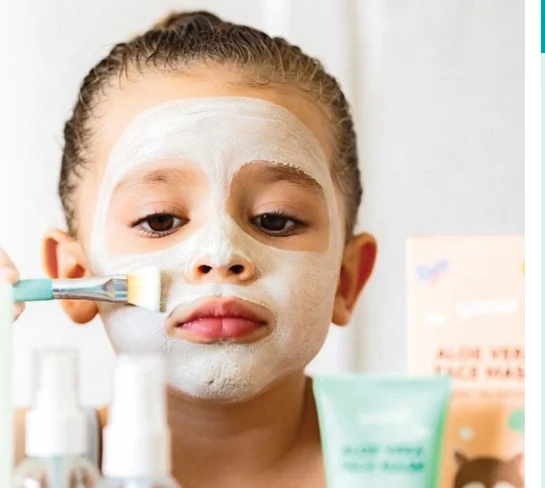
While TikTok and Instagram trends popularise child skincare for its aesthetics, the real purpose of skincare is being overshadowed. Kids, teens and pre-teens feel the urge to do a GRWM or DIY makeup as frequently as daily. It makes us wonder, do kids and pre-adolescents really need to get into skincare when their skin is not even fully developed? Even if the child insists on having a 3-step or even a 5-step elaborate skincare routine, should parents cave into this? Anyway, kids are not fully wrong to wish for good skincare. “A basic skincare routine is beneficial for a child’s development, focusing on moisturising, sun protection & cleansing using kid-friendly, fragrance-free products,” said Dr Nathaniel John Pinto, a Paediatrician at Manipal Hospital. This helps in protecting the delicate skin barrier of children, preventing sunburn & dryness.
Stating the obvious, a child’s skin is totally different from a fully developed adult’s skin. Children have still-developing and immature skin, which is structurally thinner than adult skin. Their skin tends to absorb tropical ingredients more readily, which can be both beneficial and harmful. Dr Bindu said, “The outermost barrier (stratum corneum) contains fewer natural lipids, making it more permeable and prone to moisture loss, irritation, and allergen penetration. Sebum production is minimal until puberty, which means children lack the natural protective oils, unlike adults skin, which help defend itself against environmental stressors like pollution, friction, and microbes. As a result, children’s skin absorbs topical ingredients more readily, which is both beneficial and harmful.” Hence, the formulation choice a child uses on himself or herself is particularly important
When one is pervasively unaware of the pros and cons of something, one tends to believe the majority’s perception. Hence, especially for parents in this scenario, it is important to be well educated and mindful. The ubiquitous influencer culture, widespread marketing tactics of brands to target children, and easy availability and access to any sort of skincare products do not help create a positive connotation for child skincare. When adult skincare brands keep their products at a kid’s eye level on a supermarket shelf, when there are no age barriers for the ‘Unboxing videos’ of adult skincare products, naturally, people think how harmful the products meant to be used on adults might be on a child’s skin. This is where knowing the difference between adult and child skincare can go a long way. Because “Basic care, including gentle cleansing, moisturising, and sunscreen, is necessary to support the developing skin barrier and prevent issues like eczema, sun damage, and sensitivity,” quoting Dr Bindu. Always remember that skincare has to be minimal, age appropriate and function-focused. If it is driven by market trends, peer pressure, or aesthetic priorities to ‘look cool’ or similar, then it is not skin care or self-care. Then one is harming oneself in the most ‘uncool’ way possible, and it is the parents’ responsibility to guide children not to do that.
“Parents should keep their child away from any harsh soaps, excessive bathing, and high sun exposure for long-term skin protection; these things will cause the balance of the child’s skin to be disrupted. Parents are encouraged to use children’s broad-spectrum sunscreen, keep the child hydrated, and provide a soft, breathable fabric against their child’s skin to keep it protected,” said Dr Simantini R Sakhardande, a consultant dermatologist and cosmetologist at Manipal Hospital. She further informed, “Having a simple and consistent regimen early on will decrease the chances of developing eczema f lare-ups, rashes, or any other issues and create a foundation for long-term skin health and resilience. Mild, unscented cleansing and moisturising routines that allow for the proper function of the natural barrier of a child’s skin will help to keep their skin moisturised and irritant-free dermatologically.”
So if a basic skincare does no harm, what kind of skincare becomes harmful for them? “Introducing ‘adult-style skincare’ with actives such as acids, retinoids, or brightening agents is unnecessary and potentially harmful, as it can disrupt the skin barrier and trigger long-term sensitivity,” explained Dr Bindu Sthalekar, a celebrity dermatologist and Founder of Skin Smart Solutions. Regular use of such skincare can also cause “The risk of developing skin irritation and dryness, allergic reactions & eczema arising from strong fragrances & preservatives,” said Dr Nathaniel. When asked about whether frequent exposure to various chemicals affects a child’s developing body in any way, he replied, “Some chemicals called endocrine-disrupting chemicals can interfere with the body’s natural hormones & can affect a child’s growth and development, play a role in affecting the child’s reproductive health and future fertility. Additionally, due to a child’s thinner skin barrier, chemicals can be absorbed into the bloodstream more easily, thus increasing the chances of systemic side effects.


