Meet Dr. Snigdha Chamaria -The Doctor Building India’s First Diagnosis-Led, Ayurvedic Dosha-Mapped Beauty Brand

Meet Dr. Snigdha Chamaria -The Doctor Building India’s First Diagnosis-Led, Ayurvedic Dosha-Mapped Beauty Brand

Meet Dr. Snigdha Chamaria -The Doctor Building India’s First Diagnosis-Led, Ayurvedic Dosha-Mapped Beauty Brand | file photo

In a beauty industry dominated by trends, viral ingredients, and one-size-fits-all solutions, Dr. Snigdha Chamaria is building something fundamentally different.

A doctor by profession and entrepreneur by purpose, Dr. Chamaria is the founder of Cleaner Roots, India’s first diagnosis-led, Ayurvedic dosha-mapped beauty brand that combines personalised skincare, haircare, Ayurvedic doctor consultations, and anti-inflammatory wellness into a single holistic ecosystem.

At a time when consumers are increasingly questioning whether beauty products are truly solving their concerns or merely masking symptoms, Dr. Chamaria’s philosophy is simple: understand the root cause before recommending a solution.

“Your skin is not confused. Your body is trying to communicate with you,” she says.

That belief became the foundation of Cleaner Roots.

Instead of recommending the same products to everyone, the brand begins by understanding an individual’s Ayurvedic constitution – Vata, Pitta, or Kapha- and identifying underlying imbalances that may be contributing to concerns such as pigmentation, acne, sensitivity, hair fall, inflammation, dandruff, or premature ageing.

Customers receive personalised skincare and haircare rituals, anti-inflammatory diet guidance, and Ayurvedic doctor consultations designed to address the root cause rather than just the visible symptom.

Modern Ayurveda for the Modern Consumer

What differentiates Cleaner Roots from conventional beauty brands is its fusion of traditional Ayurvedic wisdom with modern formulation science.

The brand combines powerful Ayurvedic ingredients such as Manjistha, Licorice, Neem, Vetiver, Hibiscus, Bhringraj, Turmeric, and Saffron with clinically studied modern bioactives to create products that are both deeply rooted in tradition and highly effective for today’s consumer.

“Our goal was never to choose between Ayurveda and science,” says Dr. Chamaria. “We wanted to bring the best of both worlds together.”

This unique approach has helped position Cleaner Roots at the intersection of beauty, wellness, and preventive health, an area seeing increasing consumer demand globally.

Looking Beyond Skin Deep

For Dr. Chamaria, beauty has never been only about products.

Many of the concerns people experience on their skin and scalp, she believes, are often reflections of deeper imbalances linked to inflammation, stress, gut health, lifestyle, sleep, and nutrition.

This is why Cleaner Roots integrates anti-inflammatory diet protocols and Ayurvedic consultations directly into the customer journey.

One client who initially approached the brand for persistent pigmentation discovered through consultation that a significant Pitta imbalance was contributing not only to her skin concerns but also to recurring migraine episodes. Following a personalised Pitta-balancing ritual and an eight-week anti-inflammatory wellness plan, she reported substantial improvements in both her skin health and overall well-being. 

For Dr. Chamaria, stories like these reinforce the importance of treating beauty concerns through a more holistic lens.

Building a Brand Rooted in Compassion

Beyond wellness, Cleaner Roots was also built on a strong commitment to conscious living.

Every product created by the brand is vegan and cruelty-free, reflecting Dr. Chamaria’s belief that beauty should never come at the cost of another living being.

But her commitment to impact extends even further.

Cleaner Roots donates 10% of its profits to animal shelters across India, helping support rescued, abandoned, and injured animals in need of medical care, food, and rehabilitation.

For Dr. Chamaria, entrepreneurship and compassion are inseparable.

“If a business is growing, it should create positive impact beyond its customers,” she says.

Her passion for service began long before she became a founder. She has actively served and spent time caring for 188 elderly residents at an old-age home, an experience that deeply shaped her understanding of healing, empathy, and human connection.

Those experiences continue to influence how she leads Cleaner Roots today.

Redefining Luxury Gifting Through Wellness

In addition to skincare and wellness, Cleaner Roots has also emerged as a growing name in India’s conscious luxury gifting space.

As consumers increasingly seek meaningful alternatives to traditional gifting, the brand has seen strong demand for premium wedding gifting, bridal hampers, festive wellness boxes, and curated self-care experiences.

Unlike conventional luxury hampers, Cleaner Roots combines Ayurveda, personalisation, wellness rituals, and premium design to create gifting experiences that are both thoughtful and transformative.

This growing category of conscious luxury gifting has become a significant part of the brand’s evolution, particularly among modern couples looking to align their celebrations with wellness, sustainability, and intentional living.

The Future of Beauty Is Personal

As the global beauty industry shifts toward personalisation, wellness, and preventive care, Dr. Snigdha Chamaria represents a new generation of founders building businesses with both purpose and impact.

Through Cleaner Roots, she is not simply creating skincare and haircare products. She is building a movement around root-cause healing, conscious beauty, Ayurvedic wellness, and compassionate entrepreneurship.

In a market crowded with promises, Cleaner Roots offers something increasingly rare: a belief that true transformation begins not with a product, but with understanding the individual behind it.

And for Dr. Snigdha Chamaria, that may be the future of beauty itself.
Tags: , , , , , , , , , ,
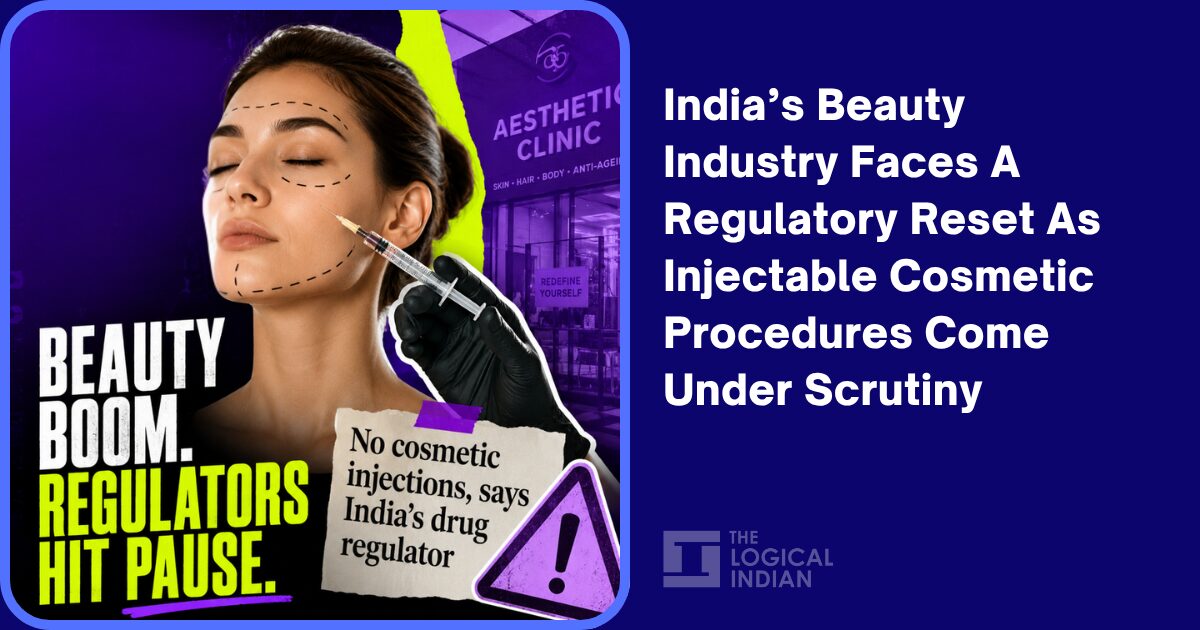
India’s Beauty Industry Faces A Regulatory Reset As Injectable Cosmetic Procedures Come Under Scrutiny

India’s Beauty Industry Faces A Regulatory Reset As Injectable Cosmetic Procedures Come Under Scrutiny

India’s beauty industry has spent the last few years moving far beyond creams, lipsticks, and skincare serums. Across metros and Tier-1 cities, aesthetic clinics offering Botox, dermal fillers, glutathione drips, anti-ageing injections, PRP therapy, and skin tightening procedures have rapidly entered the mainstream.

Social media influencers normalized these treatments, clinics aggressively marketed them, and younger consumers increasingly viewed cosmetic procedures as part of routine self-care.

Now, India’s drug regulator is stepping in.

In a public notice issued on May 18, 2026, the Central Drugs Standard Control Organisation (CDSCO) clarified that products supplied in injectable form do not qualify as cosmetics under Indian law. The regulator stated that cosmetics are intended to be “rubbed, poured, sprinkled or sprayed” on the human body and that no cosmetic product is permitted to be used as an injection by consumers, professionals, or aesthetic clinics.

The clarification may sound technical, but it signals a major shift for India’s fast-growing medical aesthetics ecosystem, where beauty procedures increasingly overlap with healthcare, pharmaceuticals, and wellness businesses.

Aesthetic Clinics Expanded Rapidly

The government’s intervention comes at a time when India’s aesthetics market is growing aggressively.

According to Grand View Research, India’s aesthetic medicine market generated revenue of approximately US$2.01 billion in 2024 and is projected to reach US$7.41 billion by 2033, growing at a compound annual growth rate of 15.6%.

Separately, IMARC Group estimated India’s medical aesthetics market at US$650.7 million in 2025, projecting it to reach US$1.33 billion by 2034.

While estimates vary because firms define the category differently, most industry reports point to the same trend: minimally invasive cosmetic procedures are becoming a major business segment in India.

This growth has been driven by rising disposable incomes, growing awareness of cosmetic procedures, medical tourism, and increasing demand for non-surgical treatments.

The shift is also cultural. Procedures once associated with celebrities or luxury dermatology clinics are now marketed to younger urban consumers through Instagram reels, influencer partnerships, and subscription-based aesthetic packages.

Regulators Draw A Line

The CDSCO clarification effectively draws a regulatory distinction between cosmetics and medical interventions.

Under India’s Drugs and Cosmetics Act, cosmetics are products applied externally to cleanse, beautify, or alter appearance. Injectable substances do not fall within that definition.

The regulator’s notice comes amid growing concerns over aesthetic procedures being promoted outside tightly supervised medical environments.

The Times of India reported that the government acted amid a rise in aesthetic and anti-ageing procedures being marketed through clinics and beauty establishments.

The Economic Times also linked the warning to growing global normalization of injectable products being used for aesthetic enhancement, including weight-loss drugs and anti-ageing therapies.

India Today reported that the clarification brings glutathione drips and anti-ageing injections under sharper scrutiny.

Importantly, the CDSCO notice does not create a new law banning medical aesthetic procedures altogether. Instead, it clarifies that injectable products cannot be categorized or marketed as cosmetics under existing legal definitions. Medical procedures involving approved drugs may still be performed under applicable medical regulations.

That distinction matters because aesthetic clinics often operate in a grey zone between beauty services and clinical healthcare.

Safety Concerns Intensify

Medical experts and dermatology associations have increasingly warned about unqualified operators performing cosmetic procedures.

Earlier this year, the Gujarat chapter of the Indian Association of Dermatologists, Venereologists and Leprologists launched an anti-quackery campaign targeting unsafe cosmetic procedures being conducted by untrained practitioners. The association flagged Botox injections, fillers, PRP therapy, laser treatments, and hair transplants being performed outside properly equipped medical facilities.

The organization stated that such procedures require specialized medical training and should only be conducted by qualified dermatologists or plastic surgeons.

Globally, regulators have also tightened scrutiny around cosmetic injectables. Reuters reported that British regulators had earlier warned injectable anti-wrinkle fillers could become “a crisis waiting to happen” without stronger oversight.

India now appears to be moving toward a stricter compliance framework as aesthetic medicine expands.

Business Models Could Change

The CDSCO clarification could significantly affect aesthetic clinics, wellness chains, cosmetic distributors, and influencer-led beauty businesses.

Injectable cosmetic procedures became commercially attractive because they offered high-margin recurring treatments compared with traditional dermatology consultations. Clinics increasingly bundled anti-ageing injections, skin brightening therapies, and contouring treatments into lifestyle packages.

Now businesses may face tighter oversight around advertising claims, practitioner qualifications, product sourcing, and treatment classification.

The shift also reflects a broader transformation within the beauty industry itself. International beauty companies are increasingly investing in medical aesthetics businesses globally. Reuters reported in 2025 that L’Oréal had taken stakes in clinics in China and North America to better understand the medical aesthetics market.

That trend highlights how cosmetic enhancement is evolving into a hybrid industry combining beauty, healthcare, pharmaceuticals, and wellness.

India’s regulator appears determined to ensure that this transition does not occur without clearer legal boundaries.

Also Read: US-Iran Strait Of Hormuz Talks Reveal 30-Day Reopening Plan, Tehran Toll Reversal And Rubio’s Warning

Tags: , , , , , , , , ,
Land of the rising sunscreen: Move over K-beauty, Japanese skincare products are India’s next big obsession

Land of the rising sunscreen: Move over K-beauty, Japanese skincare products are India’s next big obsession

Haircare and sun care have emerged as key growth segments within J-beauty, led by products centred on scalp health, hydration and lightweight formulations. Myntra hosts sunscreen, scalp-care and cleansing oil products and premium haircare treatments like Shiseido, Biore, DHC, Tsubaki, Fino and &honey. While K-beauty popularized trend-led, multi-step skincare routines, J-beauty is more closely associated with minimalist, efficacy-led products focused on long-term skin health.

Tags: , , , , , , , , , ,
Best oLive
Privacy Overview

This website uses cookies so that we can provide you with the best user experience possible. Cookie information is stored in your browser and performs functions such as recognising you when you return to our website and helping our team to understand which sections of the website you find most interesting and useful.