CBD vs THC for Skin Health: Can Cannabis Help with Acne, Eczema, or Aging?
Your skin is the largest organ in your body and one of the most honest indicators of what is happening beneath the surface. Chronic inflammation, hormonal fluctuations, oxidative stress, and a compromised skin barrier do not stay hidden for long. They show up as persistent breakouts, flaking patches, accelerated fine lines, and a general dullness that no amount of expensive moisturizer seems to fully address. For a growing number of people, cannabis-derived compounds have entered the skincare conversation not as a trend but as a legitimate therapeutic consideration, and the distinction between what CBD and THC each bring to the table is worth understanding clearly.
The skincare industry has embraced CBD with enormous enthusiasm over the last several years, to the point where the ingredient appears in everything from luxury serums to drugstore lip balms. That visibility has created both genuine interest and significant confusion. Not all CBD skincare products are created equal, THC has its own distinct and underappreciated role in skin health, and understanding what the science actually supports helps you cut through the marketing noise and make choices that are genuinely useful for your skin.
How Cannabis Interacts with Skin Biology
The reason cannabis compounds have any relevance to skin health at all comes down to a system most people have never heard of: the cutaneous endocannabinoid system. The skin has its own network of cannabinoid receptors, primarily CB1 and CB2, distributed across keratinocytes, sebaceous glands, hair follicles, immune cells, and sensory nerve fibers. This system plays a direct regulatory role in skin cell proliferation, differentiation, immune response, oil production, and barrier function.
When that system is dysregulated, skin problems follow. Overactive sebaceous glands contribute to acne. Dysregulated immune response drives the chronic inflammation underlying eczema and psoriasis. Oxidative stress and declining collagen synthesis accelerate visible aging. The premise behind cannabinoid-based skincare is that topically applied CBD or THC can interact with these receptors locally to help restore balance in the specific tissue where they are applied, without producing any systemic or psychoactive effect.
This local application distinction is important. Topical cannabis products do not penetrate deeply enough to reach the bloodstream in meaningful amounts, which means you get the receptor interaction in the skin without any of the systemic effects associated with consuming cannabis. It is a fundamentally different category of use, and it is one where the barrier between CBD and THC becomes less fraught because neither is producing an intoxicating effect when applied to skin.
CBD for Acne: What the Evidence Supports
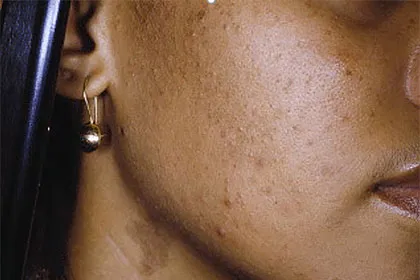
Acne is primarily a condition of excess sebum production, bacterial colonization of the follicle, and inflammatory response. CBD addresses at least two of those three drivers meaningfully. Research published in the Journal of Clinical Investigation demonstrated that CBD has a sebostatic effect, meaning it inhibits the excessive production of sebum by sebaceous gland cells. It also demonstrated anti-inflammatory properties specifically in sebaceous tissue, reducing the lipid synthesis that feeds the conditions under which acne-causing bacteria thrive.
Beyond sebum regulation, CBD’s broader anti-inflammatory properties help calm the redness, swelling, and irritation that make acne both visually prominent and physically uncomfortable. For people dealing with hormonal acne that is resistant to conventional topical treatments, a CBD-rich serum or spot treatment used consistently as part of a routine has enough research backing to be worth trialing seriously rather than dismissing.
What CBD does not do well is address the bacterial component of acne on its own. It works best as part of a complete approach that includes a non-stripping cleanser, adequate hydration, and addressing internal drivers like blood sugar regulation and stress management. Treating CBD as a single solution for acne will produce disappointing results. Treating it as a meaningful piece of a broader protocol is a more realistic and effective framing.
CBD and THC for Eczema and Inflammatory Skin Conditions
Eczema, psoriasis, and similar inflammatory skin conditions involve a compromised skin barrier, chronic immune dysregulation, and a cycle of inflammation that is notoriously difficult to break with conventional treatments alone. The CB2 receptors present in skin immune cells are directly relevant here because their activation appears to help modulate the immune response that drives that inflammatory cycle.
CBD applied topically has shown meaningful results in reducing the itching, dryness, and inflammatory flare associated with eczema in several small studies and a larger body of clinical observation. Its barrier-supporting properties, partly through its fatty acid content and partly through its interaction with keratinocyte function, make it useful for addressing the root cause of eczema rather than just temporarily suppressing symptoms.
THC enters this picture in a more nuanced way. At the receptor level, THC binds to both CB1 and CB2 more directly than CBD does, and for conditions involving significant nerve-related itch or pain, that CB1 binding in peripheral sensory nerves can provide relief that CBD alone does not consistently produce. Some dermatological researchers have pointed to the combination of both cannabinoids as more effective for inflammatory skin conditions than either in isolation, which echoes the entourage effect logic familiar from ingestible cannabis use.
The practical limitation is that THC-containing topicals exist in a more restricted regulatory space than CBD products, which means access depends significantly on your location and the legal status of cannabis where you are.
Cannabis and Skin Aging
The anti-aging application of cannabinoids is where the science is earliest and the marketing is most overextended, so some calibration is useful. That said, the theoretical and preliminary evidence is genuinely interesting.
Oxidative stress is one of the primary drivers of accelerated skin aging. Free radicals generated by UV exposure, pollution, stress, and metabolic processes degrade collagen, damage cellular DNA, and disrupt the lipid barrier that keeps skin looking plump and resilient. CBD is a potent antioxidant. Research has indicated it is more effective as an antioxidant than either vitamin C or vitamin E in certain contexts, which means regular topical application has legitimate potential to help neutralize free radical damage before it accumulates into visible aging.
CBD also appears to support collagen synthesis indirectly through its influence on the skin’s inflammatory environment. Chronic low-grade inflammation, a condition sometimes called inflammaging, accelerates the breakdown of collagen and elastin. By reducing that inflammatory baseline in the skin, CBD may help slow the rate at which visible aging progresses. This is a longer game than most skincare marketing acknowledges, but it is a sound biological mechanism worth taking seriously.
THC’s role in aging specifically is less well studied topically, though its antioxidant and anti-inflammatory properties are comparable to CBD at the receptor level. The more relevant consideration for aging-focused users is the combination of cannabinoids with supportive terpenes like pinene and limonene, which themselves have antioxidant properties and appear in well-formulated full-spectrum topical products.
For anyone looking to pair a topical cannabinoid skincare routine with a broader internal wellness approach that includes ingestible CBD or cannabis products, Online Dispensary offers a range of hemp-derived and cannabis options worth exploring across both categories.
How to Choose and Use Cannabis Skincare Products Effectively
The quality gap in CBD skincare is enormous. A product that lists CBD on the label may contain anywhere from a therapeutically irrelevant trace amount to a genuinely effective concentration. Look for products that list the total milligrams of CBD on the packaging and that provide a certificate of analysis from a third-party lab confirming actual cannabinoid content. For topical use, a meaningful concentration starts around 250mg to 500mg of CBD per 30ml of product. Anything substantially below that is unlikely to produce the receptor interaction necessary for a therapeutic effect.
Full-spectrum formulations that retain minor cannabinoids, terpenes, and fatty acids from the hemp plant generally outperform broad-spectrum or isolate products for skin applications, mirroring the entourage effect logic that applies to ingestible cannabis. The supporting compounds enhance both the anti-inflammatory and barrier-supporting properties of CBD in ways that isolated CBD alone does not replicate.
Consistency matters more than any single application. Skin cell turnover cycles take roughly four to six weeks, and the benefits of cannabinoid skincare accumulate over that cycle rather than appearing overnight. Give any new topical a genuine eight-week trial before making a judgment about whether it is working.
Frequently Asked Questions
- Can CBD skincare products make you fail a drug test? Topical CBD products applied to the skin do not enter the bloodstream in amounts that would produce a positive drug test result. The skin acts as a barrier that prevents significant systemic absorption from topicals. Transdermal patches that are specifically designed to drive compounds into the bloodstream are a different matter, but standard creams, serums, and balms do not pose a drug testing risk.
- Is there a difference between hemp seed oil and CBD oil in skincare? Yes, and it is a significant one that many products obscure. Hemp seed oil is pressed from cannabis seeds and contains no CBD or other cannabinoids. It is a nourishing carrier oil with good fatty acid content, but it does not interact with cannabinoid receptors. CBD oil is derived from the flowers and leaves of the hemp plant and contains actual cannabinoids. Many products use hemp seed oil and imply CBD benefits through their branding without containing any actual CBD.
- Can cannabis topicals be used on sensitive skin? CBD is generally well tolerated by sensitive skin and has a low irritation profile compared to many active skincare ingredients. However, formulation matters considerably. A CBD product that also contains fragrance, alcohol, or other common irritants can still provoke a reaction in sensitive skin regardless of the CBD content. Check the full ingredient list rather than focusing solely on the cannabinoid component.
- How long does it take to see results from CBD skincare for acne or eczema? For acne, some users notice reduced redness and inflammation within the first week of consistent use, though more significant changes in sebum regulation typically take three to four weeks. For eczema, the timeline is usually longer, with meaningful improvement in barrier function and itch reduction typically appearing after four to eight weeks of daily application. Consistency is the single most important variable in both cases.
- Do you need a prescription or medical card to access cannabis skincare products? CBD skincare products derived from hemp containing less than 0.3 percent THC are widely available without a prescription across most of the United States and many other countries. THC-containing topicals fall under cannabis regulations and require access through a licensed dispensary, which in many states requires a medical card or simply proof of legal age depending on whether recreational cannabis is permitted in your jurisdiction.