
Hypopigmentation

Hypopigmentation Explained: Causes, Symptoms and Treatment Options

As a melanated girlie, I’ve always been conscious of hyperpigmentation—when patches of skin appear darker than the surrounding area. I’ve spent most of my life trying to avoid it—think sun protection, acne control, preventative skincare and steering clear of aesthetic treatments that could trigger it. On the occasions it did rear its head, I was armed and ready with a host of devices and actives to even out my skin tone.

What I wasn’t prepared for, and knew very little about, was hypopigmentation. So, when it happened to me, I was flummoxed about how it had happened and what exactly the correct course of action was to treat it.

Hypopigmentation decoded

“Hypopigmentation is a reduction in the skin’s natural pigment, melanin, resulting in patches that appear lighter than the baseline skin tone, but it still retains some melanin activity. It’s often confused with vitiligo, but the two are distinct. Vitiligo is a chronic and complex autoimmune condition that involves the complete loss of melanin-producing cells,” explains aesthetic practitioner and Ace Skin Health Clinic founder, Corina Mihalache.


You may like

Around two years ago, I developed a circle of skin on my calf that looks completely devoid of pigment, while a bite that turned into a blister, and a laser hair removal mishap that burnt my skin also left me with light patches that stand out like a lighthouse amongst my darker skin.

Pigment-producing cells, called melanocytes, located in the top layer of the skin can’t function as they should when inflammation, trauma or excessive stress comes their way. “These melanocytes may remain present but no longer produce enough melanin, or they fail to transfer pigment efficiently to surrounding cells, and more severe damage can result in partial or complete destruction of the melanocytes,” says Mihalachi.

Inflammation is one of the most significant triggers; think conditions like eczema, acne, psoriasis, burns and aggressive aesthetic procedures can all trigger inflammation and disrupt normal melanocyte activity. In small doses, inflammation promotes healing—the body releases inflammatory mediators, aka the chemical messengers like histamines, cytokines, prostaglandins and leukotrienes that are all essential for healing. The issue is that when inflammation becomes chronic—and we may be fuelling it with our collective obsession with achieving ‘perfect’ skin.

“I have also noticed an increase in pigment disruption caused by over-treated skin, linked to the overuse of active skincare ingredients, particularly in patients who have unintentionally damaged their skin barrier through excessive exfoliation, strong acids, or prescription products used without professional guidance,” says Mihalachi. And it’s not just at-home skincare that could be to blame.

Some aesthetic treatments carry significant risk too. “Cryotherapy, aggressive lasers, deep chemical peels and improperly used energy devices can all suppress or permanently damage melanocytes,” reveals Mihalachi.

Hypopigmentation in darker skin tones

Just as hyperpigmentation is more of a concern for melanin-rich skin due to our more active pigment-producing cells, which are more reactive to any form of inflammation, trauma or sun exposure. Hypopigmentation can also be more concerning. Not only are we more prone to the condition thanks to our overachieving pigment-producing cells, but because when skin is darker, a loss of pigment is also significantly more visible than it would be on our lighter-skinned counterparts.

To avoid this fate, Mihalache urges patients and practitioners to err on the side of caution when it comes to skincare and treatments. Ditch overly aggressive actives, use conservative settings during treatments and follow an intensive healing aftercare protocol.


What to read next

How to treat hypopigmentation

Whatever your skin tone, the fundamentals of treating hypopigmentation remain the same. “It can still be challenging, but our understanding has improved considerably over recent years. Earlier intervention, better recognition of inflammatory triggers and more targeted therapies are helping to improve outcomes for many patients,” shares Teresa O’Nwere-Tan, Advanced Nurse Practitioner & Founder of Tan&Co

For post-inflammatory hypopigmentation, treatment focuses on calming inflammation, restoring the skin barrier and encouraging melanocyte recovery. “Depending on the individual case, this may include topical anti-inflammatory medications, carefully selected light-based therapies and anti-inflammatory and barrier supportive skincare,” says O’Nwere-Tan.

Light therapy, specifically controlled medical phototherapy, is one of the most exciting treatment options for hypopigmentation, as it’s highly effective at stimulating melanin production. LED is a great supportive light treatment that helps reduce inflammation, supports healing, and strengthens the skin barrier.

“Gentle microneedling with the likes of exosomes, peptides, polynucleotides, can help encourage melanocyte activity and improve overall pigment blending too,” reveals O’Nwere-Tan.

At home, the priority is rebuilding a healthy skin environment rather than aggressively targeting pigment loss itself. “Start with the basics: a gentle, non-stripping cleanser, a ceramide-rich moisturiser to restore barrier function, and SPF 50 every single day without exception. Once the skin is calm and the barrier is intact, vitamin C is worth introducing gradually. It supports antioxidant defence and helps address the oxidative stress that contributes to melanocyte disruption. Azelaic acid at 10-20 per cent is another useful option as it has anti-inflammatory properties, helps regulate melanocyte activity and is well tolerated across skin tones. Once fully stabilised, a low-strength retinoid can be introduced to support cell turnover and improve overall pigment distribution,” explains O’Nwere-Tan.

Managing expectations

When it comes to repigmentation, patience is key. I’ve experienced this first-hand, as it’s taken a whopping two years to see an improvement in mine, and there’s still a way to go. In milder post-inflammatory cases, Mihalachi says, “melanocyte function may begin to recover within four to twelve weeks. More moderate cases can take months to a year. But severe cases involving deep trauma or melanocyte destruction may not fully resolve.”

My aim is to keep treating my hypopigmentation at home and in clinic for another year and then reevaluate. O’Nwere-Tan thinks that’s wise: “In some cases the goal may shift to blending and stabilisation rather than complete reversal.” And that’s where cosmetic camouflage comes in, think tattooing but skin tone matching rather than a pretty design to hide my hypopigmentation. Alternatively, acceptance that skin tone can change—it’s not always even, and there’s no such thing as perfect.

Your hypopigmentation recovery kit

Revision Skincare

Gentle Cleansing Lotion

This gentle cleanser leaves skin refreshed, without stripping it completely.

The Ordinary Natural Moisturizing Factors + Ha 100ml

This moisturiser is packed with ceramides, fatty acids and hyaluronic acid to keep the outer layer if the skin hydrated, and protected.

Image Skincare

Vital C Hydrating Anti-Aging Serum

This serum contains multiple forms of vitamin C packing an major punch when it comes to treating damaged skin.

Paula’s Choice

Azelaic Acid Booster

Use this booster to help clarify uneven skin tone, target stubborn spots of hyper- and hypo-pigmentation and soothe the skin.
Tags: , , , ,
Cucumber_Sandwich

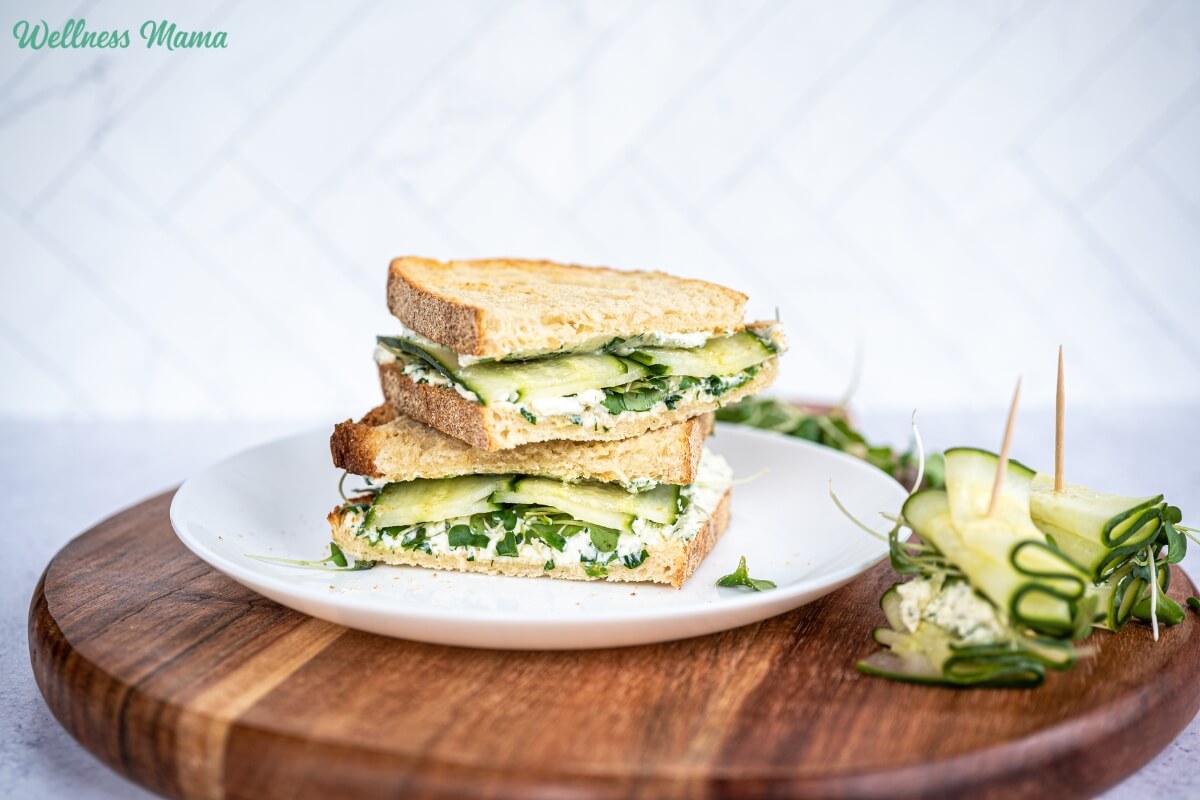
Cucumber Sandwich Bites (Grain-Free Options)

Every summer there are certain garden crops that produce in abundance. Cucumbers are one of those. Even if you don’t grow them yourself, they’re widely available at stores and farmers markets. These simple cucumber sandwiches are a creamy and fresh way to enjoy cucumbers!

Often served at tea parties as finger food, cucumber tea sandwiches are a classic. They’re also a practical and delicious choice for snack time, appetizers, or a simple side dish. 

Cucumber Cream Cheese Sandwiches

Cucumbers have a really high water content, some fiber, and various nutrients. You’ll find vitamin C and K, magnesium, and potassium. They’re a great way to hydrate during the warm summer months. Not only that, but they add a nice refreshing crunch to dishes. 

We use cucumbers a lot chopped up in salads or for pickles, but I wanted to try them in cucumber sandwiches too. 

Supposedly authentic English cucumber sandwiches originated in 1870s British occupied India. The English created them to cope with the heat. Later on they became an afternoon tea time staple. And then Americans added the creamy sauce to go with the bread and cucumbers. 

I added some microgreens for extra flavor and nutrition. Plus they add another pop of color and freshness. 

Different Variations (Including Grain-Free)

For many years I didn’t eat any gluten or grains, but now I’ll eat them on ocassion. Classic cucumber sandwiches use crustless, white bread. This isn’t my first choice for several reasons, but they taste just as good on sprouted grain bread or sourdough. 

If you want to skip the grains, then there are a few different options. We also like using butter lettuce leaves as a sandwich wrap. Another option is to keep it simple and just top the cucumbers with the cream cheese sauce.

I opted for cream cheese for the filling, but some recipes use mayo for a filling. If you need a dairy-free option, try mixing a little mayo with the herbs and seasonings instead. 

Cucumber Sandwich Bites

Creamy and crunchy, cucumber sandwiches are full of classic flavor. Featuring flavorful seasonal ingredients and herbs.

Herbed Cream Cheese Spread

  • 8 oz cream cheese (softened)
  • ¼ cup crumbled feta cheese (or up to 1/2 cup)
  • ¼ cup green onion (thinly sliced)
  • 2 TBSP fresh parsley (chopped)
  • 1 TBSP fresh dill (chopped)
  • 1 tsp lemon juice
  • ¼ tsp garlic powder
  • ¼ tsp onion powder
  • ¼ tsp salt

For Serving

  • 1 cup microgreens
  • black pepper (freshly cracked)
  • butter lettuce leaves (optional, for wraps)
  • sourdough or sprouted grain bread (optional)
  • Slice cucumbers into thin strips or rounds (about ?–¼ inch thick).

  • Place cucumbers in a bowl. Sprinkle with salt and pour in enough vinegar to cover. Let sit for 10–15 minutes.

  • Drain cucumbers and lay them on a clean towel. Pat dry well.

  • In a medium bowl, combine cream cheese, feta, green onion, parsley, dill, lemon juice, garlic powder, onion powder, and salt. Mix until smooth and fully combined.

  • For cucumber bites (no bread): Top cucumber slices with a small amount of cream cheese mixture. Add microgreens and a pinch of black pepper.

  • For lettuce wraps: Spread cream cheese onto lettuce leaves, add cucumbers and microgreens, then fold.

  • For sandwiches: Spread cream cheese onto sliced sourdough or your favorite bread. Layer with cucumbers and microgreens, then slice.

Nutrition Facts

Cucumber Sandwich Bites

Amount Per Serving (1 serving)

Calories 166
Calories from Fat 126

% Daily Value*

Fat 14g22%

Saturated Fat 8g50%

Polyunsaturated Fat 1g

Monounsaturated Fat 4g

Cholesterol 44mg15%

Sodium 484mg21%

Potassium 145mg4%

Carbohydrates 4g1%

Fiber 1g4%

Sugar 2g2%

Protein 4g8%

Vitamin A 735IU15%

Vitamin C 5mg6%

Calcium 84mg8%

Iron 0.4mg2%

* Percent Daily Values are based on a 2000 calorie diet.

Serve immediately for the best texture.

More Cucumber Recipes

Have a bunch of cucumbers that need to be used? Here are some more cucumber recipes to try!

What are some of your favorite refreshing snacks to eat? Leave a comment and let us know!

Tags: , , , ,
Which body lotion is best for dry skin? 8 top-rated hydrating options on Amazon to keep your skin soft and smooth

Which body lotion is best for dry skin? 8 top-rated hydrating options on Amazon to keep your skin soft and smooth

Body lotion becomes especially important as winter sets in and skin starts feeling tight, itchy, or flaky. Cold air outside and constant indoor heating reduce humidity, which slowly strips away the skin’s natural lipid barrier. This barrier is responsible for holding moisture and protecting skin from external irritants. Once it weakens, water loss increases, leading to cracks, rough skin and sensitivity.

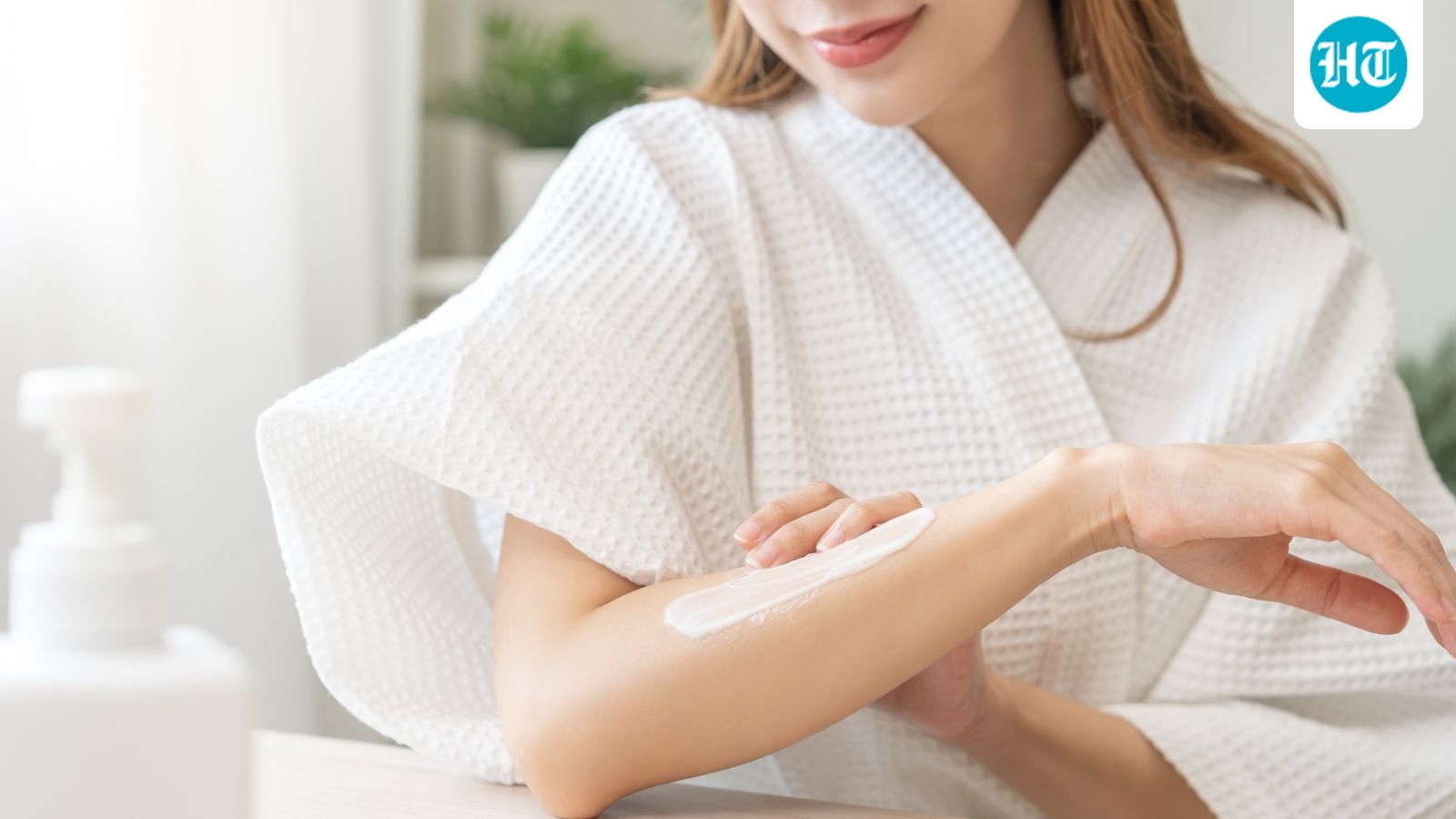
Dry skin fix: Hydrating body lotions that keep skin soft and comfortable. (Adobe Stock )

Seasonal changes call for a shift in skincare priorities. Lightweight summer formulas may no longer provide enough support, making stronger moisture protection necessary. Body lotions are water-based formulations made with a blend of water, oils, and emulsifiers. Their lighter texture allows for quick absorption without feeling greasy, making them suitable for daily use across various skin types, including oily or acne-prone skin, according to dermatologist Dr Kisalay Saurav, as told to HealthShots. When chosen carefully and used consistently, body lotion helps restore comfort, support barrier repair, and reduce winter-related skin discomfort.

Benefits of using body lotion for dry skin:

Using a body lotion does more than add surface moisture. It helps maintain the skin’s moisture balance, preventing dryness, flakiness, and irritation by locking in hydration and strengthening the skin’s protective layer. Aesthetic Physician Dr Akanksha Singh Cornuit tells HealthShots that body lotions contain emollients and occlusive agents that create a barrier on the skin, preventing moisture loss and protecting against environmental stressors such as wind and pollution. Daily use can keep skin smooth, soft, and supple while nourishing it with ingredients like glycerin, shea butter, hyaluronic acid, and antioxidants. For those with sensitive skin or conditions such as eczema, they can offer a calming, soothing effect and enhance overall skin health over time.

Beyond hydration, body lotion addresses specific skin concerns, including uneven texture and loss of firmness. Its numerous benefits make it an essential component of a daily skincare routine.

8 top-rated body lotions for dry skin to try this winter season:

Soothe dry, uncomfortable skin this season with a curated list of top-rated body lotions for dry skin. Chosen based on overall ratings, user feedback, and personal use experience, these lotions help restore moisture, strengthen the skin barrier, and keep skin soft and comfortable with daily care.

I’ve been using NIVEA Nourishing Body Milk for the past two years, and it’s been a game-changer for my dehydrated skin. Enriched with hyaluronic acid and almond oil, this body lotion provides long-lasting hydration that keeps my skin soft, smooth, and radiant for hours. I love how it absorbs quickly without feeling greasy, making my daily skincare routine simple and effective. My skin feels nourished and healthy all day.

Vaseline Deep Moisture Body Lotion is my go-to for dry skin. Formulated with ceramides and hyaluronic acid, this product deeply nourishes and restores hydration, leaving the skin soft and smooth. I love how it absorbs easily without feeling sticky, providing long-lasting moisture that lasts throughout the day. Regular use helps repair and strengthen the skin barrier, reducing dryness and rough patches. Perfect for daily care, it keeps skin healthy and cushion-soft.

Aveeno Daily Moisturising Lotion is ideal for dry skin, offering gentle, all-day hydration. Enriched with soothing oatmeal, it helps calm irritation while locking in moisture. For best results, apply immediately after showering or bathing to seal in hydration. Its lightweight, fast-absorbing formula keeps skin soft, smooth, and comfortable throughout the day, making it suitable for both normal and dry skin types.

CeraVe Moisturising Lotion is a top choice for dry skin due to its unique blend of three essential ceramides and hyaluronic acid. This fragrance-free, oil-free formula deeply hydrates while supporting the skin’s natural barrier without clogging pores. People love it for its lightweight, non-greasy texture, which absorbs quickly to provide long-lasting moisture. Ideal for daily use, it keeps skin soft, smooth, and healthy-looking.

WishCare 10% AHA + 1% BHA Body Lotion stands out for tackling dry, rough, and bumpy skin. The AHA exfoliates dead skin, while the BHA clears clogged pores, helping to smooth the texture and improve hydration. Unlike regular lotions, it gently resurfaces skin, revealing softer, more even skin over time. Suitable for both men and women, it’s a great option if uneven or rough patches accompany dryness.

Looking for a caramel‑vanilla body lotion that actually hydrates dry skin? Plum BodyLovin’ Vanilla Caramello is the right pick. With cocoa butter and vitamin B5, it delivers deep moisture without leaving a greasy residue. The warm, cosy scent is a bonus, and my skin stays soft and glowing for hours. It’s excellent for dry to dehydrated skin that needs reliable, everyday hydration.

Be Bodywise 20% Urea Body Lotion is ideal for very dry, flaky skin that needs serious care. With 20% urea, it gently exfoliates while deeply moisturising and helping to repair the skin barrier. Ceramides, kokum, and mango seed butter nourish and soothe, making rough skin feel softer and healthier. Its lightweight, non‑greasy formula absorbs easily, providing long‑lasting comfort and hydration for daily skin health.

Dr Reddy’s Venusia Max Intensive Moisturising Lotion is perfect for normal to dry skin needing deep, lasting hydration. Enriched with 4D hyaluronic acid and polyglutamic acid, it penetrates deeply to lock in moisture and support skin health. Shea, cocoa, mango, and aloe butters nourish and soothe, keeping skin soft and protected. Ideal for daily use, it helps maintain a healthy, hydrated skin barrier.

Similar stories:

These 8 top-rated lip oils are best for ultimate hydration and long-lasting moisture

Need a lighter protein powder option? Try 6 top-rated isolate whey protein choices on Amazon India

FAQ’s: Body lotion for dry skin

  • How do I choose a body lotion for dry skin?

    Look for lotions with ceramides, glycerin, urea, or hyaluronic acid to support moisture retention and skin barrier repair.

  • When should body lotion be applied for best results?

    Apply right after a shower, on slightly damp skin, to help seal in moisture effectively.

  • Are fragranced body lotions suitable for dry skin?

    Fragrance-free options are safer for individuals with very dry or sensitive skin, as scents can trigger irritation.

  • Can body lotion be used daily on dry skin?

    Yes, daily use helps maintain hydration, reduce flakiness, and improve overall skin comfort.

Disclaimer: At Hindustan Times, we help you stay up-to-date with the latest trends and products. Hindustan Times has an affiliate partnership, so we may get a part of the revenue when you make a purchase. We shall not be liable for any claim under applicable laws, including but not limited to the Consumer Protection Act, 2019, concerning the products. The products listed in this article are in no particular order of priority.

Tags: , , , , , , , , ,
Best oLive
Privacy Overview

This website uses cookies so that we can provide you with the best user experience possible. Cookie information is stored in your browser and performs functions such as recognising you when you return to our website and helping our team to understand which sections of the website you find most interesting and useful.
