


If your morning skincare routine involves 10 different products, multiple serums and more time than your morning coffee, you might be doing more than your skin actually needs.
Between TikTok’s elaborate skincare routines, celebrity-endorsed beauty products and seemingly endless promises of brighter, smoother, younger-looking skin, it’s easy to believe that more products equal better results.
But dermatologists say that’s not necessarily true.
Advertisement
Advertisement
In fact, a complicated skincare routine can sometimes do more harm than good, especially when you’re layering multiple active ingredients without understanding how they interact.
The good news? Healthy skin doesn’t require an overflowing bathroom cabinet or an expensive collection of products. For most people, three basics are a good place to start.
Related: We Asked 6 Dermatologists Which Anti-Aging Ingredient They’d Never Skip—They All Said the Same Thing
The 3 Skincare Products Dermatologists Say You Actually Need
If you’re looking to simplify your routine, start with a gentle cleanser, moisturizer and broad-spectrum sunscreen.
“Your skin doesn’t need ten products to stay healthy. For most people, a gentle cleanser, a moisturizer and a broad-spectrum sunscreen with SPF 30 or higher are enough,” says Dr. Priyanka Sutariya, MD, of Skin Experts Advanced Skin, Laser & Cosmetology Clinic.
Advertisement
Advertisement
“The cleanser removes excess oil and impurities, the moisturizer supports your skin barrier, and the sunscreen protects against pigmentation and premature aging.”
Here’s why each product deserves a place in your routine.
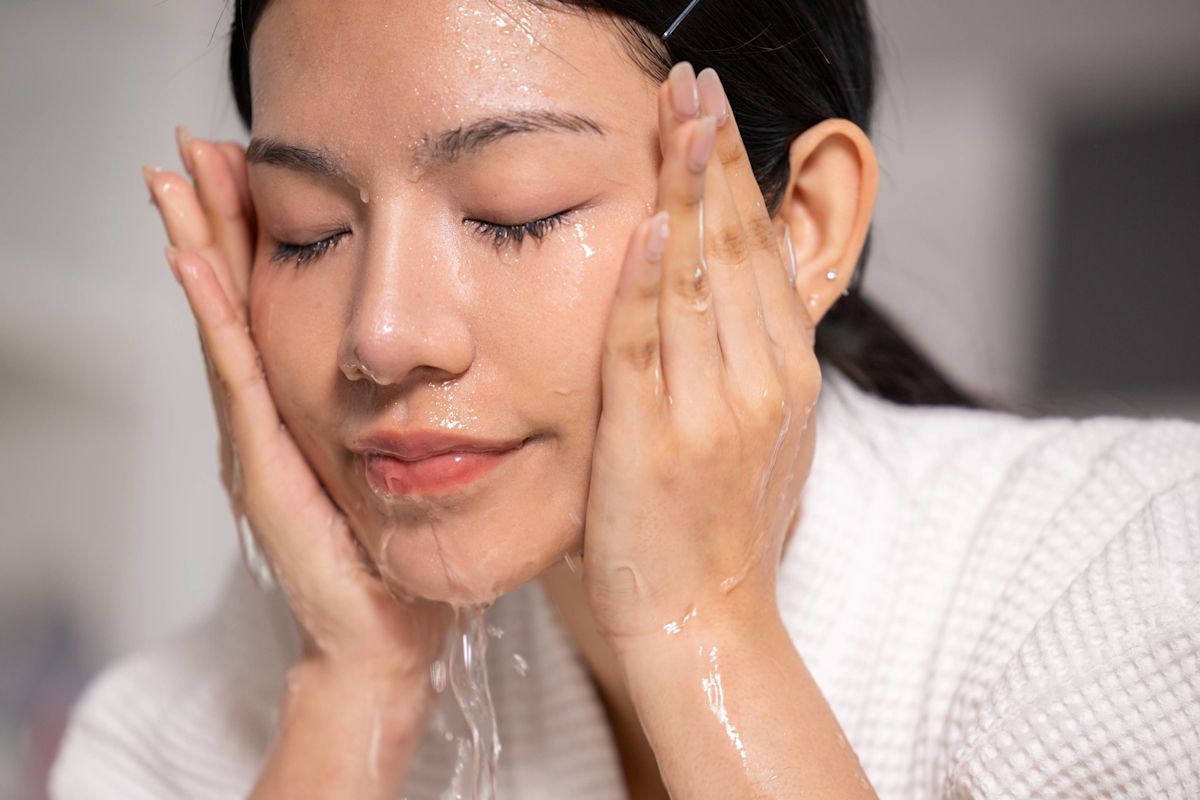
1. A Gentle Cleanser
Think of your cleanser as the foundation of your skincare routine.
Throughout the day, your skin accumulates oil, sweat, dirt, makeup and sunscreen. A gentle cleanser helps remove those impurities without stripping away the natural oils that help keep your skin comfortable.
But there’s a difference between clean skin and overly cleansed skin.
If your face feels tight, dry or irritated after washing, your cleanser may be too harsh.
Advertisement
Advertisement
Look for a gentle formula suited to your skin type. If you regularly wear heavy makeup or water-resistant sunscreen, you may benefit from using a cleansing balm or oil before your regular cleanser.
The goal isn’t to make your skin feel squeaky clean. It’s to remove buildup without disrupting your skin barrier.
2. A Moisturizer That Works for Your Skin Type
One of the biggest skincare misconceptions is that people with oily skin don’t need moisturizer.
In reality, moisturizing can benefit a variety of skin types, including oily, combination and sensitive skin.
Moisturizers help maintain hydration and support the skin’s protective barrier, which helps limit moisture loss and protect against environmental irritants.
Advertisement
Advertisement
The trick is choosing the right formula.
People with dry skin may prefer a richer cream, while those with oily skin might find a lightweight, noncomedogenic lotion or gel more comfortable.
Ingredients such as glycerin, hyaluronic acid and ceramides can help support hydration, depending on the formulation.
You don’t necessarily need the most expensive moisturizer on the shelf. You need one that works for your skin.
Related: The 15 Best Retinol Body Lotions, According to Celebrity Dermatologists
3. Broad-Spectrum Sunscreen With SPF 30 or Higher
If there’s one skincare step dermatologists consistently emphasize, it’s sunscreen.
Broad-spectrum sunscreen with SPF 30 or higher helps protect against UVA and UVB rays, which contribute to sun damage, premature skin aging and skin cancer.
Advertisement
Advertisement
And no, sunscreen isn’t just for beach days.
UV exposure can occur during everyday activities, including walking the dog, running errands or spending time outdoors on a cloudy afternoon.
Apply sunscreen as the final step of your morning skincare routine, before makeup, and reapply approximately every two hours when outdoors, as well as after swimming or sweating.
Consistency matters more than how many other products you’re using.
Do You Really Need Vitamin C, Retinol or Toner?
Once you’ve established the basics, you can consider adding targeted treatments based on your skin concerns.
But just because an ingredient is trending doesn’t mean it belongs in everyone’s routine.
Vitamin C Serum
Vitamin C is a popular antioxidant ingredient that may help improve the appearance of uneven skin tone, dark spots and dullness.
Advertisement
Advertisement
It’s often included in morning skincare routines, although the effectiveness of a vitamin C product depends on its formulation, concentration and stability.
If hyperpigmentation or uneven tone is a concern, vitamin C may be worth considering.
But if your skin is already healthy and you’re primarily focused on maintaining hydration, it isn’t necessarily essential.
Related: 11 Best Skin-Tightening Moisturizers, According to Celebrity Derms
Retinol
Retinol is a vitamin A derivative commonly used to address fine lines, uneven skin texture and certain acne concerns.
It can be effective, but it can also cause dryness, peeling, redness and irritation, particularly when first introduced.
Advertisement
Advertisement
If you’re new to retinol, start with a lower-strength formula, use it gradually and avoid combining it with multiple potentially irritating active ingredients until you understand how your skin responds.
Retinoids should generally be avoided during pregnancy, so check with your healthcare provider if that applies to you.
Toner
Toners have changed considerably over the years.
While older formulas were often associated with removing excess oil, today’s toners can contain hydrating ingredients, exfoliating acids or other targeted treatments.
Some people enjoy using them, and certain formulations may address specific concerns.
Advertisement
Advertisement
But if your cleanser, moisturizer and other treatments are already working, there’s no reason to add toner simply because it’s popular.
Can Using Too Many Skincare Products Actually Damage Your Skin?
Surprisingly, yes.
A 10-step routine isn’t automatically harmful, but using more products increases the number of ingredients your skin encounters, potentially raising the risk of irritation or allergic reactions.
Layering multiple exfoliating acids, retinoids and other active ingredients can be particularly problematic for people with sensitive skin.
“Actives like retinol, vitamin C, or salicylic acid can be added for specific concerns, but too many at once often lead to irritation, dryness, and a damaged barrier,” Sutariya explains.
Advertisement
Advertisement
Signs that your routine may be too aggressive include persistent redness, stinging, flaking, tightness and increased sensitivity.
If these symptoms develop, consider simplifying your routine and temporarily avoiding potentially irritating treatments. Persistent or severe symptoms warrant a dermatologist’s evaluation.
How to Build a Simple Morning and Nighttime Skincare Routine
You don’t need an elaborate schedule to take care of your skin.
For many people, a straightforward routine looks like this:
Morning:
-
Gentle cleanser, if needed
-
Broad-spectrum sunscreen with SPF 30 or higher
Evening:
-
Targeted treatment, if needed
Depending on your skin type and concerns, your dermatologist may recommend additional steps or prescription treatments.
The important thing is to introduce new products thoughtfully rather than adding several at once.
The Bottom Line
You don’t need to follow every viral skincare trend to maintain healthy skin.
For many people, a gentle cleanser, moisturizer and daily sunscreen provide a practical foundation. Additional treatments can be useful, but they should serve a specific purpose.
And if your current routine is working? There’s no need to complicate it just because someone on social media uses 10 products.
When it comes to skincare, more isn’t always better—and consistency often matters more than complexity.
Sources:
Next: 9 Drugstore Serums That Target Sagging Skin, According to Dermatologists
This story was originally published by Parade on Nov 6, 2026, where it first appeared in the Beauty section. Add Parade as a Preferred Source by clicking here.


