


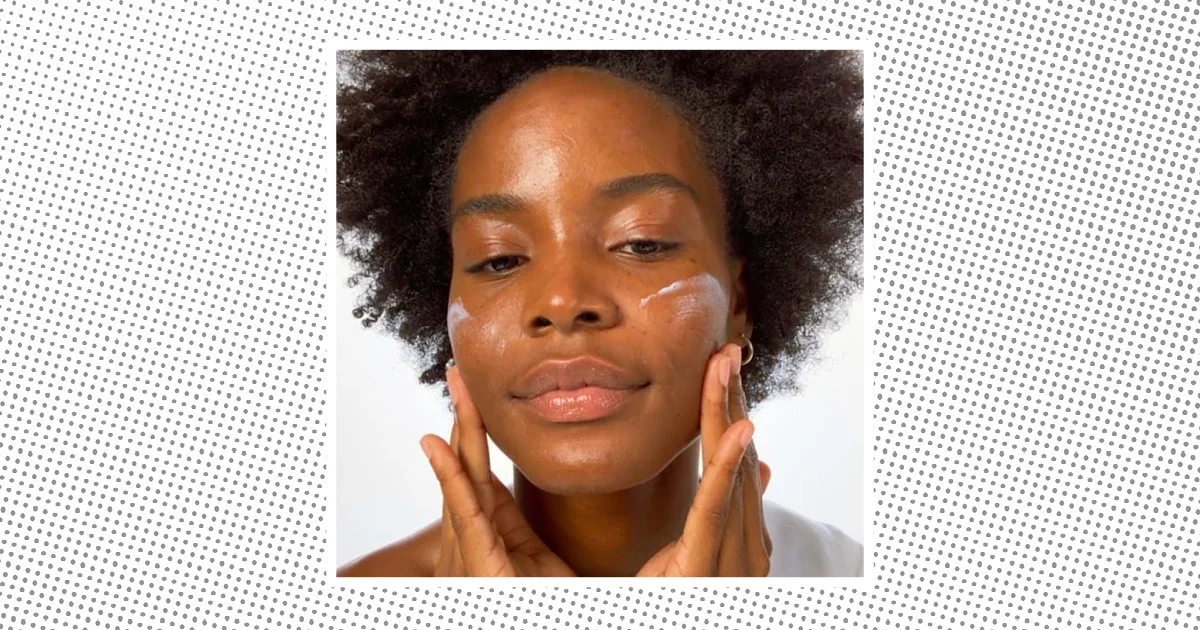
Years ago, people with sensitive skin seemed to be a small group who flushed easily and felt a tingle when using certain skincare products. Now, it feels like practically everyone identifies as sensitive. Maybe you now find moisturizer burns upon application or your face gets as red after a few bites of spicy food as it does after a punishing spin class. Even people who once considered themselves firmly on team “normal skin” are newly reactive.
I’ve noticed it myself over the past year. As I’ve entered the early stages of perimenopause, one of the biggest changes in my skin hasn’t been the more expected acne or dryness, but increased sensitivity. Products I’ve used for years suddenly feel irritating. Regardless of what I use (or don’t use), for about five days every month my face is red, textured and itchy.
As it turns out, my experience is becoming increasingly common. “A recent global survey showed that 70 per cent of people now self-report some degree of sensitive skin,” says Dr. Geeta Yadav, board-certified dermatologist and founder of FACET Dermatology in Toronto.
Sensitive skin or sensitized skin?
Part of the reason this conversation has become so loud is because many people are dealing with sensitized skin, a temporary state caused by a compromised skin barrier, rather than a truly sensitive skin type.
“Sensitive skin is really a syndrome of unpleasant sensations in response to things that shouldn’t normally provoke them,” says Yadav, adding that dermatologists believe it’s a neuropathic disorder, where nerves in the skin have a lowered threshold for firing back.
People with the sensitive skin type are predisposed to it and are typically reactive around the clock, 365 days a year. “[They] tend to have a naturally weakened skin barrier, higher reactivity to products, weather, fragrance or environmental triggers and have chronic tendencies toward redness, stinging, dryness and itching,” says Dr. Michael Ingrassia, vice president of advanced technologies at Clinique Laboratories.
Sensitized skin, on the other hand, is acquired. According to Ingrassia, it appears when the skin barrier becomes compromised, often by skincare habits, aggressive cosmetic treatments, stress, lack of sleep, pollution and UV exposure.
That distinction matters because while sensitive skin is usually ongoing, sensitized skin is often short-lived and reversible. “If your beloved moisturizer suddenly burns, that’s sensitized skin, not sensitive skin,” says Yadav.
Sensitive skin benefits from a very simple skincare routine, experts say. Photo: Clinique
Why reactive skin is on the rise
There’s no single culprit behind this surge in skin reactivity, say the experts. Instead, it’s the cumulative effect of modern life colliding with increasingly aggressive skincare habits.
“More than ever, skin is exposed to environmental aggressors, pollutants, allergens and daily lifestyle stressors that can compromise the skin barrier and heighten reactivity,” says Janet Pardo, SVP of global product development at Clinique.
Everyday exposures that may seem relatively minor, like air conditioning, abrupt weather changes and UV, are now understood to have a measurable impact on barrier function. “[All these factors] disrupt the dermis, increase water loss and make the skin more prone to discomfort,” explains Pardo.
Sensitive skin and perimenopause
Hormones are another major, yet often overlooked factor, particularly perimenopause and menopause, which can span anywhere from four to eight years or longer (insert grimacing emoji here).
The estrogen drop during those big hormonal shifts thins the skin, reduces ceramide and hyaluronic acid production and lowers the threshold for irritation, Yadav explains. “Many women in their mid-forties suddenly find their long-standing routine no longer works.”
At the same time, our skincare routines have become far more intense than they were a decade ago. Multi-acid toners, prescription-strength retinoids, daily exfoliation, lasers, peels and in-office treatments all stress the skin barrier, even more so when layered together.
“We’re dramatically worse at protecting our barriers than we were a generation ago, using more ingredients more often and with no rest periods,” says Yadav. “Overuse of actives is, in my opinion, the single most modifiable contributor to skin sensitivity in 2026.”
A barrier-first beauty approach
As more people experience skin reactivity, brands are increasingly coming out with barrier-strengthening formulas designed to calm the skin rather than challenge it. “Consumer awareness and labelling of ‘sensitive skin’ has expanded dramatically over the last five to 10 years,” says Ingrassia.
That rise in demand led to Clinique’s new Daily Calm line, a four-product collection designed for those with both sensitive and sensitized skin, “who are looking for products that feel both effective and reassuring to use,” says Pardo. The goal was to create a streamlined regimen that would support the skin while addressing everyday triggers that cause irritation.
The line includes a cleanser, moisturizer and notably, two makeup products—a lip and cheek colour and a tinted skin balm that can be worn comfortably even during a flare-up. “Including makeup in the line was very intentional,” says Pardo. “For many people with reactive skin, sensitivity doesn’t stop at skincare.”
A simpler routine
The experts emphasize that reactive skin responds best to simplicity. If your skin becomes red, tender or inflamed, hit pause on strong actives like retinoids and exfoliants until your barrier has recovered. “A well-tolerated moisturizer used consistently is the single most evidence-supported intervention for sensitive skin,” says Yadav.
There are supportive and barrier-building ingredients that can help: Scan labels for ceramides, glycerin, centella asiatica, panthenol, squalane and colloidal oatmeal. Clinique built the Daily Calm line around uniflavon, an anti-inflammatory and antioxidant ingredient that combines skin-soothing bamboo and skullcap extracts. “It helps calm the rapid response that can lead to visible signs of sensitivity while also defending against longer-term irritation triggers that may continue to fuel reactivity,” says Pardo.
While skincare trends continue to push stronger ingredients and a more-is-more mentality, Yadav says easily irritated skin often benefits from the opposite: fewer steps and more consistency. “Three or four products will outperform a 10-step routine almost every time.”
Shop skincare for sensitive skin
Packed with two types of vegan PDRN, centella asiatica and panthenol, these nifty pads firm, soothe and hydrate reactive skin.
With a unique oil-like texture, this silky serum is formulated with a calming trio of ceramides, urea and squalane to help strengthen and brighten skin.
Available in eight shades, this sheer, creamy, buildable foundation works to soothe skin on application and over time thanks to uniflavon and a trio of strengthening lipids.
Ectoin, the hero ingredient in this barrier-boosting serum, helps to reduce water loss and minimize redness in easily irritated skin.
With 20 per cent hyaluronic acid and antioxidant-rich blue tea, this gel mask gently boosts skin elasticity and moisture levels.
With a texture like butter and nourishing ingredients including colloidal oatmeal, this rich night cream provides intense hydration.
A sister to K-Beauty brand Aestura’s best-selling barrier cream, this water-based lotion contains the same award-winning ceramide blend as the original, but in a more lightweight texture.


