spring garden

Spring Garden Checklist For An Easier Garden Season

Every spring one of the things I look forward to most is getting back in the garden and yard. Living in a warmer climate I’m able to do a lot outside, but there are certain tasks that need done in the spring. Here’s what’s on my garden to-do list this spring to prep everything for the summer and beyond. 

My gardening approach may look different than someone in a colder climate. Wherever you live though, there are certain gardening tasks that are helpful to do before warm weather planting. The yard may need cleaning up, garden equipment replaced, and soil prep done. 

Spring Gardening Planning

I’ve had a garden for years and our family has grown a wide variety of vegetables. I’m also an avid beekeeper and we’ve more recently taken on ducks and chickens. Then there are the herbs and flowers scattered across the yard. 

While what I’ve grown has certainly changed over the years, you’ll always find me growing something. 

What’s the first step to gardening? Planning.  

You can find your USDA plant hardiness zone here. It will tell you the last and first frost dates. If you live in a really warm climate (like me) it’s possible to have multiple growing seasons throughout the year. Someone who lives in more of a true four seasons location typically will have spring through fall available for gardening. Really cold climates just have a few months in summer. 

Whatever climate you live in, be sure to check your last frost date and work backwards from there. 

A Garden Planner

A garden journal or planner is really helpful. This can be an app on your phone, a computer program, or old-fashioned pencil and paper. Go over the garden plans and notes from last year. What worked, what didn’t? What do you want to change or add? Decide what you’re planting and where in the garden. 

It can be fun to plan big, but also keep in mind what will actually work in your area and what you’re realistically able to do. It doesn’t make sense to grow 20 tomato plants if you only have 3 garden beds! Research how much space each plant needs so it has adequate room to grow. This is my favorite garden planning app.

This is a good way to plan for crop rotation to prevent soil depletion. I also do companion planting when I garden to boost plant and soil health. Once you know which plants you’re growing, mark down when to start the seeds and transplant outside. 

Seed Starting

Once you know what you want to plant where (and when), it’s time to start the seeds. Some plants need fully warm weather to survive and need a late spring or early summer planting, depending on your area. Other plants tolerate cool weather well, like peas, lettuce, spinach, and root veggies. 

Some plants can be direct seeded in the soil, like lettuce and carrots. Others work best if they’re started indoors and then transplanted. You can find my detailed seed starting guide here. 

Soil Testing

This step isn’t always necessary, but it can be very helpful. Soil testing lets you know what nutrients are low or missing so amendments can be made. Local university extension offices are usually a good resource for this. 

Soil testing looks at the ratios of sand, silt, clay, and the basic soil makeup. It will also show the pH and available nutrient levels. Certain plants grow best in certain soil pH levels, so it can be the difference between having a thriving garden and little or no growth. 

Crop rotation, companion planting, and regenerative practices (like not doing large areas of mono-crops) help with this. 

Add Compost

Once you know what’s going on under the surface, spring is a good time to add in compost. I like to add an extra boost of nutrients via compost as I’m planting my veggies, herbs, and flowers. However, you can also help improve the overall soil quality by amending with compost in the spring. 

In early spring spread a layer of compost about 2-4 inches thick over the area. If the soil is clay rich and hard, then break it up first. Next, till and work the compost into the soil. You can do this with a hoe, garden rake, or even your hands if it’s a smaller area. Learn how to start composting here and how to make compost tea here. 

Snip, Snip, Trim

If you didn’t already trim bushes, trees, and plants in the fall, now is the time. I like to prune bushes, trees, and anything else I need to.This gets rid of the dead waste so the plant can focus on new growth. 

Here are things that can be pruned in spring:

  • Dead or damaged branches
  • Flowering shrubs (just the tops, before new growth starts)
  • Overgrown shrubs and hedges

Trim dead growth from last year on perennials. Clean out old leaves, twigs, and dead plant material and compost them. Avoid pruning or trimming spring flowering plants like forsythia or lavender. 

Organize and tidy up the garden shed and potting bench. Restock any supplies that you’re going to need. Where are your watering can, garden hose, and gardening tools? Are they where you need them once you start gardening? Clean, sharpen, and oil any tools as needed. Get rid of and replace as needed. 

This is another area where it can be tempting to go out and buy all of the things. Ask yourself what you actually use and what kind of garden you have. If you only have a few raised beds on your back porch, you don’t need a large soil tiller.

If you have a rain barrel (or want one!), then this can be set up in late spring. Be sure to clean out the gutters and make sure the downspout and any necessary attachments are in working order.  

Weed and Mulch

Many of the plants people call weeds are actually beneficial and medicinal plants, like dandelion and plantain. However, I also don’t want a bed full of dandelions taking up the space where I planted other veggies. Spring is the perfect time to get a headstart on the weeds. Just be sure to save plenty in the yard for the pollinators!

I like to clear out the garden beds when the soil is damp and roots are easy to pull out. They’re much easier to remove in their early growing stages than later on. They’re also less likely to go to seed and make more weeds. 

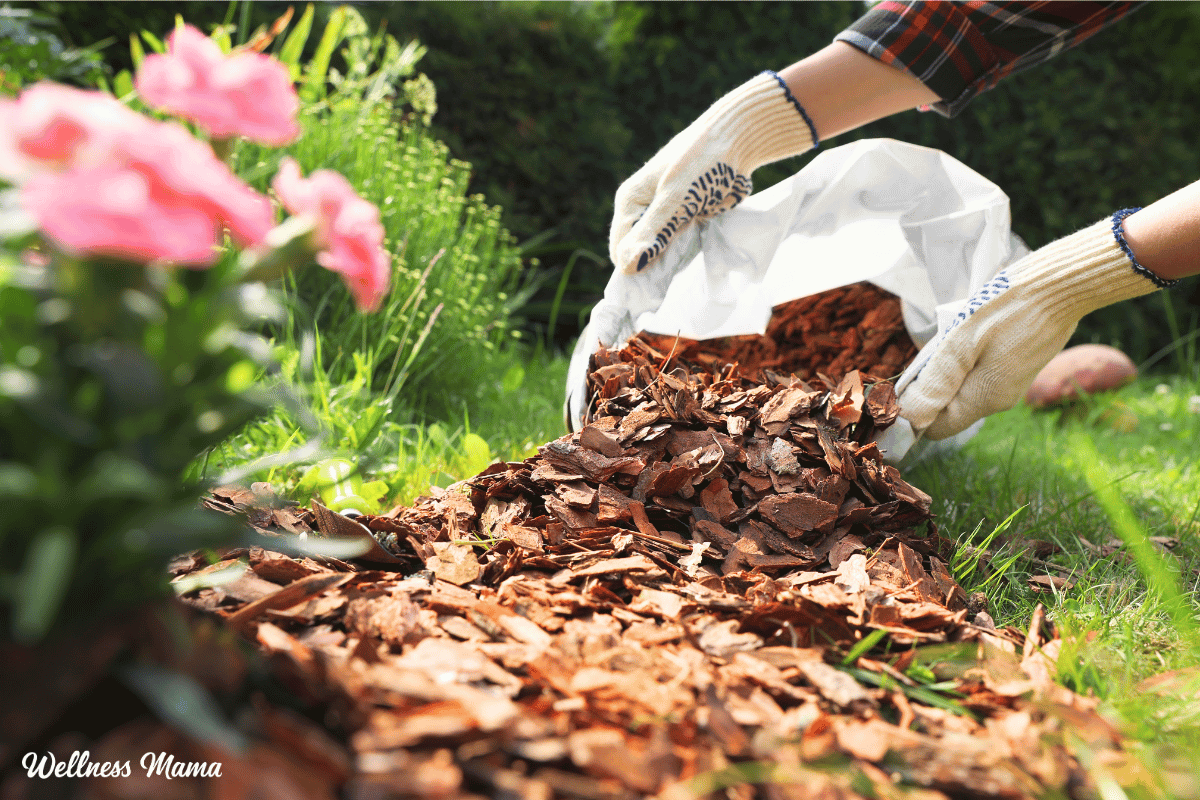
You can cover the beds with a thick layer of mulch to deter future weed growth. However, it can be easier to plant smaller transplants first, then mulch around them. 

Hold Up on Cleanup

It’s best to wait until warmer weather to clean up leaf litter and do yard cleanup tasks. Pollinators and beneficial insects rely on their protection during the winter and into spring. According to the Xerces Society for Invertebrate Conservation:

Meanwhile, last year’s leaf litter is still providing protection for both plants and invertebrates against late-season frosts. And butterflies’ chrysalides still cling to dried stems and twigs, waiting for the right time to emerge as adults. – Xerces Society

The perfect time to start yard and garden bed cleanup depends on your area. Ideally it’s late spring or even early summer.

Maintaining Garden Areas

It’s not just the dirt and garden beds that need some loving care. Check on your garden pathways and areas surrounding the beds for any maintenance needs. 

Are there any pavers that are cracked/broken and need to be replaced? Do any weeds need to be removed from walkways? Are there any spots that need replenished with more mulch or gravel? 

If you have raised garden beds, pots, or other planters, check for any repairs that need to be made to these. If you want to extend the growing season, you can also add cold frames or row covers to insulate the plants. 

Perennials and Cuttings

Spring is the ideal time to divide perennials and replant as needed. When a flowering perennial has grown in the same place for a while its growth can stagnate or even stop. Splitting it into several plants during early spring growth not only strengthens the plants, but can increase the flowers. 

Bare root cuttings, like elderberry, are also good to start now. Here’s a guide for gathering elderberry cuttings to plant for summer. If you’re planting any trees, fruit trees, bushes, or shrubs, once the ground is no longer frozen in spring is a good time to do it. 

Helping the Garden Friends

A garden wouldn’t be what it is without friendly bugs and pollinators. While many agriculturalists wage war with the natural world, bugs, birds, and bees are essential to a healthy eco-system. 

I’ve already mentioned I have beehives in the backyard, but there are plenty of ways to support pollinators and other garden helpers. Try making a simple bee hotel. Take stock of any bird houses or bird feeders. Dust them off and pull them out of the garage, and see what needs to be replaced or repaired. 

Hang and refill bird feeders, and clean out and refill the bird bath. Check your bat house if you have one, and if not, here’s why I recommend them! You can even plan and plant a butterfly garden. 

Preparing For a Spring Garden

I know I mentioned a lot in this spring garden checklist, but don’t feel the need to tackle everything at once (or at all). As the seasons of my life have changed, so has my garden and what I’ve done with it. At times I’ve had a huge vegetable garden, other times I’ve pulled back and focused more on herbs and flowers. 

Do what feels good (and doable) for you during this season. I hope that these gardening tips will help you feel more prepared for your gardening season. Whatever that looks like for you!

How do you prepare your garden during the spring? Anything you would add or I missed? Leave a comment and share below!
Tags: , , , ,
spring cleaning checklist

My Natural Spring Cleaning Checklist (Room by Room)

I’ve written many times about how I clean my house with natural cleaners. Now to check off something that’s been on my list for a while: a complete cleaning checklist for the whole house!

Sometimes it’s hard to get the motivation (or time) to take on deep cleaning. However, the one time of year most of us feel like tackling it is when spring finally arrives and the weather warms up.

Spring cleaning doesn’t have to mean complicated systems or cabinets full of cleaning supplies. In fact, the simpler the process, the more likely I am to actually do it (or convince the kids to help!). I like to open the windows for fresh air, turn on the air filter, and tackle one room at a time. Nothing beats the satisfaction of checking items off a list as you go.

Below is the room-by-room checklist I use for deep cleaning the house each spring. You’ll also find the printable version at the bottom.

Cleaning Supplies to Have on Hand

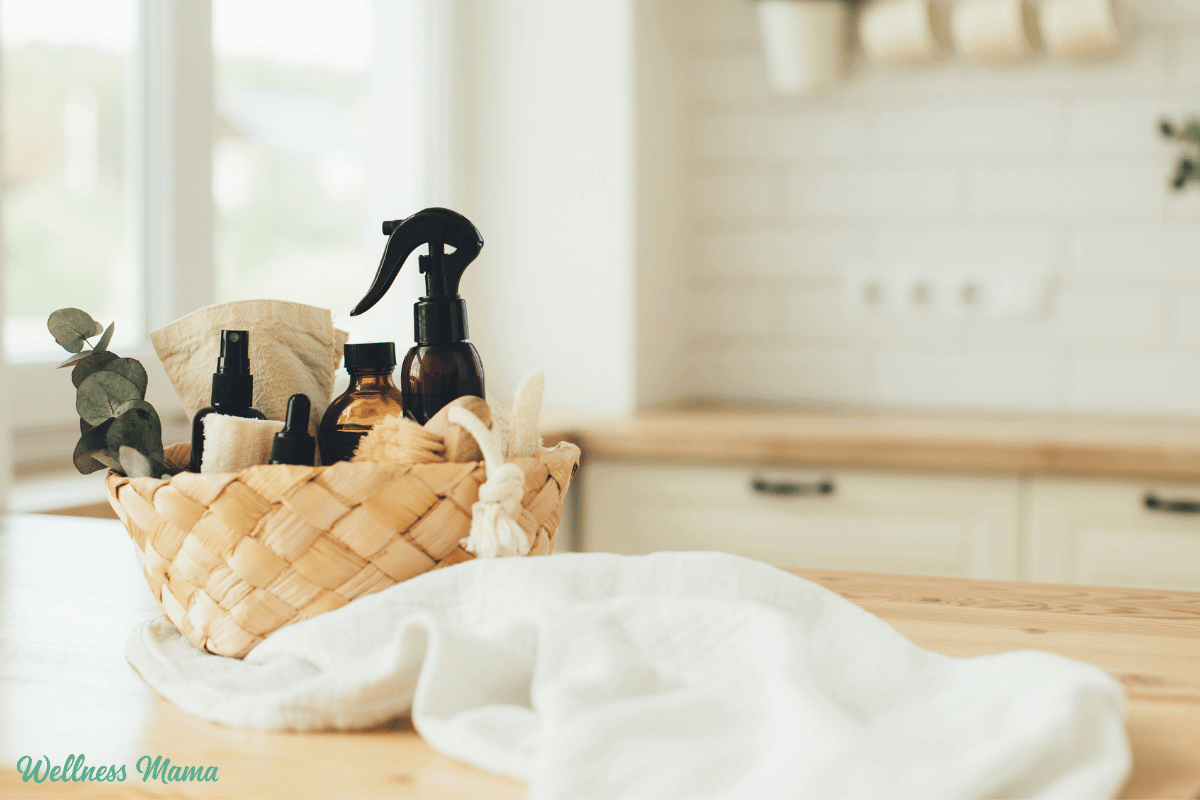
Before getting started, it helps to gather a few simple cleaning supplies so everything is within reach. Most of these are items you may already have around the house. 

A Note on Microfiber

I have some old microfiber cloths that I bought when I first started with natural cleaning that I still use. However, if you’re buying supplies, I recommend opting for cotton cloths or re-using old natural fiber clothing as rags. Microfiber is basically plastic and contributes to our plastic pollution problem every time they’re washed. 

I’m using mine up since I already have them, but I won’t be buying more. You can read more about microfiber and my thoughts and solutions to the problem here. So whenever you see cleaning cloths or microfiber mentioned below, just keep this in mind. 

Basic cleaning supplies:

  • Microfiber cloths, cotton cloths, or old T-shirt rags
  • Spray bottles of cleaners
  • Mop
  • Small bucket for soapy water
  • Vacuum with attachments

Helpful natural cleaning products:

You don’t need every single cleaner on this list, just pick and choose what works best for you. Basics like baking soda, vinegar, and natural dish soap can tackle most messes!

My Minimalist Natural Cleaning Closet

Confession time: If you ever wonder how I do it all… well, I don’t. Like most busy families, it’s all about priorities and simplifying where possible.

I used to make all my cleaners from scratch, but life with older kids, a business, and a podcast eventually changed that. These days there are so many excellent natural options available that I prefer using a few high-quality products that work for multiple purposes.

Here’s a quick roundup of my current natural cleaning favorites:

With just a handful of supplies, it’s possible to clean almost everything in the house without the harsh chemicals found in many conventional cleaners.

Whole-House Tasks (Start Here)

there are a few cleaning tasks that apply throughout the entire house. Start by opening windows for ventilation and turning on an air filter if you have one. Fresh air makes the whole process feel easier and helps clear out lingering dust and indoor pollutants.

Before diving into deep cleaning, start with a quick tidy-up. Pick up items from the floor, return things to their proper places, and keep a bin nearby for items you want to donate or get rid of. Spring cleaning is the perfect time to declutter as you go.

And if you have kids at home, enlist them! My kids have their own room checklists, and they love the satisfaction of crossing something off the list. Next, work from the top down in each room. This keeps dust from falling onto areas you’ve already cleaned.

Whole-house cleaning checklist:

  • Dust from the highest points (door frames, window frames, shelves, etc.)
  • Vacuum or dust away cobwebs
  • Clean light fixtures and ceiling fans
  • Wipe down walls, switch plates, and door frames
  • Clean doors and door handles (hydrogen peroxide works well if anyone has been sick)
  • Clean baseboards
  • Vacuum or sweep all floors
  • Mop hard floors
  • Move furniture (coffee tables, chairs, etc.) and clean underneath
  • Clean windows inside and outside
  • Wipe window frames and sills
  • Wash blinds, drapes, and window screens
  • Clean rugs and decorative pillows
  • Vacuum couches and under cushions
  • Wax and polish wooden surfaces

After dusting or vacuuming walls, wipe them down with a damp cloth to remove grime, grease, and marks. Kitchens especially tend to collect grease buildup on walls over time. If you have tile in the kitchen or bathroom, spring is also a good time to clean and reseal grout lines, which helps prevent water damage and staining.

Living Room and Living Areas

Living spaces tend to collect the most daily clutter, so I like to start here. Begin by picking up everything on the floors and moving it to the appropriate rooms. Then work from top to bottom, dusting furniture, shelves, and fixtures.

Living room cleaning checklist:

  • Open windows or run an air filter for ventilation
  • Dust furniture with a damp rag or cloth
  • Dust lighting fixtures and fan blades
  • Spot clean furniture with baking soda and water or natural all-purpose cleaner
  • Clean lamps with cloths. Hydrogen peroxide spray is great for cleaning white lampshades
  • Wipe down electronics and screens with a screen safe cleaner
  • Wash windows and windowsills
  • Wash or wipe down blinds. I like taking them down and washing them in the bathtub with vinegar and water. 
  • Wipe down walls and switch plates
  • Wash throw blankets and pillows
  • Vacuum couches and chairs
  • Remove couch cushions and vacuum crumbs
  • Condition leather furniture if needed
  • Sweep, vacuum, or mop floors

If your living room has area rugs or carpet, spring is also a great time to deep clean them. Use your vacuum attachments to reach corners and along baseboards.

Kitchen

The kitchen is often the most used room in the house, which means it benefits from a deep clean at least once a year. Start by clearing off countertops so you can thoroughly clean surfaces. This is also a great opportunity to declutter appliances and store ones you rarely use.

Kitchen cleaning checklist:

  • Open windows or run an air filter
  • Dust high surfaces, lights, and fans. Use warm, soapy water as needed to tackle kitchen grease.
  • Remove everything from countertops and wipe them down
  • Wipe down backsplash and walls to remove grease buildup
  • Clean the outside of cabinets (use a wood-safe cleaner if needed)
  • Wipe down appliances. Use a stainless steel cleaner as needed.
  • Clean the stove, stove vent, and replace vent filter
  • Deep clean the oven
  • Remove food from the fridge and freezer and wipe down inside
  • Wipe down the outside of the refrigerator
  • Pull out fridge and stove and clean underneath
  • Dust refrigerator coils and clean the grate at the front
  • Clean out the pantry and wipe shelves
  • Clean sink and fixtures
  • Deep clean dishwasher by running it empty with vinegar
  • Clean garbage disposal
  • Hose down the trash can and let it disinfect in the sun
  • Sweep and mop the floor
  • Clean tile grout if needed

If your kitchen has granite counters, use a granite-safe cleaner rather than vinegar, which can damage the stone over time. You can also find a more detailed kitchen cleaning checklist here.

Bathrooms

Bathrooms are another area where deep cleaning makes a big difference. Warm, damp environments can allow mold and mildew to develop if they aren’t cleaned regularly. Just like any other room, be sure to start at the highest surfaces first, like the walls and tops of the door and window frames. 

Bathroom cleaning checklist:

  • Open windows or run an air filter
  • Dust high surfaces, lights, and fan
  • Take everything out of cabinets and wipe shelves. Get rid of anything you don’t use, old or expired
  • Clean mirrors and windows
  • Wipe down counters and sinks
  • Clean makeup brushes and replace old makeup
  • Scrub shower and tub
  • Remove soap scum and hard water buildup in the shower/bath and sink
  • Replace or wash the shower liner
  • Clean tile and grout, reseal if needed. Baking soda and hydrogen peroxide work well for stained grout.
  • Deep clean the bathroom fan
  • Clean around the outside of the toilet
  • Clean the inside of the toilet bowl
  • Mop the floor and wipe baseboards
  • Restock natural bath supplies

A shower filter can also help reduce mineral buildup, which makes the shower easier to clean over time. If the toilet seat still looks dingy despite cleaning, it might simply be time to replace it. Sometimes that’s the easiest fix!

Bedrooms

Bedrooms are usually simpler to clean but benefit from a seasonal refresh. Start by picking up anything on the floors and clearing surfaces so you can clean more easily. Here’s what I keep in my nightstand for a more relaxed nighttime routine and refreshed morning.

Bedroom cleaning checklist:

  • Open windows or run an air filter
  • Dust furniture, lights, and fans. Start from the top and work your way down so any falling dirt/dust can be cleaned up. 
  • Wash sheets, blankets, and bedding
  • Wash throw pillows if needed
  • Hang pillows or mattress pads in the sun for a few hours to air out.
  • Wash pillows in the washer if they can be machine washed
  • Vacuum or mop floors
  • Clean under the bed
  • Wipe down walls and switch plates
  • Wipe down doors and handles
  • Clean lamps and lampshades
  • Wash windows, windowsills, and blinds
  • Clean out nightstands and drawers and toss expired items like old lip balm
  • Remove clothes from drawers, wipe down drawers, and return clothes. (This may not be the time to start KonMari folding, but I highly recommend checking it out!)
  • Refresh linen spray and drawer freshener sachets. 

Spring is also a great time to declutter closets and refresh your wardrobe. I like to use this time to simplify clothing and rotate seasonal items. A capsule wardrobe can make getting dressed much easier and keeps closets from becoming overcrowded.

If it’s been several years, evaluate whether the mattress still provides good support. Sometimes a better night’s sleep is just a mattress upgrade away. Here’s one we love.

Laundry Room or Utility Room

The laundry room often becomes a catch-all space for cleaning supplies, storage bins, and random household items. A quick seasonal reset helps keep things organized. I also keep this printable reference sheet for how to naturally treat stains in my laundry room. 

Laundry room cleaning checklist:

  • Open windows or run an air filter
  • Dust lights, shelves, and surfaces
  • Remove everything from cabinets and shelves. Declutter and organize what’s left.
  • Wipe down shelves and cabinets
  • Declutter old cleaning products or expired supplies
  • Wipe down washer and dryer
  • Deep clean the washing machine
  • Wash the dryer lint trap with dish soap to remove buildup
  • Clean the dryer vent
  • Wipe down walls and baseboards
  • Sweep and mop floors
  • Organize laundry products and restock as needed
  • Replace or refelt wool dryer balls if needed

This is also a good time to evaluate the space and see if better organization would help. Maybe it’s time to add coat hooks in the mudroom, a mat for muddy boots, or a shelf to store laundry supplies that are currently piled on the floor. 

Make Spring Cleaning a Family Routine

Deep cleaning the entire house can feel overwhelming, but breaking it down room by room makes it much more manageable. And when you sign up for my VIP newsletter you’ll get my free Deep Cleaning Checklist as a thank you here. I’m also giving you my complete Home Organization Binder printables with blank room cleaning templates to customize.

I like to print out the checklist and slip it into a binder sleeve so it can be reused each year. Turn on a favorite playlist, open the windows, and enjoy the fresh air while you work. By the time you finish, the whole house feels lighter, cleaner, and ready for the new season. Happy spring cleaning!

Did I miss anything on the checklist? I’d love to hear what’s on yours.

Tags: , , , ,
Best oLive
Privacy Overview

This website uses cookies so that we can provide you with the best user experience possible. Cookie information is stored in your browser and performs functions such as recognising you when you return to our website and helping our team to understand which sections of the website you find most interesting and useful.
