


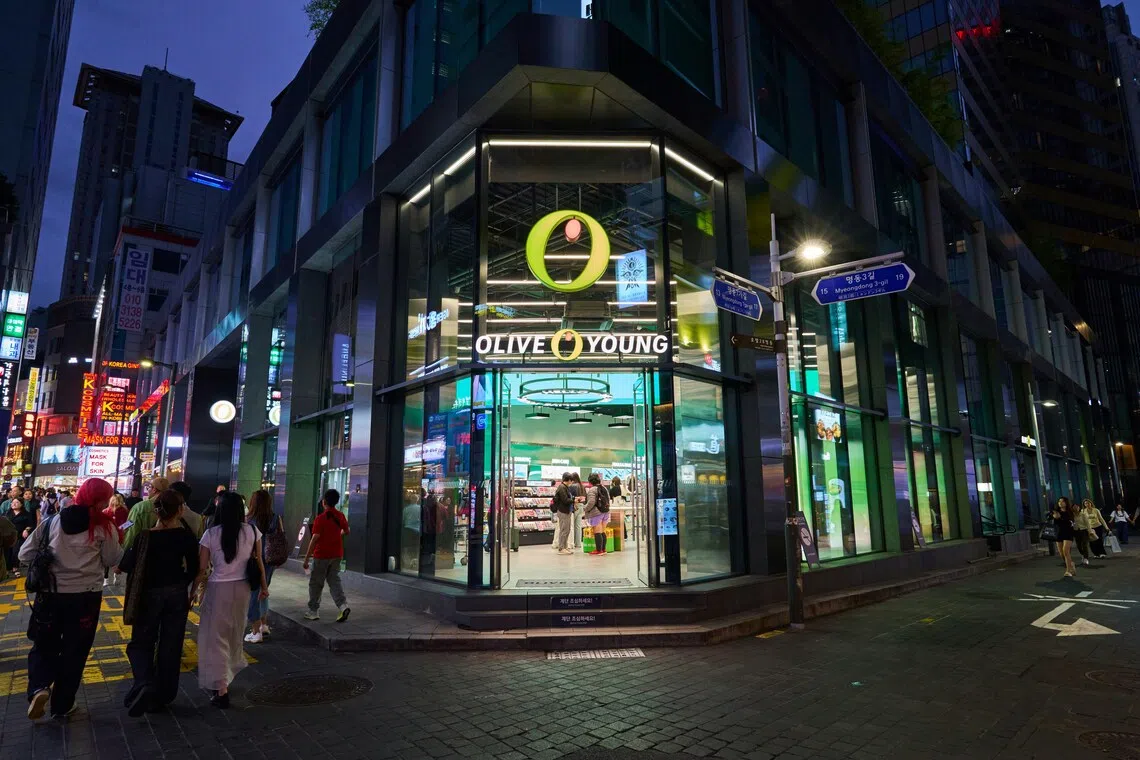
K-beauty’s next chapter centres on ‘whole self’ wellness, according to Olive Young report
SEOUL – South Korea’s beauty industry is shifting from surface-level aesthetics to a broader pursuit of personal balance, according to a trend report from CJ Olive Young that frames 2026 around a single concept: feeling whole.
The country’s largest beauty retailer released its “2026 Trend Keywords” report on Dec 19, using the acronym “fullmoon” as a metaphor for wholeness, the overarching theme shaping beauty and wellness consumption through 2025 and 2026.
The report outlines eight sub-trends reflecting how younger consumers, particularly those aged 15 to 24, are redefining self-care as a daily, integrated practice rather than an occasional indulgence.
At the core is the rise of “early wellness”, a shift that sees teenagers and young adults proactively managing sleep, stress and skin health.
Olive Young’s purchasing data shows double-digit annual growth in wellness product consumption among this age group since 2022, signaling a normalisation of health-focused routines well before adulthood.
In place of rigid regimens, consumers favour what the report describes as “healthy pleasure” — easy, enjoyable wellness habits.
Functional drinks, gummies and snack-style supplements are gaining traction, as are sleep-related products.
Sales of sleep health supplements at Olive Young reportedly surged more than 300 per cent year-over-year, with melatonin leading demand alongside ingredients such as GABA and vitamin B derivatives.
Wellness is also being folded into beauty itself. Products infused with vitamins and minerals now span skin care, body and hair care, allowing consumers to address health concerns without adding steps to their routines.
Makeup, too, is evolving. Hybrid products that combine colour with barrier care and soothing ingredients are driving the growth of “skincare-focused makeup”, blurring the line between treatment and cosmetics.
The report suggests shoppers increasingly evaluate makeup based on ingredients as much as pigmentation or coverage, pushing brands toward naturally derived formulations and dermatology-inspired color cosmetics.
Beyond wellness, the report highlights trends including Generation Z’s experimental approach to luxury, the merging of aesthetic procedures with home care, and the growing role of AI-driven personalisation.
Together, they point to a beauty market less about transformation — and more about alignment. THE KOREA HERALD/ASIA NEWS NETWORK


