article-image

Think You’re Beating The Heat? Oily, Sticky, Breaking Out? Your Summer Routine Might Be The Problem

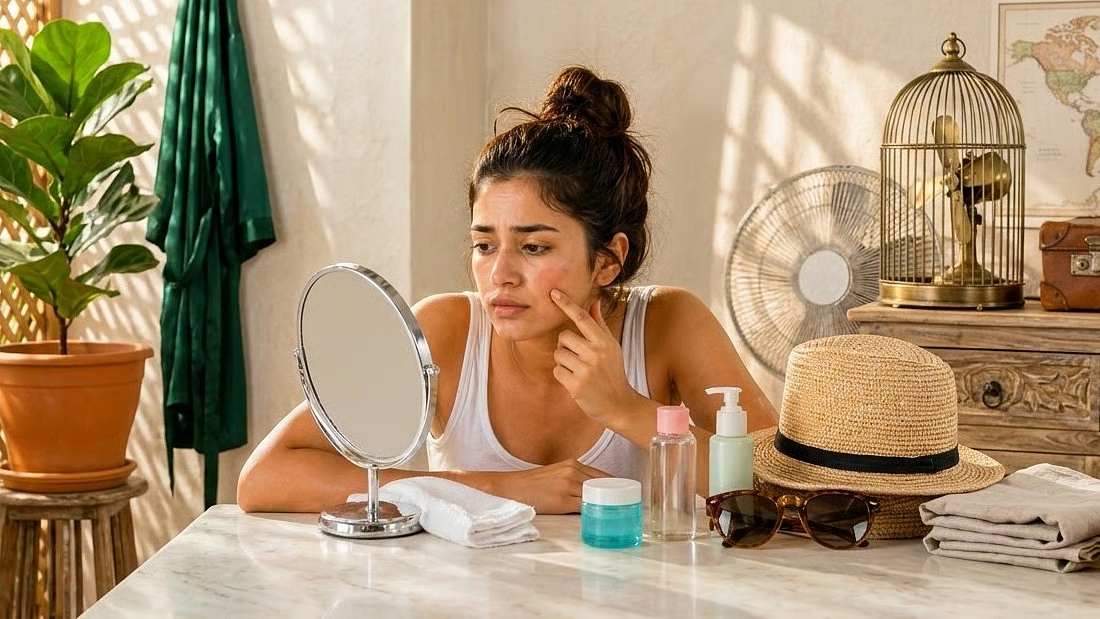
Summer skincare can get a bit confusing. The moment the weather changes, skin starts behaving differently – more oil, more sweat, the occasional breakout – and most of us instinctively try to “fix” it. We wash our face more often, switch to stronger products, or stop using moisturiser altogether because everything already feels greasy.

But what’s often missing is that these quick fixes can quietly weaken the skin over time.

A lot of this comes down to the skin barrier. It’s the outer layer of your skin that holds everything together, keeps moisture in, protects from environmental stress, and helps maintain balance. And in summer, this barrier is already working overtime.

Especially now, when summers are harsher and nights don’t cool down as much, the skin doesn’t really get a break. Add to that the constant back-and-forth between outdoor heat, pollution, and indoor air-conditioning, and it’s not surprising that skin starts feeling off, sometimes oily, sometimes dry, sometimes just more sensitive than usual.

In this kind of environment, a few everyday habits can do more damage than we realise:

Over-cleansing

Washing the face multiple times a day can feel refreshing, especially in humid weather. But frequent cleansing – particularly with strong or foaming face washes – can strip away the skin’s natural lipids. These lipids are essential for maintaining the barrier. Once disrupted, the skin often responds by producing even more oil, creating a cycle that’s hard to manage. A gentler approach, using mild cleansers with ingredients like aloe, neem, or tulsi, can help remove impurities without disturbing the skin’s balance.

Skipping moisturiser

One of the most common misconceptions is that oily skin doesn’t need moisturiser in summer. In reality, oil and hydration are not the same. Heat, sun exposure, and air-conditioning can all reduce the skin’s water content, even if it appears greasy. Skipping moisturiser can weaken the barrier over time, making the skin more prone to irritation. Lightweight, water-based hydration, such as gels or formulations with cucumber or fruit extracts, can help replenish moisture without feeling heavy.

Over-exfoliating

There’s also this urge in summer to constantly “clean” the skin – get rid of tan, dullness, clogged pores. Exfoliation helps, but only to a point.

When it becomes too frequent or too harsh, it can thin out the skin barrier and make your skin more reactive, especially in the sun. That’s when you start noticing redness or that slight stinging feeling.

Gentler exfoliation works better in the long run. Even traditional formats like ubtan, when used mildly, tend to be less disruptive and still effective.

Environmental stress

Summer isn’t just heat. It’s heat, UV exposure, dust, pollution, and then suddenly cold, dry air indoors. Your skin is constantly adjusting.

This kind of back-and-forth can be tiring for the skin barrier. Sometimes what helps is not doing more, but just adding a bit of calm back into the routine – ingredients that cool, soothe, and don’t overwork the skin.

Using unsuitable products

Products that work well in cooler months may not be ideal for summer. Heavy creams can feel occlusive in humid weather, while overly drying formulations can strip the skin further. Summer calls for lighter, breathable textures that allow the skin to function comfortably. There’s also a growing preference for fresher, more thoughtfully processed formulations that retain ingredient efficacy while being gentle enough for frequent use.

The larger shift

A common thread across these habits is the tendency to overcorrect. Summer skincare is often approached with the goal of controlling oil, removing tan, or managing sweat. But healthy skin doesn’t come from constant stripping or aggressive treatments. It comes from balance.

When the skin barrier is intact, the skin is better equipped to regulate itself—whether that’s oil production, hydration, or sensitivity. This is where skincare routines are gradually evolving. There’s a shift towards approaches that are simpler, more consistent, and better aligned with both the climate and the skin’s natural functioning.

In many ways, summer skincare is less about doing more and more about doing it right. Small changes like choosing gentler cleansers, not skipping hydration, or being mindful of over-exfoliation can go a long way in protecting the skin barrier. Because once that barrier is strong, everything else tends to fall into place.

(Swagatika Das is the CEO & Co-Founder, Nat Habit)
Tags: , , , , , , , ,
night lights for kids

The Problem With Night Lights (and Better Solutions)

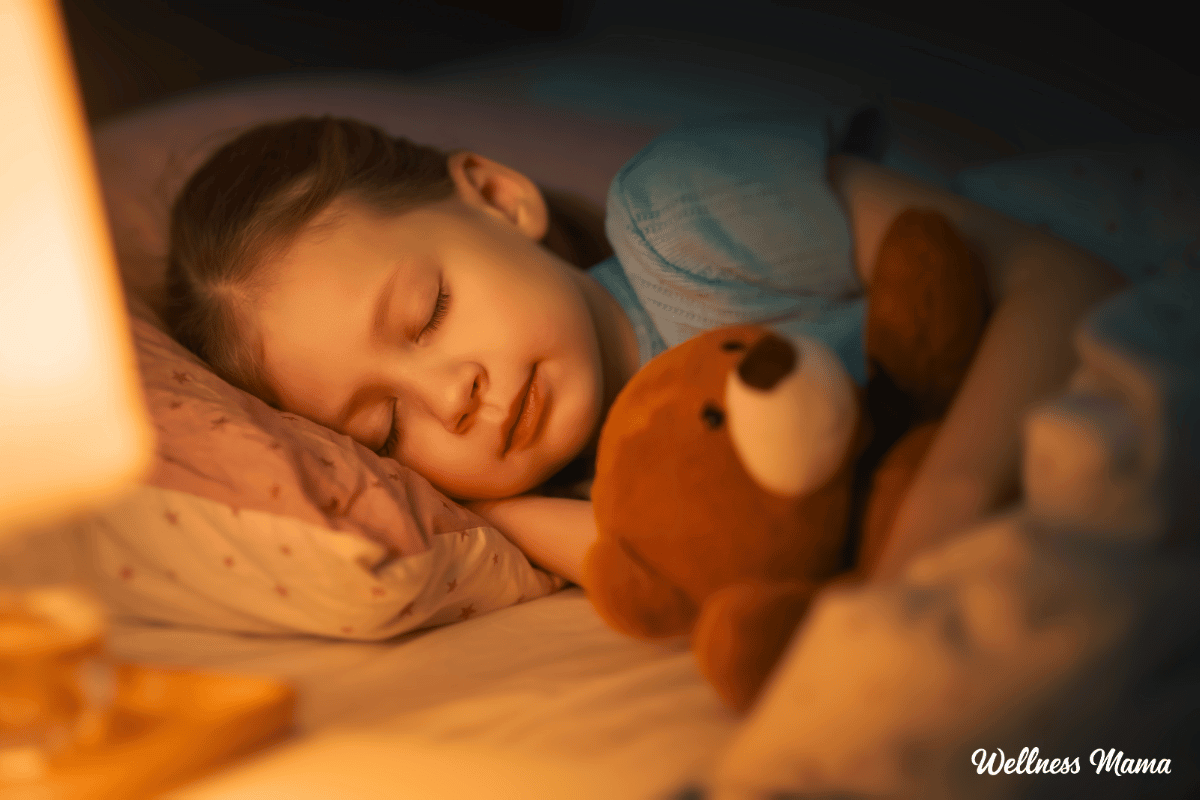
I’ve had the privilege of interviewing and meeting a lot of amazing health experts over the years. Not a single one has ever said that sleep isn’t important. Something as simple (and common) as night lights though are enough to sabotage sleep.

I noticed a big difference once I overhauled my sleep environment and I’ve heard from plenty of readers who say the same. Sleeping in a cool, completely dark space is so important for healthy sleep. It means better sleep quality and more energy from some simple changes (like turning off the ever present night light). 

Here’s why:

What’s the Problem With Night Lights?

Light exposure during the night is linked with an increased risk of depression, higher breast cancer risk, brain fog, and unbalanced hormones. As PhD Joyce Walseben explains, light inhibits the secretion of melatonin. And even if we do fall asleep, our brain can still detect the light through our eyelids, making it confused. 

A cool, dark nighttime environment is vital for hormone health, yet we often put lights in kids’ rooms. Only within the last 100 years has this even been possible. Before that, there was a natural cycle of light and darkness. While people might have had candles or lamps after dark, there wouldn’t have been lights on all night.

More and more research is emerging that shows a link between nighttime light exposure and health problems. A CDC report and a recent meta-analysis showed a surprising link between lack of sleep and increased cancer risk. 

The CDC found that profoundly blind women had less than half the breast cancer risk of women with normal vision. Profoundly blind men had less than half the risk of other cancers as normally sighted men. Even more interesting, those who were legally blind but could still see light didn’t have a reduced cancer risk. 

Shift workers (those who work after dark) who are exposed to artificial blue light through the night are more likely to develop cancer. Research shows shift work raises the risk of death from all causes, likely due to circadian disruption and abnormal light exposures. 

Night Light Free Zone Importance For Kids

Nighttime light exposure can decrease sleep quality, but it can also shorten the duration of sleep, leading to further problems. A 2024 study in Biomedicines reports that children who get quality sleep are less likely to struggle with obesity.  They also point to healthy sleep as having a positive impact on the epigenetics that affect the genes linked with obesity. 

Chronic sleep deprivation may cause weight gain by affecting the way our bodies process and store carbohydrates. It may also alter hormone levels that affect appetite.

Moreover, Dr. Zee, the director of the Sleep Disorders Center at Northwestern Memorial Hospital reports:

“Perhaps even more important than sleep duration is the effect of day to day variability of sleep wake timing on weight regulation.”

Why Sleep is So Critical For Kids

Sleep is important for everyone, but especially children. This is when our brains clean up from the stress of the day, organize information, and the body goes into recovery mode. 

Children who don’t get enough sleep or have disrupted sleep may experience the following: 

  • Allergies and immune system problems
  • Anxiety and depression 
  • Obesity, diabetes, and future high blood pressure
  • Poor academic performance and trouble concentrating
  • Learning and memory problems
  • ADHD like symptoms 
  • Mood swings and irritability
  • More stress hormone levels and irregular heartbeat
  • Daytime sleepiness (which leads to many of the above issues)

Blue light from screens and most night lights is especially harmful at night since they signal to the brain it’s daytime. It’s equally important to get morning sunlight to set the circadian rhythms for the day. This further sets the stage for healthy sleep. 

Practical Changes For Better Sleep

For years I’ve made getting out into the morning sunshine a daily habit and many of my kids have followed suit. I also model a positive nighttime routine for them and made practical changes in our home lighting. Not only do we use amber lights in the evening, but I also use red light in certain areas (like bathrooms) if needed at night. 

Switching to complete darkness as an adult is a relatively easy process. It isn’t so easy for children, especially those who are afraid of the dark or are used to nightlights. 

With all the research showing the importance of nighttime darkness, I felt strongly that this was something I wanted my kids to do. It took a little time to get all of the kids used to sleeping in darkness, but they finally did.

Step by Step How to Ditch the Nightlights (Mostly)

My kids’ rooms look a little different now that I have several teens (and one grown and out of the house!). The older kids have a similar setup to my bedroom. When the kids were little, here’s how I helped them transition into a healthy sleep environment for better sleep. 

  • Removed night lights, regular alarm clocks, and other things with lights. 
  • Kept the house cool and used a mattress cooling pad as needed 
  • Used blackout shades to cover artificial light from street lights and to help with heating and cooling costs.
  • Used sound machines to help them stay asleep. The “rain” sound was a favorite. We now have air filters in the bedrooms that have ambient white noise. 

My kids have lamps with these amber light bulbs in their bedrooms to use while winding down in the evening. Once it’s bedtime though, these go off. We’ve also used these Himalayan salt lamps that have a red tone in the hallway and bathrooms. This way their rooms are dark, but they can see to go to the bathroom if needed, without blue light disruption. 

The same place where I get my amber and red light bulbs from also has red light night lights. These are also a good option for hallways and bathrooms, but I’d avoid putting them in a kid’s room at night. 

Helpful Tips For Better Sleep

Years ago when I helped my kids set their rooms up like this, I did a bedtime routine with them to help them transition. First, I turned on the sound machine and read to them with the light on. Then, I turned off the light but left the door open with the salt lamp in the hallway. From here, I slowly worked up to putting them to sleep with the door closed and complete darkness.

Here are some more helpful tips to help kids avoid blue light and get better sleep: 

  • Put screens away after dark. A DIY charging drawer to store devices has been helpful! 
  • If screens are needed, use blue light glasses or the kids’ Daytime Computer that doesn’t have blue light. 
  • A cup of chamomile tea with a little raw honey and butter blended in is a restful way to wind down. The healthy fats support hormones and the chamomile soothes and calms. 
  • Use magnesium lotion on feet and legs before bed. Magnesium promotes sleep and helps with so many other things. 
  • Switching to organic mattresses also made a big difference, especially for my son with allergies. Along with diet changes, this was one way I helped him reverse his allergies. The light made a bigger difference, so I wouldn’t put new mattresses as the highest priority. 

Let Them Be A Part of the Process

I’ve found that my kids often make healthy choices when given the information to help them do so. I talked to my older kids about the reasons why nightlights weren’t good for them. This lets them be involved in the decision making process to get rid of the night lights.

I’m continually surprised by how smart and curious kids innately are and the decisions they can come up with when given the chance. Just one of the reasons behind my unconventional parenting style!

Final Thoughts on Night Lights

Sleep is so important for everyone, but especially growing children. Making the transition to a night light free room can be challenging, but very doable with the right approach. 

Have a chat with your kids about why you want to make changes, and make the process fun. Calming bedtime rituals like a cup of herbal tea and a bedtime story go a long way in helping kids ditch the night light in their rooms. 

Do your kids have night lights? Ever thought about removing them? Share below!

Tags: , , ,
Best oLive
Privacy Overview

This website uses cookies so that we can provide you with the best user experience possible. Cookie information is stored in your browser and performs functions such as recognising you when you return to our website and helping our team to understand which sections of the website you find most interesting and useful.
