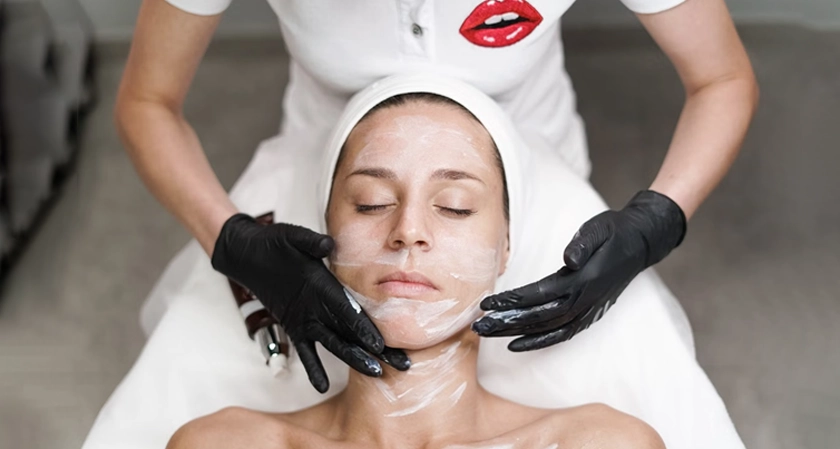
Why Topical Treatments Are Becoming a Bigger Part of Modern Skincare Routines

Why Topical Treatments Are Becoming a Bigger Part of Modern Skincare

Have you ever wondered why creams, gels, or any other topical treatments have grown in popularity in skincare discussions? This comes from people understanding that simply using a cleanser-moisturizer approach doesn’t treat all skin issues. Actually, it turns out that acne affects around 85% of teenagers and young adults, which means that targeted treatments are important to many people’s skincare routines.

However, this does not mean that it’s necessary to have a cabinet full of skincare products. Skincare has now shifted towards targeting specific skin issues. People stopped trying out one product after another and learned how to use treatments that their skin actually needs. This article explains why topical treatments have become part of modern skincare routines.

Skincare Is Becoming More Personal

There was a time when skincare advice seemed pretty straightforward: wash your face, apply moisturizer, and call it a day. These basic steps are still essential. However, every skin is different, and a method that suits one person can lead to dryness, irritation, or acne in another.

Someone with acne will have to choose a different treatment approach from someone suffering from eczema, psoriasis, excessive drying of skin, or other kinds of inflammation. This is where topical treatments might be of help.

Unlike universal treatments, topical medications will target a specific concern. They may help with inflammation, acne, itching, infections, or skin barrier protection.

They Are About More Than Acne

The term ‘topical treatment’ is usually associated with acne. However, topical treatments can be used for more than just acne. They treat conditions like eczema, plaque psoriasis, skin diseases, and different types of dermatitis.

With atopic dermatitis, there are topical medications like moisturizers, corticosteroids, calcineurin inhibitors, and PDE-4 inhibitors that can be used as part of the treatment plan. This is important because not all topical products should be considered beauty products. Some of them are medications for skin conditions that already have a diagnosis.

They Put Treatment Where It Is Needed

One of the most important advantages of topical applications is very straightforward. You apply the product to the area that requires treatment.

Topical treatments may feature different active substances depending on the formulation. For instance, products that are recommended for the treatment of acne can include benzoyl peroxide, retinoids, azelaic acid, and salicylic acid.

These ingredients do different jobs. Some can alleviate clogged pores, others can deal with the inflammation, while others can target acne-causing bacteria.

Topical Treatments Can Be Incorporated Into a Simple Routine

You might assume that adding a treatment means your skincare routine has to become more complicated. It does not. In most cases, you would just need to add a topical treatment to your existing skincare routine.

For example, you could clean the skin thoroughly, apply the required treatment, moisturize, and use sunblock. That’s all there is. Instead of applying several serums and hoping for the best outcome, you can use a treatment with a clear purpose.

New Techniques Offer More Alternatives

Skincare has evolved tremendously throughout the years, and topical treatments have followed suit. Active ingredients and products for various skin issues have increased over the years. For instance, acne treatment can be applied independently or in combination with other treatments, depending on the type of acne and the intensity of the problem.

Topical treatments for inflammatory skin disorders like atopic dermatitis have also improved. The increased number of options is great, as not every person’s skin works the same.

The dermatologist weighs factors like the following before determining the appropriate course of therapy,

  • The nature of the problem
  • Its intensity
  • The sensitivity of the problem

Modern skincare is gradually changing from the search for a miracle product to finding what works for you.

A Targeted Routine Could Mean Fewer Products

Sometimes, better skincare involves buying less instead of more. It’s tempting to get stuck in the cycle of seeing a new product, buying it, trying it for a while, and then moving on if you don’t get immediate results.

This may leave you with a cabinet full of products and no clue about what actually worked on your skin. In contrast, a focused treatment gives purpose to your regimen. Instead of experimenting endlessly, you can concentrate on solving specific problems.

Smarter Skincare Starts With Knowing What Your Skin Needs

Smart skincare begins with understanding what your skin needs. The rise of topical treatments shows a more significant trend in skincare. Skincare today proves to be much more than just having many products and following the newest trend. It’s about being more intentional.

A good skincare routine doesn’t require ten steps. Sometimes what’s needed is simply identifying the problem, using the right treatment, letting it take effect, and implementing some simple daily habits that support the skin.

Topical treatments can be very useful because they provide a targeted approach or solution for specific problems. If used wisely, they can easily find their way into a routine, making it efficient and simple. The point is not to collect a lot of products, but to be able to understand your skin well enough to provide what it needs.
Tags: , , , , ,
Can Topical Skincare Match The Results Of Tweakments?

Can Topical Skincare Match The Results Of Tweakments?

Skincare has always been at the centre of beauty: from the classic blue tub of Nivea Crème to Tretinoin, topical formulations keep the industry alive. But lately, a new generation of products has entered the fold, claiming far more in terms of results, even those comparable to professional procedures. But how do they measure up? I investigated.

A new era of skincare

This ‘new era’ of skincare recognises the mainstreaming of aesthetic treatments like filler, Botox and polynucleotides, and thus, that we want better, smarter results for our skin. It also knows we are savvy, and that for the most part, we’re willing to invest to see a real difference. But what these formulations offer, or claim to offer, are results similar to those of the in-clinic tweakments at a much lower cost. Seemingly, making them the best of both worlds.

Let’s start, for example, with a couple of the industry’s latest launches by well-known and beloved skincare brands. The Ordinary’s Volufiline 92% + Pal-Isoleucine 1% is a product that uses innovative ingredients (Volufiline, otherwise known as Sarsasapogenin, and Palmitoyl Isoleucine) to supposedly address causes of lost volume at their core, rather than just masking the effects. It’s designed to be used on areas such as the temples, smile lines and cheeks, where we see evidence of lost collagen and elastin, most commonly the more we age. For this reason, the product has been dubbed a ‘filler alternative’ online, and while the brand never explicitly embraces this claim, it does do a good job of describing benefits that sound an awful lot like filler.


You may like

The Ordinary

Volufiline 92% + Pal-Isoleucine 1%

Another product that’s caught my eye lately is Skinceuticals’ Advanced RGN-6 Rejuvenation Cream. The brand has a history of creating clever formulations that could be said to offer ‘tweakment-like’ results, such as P-Tiox, which many compared to Botox. According to the brand, the new cream was “inspired by laser regeneration science” and uses peptides such as Acetyl Tetrapeptide-9. Results, the brand says, include reduced pigmentation by 36%, a 35% increase in elasticity and firmness, and an 18% reduction in the appearance of wrinkles. Its primary use is to aid skin post-procedure, but there are clear comparisons to laser treatments, too. “Advanced RGN-6 marks a new type of cream that has been designed to be used not only alongside laser treatment, but as a powerhouse standalone formula,” says Dr Wassim Taktouk, an Aesthetic Doctor who works with the brand.

Skinceuticals

Advanced RGN-6 Rejuvenation Cream with Niacinamide and Ectoin

These two are not alone. Emma Lewisham’s Supernatural Vitale Face Elixir has been dubbed part of the ‘Botox in a bottle’ trend online, and Roc’s Derm Correxion Lip Volumizer was developed by dermatologists and plastic surgeons to “work instantly and over time to deliver a dramatic plump”, which is said to be ‘inspired by lip injections.”

Emma Lewisham

Supernatural Vitale Face Elixir

RoC

Derm Correxion Lip Volumiser

It’s clear skincare marketing has a clear new focus: tweakment-like results. Brands know we want these, and they know we’d rather get them for less. But is there real weight behind the claims?

Can topical skincare products really compare to tweakments?

Many of these products do hydrate, plump, and smooth the skin—the real question is to what extent and for how long. Procedures like fillers, Botox, lasers, and skin boosters deliver immediate results that can last months to years, often improving over time. In contrast, topical skincare typically works more slowly and produces subtler changes. And in some cases—like plumping balms—the effect is mostly instant gratification (your lips look fuller) but fades quickly.

Unfortunately, most skin experts agree that even this new wave of topical products delivers within the same limits: results are either subtle and slow to appear, or instantly noticeable but superficial and short-lived.

Speaking about The Ordinary’s Volufiline 92% + Pal-Isoleucine 1%, for example, Dr. Toni Phillips, an aesthetic doctor and Group Clinical Director for SK:N Clinics, notes that, “while products like this can enhance hydration and give the skin a softer, more cushioned look, they cannot recreate the lift, contour or volume restoration that true dermal fillers provide.” She adds: “Topical formulas sit within the upper layers of the skin, whereas fillers replace lost structure at a much deeper level.”

“The benefits are subtle, slow-building and low-risk—but they won’t replicate the lift, precision or immediate impact of hyaluronic acid fillers,” adds Aesthetic Doctor, Dr Jessica Halliley.

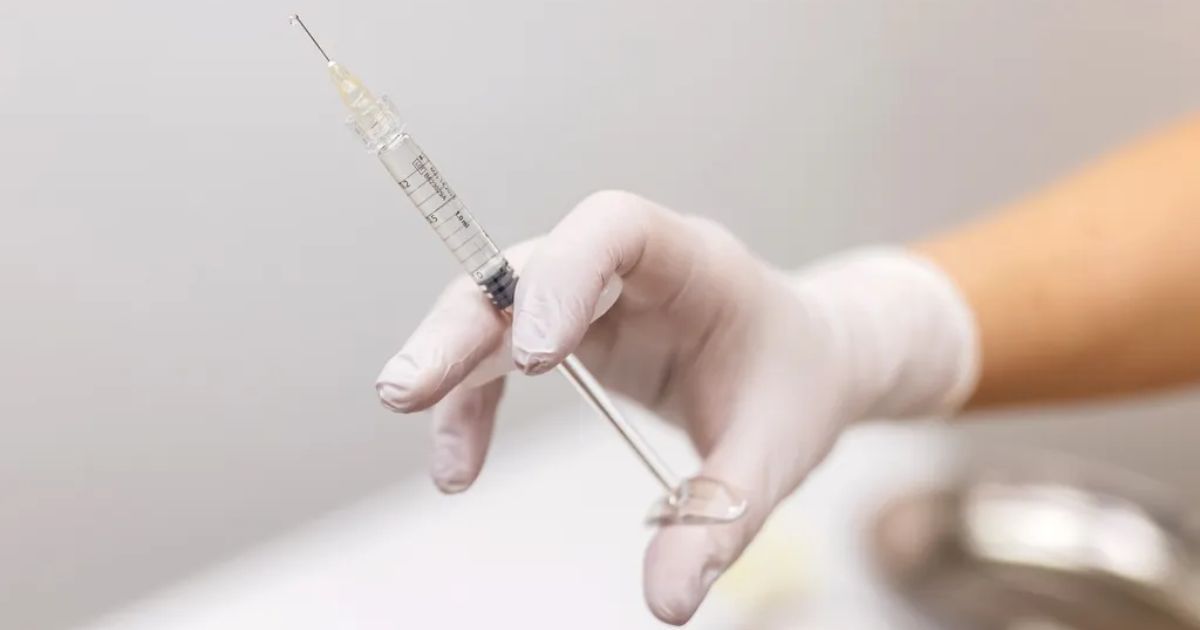
Dr Sonia Khorana, cosmetic doctor and dermatology expert, agrees that when it comes to products with ‘Botox-like’ effects, the outcome doesn’t compare. “You do not get the same results out of a bottle as you do with injections, as they do not inhibit muscle contraction, as a serum cannot penetrate the muscle. The results are also not long-lasting like they are with Botox,” she tells me. “It’s important to note that these serums are not a replacement for professional medical treatments like Botox.”

What the experts want consumers to remember, therefore, is that these products work on a different level to injectables and professional treatments, mostly at the surface. Many of the innovative, modern ingredients they use also don’t have nearly as much scientific evidence as aesthetic procedures do in terms of smoothing, plumping and filling in the long-term.

On a regulatory level, too, there is a clear difference between cosmetics and aesthetic treatments like injectables, Kamal Kaur of The Cosmetic Regulator told me last year. “Aesthetic injectable treatments are medicinal procedures and work on a physiological level; cosmetics should not be compared to these treatments.”

It’s therefore important to manage expectations: as it stands, a skincare formula you can buy for £20 probably isn’t going to stop you from wanting Botox or filler, if these are your desired treatment results. However, that’s not to say they’re not valuable, and can be a great addition to your skincare routine.

These products have been created with the aesthetic experience in mind, meaning that although they might not produce transformational results, they can work over time, especially when used in tandem with professional procedures. Most experts I spoke to agreed that a product like The Ordinary’s or Emma Lewisham’s can be a great additional, complementary step to achieving those longer-term, deeper, structural changes — perhaps more so than other products in your existing routine, because these formulas are targeted and have been created with this in mind.

“Think of it [The Ordinary’s Volufiline 92% + Pal-Isoleucine 1%] as a supportive step: great for soft, natural-looking plumpness, helping maintain results between appointments, or offering a gentle boost if you’re not ready for injectables,” says Dr Halliley. This also applies to products like RoC’s, Emma Lewisham’s and Skinceuticals; the latter of which I recently used post-microneedling and laser on my neck, and found to be a lovely formulation for recovery. For this reason, they’re worth investing in: just be sure to understand what they can — and cannot — realistically achieve.

Tags: , , , ,
Best oLive
Privacy Overview

This website uses cookies so that we can provide you with the best user experience possible. Cookie information is stored in your browser and performs functions such as recognising you when you return to our website and helping our team to understand which sections of the website you find most interesting and useful.
