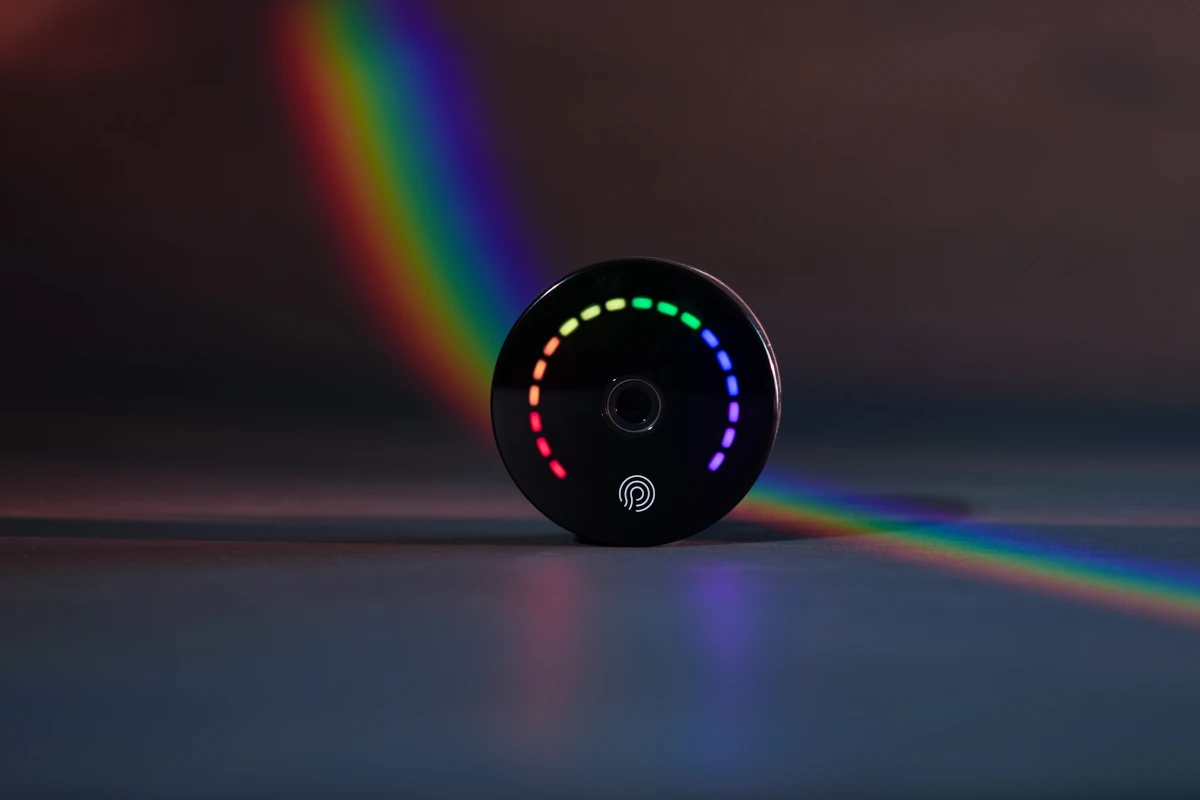
Nu Skin Launches Prysm iO™: A Revolutionary AI-Powered Platform for Personalized Nutritional Wellness
Nu Skin Launches Prysm iO™: A Revolutionary AI-Powered Platform for Personalized Nutritional Wellness – Cerebral-Overload
Wellness routines rarely fail because people do not know what to do. They fail because the behavior does not fit the day. You can understand hydration, sleep hygiene, or step counts perfectly and still forget, postpone, or abandon the habit the moment your schedule gets busy. That gap between intention and action is where “wellness objects” come in.
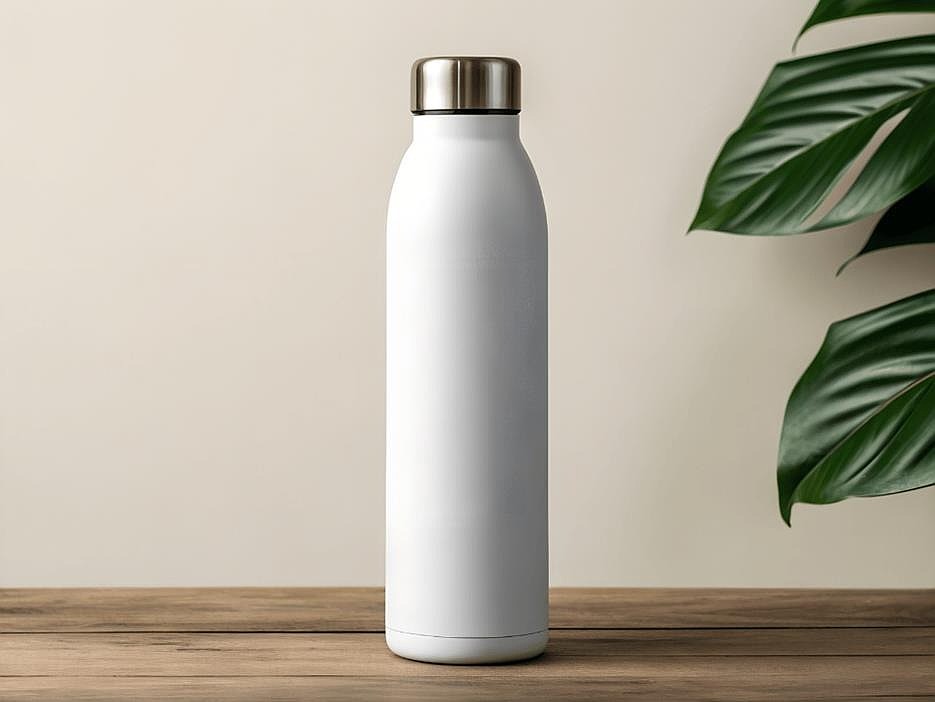
A bottle on your desk, a pair of shoes by the door, or a journal on your pillow are not just tools. They are cues that shape decisions without requiring motivation on demand. That is why some people choose an energy water bottle as a physical anchor for hydration: not because a bottle magically creates discipline, but because objects can change what you notice, what you remember, and what feels easy to do next.
This article breaks down the psychology behind wellness objects and shows how to use a bottle as a practical behavior cue, without turning hydration into a complicated project.
Goals live in your head. Objects live in your environment. And your environment has a quiet, constant influence on what you do.
Willpower is finite, especially late in the day. When an object makes the healthy choice the easiest choice, you rely less on motivation. If the bottle is already filled and within reach, drinking water becomes a default action rather than a decision you have to “win” repeatedly.
Many habits fail because they are invisible. You do not forget water because you do not care. You forget because nothing in your environment keeps it top-of-mind. A bottle in your line of sight is a reminder you do not have to think about.
Behavior change is often about adding friction to unwanted behaviors and removing friction from wanted ones. If your phone is within reach but your bottle is across the room, scrolling wins. If the bottle is closer, hydration wins more often.
A habit is not just repetition. It’s usually a loop:
● Cue: something triggers a behavior
● Routine: the behavior itself
● Reward: a payoff that reinforces repeating it
A bottle can function as a cue in multiple ways:
● Visual cue: you see it and remember to sip
● Tactile cue: you touch it and the action follows
● Context cue: it “belongs” to your desk, gym bag, or car, so the behavior follows the setting
The reward does not have to be dramatic. It can be a small sense of completion, a clearer mouth feel, fewer headaches, or the satisfying checkmark of finishing a daily target.
People often dismiss this as aesthetics, but meaning is one of the strongest forms of motivation.
Objects can reinforce identity-based habits. When you think “I’m someone who takes care of my energy,” a bottle becomes a symbol of that identity. The behavior becomes self-consistent rather than forced.
Rituals calm the nervous system because they reduce uncertainty. A simple ritual like filling the bottle after breakfast creates a predictable pattern that removes decision fatigue.
If you like how an object looks and feels, you touch it more. You keep it nearby. You bring it with you. That increases exposure to the cue, which increases the habit.
This is not vanity. It is design psychology.
Hydration is a frequent, low-effort behavior. That makes it ideal for cue-based habit design.
● It needs multiple repetitions per day
● It can be triggered by simple cues
● It has immediate feedback (dry mouth, energy dips, headaches, concentration)
● It fits in nearly any routine without special equipment
In other words, if you can make hydration automatic, you practice the same habit mechanics that later make other routines easier (sleep routines, movement, meal planning).
The bottle itself is not the habit. The setup is the habit.
Pick the one place where the bottle should live when you are home:
● Desk
● Kitchen counter near the coffee machine
● Nightstand (if you wake thirsty)
● By the front door next to keys
This reduces the “Where is it?” problem, which is a hidden source of habit failure.
Habit stacking works because you piggyback on a behavior that already happens.
Simple pairings:
● Fill the bottle right after brushing teeth in the morning
● Take 5 sips before starting your first work block
● Refill after lunch, every day
● Drink before you leave the house
The pairing matters more than the timing details.
A habit dies when it is annoying. If your refill process involves searching for a filter, washing a lid, or remembering where you left it, you will skip it on busy days.
Practical fixes:
● Keep the bottle clean and ready
● Create a refill station (sink, filtered pitcher, water dispenser)
● Use a reminder cue like “refill after lunch”
Instead of chasing a perfect ounce goal, define a minimum daily baseline that you can hit even on chaotic days.
Examples:
● Finish one full bottle by lunch
● Finish a second by late afternoon
● Stop there if it becomes stressful
Consistency beats perfection.
Buying a bottle does not change behavior. Placing it intentionally does. If the bottle lives in a cabinet, it’s not a cue. It’s storage.
Some people turn hydration into a spreadsheet with alarms every 20 minutes. That works briefly, then collapses. The goal is a routine that survives stress, not a routine that requires constant management.
Your hydration routine might work at home and fail at work. That’s normal. The fix is to create separate contexts:
● One bottle for the office
● One bottle for the gym bag
● One bottle for the car
Different environments need different cues.
Track outcomes that matter for 10 to 14 days:
● How often you refill
● Whether you finish your bottle by certain points in the day
● Afternoon energy stability
● Headaches or dry mouth frequency
● Whether you crave stimulants more or less
You do not need perfect tracking. You need a signal: is this object improving consistency?
Hydration is not a magic energy switch, but it influences common “low energy” experiences:
● mental fatigue and concentration dips
● headaches that reduce productivity
● perceived effort during workouts
● dry mouth and irritability that feel like stress
If you fix hydration and nothing changes, that’s also useful information. It tells you your energy issues may be driven more by sleep, stress, nutrition, iron status, or overall workload.
This approach sits inside a broader behavioral idea often described as nudging: small environmental changes that make desired behaviors easier and more likely.
Takeaway
A bottle can change your routine because objects shape behavior. They work as cues, reduce reliance on willpower, and make healthy actions easier to repeat. If you want a hydration habit that sticks, focus less on motivation and more on placement, pairing, and friction reduction. When the bottle is always visible, always ready, and attached to your day’s existing rhythms, hydration becomes automatic, and that automaticity is the real “wellness upgrade.”
Travel is no longer defined solely by destinations and sightseeing. Increasingly, it is shaped by how people feel during and after the journey. Wellness tourism has emerged as a major influence in this shift, blending relaxation, self-care, and intentional routines into travel experiences.
Visitors are seeking more than temporary escape; they are looking for ways to return home feeling restored, balanced, and physically renewed.
This evolution is especially visible in how skincare and personal care routines are being integrated into travel. From spa treatments to daily rituals, maintaining and improving skin health has become part of the overall experience. Travelers are not only exploring new places, but also investing in habits that support long-term well-being.
Different environments can have a noticeable impact on skin health. Coastal destinations, in particular, offer conditions that support natural recovery, including cleaner air, humidity balance, and reduced exposure to urban pollutants. These factors can help maintain hydration and reduce stress on the skin, allowing natural renewal processes to function more effectively.
At the same time, stepping away from daily routines often leads to reduced stress levels, which also contributes to healthier skin. When combined with consistent care, these environmental benefits can enhance overall results, making travel an opportunity to reset both physically and mentally.
Advancements in skincare research have led to a greater understanding of how to support the skin at a cellular level. Botanical ingredients and scientifically developed formulations are being combined to create products that align with both natural and clinical approaches.
Companies such as Plu Laboratories reflect this integration, where innovation and formulation are used to support skin health in a more targeted way. These types of solutions are increasingly being incorporated into travel routines, allowing individuals to maintain consistency regardless of location.
Copper Peptide Skin & Hair Care | GHK-Cu | PLU Laboratories
Copper peptide products for firmer-looking skin and fuller-appearing hair. GHK-Cu and Matrixyl 3000 at clinical concentrations. Results in 6-8 weeks
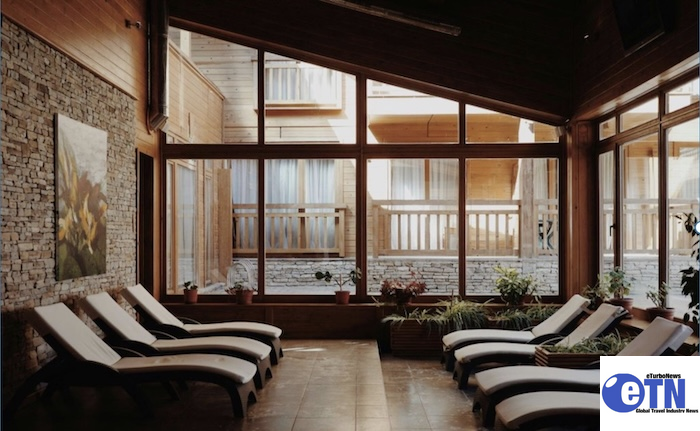
Wellness tourism is increasingly incorporating skincare as a central component of the travel experience. Spas, retreats, and specialized programs are offering treatments designed to improve skin health while promoting relaxation and recovery. These experiences are tailored to support both immediate results and long-term habits.
Understanding routines such as how to increase skin cell turnover naturally helps travelers maintain progress beyond the duration of their trip. By learning how to support the skin’s natural renewal cycle, individuals can extend the benefits of wellness-focused travel into their daily lives.
There is a growing preference for natural and less invasive skincare methods. Travelers are becoming more selective about the products and treatments they use, favoring approaches that align with overall wellness rather than quick fixes.
This shift reflects a broader awareness of how ingredients and routines affect long-term skin health. Natural methods often emphasize consistency and balance, which aligns well with the goals of wellness tourism. Instead of focusing on immediate transformation, the emphasis is on gradual and sustainable improvement.
Wellness Tourism and Skincare Rituals Are Redefining Modern Travel Experiences
Photo by Vivu Vietnam on Unsplash
While professional treatments provide immediate benefits, daily skincare routines are what sustain results over time. Travelers are recognizing the importance of maintaining consistent habits, even while away from home. Simple routines, when performed regularly, can have a cumulative effect on skin health.
This shift toward consistency highlights the importance of accessibility. Products and practices need to be easy to maintain within different environments, ensuring that routines are not disrupted by travel schedules.
One of the most overlooked factors in skincare is stress. High stress levels can disrupt the skin’s natural processes, leading to issues such as inflammation, dryness, and uneven texture. Travel, particularly when focused on wellness, offers an opportunity to reduce these stressors.
According to insights often discussed by the World Health Organization (WHO), reducing stress and maintaining overall well-being has a direct impact on physical health, including skin condition. This connection reinforces the importance of integrating relaxation into skincare routines.
Hydration is a critical factor in maintaining healthy skin, and climate plays a significant role in how effectively the skin retains moisture. Coastal and humid environments can support hydration, while dry climates may require additional care to prevent moisture loss.
Travelers who understand these differences can adjust their routines accordingly, ensuring that their skin remains balanced regardless of location. This adaptability is essential for maintaining consistent results.
One of the key advantages of integrating skincare into travel is the long-term impact it can have. The habits developed during wellness-focused trips often continue after returning home, creating lasting improvements in skin health.
These benefits are not limited to physical appearance. Consistent skincare routines can also contribute to a sense of well-being and confidence, reinforcing the connection between self-care and overall lifestyle.
The combination of travel, wellness, and skincare reflects a broader shift toward holistic living. People are no longer separating these aspects of their lives; instead, they are integrating them into a unified approach that supports both physical and mental health.
As wellness tourism continues to grow, skincare will remain a central component of the experience. By focusing on natural processes, consistent routines, and supportive environments, travelers can create experiences that extend beyond the trip itself, shaping long-term habits and outcomes.
Years ago our whole family started taking Jujutsu for a season. We all enjoyed it, but the rolls, throws and climbing definitely came more easily to the kids! Any activity that involves wooden swords and rolling will inevitably create some bumps and bruises along the way.
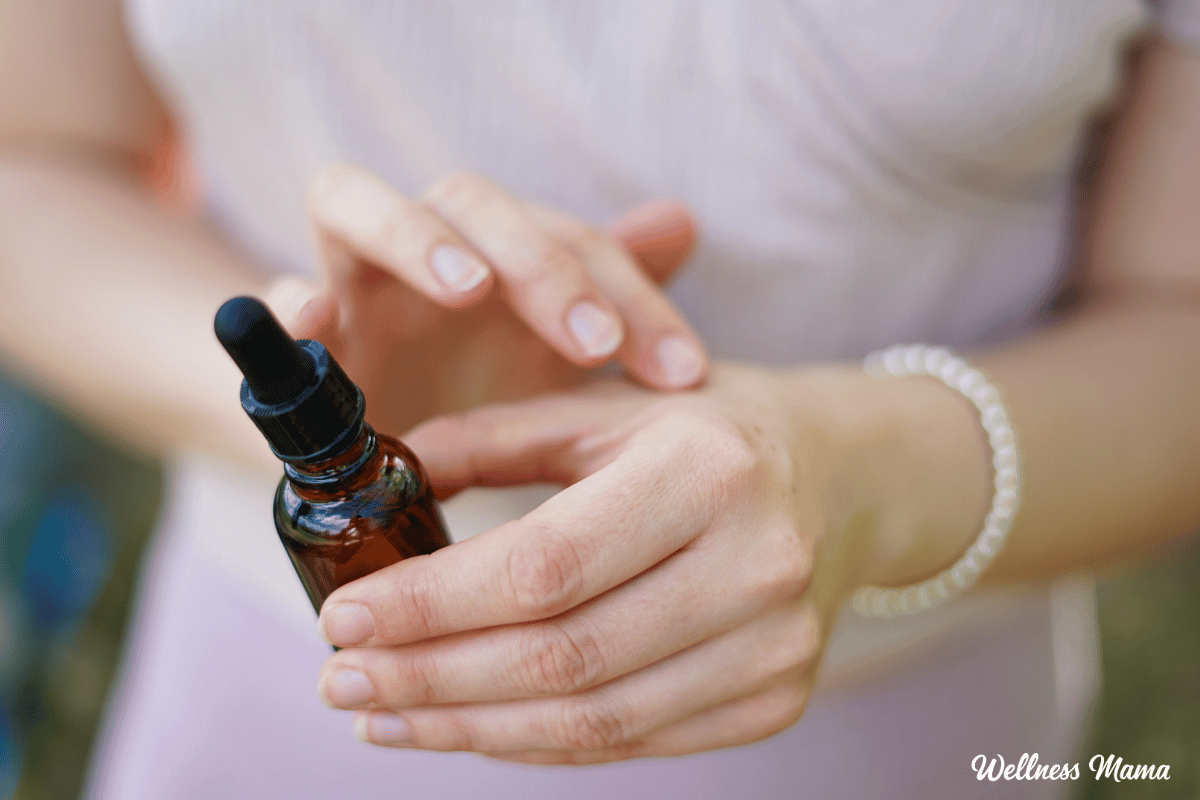
After one class that left us particularly sore, the Sensei (teacher) shared a traditional herbal remedy. It’s been used in Asian countries for pain relief and rapid healing for years. Dit Da Jow (literally translated “hit wine medicine”) is essentially an herbal tincture or liniment packed with healing herbs.
Dit Da Jow is an analgesic liniment traditionally preferred by martial artists. Often a martial arts master blends his unique mixture of many aromatic herbs like myrrh, ginseng, and traditional TCM herbs. The combination helps stimulate circulation, reduce pain and swelling, and improve injuries and speed wound healing.
The tradition became known as “hit medicine”. Many people have also found this liquid analgesic useful for reducing muscle aches, arthritis, and rheumatism discomfort.
I researched traditional Dit Da Jow recipes and while it was hard to find many of them (most are considered secret family recipes), I finally found a mixture that works really well for us. Traditional Dit Da Jow uses a long list of herbs that are native to Asia, many of which are hard to find in the US.
The version I came up with has the same benefits, but many of the herbs are found in the US. While this wouldn’t be considered true Dit Da Jow, it’s been very effective for our bumps and bruises. It also helps speed recovery of non-martial arts related injuries so I keep it stocked in our natural medicine cabinet.
You can also find more traditional Dit Da Jow here if you want to try it.
Overall Dit Da Jow helps reduce swelling and speed healing from bumps and sprains. Since the recipes are all so different, I’ll just give a quick overview of the benefits of the herbs I chose.
The alcohol extracts the beneficial properties from the herbs. When applied topically alcohol quickly absorbs into our skin and works quickly. You may be familiar with making herbal tinctures to take internally, this is just a topical version. This recipe is for external use only, it’s not the kind of tincture you take internally.
Yes, the recipe does call for a lot of herbs, but I’ve seen it get rid of bruises and pain overnight! This Dit Da Jow recipe has been really effective for our family and others I’ve shared it with.
Prep Time5 minutes
Steeping Time42 days
Total Time42 days 5 minutes
Place all of the herbs in a 16 ounce glass mason jar.
Fill the rest of the jar with food-grade, 80-proof or higher alcohol and stir with a clean spoon.
Put the lid on the jar. Store the jar in a cool/dry place, shaking daily, for at least three weeks and up to 1 year. I usually leave the herbs for six weeks.
Strain through cheesecloth and compost the herbs. Store the tincture in colored dropper bottles or clean glass jars.
Use on skin as needed to help with bruises, sore muscles and pain. Do not use on cut or broken skin.
As with any natural remedies consult with a natural healthcare practitioner before using, especially if you’re pregnant, nursing, or have medical conditions.
Traditionally Dit Da Jow is brewed for months, if not years. Some research has shown that a batch steeped for 5 years had significantly more benefits than one steeped for 1 year. You probably don’t want to wait that long before using your liniment though. I’ve found that even 6 weeks is enough to get herbal benefits. Plus, the traditional recipes are often made with Chinese root herbs that are tougher than plantain, calendula, etc.
You can keep the herbs in the jar and strain the liquid out as needed. Just be sure the herbs stay completely covered in alcohol. Once you’ve used more of the liquid, just strain the herbs out. Store your Dit Da Jow in a cool, dark place, away from direct light and heat.
What are your favorite herbal remedies for muscle aches and pains? Share below!
Heather Marianna(left) with ‘beaut’ ambassador
LOS ANGELES, March 18, 2026 (GLOBE NEWSWIRE) — Renowned event producer and brand strategist Heather Marianna, founder of The Marianna Group, hosted a special showcase at the highly anticipated “A Toast to Hollywood” 2026 Oscars Gifting Lounge on March 12 in Beverly Hills.
The VIP event brought together founders, creators, media personalities, and industry leaders for curated networking, product showcases, and demonstrations of tools that support scalable, automated business operations. Guests experienced firsthand how technology and AI-powered platforms can enhance digital entrepreneurship.
The Beverly Hills gathering highlighted a selection of innovative wellness and beauty brands, including:
Featured beauty and wellness brands at the VIP event in Beverly Hills
The event also featured SAASO, the AI-powered SaaS platform founded by Rabbi Russell Rabichev, demonstrating how creators and entrepreneurs can organize digital assets, develop subscription products, and implement automated systems to scale their businesses.
“Heather Marianna’s events provide an ideal environment for creativity, business, and innovation to intersect,” said Rabbi Russell Rabichev, who attended the lounge.
The Marianna Group continues to set the standard for woman-owned entertainment marketing, consulting, and production events, blending luxury, business impact, and meaningful brand visibility.
About Heather Marianna and The Marianna Group
Heather Marianna is a leading event producer, brand strategist, and founder of The Marianna Group, a woman-owned firm specializing in luxury gifting suites, red-carpet events, and high-profile brand activations during major awards seasons.
For more information, visitwww.beautybrandcoaching.com or follow her on social media platforms such as X, Instagram, Facebook, and YouTube.
Media Contact:
Heather Marianna
Beauty Brand Coaching
info@beautybrandcoaching.com
https://www.beautybrandcoaching.com/
Photos accompanying this announcement are available at
https://www.globenewswire.com/NewsRoom/AttachmentNg/4553bb60-a53e-4ea2-b566-3f36dfba031a
https://www.globenewswire.com/NewsRoom/AttachmentNg/ed94e72b-dfc4-4d4d-9153-0bb3a31474b4
Stroud Times is thrilled to announce a new advertising partnership with Glowing by Leah, a premium medical aesthetics and wellness clinic.
Founded by leading aesthetics practitioner Leah Cooke, Glowing by Leah opened its clinic doors at the Five Valleys Shopping Centre last September.
Located in the centre’s newly completed, stylish upper-level extension, Glowing by Leah offers a full suite of confidence-boosting treatments, from evidence-based skincare and advanced injectables to holistic wellness therapies. Delivered from three beautifully designed treatment rooms, the clinic is easily accessed from the top level of the Five Valleys car park.
On the partnership with Stroud Times, Leah said: “I’m delighted that I, the director of glowing by Leah is partnering with Stroud Times. I’m passionate about helping people understand their skin and wellbeing, and I’m excited to share my insights on medial aesthetics, skincare, menopause, and skin health for both women and men within the local community.”
Leah Cooke Pic: Matt Bigwood
Faye Hatcher of Stroud Times said: “We at the Stroud Times are delighted to be partnering with Glowing by Leah. This collaboration allows us to bring our readers exclusive insights, tips, and experiences in wellness and lifestyle, and we can’t wait to share what’s in store together.”
With over seven years of experience in medical aesthetics across Gloucestershire, Leah brings not only expertise but also a strong passion for helping others. A former NHS nurse, she was inspired to move into aesthetics after personally experiencing the life-changing impact of professional skincare. Today, as both a practitioner and trainer, she remains dedicated to empowering others through science-led treatments.
(L-R) Lisa Rea, Leah Cooke and Louise Shotbolt Pic: Matt Bigwood
The new clinic is JCCP registered and offers a wide range of treatments, including:
Medical-grade skincare for acne, rosacea, and other conditions
Microneedling and skin boosters to rejuvenate and promote collagen production
Anti-wrinkle treatments (including Botox) and lip enhancement
Deep tissue massage and Thai reflexology
Blood testing, eye rejuvenation therapies, and more
The highly sought-after Fire & Ice Facial — famously used by celebrities such as the Kardashians — is also available, offering red-carpet-ready results for special occasions.
Looking ahead, Leah plans to introduce bio-identical hormone therapy, a personalised treatment designed to naturally support mood, energy, and hormonal balance.
Appointments can be booked online at www.glowingbyleah.co.uk.
Boots’ 2026 trends report, includes hydration supplements, skincare and haircare designed to support modern self-care routines | Boots
This article contains affiliate links. We may earn a small commission on items purchased through this article, but that does not affect our editorial judgement.
Boots has analysed data from 17 million Advantage Card holders to reveal six beauty and wellness trends set to shape routines in 2026
Also look out for the newly launched Living Proof Clarifying Detox Shampoo, £32, which provides a deep cleanse while removing product build up. And right now at Boots you’ll receive a free Advanced Clean Dry Shampoo travel size when you spend £35 or more on Living Proof.
The drive for optimisation defines the first trend Pursuit of Peak. The rising demand for attainable wellness alongside a 755% increase in searches for electrolytes on Boots’ website fuelled the launch of Wellthy by Boots – a new own-brand range focussing on simplified wellness solutions designed to fit easily into everyday life.
Numbuzin’s No 9 NAD Collagen eye patches | Boots
A longer-term mindset underpins the second trend Project Preservation, with skincare moving toward prevention and resilience. Numbuzin exemplifies this approach, prioritising longer-term skin health rather than quick fixes, reflecting consumers’ focus on maintaining skin over time.
Real Life Revival, the third trend, celebrates personality-led brands and practical performance products – beauty designed for real routines, not filtered perfection. Consumers want connection and brands with personality are beating the algorithm.
Sixways Focus and Elevate Mushroom Blend Powder | Boots
Global trends and international brands are surging with 65% of customers purchasing products from an international brand in the past six months. K-Beauty is accelerating fast at Boots, with a fivefold increase in sales and a Korean skincare product selling every 11 seconds last year. The category is set to expand into new areas this year, including K-Fragrance, K-Haircare and K-Pharmacy.
Living Proof’s Clarifying Detox Shampoo | Boots
Beauty’s emotional impact shines through in Chemistry of Joy, where small rituals turn everyday steps into mood-boosting self-care moments. The report found consumers are looking for emotional uplift through chemical reactions: psychodermatology, neurocosmetics, and micro-moments of joy.
Wellthy Daily Hydration Electrolyte range | Boots
Finally, Resilient Routines shows how shoppers are adapting beauty and wellness habits to support mental, physical, and dermatological strength amid everyday pressures. Cetaphil Advanced Defence Serum, currently on sale at £19.87, was £26.50, exemplifies this, prioritising barrier support and daily protection as part of long-term routines.
For the first time, shoppers can explore and purchase products aligned with these trends directly via boots.com, turning industry insight into a practical guide for navigating beauty and wellness in 2026.
e.l.f. Cosmetics
Buy now
Buy now
Matching foundation and concealer shades can be one of the trickiest parts of any make-up routine 😩 – but e.l.f. Cosmetics say their newly launched Soft Glam collection could make things much simpler.
Both formulas promise lightweight, satin-finish coverage that is buildable, crease-resistant and transfer-resistant ✨ – designed for everyday wear whether you prefer a natural glow or a more polished look.
Even better for shoppers, the duo is currently £10 with code FLAWLESS 💸 – saving £4 compared with buying the products separately.
Gut Wealth
Buy now
Buy now
More than 6.5 million people in the UK struggle with gut problems, and for many, daily life can revolve around bloating, urgency and discomfort. Gut Wealth’s award-winning liquid supplement – winner of Medtech and Healthtech StartUp of the Year 2024 – is designed to support bowel regularity, reduce urgency and improve overall gut health.
For a limited time, shoppers can get 25% off their first order when purchasing by March 8 ⏳. The orange-flavoured, vegan-friendly sachets contain nine digestion-supporting ingredients, including a postbiotic ‘good bacteria’, plus Vitamins B1, B5, B6, B12 and Vitamin C. Rated 4.7 stars from 900+ reviews ⭐, many users report reduced bloating and better regularity within weeks, though individual results vary.