Natural Spa Factory announces new wellbeing & treatment collections

Natural Spa Factory announces new wellbeing & treatment collections

The collections represent a significant evolution for the British wellness brand, introducing a more treatment-focused direction centred around neurocosmetics, skin longevity and modern non-invasive skincare innovation.

Designed around the intersection of wellbeing, psychodermatology and advanced cosmetic actives, the collections combine clinically inspired formulations with a refined monochromatic packaging system developed to reflect a more modern and intelligent approach to skincare.

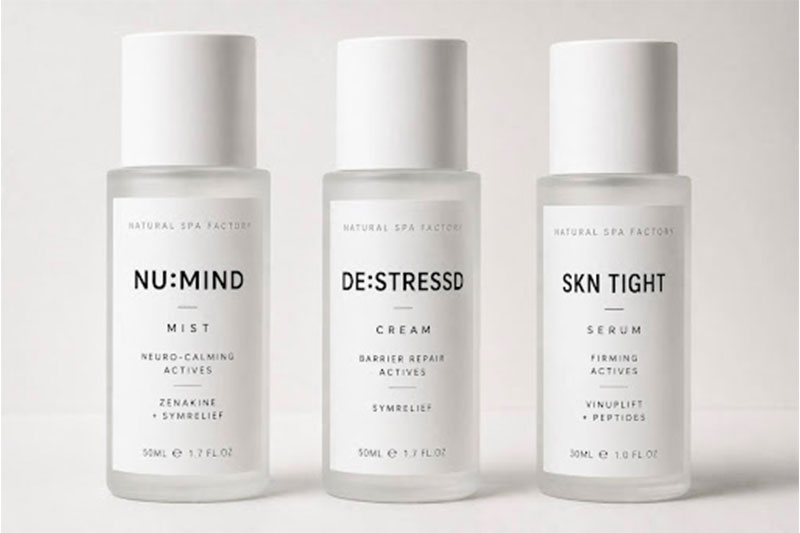
NU:MIND

Emotionally Intelligent Skincare

NU:MIND™ explores the growing field of neurocosmetics skincare designed to support the skin-brain axis and influence both skin health and emotional wellbeing.

The collection uses a combination of neuroactive skincare ingredients and mood-focused aromatics designed to work in sync with the circadian rhythm, calm inflammatory stress, and encourage emotional balance.

The range incorporates advanced actives including:

  • Zenakine
  • SymRelief
  • Lemon Balm Extract
  • Valerian Extract
  • Pink Pepperslim

These ingredients have been selected for their ability to support restorative sleep, reduce visible stress responses within the skin and promote neurocutaneous balance.

The NU:MIND collection includes:

  • Face & Body Mists
  • Massage Oils
  • Pulse Point Oils
  • Day & Night Moisturisers
  • Scalp & Hair Treatments
  • Body Care

Day formulations focus on energising, mood-boosting aromatics, while night formulations have been designed around calming fragrance profiles intended to support evening rituals and sleep preparation.

SKIN:TIGHT

Advanced Skincare Inspired by Aesthetic Treatments

SKIN TIGHT™ has been developed in response to growing consumer demand for non-invasive, procedure-inspired skincare alternatives.

The collection focuses on lifting, plumping, resurfacing, contouring and skin longevity using advanced delivery systems, peptide technologies and high-performance actives designed to replicate or enhance the visible effects associated with professional aesthetic treatments.

The range features ingredients including:

  • Multi-peptide complex
  • Vin UpLift
  • Cellfie
  • Pink Pepperslim
  • Pomegranate Enzyme
  • Triple Molecular Weight Hyaluronic Acid
  • Encapsulated Caffeine Herbasome

Together, these actives work to visibly improve firmness, hydration, radiance and skin texture while helping reduce the appearance of fine lines and expression wrinkles.

The SKIN:TIGHT collection includes:

  • Advanced Serums
  • Eye Treatments
  • Cleansers
  • Treatment Creams
  • Exfoliating Toners
  • Contouring Body Care
  • Overnight Treatments

DE:STRESSD

Barrier Repair for Modern Stressed Skin

DE:STRESSD is Natural Spa Factory’s new barrier-focused skincare collection developed to support skin exposed to modern environmental and emotional stress.

Built around the emerging understanding of the skin-brain axis, microbiome health and inflammatory skin stress, the collection has been designed to help calm sensitivity, strengthen the skin barrier and improve the skin’s resilience to daily stressors.

The range focuses on:

  • stressed and sensitised skin
  • redness and irritation
  • compromised skin barriers
  • dehydration and inflammation
  • environmental aggressors
  • skin fatigue and imbalance

At the centre of the collection is Ectoin — an award-winning extremolyte active recognised for its clinically proven protective and repairing benefits. Originally discovered in microorganisms surviving extreme desert environments, Ectoin helps defend the skin against pollution, moisture loss, UV stress, blue light exposure and inflammatory damage while supporting long-term hydration and barrier recovery.

The collection also incorporates Symferment, a postbiotic ferment technology designed to support microbiome balance and reinforce a healthier skin ecosystem through barrier-supportive micronutrients.

The DE:STRESSD collection includes:

  • Cleansing Balm
  • Moisturiser
  • Serum
  • Eye Cream
  • Facial Polish
  • Night Cream & Mask
  • Ectoin Face & Body Mist

Rich textures, restorative formulations and calming aromatics work together to support both skin comfort and sensory wellbeing as part of a modern daily recovery ritual.

Finished with notes of Green Tea & Palo Santo, the collection has been designed to feel grounding, comforting and quietly restorative.

The visual identity for all 3 collections introduces a more restrained monochromatic packaging system featuring frosted glass, oversized wrap labels and typographic-led branding intended to reflect the collections’ simplistic yet elevated positioning.

“We wanted to move beyond traditional wellness language and create products that feel emotionally intelligent, modern and genuinely useful,” says Natural Spa Factory Head of Projects, Jamie Rossiter,. “These collections are designed to support how people feel as much as how their skin looks.”

The collections will launch in September 2026 via naturalspafactory.co.uk and selected retail partners.

Tags: , , , , , ,
Hindustan Times News

Two-time cancer survivor and wellness entrepreneur suggests 7 self-care swaps for cleaner, ingredient-conscious living

The beauty and wellness industry is undergoing a remarkable transformation. Consumers today are becoming increasingly aware of what they put on their skin, into their bodies, and ultimately into their lifestyles. The focus is gradually shifting away from “advertised” beauty standards toward a more holistic understanding of health, longevity, and well-being. Radhika Iyer Talati, a two-time cancer survivor and wellness entrepreneur says people are moving towards “conscious choices” in the beauty sector.

6 beauty and wellness swaps (Pexels)

Shweta Pandey is a Senior Content Writer at Hindustan Times, with over 12 years of experience in beauty and wellness journalism, specialising in makeup, skincare, and hair care.

She began her professional writing journey in 2011, entering the evolving world of digital lifestyle journalism as beauty and wellness content rapidly transformed in India. Over the years, she has worked with reputed digital media houses like India Today, the Times of India and Skymet Weather, steadily building credibility through well-researched features, product reviews, and trend analyses. Her career reflects consistent growth, moving from content contributor to senior writer. She now plays a key role in shaping editorial strategy, social media content, and ensuring high-quality, reader-focused content that aligns with evolving audience needs.

Shweta’s core expertise spans makeup, skincare, hair care, and holistic health and fitness. She specialises in in-depth beauty product reviews, ingredient analysis, skincare routines, and evidence-based wellness advice. Known for her analytical and data-driven approach, she relies on verified sources, dermatological insights, and expert consultations to ensure credibility. Her field experience includes interviewing Bollywood celebrities, beauty and makeup professionals, tracking consumer trends, and simplifying the top picks.

Shweta holds a Master’s degree in Mass Communication, Advertising, and Journalism and has done Bachelor’s in Commerce from Delhi University. She believes in delivering reader-first insights that empower informed decisions while maintaining transparency, credibility, and trust.

Beyond her writing desk, Shweta enjoys exploring new destinations, experimenting in the kitchen with delightful recipes, and staying in tune with the latest beauty and wellness trends.

Read moreRead less

Talati, the founder of Anahata Organic – a wellness brand focussed on natural botanicals and chemical-free ingredients, tells HT Shop Now, “Beauty is no longer just about appearances; it is about supporting the body, mind, and spirit through conscious choices”.

Here are some of the beauty and wellness swaps she personally follows and recommends.

1. Choose skin tints over heavy foundations

One of the simplest yet most effective beauty swaps she recommends is replacing heavy foundations and concealers with lighter alternatives such as skin tints, BB creams, or tinted moisturisers with SPF.

Choosing skin tints allows the skin to breathe naturally. It creates a more natural-looking complexion and reduces pore congestion. Skin tints also help in minimising acne, breakouts, and skin irritation. Rather than covering the skin completely, lightweight products work with the skin, allowing its natural health to shine through. It also enhances skin texture rather than masking it.

2. Use natural balms instead of synthetic moisturisers

Radhika Iyer Talati, a two-time cancer survivor, recommends using oil-based balms formulated with ingredients such as Shea butter, Cocoa butter, Kokum butter, and Mango butter.

  • Benefits of natural balms

These natural balms mimic the skin’s natural lipid structure and provide deep nourishment to the skin barrier. These natural balms also contain fewer additives and preservatives. These deliver concentrated nutrients directly to the skin.

According to Talati, unlike conventional moisturisers, which often contain water and broad-spectrum preservatives, balms rely primarily on oils and butters, making them richer and more compatible with the skin’s natural composition.

3. Bring Back Traditional Attars

“Fragrance is another area where consumers are becoming more ingredient-conscious”, says Talati, who strongly advocates the revival of traditional attars as an alternative to synthetic perfumes and deodorants.

Attars are plant-based and naturally derived scents that are long-lasting without relying on synthetic fragrance compounds. These attars also allow the body to sweat naturally and help neutralise odour without overwhelming the body’s natural processes. She believes many modern fragrance products contain unnecessary chemical additives, making natural alternatives increasingly relevant. “Attars offer a more traditional and holistic approach to personal fragrance,” notes Talati.

4. Adopt adaptogen-inspired wellness rituals

This is another growing trend in the integration of beauty and nutrition. Radhika Iyer Talati suggests consumers swap caffeine with green tea or Kahwa tea. She also highlights the use of green and herbal teas, rose water, honey, and lime. Furthermore, she says these herbs help to calm skin inflammation, and fight everyday pollution and climate stressors.

  • Potential benefits of this switch:

These herbal teas support the body’s response to stress, help manage inflammation and combat environmental stressors and pollution. This switch will also promote overall wellness from within. For her, beauty is increasingly linked to what we consume rather than simply what we apply externally.

5. Replace harsh sulphate-based cleansers

Another crucial swap that most consumers have already made, and many are moving away from, is the step back from harsh cleansers loaded with sulphates and synthetic surfactants. According to Talati, these sulphates are hormone disruptors as well.

Some natural alternatives that she suggests include mild plant-derived surfactants, coco-glucoside-based cleansers, and traditional cleansing ingredients such as reetha (soapnut).

  • Advantages of natural alternatives:

Being free from chemicals, these alternatives are gentler on the skin and scalp, giving healthy-looking skin and hair. Moreover, they are less likely to disrupt the skin barrier and are better suited for sensitive skin. Radhika views the growing innovation in natural cleansing technologies as one of the most encouraging developments in the wellness industry.

6. Return to traditional hair care practices

Hair care is another category witnessing a significant shift. As per Talati, consumers are increasingly moving away from chemical-heavy hair treatments, frequent keratin treatments, synthetic serums, and highly processed formulations. Instead, she recommends using traditional oil treatments, herbal hair powders, and natural shampoo powders.

  • Benefits of making this switch:

Being natural, these back-to-roots ingredients lower environmental impact, reduce chemical exposure, are cost-effective and allow a stronger connection to traditional wellness practices. For Talati, these age-old methods continue to offer reliable and sustainable results.

7. Embrace herbal approaches to healthy ageing

As the anti-ageing conversation evolves, Talati says that instead of relying solely on cosmetic procedures and elaborate skincare routines, people are exploring simpler skincare regimens, herbal ingredients, nutritional support, and metabolic wellness.

  • Popular wellness ingredients today include:

Some popular wellness ingredients that she recommends include Curcumin, Ashwagandha, Shatavari, Black pepper extracts, Biotin, Vitamin C, Magnesium, and marine collagen peptides.

While she encourages professional guidance before starting supplements, Talati believes supporting internal health often delivers more lasting results than external treatments alone.

Why holistic beauty matters

Beyond products and routines, Talati emphasises the fact that beauty cannot be separated from health. According to her, true beauty encompasses nutrition, gut health, quality sleep, hygiene, mental wellness, emotional balance, and spiritual well-being.

She notes that the traditional saying “beauty comes from within” is increasingly supported by both science and personal experience.

Technology and Wellness: The rise of wearable devices, AI-driven beauty solutions, wellness trackers, and personalised analytics has transformed the self-care landscape. According to Talati, “While these innovations can offer useful insights, I encourage people to avoid becoming overly dependent on constant monitoring and optimisation”.

Sustainable Beauty: One of the most important lessons she has learned is that sustainable beauty is not about buying more products; it is about buying fewer, better products.

Conscious beauty practices include:

  • Understanding the difference between needs and wants.
  • Choosing refill packs when possible.
  • Reducing unnecessary consumption.
  • Opting for products with simpler ingredient lists.
  • Prioritising quality over quantity.
  • Practical Sustainable Swaps

Packaging: Consider a packaging switch as well. Go for refill systems whenever available. Or use products with glass packaging, reducing dependence on single-use plastics.

Give up fancy fragrances: Minimise synthetic fragrances in deodorants, perfumes, room fresheners, creams, lotions, and sunscreens. Furthermore, she acknowledges that natural products may smell different and that consumers must be willing to embrace those differences.

For Radhika Iyer Talati, “Beauty is about reconnecting with nature, simplifying daily routines, making informed choices, and understanding that health, wellness, and beauty are deeply interconnected.”

Similar articles for you

Turmeric, vaseline and inner beauty: Padmini Kolhapure spilt her simple skincare secrets

Don’t let the sudden pimple outburst ruin your date; Here are 7 acne patches you should keep handy

Expert says these 4 hidden chemicals can damage your hair; Tips to prevent hair damage

Tags: , , , , , , , , , ,
Hypopigmentation

Hypopigmentation Explained: Causes, Symptoms and Treatment Options

As a melanated girlie, I’ve always been conscious of hyperpigmentation—when patches of skin appear darker than the surrounding area. I’ve spent most of my life trying to avoid it—think sun protection, acne control, preventative skincare and steering clear of aesthetic treatments that could trigger it. On the occasions it did rear its head, I was armed and ready with a host of devices and actives to even out my skin tone.

What I wasn’t prepared for, and knew very little about, was hypopigmentation. So, when it happened to me, I was flummoxed about how it had happened and what exactly the correct course of action was to treat it.

Hypopigmentation decoded

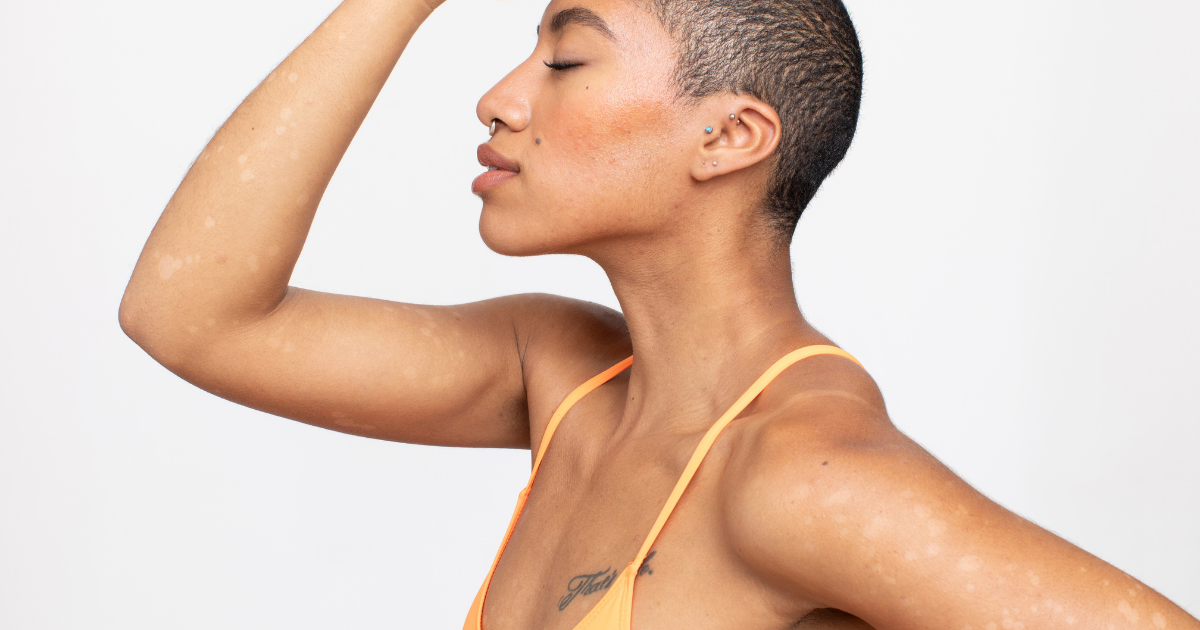
“Hypopigmentation is a reduction in the skin’s natural pigment, melanin, resulting in patches that appear lighter than the baseline skin tone, but it still retains some melanin activity. It’s often confused with vitiligo, but the two are distinct. Vitiligo is a chronic and complex autoimmune condition that involves the complete loss of melanin-producing cells,” explains aesthetic practitioner and Ace Skin Health Clinic founder, Corina Mihalache.


You may like

Around two years ago, I developed a circle of skin on my calf that looks completely devoid of pigment, while a bite that turned into a blister, and a laser hair removal mishap that burnt my skin also left me with light patches that stand out like a lighthouse amongst my darker skin.

Pigment-producing cells, called melanocytes, located in the top layer of the skin can’t function as they should when inflammation, trauma or excessive stress comes their way. “These melanocytes may remain present but no longer produce enough melanin, or they fail to transfer pigment efficiently to surrounding cells, and more severe damage can result in partial or complete destruction of the melanocytes,” says Mihalachi.

Inflammation is one of the most significant triggers; think conditions like eczema, acne, psoriasis, burns and aggressive aesthetic procedures can all trigger inflammation and disrupt normal melanocyte activity. In small doses, inflammation promotes healing—the body releases inflammatory mediators, aka the chemical messengers like histamines, cytokines, prostaglandins and leukotrienes that are all essential for healing. The issue is that when inflammation becomes chronic—and we may be fuelling it with our collective obsession with achieving ‘perfect’ skin.

“I have also noticed an increase in pigment disruption caused by over-treated skin, linked to the overuse of active skincare ingredients, particularly in patients who have unintentionally damaged their skin barrier through excessive exfoliation, strong acids, or prescription products used without professional guidance,” says Mihalachi. And it’s not just at-home skincare that could be to blame.

Some aesthetic treatments carry significant risk too. “Cryotherapy, aggressive lasers, deep chemical peels and improperly used energy devices can all suppress or permanently damage melanocytes,” reveals Mihalachi.

Hypopigmentation in darker skin tones

Just as hyperpigmentation is more of a concern for melanin-rich skin due to our more active pigment-producing cells, which are more reactive to any form of inflammation, trauma or sun exposure. Hypopigmentation can also be more concerning. Not only are we more prone to the condition thanks to our overachieving pigment-producing cells, but because when skin is darker, a loss of pigment is also significantly more visible than it would be on our lighter-skinned counterparts.

To avoid this fate, Mihalache urges patients and practitioners to err on the side of caution when it comes to skincare and treatments. Ditch overly aggressive actives, use conservative settings during treatments and follow an intensive healing aftercare protocol.


What to read next

How to treat hypopigmentation

Whatever your skin tone, the fundamentals of treating hypopigmentation remain the same. “It can still be challenging, but our understanding has improved considerably over recent years. Earlier intervention, better recognition of inflammatory triggers and more targeted therapies are helping to improve outcomes for many patients,” shares Teresa O’Nwere-Tan, Advanced Nurse Practitioner & Founder of Tan&Co

For post-inflammatory hypopigmentation, treatment focuses on calming inflammation, restoring the skin barrier and encouraging melanocyte recovery. “Depending on the individual case, this may include topical anti-inflammatory medications, carefully selected light-based therapies and anti-inflammatory and barrier supportive skincare,” says O’Nwere-Tan.

Light therapy, specifically controlled medical phototherapy, is one of the most exciting treatment options for hypopigmentation, as it’s highly effective at stimulating melanin production. LED is a great supportive light treatment that helps reduce inflammation, supports healing, and strengthens the skin barrier.

“Gentle microneedling with the likes of exosomes, peptides, polynucleotides, can help encourage melanocyte activity and improve overall pigment blending too,” reveals O’Nwere-Tan.

At home, the priority is rebuilding a healthy skin environment rather than aggressively targeting pigment loss itself. “Start with the basics: a gentle, non-stripping cleanser, a ceramide-rich moisturiser to restore barrier function, and SPF 50 every single day without exception. Once the skin is calm and the barrier is intact, vitamin C is worth introducing gradually. It supports antioxidant defence and helps address the oxidative stress that contributes to melanocyte disruption. Azelaic acid at 10-20 per cent is another useful option as it has anti-inflammatory properties, helps regulate melanocyte activity and is well tolerated across skin tones. Once fully stabilised, a low-strength retinoid can be introduced to support cell turnover and improve overall pigment distribution,” explains O’Nwere-Tan.

Managing expectations

When it comes to repigmentation, patience is key. I’ve experienced this first-hand, as it’s taken a whopping two years to see an improvement in mine, and there’s still a way to go. In milder post-inflammatory cases, Mihalachi says, “melanocyte function may begin to recover within four to twelve weeks. More moderate cases can take months to a year. But severe cases involving deep trauma or melanocyte destruction may not fully resolve.”

My aim is to keep treating my hypopigmentation at home and in clinic for another year and then reevaluate. O’Nwere-Tan thinks that’s wise: “In some cases the goal may shift to blending and stabilisation rather than complete reversal.” And that’s where cosmetic camouflage comes in, think tattooing but skin tone matching rather than a pretty design to hide my hypopigmentation. Alternatively, acceptance that skin tone can change—it’s not always even, and there’s no such thing as perfect.

Your hypopigmentation recovery kit

Revision Skincare

Gentle Cleansing Lotion

This gentle cleanser leaves skin refreshed, without stripping it completely.

The Ordinary Natural Moisturizing Factors + Ha 100ml

This moisturiser is packed with ceramides, fatty acids and hyaluronic acid to keep the outer layer if the skin hydrated, and protected.

Image Skincare

Vital C Hydrating Anti-Aging Serum

This serum contains multiple forms of vitamin C packing an major punch when it comes to treating damaged skin.

Paula’s Choice

Azelaic Acid Booster

Use this booster to help clarify uneven skin tone, target stubborn spots of hyper- and hypo-pigmentation and soothe the skin.

Tags: , , , ,
Field Level Media

From PDRN to Peptides, These 10 K-Beauty Ingredients Are Defining 2026 Skincare

Key Takeaways

  • As worldwide interest in K-beauty increases, Korean skincare brands are staying ahead of the curve with innovations that prioritize skin longevity, barrier support, and more.

  • No longer just about hydration and “glass skin,” the latest in K-beauty is helping us age smarter with regenerative ingredients like exosomes, PDRN, and biomimetic peptides.

K-beauty has officially moved beyond its glass skin and hydration-first era. In 2026, the category is getting a whole lot more high-tech. Across Seoul’s skincare labs, formulators and cosmetic chemists are leaning into biotech, regenerative aesthetics, and next-generation delivery systems where the conversation is no longer just about what’s in a formula, but how that formula communicates with skin.

Ingredients like PDRN, exosomes, and spicules have already started making their way into the global beauty lexicon, but in Korea, they’re just the beginning. The latest innovation is centered around “slow aging,” skin longevity, and barrier-first treatments that blur the line between skincare and in-office procedures–all while maintaining the gentle, skin-respecting philosophy K-beauty is known for.

What’s emerging now is a deeper, more sophisticated layer of K-beauty innovation: fermented actives engineered for better absorption, hanbang herbal ingredients backed by modern clinical testing, cryo-inspired cooling formats, and bio-intelligent ingredients designed to support the skin rather than aggressively “fix” it. In other words, K-beauty’s next chapter is all about optimization.

Below, experts break down 10 K-beauty ingredients and technologies they expect to define the next wave.

Meet the Experts

  • Amy Miller is the senior manager of product at Rael. 

  • Alicia Yoon is the chief executive officer and founder of Peach and Lily.

01 of 10

Exosomes

If there’s one ingredient category poised to completely dominate skincare conversations in 2026, it’s exosomes. The regenerative ingredient—which encompasses tiny extracellular vesicles that help cells communicate by carrying proteins, peptides, and signaling molecules—has quickly become a top buzzword across K-beauty and dermatology.

But according to experts, we’re still only scratching the surface. “Consumers are beginning to understand concepts like exosomes and regenerative skincare, but we’re only scratching the surface of where this category is headed,” says Peach and Lily founder and CEO Alicia Yoon.

What’s making exosomes especially interesting in K-beauty is the level of sophistication behind the scenes. Korean labs are focused on sourcing, stabilization methods, and delivery, going far beyond simply including the ingredient.

Still, dermatologists caution that the science around topical exosome skincare is changing. “For at-home skincare, the science is still evolving,” says board-certified dermatologist Joyce Park, MD, FAAD. “Factors like sourcing, stability, formulation, and delivery system matter tremendously.”

02 of 10

PDRN

PDRN has rapidly become one of the defining ingredients of the “regenerative skincare” era. Derived from salmon DNA, the ingredient is commonly associated with skin repair, wound healing, and collagen support. It’s become a staple ingredient in Korean clinics and med-spa-inspired skincare alike.

According to Rael’s senior manager of product, Amy Miller, consumers are gravitating toward ingredients tied to “skin longevity” rather than traditional anti-aging. “We’ve seen a big cultural pivot away from aggressive ‘anti-aging’ language,” she says. “The modern consumer wants skin health and resilience.”

That shift has pushed ingredients like PDRN into the mainstream, especially among younger consumers focused on “slow aging” and maintaining skin health long-term.

03 of 10

Spicules

Spicules–microscopic, needle-like structures often derived from marine sponges–have become one of the biggest delivery-system innovations to emerge from K-beauty recently. Often marketed as “liquid microneedling,” spicules work by creating micro-channels on the surface of the skin to help active ingredients penetrate more effectively.

But according to Park, the comparison to professional microneedling treatments is a little misleading. “Spicules can create some similar resurfacing effects, but they are not the same as an in-office microneedling treatment that reaches deeper layers of the skin,” she explains.

Instead, experts say the real innovation lies in the delivery system itself. “Spicules are exciting because they act as a natural microscopic delivery system to help active ingredients penetrate better,” Miller says. As K-beauty continues leaning into treatment-inspired skin care, spicules are expected to become far more mainstream in 2026.

04 of 10

Fermented Ingredients

Fermented skincare has been a staple in K-beauty for years, but experts say the category is entering a much more advanced era. “Korean labs are becoming more sophisticated in fermentation science,” Yoon tells us. “Fermentation can help ingredients become more bioavailable and skin-compatible.”

In practice, that means fermented ingredients may absorb more effectively while remaining gentler and less irritating than harsher actives. Miller says fermentation technology is especially appealing because it allows brands to create “high-performance, results-driven ingredients” without compromising the skin barrier.

As consumers continue moving away from aggressive skincare routines, fermented actives are likely to become even more central to K-beauty’s treatment philosophy.

05 of 10

Biomimetic Peptides

Peptides are hardly new, but next-generation biomimetic peptides are shaping up to be one of the biggest ingredient categories to watch. “If I had to choose one category specifically, I think biomimetic peptides and next-generation peptide technologies are going to become much bigger editorial conversations,” Yoon shares.

Unlike traditional peptides, biomimetic peptides are designed to mimic natural biological processes in the skin, supporting collagen production, elasticity, and barrier function in more targeted ways. Park says that peptides are also appearing outside of facial skincare, particularly in scalp and hair products as the line between skin and hair care continues to blur.

06 of 10

Madecassoside

Centella asiatica (aka cica) has already become a skin care staple, but experts predict one of its active compounds—madecassoside—is poised for a breakout moment of its own. “I love this ingredient because it’s anti-inflammatory, antioxidant, and incredibly calming for the skin,” Park tells us.

Madecassoside is especially popular for redness, irritation, dryness, and barrier repair, making it particularly appealing as consumers become more focused on skin recovery and resilience.

07 of 10

Glutathione

Already hugely popular in Korea, glutathione is finally beginning to gain real traction in the U.S. market. Known as the body’s “master antioxidant,” glutathione has become increasingly associated with brightening, antioxidant protection, and achieving the ultra-radiant “glass skin” effect consumers continue to chase.

According to Miller, glutathione is also part of Korea’s growing “inside-out beauty” philosophy, where skincare increasingly overlaps with wellness and ingestible beauty supplements. “Glutathione and tranexamic acid are transitioning from niche innovations to mainstream essentials,” she says.

08 of 10

Ginseng

Korean herbal ingredients—often referred to as hanbang ingredients—are also entering a new era. While ginseng has been part of Korean herbal medicine for centuries, Yoon says modern extraction technologies and clinical research are helping reposition the ingredient for a global audience. “Ginseng is going to have another major resurgence globally,” she says.

Today’s formulations are focusing on preserving active compounds through more advanced cultivation and extraction processes, allowing brands to highlight ginseng’s benefits for firmness, radiance, and skin resilience in a much more science-forward way.

09 of 10

Cryo-Inspired Cooling Ingredients

One of the more under-the-radar trends experts are watching? Cooling skincare. According to Miller, cryo-inspired formats are rapidly gaining traction in Korea as consumers increasingly look for products that soothe irritation, redness, and heat-stressed skin. “Rising global temperatures and frequent heat waves are driving demand for cooling treatments that deliver instant calming and depuffing benefits,” she explains.

Hydrogel masks, cooling toner pads, and ice-inspired formulations are all expected to grow significantly in 2026—particularly as skincare continues merging with wellness rituals.

10 of 10

NAD and NMN

Perhaps the most futuristic on the list, NAD and NMN are longevity-focused ingredients gaining momentum as skin care becomes influenced by the wellness world. “I definitely see NAD and NMN having a major breakout moment soon,” Miller says.

Both ingredients are associated with cellular energy and longevity research, making them especially appealing as consumers embrace “slow aging” and preventative skin care philosophies. While the category is still early, experts say it reflects a much larger shift happening in K-beauty overall: skincare designed not just to improve appearance, but to support skin function over time.

Read the original article on Byrdie

Tags: , , , , ,
Why “Glass Skin” Treatments Are Becoming A Major Skincare Trend

Why “Glass Skin” Treatments Are Becoming A Major Skincare Trend

According to Dr. Gaurav Garg, Consultant Dermatologist, Hair Transplant Surgeon, more people are now seeking professional treatments that improve skin clarity, texture, and radiance rather than simply covering imperfections with makeup. “Younger individuals, often shaped by digital platforms and public figures’ routines, seek treatments tied to radiant, even-toned appearance. Not long ago, limited to cosmetic discussions, the concept now appears regularly during doctor consultations. Appearance goals once confined to magazines shift toward health-focused dialogues,” he said.

Tags: , , , , ,
Luxury Spas And High-End Skincare Brands Are Taking Their Partnerships To The Next Level: ‘A Win-Win For Everyone’

Luxury Spas And High-End Skincare Brands Are Taking Their Partnerships To The Next Level: ‘A Win-Win For Everyone’

A facial at Lake Austin Spa Resort in Austin, Texas

Lake Austin Spa Resort

It’s not an uncommon practice for spas to sell high-end skincare lines in their businesses—but The Wellhouse at Blackberry Farm takes it a step further.

On its menu is the Tammy Fender Signature Facial, named after the Florida-based facialist who has been in practice for over 25 years and who counts celebrities like Gwyneth Paltrow and Julianne Moore as clients. Beyond just selling Fender’s products inside the walls of The Wellhouse, the relationship between the spa in Walland, Tennessee and Fender goes a bit deeper: a few times a year, Fender stops by The Wellhouse for about four days at a time for a mini-residency, taking appointments for two of those days for clients who are staying onsite at Blackberry Farm.

“She works with our team the rest of the time just to keep us making sure that we’re treating her treatments correctly,” Meghan Henley, assistant director of wellness at The Wellhouse, tells me via Zoom.

Guests can indulge in a Tammy Fender Signature Facial—performed sometimes by Fender herself but mostly by employees of The Wellhouse that she has trained—for 50-minute or 80-minute sessions. The facial, which is described in the spa menu as being “rooted in the ancient traditions of holistic care,” includes ultrasound waves, rhythmic massage techniques designed to enhance circulation, oxygen therapy and “custom blends of the purest botanical ingredients” that seem to align with Fender’s values of natural, plant-based luxury skincare and holistic living. Henley points out that the estheticians at The Wellhouse often use Fender’s Roman chamomile tonic, which she points out is “really great for redness and sun exposure.”

“I can’t say enough about Tammy,” Henley says. “She is an incredible human.”

Tammy Fender

Blackberry Farm

The feeling is mutual: “Have you ever encountered a match made in heaven?” Fender tells me. “It is truly a rarity to find an organization that embodies such unwavering commitment to holistic care while offering an extraordinary wellness experience. I am deeply grateful for our inspiring collaboration with Blackberry Farm.”

The partnership between The Wellhouse and Fender developed organically, Henley tells me.

“Our overall approaches to wellness are just so aligned,” she says, adding that developing partnerships like the ongoing one with Fender is “always very, very natural, just naturally evolves through our relationships, usually from word of mouth, honestly.”

When it came to establishing the relationship with Fender, Henley credits Charlotte Hardwick, “a longtime ‘friend of the Farm,’” Henley says, referring, of course, to Blackberry Farm, the celebrity-loved luxury resort bordering the Great Smoky Mountains National Park. The resort has 62 rooms and its grounds cover 4,200 acres; The Wellhouse spa is but one part of the property’s amenities and, in addition to attracting boldfaced names for a stay on the property, Kelly Clarkson, Jennifer Nettles of the country music group Sugarland, and Paulina Gretzky, daughter of hockey legend Wayne Gretzky, have all been married there. (“We do have many, many high-profile guests who come to visit Blackberry,” Henley says, though she doesn’t name them. “And I think, honestly, one of the reasons they are drawn to us is, of course, our privacy policy. We take it extremely seriously.”)

Blackberry Farm in Walland, Tennessee

Blackberry Farm

But back to Charlotte Hardwick: “She comes and does one to two wellness retreats per year with us,” Henley says. “And she mentioned to me several times, ‘Hey, have you heard of Tammy Fender? She’s not around here. You may not have heard of her, but I think her products would be incredible.’ It’s such a beautiful alignment. And so she mentioned it a time or two, and I said, ‘Hey, can you get me on the phone with her?’ And we trust these partnerships.”

Of “friends of the Farm” like Hardwick, “They want to see our success,” Henley says. “They know what our brand is. And so people just honestly pass it on. It’s pretty incredible.”

When it comes to the alignment between Fender and The Wellhouse, Henley points to immersive experiences at Blackberry Farm like forest bathing, which is “all about immersing yourself in nature and in the senses,” she says, adding of Fender that “everything she does is an immersive sensory experience. So it also all awakens the senses, her holistic approach—her overall approach addresses the skin with the active plant remedies. And that’s just so aligned with everything that we do on the Farm. It’s just that same deepening of body, mind, spirit.”

Partnerships—like the current one with Fender, which started in the beginning of 2024, and prior partnerships like with skincare founder Tata Harper, which ended at the end of 2023—have “always been very, very natural,” Henley says. “Like I said, very organic.”

Henley says The Wellhouse tends to partner with one skincare expert in this manner at a time, and that Fender comes to the spa multiple times a year, attends wellness retreats and interacts with spa goers.

Blackberry Farm in Walland, Tennessee

Blackberry Farm

Fender’s expertise drives revenue for the spa, Henley says. “She is taking appointments as in a residency or for one of our events,” she adds. “She is onsite. She is there at her disposal. And honestly, I mean, of course that’s going to drive sales. She’s there to talk about the products, and the guests are—they’re just overwhelmed because she’s so incredibly authentic, and it will turn into sales for us. And then also for her.”

“And even when Tammy’s not here, they’re coming and doing these little solo retreats, because she mentioned that her products are here now,” Henley continues. “So it’s a win-win for everyone.”

For her part, Fender says, “My time spent in residency each season serves as a sanctuary for exploration and growth in my treatment practice. It is during these moments that I connect with individuals who share a genuine desire to delve into every facet of holistic care. Additionally, I have the privilege of rejuvenating my spirit in a breathtaking setting, savoring exquisite cuisine and cherishing every precious moment.”

Fender has done a seasonal wellness retreat for the past two years, “and the guests really enjoy being able to spend that quality time with her on those events, and then also when she’s here for residency—so that’s a separate thing,” Henley says. “She’s incredible.”

“She is such a gentle human,” Henley adds of Fender. “She is so authentic, and that is such a huge, huge important factor in anyone we partner with.”

From the business side, Henley says continuing partnerships like the one the spa has with Fender are a win: “They definitely generate sales in our spa, in our retail spaces,” she says.

Lake Austin Spa Resort in Austin, Texas

Lake Austin Spa Resort

“Partnerships with skincare brands are crucial for a spa”

Partnerships like these are growing in popularity in spas across the country. At the LakeHouse Spa at Lake Austin Spa Resort in Austin, Texas, clients can get a Collagen Boost facial by Dr. Dennis Gross, an 80-minute anti-aging treatment that reduces hyperpigmentation and deep-set lines while stimulating collagen production. The treatment includes a professional retinol peel, a cooling and warming mask and an LED treatment, according to the spa menu.

Dermatologist Dr. Gross—who is also the founder of an eponymous skincare line, perhaps most known for its peels—is one of the brands in partnership with the LakeHouse Spa, where his products are offered as well as skincare treatments.

“Partnerships with skincare brands are crucial for a spa because they enhance credibility, provide high-quality products and create additional revenue streams,” says spa director Shana Ominsky.

Ominsky points to access to high-quality products provided by the skincare brand, education and training for spa staff and brand credibility, which “elevates your spa’s reputation, making it more attractive to clients seeking premium treatments” as reasons behind partnerships like these.

Treatment at Blackberry Farm in Walland, Tennessee

Blackberry Farm

Calling Dr. Gross specifically “a nice fit for the spa because they offer cutting-edge, results-oriented services,” Ominsky calls partnerships with skincare brands “a large investment, and what is important is the amount of support you receive from the vendor.”

Support, Ominsky says, should include significant amplification with sales, marketing and continued training and selling strategies. “The collective effort is what’s most important to us,” she adds.

“It really is a two-way partnership”

Across Montage Hotels and Resorts’ properties is a Spa Montage at each location, which includes places like Bluffton, South Carolina (the company’s Palmetto Bluff property) and Laguna Beach, California. When it comes to skincare, each location has partnerships specific to what works best for their clientele—for example, Tata Harper is featured at Palmetto Bluff, and OSEA (which is headquartered in Malibu, California) is featured at the Laguna Beach property. As of earlier this year, Spa Montages across the country will now feature luxury skincare line Skin Design London and a robust partnership with its founder, celebrity esthetician Fatma Shaheen, who has already visited five of the seven U.S. Montage properties (with plans to visit the remaining two imminently). All properties will soon feature two exclusive facials to be released this year with protocols created by Shaheen herself.

“She’s personally training our estheticians on the modalities, and she is making sure that they are aligned and following the same protocol so that our guests are getting the same level of service as if Fatma was doing it herself,” Jennifer Holzworth, senior corporate director of spa operations for Montage International, tells me over Zoom, adding that while Shaheen is onsite at each of the properties, she’ll do different events ranging from lunch and learns to VIP treatments on specific media guests.

Lake Austin Spa Resort in Austin, Texas

Lake Austin Spa Resort

“It’s an evolving partnership, and she’ll continue to have pop up visits at all of the sites throughout the year when she’s in the U.S.,” Holzworth adds of Shaheen, who is based in London.

When it comes to choosing partners—be they property-specific like Tata Harper or OSEA or across all locations, like Skin Design London—the integrity of the product matters, Holzworth says, but also the relationship the brand is looking to have with Montage. They examine “the brand story” of the company, Holzworth says, “and how does it align?”

Montage is also looking for brands who will provide training and support, “not only from our team’s perspective and making sure that they’re trained properly [to give treatments], but also from a PR perspective and doing events and marketing,” she adds. “So it really is a two-way partnership, and we want to make sure that going into these partnerships that the other side is as flexible and as willing to make it successful, as we are.”

“I think it’s really important to have consistency with our partners and the elevated level of service that we can provide to our guests,” Holzworth says, adding that the partnership “certainly is beneficial on both sides.”

“We just look for partnerships whose standards align with ours”

The Wellhouse—which launched in 2014 and boasts just under 50 employees—also carries the German-based company MBR in addition to Fender’s line. Though the partnerships tend to err on the side of organic, when it comes to vetting potential partners, “Brand alignment is an obvious answer,” Henley says.

“Specifically, we often look towards holistic and organic brands and any that focus on sustainability,” Henley says, adding that when it comes to these important partnerships like the one The Wellhouse has with Fender, “Overall, we just look for partnerships whose standards align with ours.”

Tags: , , , , , , ,
South Korea's Beauty Boom: Tourists Flock for Cutting-edge Skincare

South Korea’s Beauty Boom: Tourists Flock for Cutting-edge Skincare

South Korea’s capital, Seoul, is witnessing a surge in medical tourism as international travelers flock to its thousands of skincare clinics. Maria Zu, a consultant from Dubai, exemplifies this trend, having spent her recent visit undergoing advanced treatments like red light therapy and Botox.

With over 2 million foreigners visiting for medical services last year, according to Korea’s health ministry, this sector is outpacing traditional tourism. Hong Seung-wook from the Korea Health Industry Development Institute notes the increasing preference for anti-aging treatments among middle-aged tourists.

The allure lies in the cost-effectiveness and cutting-edge techniques of K-beauty, which are often years ahead of Western practices. Lienjang clinic in Gangnam, for example, represents the competition-driven affordability that attracts around 15,000 clinics across the nation, offering innovative services greatly sought after by global visitors.

(With inputs from agencies.)

Tags: , , , , , , ,
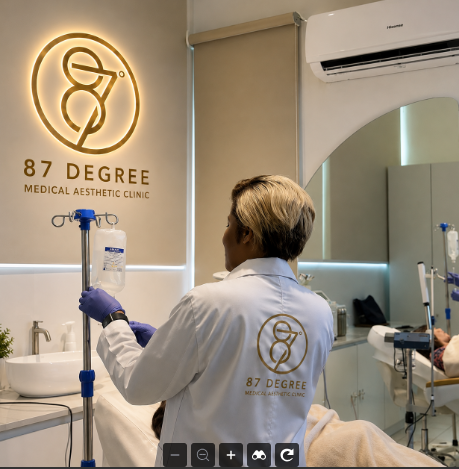
How 87 Degree Medical Aesthetic Clinic Is Redefining Medical Aesthetics in Lagos, Nigeria

How 87 Degree Medical Aesthetic Clinic Is Redefining Medical Aesthetics in Lagos, Nigeria

In recent years, Lagos has witnessed a remarkable shift in the beauty and wellness industry. What was once dominated by traditional spas and basic skincare routines has evolved into a growing demand for science-backed aesthetic treatments, personalized wellness experiences, and medically guided beauty solutions. As more Nigerians prioritize self-care, skin health, anti-aging solutions, and confidence-enhancing treatments, medical aesthetics is becoming one of the fastest-growing sectors in the country’s wellness economy.

At the forefront of this transformation is 87 Degree Medical Aesthetic Clinic, a modern wellness destination that is redefining what medical aesthetics means in Lagos, Nigeria.

The Rise of Medical Aesthetics in Nigeria

Medical aesthetics is no longer viewed as a luxury reserved for celebrities or the ultra-wealthy. Across Lagos, professionals, entrepreneurs, creatives, and wellness-conscious individuals are increasingly embracing treatments that improve not only appearance but also overall confidence and well-being.

This shift has fueled demand for treatments such as:

  • Advanced facials 
  • Botox and dermal fillers 
  • Laser skin treatments 
  • IV therapy 
  • Hair restoration 
  • Body contouring 
  • Skin rejuvenation procedures 

However, as demand increases, clients are becoming more selective. Today’s consumers want more than temporary beauty fixes. They are searching for clinics that combine professionalism, safety, modern technology, and personalized care.

This is where 87 Degree Medical Aesthetic Clinic has distinguished itself.

A New Standard for Medical Aesthetics in Lagos

Located in Lagos, 87 Degree Medical Aesthetic Clinic has built its reputation around a holistic approach to beauty and wellness. Rather than offering isolated treatments, the clinic focuses on integrating aesthetics, wellness, relaxation, and preventive care into one seamless experience.

The clinic’s philosophy is simple: beauty should be approached scientifically, safely, and personally.

From skin correction procedures to wellness therapies, every treatment plan is tailored to the individual needs of each client. This personalized approach has helped position 87 Degree as one of the emerging names shaping the future of medical aesthetics in Nigeria.

Combining Wellness With Aesthetic Excellence

One of the defining features of 87 Degree Medical Aesthetic Clinic is its ability to bridge the gap between traditional wellness services and advanced medical aesthetics.

Clients can access a wide range of services, including:

  • IV hydration and wellness therapy 
  • Advanced facial treatments 
  • Laser procedures 
  • Botox and fillers 
  • Teeth whitening 
  • Spa treatments 
  • Grooming and self-care services 
  • Fitness and wellness support 

This integrated model reflects a growing global trend where wellness and aesthetics are no longer treated separately. Instead, beauty is viewed as a combination of healthy skin, internal wellness, physical confidence, and lifestyle balance.

For many Lagos residents dealing with the pressures of fast-paced urban living, this type of comprehensive wellness experience has become increasingly valuable.

Personalized Treatments for Modern Clients

One of the reasons many people struggle with skincare and aesthetic treatments is the lack of personalization. Generic product recommendations and one-size-fits-all procedures often fail to address individual concerns.

At 87 Degree Medical Aesthetic Clinic, consultations are designed to understand each client’s goals, skin concerns, and lifestyle before treatments are recommended.

Whether a client is dealing with:

  • Acne and breakouts 
  • Hyperpigmentation 
  • Uneven skin texture 
  • Signs of aging 
  • Fatigue and low energy 
  • Hair loss 
  • Stress-related skin conditions 

the clinic develops customized treatment approaches aimed at achieving measurable, lasting results.

This emphasis on personalization has become one of the major factors driving the clinic’s growing recognition within Lagos’ beauty and wellness industry.

Professional Expertise and Client Trust

In medical aesthetics, expertise and safety are critical. Treatments such as Botox, fillers, laser therapy, and advanced skincare procedures require trained professionals who understand both the medical and aesthetic aspects of treatment.

87 Degree Medical Aesthetic Clinic places strong emphasis on professional care, treatment precision, and client education. The clinic’s approach prioritizes natural-looking results while maintaining high standards of safety and professionalism.

As awareness around medical aesthetics grows in Nigeria, many consumers are becoming more cautious about where they receive treatments. Clinics that combine credibility, expertise, and modern treatment standards are increasingly earning the trust of informed clients.

The Future of Medical Aesthetics in Lagos

The medical aesthetics industry in Lagos continues to evolve rapidly. Increasing awareness of skincare, anti-aging treatments, wellness therapy, and preventive beauty solutions is creating new opportunities for clinics that can deliver premium, results-driven experiences.

87 Degree Medical Aesthetic Clinic represents this new generation of wellness-focused aesthetic centers: modern, client-centered, and grounded in professional care.

As Lagos continues to establish itself as a leading hub for beauty, wellness, and lifestyle innovation in Africa, medical aesthetic clinics are expected to play an even greater role in helping individuals look better, feel more confident, and prioritize long-term wellness.

For many clients seeking advanced beauty and wellness solutions in Lagos, 87 Degree Medical Aesthetic Clinic is becoming more than just a clinic, it is becoming a destination for transformation, confidence, and modern self-care.

Website – https://eightysevendegree.com/ 

Email Address – [email protected]

T. + 2349167924432 T. +2342018891712

No 8, Goshen Estate Road, Opposite UPDC Estate Lekki, Lagos , Nigeria

Tags: , , , , , , ,
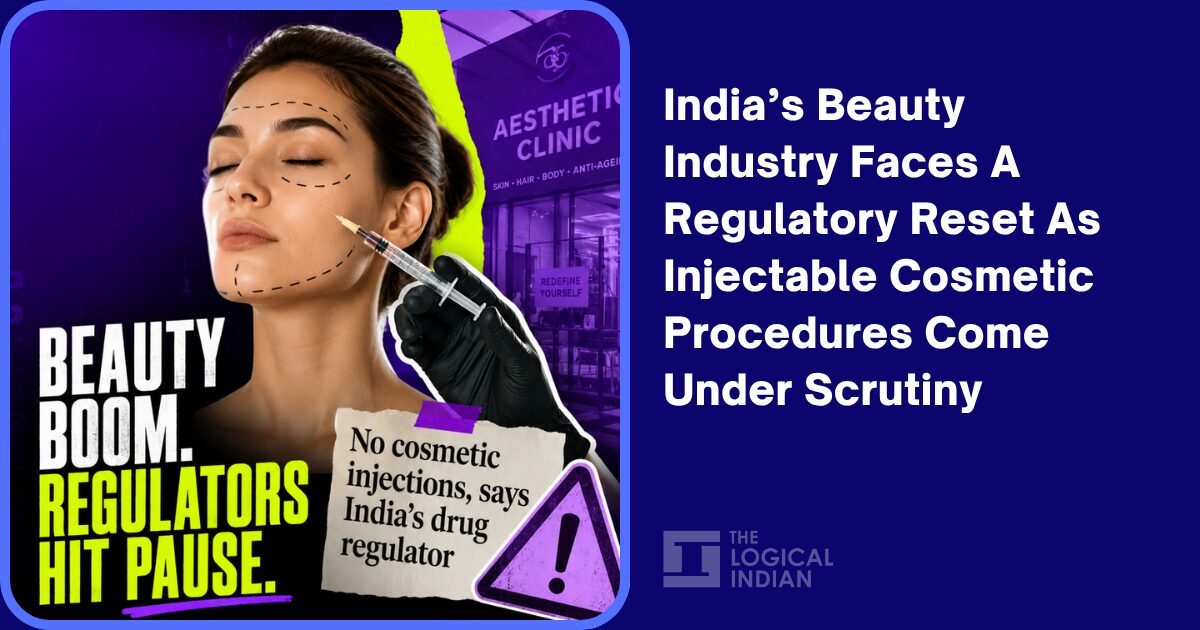
India’s Beauty Industry Faces A Regulatory Reset As Injectable Cosmetic Procedures Come Under Scrutiny

India’s Beauty Industry Faces A Regulatory Reset As Injectable Cosmetic Procedures Come Under Scrutiny

India’s beauty industry has spent the last few years moving far beyond creams, lipsticks, and skincare serums. Across metros and Tier-1 cities, aesthetic clinics offering Botox, dermal fillers, glutathione drips, anti-ageing injections, PRP therapy, and skin tightening procedures have rapidly entered the mainstream.

Social media influencers normalized these treatments, clinics aggressively marketed them, and younger consumers increasingly viewed cosmetic procedures as part of routine self-care.

Now, India’s drug regulator is stepping in.

In a public notice issued on May 18, 2026, the Central Drugs Standard Control Organisation (CDSCO) clarified that products supplied in injectable form do not qualify as cosmetics under Indian law. The regulator stated that cosmetics are intended to be “rubbed, poured, sprinkled or sprayed” on the human body and that no cosmetic product is permitted to be used as an injection by consumers, professionals, or aesthetic clinics.

The clarification may sound technical, but it signals a major shift for India’s fast-growing medical aesthetics ecosystem, where beauty procedures increasingly overlap with healthcare, pharmaceuticals, and wellness businesses.

Aesthetic Clinics Expanded Rapidly

The government’s intervention comes at a time when India’s aesthetics market is growing aggressively.

According to Grand View Research, India’s aesthetic medicine market generated revenue of approximately US$2.01 billion in 2024 and is projected to reach US$7.41 billion by 2033, growing at a compound annual growth rate of 15.6%.

Separately, IMARC Group estimated India’s medical aesthetics market at US$650.7 million in 2025, projecting it to reach US$1.33 billion by 2034.

While estimates vary because firms define the category differently, most industry reports point to the same trend: minimally invasive cosmetic procedures are becoming a major business segment in India.

This growth has been driven by rising disposable incomes, growing awareness of cosmetic procedures, medical tourism, and increasing demand for non-surgical treatments.

The shift is also cultural. Procedures once associated with celebrities or luxury dermatology clinics are now marketed to younger urban consumers through Instagram reels, influencer partnerships, and subscription-based aesthetic packages.

Regulators Draw A Line

The CDSCO clarification effectively draws a regulatory distinction between cosmetics and medical interventions.

Under India’s Drugs and Cosmetics Act, cosmetics are products applied externally to cleanse, beautify, or alter appearance. Injectable substances do not fall within that definition.

The regulator’s notice comes amid growing concerns over aesthetic procedures being promoted outside tightly supervised medical environments.

The Times of India reported that the government acted amid a rise in aesthetic and anti-ageing procedures being marketed through clinics and beauty establishments.

The Economic Times also linked the warning to growing global normalization of injectable products being used for aesthetic enhancement, including weight-loss drugs and anti-ageing therapies.

India Today reported that the clarification brings glutathione drips and anti-ageing injections under sharper scrutiny.

Importantly, the CDSCO notice does not create a new law banning medical aesthetic procedures altogether. Instead, it clarifies that injectable products cannot be categorized or marketed as cosmetics under existing legal definitions. Medical procedures involving approved drugs may still be performed under applicable medical regulations.

That distinction matters because aesthetic clinics often operate in a grey zone between beauty services and clinical healthcare.

Safety Concerns Intensify

Medical experts and dermatology associations have increasingly warned about unqualified operators performing cosmetic procedures.

Earlier this year, the Gujarat chapter of the Indian Association of Dermatologists, Venereologists and Leprologists launched an anti-quackery campaign targeting unsafe cosmetic procedures being conducted by untrained practitioners. The association flagged Botox injections, fillers, PRP therapy, laser treatments, and hair transplants being performed outside properly equipped medical facilities.

The organization stated that such procedures require specialized medical training and should only be conducted by qualified dermatologists or plastic surgeons.

Globally, regulators have also tightened scrutiny around cosmetic injectables. Reuters reported that British regulators had earlier warned injectable anti-wrinkle fillers could become “a crisis waiting to happen” without stronger oversight.

India now appears to be moving toward a stricter compliance framework as aesthetic medicine expands.

Business Models Could Change

The CDSCO clarification could significantly affect aesthetic clinics, wellness chains, cosmetic distributors, and influencer-led beauty businesses.

Injectable cosmetic procedures became commercially attractive because they offered high-margin recurring treatments compared with traditional dermatology consultations. Clinics increasingly bundled anti-ageing injections, skin brightening therapies, and contouring treatments into lifestyle packages.

Now businesses may face tighter oversight around advertising claims, practitioner qualifications, product sourcing, and treatment classification.

The shift also reflects a broader transformation within the beauty industry itself. International beauty companies are increasingly investing in medical aesthetics businesses globally. Reuters reported in 2025 that L’Oréal had taken stakes in clinics in China and North America to better understand the medical aesthetics market.

That trend highlights how cosmetic enhancement is evolving into a hybrid industry combining beauty, healthcare, pharmaceuticals, and wellness.

India’s regulator appears determined to ensure that this transition does not occur without clearer legal boundaries.

Also Read: US-Iran Strait Of Hormuz Talks Reveal 30-Day Reopening Plan, Tehran Toll Reversal And Rubio’s Warning

Tags: , , , , , , , , ,
Anti-aging treatments surge in popularity across US' Maryland as demand for non-invasive care grows | Indiablooms

Anti-aging treatments surge in popularity across US’ Maryland as demand for non-invasive care grows | Indiablooms


The anti-aging and medical aesthetics industry is witnessing unprecedented growth worldwide, with more people turning to non-invasive cosmetic procedures to maintain youthful, healthy-looking skin.


According to industry estimates by IMARC Group, the global anti-aging market reached nearly $79.9 billion in 2025 and is projected to surpass $129 billion by 2034.


At the same time, the medical spa, or medspa, sector is emerging as one of the fastest-growing healthcare and wellness industries, expected to expand at a CAGR of over 15% through 2033, led largely by North America.


This rapid rise is being driven by increasing consumer awareness, advancements in aesthetic technologies, and growing preference for treatments that offer visible results without surgery or lengthy recovery periods.


In Maryland, particularly in Bel Air and across Harford County, the trend is becoming increasingly visible as more clients seek preventative anti-aging therapies, skin rejuvenation, and personalized skincare solutions.


Shift Toward Non-Surgical Anti-Aging Treatments


Modern patients are increasingly choosing minimally invasive procedures such as Botox, dermal fillers, laser skin rejuvenation, microneedling, and skin tightening therapies over traditional cosmetic surgery.


Botox and similar neuromodulator treatments continue to dominate the medspa market, helping reduce expression lines such as forehead creases, crow’s feet, and frown lines by temporarily relaxing facial muscles.


Dermal fillers are also widely popular for restoring lost facial volume and enhancing areas such as cheeks, jawlines, and under-eye hollows.


Experts say these treatments are preferred because they deliver natural-looking results with little to no downtime.


Laser Treatments and Skin Tightening Gain Momentum


Laser skin rejuvenation has emerged as one of the leading anti-aging treatments in 2026, offering solutions for wrinkles, pigmentation, sun damage, uneven skin tone, and collagen loss.


Advanced laser technologies stimulate collagen production while improving overall skin texture and firmness.


At the same time, radiofrequency and ultrasound-based skin tightening procedures are gaining traction among individuals looking for non-surgical alternatives to facelifts.


These treatments are designed to:


  • Improve skin firmness

  • Enhance facial contours

  • Reduce sagging skin

  • Restore youthful elasticity

  • Preventative Skincare Driving ‘Prejuvenation’ Trend


A major shift shaping the aesthetics industry is the rise of “prejuvenation” — younger individuals opting for preventative anti-aging care before visible aging begins.


People in their 20s and 30s are increasingly seeking:


  • Light Botox treatments

  • Customized facials

  • Hydrafacials

  • Collagen-boosting therapies

  • Microneedling procedures


Specialists say starting skincare treatments early may help slow the appearance of aging signs while improving long-term skin health.


Personalized Treatments Becoming the New Standard


Industry professionals emphasize that personalized skincare plans are now central to effective anti-aging care.


Customized treatment strategies typically include detailed skin analysis, tailored procedures, and long-term maintenance plans designed around individual skin concerns and goals.


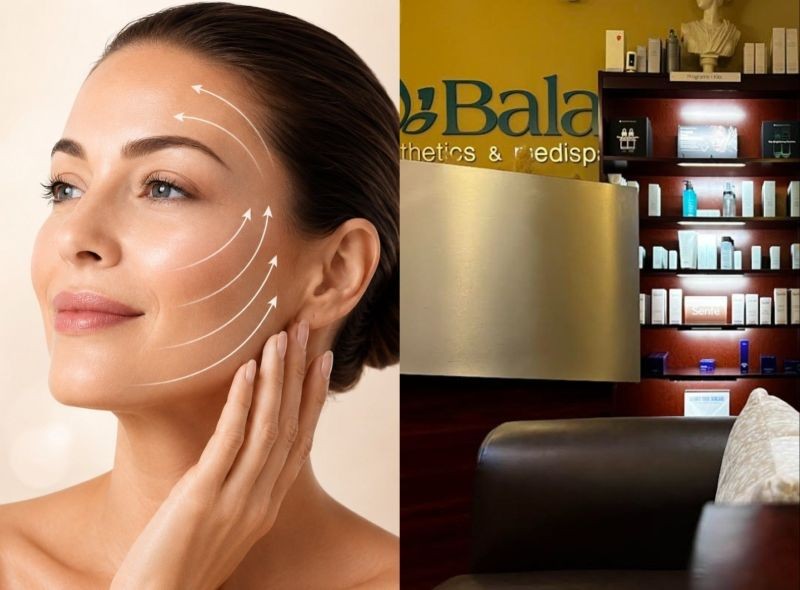
Bala Aesthetics & Medispa Expands Presence in Bel Air


Among the clinics benefiting from this growing demand is Bala Aesthetics & Medispa in Bel Air, Maryland, led by Dr. Balasubramanian, M.D.


With more than two decades of medical experience, the clinic focuses on non-invasive anti-aging procedures including Botox, fillers, laser rejuvenation, skin tightening, and customized skin care therapies.


The clinic says its approach centers on achieving subtle, natural-looking results while prioritizing long-term skin health and patient-focused care.


Growing Industry, Growing Demand


As anti-aging treatments become more advanced, accessible, and less invasive, experts believe the industry will continue to expand rapidly over the next decade.


For many clients, the focus is no longer dramatic cosmetic transformation, but rather maintaining healthy, radiant skin and aging gracefully through preventive and personalized care.

Tags: , , , , , , , , ,
Best oLive
Privacy Overview

This website uses cookies so that we can provide you with the best user experience possible. Cookie information is stored in your browser and performs functions such as recognising you when you return to our website and helping our team to understand which sections of the website you find most interesting and useful.