Skincare range for aesthetic procedure prep now in S'pore, also tackles dryness & dullness

Skincare range for aesthetic procedure prep now in S’pore, also tackles dryness & dullness

Alastin launches in Singapore with skincare for aesthetic procedures and everyday use

You may have heard of the all-important prepping and priming steps when it comes to makeup, but as it turns out, those aren’t just things for foundation and eyeshadow anymore.

In the aesthetics world, getting your skin ready before a treatment can matter just as much as what you do afterwards, and that’s something skincare brand Alastin is putting more focus on.

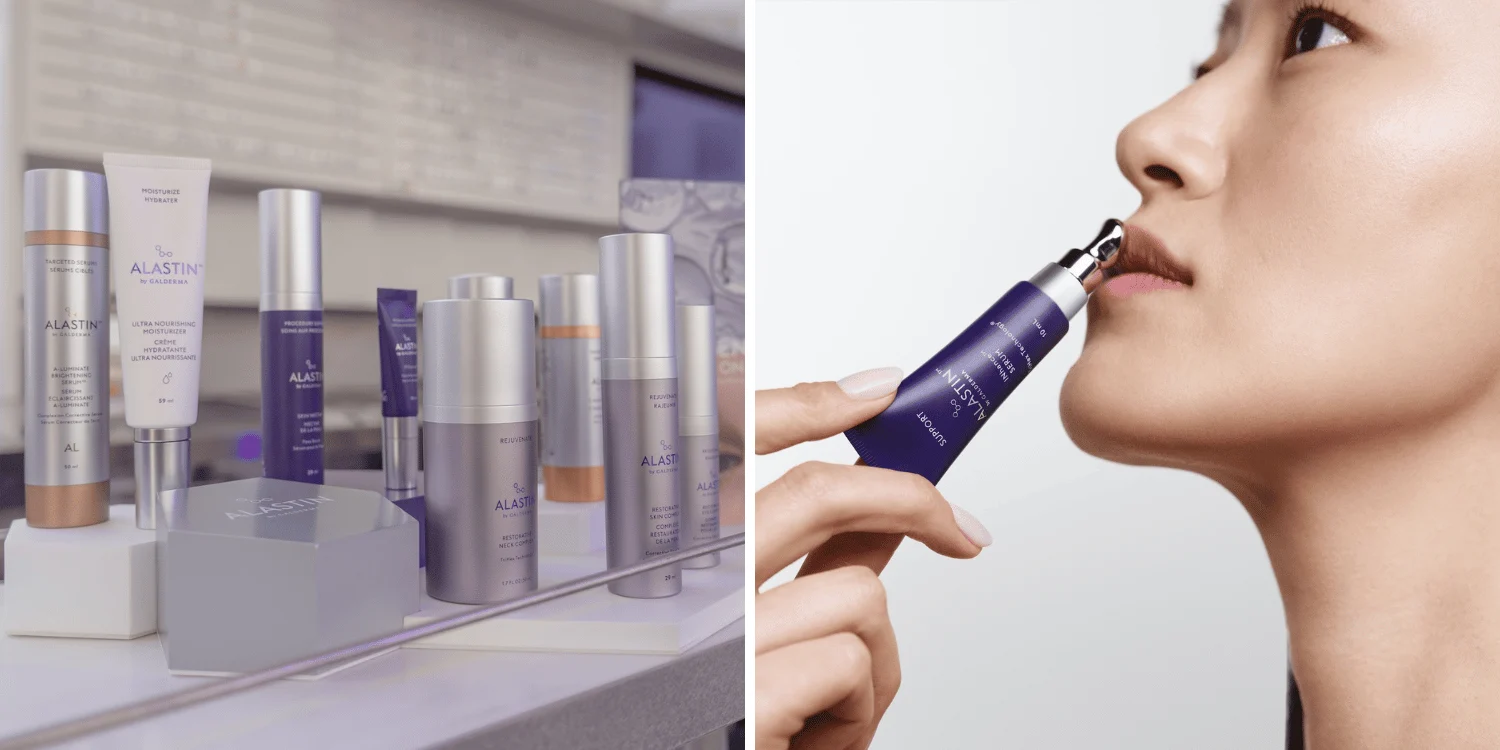
The professional-grade skincare brand by Galderma has officially launched in Singapore, with products designed to support skin before and after aesthetic procedures, while also tackling everyday concerns such as dryness, dullness, fine lines, and loss of elasticity.

Image courtesy of Alastin

At a recent media preview, aesthetics doctor Dr Ashley Yuen shared that patients traditionally weren’t encouraged to prep and prime their skin before aesthetic procedures. Instead, most of the attention tended to come after the treatment, once the skin was already recovering.

That’s where Alastin takes a slightly different approach, putting more emphasis on getting the skin into better shape before the treatment even begins.

And even if needles or lasers aren’t on your agenda anytime soon, don’t tune out just yet. The range has also been designed to work as standalone skincare, with products catering to different skin types, ages, and everyday concerns.

Image courtesy of Alastin

Built around skin recovery, not just the treatment itself

We also heard from Professor Alan Widgerow, Galderma’s Chief Scientific Officer and Head of Alastin Innovation, who brings with him decades of experience across plastic surgery, wound care, tissue engineering, and skincare research.

That background makes sense, given how Alastin came about. The brand was created by a plastic surgeon and a formulation scientist, with the idea of looking after your skin across the whole treatment journey, not just once the procedure is over.

As Dr Yuen explained, traditional aesthetic care tended to be much more reactive. You’d go for the treatment, then deal with the redness, irritation, or downtime afterwards with soothing creams, sunscreen, or whatever else your doctor recommended.

Alastin’s approach is to start a little earlier.

Image courtesy of Alastin

It calls this pre-conditioning the skin, essentially giving it some extra support before heat, energy, or needles enter the picture, rather than only thinking about recovery afterwards.

And that covers a pretty broad spectrum of treatments, from non-invasive options such as HIFU and other energy-based skin-tightening procedures, to Pico and fractional lasers, and needle-based treatments such as radiofrequency microneedling, dermal fillers, skinboosters, botulinum toxins, and biostimulatory injectables.

Source: cottonbro studio on Pexels, for illustration purposes only

The star of the show is Alastin’s proprietary TriHex Technology, a peptide-based system designed to help clear aged, damaged collagen and elastin, while supporting the production of new, healthy collagen and elastin.

Its newer TriHex+ Technology, found in the Restorative Skin Complex, also supports the skin’s natural production of high-molecular-weight hyaluronic acid.

Alastin sums the whole process up as “remove, rebuild, and replenish”, essentially spring cleaning for your skin: clearing out the damaged stuff, making room for new collagen and elastin, and helping maintain smoother, healthier-looking skin over time.

But while all of that sounds pretty impressive, there is one important distinction to make. In response to queries from MS News, Alastin clarified that this doesn’t make the range a scar treatment.

Its products are designed to support post-procedure recovery and overall skin quality, but aren’t intended to treat surgical scars, replace post-operative care, or reduce the appearance of scars from surgery or injury.

For the pre- and post-procedure crowd

If you’ve got a little glow-up procedure pencilled into your calendar, Alastin’s Skin Nectar with TriHex Technology is designed to support your skin both before and after the appointment.

Image courtesy of Alastin

Designed for use before treatment, it helps support the skin barrier, then soothes skin as it recovers afterwards. The anhydrous, preservative-free formula also means there’s no water in the mix, keeping things simple for pre- and post-treatment skin.

Alastin says prepping the skin beforehand may also help it better handle treatment and support recovery afterwards, a bit like warming up before a workout instead of going in cold.

There’s also INhance Serum with TriHex Technology, which is designed to complement cosmetic treatments while keeping skin hydrated and looking plumper.

Its cooling applicator tip is a nice touch, too, especially when your skin is feeling a little tender after treatment.

Image courtesy of Alastin

They work well as regular skincare, too

If you’ve been reading this thinking it all sounds a bit too clinic-focused, good news: you don’t need an upcoming injectable or laser appointment to get something out of the range.

Although much of Alastin’s science is tied to aesthetic treatments, the products were also designed to work as standalone skincare.

For everyday ageing concerns, the Restorative Skin Complex with TriHex+ Technology targets fine lines, wrinkles, dullness, and uneven skin tone, while helping skin look plumper and more elastic.

Image courtesy of Alastin

There are also dedicated formulas for the areas we tend to ignore until they suddenly start demanding attention.

The Restorative Neck Complex, for instance, focuses on the neck and décolleté, while the Restorative Eye Complex targets dark circles, puffiness, fine lines, and wrinkles.

If serums are more your thing, HA Immerse Serum is all about hydration, A-Luminate Brightening Serum targets visible discolouration and pigmentation, and C-RADICAL DEFENSE Antioxidant Serum combines Vitamin C with 14 antioxidants to help protect against environmental stressors.

Image courtesy of Alastin

And for days when you don’t have the time or energy for a full-on routine, there’s the Ultra Nourishing Moisturizer with TriHex Technology, which provides up to 24 hours of hydration while helping support the skin barrier.

For more information on Alastin and where to find it in Singapore, visit the brand’s official website.

Also read: Vietnamese fragrance brand has S$9.90 pocket perfumes inspired by tea & sweet treats, now in S’pore

Vietnamese fragrance brand has S$9.90 pocket perfumes inspired by tea & sweet treats, now in S’pore

Have news you must share? Get in touch with us via email at news@mustsharenews.com.

Featured image courtesy of Alastin.
Tags: , , , , , , , ,
Award season prep: The hidden beauty treatments powering red carpet and on-screen looks | Entertainment News

Award season prep: The hidden beauty treatments powering red carpet and on-screen looks | Entertainment News

Award season prep: The hidden beauty treatments powering red carpet and on-screen looks

The red carpet is more than a photo op. It is the beauty industry’s most influential testing ground. Long before the stars arrive, a massive preparation cycle begins, setting the pace for global consumer behavior for the rest of the year. While the fashion usually takes the headlines, the real story is in the intensive skincare and wellness prep required to stand up to modern 8K cameras.

These hidden processes have shifted from exclusive studio secrets to a blueprint for the entire retail market. The scale of this influence is massive. According to a 2024 McKinsey & Company analysis, skincare is the industry’s powerhouse, representing 44% of the total market. This analysis from Sjolie, a professional sunless tanning manufacturer and training provider, looks at the specific, data-backed treatments—from cryotherapy to sunless tanning—that power today’s red carpet looks and eventually define what’s on the shelves for everyone else.

Sjolie

The Market Dominance of Dermal Hydration

Beyond couture, the primary aesthetic benchmark for the modern red carpet is “glass skin”—a trend that prioritizes high levels of dermal hydration to create a reflective, translucent finish. This movement, rooted in K-beauty principles, has fundamentally shifted consumer behavior away from matte finishes and toward “sheen” results.

The glass skin trend relies on a multistage regimen of hydrating serums and toners, but its primary economic impact is found in the “preventative” category. By emphasizing a healthy skin barrier and UV protection, the trend has captured a younger demographic—specifically Gen Z consumers—who view skincare as a long-term capital investment in their appearance rather than a temporary fix.

Consequently, the focus has pivoted toward long-term dermal health, treating the complexion as a vital asset that requires strategic, multilayered management rather than superficial coverage.

Prioritizing Dermal Integrity via Sunless Tanning

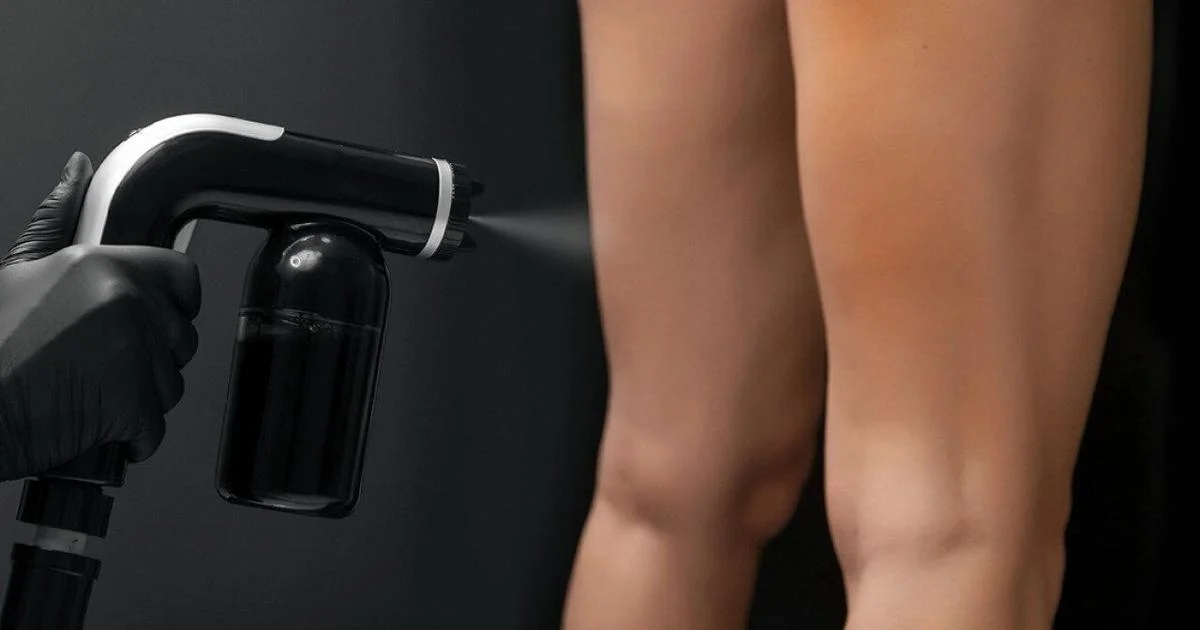
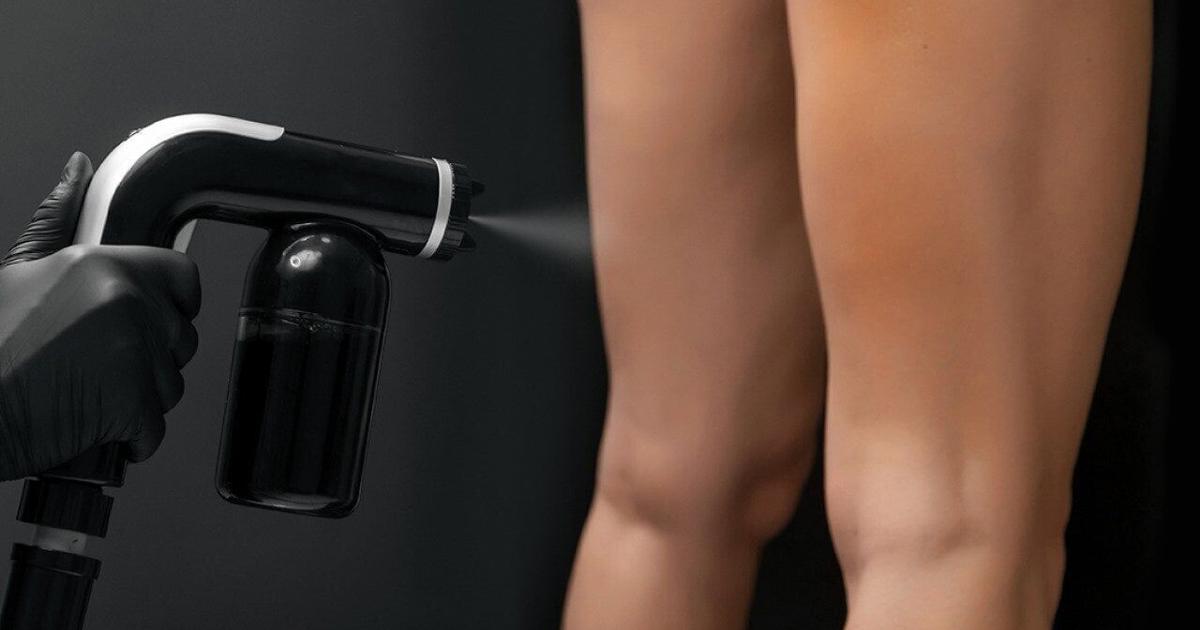
The movement toward “glass skin” has also triggered a significant shift in the tanning sector. As high-profile stars increasingly avoid the accelerated aging and DNA damage associated with UV exposure, sunless tanning has become the operational standard for achieving a “camera-ready” glow.

Average consumers now spend more on sunless tanning, with the market growing at 7% annually. Award show appearances and glowing skin in the movies aren’t solely responsible. This growth is driven by the speed of results—a “social media-friendly” efficiency that allows consumers to achieve aesthetic benchmarks without the weeks of exposure required by traditional methods. This shift treats the “tan” as a temporary, nondamaging cosmetic application rather than a result of solar radiation.

By treating the “glow” as a manageable variable rather than a product of environmental exposure, the industry has successfully decoupled the aesthetic of the tan from the hazards of radiation.

Cryotherapeutic Interventions and Lymphatic Drainage

To combat “utilization fatigue”—the physical puffiness caused by travel and high-stress schedules—celebrity stylists are increasingly turning to low-temperature interventions. This process, often referred to as “skin icing” or cryotherapy, serves as a high-efficiency primer for subsequent product application.

While professional cryofacials are common, the trend has trickled down to sustainable at-home solutions, such as reusable cooled eye masks and full-face immersion techniques. These methods utilize thermal shock to induce vasoconstriction, reducing inflammation and tightening the skin’s appearance instantly. For the consumer, these methods represent a low-cost, high-impact entry point into professional-grade prep routines.

The Normalization of ‘Prejuvenation’ and Minimally Invasive Procedures

It is impossible to evaluate award season aesthetics without addressing the role of cosmetic surgery. According to a 2024 American Society of Plastic Surgeons report, the rise of “prejuvination” (neuromodulator and soft tissue filler procedures) has seen a surge in patients in their 20s and 30s seeking preventative treatments.

The industry is also seeing a dissolution of the gender divide regarding these procedures. Market reports suggest that minimally invasive treatments, such as microfillers and neuromodulators (Botox), are increasingly utilized by male stars to manage sagging skin and maintain facial volume. This normalization suggests that cosmetic intervention is no longer viewed as a “last resort” but as a standard maintenance requirement for public-facing professionals.

Future Outlook: The Access Economy of Beauty

While red carpet invitations are limited to an elite few, the data suggests that the “red carpet look” is being democratized through retail accessibility. The move toward sunless tanning and high-science skincare reflects a broader consumer shift toward health-conscious aesthetics.

As transparency around cosmetic surgery increases and “sunless” technology continues to improve, the beauty industry’s reliance on award season as a marketing catalyst will only strengthen. For the modern consumer, the question is no longer about achieving “luxury” beauty, but about utilizing data-driven treatments to maintain dermal health in an era of constant digital scrutiny.

This story was produced by Sjolie and reviewed and distributed by Stacker.

Tags: , , , , , , , , , , ,
Award season prep: The hidden beauty treatments powering red carpet and on-screen looks | Entertainment

Award season prep: The hidden beauty treatments powering red carpet and on-screen looks | Entertainment

Award season prep: The hidden beauty treatments powering red carpet and on-screen looks

The red carpet is more than a photo op. It is the beauty industry’s most influential testing ground. Long before the stars arrive, a massive preparation cycle begins, setting the pace for global consumer behavior for the rest of the year. While the fashion usually takes the headlines, the real story is in the intensive skincare and wellness prep required to stand up to modern 8K cameras.

These hidden processes have shifted from exclusive studio secrets to a blueprint for the entire retail market. The scale of this influence is massive. According to a 2024 McKinsey & Company analysis, skincare is the industry’s powerhouse, representing 44% of the total market. This analysis from Sjolie, a professional sunless tanning manufacturer and training provider, looks at the specific, data-backed treatments—from cryotherapy to sunless tanning—that power today’s red carpet looks and eventually define what’s on the shelves for everyone else.

Sjolie

The Market Dominance of Dermal Hydration

Beyond couture, the primary aesthetic benchmark for the modern red carpet is “glass skin”—a trend that prioritizes high levels of dermal hydration to create a reflective, translucent finish. This movement, rooted in K-beauty principles, has fundamentally shifted consumer behavior away from matte finishes and toward “sheen” results.

The glass skin trend relies on a multistage regimen of hydrating serums and toners, but its primary economic impact is found in the “preventative” category. By emphasizing a healthy skin barrier and UV protection, the trend has captured a younger demographic—specifically Gen Z consumers—who view skincare as a long-term capital investment in their appearance rather than a temporary fix.

Consequently, the focus has pivoted toward long-term dermal health, treating the complexion as a vital asset that requires strategic, multilayered management rather than superficial coverage.

Prioritizing Dermal Integrity via Sunless Tanning

The movement toward “glass skin” has also triggered a significant shift in the tanning sector. As high-profile stars increasingly avoid the accelerated aging and DNA damage associated with UV exposure, sunless tanning has become the operational standard for achieving a “camera-ready” glow.

Average consumers now spend more on sunless tanning, with the market growing at 7% annually. Award show appearances and glowing skin in the movies aren’t solely responsible. This growth is driven by the speed of results—a “social media-friendly” efficiency that allows consumers to achieve aesthetic benchmarks without the weeks of exposure required by traditional methods. This shift treats the “tan” as a temporary, nondamaging cosmetic application rather than a result of solar radiation.

By treating the “glow” as a manageable variable rather than a product of environmental exposure, the industry has successfully decoupled the aesthetic of the tan from the hazards of radiation.

Cryotherapeutic Interventions and Lymphatic Drainage

To combat “utilization fatigue”—the physical puffiness caused by travel and high-stress schedules—celebrity stylists are increasingly turning to low-temperature interventions. This process, often referred to as “skin icing” or cryotherapy, serves as a high-efficiency primer for subsequent product application.

While professional cryofacials are common, the trend has trickled down to sustainable at-home solutions, such as reusable cooled eye masks and full-face immersion techniques. These methods utilize thermal shock to induce vasoconstriction, reducing inflammation and tightening the skin’s appearance instantly. For the consumer, these methods represent a low-cost, high-impact entry point into professional-grade prep routines.

The Normalization of ‘Prejuvenation’ and Minimally Invasive Procedures

It is impossible to evaluate award season aesthetics without addressing the role of cosmetic surgery. According to a 2024 American Society of Plastic Surgeons report, the rise of “prejuvination” (neuromodulator and soft tissue filler procedures) has seen a surge in patients in their 20s and 30s seeking preventative treatments.

The industry is also seeing a dissolution of the gender divide regarding these procedures. Market reports suggest that minimally invasive treatments, such as microfillers and neuromodulators (Botox), are increasingly utilized by male stars to manage sagging skin and maintain facial volume. This normalization suggests that cosmetic intervention is no longer viewed as a “last resort” but as a standard maintenance requirement for public-facing professionals.

Future Outlook: The Access Economy of Beauty

While red carpet invitations are limited to an elite few, the data suggests that the “red carpet look” is being democratized through retail accessibility. The move toward sunless tanning and high-science skincare reflects a broader consumer shift toward health-conscious aesthetics.

As transparency around cosmetic surgery increases and “sunless” technology continues to improve, the beauty industry’s reliance on award season as a marketing catalyst will only strengthen. For the modern consumer, the question is no longer about achieving “luxury” beauty, but about utilizing data-driven treatments to maintain dermal health in an era of constant digital scrutiny.

This story was produced by Sjolie and reviewed and distributed by Stacker.

Tags: , , , , , , , , , ,
Best oLive
Privacy Overview

This website uses cookies so that we can provide you with the best user experience possible. Cookie information is stored in your browser and performs functions such as recognising you when you return to our website and helping our team to understand which sections of the website you find most interesting and useful.