light benefits

Sunlight, Red Light, and How to Harness Light’s Benefits for Health

I’m not exaggerating when I say that light changed my life. This often overlooked wellness tool seems so simple, but it can have really impressive benefits. I’ve talked a lot about sunlight, blue light, red light therapy, and more over the years. Today, I’m putting everything into one easy place for you to learn all about the benefits of light and how it can positively impact your life too. 

There’s some overlap in the following sections, but I’ve tried to separate the info into a few different categories. Many of these articles and podcast episodes are purely about light for health, but some of them include other strategies alongside light exposure. 

Healthy lighting is just one tool in the toolbox. And while it can have some pretty drastic effects, other healthy habits like stress reduction, sleep, hydration, etc. are still important. Though I would argue that healthy light exposure boosts the effects of all of these. 

The Benefits of Sunlight

Overall sunlight is a powerful healing tool. When it hits our skin (and our eyes!) it triggers our body to produce the hormone vitamin D. It helps strengthen the immune system, bone health, boost mood, balance hormones, and so much more. 

Yet many of us are cooped up indoors the majority of the time, under flickering artificial lighting. Experts estimate children spend an average of 4-7 minutes outside. A recent poll showed preschoolers only go out to play once a week, or less on average. 

Adults aren’t faring much better. Most adults report they spend less than an hour outside per day. And for over 18% of us it’s less than 15 minutes a day! Prioritizing getting outside into the light at various times of the day can make a huge difference in health. Here are some more compelling reasons to step outside and into the light!

Morning Light Benefits

Morning light has its own health benefits and deserves its own section in this article. When I was recovering from Hashimoto’s I’d set my alarm, head outside at sunrise, and fall back asleep in the natural light. Hopefully you have more energy than I did back then, but even if you don’t, morning sunlight can help! Morning light is unique because it’s a great source of red light and naturally helps balance circadian rhythms, cortisol levels, and more. It’s become a non-negotiable part of my morning routine!

Cortisol and Circadian Alignment

Sunlight exposure, especially watching the sunrise and sunset, is key for circadian alignment. According to the Cleveland Clinic, the circadian rhythm is our body’s natural 24-hour clock. It’s a system that regulates our sleep-wake cycle, hormones, digestion, stress levels, and more. 

Light also plays a role in cortisol levels, aka our stress hormone. We actually want cortisol, we just want the right amounts at the right time. When we’re exposed to blue light at the wrong time of day and other stressors though, it can throw off our cortisol rhythms. Here’s how to use light to improve both cortisol and circadian rhythms. 

Sunscreen and Sunlight’s Role

I’m not the biggest fan of sunscreen most of the time. Contrary to most conventional dermatologists and doctors, I think we need more sun, not less! That said, burning and skin damage is never a good thing. 

Here’s a balanced approach that covers when sunscreen can be helpful and healthy kinds to use. Plus other ways to protect skin when outside and benefits of sunbathing. 

Red Light Therapy 

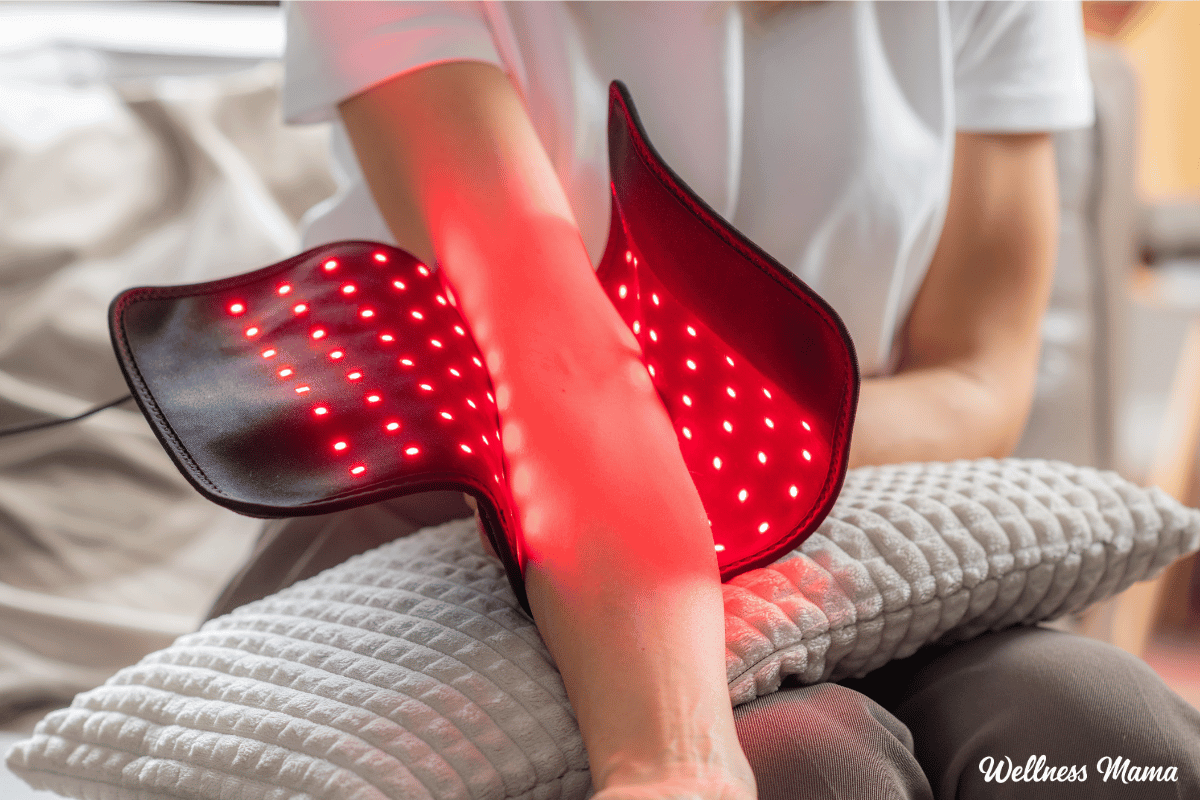
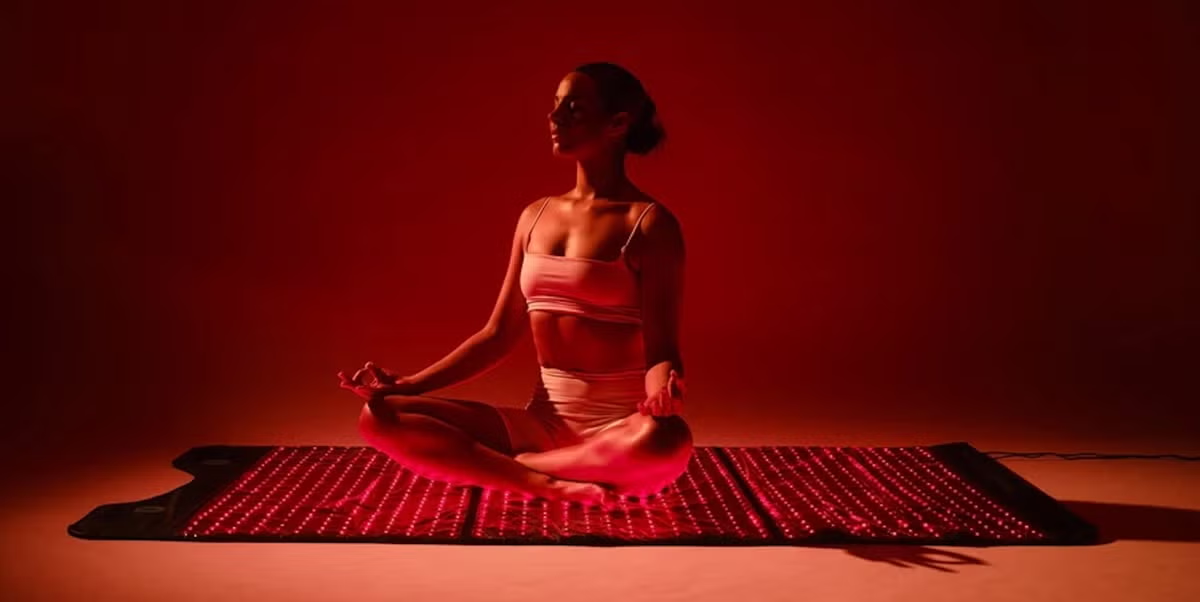
Morning and evening sunlight (at sunrise and sunset) offer free red light. Then there are red light therapy devices for a more targeted approach. You’ll find red light face masks, red light blankets and panels, and even red light toothbrushes for gum health! 

Here are my thoughts on red light therapy, its benefits, and how to get it from the best sources. 

Healthy Home Lighting

Many of us don’t think about indoor lighting when it comes to light’s benefits. However, the wrong indoor lighting at the wrong time of day can really sabotage our health efforts. LED lights flicker and cause stress to our nervous system, often too fast for our eyes to notice, yet our brain does. 

Blue light at night from screens and overhead lighting tells our brain that it’s daytime and inhibits us from winding down for sleep. Here are some healthier swaps and solutions and what I do when it comes to indoor lighting. 

More Podcast Episodes On Light’s Benefits

I’ve had the opportunity to chat with some amazing experts over the years on the Wellness Mama podcast. Some of my favorite episodes have been on the benefits of sunlight and how to use different kinds of light for health. I love talking about it so much that I’ve also done several solo podcast episodes on the topic.

You’ll find episodes on how to optimize sunlight exposure, its impact on mitochondria and energy, balancing hormones, and more. 

  • 429: Andy Mant on How Light Can Heal (or Damage) Your Health & Hormones 
  • 609: Dr. Jack Kruse on Junk Light, 5G, Optimizing Sunlight and Longevity
  • 949: Light Masterclass: How to Transform Light From Health Sabotaging to Your Greatest Superpower With Roudy Nassif
  • 822: Light, Mitochondria, DNA: Sunshine Is the Only Way With Dr. Courtney Hunt
  • Episode 1000: What I’ve Learned, Changed, and Still Believe
  • 627: Jim Stephenson on Vitamin D Deficiency: Deconstructing the Deception & Stop Fearing the Sun
  • 1009: Masterclass: Mitochondria, Light, Phospholipids and Cellular Health With Justine Stenger
  • 999: Light and Leptin: Understanding These For Hormones, Fertility, and Health With Sarah Kleiner
  • 691: The 80/20 of Health: Light, Protein, Nutrition and Hormones With Dr. Leland Stillman
  • 301: How to Use Light to Drastically Improve Health With Matt Maruca
  • 245: Ari Whitten on Fighting Fatigue with Sauna, Sun, & Sweating 

Do you prioritize getting sunlight or avoiding certain kinds of light? Have you noticed any positive difference? Leave a comment and share below!
Tags: , , , , , ,
Award season prep: The hidden beauty treatments powering red carpet and on-screen looks | Entertainment News

Award season prep: The hidden beauty treatments powering red carpet and on-screen looks | Entertainment News

Award season prep: The hidden beauty treatments powering red carpet and on-screen looks

The red carpet is more than a photo op. It is the beauty industry’s most influential testing ground. Long before the stars arrive, a massive preparation cycle begins, setting the pace for global consumer behavior for the rest of the year. While the fashion usually takes the headlines, the real story is in the intensive skincare and wellness prep required to stand up to modern 8K cameras.

These hidden processes have shifted from exclusive studio secrets to a blueprint for the entire retail market. The scale of this influence is massive. According to a 2024 McKinsey & Company analysis, skincare is the industry’s powerhouse, representing 44% of the total market. This analysis from Sjolie, a professional sunless tanning manufacturer and training provider, looks at the specific, data-backed treatments—from cryotherapy to sunless tanning—that power today’s red carpet looks and eventually define what’s on the shelves for everyone else.

Sjolie

The Market Dominance of Dermal Hydration

Beyond couture, the primary aesthetic benchmark for the modern red carpet is “glass skin”—a trend that prioritizes high levels of dermal hydration to create a reflective, translucent finish. This movement, rooted in K-beauty principles, has fundamentally shifted consumer behavior away from matte finishes and toward “sheen” results.

The glass skin trend relies on a multistage regimen of hydrating serums and toners, but its primary economic impact is found in the “preventative” category. By emphasizing a healthy skin barrier and UV protection, the trend has captured a younger demographic—specifically Gen Z consumers—who view skincare as a long-term capital investment in their appearance rather than a temporary fix.

Consequently, the focus has pivoted toward long-term dermal health, treating the complexion as a vital asset that requires strategic, multilayered management rather than superficial coverage.

Prioritizing Dermal Integrity via Sunless Tanning

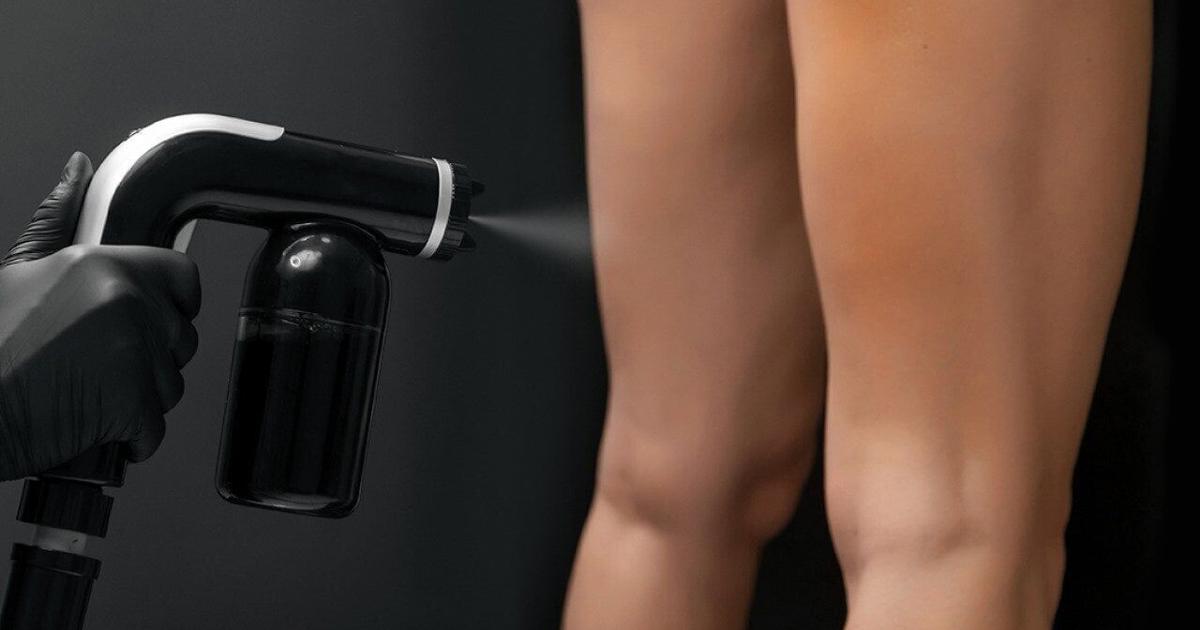
The movement toward “glass skin” has also triggered a significant shift in the tanning sector. As high-profile stars increasingly avoid the accelerated aging and DNA damage associated with UV exposure, sunless tanning has become the operational standard for achieving a “camera-ready” glow.

Average consumers now spend more on sunless tanning, with the market growing at 7% annually. Award show appearances and glowing skin in the movies aren’t solely responsible. This growth is driven by the speed of results—a “social media-friendly” efficiency that allows consumers to achieve aesthetic benchmarks without the weeks of exposure required by traditional methods. This shift treats the “tan” as a temporary, nondamaging cosmetic application rather than a result of solar radiation.

By treating the “glow” as a manageable variable rather than a product of environmental exposure, the industry has successfully decoupled the aesthetic of the tan from the hazards of radiation.

Cryotherapeutic Interventions and Lymphatic Drainage

To combat “utilization fatigue”—the physical puffiness caused by travel and high-stress schedules—celebrity stylists are increasingly turning to low-temperature interventions. This process, often referred to as “skin icing” or cryotherapy, serves as a high-efficiency primer for subsequent product application.

While professional cryofacials are common, the trend has trickled down to sustainable at-home solutions, such as reusable cooled eye masks and full-face immersion techniques. These methods utilize thermal shock to induce vasoconstriction, reducing inflammation and tightening the skin’s appearance instantly. For the consumer, these methods represent a low-cost, high-impact entry point into professional-grade prep routines.

The Normalization of ‘Prejuvenation’ and Minimally Invasive Procedures

It is impossible to evaluate award season aesthetics without addressing the role of cosmetic surgery. According to a 2024 American Society of Plastic Surgeons report, the rise of “prejuvination” (neuromodulator and soft tissue filler procedures) has seen a surge in patients in their 20s and 30s seeking preventative treatments.

The industry is also seeing a dissolution of the gender divide regarding these procedures. Market reports suggest that minimally invasive treatments, such as microfillers and neuromodulators (Botox), are increasingly utilized by male stars to manage sagging skin and maintain facial volume. This normalization suggests that cosmetic intervention is no longer viewed as a “last resort” but as a standard maintenance requirement for public-facing professionals.

Future Outlook: The Access Economy of Beauty

While red carpet invitations are limited to an elite few, the data suggests that the “red carpet look” is being democratized through retail accessibility. The move toward sunless tanning and high-science skincare reflects a broader consumer shift toward health-conscious aesthetics.

As transparency around cosmetic surgery increases and “sunless” technology continues to improve, the beauty industry’s reliance on award season as a marketing catalyst will only strengthen. For the modern consumer, the question is no longer about achieving “luxury” beauty, but about utilizing data-driven treatments to maintain dermal health in an era of constant digital scrutiny.

This story was produced by Sjolie and reviewed and distributed by Stacker.

Tags: , , , , , , , , , , ,
Award season prep: The hidden beauty treatments powering red carpet and on-screen looks | Entertainment

Award season prep: The hidden beauty treatments powering red carpet and on-screen looks | Entertainment

Award season prep: The hidden beauty treatments powering red carpet and on-screen looks

The red carpet is more than a photo op. It is the beauty industry’s most influential testing ground. Long before the stars arrive, a massive preparation cycle begins, setting the pace for global consumer behavior for the rest of the year. While the fashion usually takes the headlines, the real story is in the intensive skincare and wellness prep required to stand up to modern 8K cameras.

These hidden processes have shifted from exclusive studio secrets to a blueprint for the entire retail market. The scale of this influence is massive. According to a 2024 McKinsey & Company analysis, skincare is the industry’s powerhouse, representing 44% of the total market. This analysis from Sjolie, a professional sunless tanning manufacturer and training provider, looks at the specific, data-backed treatments—from cryotherapy to sunless tanning—that power today’s red carpet looks and eventually define what’s on the shelves for everyone else.

Sjolie

The Market Dominance of Dermal Hydration

Beyond couture, the primary aesthetic benchmark for the modern red carpet is “glass skin”—a trend that prioritizes high levels of dermal hydration to create a reflective, translucent finish. This movement, rooted in K-beauty principles, has fundamentally shifted consumer behavior away from matte finishes and toward “sheen” results.

The glass skin trend relies on a multistage regimen of hydrating serums and toners, but its primary economic impact is found in the “preventative” category. By emphasizing a healthy skin barrier and UV protection, the trend has captured a younger demographic—specifically Gen Z consumers—who view skincare as a long-term capital investment in their appearance rather than a temporary fix.

Consequently, the focus has pivoted toward long-term dermal health, treating the complexion as a vital asset that requires strategic, multilayered management rather than superficial coverage.

Prioritizing Dermal Integrity via Sunless Tanning

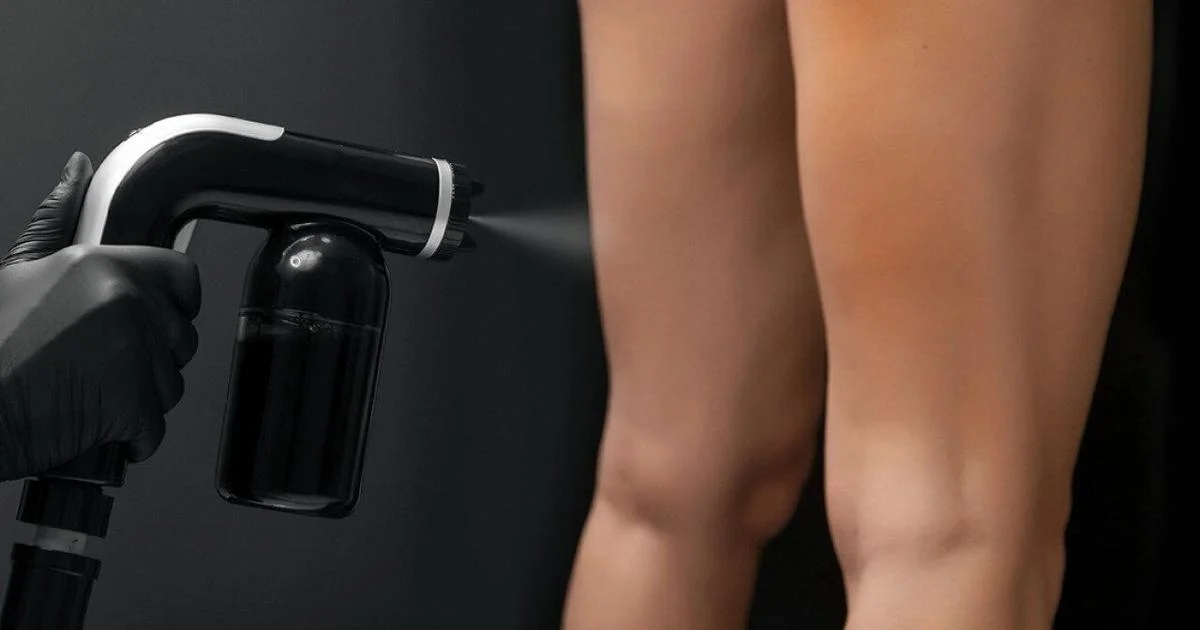
The movement toward “glass skin” has also triggered a significant shift in the tanning sector. As high-profile stars increasingly avoid the accelerated aging and DNA damage associated with UV exposure, sunless tanning has become the operational standard for achieving a “camera-ready” glow.

Average consumers now spend more on sunless tanning, with the market growing at 7% annually. Award show appearances and glowing skin in the movies aren’t solely responsible. This growth is driven by the speed of results—a “social media-friendly” efficiency that allows consumers to achieve aesthetic benchmarks without the weeks of exposure required by traditional methods. This shift treats the “tan” as a temporary, nondamaging cosmetic application rather than a result of solar radiation.

By treating the “glow” as a manageable variable rather than a product of environmental exposure, the industry has successfully decoupled the aesthetic of the tan from the hazards of radiation.

Cryotherapeutic Interventions and Lymphatic Drainage

To combat “utilization fatigue”—the physical puffiness caused by travel and high-stress schedules—celebrity stylists are increasingly turning to low-temperature interventions. This process, often referred to as “skin icing” or cryotherapy, serves as a high-efficiency primer for subsequent product application.

While professional cryofacials are common, the trend has trickled down to sustainable at-home solutions, such as reusable cooled eye masks and full-face immersion techniques. These methods utilize thermal shock to induce vasoconstriction, reducing inflammation and tightening the skin’s appearance instantly. For the consumer, these methods represent a low-cost, high-impact entry point into professional-grade prep routines.

The Normalization of ‘Prejuvenation’ and Minimally Invasive Procedures

It is impossible to evaluate award season aesthetics without addressing the role of cosmetic surgery. According to a 2024 American Society of Plastic Surgeons report, the rise of “prejuvination” (neuromodulator and soft tissue filler procedures) has seen a surge in patients in their 20s and 30s seeking preventative treatments.

The industry is also seeing a dissolution of the gender divide regarding these procedures. Market reports suggest that minimally invasive treatments, such as microfillers and neuromodulators (Botox), are increasingly utilized by male stars to manage sagging skin and maintain facial volume. This normalization suggests that cosmetic intervention is no longer viewed as a “last resort” but as a standard maintenance requirement for public-facing professionals.

Future Outlook: The Access Economy of Beauty

While red carpet invitations are limited to an elite few, the data suggests that the “red carpet look” is being democratized through retail accessibility. The move toward sunless tanning and high-science skincare reflects a broader consumer shift toward health-conscious aesthetics.

As transparency around cosmetic surgery increases and “sunless” technology continues to improve, the beauty industry’s reliance on award season as a marketing catalyst will only strengthen. For the modern consumer, the question is no longer about achieving “luxury” beauty, but about utilizing data-driven treatments to maintain dermal health in an era of constant digital scrutiny.

This story was produced by Sjolie and reviewed and distributed by Stacker.

Tags: , , , , , , , , , ,
Homestead Blog Hop - Homestead tips, ideas, animal care, and recipes every Wednesday

Homestead Blog Hop 595 – Canning Blueberries and Red Sauce

Welcome to Homestead Blog Hop, a weekly gathering for homesteaders and simple living enthusiasts to share DIY projects, from-scratch recipes, and creative inspiration. This week’s hop features cozy homesteading tips, along with practical ideas that celebrate handmade living and self-sufficiency.

Whether you’re looking for seasonal crafts, homemade treats, or encouragement on your homesteading journey, you’ll find plenty of inspiration to carry into the new year. Grab a cup of tea, explore the featured posts, and join us in sharing your own homestead creations.

Meet Your Homesteading Hosts

We’re Kelly from Simple Life Mom, Liz from The Cape Coop, Natasha from Houseful of Nicholes, and Laurie from Ridgehaven Homestead. Together, we’re passionate about from-scratch living, simple ingredients, frugal habits, and intentional homesteading. We’re delighted to host the Homestead Blog Hop, where you can find fresh inspiration each week for DIY projects, homemade recipes, and practical simple living ideas.

Follow Us for More Homestead Inspiration

Natasha – Houseful of Nicholes
Facebook | Pinterest | X | Instagram

Laurie – Ridge Haven Homestead
Facebook | Pinterest | Instagram

Liz – The Cape Coop
Facebook | Pinterest | X | Instagram

Kelly – Simple Life Mom
Facebook | Pinterest | X | Instagram

FEATURED POSTS from the Last Homestead Blog Hop

Each week, we take turns selecting three featured posts from the Homestead Blog Hop. These features are shared across all of our social media platforms, helping spotlight the creativity and hard work of our fellow homesteaders. Here are the featured posts from last week’s hop:

1. Chicken Bake Alfredo from Yummi Haus

2. Red Sauce – 10 Ways from Homemade on a Weeknight

3. Blueberry Recipes for Canning from Flour on My Face

Congrats! Feel free to grab the featured on button for your post.

Just right click and ‘save image as…‘

Guidelines for the Homestead Blog Hop

  1. Click the “Add Your Link” button below and upload a clear, eye-catching image from your project or recipe. Please link directly to the family-friendly post itself, not your blog’s homepage.
  2. You may link up up to three posts each week.
  3. Take time to visit a few other blogs in the hop and leave a thoughtful comment to let them know you stopped by. Community support makes this hop special!
  4. Please include a link back to the Homestead Blog Hop in your post. Posts without a backlink are not eligible to be featured. All featured posts are shared across all hosts’ social media channels.
  5. Share posts that haven’t been linked to the hop before. Older posts are welcome as long as they are new to the hop.
  6. By joining the Homestead Blog Hop, you grant the hosts permission to use one image from your post, with a link back to your site, if your post is selected as a feature next week.
  7. This is a family-friendly link-up designed to encourage, inspire, and support the homesteader in all of us.

Let the Party Begin!

Which project are you excited to try this week? Leave a comment below.

Join Our Homestead Blog Hop Pinterest Board

Follow all of your hosts on Pinterest and send a message if you’d like to be added to our Homestead Blog Hop group board. This board is a great place to share your DIY projects, crafts, and from-scratch recipes with the homesteading community.

Guideline: Only pin posts that you’ve linked up to the Homestead Blog Hop.

Tags: , , , , , ,
5 skincare benefits of red bananas

5 skincare benefits of red bananas

Red bananas are loaded with antioxidants

What’s the story

The Ugandan red banana face mask is a natural skincare remedy that has gained popularity for its potential benefits.
Known for its rich nutrient content, this mask is said to offer various advantages for skin health.
The unique properties of the Ugandan red banana make it an interesting option for those looking to explore natural skincare solutions.
Here are five potential benefits of using this face mask.

Rich in antioxidants

Ugandan red bananas are loaded with antioxidants, such as vitamin C and beta-carotene.
These antioxidants help fight free radicals that cause premature aging and skin damage.
By adding a face mask made from these bananas to your skincare routine, you may be able to improve your skin’s elasticity and reduce the appearance of fine lines.

Natural exfoliation properties

The natural enzymes present in Ugandan red bananas can help exfoliate the skin gently.
This exfoliation removes dead skin cells, revealing a brighter and smoother complexion underneath.
Regular use of this face mask may help improve your skin texture without causing irritation or redness.

Hydration boost for dry skin

Ugandan red bananas are also known for their hydrating properties, thanks to their high moisture content.
When used as a face mask, they can help keep dry skin hydrated by locking in moisture effectively.
This makes it an ideal option for people with dry or dehydrated skin looking for natural remedies.

Soothing properties for sensitive skin

The soothing properties of Ugandan red bananas make them suitable even for sensitive skin types.
They contain compounds that may help reduce inflammation and redness associated with sensitivity or irritation.
Using this face mask regularly could provide relief to sensitive areas, while promoting overall calmness on the face.

Supports even skin tone

Using Ugandan red banana face masks regularly may help in achieving an even skin tone by reducing spots and blemishes over time.
The vitamins and minerals present in these bananas work toward balancing pigmentation naturally, without harsh chemicals or treatments.

Tags: , , ,
does red light work

What I Think About Red Light Therapy (and Why It’s Changed)

I first wrote about red light therapy more than a decade ago, long before it became trendy on social media. At the time, I was deep in my own healing journey with Hashimoto’s, trying to understand why my body felt so depleted and what I could do to support it at the root level.

Red light therapy was one of the tools I used during that season. And while I still believe it can be incredibly helpful, my perspective has shifted. I no longer see it primarily as a “device-based therapy.” Instead, I see red light as part of a much bigger conversation about light and mitochondria. Especially how disconnected many of us have become from the natural light environment our bodies were designed for.

While red light devices are still a powerful tool, there’s an even easier and simpler solution to get the benefits. 

What Red Light Therapy Actually Is (Without the Overwhelm)

Red light therapy, also called photobiomodulation, refers to using specific wavelengths of red and near-infrared light to influence how our cells work. The cellular function part is important, because this isn’t just about shining a red glow on your skin. It’s about how light interacts with our biology at the most foundational level.

The most commonly discussed wavelengths fall into two ranges:

  • 620–700 nanometers (visible red light)
  • 700–1100 nanometers (near-infrared light)

These ranges matter because they penetrate tissues differently and interact with the body in distinct ways. To understand why that’s important, we need to zoom into mitochondria.

The Mitochondria Connection 

When I was recovering from Hashimoto’s, I became fascinated by mitochondria. We often hear them described as the powerhouses of the cell, but that label barely scratches the surface. I’ve come to think of them as tiny solar power plants. They’re constantly responding to environmental inputs, including light.

Inside the mitochondria is an enzyme called cytochrome c oxidase (CcO). It plays a key role in the electron transport chain, which is the final step in producing ATP, the usable energy currency of the cell. When ATP production is impaired, we feel it in fatigue, slower healing, poor stress resilience, and all the subtle signs that the body is struggling.

Nitric oxide, which is beneficial in the right places (like supporting blood vessel dilation), can sometimes bind to CcO and slow down energy production. In that context, it acts almost like a brake. Red and near-infrared light are absorbed by CcO. When this happens, the light can displace nitric oxide in a process called photodissociation. Once nitric oxide is freed, electron flow improves, mitochondrial membrane potential increases, and ATP production rises.

In simpler terms, the cell’s battery charges more efficiently.

When I first understood this mechanism, it clicked for me why light exposure could have such far-reaching effects. During my healing process, supporting mitochondrial function was a priority, and red light became one of several ways I approached that.

Repair Signals Beneath the Surface

The ATP boost is just one piece of the story. Red light also triggers secondary signaling pathways that influence inflammation, repair, and cellular resilience. There’s often a brief increase in reactive oxygen species (ROS). While we often think of ROS as harmful, in this controlled context they act as a signal rather than damage. They can activate antioxidant pathways and help regulate the body’s internal cleanup systems.

Red light also influences calcium signaling inside cells. Small shifts in calcium inside our cells act as a communication system. They tell the nucleus to coordinate protein production, tissue repair, and reduce inflammation.

This is one reason why I’ve lately been really focusing on sending my body safety signals. When our body feels safe it can repair and regenerate. Light, especially in the right wavelengths can be one of those safety signals. 

Not All Red Light Is the Same

One thing I’ve learned over years of researching and testing is that wavelength matters. A lot.

Visible red light in the 620–670 nm range tends to be absorbed more superficially. This is why it’s often used for skin health, like fine lines, superficial wounds, and boosting collagen production. These wavelengths only go a few millimeters to about a centimeter into the body. When I started using a red light panel I noticed firmer skin and my old C-section scar was healing better. 

Near-infrared light, especially in the 800–850 nm range, penetrates deeper. This makes it a better choice for muscles, tendons, joints, and even peripheral nerves. Around 810–830 nm is often considered the sweet spot because it interacts well with CcO while still reaching deeper tissues.

During my Hashimoto’s recovery, I experimented with both ranges. I used red light for skin and surface-level support and near-infrared light over deeper tissues, including my thyroid area. I cycled sessions and paid close attention to how I felt, because these effects are hormetic. Meaning a little can be helpful, but more is not necessarily better.

This experience taught me something important: red light works best when used thoughtfully and in context.

What the Research Says (And Where It’s Still Growing)

There are some great studies that support red light therapy for musculoskeletal pain and recovery, especially in athletes. Some studies show improvements in inflammation markers and pain scores (with appropriate wavelengths and doses).

There’s also emerging research in oral health and mucosal healing, which I find especially interesting. Seeing dentistry adopt red light protocols reinforces that this isn’t just a wellness trend. It’s being taken seriously in clinical settings.

At the same time, it’s not a cure-all. Results depend heavily on wavelength, dose, distance, timing, and consistency. In my experience, disappointment often comes from using the wrong parameters or expecting it to replace foundational habits. Red light is an adjunct to health, not a substitute for the basics. 

Here Comes the Sun

As I’ve written and podcasted more about circadian biology, I’ve become increasingly convinced that our overall light environment may be even more important than any single therapy.

Sunrise and sunset are uniquely rich in red and near-infrared light. During these times, sunlight travels through more of the atmosphere. This filters out much of the ultraviolet spectrum and shifts the light composition toward red and near-infrared wavelengths. This means we can access these beneficial wavelengths daily, for free.

My morning routine now almost always includes stepping outside within an hour of sunrise. It’s become one of my non-negotiables. I do this without glasses, contacts, or sunglasses and not through a window, since glass filters parts of the light spectrum. I don’t stare directly at the sun, but I allow the ambient light to reach my eyes.

I often pair this with hydration, gentle movement, or simply standing barefoot on the grass. Over time, I’ve noticed that by prioritizing morning light, my sleep is better, my energy feels more stable, and my stress resilience is better.

Sunset has also become a meaningful daily ritual. Spending 10 to 20 minutes outside before dusk helps tell our bodies to wind down for the evening. Afterward, I dim indoor lights (they’re on a timer) and avoid bright overhead lighting as much as possible. This shift of prioritizing natural light at the bookends of the day has had a greater overall impact than any device alone.

When Devices Can Still Be Helpful

That said, I have not thrown out my red light devices. In fact, I’ve actually added to my collection! I consider these red light devices as a supplement to what I’m already doing. If you’re looking for a red light device I recommend paying attention to:

  • Wavelength
  • Irradiance (intensity at the surface)
  • Total energy dose
  • Distance from the body
  • Session duration

Most effective sessions are relatively short, often five to fifteen minutes. For skin support, studies commonly use 630–660 nm several times per week. For joint and muscle recovery, 800–850 nm is typical, often used multiple times weekly for a few weeks before tapering down.

My Favorite Red Light Therapy Devices

During my healing phase, I used devices more frequently and cycled them strategically. Now, I use them as needed, for muscle soreness, targeted recovery, or occasional skin support. However, they’re never a replacement for time outdoors. I’ve also started using this red light toothbrush for better oral health. 

Here are the ones that I’ve personally tried and recommend:

Safety, Context, and Listening to Your Body

Researchers have looked at red and near-infrared light for eye health, but I’m cautious about high-intensity exposure directly into the eyes. I don’t stare directly into the red light panels, but I do keep my eyes open while I’m facing sideways. I also pay attention to heat with higher near-infrared wavelengths.

As always, anyone pregnant, undergoing cancer care, using photosensitizing medications, or managing a complex medical condition should work with a practitioner who understands their case.

One of the biggest lessons from my own journey is that bio-individuality matters. What supported me during Hashimoto’s recovery may need to be adapted for someone else.

Final Thoughts: Start With the Sun

After more than a decade of writing about red light therapy, testing devices, and using it personally, my approach is simpler than it used to be. Try starting with sunrise then add sunset. Natural light exposure can be a daily habit before layering on anything else.

Red light therapy is not a hoax, and it’s not magic. The mechanisms are real, and the research is promising. But it works best along with light signalling from the sun and foundational changes (like drinking enough water.)

For me, red light was one supportive piece of my Hashimoto’s recovery. I still continue using red light devices as a supplement, but I mainly get it from sunrise and sunset exposure. The more I pursue wellness the more I’ve discovered that it’s not about the fancy devices, but getting our body in alignment with natural rhythms. 

Have you ever experimented with red light therapy before? I’d love to hear about it in the comments!

Tags: , , ,
Menstrual facial TikTok trend decoded: CDC and WHO raise red flags and explain what period blood skincare gets wrong

Menstrual facial TikTok trend decoded: CDC and WHO raise red flags and explain what period blood skincare gets wrong

Menstrual facial skincare trend on TikTok: What is really going on

The beauty ecosystem is no stranger to bizarre experiments that go viral overnight, but the menstrual facial trend has pushed the boundary of shock content yet again. TikTok creators are applying their own period blood on their faces as a perceived glow-inducing mask. Influencers are positioning it as natural, potent, and regenerative. The truth is far more complicated. As the hype escalates, consumers need grounded information to cut through the noise and protect their skin health.

Why the menstrual facial trend gained traction

TikTok thrives on novelty-driven virality, and the menstrual facial checks every box. It is raw, visually arresting, and positioned as a secret wellness ritual. For young viewers navigating a crowded skincare landscape, anything marketed as natural often carries instant appeal.
There is also a cultural shift where more creators are dismantling stigma around periods. While this conversation is important, blending it with unverified skincare experiments is a slippery slope. Many users adopt the trend without understanding the biological composition of menstrual blood or the risks of applying it to the skin. The result is a perfect storm where empowerment messaging merges with misinformation.

What menstrual blood contains

Contrary to viral claims, menstrual blood is not simply blood. It is a mixture of blood, vaginal secretions, uterine tissue, bacteria, and cellular debris. It is not sterile. Dermatologists emphasise that anything containing bacteria or pathogens should never be introduced to the skin barrier.

Supporters argue that menstrual blood contains stem cells and growth factors. However, the presence of these elements does not translate into topical skincare benefits. There is no evidence that applying menstrual fluid externally supports collagen regeneration, reduces acne, or accelerates healing. These claims are speculative, not clinically validated.

Live Events

Why dermatologists are sounding the alarm

The US Centers for Disease Control and Prevention (CDC), in its Bloodborne Infectious Diseases-Occupational Safety and Health Topics (NOISH) page, states that” Blood and certain body fluids can contain bloodborne pathogens, including hepatitis B virus (HBV), hepatitis C virus (HCV), and human immunodeficiency virus (HIV). Exposure to these fluids can pose a transmission risk”.In other words, human blood is not a beauty ingredient; it is a biohazard unless handled with medical-grade precautions. The World Health Organisation (WHO), in its Blood Safety guidance, reinforces the same standard: ‘Safe handling of blood and body fluids is central to infection prevention and control. Policies and practices are required to reduce the risk of transmission of bloodborne pathogensThere is also a strong biohazard element. Bodily fluids can transmit harmful microbes. Even one’s own menstrual fluid can become contaminated once outside the body. This is why dermatology protocols use sterile environments for any procedure involving biological materials. Using menstrual blood at home does not meet any safety standards and introduces unnecessary risk.

The psychology behind shock value skincare

The rise of shock skincare reflects how the digital attention economy is evolving. Outlandish rituals outperform traditional beauty content because they provoke reactions. This pushes creators to escalate extremes to stay relevant. Consumers, especially younger ones, often confuse virality with legitimacy. A trend that garners millions of views appears credible by volume alone, even when it is scientifically unsound.

This behaviour mirrors previous online fads such as toothpaste acne masks, sunscreen contouring, and lemon juice brightening. All these trended for their visual impact rather than efficacy. The menstrual facial is simply the latest entrant in this cycle of spectacle over science.

What the trend reveals about misinformation in beauty

The menstrual facial wave highlights a broader industry issue. Skincare consumers are drowning in DIY advice, home remedies, and pseudo-science disguised as empowerment. Social media accelerates this misinformation at scale. Users rarely cross-check claims with qualified experts. When creators use charged language like natural, organic, or holistic, they easily bypass scrutiny.

Platforms are now facing pressure to regulate unverified health and beauty content. Dermatologists, meanwhile, are calling for stronger public literacy around ingredients, hygiene, and safety protocols.

Science-backed alternatives to achieve real skin benefits

Instead of chasing shock trends, consumers can invest in proven and safe methods to support skin health. These include:

  • Professional-grade exfoliation through AHAs or BHAs for glowing skin
  • Clinically validated ingredients like retinol, niacinamide, and vitamin C for rejuvenation
  • Hyaluronic acid serums for hydration
  • Peptide based formulations for anti-ageing support
  • Regular SPF use for protection

These methods are evidence-driven and aligned with dermatology standards. They deliver real results without compromising safety.

The menstrual facial trend may be visually sensational, but it does not translate into real beauty benefits. Skincare should be built on scientific credibility, not shock factor. As consumers become more discerning, they must adopt a critical mindset when engaging with wellness trends online. Viral does not equal valid.

What the beauty community needs today is transparency, accuracy, and responsible experimentation. The menstrual facial offers none of these. Instead of glorifying unverified hacks, the future of skincare lies in informed choices backed by research and guided by experts.

Add as a Reliable and Trusted News Source

Tags: , , , , , , , , , , , , ,
Best oLive
Privacy Overview

This website uses cookies so that we can provide you with the best user experience possible. Cookie information is stored in your browser and performs functions such as recognising you when you return to our website and helping our team to understand which sections of the website you find most interesting and useful.