“My skin feels dry…” 5 NG habits adults often fall into 🫧|のりたま │ 大人美容手帖

“I feel like my skin is drier than before.”

“My foundation doesn’t go on smoothly. 🥲”

“I’m doing my skincare properly, but it still feels flaky…”

When that happens, wait a second before buying a new serum!

One way to start is by reviewing your daily skincare habits. ☺️

This time, I’ve summarized 5 habits you should review when you’re concerned about adult dryness. ♡

1. Not sealing it in.

“I applied toner after my bath, so my beauty routine for today is done!”

……Are you doing this?

Applying toner is important, but if you’re worried about dryness, combining it with milky lotion or cream is also an option.

The level of moisture you need changes depending on your skin condition and the season.

🌷 What you can do first

✔ If toner alone leaves you dry, try milky lotion or cream
✔ Adjust the amount between morning and night
✔ If you don’t like stickiness, start with something light

The point is not to “apply as much as possible,” but to find the amount that is just right for your skin.

⸻

2. Washing your face with hot water

Hot water on a cold day feels like,

“Ahhh, I’m coming back to life! ♨️”

However, when washing your face, it’s recommended to avoid water that is too hot and use lukewarm water instead.

🌷 The motto for adult beauty

“A comfortable temperature” and “a skin-friendly temperature” are different things

⸻

3. Scrubbing while cleansing or washing your face

When removing makeup, are you putting too much force into it, thinking, “I have to get it all off!”?

However, you want to avoid rubbing more than necessary when cleansing or washing your face.

🌷 Things to be conscious of

✔ Do not rub your skin hard
✔ Lather your face wash thoroughly
✔ Do not scrub when wiping with a towel

Don’t scrape your skin before you remove the dirt.

⸻

4. Leaving it alone after a bath

Some people feel their skin dries out easily after a bath, so you want to get into the habit of moisturizing as soon as possible.
However, it’s a no-go when you’re still sweating!
Your precious beauty ingredients will just come off with the sweat.

Wait until your body heat has cooled down before moisturizing.

If you can’t stand not moisturizing right away, it’s a good idea to quickly spray on a mist-type moisturizer.

After that,
the order is toner → serum → milky lotion → cream.

⸻

5. Changing your skincare every time you see it on social media

This is also a common occurrence in adult beauty.
You can’t judge for yourself which one is good, and while you’re searching on social media, a mountain of products appears 💦

“This serum seems good ♡” → Purchase 💸

“This one is popular too!” → Purchase 💸

“Wait, this cream too…” → Purchase again 💸

Before you know it, your bathroom sink is a disaster 😇

Of course, trying new products isn’t bad in itself.

But if you keep changing them before you see any results, it becomes hard to judge what actually suits you.

First,

starting by “using what you currently have with care” is enough.

⸻

🌸 Summary

You don’t have to change everything at once ♡

Start with just one of these five.

🫧 Things you can do starting today

□ Use lukewarm water for face washing
□ Don’t scrub
□ Moisturize quickly after a bath
□ Consider milky lotion or cream if toner alone leaves you dry
□ Don’t change your skincare too often

It’s okay if you can’t do everything.

Beauty isn’t a test,
so you don’t have to get a perfect score ☺️

⸻

💕 If you’re worried about dryness, “review” before you “add”

When it comes to beauty,

“I’ll buy a new serum!”

“I’ll use a more expensive cream!”

is how we tend to think.

But actually, before that,

review whether you’ve been careless with your current care.

Just doing that might change your daily beauty routine a little.

And when you do incorporate something new,

don’t choose it because “everyone else is using it,”
but choose it by asking, “Do I need this right now?”

This is what Noritama considers
adult beauty without trying too hard 🌷

⸻

🌷 Noritama | Adult Beauty Notebook

You don’t have to try too hard with beauty.

Treat yourself a little better than yesterday.

I share this kind of “adult beauty that you can continue without strain” ♡

On Instagram, I summarize beauty information in a shorter, more fun way 📱

If you’re interested, take a peek at my Instagram!

Tags: , , , , , , ,
The Things I’ve Tried. The Ones That Stuck.

The Things I’ve Tried. The Ones That Stuck.

I don’t have an 87-step wellness routine. My days are full of things that constantly shift and need my attention, and my nights are full of chatty teens. (Well, just two . . . who suddenly have a lot to say when it’s my bedtime.)

But you know what I do seem to have? About 87 ways to support lymphatic flow.

Over the years I’ve tried dry brushing, rebounding, lymphatic massage, vibration plates, walking, breathing exercises, herbs, contrast showers, and probably a few things I’m forgetting.

Some were interesting experiments. Some felt like one more thing to remember. And some were so simple – or made enough sense in the context of how the lymphatic system actually works – that they earned a place in my routine.

This article is about those.

It’s not another giant list of everything you can do to support lymphatic flow. It’s about the things I’ve tried, the ones I’ve kept, and what the research says (and doesn’t say) about why they may be worth considering.

Before we get to that, a quick reminder: None of these statements have been evaluated by the FDA, this article is not medical advice, and it’s not meant to diagnose or treat any condition.

Now let’s dive in.

My Favorites

Research suggests that multitasking is a myth, and that what we’re really doing when we think we’re processing a lot of big things at once is a slightly different process called rapid demand switching.

I accept my limitations . . . mostly . . . but I still want my wellness practices to multitask even if I can’t.

Below are five things I focus on because they support lymphatic flow while also doing something else I care about – improving my overall fitness, helping me unwind, supporting circulation, or catching up with friends.

Walking: The One I Keep Coming Back To 🚶🏻‍♀️

How it fits in my routine: Nearly daily, often combined with Japanese walking or a weighted vest. My teen son also loves exploring beautiful places, so we plan hiking trips as often as possible. The photo above was taken in Georgia’s “Little Grand Canyon.”

It feels almost silly to devote space to walking. We all know how to do it, it doesn’t require a subscription, and it’s not exactly the newest wellness discovery.

Then again, I have absolutely texted my husband from downstairs instead of walking upstairs to ask him a question, so apparently reminders have their place. 😄

Walking is one habit that earns its keep in so many different ways. A walk after a meal can support healthy blood sugar, walking with a friend or a good audiobook gives me a mental reset, and adding a weighted vest gives me another way to load my bones and muscles.

It also happens to support the way lymph moves.

The lymphatic system is a circulatory system, but unlike the cardiovascular system it doesn’t have one central pump like the heart. Instead, lymph moves through a combination of intrinsic contractions within the lymphatic vessels themselves and outside forces like muscle contractions, breathing, and changes in tissue pressure. (1)

Walking puts several of those outside forces to work at once. With each step, the muscles of the foot and calf contract and relax, while the pressure of the foot against the ground creates what researchers sometimes call a foot and calf pump. Together, those repeated pressure changes help move blood and fluid upward through the lower legs, which is why a 2024 review in Lymphatics describes regular walking and mobility as important for supporting both venous and lymphatic function. (2)

In other words, every step gives those muscles another chance to squeeze, release, and help propel lymph through the vessels.

Lately I’ve been combining Japanese walking with a weighted vest, although neither is necessary to get the basic benefit. I like the intervals because they add intensity, and the vest adds resistance without requiring a separate workout.

That’s why walking outranks most specialized “lymph hacks” for me. It supports lymphatic flow, but it also does a whole lot of other important things at the same time. 10/10 recommend.

Hydration: The Boring One That Counts 💧

How it fits in my routine: I drink filtered water throughout the day and add electrolytes when I’m sweating more than usual, using my sauna, or otherwise losing a lot of fluid.

Lymph is mostly water. Blood plasma is mostly water. The fluid surrounding our cells is mostly water.

In the lymphatic system, water isn’t just filling the spaces between cells. It’s the fluid medium that carries proteins, immune cells, nutrients, signaling molecules, and other materials through the body.

That’s why hydration is on this list – it’s foundational support for a system whose entire job revolves around fluid.

Whole-Body Vibration: Surprisingly Easy To Keep Doing 〰️

How it fits in my routine: Most nights I do a short session. It’s deeply relaxing and easy, but not something I consider essential.

When a friend (who is a doctor) first introduced me to the research behind whole-body vibration therapy, I was mostly interested in the higher-intensity side of it – building strength and lean muscle mass.

Over time, though, about 10 minutes of lower-frequency vibrations (10-30 Hz) has become one of my favorite ways to support lymph flow and wind down in the evening.

A vibration plate works by creating rapid, repeated mechanical movement, which causes muscles to make tiny adjustments over and over again. In other words, it repeatedly activates the muscles and creates pressure changes that can help move lymph.

That’s probably why researchers have looked at vibration in conditions involving impaired fluid movement. In a small randomized study of 30 women with lipedema, low-frequency vibrotherapy added to manual lymphatic drainage produced better results than manual lymphatic drainage alone. (3)

The study wasn’t testing a home vibration plate in women with normal lymphatic function, but it points toward this type of mechanical stimulation as a useful way to support fluid movement.

A quick note on stance: When I’m standing on the plate, I keep a soft bend in my knees instead of locking them straight. It’s more comfortable and engages my muscles better.

Also, anytime I mention vibration plates, I always get a few questions about which one I use and recommend.

I first bought this one, and I still have it. Depending on the season, it lives in my garage/home gym or in my bathroom, where I can stand on it while I’m doing other types of self-care.

The one I use most often now is this model, which LifePro sent me to test. I like it more for a few reasons, including ease of use and overall style. It’s attractive enough to keep tucked in a little spot in my living room, which means I can hop on for a short session while I’m hanging out with my family instead of disappearing into another room.

That might sound like a small thing, but for me it matters. The wellness tools I use most are the ones that fit easily into my actual life. And right now, I’m living with teens who work hard during the day and want to decompress with a favorite show or conversation at night.

It does have Bluetooth speakers, which I generally avoid, so I unplug it when I’m not using it.

Best vibration plate

LifePro Relaxavibe

Stylish 4D vibration plate with remote control.

SHOP HERE

Sauna: My Sweat Sanctuary 🔥

How it fits in my routine: Usually after a workout.

Most days, I lay out a big towel, turn on the pretty lights, and preheat my sauna before I start my workout.

I figure I’m already going to be sweaty, so why not be REALLY SWEATY . . . while getting some of the other benefits of sauna therapy, drinking electrolytes, and listening to updates from friends on Marco Polo.

My daughter introduced me to the video-message app last summer, and it has become one of my favorite ways to stay in touch . . . except when my phone overheats. 😄 Now I leave it just outside the sauna and listen through the glass.

But back to lymph. Heat changes circulation in some pretty substantial ways. Sauna therapy raises skin temperature and heart rate, and it substantially increases blood flow to the skin as the body works to release heat. In one study, a 40-minute sauna session increased blood flow in major arm and leg arteries by roughly 180–390%. (4)

That doesn’t automatically mean lymph flow increases by the same amount, but it does create a very different fluid and pressure environment in the tissues.

My breathing changes in the sauna, too. As my body heats up, my breaths naturally become a little deeper. Breathing creates pressure changes through the chest and abdomen that help move lymph, so that’s one more reason sauna makes sense to me from a lymphatic perspective.

There is some direct evidence that heat can affect lymph transport. In a very small randomized crossover study of people with leg lymphedema, adding heat (in this particular study, a heated blanket) to mechanical lymph drainage improved fluid reduction compared with drainage alone. (5) The researchers also noted previous findings that lymph transport increased at around 40°C, or 104°F.

Far-infrared therapy has also been studied in people with more advanced lymphedema. In one study of 32 people with stage II–III lymphedema, far-infrared treatment was associated with reductions in limb circumference and deposits of fluid, protein, fat, and hyaluronan in affected tissues. (6) Another study involving 64 people found improvements in limb circumference, skin elasticity, fibrosis, symptoms, and quality of life after a course of far-infrared thermotherapy. (7)

Those therapies aren’t identical to sitting in my home infrared sauna, but they do make the relationship between heat, tissue fluid, circulation, and lymphatic function compelling enough that sauna earns a spot on my list.

Also, since I usually get in my sauna right after a workout, I’m layering heat – and deeper breathing – onto movement that has already been helping to propel lymph. Some people prefer to dry brush or use gentle manual techniques to get things flowing first, which are also good options.

For me, though, lymphatic support is just one reason sauna therapy is a regular part of my routine. It has a whole bunch of other benefits, and I also just really enjoy those 20ish minutes.

Lymphatic Drainage Massage: A Two-Minute Reset 🤲

How it fits in my routine: A quick session in the morning or evening.

“Lymphatic drainage massage” sounds like one thing, but I actually rotate between a couple of different approaches.

Superficial lymphatic vessels sit close to the surface of the skin, so this isn’t the kind of massage where more pressure is better. Gentle, rhythmic movement is generally preferred over kneading or digging into muscle.

My favorite hands-on technique is the Big Six Lymph Reset, created by Dr. Perry of Stop Chasing Pain. It combines light rubbing, tapping, and gentle slapping over a few key areas, and the whole routine takes less than two minutes. You can find his step-by-step video here.

I also use a Flowpresso lymphatic massager, which I love . . . and recently had to track down because one of my kids had borrowed it for sinus drainage. 😄 There are a bunch of free videos showing how to use it on the face, abdomen, legs, and other areas.

Last year, I traveled to support a family member through surgery and was surprised – and happy – to see Flowpresso orbs tucked throughout the office for patients to use during recovery. I currently have the Flow Vibe I, but would love to add the Orb or Flow Vibe II to my collection down the road.

One important distinction: these at-home techniques aren’t the same thing as manual lymphatic drainage (MLD), which is performed by a trained therapist. MLD is a specialized clinical technique with an established role in conditions like lymphedema. What I’m talking about here are gentle, practical techniques I use as part of everyday lymphatic support.

These are things I use regularly, but not necessarily every day. I like having a few different options to rotate through depending on what I’m trying to achieve and how much time I have.

Lymphatic Supportive Herbs 🌿

How it fits in my routine: A regular part of my tea rotation, with breaks built in.

Herbs are a consistent part of my lymphatic-support routine, but I don’t drink the same blend every single day. In nature, most plants are seasonal, so taking breaks and rotating what I use makes sense to me.

I also like that different herbs can serve different purposes. Sometimes I’m focusing on lymphatic support, sometimes digestion or stress, and sometimes I just want to brew something my family will enjoy. That might mean a lymphatic blend for awhile, then roasted dandelion root, lemon balm, green tea, lemon-ginger, spearmint, or something else entirely.

For lymphatic support specifically, herbalists have traditionally used plants like cleavers, calendula, and red root, while herbs such as dandelion leaf, burdock, astragalus, and ginger support related processes like fluid balance, immune activity, and a healthy inflammatory response.

For more about the traditional uses, research, preparation, and safety of those herbs, check out this guide.

And if you’d like to start with a simple blend, here’s my Lymph Love Tea.

Breath Work & Slow Movement 🧘🏻‍♀️

How it fits in my routine: As a focused reset for better breathing and movement patterns.

When I say breath work, I always feel a little like I’m calling filtered tap water “Municipal Vintage” or “Local Reservé.” It sounds unnecessarily fancy for something we’ve all been doing since birth.

And yet, just like with water, quality matters.

As I mentioned in the sauna section, breathing creates changes in pressure through the chest and abdomen, and those pressure shifts help move lymph through the larger lymphatic vessels. The thoracic duct – the largest lymphatic vessel in the body – is especially influenced by those pressure changes as it carries lymph upward through the chest and back into the bloodstream.

Now, not too long ago I would have just mentioned something about belly breathing in this section and moved on, but I’ve learned that breathing mechanics are a little more three-dimensional than that. The diaphragm, rib cage, abdominal wall, and pelvic floor all work together to manage pressure as we inhale and exhale.

That’s something I didn’t fully understand until I worked through Restore Your Core, created by Lauren Ohayon.

She teaches what she describes as 3D breathing along with a lot of the slow, deliberate movement you might recognize from yoga or similar practices. What I learned in my morning sessions – that I was seriously not expecting to – is that my form could look perfectly “right” from the outside while I was still bracing, holding tension, or recruiting muscles in ways that weren’t supporting breath and stability very well.

Once I started paying attention to that internal coordination, I finally began to understand why people find slow movement practices so restorative. I started noticing a completely different kind of body awareness that changed how I move and breathe throughout the day.

Of course, I don’t rotate breathing in “as needed.” 😄 I’m talking about the intentional practice of working on breathing mechanics and slow movement.

Lauren’s program isn’t something I think of as a forever daily routine. The course I signed up for is designed to be worked through over about 12 weeks, with the option of returning to the exercises or concepts when I want a refresher.

If you’re interested in learning more about breathing mechanics, pressure management, and slow movement, Restore Your Core is the program that helped those things finally click for me.

Rebounding ⬆️

In my routine: Something I enjoy and rotate in, but walking usually wins.

Rebounding makes a lot of sense to me as a lymph-supportive form of movement. Each bounce creates muscle contractions, release, and changing pressure through the tissues – all of which are part of the mechanics that help move lymph.

It also has a lot going for it beyond lymphatic support. It can raise your heart rate, challenge balance and coordination, strengthen the lower body, and provide a surprisingly good workout without the same impact in joints that you’d get from, say, running on pavement.

You’ll sometimes see claims that rebounding is especially effective for lymphatic flow – usually based on a NASA study or research involving water immersion exercise. Those studies didn’t actually compare rebounding on a mini-trampoline with walking or other forms of exercise. They also didn’t measure lymph flow directly, so I haven’t found good evidence – at least for now – that bouncing is uniquely better.

I don’t think rebounding needs to win the “best for lymph contest” to be worthwhile, though. It’s rhythmic, full-body movement that naturally creates the kinds of muscle contractions and pressure changes lymph responds to. If it’s enjoyable and workable into daily life, it’s worth considering.

I like it, and I sometimes do it . . . but I usually choose Japanese walking with a weighted vest most days.

Cold Plunges & Contrast Showers ❄️

In my routine: More seasonal than regular. I prefer plunges, but contrast showers are a lot easier to maintain.

I originally tried cold plunges and contrast showers to see if it would help with stress relief and better sleep. They’re not for everyone, but I personally love them.

What I didn’t love was maintaining a cold plunge.

Mine was put together from a kit by someone local, and keeping the water clean, cold, and ready to use eventually became one more thing I didn’t have time for. So these days my version is much more simple – in the winter, I’ll sometimes finish a beach walk by getting into the Gulf.

There are a couple of reasons cold-water immersion is interesting from a lymphatic perspective. Immersion itself creates hydrostatic pressure around the body, which compresses tissues and can help shift fluid centrally. Cold adds another layer by causing blood vessels near the skin to constrict and reducing blood flow to the limbs. Researchers have suggested that changes in both blood and lymphatic flow may contribute to some of the effects seen with cold-water immersion, although lymph flow itself hasn’t been studied in-depth. (8)

Contrast showers don’t have the benefit of full immersion, but they introduce a different element – heat. Alternating warm and cold water causes repeated changes in vascular tone, and in one crossover study of 24 healthy men, contrast-water therapy produced measurable fluctuations in lower-leg blood flow throughout the treatment. (9)

That study measured arterial blood flow, not lymph, but the two systems are closely tied through fluid balance. Repeated shifts in blood flow also change the pressure and fluid dynamics within the surrounding tissues – the same environment the lymphatic vessels are working in. (10)

I like the way cold plunges make me feel, and I’ll keep doing them when it’s convenient. I also do contrast showers or vagus nerve exercises if I feel stuck in a stress loop.

For me, both approaches seem to have some interesting fluid-shifting effects, and they’ve been really helpful overall. At the moment, though, they don’t really fit into my regular routine.

Honorable Mention: Dry Brushing ✨

No article about lymphatic habits would feel complete without mentioning dry brushing. It involves using a natural-bristle brush to make light, sweeping strokes over the skin, usually working toward the torso.

The idea makes sense from a lymphatic perspective. Many of the initial lymphatic vessels are very superficial, and we know from manual lymphatic drainage research that gentle movement and traction of the skin can influence superficial lymphatic function.

I used to dry brush before hopping in my sauna, but these days I’m usually already sweaty from a workout and my skin is, well, not dry.

I think it can be helpful for lymphatic flow – and it’s also relaxing – but for me manual massage and movement feel like a better fit.

What Matters Most

Supporting lymphatic flow doesn’t need to become another complicated wellness project.

The lymphatic system is already moving fluid, responding to muscle contractions, breathing, pressure changes, and everything else our bodies are doing all day long. I’m mostly looking for simple ways to work with those processes – walking, moving, breathing well, staying hydrated, and occasionally adding a little extra support when it makes sense.

Sometimes that might include sauna and vibration. Other times it might be herbs, a cold dip, a few minutes of slow movement, or a quick lymphatic reset.

The goal isn’t to do all the things. It’s to find a few things that fit your life well enough that you’ll actually keep doing them.

✋ Before You Go, Grab This Free Midlife Guide

If you’ve ever found yourself thinking, “Why doesn’t my body respond the way it used to?” . . . this guide was written for you.

Midlife can change the rules for everything from sleep and energy to workouts, recovery, body composition, and more. Knowing what’s changing can help you let go of strategies that no longer fit – and start focusing on what supports your body now.

Inside, I’ll walk you through 10 things I wish I’d known sooner, so you can make more sense of what you’re experiencing and get clearer about where to go from here.

Enter your email below and I’ll send it right over. You’ll also receive my weekly newsletter with practical wellness tips, recipes, and new guides like this one.

Sources

  1. Zawieja, D. C. (2009). Contractile Physiology of Lymphatics. Lymphatic Research and Biology.
  2. Barnhart, H. (2024). Live to Move and Move to Live: The Health of the Lymphatic System Relies on Mobility and the Foot and Calf Pump Connection. Lymphatics.
  3. Schneider, R. (2020). Low-Frequency Vibrotherapy Considerably Improves the Effectiveness of Manual Lymphatic Drainage (MLD) in Patients With Lipedema: A Two-Armed, Randomized, Controlled Pragmatic Trial. Physiotherapy Theory and Practice.
  4. Leach, O. K., Strong, K., Mack, G. W., & Gifford, J. R. (2024). The Vascular Response to Acute Sauna Heating Is Similar in Young and Middle-Aged Adults. Journal of Applied Physiology.
  5. Valente, F. M., Guerreiro Godoy, M. F., & Pereira de Godoy, J. M. (2011). The Effect of Mechanical Lymph Drainage Accompanied With Heat on Lymphedema. Journal of Research in Medical Sciences.
  6. Li, K., Zhang, Z., Liu, N. F., et al. (2017). Efficacy and Safety of Far Infrared Radiation in Lymphedema Treatment: Clinical Evaluation and Laboratory Analysis. Lasers in Medical Science.
  7. Li, K., Zhang, Z., Liu, N. F., et al. (2018). Far-Infrared Radiation Thermotherapy Improves Tissue Fibrosis in Chronic Extremity Lymphedema. Lymphatic Research and Biology.
  8. Siqueira, A. F., Vieira, A., Bottaro, M., et al. (2018). Multiple Cold-Water Immersions Attenuate Muscle Damage but Not Alter Systemic Inflammation and Muscle Function Recovery: A Parallel Randomized Controlled Trial. Scientific Reports.
  9. Fiscus, K. A., Kaminski, T. W., & Powers, M. E. (2005). Changes in Lower-Leg Blood Flow During Warm-, Cold-, and Contrast-Water Therapy. Archives of Physical Medicine and Rehabilitation.
  10. Breslin, J. W., Yang, Y., Scallan, J. P., Sweat, R. S., Adderley, S. P., & Murfee, W. L. (2018). Lymphatic Vessel Network Structure and Physiology. Comprehensive Physiology.

Share with a friend! 👇

Tags: ,
Why inner wellness is becoming the new beauty essential

Why inner wellness is becoming the new beauty essential

For years, beauty routines have mainly focused on what we put on our skin. Cleansers, serums, moisturisers, and face masks have become everyday essentials. But the beauty conversation is changing. Today, more consumers are looking at beauty as part of overall wellness and paying attention to what goes into their body along with what they apply to their skin.

This has given rise to the idea of “beauty from within.” The approach is based on a simple thought: healthy-looking skin is connected to overall well-being. Nutrition, hydration, sleep, physical activity, and the right ingredients can all be part of a balanced approach to beauty.

From Skincare to Inner Wellness

The modern beauty consumer is becoming more aware of ingredients and their role in personal care. Instead of focusing only on quick cosmetic results, people are increasingly interested in maintaining their overall health and supporting their skin through everyday habits.

A balanced diet remains an important foundation. Fruits, vegetables, whole grains, healthy fats, and adequate protein provide essential nutrients needed by the body. Alongside these basics, certain vitamins, botanical extracts, and functional ingredients are gaining attention in beauty and wellness conversations.

Vitamin C is widely recognized for its role in normal collagen formation and its antioxidant properties. Green tea is another ingredient that has become popular in wellness and beauty discussions because it naturally contains antioxidant compounds.

The Growing Interest in Botanical Ingredients

Natural and botanical ingredients are becoming an important part of modern beauty conversations. Consumers are increasingly interested in ingredients with a long history of traditional use while also looking for products supported by modern research and quality standards.

Curcumin, the naturally occurring compound associated with turmeric, is one such ingredient. It has attracted interest for its antioxidant properties and its place in traditional wellness practices. Aloe vera is another familiar botanical ingredient, particularly associated with skincare and soothing formulations. Ginkgo biloba, a plant with a long history of traditional use, is also being explored across wellness and nutrition applications. The growing interest in such ingredients reflects a broader shift towards understanding the role and source of individual ingredients rather than simply choosing products based on their overall claims.

Beauty Ingredients Are Becoming More Familiar

Some ingredients that were once mainly known within skincare circles are now recognized by a much wider audience. Hyaluronic acid is naturally present in the body and is widely used in skincare because of its ability to help attract and retain moisture. Its popularity has made hydration a major part of modern beauty routines.

Niacinamide, a form of vitamin B3, has also become a familiar name in skincare. It is commonly included in formulations designed to support the skin barrier and maintain healthy-looking skin.

The growing familiarity with these ingredients shows how consumers are becoming more informed. People are not simply asking whether a product is “natural” or “premium”; they are increasingly interested in understanding what individual ingredients do and why they are included.

Antioxidants and the Beauty Conversation

Antioxidants are another important part of the beauty-from-within discussion. The body naturally produces free radicals, and oxidative stress occurs when there is an imbalance between free radicals and the body’s ability to manage them.

This is one reason antioxidant-rich foods and ingredients have received so much attention in wellness. Vitamin C, green tea, and curcumin are among the ingredients commonly discussed in this context.

However, beauty and wellness should not be reduced to a single ingredient. No individual ingredient can replace a balanced diet or healthy lifestyle. The focus is increasingly shifting towards a combination of good nutrition, appropriate skincare, and sustainable daily habits.

A More Holistic Beauty Routine

The beauty-from-within movement is ultimately part of a larger change in how people think about self-care. Sleep, stress management, hydration, nutrition, and skincare are increasingly being viewed as connected rather than separate areas.

This shift is also creating opportunities for ingredient manufacturers to focus on quality, consistency, and transparency. As consumers become more knowledgeable, the importance of reliable sourcing, standardized ingredients, and responsible formulation becomes even greater.

For companies working with nutritional and botanical ingredients, this changing consumer mindset creates a need to make ingredient information easier to understand. Consumers want to know where ingredients come from, how they are used, and how they fit into a broader wellness routine.

The Future of Beauty Is About Wellbeing

The future of beauty may be less about chasing perfection and more about supporting overall well-being. Skincare will continue to play an important role, but nutrition, lifestyle, and ingredient awareness are becoming equally important parts of the conversation.

From curcumin and aloe vera to green tea and vitamin C, and from hyaluronic acid and niacinamide to botanical ingredients such as Ginkgo biloba, consumers are becoming more curious about the ingredients behind modern beauty and wellness products.

The “glow from within” movement is therefore not simply another beauty trend. It represents a broader understanding that feeling and looking healthy can be connected to the everyday choices we make. As beauty and wellness continue to come closer together, informed choices, balanced nutrition, and quality ingredients are likely to remain at the centre of the conversation.

(The writer is a director, Star Bio Pharma Global Pvt Ltd)

Tags: , ,
Oak Essentials Launches Antioxidant Hand Serum

Oak Essentials Launches Antioxidant Hand Serum

Advanced Repair for Aging Hands, Powered by the Longevity Molecule.

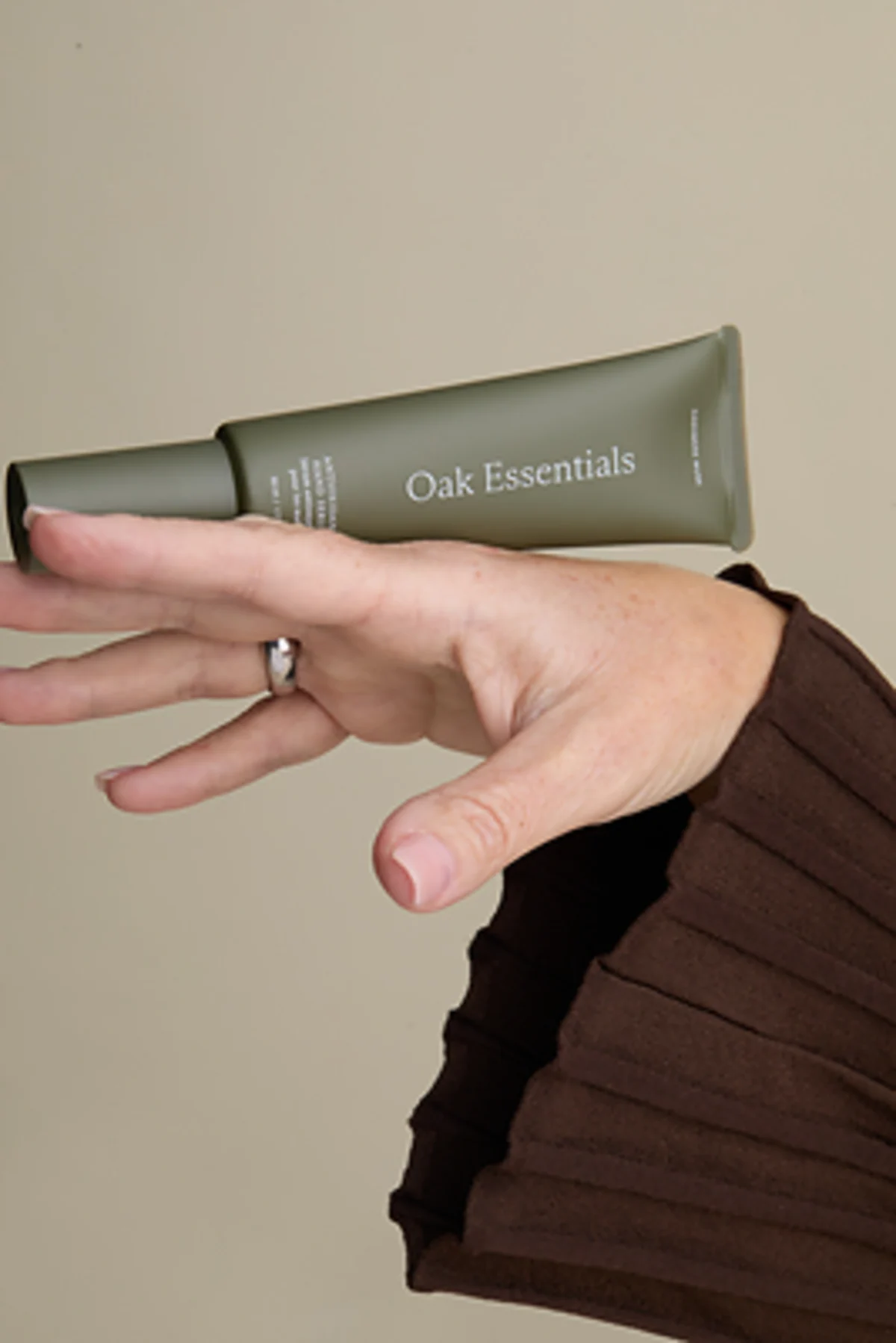
SANTA MONICA, Calif., Oct. 1, 2026 /PRNewswire/ — Oak Essentials, the clean, hydrating skincare line by Jenni Kayne, launches Antioxidant Hand Serum, a targeted serum formulated for the skin that shows signs of aging first. Powered by antioxidant-rich Grapevine Stem Cells, a source of Resveratrol, also called the longevity molecule, the silky, fast-absorbing formula helps visibly reduce dark spots and soften the appearance of wrinkles while lightly hydrating for supple, youthful-looking hands.

Oak Essentials Antioxidant Hand Serum

Created with ingredients of 96% natural origin, Antioxidant Hand Serum launches Oct. 1 at $38 and joins the Jenni Kayne x Oak Essentials Hand Wash and Hand Balm in the Oak Essentials hand care collection.

“At this stage of life, caring for my hands feels just as important as anything I put on my face,” said Jenni Kayne, Founder of Oak Essentials.

Antioxidant Hand Serum absorbs quickly with no tacky residue and layers seamlessly under moisturizer or SPF, leaving hands looking visibly smoother, more even-toned and supple. It is gently scented with Oak Essentials’ Cashmere Musk, with notes of calming Lavender and warm Musk grounded by an earthy Vetiver base.

“The hands are always the tell,” said Lauren Harris, CEO of Oak Essentials. “We wanted to give them the same serious, results-driven care we bring to every face product.”

Suitable for all skin types, including sensitive skin, the formula targets dark spots, wrinkles and fine lines, dehydration, loss of elasticity, uneven texture, and mature or changing skin. Key ingredients include:

  • Grapevine Stem Cells: Rich in Resveratrol, help visibly reduce the appearance of dark spots and soften the look of wrinkles.

  • Rosehip Oil: Naturally high in Vitamin A, Vitamin C and Omega fatty acids, helps replenish hydration, reinforce the skin barrier and reduce transepidermal water loss.

  • Botanical Stem Cells: A biotech blend of Hollyhock and Lingonberry Stem Cells that helps support elasticity, visibly improve firmness and protect against daily environmental stressors, including UV exposure and pollution.

  • Bamboo Juice: Naturally rich in silica, amino acids and trace minerals, helps deliver lightweight, lasting hydration.

  • Lingonberry Fruit Extract: Concentrated with polyphenols and Vitamin C, helps defend the skin against oxidative stress.

  • Pullulan: A naturally derived film former made from fermented tapioca that visibly smooths the appearance of fine lines on contact.

“Hands were the brief, but this had to be serum-grade, not a dressed-up lotion,” said Kim Price, COO and Head of Product Development at Oak Essentials. “We built around Grapevine Stem Cells because the science was genuinely compelling, then layered in Rosehip Oil and Botanical Stem Cells until we had something that delivers the way a face serum does—just for hands.”

Antioxidant Hand Serum (1.7 oz / 50 mL, $38) is available now at oakessentials.com/products/antioxidant-hand-serum.

Oak Essentials Antioxidant Hand Serum Oak Essentials Antioxidant Hand Serum Oak Essentials Cision

View original content to download multimedia:https://www.prnewswire.com/news-releases/oak-essentials-launches-antioxidant-hand-serum-302894883.html

Tags: , , , , ,
Abhishek Haldar Audience Reports

Abhishek Haldar: The Power of Simple Habits That Create Lasting Change

Abhishek Haldar highlights a simple truth that often gets overlooked: the habits that create the biggest difference are frequently the ones we are most likely to ignore. In a world where improvement is often associated with complicated routines, expensive solutions, and constant optimization, Abhishek Haldar’s perspective brings the focus back to something much more practical consistency.

His LinkedIn post uses skincare as an example, but the idea goes far beyond personal care. It is about how people approach everyday habits and why simplicity can sometimes be more sustainable than complexity. Abhishek Haldar observes that men can be disciplined when it comes to fitness, nutrition, and physical health, while skincare may remain an afterthought. This contrast raises an interesting question: why do we sometimes take certain aspects of self-care seriously while overlooking others?

Abhishek Haldar openly acknowledges that he experienced this himself. Skincare was not always a priority for him, which makes his message less about presenting a perfect routine and more about recognizing an everyday gap. That distinction matters. Sustainable change often begins when people identify a habit they have neglected and find a realistic way to bring it into their routine.

For Abhishek Haldar, the answer does not involve an elaborate 10-step skincare system. Instead, he points to four basic habits: cleansing, moisturizing, using sunscreen, and staying consistent. The message is straightforward. A routine does not necessarily become more effective simply because it contains more steps. What matters is whether a person can realistically follow it.

This principle is relevant far beyond skincare. Abhishek Haldar connects the idea of simple habits with his experience of building a brand. Business growth, personal development, and everyday improvement can all become overwhelming when too many systems are introduced at once. When people try to change everything simultaneously, maintaining those changes can become difficult.

Abhishek Haldar’s observation suggests that sustainable progress often depends on reducing unnecessary complexity. Instead of constantly searching for a new strategy, people can start by identifying a few actions that genuinely matter and repeating them consistently. The value comes not from doing something extraordinary once, but from doing something useful regularly.

The skincare example also reflects a broader shift in how men approach self-care. Traditionally, skincare has sometimes been treated as optional or secondary for men. Today, personal care is increasingly becoming part of everyday routines for many people. Abhishek Haldar’s message presents skincare not as an elaborate beauty ritual but as a basic form of care that can fit into a busy lifestyle.

There is another important lesson in Abhishek Haldar’s post: consistency requires realistic expectations. A routine that takes only a few minutes may be easier to maintain than one that demands significant time and effort every day. This does not mean complicated routines are inherently wrong. Rather, the right routine is one that fits the individual and can be sustained over time.

Abhishek Haldar also connects this idea to brand building, where consistency can be just as important as creativity. A business may have ambitious plans, sophisticated strategies, and numerous growth ideas, but execution still depends on repeatable actions. Simple processes that teams can consistently follow can become the foundation for long-term progress.

For Abhishek Haldar, this connection between skincare and entrepreneurship creates a useful perspective. Whether someone is taking care of their skin, developing a professional skill, building a company, or improving their daily routine, progress often comes from small actions repeated with discipline.

The phrase “care, for the man in your mirror” captures this philosophy in a concise way. It shifts the conversation from appearance alone toward the idea of taking responsibility for everyday self-care. The mirror becomes a reminder that personal improvement does not always require dramatic transformation. Sometimes, it starts with paying attention to something that has been ignored.

Abhishek Haldar’s message is ultimately about making improvement manageable. Instead of waiting for the perfect routine or attempting to make major changes overnight, people can begin with a few practical habits. The challenge is not necessarily discovering more things to do. It can be choosing what matters, removing what is unnecessary, and remaining consistent.

Abhishek Haldar demonstrates through this perspective that simplicity is not the absence of ambition. It can be a way of making ambition sustainable. Small habits may appear insignificant on an individual day, but their repeated effect can become meaningful over time.

The broader lesson from Abhishek Haldar’s post is therefore applicable to much more than skincare. Better outcomes often begin with ordinary actions that are easy to overlook. When those actions become part of everyday life, they can gradually create stronger routines, greater awareness, and more consistent progress. Sometimes, the most effective change is not about doing more. It is about doing the right simple things and continuing to do them.

Tags: , , , , , , ,
At-Home Micro-Infusion: A Modern Approach to Smarter Skin Care 

At-Home Micro-Infusion: A Modern Approach to Smarter Skin Care 

Skin care has become increasingly personalized, with consumers looking for practical ways to support smoother, healthier-looking skin without making their routines unnecessarily complicated. Alongside cleansers, moisturizers, serums, and sunscreen, at-home beauty devices are becoming another option for people interested in taking a more technology-focused approach to their skincare routine. One such development is micro-infusion, a cosmetic technique designed to combine a specialized device with topical skincare products.

For those exploring this category, Even Skyn offers products designed for at-home skincare routines. A Micro-infusion system can provide a more targeted way to incorporate certain topical formulations into a beauty regimen. However, understanding how these devices work, how to prepare the skin, and how to use them responsibly is just as important as choosing the product itself.

What Is At-Home Micro-Infusion?

Micro-infusion refers to a cosmetic skincare technique that uses a device with very fine points or precision components to interact with the skin’s surface while applying a topical formulation.

It is important to distinguish at-home micro-infusion products from professional dermatological procedures. Different devices have different designs, specifications, and intended uses. A home device should therefore be used strictly according to its manufacturer’s instructions rather than being treated as a substitute for a professional procedure.

The appeal is largely about convenience. Instead of making a separate appointment for every skincare treatment, consumers can incorporate certain beauty technologies into their existing home routines.

Why Are Home Skincare Devices Becoming Popular?

Modern consumers often want skincare that fits around busy schedules. At-home devices can offer an additional option for people who enjoy experimenting with technology-based beauty products.

Some potential reasons consumers explore micro-infusion include:

  • Convenience
  • A more structured skincare routine
  • Interest in advanced beauty technology
  • Targeted application of topical products
  • The ability to incorporate treatments into a home environment

However, expectations should remain realistic. Skincare results vary from person to person, and no single device can provide identical outcomes for everyone.

Factors such as age, skin type, lifestyle, environmental exposure, product selection, and consistency can all influence how someone’s skin looks and feels.

Building a Strong Foundation Before Using a Device

A micro-infusion device should complement good skincare habits rather than replace them.

Before adding any beauty technology, establish the basics.

Start With Gentle Cleansing

A gentle cleanser can help remove makeup, excess oil, and everyday impurities without unnecessarily disrupting the skin’s comfort.

Aggressive cleansing is not automatically more effective. If your skin feels tight or uncomfortable after cleansing, the product may be too harsh for your individual needs.

Keep Skin Hydrated

Moisturization is another fundamental part of an effective skincare routine. The right moisturizer can help maintain a comfortable, hydrated appearance.

Different skin types have different needs, so product selection should be based on individual tolerance and preferences.

Never Skip Sun Protection

Daily sun protection remains one of the most important aspects of a long-term skincare routine. Broad-spectrum sunscreen can help protect the skin from ultraviolet exposure that contributes to visible signs of premature aging.

An advanced beauty device should never be viewed as a replacement for sun protection.

Preparing Your Skin for Micro-Infusion

Preparation matters when introducing a new skincare device.

Start by carefully reading the manufacturer’s instructions. Pay attention to guidance concerning cleansing, compatible products, device preparation, treatment frequency, cleaning, storage, and replacement components.

Clean Your Hands

Wash your hands before handling the device or touching your face. This simple step can help maintain better hygiene throughout the process.

Cleanse the Treatment Area

The intended treatment area should be appropriately cleansed before use. Makeup, excess oils, and other surface products should be removed according to the manufacturer’s directions.

Use Compatible Products

Not every serum or cosmetic formulation is necessarily appropriate for use with every micro-infusion device.

Only use products recommended or approved by the manufacturer for the intended application. Avoid experimenting with unrelated formulations simply because they contain popular skincare ingredients.

Understanding Skincare Ingredients

One of the most interesting aspects of modern home skincare is the variety of ingredients available.

Depending on the formulation, consumers may encounter ingredients such as peptides, humectants, antioxidants, and other cosmetic compounds.

Peptides

Peptides are commonly included in skincare formulations designed to support the appearance and feel of aging skin.

Hydrating Ingredients

Ingredients designed to attract or retain moisture can contribute to a smoother and more comfortable-looking complexion.

Antioxidants

Antioxidant ingredients are frequently used in skincare products because of their role in formulations designed to support the skin against environmental stressors.

The presence of an ingredient, however, does not guarantee a particular result. Formulation quality, concentration, individual skin characteristics, and consistent use all matter.

How Often Should You Use a Micro-Infusion Device?

This is an area where more is not necessarily better.

Users should follow the schedule provided by the manufacturer. Increasing the frequency beyond the recommended instructions does not automatically accelerate cosmetic results and could increase the chance of irritation or discomfort.

If your skin becomes unusually irritated, pause the routine and reassess the situation.

People who regularly experience sensitivity or have an existing skin concern may wish to speak with a dermatologist before introducing a new device.

Hygiene Is Essential

Any skincare device that comes into close contact with the face should be handled carefully.

Follow the manufacturer’s cleaning instructions after every use. If a component is designed for single use, do not reuse it.

The device should also not be shared with other people.

Proper storage is equally important. Keep the device and its components in the manner recommended by the manufacturer and avoid exposing them to unnecessary contamination.

Who Should Be Cautious With At-Home Devices?

At-home cosmetic devices are not suitable for every situation.

If the skin has open wounds, active irritation, infections, or another significant concern, it may be better to avoid introducing additional treatments until the issue has been appropriately addressed.

People using prescription skincare products should also consider whether a new device is compatible with their existing routine.

When in doubt, professional advice from a dermatologist or other qualified healthcare professional can help determine whether a particular treatment is appropriate.

Common Mistakes to Avoid

Using Too Many Products

Adding multiple new products at once can make it difficult to determine which product is responsible for irritation or other changes.

Introduce new products gradually when possible.

Ignoring Manufacturer Instructions

Online videos and social media tutorials can demonstrate techniques that are not appropriate for your particular device.

The manufacturer’s instructions should take priority.

Treating More Frequently Than Recommended

More treatment does not necessarily mean better results. Stick to the recommended schedule.

Neglecting Sunscreen

Consumers sometimes focus heavily on sophisticated skincare devices while overlooking everyday sun protection.

A consistent sunscreen routine remains essential.

Expecting Instant Results

Skin changes gradually. A realistic approach focuses on consistent care rather than expecting dramatic transformation after one treatment.

How to Create a Simple Home Skincare Schedule

A straightforward routine is often easier to maintain than a complicated one.

Morning

A basic morning routine might look like:

  1. Gentle cleanser
  2. Suitable skincare product
  3. Moisturizer
  4. Broad-spectrum sunscreen

Evening

An evening routine may include:

  1. Gentle cleansing
  2. Appropriate treatment products
  3. Moisturizer

If a micro-infusion device is included, use it according to the manufacturer’s specific instructions regarding timing, compatible products, and frequency.

Tracking Your Skincare Progress

It can be difficult to notice gradual changes when you look at your face every day.

One practical approach is to take occasional photographs under similar lighting and from similar angles. This can provide a more consistent way to observe changes in the appearance of your skin.

Avoid comparing your results directly with heavily edited social media photographs. Lighting, camera settings, makeup, filters, and professional treatments can dramatically affect how skin appears in pictures.

Choosing Technology That Fits Your Routine

The best skincare technology is not necessarily the device with the longest feature list. It is the one that fits your needs, lifestyle, budget, and ability to use it correctly.

Before purchasing a home micro-infusion product, consider:

  • How the device is intended to be used
  • Which products are compatible with it
  • Cleaning requirements
  • Recommended treatment frequency
  • Replacement requirements
  • Whether your skin is suitable for the treatment
  • Whether you understand the manufacturer’s instructions

Doing this research beforehand can make the experience more practical and predictable.

Learning More About Sensitive Skin

People who are interested in home skincare routines should also understand how different active ingredients can affect sensitive skin. Understanding your skin’s tolerance can help you make better decisions when introducing new products or technologies.

Final Thoughts

At-home micro-infusion is part of a broader shift toward convenient, technology-assisted skincare. For consumers interested in exploring this approach, the key is not simply purchasing a device but learning how to incorporate it responsibly into an established routine.

Start with the basics: gentle cleansing, hydration, appropriate skincare products, and consistent sun protection. Follow the device manufacturer’s instructions carefully, use only compatible formulations, maintain good hygiene, and avoid treating more frequently than recommended.

Most importantly, keep expectations realistic. Every person’s skin is different, and cosmetic results can vary. When used thoughtfully and as part of a balanced skincare routine, at-home micro-infusion can be an interesting option for people who want to explore modern approaches to maintaining a smooth, refreshed-looking complexion.

Tags: , , , , , ,
Olde Naples Hotel Opens Tammy Fender Holistic Skin Care & Spa

Olde Naples Hotel Opens Tammy Fender Holistic Skin Care & Spa

Naples, FL, September 30, 2026 –(PR.com)– Olde Naples Hotel has opened the new Tammy Fender Holistic Skin Care 7 Spa, adding a major wellness component to the luxury hotel that debuted this spring in the heart of Naples’ historic Third Street South district. Open to hotel guests and the local community, the new spa brings holistic skincare pioneer Tammy Fender’s more than 25 years of plant-based skincare expertise and personalized treatments just one block from Naples Beach.

Designed as a quiet retreat within Olde Naples Hotel, the spa complements a stay shaped by the relaxed pace and walkability of its Old Naples setting. Warm tones, natural textures and tropical greenery create a calming backdrop for treatments, while the hotel’s rooftop pool and courtyard, nearby beach, and surrounding shops, restaurants and galleries offer additional ways to slow down and experience the neighborhood.

The Naples location is Fender’s third spa and features customized face and body treatments pairing her botanical skincare formulations with hands-on techniques and advanced wellness technologies. The menu includes Fender’s Signature Holistic Facial Treatment, a 60-minute experience incorporating healing plant extracts, oxygen therapy and reflexology, along with new services such as 90-minute Neuromuscular Therapy and Buccal Facial Massage.

Fender personally selected the Naples team, bringing together world-class specialists in skincare, bodywork and complementary wellness practices. Long before holistic skincare became mainstream, Fender was developing an approach that views skincare as part of overall well-being. Drawing on her experience as an aesthetician and her study of herbalism, aromatherapy, cutting-edge holistic therapies and traditional healing practices, she became known for both her award-winning botanical skincare collection and transformative spa treatments.

“Naples is a very special community, and Third Street South feels like a natural home for what we do,” said Fender. “There is a wonderful connection here between history, nature and a more intentional way of living. We wanted the spa to reflect that spirit and create an experience that feels personal, restorative and rooted in a genuine sense of place.”

That sense of place extends beyond the spa. Olde Naples Hotel stands on the site of the original Naples Hotel, the city’s first hotel, which opened in 1889. The new hotel pays homage to those roots while reimagining the property as a modern-day gathering place in a neighborhood long associated with tropical landscapes, intimate courtyards and the restorative appeal of the Gulf Coast.

The opening also expands Fender’s relationship with Opal Collection, which includes Tammy Fender Holistic Skin Care & Spa at Opal Grand Resort & Spa in Delray Beach. Earlier this year, Opal Collection began introducing Fender’s luxurious Essential Collection of plant-based shampoo, conditioner, body wash, lotion and cleansing bars as in-room amenities across the majority of its hotel and resort portfolio, extending the partnership’s wellness focus into the guestroom experience.

Tammy Fender Holistic Skin Care & Spa at Olde Naples Hotel is now open to hotel guests and the public. For treatment information and reservations, visit OpalCollection.com/olde-naples-hotel/spa.

About Opal Collection

Opal Collection is a premier assortment of luxury hotels and resorts in some of the most treasured destinations on the East Coast. The collection was named one of the Top 25 Best Hotel Portfolios in Travel + Leisure’s 2026 World’s Best Awards, marking the second consecutive year it has earned the distinction. Spanning from Bar Harbor, Maine, to the southernmost tip of Key West, Florida, Opal Collection offers curated, memorable getaways for every traveler. Like the effervescent shimmer of an opal gemstone, each destination radiates with its own unique experiences, while each property reflects a distinct connection to its surroundings through locally inspired design, cuisine and activities. For more information and a full list of Opal Collection properties, visit OpalCollection.com.

About Tammy Fender Holistic Skin Care

Tammy Fender Holistic Skin Care is a luxury holistic beauty and wellness brand built on award-winning formulations and transformative spa experiences. Founder and renowned holistic aesthetician Tammy Fender pioneered a movement over 25 years ago that approached beauty with a deeply intuitive understanding of the skin and its interconnectedness to the mind, body, and spirit. Her philosophy is brought to life through her customized spa treatments and plant-based skincare that are designed to support complete wellbeing. The brand brings nurturing hydration, protection and regenerative vitality to the skin through some of nature’s most powerful botanical remedies. The skincare collection is found in specialty stores and wellness destinations worldwide. The Spas, located in West Palm Beach, Delray Beach and Naples, are dedicated to holistic treatments and personalized care where every visit is an invitation to reconnect with oneself. For more information, visit TammyFender.com

Tags: , , , , , , , , ,
Homestead Blog Hop - Homestead tips, ideas, animal care, and recipes every Wednesday

Homestead Blog Hop 619 – Soups, Burritos, and Chickens

Welcome to the Homestead Blog Hop. A weekly gathering for homesteaders and simple living enthusiasts. We all share DIY projects, from-scratch recipes, and creative inspiration from our homes to yours.

This week’s hop features yummy foods. It also offers practical ideas that celebrate handmade living and self-sufficiency. Explore ideas that fit a thoughtful, sustainable lifestyle.

Whether you’re looking for seasonal crafts, homemade treats, or encouragement on your homesteading journey, you’ll find plenty of inspiration to carry into the upcoming seasons.

Grab a cup of tea, explore the featured posts, and join us in sharing your own homestead creations.

Meet Your Homesteading Hosts

We’re Kelly from Simple Life Mom, Liz from The Cape Coop, Natasha from Houseful of Nicholes, and Laurie from Ridgehaven Homestead. We’re about from-scratch living, simple ingredients, frugal habits, and intentional, sustainable living. We share recipes, tips, and ideas to support home cooks and makers.

We’re delighted to host the Homestead Blog Hop. You can find fresh inspiration each week for DIY projects, homemade recipes, and practical living ideas. Join us for new ideas and a growing community. Together, we celebrate everyday craftsmanship and thoughtful living.

Follow Us for More Homestead Inspiration

Natasha – Houseful of Nicholes
Facebook | Pinterest | X | Instagram

Laurie – Ridge Haven Homestead
Facebook | Pinterest | Instagram

Liz – The Cape Coop
Facebook | Pinterest | X | Instagram

Kelly – Simple Life Mom
Facebook | Pinterest | X | Instagram

FEATURED POSTS from the Last Homestead Blog Hop

Each week, we take turns selecting three featured posts from the Homestead Blog Hop. These features are shared across all of our social media platforms. They spotlight the creativity and hard work of our fellow homesteaders.

Here are the featured posts from last week’s hop:

1. Turkey Orzo Soup from Recipes Simple

2. What to Feed Backyard Chickens: The Calcium Rules from Coop Sense

3. Air Fryer Beef & Bean Chimichangas from Air Fryer Fanatics

Congrats! Feel free to grab the featured on button for your post.

Just right click and ‘save image as…‘

Guidelines for the Homestead Blog Hop

  1. Click the “Add Your Link” button below and upload a clear, eye-catching image from your project or recipe. Please link directly to the family-friendly post itself, not your blog’s homepage.
  2. You may link up up to three posts each week.
  3. Take time to visit a few other blogs in the hop and leave a thoughtful comment to let them know you stopped by. Community support makes this hop special!
  4. Please include a link back to the Homestead Blog Hop in your post. Posts without a back link are not eligible to be featured. All featured posts are shared across all hosts’ social media channels.
  5. Share posts that haven’t been linked to the hop before. Older posts are welcome as long as they are new to the hop.
  6. By joining the Homestead Blog Hop, you grant the hosts permission to use one image from your post, with a link back to your site, if your post is selected as a feature next week.
  7. This is a family-friendly link-up designed to encourage, inspire, and support the homesteader in all of us.

Let the Party Begin!

Which project are you excited to try this week? Leave a comment below.

Join Our Homestead Blog Hop Pinterest Board

Follow all of your hosts on Pinterest and send a message if you’d like to be added to our Homestead Blog Hop group board. This board is a great place to share your DIY projects, crafts, and from-scratch recipes with the homesteading community.

Guideline: Only pin posts that you’ve linked up to the Homestead Blog Hop.

Tags: , , , , ,
come avere una routine semplice con pochi prodotti

come avere una routine semplice con pochi prodotti

Skincare minimal ma efficace: tre passi chiave – detergente delicato, crema idratante giusta e SPF quotidiano. Costanza ascolta la pelle.

Preferisci ascoltare il riassunto audio? Abbiamo scelto una voce realizzata con strumenti avanzati IA per rendere rendere i nostri testi subito accessibili a tutti

Una skincare routine base, veloce e con pochi prodotti ma che funziona davvero? Si può fare, anche se sei super pigro/a e non sai da dove iniziare. In questo articolo ti aiutiamo a capire cosa ti serve davvero, cosa puoi tranquillamente saltare e come mettere in fila i prodotti senza fare pasticci. Zero complicazioni, solo i passaggi essenziali. Ecco dei trucchetti per costruire la tua skincare minimal ma efficace!

Partiamo da una cosa importante: non serve avere il bagno pieno di boccette per prendersi cura della pelle. Anzi, spesso troppi prodotti messi a caso peggiorano le cose. Se hai la pelle mista, grassa, secca o super sensibile, la base resta sempre la stessa: pochi step fatti bene e con costanza. Mettiamo ordine insieme e creiamo una routine semplice che puoi seguire ogni giorno senza stress e senza svuotare il portafoglio.

Step base: i 3 prodotti che non possono mancare

La routine minima che funziona si regge su tre pilastri: detergente, idratante, protezione solare. Basta. Tutto il resto (sieri, maschere, tonici, patch) sono extra carini, ma non indispensabili, soprattutto se stai iniziando adesso. L’obiettivo non è fare mille step, ma rendere la pelle pulita, morbida e protetta.

Scegli un detergente delicato che non “tiri” la pelle dopo il risciacquo, una crema idratante adatta al tuo tipo di pelle e una crema viso con SPF per il giorno. Ti basta applicare il detergente mattina e sera, la crema idratante dopo e, al mattino, aggiungere la protezione solare come ultimo step. Fine, routine fatta. Nessun rituale infinito davanti allo specchio.

  • Detergente delicato: evita quelli troppo schiumogeni se senti la pelle che brucia o tira
  • Crema idratante semplice: meglio se senza profumi forti, soprattutto se hai pelle sensibile
  • SPF viso ogni mattina: sì, anche d’inverno, perché la luce c’è sempre
  • Non cambiare prodotti ogni due giorni: dai tempo alla pelle di abituarsi

Come scegliere i prodotti giusti (senza impazzire)

La scelta dei prodotti manda in tilt mezzo TikTok, ma può essere molto più tranquilla. Per il detergente, punta su qualcosa in gel se hai pelle mista/grassa o più cremoso se è secca. La crema idratante deve lasciare la pelle comoda: se lucidi troppo forse è troppo pesante, se dopo 10 minuti senti tirare è troppo leggera. Ascoltare come reagisce la tua pelle è il test migliore, più di qualsiasi etichetta.

Non farti fregare dall’idea che “più attivi ci sono meglio è”: quando la routine è semplice, gli ingredienti non devono essere super complicati. Guarda se sul prodotto c’è scritto “per pelle sensibile”, “per pelle secca”, “per pelle mista/grassa” e parti da lì. Se hai dubbi seri, tipo irritazioni o acne forte, il passo giusto è parlarne con un/una dermatologo/a, non aggiungere prodotti a caso.

  • Pelle secca: cerca parole come “nutriente”, “lenitivo”, “idratante intenso”
  • Pelle mista/grassa: formule “oil-free”, “leggere”, “non comedogeniche”
  • Pelle sensibile: scegli prodotti “delicati” e senza profumo marcato
  • Se un prodotto brucia o arrossa subito, smetti di usarlo e non insistere

Extra facoltativi: quando ha senso aggiungere un prodotto in più

Una volta che la tua base è stabile e la pelle è ok, puoi valutare di aggiungere uno step extra, ma solo se hai un bisogno specifico: più luminosità, qualche brufoletto in meno, meno secchezza in inverno. Qui entrano in gioco i famosi “sieri” o le maschere, ma pensa a loro come a un bonus, non come obbligo quotidiano.

La regola d’oro: aggiungi un prodotto per volta e usalo con calma, così capisci se ti aiuta davvero. Non serve comprare tutto insieme e fare mix strani. E se salti uno step extra perché sei stanco/a, nessun dramma: l’importante è mantenere i tre fondamentali.

  • Siero idratante: utile se senti la pelle che tira anche dopo la crema
  • Maschera in tessuto 1 volta a settimana: più coccola che necessità, ma piacevole
  • Siero anti-imperfezioni: solo se hai brufoletti frequenti, non su pelle già irritata

Il segreto per una skincare che funziona (anche se sei pigro/a)

Alla fine, il vero trucco non è il prodotto “magico”, ma la costanza. Meglio 3 prodotti semplici usati tutti i giorni che 10 prodotti usati una volta ogni tanto. Una routine corta è più facile da rispettare e ti fa sentire in ordine senza perderci mezz’ora.

La skincare deve essere un momento per prenderti cura di te, non una fonte di ansia. Parti dalla base, ascolta la tua pelle e aggiusta il tiro poco alla volta. Voi avevate mai pensato che una routine così minimal potesse essere più efficace di una piena di step?

Tags: , , , , , ,
Best oLive
Privacy Overview

This website uses cookies so that we can provide you with the best user experience possible. Cookie information is stored in your browser and performs functions such as recognising you when you return to our website and helping our team to understand which sections of the website you find most interesting and useful.