5 Companies That Need To Be On Your Radar

5 Companies That Need To Be On Your Radar

Sustainable beauty brands to shop now from skincare to makeup.

Sustainable beauty isn’t just a “nice to have” anymore. It’s slowly becoming part of how we choose what goes into our routines what we use, how it’s made and what happens after.

At the same time, it doesn’t mean giving up on quality or experience. Some of the most well-known beauty brands are now rethinking how they create products, from cleaner ingredients to refillable packaging and more responsible sourcing.

If you’re looking to make a shift, these are the names already doing the work and worth adding to your list. Harper’s Bazaar Arabia compiles the must-know names.

Sustainable Beauty Brands That Need To Be On Your Radar

Aesop

Aesop is known for its minimalist approach to skincare, body and haircare with a strong focus on sustainability built into every stage of production. The brand uses responsibly sourced ingredients and vegan formulations, alongside packaging designed to be reused or recycled, particularly its signature glass bottles. Aesop also prioritises reduced carbon impact through thoughtful design and supply chain practices, making it a consistent leader in conscious beauty without overcomplicating its message.

Tata Harper

The natural skincare brand Tata Harper, is known for its use of non-toxic botanical ingredients within its products. This sustainable brand prides itself in crafting high-performing radiant formulas with all the benefits and none of the extra fillers, instead opting to unlock the full potential of raw ingredients and extract the concentrating benefits.

Armani Beauty

Giorgio Armani’s beauty line, Armani Beauty, aims to minimise its harmful impact on the environment by keeping their products safe and as clean as possible. Every facet of the brand’s production process is sustainable, starting from its use of renewable energy to its long-lasting and refillable packaging. Armani Beauty goes above and beyond when it comes to holding its sustainable title, the brand created a project called “Aqua For Life” which aids in providing communities from all over the world with clean, safe-to-drink water.

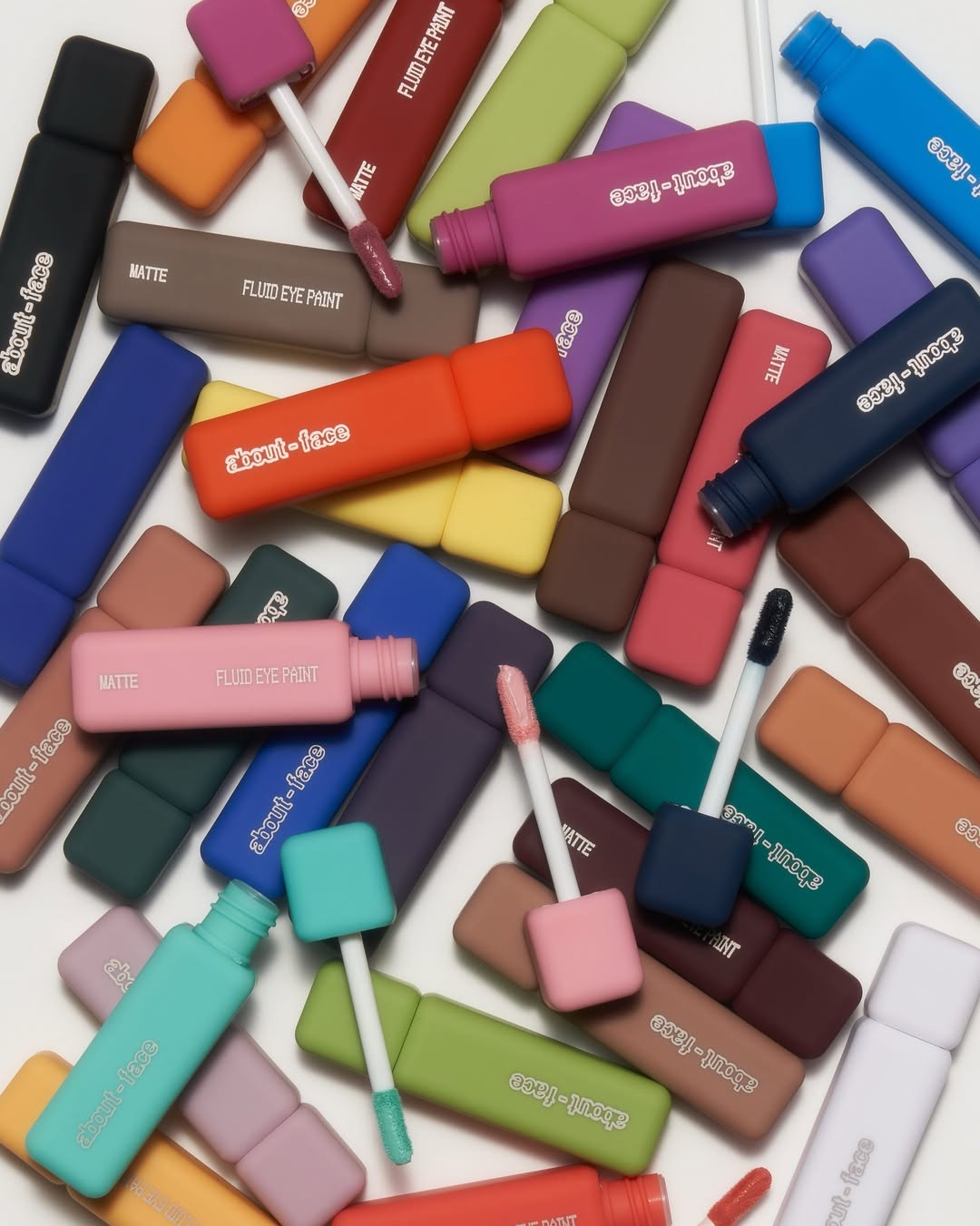
About-Face Beauty

About-Face Beauty, founded by Halsey brings a more expressive and unapologetic take on makeup, centred around creativity and individuality. The brand is built on vegan, cruelty-free formulations, with a focus on clean ingredients and high-performance colour products designed for self-expression rather than perfection. While not positioned as fully sustainable in the traditional sense, About-Face leans into conscious beauty through its ingredient choices and evolving approach to packaging. With bold pigments, experimental textures and a strong community-driven identity, it reflects a new generation of makeup that values creativity, freedom and authenticity alongside more mindful beauty choices

Origins

The skincare brand Origins uses natural ingredients from plants, making all their products vegetarian and some vegan. This sustainable brand also takes care of the ecosystem by using renewable electricity and promoting low-carbon emissions in its production process. To aid in the restoration of the ecosystem, Origins has implemented tree-planting initiatives and uses eco-conscious packaging that can be recycled, reused, or refilled.

L’Occitane

The French brand L’Occitane curates high-quality sustainable skin, body and hair care as well as fragrances. The beauty brand has taken action to preserve and restore nature through championing biodiversity and employing the use of eco-friendly, biodegradable ingredients. With a long-standing commitment to sustainability, L’Occitane works directly with farmers and producers, ensuring fair-trade practices while minimising its environmental footprint. Additionally, the brand has introduced refill stations across selected stores and developed recyclable packaging solutions to reduce waste.

Devines

Davines is a professional haircare brand that places sustainability at the core of its identity. From carbon-neutral production to the use of renewable energy and recyclable packaging, the brand takes a holistic approach to reducing environmental impact. Ingredients are ethically sourced, and formulations are designed to balance performance with care for both hair and the planet. Davines also invests in regenerative agriculture projects, reinforcing its long-term commitment to sustainability beyond the product itself.

Cartier Perfumes

Cartiers Perfume first introduced the recognisable La Panthère fragrance in 2014, it was created in an effort to reimagine the classic chypre with a floral-feline twist. The distinctive bottle, sculpted with a panther motif, and has undergone a sustainable makeover nine years later. It now features a 50% reduction in glass weight, a 70% cut in plastic for the cap, and a shift to 94% recyclable aluminium, the design aims for a 48% reduction in greenhouse gas emissions. Cartier’s commitment extends to using 100% plant-based alcohol. This eco-conscious approach began in 2021, expanding across Cartier’s fragrance line by 2025, blending sustainability with the allure of the original design.

Lead image courtesy of Instagram / @aboutfacebeauty
Tags: ,
Facial Skincare Market by Type, Gender, Distribution Channel, Countries and Companies Analysis 2025-2033 Featuring L'Oreal, P&G, Oriflamme, Unilever, Estee Lauder Company, Johnson & Johnson

Facial Skincare Market by Type, Gender, Distribution Channel, Countries and Companies Analysis 2025-2033 Featuring L’Oreal, P&G, Oriflamme, Unilever, Estee Lauder Company, Johnson & Johnson

Company Logo

Facial Skincare Market

Facial Skincare Market

Dublin, Jan. 07, 2026 (GLOBE NEWSWIRE) — The “Facial Skincare Market by Type, Gender, Distribution Channel, Countries and Companies Analysis 2025-2033” has been added to ResearchAndMarkets.com’s offering.

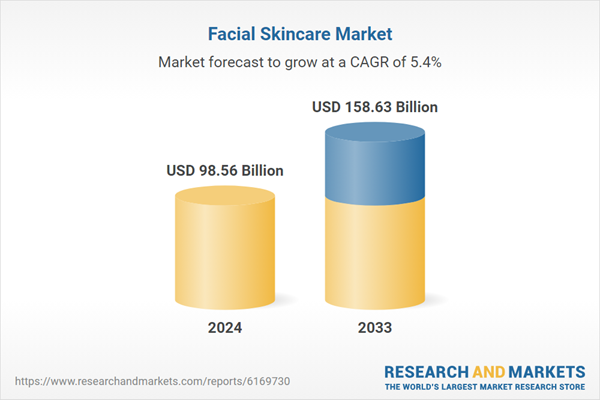
The worldwide facial skincare market is anticipated to hit US$ 158.63 billion in 2033, increasing from US$ 98.56 billion in 2024, growing at a CAGR of 5.43% during 2025-2033. Increased consumer knowledge, the need for anti-aging, and new development in natural and organic ingredients fuel growth. Widening online retailers and customized skincare trends also significantly drive the market’s continued growth.

Growth Drivers in the Facial Skincare Market

Increasing Awareness of Skin Health

Increased awareness of the importance of skincare, most notably amongst younger age groups, is driving an increasing demand for facial skincare products. Consumers are becoming more aware of the diverse ingredients, useful routines, and long-term benefits of taking care of healthy skin. This new information is stimulating global use of everyday skincare routines, as people want to improve their complexion and overall skin health. In July 2024, The International League of Dermatological Societies (ILDS) and the International Society of Dermatology (ISD) have joined forces to inaugurate the first-ever World Skin Health Day (#WSHD2024).

E-commerce and Digital Influence

The explosion of online shopping channels, in addition to the ubiquitous power of social media and beauty influencers, has radically altered the trend of skincare marketing and access. Consumers can now easily browse a vast range of facial skincare products with ease from the comfort of their homes. This technology revolution enables them to compare readily, read informative peer reports, and get involved with engaging video presentations that exhibit real-world applications and outcomes. Consequently, the process of discovering and buying skincare has not only become convenient but also largely interactive and well-informed, enabling consumers to make well-rounded decisions specific to their individual requirements. October 2024, Mumbai-headquartered health-tech firm Skin Beyond Borders (SkinBB) has introduced the Skincare Metaverse. This digital platform integrates AI technology and clinical experience to make connections between consumers, clinicians, and industry players. A flagship feature, LabelLooker 1.0, is an AI-driven ingredient scanner backed by Ingredipedia, a database of personal care ingredients designed in association with VES College of Pharmacy, with more than 1,000 ingredients and growing.

Story Continues

Product Innovation and Customization

Within an ever-changing dynamic of skincare development, companies are tapping the powerful potential of active ingredients like hyaluronic acid, peptides, and retinoids. The synergistic effects of these high-performance ingredients help to improve skin hydration, elasticity, and cellular regeneration. Further, the development of tailored skincare solutions – carefully adapted to meet the individual’s skin type and targeted issues – has ensnared an increasingly health-conscious, technologically adept demographic. This personalized strategy not only targets specific skincare requirements but also deepens the relationship between consumers and their regimes, propelling record-breaking growth in the market. Consumers are thus empowered to go on a mission to attain their dream skin, guided by innovation ingredients and science-driven knowledge. March 2025, L’Oreal Groupe has unveiled L’Oreal Act for Dermatology, a five-year, €20 million initiative by its Dermatological Beauty Division to enhance access to skin health for the 2.1 billion individuals living with skin diseases. The initiative involves a collaboration with the WHO Foundation to aid the World Health Organization in fighting prevalent and underinvested tropical skin diseases and in bringing awareness of their global footprint to light.

Challenges Faced by the Facial Skincare Market

Excessive Competition and Market Over-Saturation

The facial skincare market is saturated with various local and international brands that have very similar products. Such saturation lends itself to very high competition, where new entrants cannot gain grounds and existing brands cannot hold their share unless they continuously innovate.

Issues Regarding Product Safety and Effectiveness

Consumers are increasingly cautious about product formulations, especially concerning chemical additives, allergens, and ethical sourcing. Negative publicity or ingredient controversies can damage brand credibility, making transparency and regulatory compliance critical challenges for manufacturers.

Key Attributes

Report Attribute

Details

No. of Pages

200

Forecast Period

2024-2033

Estimated Market Value (USD) in 2024

$98.56 Billion

Forecasted Market Value (USD) by 2033

$158.63 Billion

Compound Annual Growth Rate

5.4%

Regions Covered

Global

Companies Featured in the Report

  • L’Oreal

  • Procter and Gamble

  • Oriflamme

  • Unilever

  • Estee Lauder Company

  • Johnson & Johnson

For more information about this report visit https://www.researchandmarkets.com/r/hxsl5w

About ResearchAndMarkets.com
ResearchAndMarkets.com is the world’s leading source for international market research reports and market data. We provide you with the latest data on international and regional markets, key industries, the top companies, new products and the latest trends.

Attachment

CONTACT: CONTACT: ResearchAndMarkets.com Laura Wood,Senior Press Manager press@researchandmarkets.com For E.S.T Office Hours Call 1-917-300-0470 For U.S./ CAN Toll Free Call 1-800-526-8630 For GMT Office Hours Call +353-1-416-8900

Tags: , , , , , , , , , , , , , , , , ,
Best oLive
Privacy Overview

This website uses cookies so that we can provide you with the best user experience possible. Cookie information is stored in your browser and performs functions such as recognising you when you return to our website and helping our team to understand which sections of the website you find most interesting and useful.
