The Jerusalem Post - Israel News

A regenerative serum with exosomes for a daily anti-aging routine

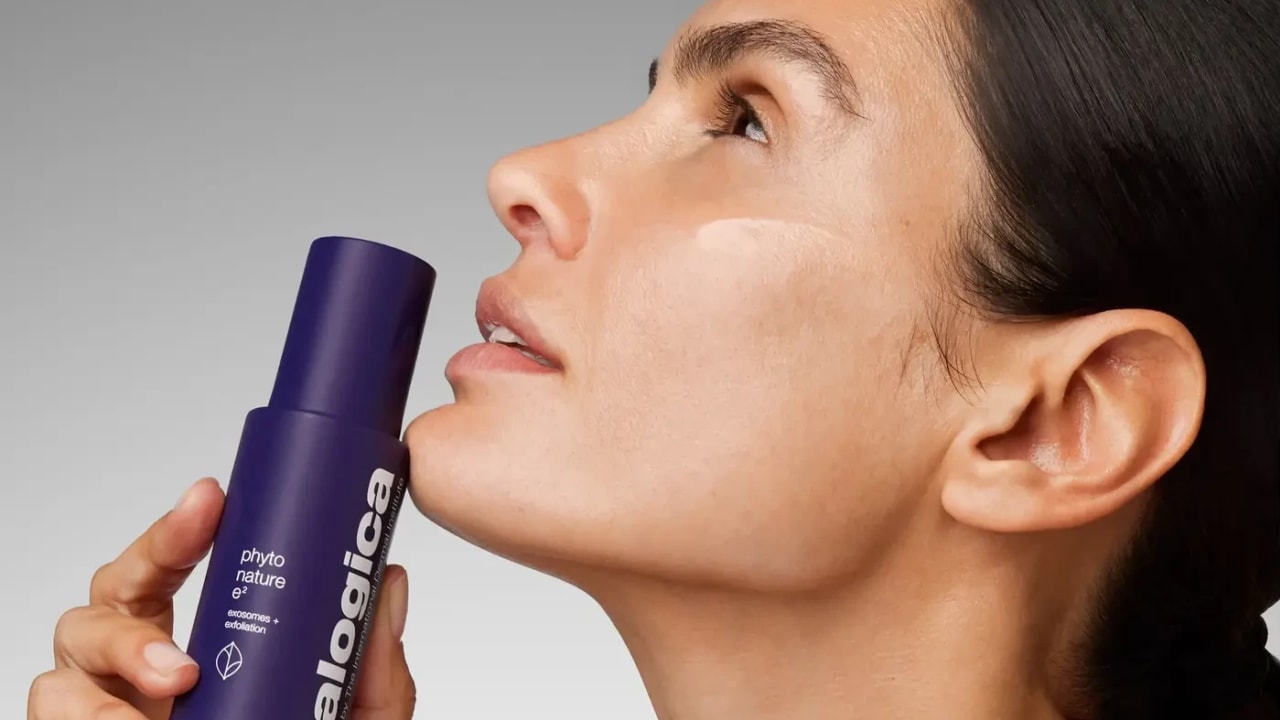
Dermalogica launches Phyto Nature E2, an innovative new product for daily home use that brings the world of regenerative medicine directly into the skincare routine. The new formula is based on an advanced cocktail of plant-derived exosomes, next-generation enzymes and active ingredients designed to support the skin’s natural renewal processes, which weaken with age.

The product was specifically developed to treat visible signs of aging such as fine lines, loss of firmness, dull skin and uneven texture. It combines regenerative exosome technology with pumpkin enzymes for gentle exfoliation, phyto glycogen, an active botanical blend and acetyl glucosamine, with the goal of accelerating cell renewal, improving skin texture and delivering a smoother, more radiant and firmer appearance over time.

At Dermalogica, they explain that this represents the next stage in the skincare world: The regeneration stage. If in the past the focus was on moisture, antioxidants or exfoliation, now the focus is shifting toward supporting the skin’s biological ability to repair itself, similar to professional regenerative treatments in clinics.

According to brand data, in an independent clinical study a visible reduction in fine lines and wrinkles was recorded within two weeks, with twice-daily use. The product is also suitable as at-home support for those undergoing professional aesthetic treatments such as microneedling, laser or peels.

The texture is lightweight, absorbs quickly and is suitable for morning and evening use on clean skin, before continuing the skincare routine.

• How much: NIS 698 for 100 ml
• Where: At Dermalogica points of sale

Tags: , , , , ,
What Happened When I Finally Tried Exosomes, The Biggest Skincare Trend Of 2025

What Happened When I Finally Tried Exosomes, The Biggest Skincare Trend Of 2025

What have you done to your face?” I ask a colleague visiting from Germany, his skin akin to that of a lit candle. “Exosomes,” he replies, smiling, passing a hand across his luminescent visage.

I’m not surprised. Recently, it’s been hard to move for talk of exosomes. A skin-rejuvenation treatment that’s reached our shores after years of popularity in South Korea, exosomes have become synonymous with radiant skin and minimal downtime – a beauty editor’s happy place. There are in-clinic exosome treatments and at-home options.

On social media, people are reporting back after having exosomes injected into their scalps for excess hair shedding. (This, I hasten to add, is not legal in the UK yet.) So what are these genius things and why have they got the skincare industry so abuzz?

What are exosomes?

“Exosomes are tiny, extra-cellular nano vesicles – very small particles that can penetrate easily and are involved in cell-to-cell communication,” facialist to the stars and editors alike, Sarah Chapman, explains to me.

Think of them like clever couriers carrying biological information between cells, all the while carrying proteins, lipids, peptides and other genetic material along with them. Most impressively, exosomes accelerate skin healing and skin regeneration.

These ultra-reparative, anti-inflammatory messengers target skin texture and hydration, as well as supporting collagen and elastin production, and maintaining the integrity of the skin barrier.

Where do exosomes come from?

In the UK, the only legal exosomes are those that aren’t derived from humans – though we do naturally produce them. Instead, fish, bovine, yeast-cultured and plant exosomes, which can be manipulated to mimic human exosomes, are all that’s currently on offer.

Celebrity facialist Shane Cooper uses E50 Korean exosomes, derived from the fibroblast cells of salmon, and says their concentration and efficacy rate has helped him to repair his own skin barrier and calm down rosacea flare-ups. (E50 Korean exosomes aren’t to be confused with polynucleotides, another salmon byproduct also used to stimulate cell regeneration.)

What happens in an exosome treatment?

The way exosomes are administered can vary, though they’re usually introduced to the skin via injection or applied to the skin after a round of microneedling. There is a third, needle-free way, but more on that later.

“Exosomes can be delivered into the skin via direct injection – mesotherapy style,” aesthetic doctor and founder of the eponymous clinic Dr David Jack tells me, “which is where tiny, superficial injections place the exosome solution precisely into the dermis [the inner of the two main layers in the skin].”

The method you’re most likely to come across is microneedling. “Microchannels are created in the skin, which then allow topical exosomes to penetrate,” Dr Jack says, making me think of a crumpet slathered in exosome-rich butter. These microchannels allow the exosomes to reach deeper into the skin and work their magic where it’s most needed.

What skin concerns can exosomes treat?

Besides being suitable for innumerable skin concerns – from acne scarring to improving skin volume and calming skin redness and irritation – exosome treatments are unique due to the remarkably short recovery times required.

Tags: , , , , ,
Best oLive
Privacy Overview

This website uses cookies so that we can provide you with the best user experience possible. Cookie information is stored in your browser and performs functions such as recognising you when you return to our website and helping our team to understand which sections of the website you find most interesting and useful.
