Homemade_Greek_Seasoning

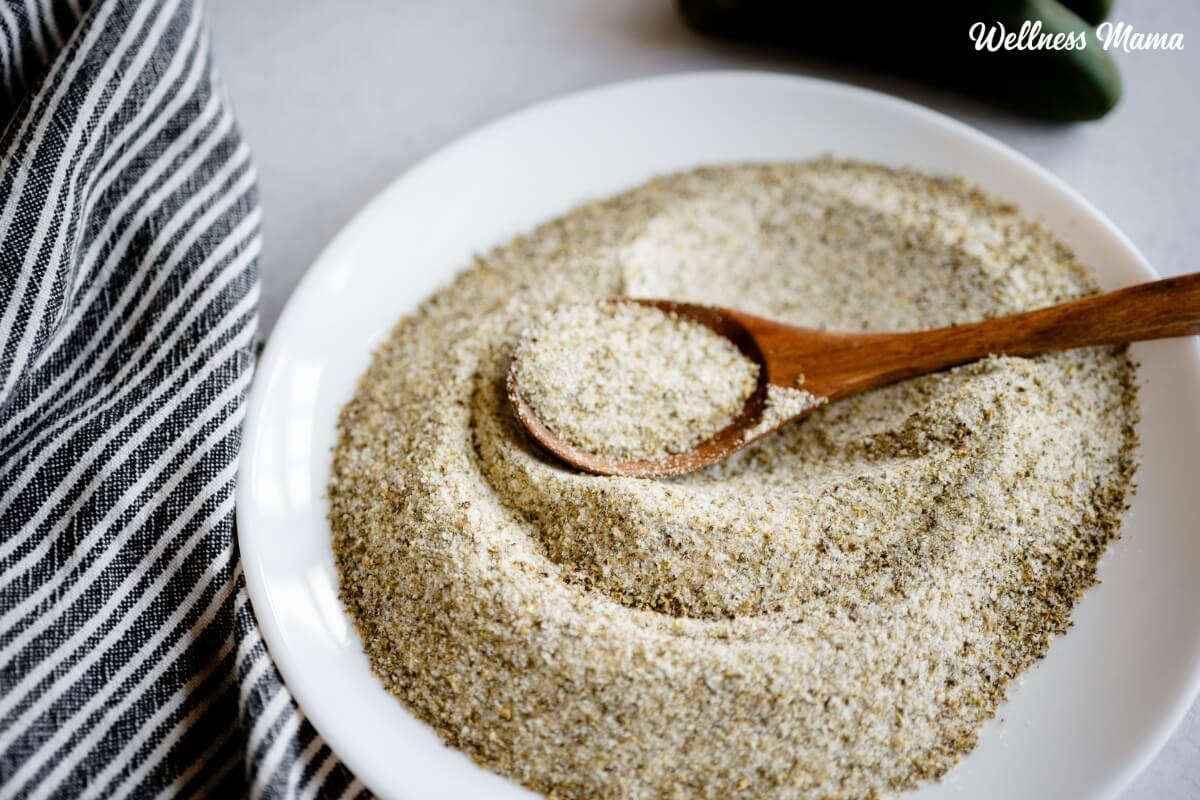
Homemade Greek Seasoning

One of the best ways to make healthy eating easy is to keep some homemade staples on hand. Simple DIY spice blends and sauces take very little effort but they can make meals so much more flavorful. This Greek seasoning is one staple I like to keep in the pantry! 

Many pre-made seasoning blends use fillers, preservatives, added sugars, or ingredients I wouldn’t use in my kitchen. Making your own is so simple and you can choose exactly what you use (and don’t). Plus the DIY versions often taste better than what’s been sitting on a store shelf for months. 

What Is Greek Seasoning?

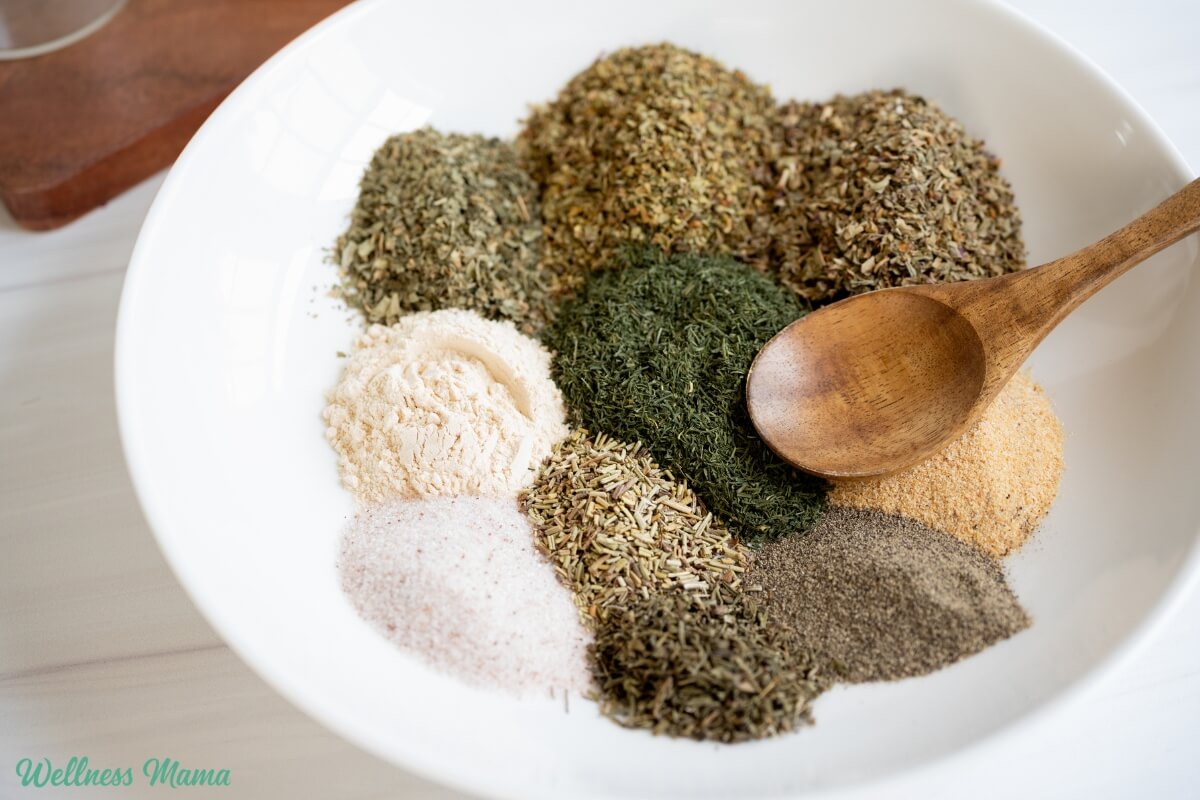
Greek seasoning is a flavorful Mediterranean-inspired blend of herbs traditionally used to add depth to meats, vegetables, sauces, and marinades. It combines classic Greek flavors like oregano, basil, dill, garlic, and rosemary. The result is a savory seasoning that works in a variety of recipes.

Oregano is one of the most popular Greek flavors and adds a pungent taste (it’s not just for Italian seasoning!). Then I add herbs like basil, parsley, dill, thyme, and rosemary to hit all the flavor notes. Garlic and onion powder bring that savory base that makes this blend so versatile, while a touch of cinnamon adds some warmth.

It’s also an easy way to include a wide variety of micronutrients, antioxidants, and anti-microbial compounds into everyday meals. People have used herbs for thousands of years not only to make dishes taste good, but because they support overall wellness. 

Why You Should Make Your Own Seasonings

I started making more of my own pantry staples because it’s an easy way to simplify ingredients without sacrificing flavor. And with 7 kids now, it’s cheaper to buy in bulk and mix it yourself! Seasoning blends are one of the easiest swaps because they take only a few minutes to make and last for months.

This Greek seasoning is one of those recipes that’s become a kitchen staple. I love having a jar ready because it instantly upgrades simple meals. A plain chicken breast, roasted vegetables, or even a basic salad instantly gets a flavor upgrade with homemade seasoning. 

It’s also easy to customize. If you love garlic, you can add more. If you prefer a stronger herb flavor, adjust the amounts of oregano, basil, or dill. Homemade recipes are flexible, which is one of the best parts of cooking from scratch.

How to Use Greek Seasoning

This seasoning is so versatile and works well with both quick weeknight meals and more involved recipes. Sprinkle it over chicken before grilling, mix it into burger patties, or use it to season roasted vegetables like zucchini, squash, or asparagus.

One of my favorite ways? Toss some diced potatoes with olive oil, salt, and Greek seasoning then roast. The herbs create a crispy, savory coating that rivals any restaurant dish. 

You can also mix it into homemade salad dressings, sprinkle it over eggs, or stir it into Greek yogurt for a quick and easy dip. It’s a great way to add flavor without needing complicated sauces or extra ingredients.

For an easy meal prep option, try this blend as the base for a simple Greek chicken marinade. Combine Greek seasoning with olive oil and fresh lemon juice, then marinate chicken before grilling. The result is tender, flavorful chicken with a bright Mediterranean flavor.

Here’s how to make it!

Homemade Greek Seasoning

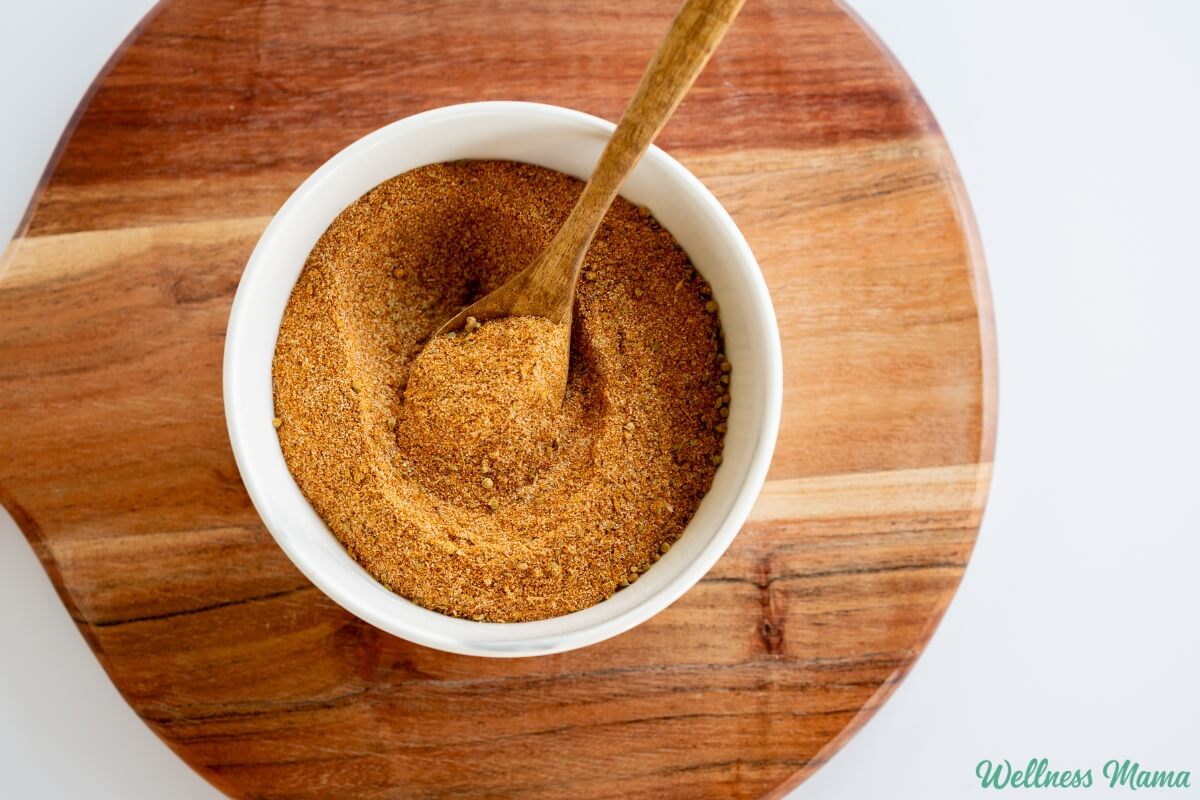
This savory Greek seasoning blend is perfect for meat, veggies, or even mixed into yogurt as a dip. Full of flavor, healthy, and versatile.

Nutrition Facts

Homemade Greek Seasoning

Amount Per Serving (1 teaspoon)

Calories 4

% Daily Value*

Fat 0.04g0%

Saturated Fat 0.02g0%

Polyunsaturated Fat 0.01g

Monounsaturated Fat 0.01g

Sodium 167mg7%

Potassium 23mg1%

Carbohydrates 1g0%

Fiber 0.4g2%

Sugar 0.04g0%

Protein 0.2g0%

Vitamin A 18IU0%

Vitamin C 0.3mg0%

Calcium 17mg2%

Iron 1mg6%

* Percent Daily Values are based on a 2000 calorie diet.

Store in an airtight container for up to 6 months.

More Homemade Seasoning

Looking for some more make it yourself seasoning blends? Here are some of our favorites!

Have you ever used Greek seasoning before? What are your favorite ways to use it? Share below!
Tags: , ,
Adobo_Seasoning

Adobo Seasoning Recipe

I regularly make homemade mayo and I’ll often make different flavors, like sriracha or mayo with adobo seasoning. I use so much adobo seasoning that I started making it in bulk at home. It’s delicious on everything from meats to veggies to dips. 

What is Adobo Seasoning?

Adobo seasoning is a mixture of garlic, oregano, pepper and other spices. It’s traditionally used in Latin American, Caribbean, and Filipino cooking to flavor everything from meats to veggies and soups. Adobo usually doesn’t have really heavy, pungent flavors so it’s versatile to use.

In my kitchen, it’s a general all-purpose seasoning that I add to meats, soups, seafood, eggs, roasted vegetables, and many other dishes.

The word adobo stems from the Spanish word “adobar” meaning “to marinate.” There are many variations of this seasoning, including liquid sauce versions that often include vinegar. The base ingredients are garlic, black pepper, turmeric, and oregano, though other spices can be added (I add several others to my variation).

How to Use Adobo Seasoning

This combination of spices adds depth to dishes without overpowering them, and is versatile enough to use on practically everything. You can mix it in while cooking, or use it as a dry rub on meats. It also makes a delicious marinade when mixed with oil, orange juice, lime juice, or vinegar. Just add enough liquid to make a paste and rub it on beef, poultry, fish, etc. 

Here are some other ways I use Adobo seasoning: 

  • In marinades for meats or chicken
  • As an all-purpose seasoning on seafood
  • On grilled meats and vegetables
  • In soups of all kinds
  • In omelets, quiches, or other egg dishes
  • In guacamole
  • Stirred into homemade mayo for a flavor twist

Tips For Making Adobo Seasoning

Adobo seasoning blends include salt so they’re an all in one seasoning when cooking. If you prefer you can leave the salt out or reduce the amount. This makes it easier to control the amount of salt added when cooking, especially if you’re using this with other salty flavors. 

The recipe calls for black or white pepper. They each have a unique flavor, but either will work in adobo seasoning. I prefer to use a blend of both when making this. 

Adobo Seasoning Recipe

Our family loves this adobo seasoning on meats, seafood, guacamole, soups, roasted vegetables, and practically any other dish. I always have some on hand and use it nearly every day!

  • Add all ingredients to a small glass jar or bowl.

  • Stir or shake well until fully combined.

  • Store in an airtight container away from heat and sunlight.

Nutrition Facts

Adobo Seasoning Recipe

Amount Per Serving (1 TBSP)

Calories 22
Calories from Fat 4

% Daily Value*

Fat 0.4g1%

Saturated Fat 0.1g1%

Polyunsaturated Fat 0.1g

Monounsaturated Fat 0.1g

Sodium 880mg38%

Potassium 107mg3%

Carbohydrates 5g2%

Fiber 1g4%

Sugar 0.3g0%

Protein 1g2%

Vitamin A 385IU8%

Vitamin C 1mg1%

Calcium 31mg3%

Iron 1mg6%

* Percent Daily Values are based on a 2000 calorie diet.

If you prefer, you can omit the salt from this recipe and just add it as desired while cooking. 

Shelf Life and Storage

Like any spice, this tastes best when stored in a cool, dark place away from direct light and heat. Right above the stove is not the best place! When stored properly it will stay fresh for about 6 months. Feel free to double the batch if your family loves it as much as we do!

Other Homemade Spices to Try

Like this recipe? I recommend ordering herbs and spices in bulk and making your own spice blends at home. It’s a great way to avoid unwanted additives found in many commercial spice blends, and an easy way to save money. I order most of my herbs and spices in bulk online and make many of my own blends, including:

What’s your favorite type of seasoning? Do you ever make your own? Leave a comment and let us know!

Tags: , ,
Jalapeno salt recipe, how to make jalapeno salt, homemade jalapeno salt Jalapeno salt seasoning, for margaritas, smoked jalapeno salt

Homemade Jalapeño Salt (Easy Mineral-Rich Spicy Seasoning)

Sometimes you just need to spice things up a little. This jalapeno salt recipe will do just that. With simple ingredients it’s full of healthy minerals and the perfect seasoning for meats, veggies, or even fruit.

You can easily control the spice level here and either use a little or a lot on your foods. Even my older kids like sprinkling some on their meals.

How to Make Jalapeno Salt

This homemade jalapeno salt is exactly what it sounds like: mineral-rich salt blended with dried jalapeños for a simple but flavorful seasoning. It’s one of those small kitchen upgrades that makes everyday meals feel special without adding extra work.

The process is surprisingly straightforward. Slice the peppers, dry them completely until they’re brittle, then blend with salt until finely ground. That’s it. The salt pulls the flavor from the jalapenos and also helps keep the peppers dry. 

Homemade Jalapeno Salt Seasoning

Jalapeno seasoning is like an all-purpose finishing salt with a kick. I love it sprinkled over grilled chicken, roasted vegetables, scrambled eggs, or sliced avocado. It’s also delicious on fresh fruit like mango or watermelon if you like that sweet-and-spicy combination.

You can try it for margaritas too. If you’re the type who likes margaritas, it makes a great rim salt before serving. You can also stir a small amount into soups or taco meat for an easy flavor boost without needing multiple spices. 

The nice thing about homemade jalapeno salt is that it’s easy to be in control. For a milder blend, remove the seeds and membranes before drying the peppers. If you prefer more heat, keep them in. 

And if you’re sensitive to spice, wear a mask while blending since the fine jalapeño dust can be surprisingly strong. I also recommend wearing gloves when cutting up the peppers! The oils from the hot peppers can quickly start to burn your hands. Also, don’t touch your eyes when cutting. That’s never a fun thing to experience!

If you’re using Celtic sea salt, keep in mind that it’s naturally more moist than other mineral salts. If it feels damp, spread it on a baking sheet to air dry for several hours or warm it gently in the oven on the lowest setting for 10–15 minutes before blending. Excess moisture can lead to clumping and shorten shelf life.

Jalapeno salt is an easy and delicious way to turn up the heat on your favorite foods!

Jalapeno Salt

Jalapeno salt is a delicious spicy seasoning that adds a flavorful kick to meat, veggies, and even fruits like watermelon and mango.

  • Wash and dice fresh jalapeños. Spread evenly on dehydrator trays and dehydrate at 125°F for 6–10 hours, until fully dry and brittle.

  • Add dried jalapeños to a food processor and pulse 2–3 times to break them into smaller pieces. (Skip if you prefer a very fine salt.)

  • Add mineral salt to the processor.

  • Pulse until fully combined and the texture is to your liking. Less blending keeps it chunky; more blending creates a finer seasoning.

  • Transfer to an airtight container and store in a cool, dark place.

Nutrition Facts

Jalapeno Salt

Amount Per Serving (0.5 tsp)

Calories 0.4

% Daily Value*

Fat 0.004g0%

Polyunsaturated Fat 0.002g

Sodium 786mg34%

Potassium 3mg0%

Carbohydrates 0.1g0%

Fiber 0.01g0%

Sugar 0.1g0%

Protein 0.02g0%

Vitamin A 9IU0%

Vitamin C 1mg1%

Calcium 1mg0%

Iron 0.02mg0%

* Percent Daily Values are based on a 2000 calorie diet.

  • If you’re starting with already dehydrated jalapenos, then use 1/2 cup. 
  • This recipe yields about 1 and 1/2 cups of jalapeno salt.

Flavor Twist Options

Once you know how to make jalapeno salt, it’s easy to customize. Here are some more flavor options to try. 

  • Smoked jalapeno salt –  To make smoky jalapeno salt, lightly roast the jalapeños at 250°F for 20–30 minutes before dehydrating for deeper flavor.
  • Garlic jalapeno salt – Add 1–2 teaspoons of garlic powder after blending.
  • Citrus jalapeno salt –  Mix in 1 teaspoon of fully dried lemon or lime zest for brightness
  • Herbal jalapeno salt – Mix in ½–1 teaspoon dried oregano or cilantro

Storage and Shelf Life 

Store the finished salt in an airtight container in a cool, dark cupboard. Thanks to salt’s natural preserving qualities, it keeps well for over a year when stored properly.

What are your favorite seasonings to use on food? Leave a comment and let us know!

Tags: , , , , , ,
jerk seasoning

Homemade Jerk Seasoning Recipe

I resisted trying Jamaican jerk seasoning for years. It seemed strange to me to add cinnamon to savory dishes. Then, I was introduced to Cincinnati-style chili, which also uses cinnamon in a savory dish (along with chocolate!). I realized cinnamon really could get along with savory flavors. 

I figured if I could learn to love cinnamon in chili, I could learn to like it in chicken or other dishes as well. So I attempted to make Jamaican jerk chicken seasoning at home. My first try wasn’t successful. It turns out, cinnamon has to be kept in a very careful balance. Too much, and it overwhelms everything else.

Since then, I’ve perfected the recipe and really love the sweet, spicy, and cinnamon combination of this spice blend. These flavors can be an acquired taste, so don’t give up if they seem strange at first. A good Caribbean jerk seasoning balances heat, sweetness, and earthiness in a way that’s bold but still versatile.

What Is Jerk Seasoning?

Traditionally, it’s a bold Jamaican spice blend used to season meats, especially chicken and pork, before grilling or smoking. Authentic blends can be made as a dry powder or a paste, depending on how it’s used. This homemade jerk seasoning version uses pantry spices so it’s easy to keep on hand and customize to your tastes. 

What Is Jerk Seasoning Made Of?

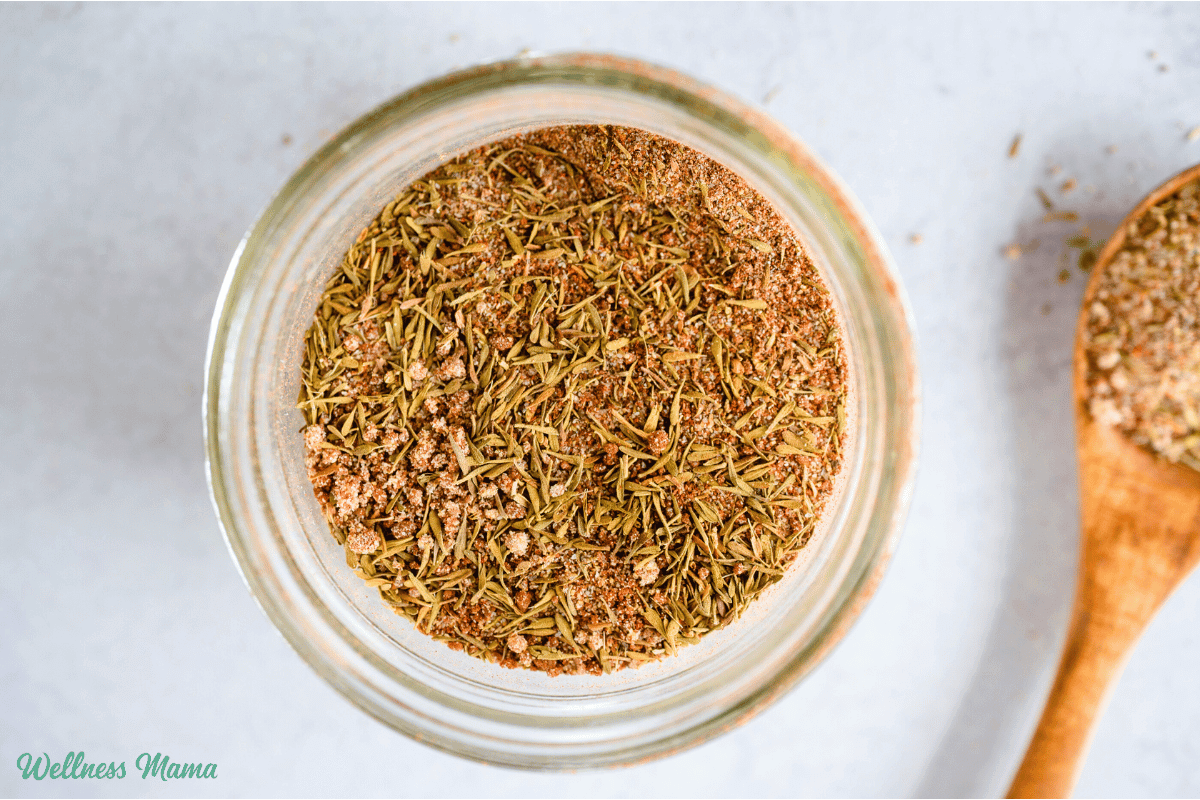
While recipes vary, classic jerk seasoning ingredients often include allspice, thyme, garlic, onion, cinnamon, nutmeg, cloves, and a spicy element like cayenne or Scotch bonnet peppers.

The three main ingredients of jerk seasoning are allspice, thyme, and hot peppers as the core flavors, with supporting spices layered in. So what gives jerk its flavor? The signature taste comes from the warm, aromatic spices (especially allspice and cinnamon) combined with heat, herbs, and a touch of sweetness. It’s that mix of spicy, savory, and slightly sweet that makes jerk seasoning so distinctive (and addictive!). 

How to Make Jerk Seasoning at Home

If you’re wondering how to make jerk seasoning, the good news is that it’s simple to mix as a dry spice powder. You can also blend the spices into a paste with oil, vinegar, and/or honey. A Jamaican jerk seasoning recipe can be customized for heat level and sweetness, depending on your family’s preferences.

This seasoning is usually added to chicken, but it’s also great on roasted vegetables, other meats, and even grilled seafood. I love mixing this seasoning with equal parts honey and coconut oil to make a marinade or rub. I’ll use it on different meats and vegetables, especially when grilling. The combo of sweet, spicy, and earthy adds a caramelized, smoky flavor that’s hard to beat.

Jerk Seasoning Recipe

Homemade Jamaican jerk seasoning recipe with onion powder, cinnamon, allspice, and other herbs provides depth and flavor to many dishes.

Nutrition Facts

Jerk Seasoning Recipe

Amount Per Serving

Calories 3

% Daily Value*

Sodium 39mg2%

Carbohydrates 0.6g0%

Fiber 0.2g1%

Sugar 0.2g0%

Protein 0.1g0%

* Percent Daily Values are based on a 2000 calorie diet.

Try mixing the seasoning with equal parts honey and coconut oil to rub onto meat or other food.

Another Variation

I’ve played around with this recipe over the years and the above is the updated version. If you’re looking for the original that has a stronger onion and cinnamon flavor, then give this a try.

What Is the Closest Thing to Jerk Seasoning?

Looking for a substitute for jerk seasoning? If you don’t have all the spices on hand, a mix of allspice, thyme, garlic powder, onion powder, and cayenne is a good starting point. It won’t be identical to an authentic blend, but it captures the general flavor profile.

If this just isn’t your thing, check out my other homemade herb and spice blends to replace pricey store-bought spice blends. Making your own lets you control the ingredients, skip fillers, and adjust the flavors. Plus, once you start experimenting with spice blends like this, it’s hard to go back to pre-made mixes.

Ever used Jamaican jerk seasoning? What are your favorite ways to use it? Leave a comment and let us know!

Tags: , , ,
Homemade_Chili-Lime_Seasoning

Chili Lime Seasoning Recipe

Chili lime seasoning is one of those things I didn’t think much about until it became something we used all the time. It’s simple, easy to make, and somehow works with a wide range of foods. Once it’s in the pantry, it tends to get sprinkled on everything.

I started making a homemade chili lime seasoning after noticing how often we reached for it. Store-bought versions can be convenient, but many include added ingredients I’d rather skip. Making it at home takes just a few minutes and (mostly) uses ingredients I already keep on hand.

Why Chili Lime Seasoning Works

There’s a reason chili and lime show up together in so many traditional foods. The warming heat of chili and cayenne wake up the taste buds and stimulate digestion. The lime adds some tang and brightness, while salt ties it all together.

This balance is what makes lime and chili seasoning so useful. It adds flavor without covering up the food itself. It works just as well on fresh produce as it does on cooked dishes.

One Seasoning, Lots of Uses

We’ve been sprinkling it on pretty much everything. Fruit like mango, watermelon, and pineapple is an easy favorite. The contrast of sweet, salty, and spicy makes even simple fruit feel more interesting. It’s a great way to get some more variety, especially for picky kids!

I’ve also been adding it to avocado and eggs, and even roasted sweet potatoes. I’ll mix a little into olive oil for taco bowls or roasted veggies, and it’s become our go-to popcorn topping for movie nights. I’ve even been throwing a pinch on cucumber slices after sports. It’s oddly refreshing and a simple way to make sliced veggies more appealing.

Skip the Fillers

One of the reasons I like this homemade chili lime seasoning is how straightforward it is. There’s no long ingredient list and nothing extra added in.

Some popular store-bought blends, including Tajín, contain silicon dioxide. It’s naturally found in sand and quartz as silica. In food, it’s used as an anti-caking agent to keep powders from clumping and to extend shelf life.

While silicon dioxide is widely used in packaged foods, it’s not really necessary in a homemade seasoning blend. When you’re mixing small batches and storing them properly, clumping usually isn’t an issue. Skipping it is an easy way to keep the ingredient list simple and focused on flavor, not fillers.

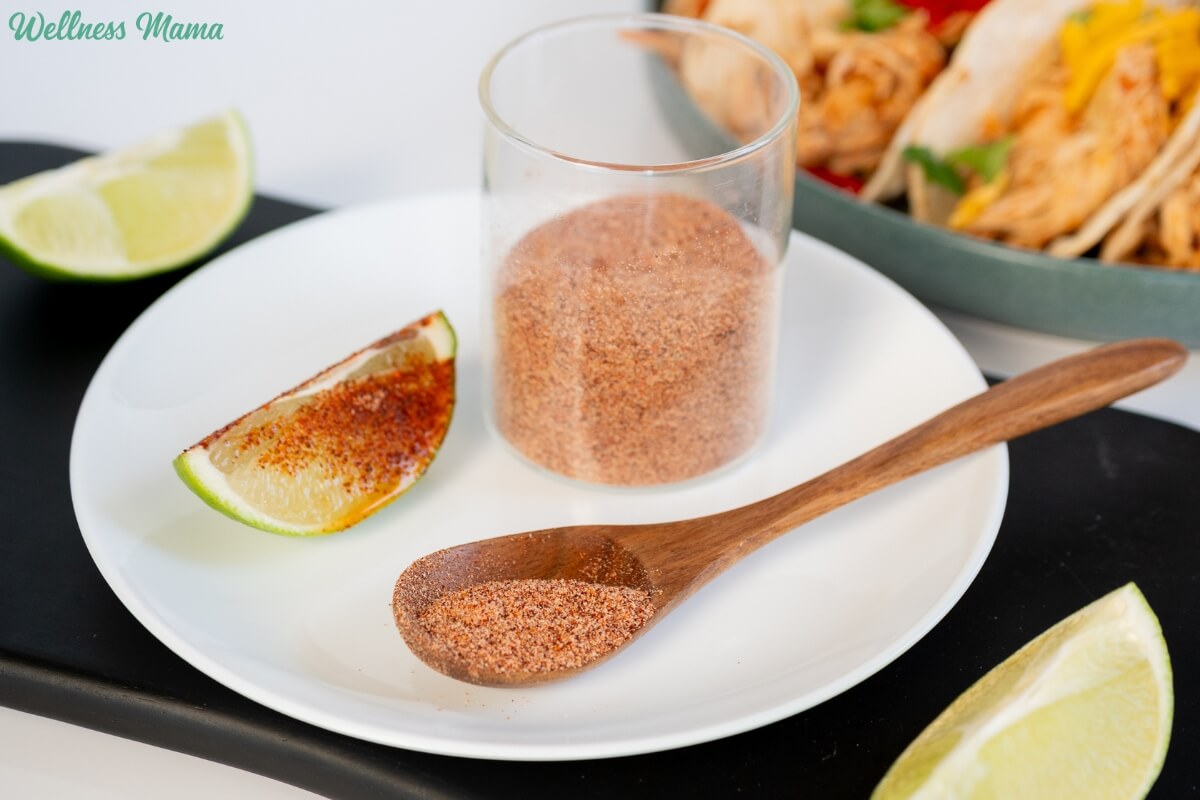
This chili lime seasoning recipe uses just four ingredients: salt, lime powder, chili powder, and cayenne pepper (to taste). The chili powder adds warmth without overwhelming heat. And if your family is like mine and likes a little heat, then add some cayenne. Lime powder gives it a citrus flavor without the moisture of lime juice, and salt brings out the flavor in everything.

How to Make Chili Lime Seasoning

Making DIY chili lime seasoning is more about adjusting to taste than following exact measurements. Start with the chili and lime powder as the base, then add salt to taste. If you like a little more heat, then add cayenne slowly, tasting as you go.

Once it’s mixed, taste and adjust. A little more lime powder adds more tang. A pinch more cayenne increases the heat. Store the finished seasoning in a glass jar away from heat and light, and it will keep well for months. If it does start to clump up, just give it a good shake or break it up with a fork. 

Everyday Ways to Use Lime and Chili Seasoning

This is one of those blends that’s earned a place on my spice shelf because it actually gets used. It adds flavor without needing sauces, marinades, or extra prep. Even though I still like whipping up a good sauce now and then. 

Sprinkle it on fruit or vegetables, use it on eggs or potatoes, or stir it into olive oil for a quick dressing. It’s an easy way to make simple, real foods more enjoyable, especially on busy days when complicated recipes just aren’t happening.

Here’s how to make it!

Homemade Chili-Lime Seasoning

This tangy and spicy seasoning is perfect for fruit, popcorn, and everything else. Quick and easy without any unecessary additives.

  • Combine all ingredients in a small bowl and mix until well combined.

  • Taste the blend on a piece of fruit or cucumber and add more salt, lime, or chili powder as desired.

  • Store in an airtight container.

Nutrition Facts

Homemade Chili-Lime Seasoning

Amount Per Serving (0.5 tsp)

Calories 2
Calories from Fat 1

% Daily Value*

Fat 0.1g0%

Saturated Fat 0.01g0%

Polyunsaturated Fat 0.04g

Monounsaturated Fat 0.02g

Sodium 241mg10%

Potassium 11mg0%

Carbohydrates 0.3g0%

Fiber 0.2g1%

Sugar 0.05g0%

Protein 0.1g0%

Vitamin A 162IU3%

Vitamin C 0.1mg0%

Calcium 2mg0%

Iron 0.1mg1%

* Percent Daily Values are based on a 2000 calorie diet.

  • Store the seasoning in an airtight container or a glass jar. Storing it properly prevents clumping and maintains freshness for up to several months.

Do you use chili lime seasoning? What are your favorite ways to use it? Leave a comment and let us know!

Tags: , , ,
Best oLive
Privacy Overview

This website uses cookies so that we can provide you with the best user experience possible. Cookie information is stored in your browser and performs functions such as recognising you when you return to our website and helping our team to understand which sections of the website you find most interesting and useful.