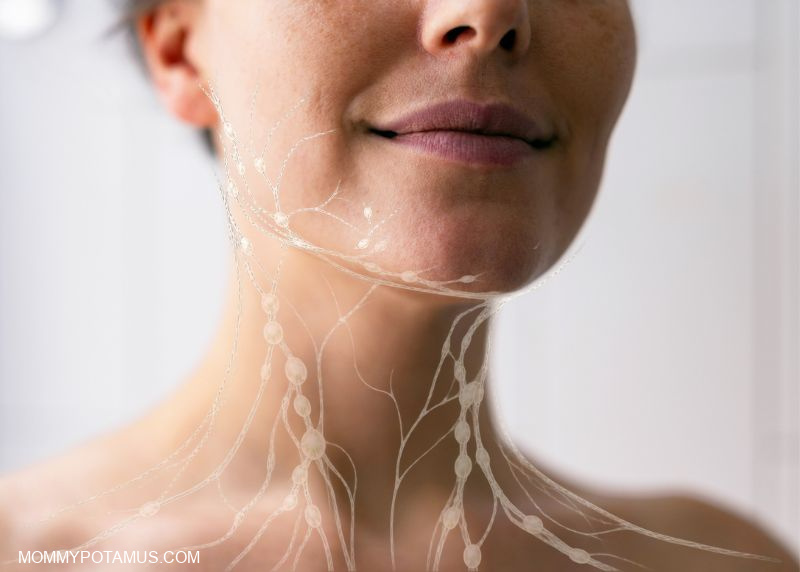
Hormones, Fluid Balance & Your Lymphatic System

Hormones, Fluid Balance & Your Lymphatic System

Sometimes perimenopausal changes are obvious. Others are harder to put your finger on. You wake up looking puffier than usual. Clothes that fit comfortably one day feel snug the next. Sliding an Oura ring (or any ring) on and off your finger starts requiring a little more negotiation. Maybe you’ve even noticed that cellulite dimples look more noticeable.

Nothing dramatic happened – your body just seems to be handling fluid differently.

If this sounds familiar, there’s an overlooked part of perimenopause physiology worth talking about: how hormonal changes can influence your lymphatic system.

Estrogen and progesterone both influence how your body manages fluid, and it turns out that estrogen also directly interacts with the lymphatic system in some pretty interesting ways. (1) (2) Researchers are still working out exactly how all of those pieces come together during perimenopause, but we know enough to see that the systems are far more interconnected than previously understood.

Understanding that relationship can make some of these seemingly random changes feel a lot less random – and give us a clearer idea of how to support the body through them.

So let’s take a closer look at what your lymphatic system does, what we know about its relationship with perimenopause, and holistic ways to support healthy lymph flow through hormonal shifts.

As always, this is not medical advice and is not intended to diagnose or treat any condition. None of these statements have been evaluated by the FDA. Now let’s dive in.

Meet Your Other Circulatory System

When we think about circulation, blood usually gets most (if not all) the attention. But running alongside the cardiovascular system is another sprawling network with an equally important job: managing the fluid around your cells.

Your lymphatic system reaches throughout the body through a network of vessels, lymph nodes, tissues, and organs that include the thymus, spleen, and tonsils.

Here’s where the two circulatory systems meet. As blood travels through tiny capillaries, some fluid moves into the surrounding tissues, carrying oxygen, nutrients, hormones, and other substances to your cells. Much of that fluid eventually returns directly to the bloodstream – but not all of it.

The lymphatic system picks up what’s left behind, including excess fluid, proteins, and other material that need to be carried away from the tissues. (3)

Once that fluid enters a lymphatic vessel, it becomes lymph. From there, it travels through an extensive network of vessels and lymph nodes before eventually being returned to the bloodstream.

Even your brain has its own version of a rinse cycle that works closely with the lymphatic system. Called the glymphatic system, it uses cerebrospinal fluid to help carry metabolic waste and other byproducts away from the brain, especially during sleep.

So in a sense, the cardiovascular and lymphatic systems are partners: one delivers, while the other collects, recirculates, and helps keep the fluid environment around your cells in balance.

But fluid balance is only part of the lymphatic system’s job.

More Than a Drainage System

The lymphatic system is also an important part of your immune defenses. Lymph nodes act as gathering places where immune cells can encounter pathogens and other potential threats, helping the body decide when and how to respond.

As lymph moves through the body, it also carries proteins, cellular debris, and inflammatory signaling molecules away from tissues. (4) And in the digestive tract, specialized lymphatic vessels called lacteals absorb much of the dietary fat and fat-soluble nutrients we eat.

Also, although our two circulatory systems work together, they have some pretty unique differences. For example, your cardiovascular system has one central pump – the heart – but your lymphatic system doesn’t.

That doesn’t mean it just sits around waiting for us to move. Walking, muscle contractions, breathing, and changes in pressure throughout the body do all help move lymph along, but larger collecting lymphatic vessels contain smooth muscle of their own and rhythmically contract to help propel lymph forward.

So the lymphatic system is doing a lot more than draining excess fluid. It’s helping regulate the environment around your cells, supporting immune activity, transporting nutrients, and keeping lymph moving through the body.

And that brings us back to perimenopause. Because the lymphatic system is so involved in fluid regulation, changes in the hormones that influence both fluid balance and lymphatic biology may help explain why things can start to feel different during midlife.

What Do Hormones Have to Do With Lymph?

So what does all of this have to do with perimenopause – and why might our bodies suddenly seem to handle fluid differently?

There probably isn’t just one simple answer. Instead, research is uncovering several ways that reproductive hormones, fluid regulation, and lymphatic function connect.

  • Estrogen and progesterone influence fluid regulation. Both hormones affect the systems that regulate water and sodium, although they don’t necessarily do so in the same way. Estradiol can change when the body signals thirst and releases vasopressin, while also influencing blood volume and how fluid is distributed between tissues. Progesterone modifies some of those responses as well. (1)
  • Estrogen directly influences lymphatic biology. Experimental research shows that estrogen signaling – especially through ERα receptors – affects lymphatic endothelial cells (the cells that line lymphatic vessels), encourages new lymphatic vessel growth, helps maintain vessel stability, and supports repair after lymphatic injury. (5)
  • Progesterone interacts with lymphatic cells, too. Human lymphatic endothelial cells can metabolize progesterone and contain receptors that allow them to respond to steroid hormones. We don’t yet know exactly how that plays out during perimenopause, but it’s another indication that the hormonal and lymphatic systems are interacting at a cellular level. (6)
  • Lymphatic function appears to change with age and sex. In a study of 399 healthy adults, leg lymphatic pumping pressure declined with age, with a bigger drop seen in women of postmenopausal age. The study didn’t isolate the role of hormones, but the finding suggests that the menopause/aging transition may influence lymphatic function in women. (7)

There’s one more connection worth mentioning here: inflammation. Changing estrogen levels are associated with shifts toward more pro-inflammatory signaling during the menopausal transition. At the same time, the lymphatic system helps carry inflammatory signaling molecules, immune cells, and excess fluid away from tissues – an important part of resolving a local inflammatory response.

In other words, healthy lymphatic function becomes especially important during midlife – a time when the body may already be navigating a higher inflammatory load.

What This Means During Perimenopause

Taken together, the research suggests that perimenopausal fluid shifts are part of a bigger physiological picture. Our sex hormones influence systems far beyond reproduction, and fluid balance sits at an interesting intersection between fluctuating hormones and lymphatic function.

So while we can’t control every hormonal up and down in midlife, we can support the everyday processes that help the lymphatic system do its job.

Movement, muscle contractions, breathing, and other mechanical forces all help lymph move through the body, and there are other supportive approaches we can layer in as well.

From here, I’ll be sharing several ways to support healthy lymph flow, including herbs traditionally used for lymphatic support, a nourishing lymph-support tea, and simple everyday habits that help keep things moving.

✋ Before You Go, Grab This Free Midlife Guide

If you’ve ever found yourself thinking, “Why doesn’t my body respond the way it used to?” . . . this guide was written for you.

Midlife can change the rules for everything from sleep and energy to workouts, recovery, body composition, and more. Knowing what’s changing can help you let go of strategies that no longer fit – and start focusing on what supports your body now.

Inside, I’ll walk you through 10 things I wish I’d known sooner, so you can make more sense of what you’re experiencing and get clearer about where to go from here.

Enter your email below and I’ll send it right over. You’ll also receive my weekly newsletter with practical wellness tips, recipes, and new guides like this one.

Sources

  1. Stachenfeld, N. S. (2008). Sex Hormone Effects on Body Fluid Regulation. Exercise and Sport Sciences Reviews.
  2. Giersch, G. E. W., Charkoudian, N., Morrissey, M. C., Butler, C. R., Colburn, A. T., Caldwell, A. R., Kavouras, S. A., & Casa, D. J. (2021). Estrogen to Progesterone Ratio and Fluid Regulatory Responses to Varying Degrees and Methods of Dehydration. Frontiers in Sports and Active Living.
  3. Moore, J. E., Jr., & Bertram, C. D. (2018). Lymphatic System Flows. Annual Review of Fluid Mechanics.
  4. Schwager, S., & Detmar, M. (2019). Inflammation and Lymphatic Function. Frontiers in Immunology.
  5. Morfoisse, F., Tatin, F., Chaput, B., et al. (2018). Lymphatic Vasculature Requires Estrogen Receptor-α Signaling to Protect From Lymphedema. Arteriosclerosis, Thrombosis, and Vascular Biology.
  6. Klossner, R., Groessl, M., Schumacher, N., et al. (2021). Steroid Hormone Bioavailability Is Controlled by the Lymphatic System. Scientific Reports.
  7. Unno, N., Nishiyama, M., Suzuki, M., et al. (2012). A Novel Method of Measuring Human Lymphatic Pumping Using Indocyanine Green Fluorescence Lymphography. Journal of Vascular Surgery.
Share with a friend! 👇

Tags: , , , ,
Beyond the Spa: Naturopathica’s Guide to Healthy Skin and Everyday Balance

Beyond the Spa: Naturopathica’s Guide to Healthy Skin and Everyday Balance

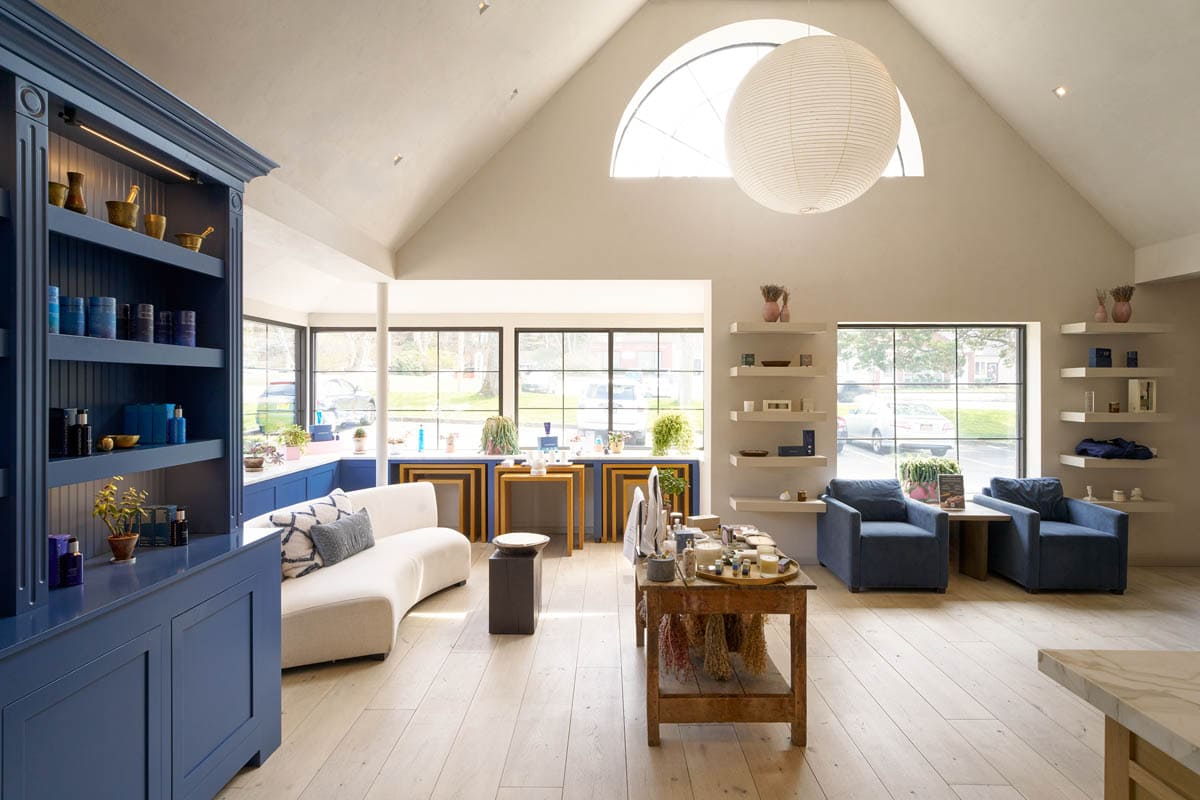
Naturopathica in East Hampton

Summer in the Hamptons often means long days in the sun, packed schedules, and a constant balance between activity and relaxation. At Naturopathica, with spa locations in East Hampton and Bridgehampton, wellness is approached as an ongoing practice—one that extends beyond time spent in the treatment room, and into everyday routines.


Known for its line of botanical skincare and results-driven treatments, Naturopathica has become a trusted destination for those looking to restore, reset, and maintain healthy skin throughout the season. How you care for your skin, body, and mind after a facial or massage is just as important as the treatment itself, especially when it comes to protecting and prolonging results.


Spa Director Cassie Pahel shared her go-to tips for post-treatment care, daily skincare rituals, and simple wellness habits that help support balance all summer long, whether you’re visiting the spa regularly or looking to bring those benefits into your everyday routine.


What are your top post-treatment tips to help maintain results after a facial or massage?


CP: The most important thing is to protect and support the skin or body while it’s in a receptive state. After a facial, I always recommend avoiding heavy makeup, excessive sun exposure, and heat (like saunas or hot yoga) for at least 24 hours. Hydration is key, both internally and topically, as the skin is primed to absorb nutrients.


After a massage, it’s about keeping the body in a relaxed, parasympathetic state. Gentle movement, hydration, and allowing yourself time to rest can help extend the therapeutic effects.


Are there any common mistakes people make after spa treatments that they should avoid?


CP: One of the most common mistakes is overstimulating the skin too soon. Using exfoliants, retinoids, or active ingredients immediately after a facial can disrupt the results and lead to sensitivity.


Another is jumping right back into a high-stress routine after a treatment. The body and nervous system have just been reset, and giving yourself even a few hours to stay grounded can make a meaningful difference.


What are a few simple daily rituals you recommend for maintaining healthy skin and overall wellness?


CP: Consistency is everything. I always come back to a few core rituals:


– Mindful cleansing morning and evening to support the skin barrier

– Daily SPF, which is non-negotiable for long-term skin health

– A moment of intentional breathing or stillness, even just a few minutes, to regulate the nervous system


How can clients extend the benefits of a spa treatment at home between visits?


CP: Think of your home routine as a continuation of what we do in the treatment room. Using targeted, high-quality products that support your specific skin concerns is essential, but so is how you apply them.


Simple techniques like facial massage, lymphatic drainage, or dry brushing can help stimulate circulation and maintain that post-treatment glow. Creating a calming ritual—rather than rushing through your routine—also reinforces the benefits on a deeper level.


Are there specific ingredients, products, or practices you find especially effective for long-term skin and body care?


CP: I tend to focus on ingredients that strengthen and support the skin over time, rather than just delivering quick results. Botanical actives, antioxidants, and barrier-repair ingredients are foundational.


Equally important are practices like regular exfoliation (done gently and appropriately), consistent hydration, and supporting lymphatic flow. Long-term skin health is really about balance and resilience.


Beyond skincare, what are your go-to wellness habits for feeling balanced and restored day to day?


CP: For me, it always comes back to nervous system regulation. Whether that’s breathwork, time outdoors, or simply stepping away from screens, those moments of reset are essential.


I also prioritize movement that feels restorative rather than depleting, and staying connected to the rhythms of sleep and hydration that support overall balance and nourishment.


True wellness isn’t about intensity; it’s about consistency, intention, and listening to what your body needs.


To learn more about Naturopathica, click here.

Tags: , , , , , ,
Wellness Stacking The New Formula For Daily Balance

Wellness Stacking The New Formula For Daily Balance

By Sounds and Colours
27 November, 2025

Wellness is no longer just about isolated habits like hitting the gym or drinking more water. It is increasingly about how those habits fit together into daily rhythms that feel sustainable, enjoyable, and genuinely supportive. Wellness stacking, the practice of combining small, intentional actions into layered routines, is emerging as a practical formula for daily balance in Latin America, where consumers are increasingly prioritising mental, emotional, and physical wellness as top health goals. Instead of overhauling life with rigid schedules, people are pairing simple, repeatable habits in ways that blend self-care with real‑world demands, turning everyday moments into anchors for physical, mental, and emotional health.

For many, wellness stacking also includes rethinking how tools and technologies fit into those routines, including how and when they use vape mods as part of harm‑reduction or relaxation rituals. With adjustable power, airflow, and nicotine levels, these devices offer adult users a higher degree of control than basic e‑cigarettes or disposables. This customisation allows users across Latin America to align vaping more intentionally with broader wellness goals, such as tapering nicotine, managing stress more consciously, or pairing mindful breaks with specific flavours and settings, rather than vaping mindlessly throughout the day.

Wellness Stacking as Habit Design

Wellness stacking builds on the concept of habit stacking, where new behaviours are attached to existing routines so they become easier to maintain. Instead of relying on willpower alone, people choose a familiar cue—like morning coffee, commute, or evening wind‑down—and layer on simple actions such as stretching, breathwork, journaling, or stepping outside for light. The goal is to embed restorative practices into what already exists. Experts note that pairing sensory actions and movement with existing habits strengthens neural circuits linked to reward and regulation, making new behaviours stick over time.

This approach resonates strongly in Latin America, where wellness has become a major priority with 48% of consumers classifying it as a top spending focus and mental and emotional wellness leading as key health goals. Wellness stacking offers realistic, bite‑sized adjustments: five minutes of mobility work after a shower, deep breathing while waiting for kettle water to boil, gratitude notes after closing a laptop. These small routines gradually build a lifestyle that supports resilience without requiring complete life redesign.

Where Vaping Fits Into a Stacked Lifestyle

Within this framework, vaping for adults who already choose it can be reframed from an automatic habit into a more conscious element of daily structure. With adjustable wattage, refillable tanks, and customizable nicotine strengths, vaping can support more deliberate use. For instance, some users may reserve vaping for specific moments like short balcony breaks paired with breathwork or music. Reducing nicotine levels over time can align with wellness goals such as better sleep, reduced cravings, and clearer focus.

Wellness stacking also requires honest reflection about whether habits truly support health or just mask overconsumption. The same applies to vaping: when vape mods are integrated responsibly with harm reduction, regulatory compliance, and self-awareness, they can fit into a balanced routine rather than encourage excessive use. Thoughtful stacking means knowing both benefits and limitations.

Balancing Efficiency 

A frequent critique of wellness stacking is that it risks turning every quiet moment into a productivity task. Experts emphasize that effective stacking is about nervous system regulation and consistency, not rushing to add more activities. Calming habits like slow stretching, sunlight, or breathwork paired with existing anchors support stress reduction and better sleep. Too many stimulatory activities, however, can cause burnout or anxiety.

In vaping, this translates to recognising whether the ritual feels grounding or is restless compulsion. Using vape mods sparingly within a calm stacked routine contrasts with constant unstructured vaping, which can agitate the nervous system, especially with higher nicotine levels. The key is balancing layering with simplicity.

Personalising Your Own Wellness Stack

No one-size-fits-all approach exists; wellness stacks reflect personal needs, constraints, and preferences. Many Latin American consumers start with three daily anchors: morning, midday, and evening. Morning stacks often combine light exposure, hydration, and gentle movement—the region shows strong interest in self-care habits like exercise, sleep, and nutrition. Midday might include a short walk, breathing resets, and breaks from screens. Evenings benefit from low light, stretching, and digital boundaries to support restful sleep.

Lifestyle tools from fitness trackers and meditation apps to vape mods—serve as components, not drivers of routines. The essential question shifts from “What trend should I follow?” to “Which combinations of small actions genuinely enhance stability, presence, and wellness over time?” Regular check-ins on energy, mood, and sleep help refine these habits to remain supportive rather than performative.

Evolving Practice

Ultimately, wellness stacking is a flexible framework for designing balanced days. It acknowledges Latin America’s dynamic and evolving lifestyles, emphasising sustainable self-care by layering small, practical actions instead of chasing sweeping changes. Whether integrating movement, nutrition, digital hygiene, or mindful vaping choices, the strength of stacking lies in intention and repetition, not complexity.

As the regional wellness market grows rapidly with rising consumer awareness and adoption of preventive healthcare, wellness stacking offers a scalable, adaptable blueprint for daily balance. People can increase or simplify their stacks depending on life’s rhythms, promoting continuous adjustment toward feeling well, grounded, and resilient—one thoughtful habit at a time.

Subscribe to the Sounds and Colours Newsletter for regular updates, news and competitions bringing the best of Latin American culture direct to your Inbox.

Share:

Tags: , , , ,
Best oLive
Privacy Overview

This website uses cookies so that we can provide you with the best user experience possible. Cookie information is stored in your browser and performs functions such as recognising you when you return to our website and helping our team to understand which sections of the website you find most interesting and useful.
