Samsung Newsroom

Parasol Culture Spreads to U.S. as K-Beauty Fuels Sun-Avoidance Habit

Foreign tourists walk while holding parasols at Gwanghwamun Square in Jongno-gu, Seoul. Newsis

The parasol culture long familiar across Asia, including South Korea and Japan, is spreading to the United States. Analysts say record heat has driven demand to avoid ultraviolet exposure, while the K-beauty boom is expanding skincare habits from applying sunscreen to avoiding sunlight altogether.

Umbrellas Even Without Rain

According to industry sources on the 21st, The New York Times recently reported that a growing number of U.S. consumers are using parasols to shield themselves from strong sunlight and ultraviolet rays even on days without rain.

While the sight of parasols in summer is familiar across Asia in countries such as South Korea, China and Japan, it was a relatively unfamiliar practice in the United States and Europe. The mood is shifting, however, as record heat waves recur and awareness of ultraviolet exposure grows.

Social media has also driven the spread. On platforms such as TikTok and Instagram, users are sharing content that treats parasols not simply as tools to block sunlight but as fashion items to match an outfit. Dermatologists’ emphasis on ultraviolet protection is also cited as a factor boosting demand.

Citizens hold parasols in front of Yongsan Station in Seoul. Yonhap News

Sales figures are climbing as well. Sales of ultraviolet-blocking umbrellas by New Zealand umbrella brand Blunt rose 60% from a year earlier. U.S. umbrella maker Davek, which launched its first parasol last year, said sales this year doubled from the previous year.

Blunt’s founder told the NYT that one factor behind rising parasol demand was Korean-style skincare culture, which has spread through social media and content creators. The founder explained that under the influence of K-beauty, the habit of not just applying sunscreen but avoiding sunlight itself is spreading alongside it.

Market research firm Market Intelo projected that the global ultraviolet-blocking umbrella market would grow from $1.8 billion last year to $2.9 billion (about 4.03 trillion won) by 2034. While the Asia-Pacific region accounted for most of the market last year, North America’s share already reached 18.5%.

Beyond Sunscreen: A Habit K-Beauty Changed

Analysts point to K-beauty, whose global influence has grown, as one axis of the parasol boom. As the Korean skincare approach of meticulously using sunscreen to prevent skin aging becomes known, interest is also spreading to methods of reducing sun exposure itself using hats, clothing and parasols.

K-beauty’s growth is also evident in exports. A comparison of Korea Customs Service and French customs data for the same product category (HS code 3304) on the 21st showed that Korea’s exports of skincare and color cosmetics in the first half of this year totaled $5.72453 billion (about 7.99 trillion won). France still leads at 5.69401 billion euros (about 9.28 trillion won), but the gap is narrowing.

In the United States, the world’s largest cosmetics market, the rankings have already flipped. Korea’s cosmetics exports to the U.S. stood at $1.02304 billion in 2023, falling short of France’s $1.17167 billion, but rose to $1.54759 billion in 2024, overtaking France. Last year, Korea recorded $1.74881 billion, while France came in at $1.06228 billion.

French daily Le Monde reported that France’s exports of cosmetics such as perfume and skincare fell last year for the first time in 20 years. Competition from K-beauty, which has rapidly expanded its influence in the U.S. skincare market, was cited as one cause alongside U.S. tariff policy.

Record Heat, Then Record Rain: Korean Searches for Sun-and-Rain Umbrellas Surge 27-Fold

At home, recent extreme weather swings have been driving demand for sun-and-rain umbrellas. Their practicality has come to the fore, as they can be carried to block hot sunlight and also used in sudden downpours.

The daytime high in Yangsan, South Gyeongsang Province, topped 40 degrees Celsius on the 29th of last month, then soared to 42.5 degrees on the 2nd of this month. Extreme weather followed, with record rainfall pouring on southern regions from the 15th to the 17th.

According to fashion platform 29CM, searches for “UV-blocking parasols” in June and July this year surged 27-fold from the same period a year earlier. Over the same period, searches for “ultra-light sun-and-rain umbrellas” rose 188% and “blackout sun-and-rain umbrellas” rose 135%.

The industry expects related demand to continue as climate change combines with heightened interest in ultraviolet protection driven by K-beauty. Analysts say that as skincare expands beyond applying sunscreen to blocking sunlight itself with parasols, hats and clothing, new consumption is being created in the umbrella market.

Tags: , , , , , , ,
If you adopted these 10 habits from Korean beauty culture, your skin would thank you

If you adopted these 10 habits from Korean beauty culture, your skin would thank you

Korean beauty culture has been having a moment for years now, and honestly, I get why.

While living in Seoul for a few months back in 2019, I noticed something interesting: people of all ages seemed to have this luminous, healthy-looking skin that didn’t come from heavy makeup or fancy filters.

The secret? It wasn’t one magic product or procedure. It was a completely different approach to skincare built on consistency, prevention, and actually listening to what your skin needs.

Today, I want to walk you through ten habits from Korean beauty culture that genuinely make a difference. These aren’t complicated rituals requiring expensive imports or hours of your time. They’re practical approaches to skin health that happen to align with what dermatologists have been saying all along.

Let’s get into it.

1. Double cleansing becomes non-negotiable

Here’s the thing about cleansing: most of us aren’t doing it thoroughly enough.

Korean beauty culture popularized the double cleanse method, and after adopting it myself, I can’t imagine going back. The concept is simple but effective: first, you use an oil-based cleanser to break down makeup, sunscreen, and sebum. Then you follow with a water-based cleanser to remove any remaining impurities and sweat.

Think about it this way. Your face accumulates layers throughout the day: sunscreen, pollution, natural oils, maybe some makeup. One quick wash with face soap isn’t going to cut through all of that.

When I started double cleansing about three years ago, I noticed my skin looked clearer within weeks. My serums and moisturizers seemed to work better too, probably because they could actually penetrate clean skin instead of sitting on top of residue.

You don’t need expensive products for this. A basic cleansing oil or micellar water followed by your regular gentle cleanser does the job perfectly.

2. Sunscreen isn’t optional, it’s the foundation

In Korean beauty culture, sunscreen is treated like brushing your teeth. It’s not a beach day thing or a summer thing. It’s an every single day thing.

This habit alone might be the most impactful one you can adopt. UV damage is responsible for up to 80% of visible aging, not to mention the skin cancer risks. Yet so many people skip sunscreen daily because it feels like extra work or they don’t like the texture.

Korean sunscreen formulations changed my entire relationship with SPF. They’re lightweight, don’t leave a white cast, and some even work as primers under makeup. I keep one in my bathroom, one in my bag, and one at my desk.

The rule is simple: if you’re awake, you’re wearing sunscreen. Cloudy day? Sunscreen. Working from home? Sunscreen. Winter? Still sunscreen.

Your 50-year-old self will thank you for this habit more than any other skincare choice you make.

3. Hydration happens in layers

Forget the idea that moisturizer alone equals hydrated skin.

Korean skincare introduced me to the concept of layering hydration, and it completely transformed how my skin looks and feels. The approach involves applying multiple lightweight layers of hydrating products rather than one heavy cream.

A typical routine might include a hydrating toner, an essence, a serum, and then a moisturizer. Each layer adds hydration and helps the next product absorb better.

I know what you’re thinking: that sounds like a lot of steps and a lot of time. But here’s the reality. Each product takes maybe 30 seconds to apply. The entire layering process adds maybe three minutes to your routine, and the difference in how plump and healthy your skin looks is worth every second.

Start simple if you want. Just add a hydrating toner after cleansing and before your moisturizer. You’ll notice the difference.

4. Prevention matters more than correction

Western skincare culture often focuses on fixing problems after they appear. Korean beauty culture flips this entirely.

The philosophy centers on preventing issues before they start: maintaining your skin barrier, protecting against environmental damage, keeping inflammation low, staying consistently hydrated.

This shift in mindset changed how I approach my entire routine. Instead of buying products to fight breakouts or fade dark spots after they happen, I focus on keeping my skin healthy so those issues are less likely to occur.

Prevention is also way more cost-effective. Quality sunscreen and a gentle routine cost less than treatments for sun damage. Keeping your skin barrier healthy prevents the sensitivity and irritation that lead to expensive dermatologist visits.

Think of it like this: you wouldn’t wait until your teeth are rotting to start brushing them. Why wait until your skin is damaged to start taking care of it?

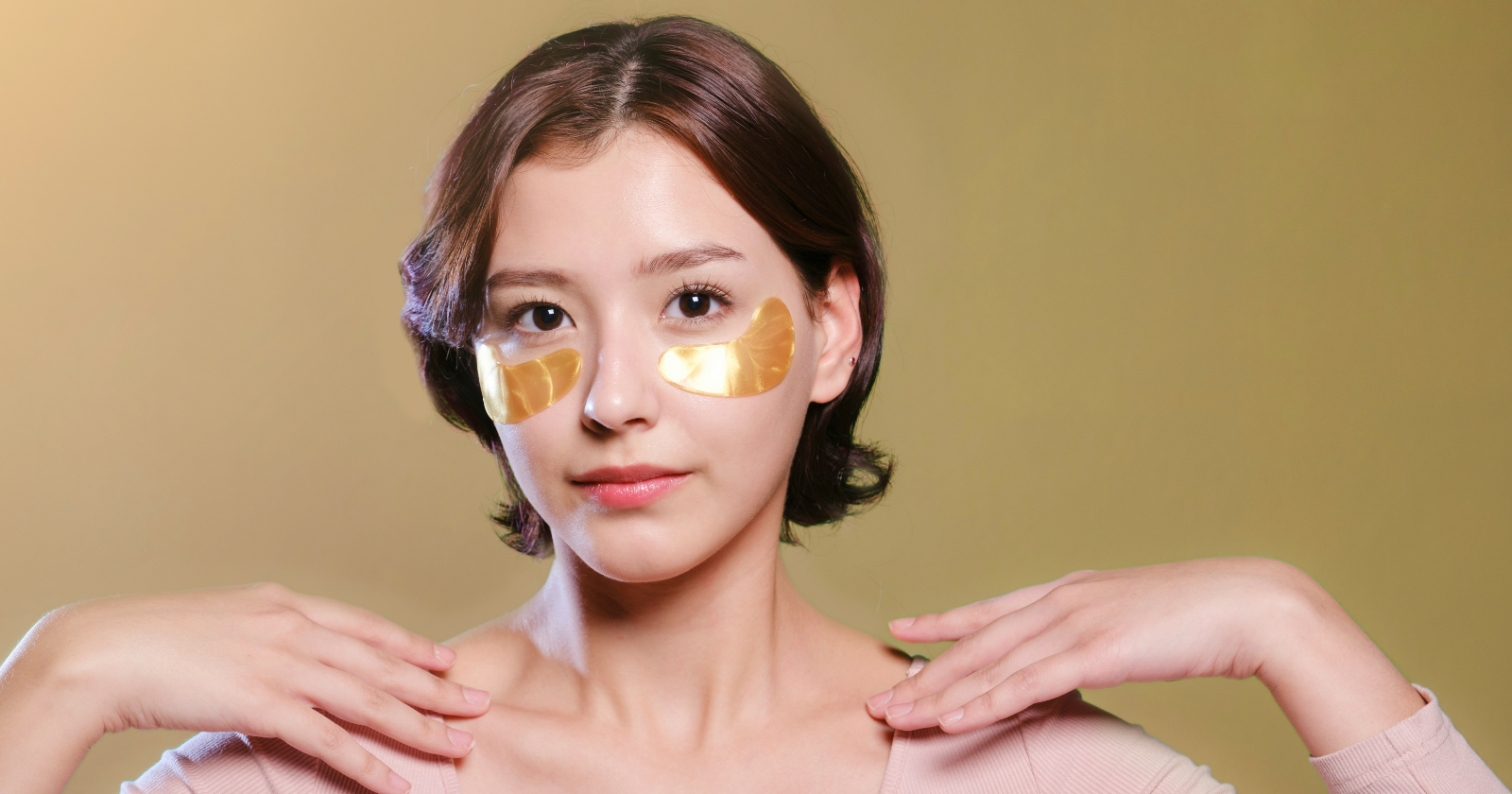
5. Sheet masks become regular maintenance, not special occasions

Sheet masks used to feel like this indulgent spa thing I’d do maybe once every few months.

In Korean culture, they’re more like a regular tune-up. People use them a few times a week as a normal part of their routine, not as a treat.

The benefit isn’t just the concentrated serum soaking into your skin, though that helps. It’s also the forced 15-20 minutes of sitting still with a mask on your face. You’re not touching your skin, not checking your phone constantly, just letting your skin absorb the treatment.

I started keeping a variety of sheet masks on hand and using them while I read or watch something in the evening. My skin always looks more plump and refreshed the next morning, especially if I’ve been stressed or not sleeping well.

They’re also perfect for travel when your skin gets dehydrated from planes and hotels. I always pack a few in my suitcase now.

6. Exfoliation gets gentler and more strategic

For years, I thought good exfoliation meant scrubbing my face with something gritty until it felt “squeaky clean.”

Korean skincare taught me that aggressive exfoliation actually damages your skin barrier and causes more problems than it solves. The approach there favors gentle chemical exfoliants or soft physical exfoliation, used sparingly and strategically.

I’ve mentioned this before, but one of the biggest improvements in my skin came from switching from harsh scrubs to a gentle AHA toner I use maybe twice a week. My skin is smoother, brighter, and way less irritated.

The key is understanding that exfoliation isn’t about scraping off layers of skin. It’s about gently encouraging cell turnover and removing dead skin cells that make your complexion look dull.

If your skin feels tight or looks red after exfoliating, you’re doing it too hard or too often. Dial it back.

7. Ingredients matter more than marketing

Korean beauty consumers are incredibly educated about ingredients. They read labels, understand what different actives do, and make informed choices based on what their skin actually needs rather than what packaging promises.

This habit transformed me from someone who bought whatever had the prettiest bottle to someone who actually understands what I’m putting on my face.

You don’t need to become a cosmetic chemist, but learning the basics helps. Understanding the difference between humectants and occlusives, knowing which acids do what, recognizing irritating ingredients you should avoid.

When you know what you’re looking for, you stop wasting money on products that don’t work for your skin type or concern. You also stop falling for marketing gimmicks and focus on formulations that actually deliver results.

Start by researching the ingredients in products you’re currently using. You might be surprised by what you find.

8. Consistency trumps intensity every time

Korean skincare culture values gentle, consistent care over aggressive treatments.

Instead of harsh peels or intense actives that strip your skin, the focus is on sustainable routines you can maintain long-term without damaging your skin barrier.

This was a hard lesson for me. I used to think results required intensity. The more my skin burned or tingled, the better the product must be working, right? Wrong.

That approach left my skin irritated, sensitive, and actually worse than when I started. When I switched to gentler products used consistently, my skin improved steadily and stayed healthy.

Think marathon, not sprint. Your skin responds better to steady, gentle care than dramatic interventions followed by neglect.

Find a routine that works for your skin and your lifestyle, then stick with it for at least a few months before deciding if it’s working. Consistency is where real results happen.

9. Your skin changes, and your routine should too

One thing I noticed in Seoul was how people adjusted their skincare based on seasons, stress levels, hormones, and other factors affecting their skin.

Your skin isn’t static. What works perfectly in humid summer might leave you dry and flaky in winter. What your skin needed at 25 is different from what it needs at 35 or 45.

Korean beauty culture embraces this flexibility. People might have a core routine but swap in different products based on what their skin needs right now.

I keep different moisturizers for different seasons and pay attention to when my skin needs extra hydration versus when it needs something lighter. When I’m stressed or not sleeping well, I might add in more soothing ingredients.

Listen to your skin instead of rigidly following the same routine regardless of what’s happening. Your skin will tell you what it needs if you pay attention.

10. The ritual matters as much as the results

Maybe the most underrated aspect of Korean skincare culture is treating your routine as self-care rather than a chore.

The process of cleansing, applying each product mindfully, gently patting things into your skin becomes this meditative ritual that benefits your mental health as much as your complexion.

I used to rush through skincare, seeing it as something I had to do before bed. Now it’s one of my favorite parts of the day. Those ten minutes in the evening when I’m taking care of my skin are calming and grounding.

This mindset shift makes consistency easier too. When your routine feels good, you’re more likely to stick with it. When it feels like a hassle, you skip it.

Your relationship with your skin changes when you start treating skincare as an act of self-respect rather than vanity or obligation.

Final thoughts

Adopting these habits doesn’t mean completely overhauling your routine overnight or spending hundreds on new products.

Start with one or two changes that feel manageable. Maybe commit to daily sunscreen and double cleansing for a month and see how your skin responds. Add other habits gradually as they make sense for your life and skin.

The beauty of Korean skincare philosophy is that it’s less about perfection and more about building sustainable habits that support healthy skin long-term.

Your skin is with you for life. Treating it with consistent care, protection, and respect will pay dividends not just in how you look, but in how you feel about taking care of yourself.

Which of these habits are you most excited to try?

What’s Your Plant-Powered Archetype?

Ever wonder what your everyday habits say about your deeper purpose—and how they ripple out to impact the planet?

This 90-second quiz reveals the plant-powered role you’re here to play, and the tiny shift that makes it even more powerful.

12 fun questions. Instant results. Surprisingly accurate.


Tags: , , , , ,
Best oLive
Privacy Overview

This website uses cookies so that we can provide you with the best user experience possible. Cookie information is stored in your browser and performs functions such as recognising you when you return to our website and helping our team to understand which sections of the website you find most interesting and useful.