Gen Z travellers turning holidays into full-blown skincare adventures

Gen Z travellers turning holidays into full-blown skincare adventures

There was a time when travel meant chasing sunsets, collecting fridge magnets, and pretending you enjoy hiking. Then came digital nomads, coolcations and set-jetting. Now? Enter the Glowmads, the travellers who refuse to board a flight without SPF, a serum, and a solid skincare routine.

Yes, the holiday has had a glow-up.

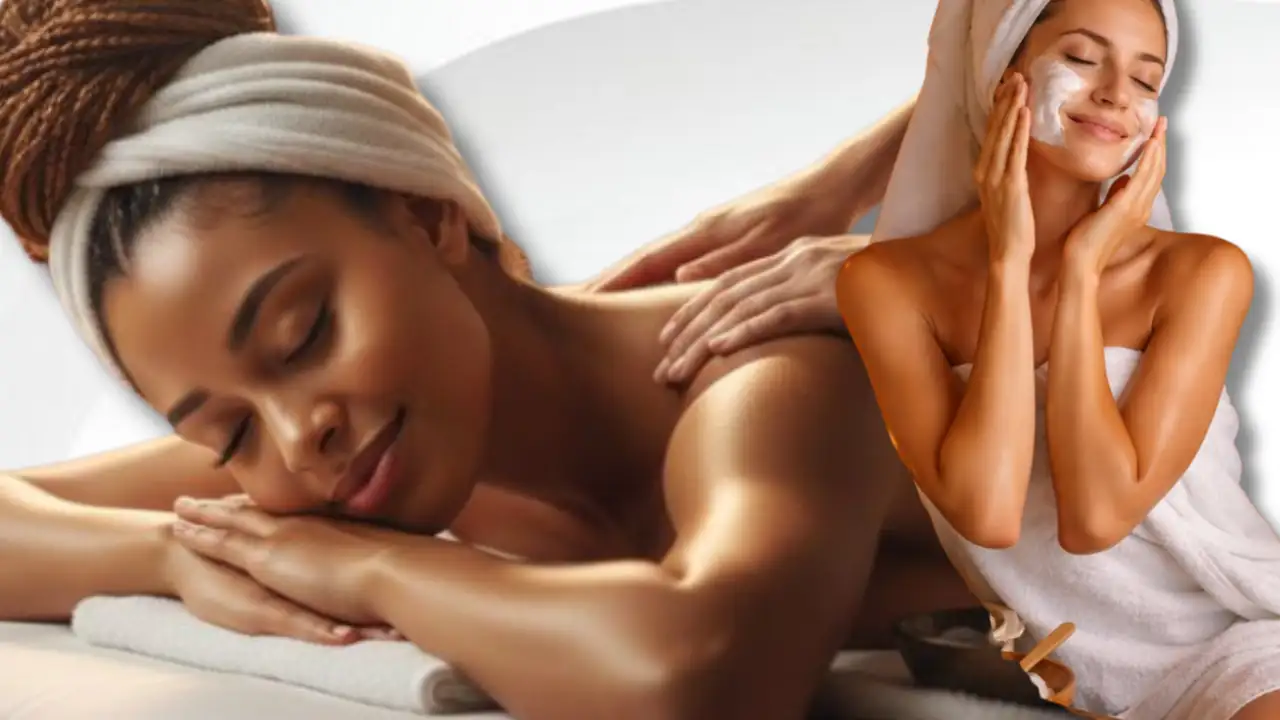
Image credit : AI generated | Glowmads are proving that the world is best explored with a face mask, a facial, and a carefully curated selfie.

What even is a glowmad?

A Glowmad is a traveller who plans trips around beauty, skincare and wellness rituals. Think less “backpacking through chaos” and more “booking a facial between museum visits.” These are the people turning holidays into full-blown glowcations, where the main souvenir is luminous skin.

Reports suggest that a significant percentage of Gen Z travellers are intentionally seeking beauty treatments and skincare shopping while abroad. Travel is no longer just about escape. It is about elevation. Emotional healing, yes. But also glass skin.

Image credit : AI generated | Much like an offshoot of wellness travel, the trend is based on ultimate glow-up, beauty, skincare, and overall wellness.

Beauty is the itinerary

Glowmad travel is curated. Destinations are chosen for their reputation in beauty and wellness. South Korea for advanced skin clinics. Paris for iconic French pharmacy staples. Kerala for Ayurveda. Tuscany for mineral-rich thermal springs. The vibe is simple: arrive tired, leave transformed.

It is not just about spa robes and cucumber water. It is targeted, tech-forward treatments, spiritual cleansing rituals, and yoga retreats that promise inner peace and outer radiance. Even airports are part of the ritual, with travellers stocking up on duty-free make-up and skincare before take-off.

Image credit : AI generated | This style of travel, dubbed “glowcations, ” emphasises indulging in the best spa retreats, discovering local beauty products, and visiting destinations renowned for transformative wellness rituals.

Skincare at 30,000 feet

The Glowmad does not pause their routine mid-air. Airplane cabins may be dry, but their skin will not be. Travel-sized serums, face mists, sheet masks and SPF-infused moisturisers are now as essential as passports. Hydration is a lifestyle.

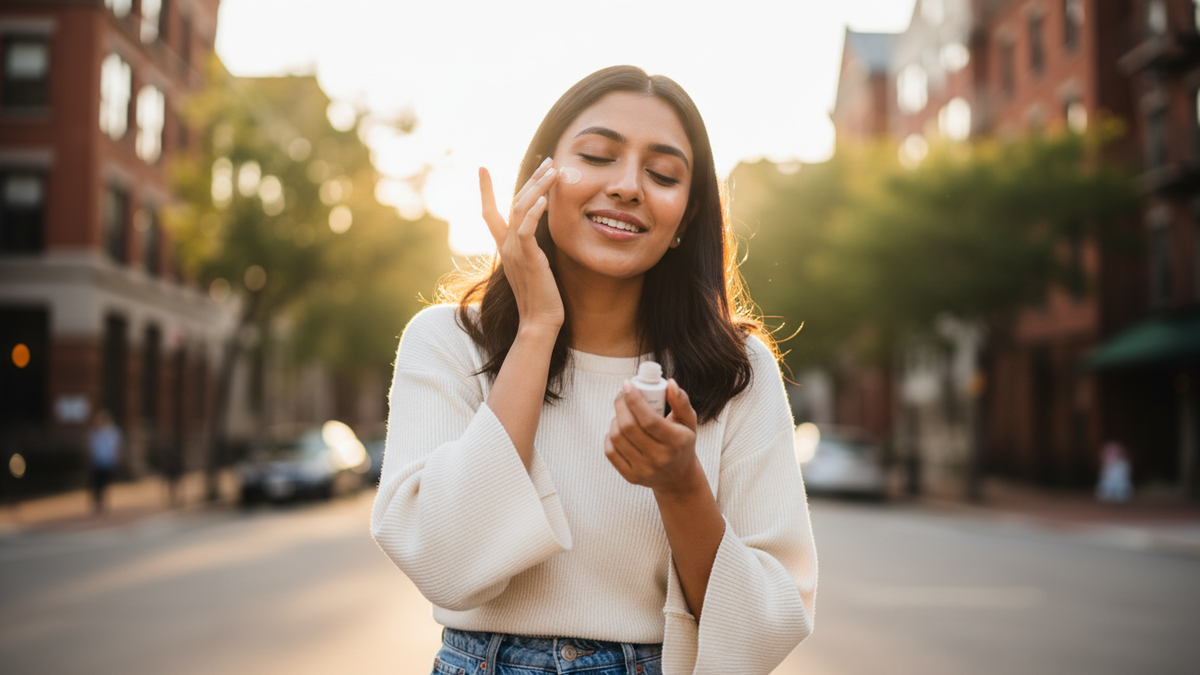
Image credit : AI generated | 2026 will see skincare and beauty rituals move beyond social media, influencing travel in many ways for some.

Who is driving it?

Primarily Gen Z and Millennials. Beauty influencers amplify the movement with in-flight routines and “pack with me” videos. Frequent flyers swear by compact, multi-tasking products to survive constant climate shifts.

The question for 2026 is simple. If your suitcase is not half spa kit, are you even travelling?

Tags: , , , , , ,
Gen Z Minimal Makeup Trends in India Market 2024 and Brands

Gen Z Minimal Makeup Trends in India Market 2024 and Brands

Lifestyle

-Oneindia Staff


Updated: Monday, December 15, 2025, 8:34 [IST]

Gen
Z
in
India
is
choosing
minimal
makeup
brands
more
often.
They
like
a
clean,
simple
look
that
feels
light
on
the
skin.
They
also
care
about
price,
skin
health,
and
honest
labels.
This
shift
is
changing
how
brands
make
and
sell
products
for
young
buyers
today.

Many
Gen
Z
users
want
makeup
that
looks
like
real
skin.
They
do
not
want
thick
layers
or
harsh
colours.
A
light
base,
soft
blush,
and
clear
lip
tint
are
popular.
Minimal
makeup
brands
offer
sheer
formulas.
These
give
a
fresh
look
that
suits
daily
college,
office,
and
travel
life.

India’s
Gen
Z
favors
minimal
makeup,
valuing
natural
looks,
skin
health,
and
honest
labels.
This
shift
involves
sheer
formulas,
budget-friendly
options,
and
supports
skin
positivity,
impacting
brand
approaches
for
this
demographic.

Social
media
trends
also
support
this
natural
style.
Short
videos
show
“no-makeup
makeup” routines.
These
routines
use
few
steps
and
light
coverage.
Young
people
feel
this
fits
their
real
life
better
than
heavy
glam
looks.
It
feels
more
honest
in
photos,
videos,
and
in
person.

Indian
Gen
Z
buyers
read
product
labels
with
care.
They
want
makeup
that
also
helps
skin
health.
Minimal
makeup
brands
often
add
care
ingredients
like
aloe,
niacinamide,
or
vitamin
C.
This
appeals
to
users
dealing
with
acne,
dark
spots,
and
oily
skin
in
a
humid
climate.

Many
also
fear
clogged
pores
from
full
coverage
products.
Light
tints,
serum
foundations,
and
breathable
powders
feel
safer.
These
products
promise
a
smooth
look
without
hiding
the
skin.
This
focus
on
gentle
formulas
fits
the
daily
needs
of
students
and
young
workers.

Simple
Routines
and
Busy
Lifestyles

Gen
Z
spends
time
balancing
studies,
side
jobs,
and
hobbies.
They
do
not
want
long,
complex
makeup
routines
each
morning.
Minimal
makeup
brands
sell
multi-use
sticks,
lip-and-cheek
tints,
and
quick
brow
products.
These
save
time
and
space
in
a
bag
or
hostel
room.

Simple
routines
also
reduce
stress
about
getting
ready.
A
few
trusted
products
are
easier
to
use
than
large
kits.
Young
users
can
do
their
makeup
on
the
metro,
in
a
cab,
or
during
short
breaks.
This
flexibility
matches
fast
city
life
across
Indian
metros
and
smaller
towns.

Budget-Friendly
Choices

Many
Gen
Z
buyers
have
limited
budgets.
They
look
for
good
value
and
clear
pricing.
Minimal
makeup
often
needs
fewer
products
to
create
a
full
look.
This
lowers
the
total
spend
compared
with
heavy
contour,
highlighter,
and
multiple
base
layers.

Indian
minimal
makeup
brands
also
offer
smaller
packs
and
combos.
Trial
sizes,
mini
tubes,
and
travel
kits
help
users
test
shades
easily.
They
can
build
a
small,
smart
kit
instead
of
a
large,
costly
stash.
This
helps
students
manage
money
while
still
following
trends.

Influence
of
Social
Media
and
Celebrities

Social
media
platforms
shape
how
Gen
Z
sees
beauty.
Many
creators
talk
about
skin
texture,
acne,
and
real
pores.
They
show
before-and-after
looks
with
thin
layers
of
product.
This
normalises
light
coverage
rather
than
a
full
face
of
heavy
makeup.

Young
film
stars
and
digital
creators
also
appear
with
softer
looks.
Dewy
skin,
fluffy
brows,
and
tinted
lips
are
common
on
shoots
and
events.
When
fans
see
trusted
faces
use
minimal
makeup
brands,
they
are
more
likely
to
try
the
same
style
and
products.

Demand
for
Honest
and
Clean
Labels

Gen
Z
buyers
in
India
want
clear
details
on
what
goes
on
their
skin.
They
check
for
claims
like
“fragrance-free,”
“non-comedogenic,” and
“dermatologist
tested.”
Minimal
makeup
brands
often
highlight
short
ingredient
lists
and
fewer
irritants.
This
supports
trust
in
a
crowded
beauty
market.

Many
young
users
also
ask
about
cruelty-free
and
vegan
options.
They
follow
brand
pages
to
see
proof
of
such
claims.
When
a
brand
is
open
about
sourcing
and
testing,
it
gains
loyal
users.
This
focus
on
honesty
matches
Gen
Z
values
on
fairness
and
care.

Gender-Neutral
Appeal

Minimal
makeup
brands
often
use
neutral
colours
and
simple
packaging.
This
makes
products
feel
open
to
all
genders.
Gen
Z
is
more
relaxed
about
makeup
as
a
form
of
self-care
rather
than
just
beauty.
Light
tints
and
clear
balms
feel
less
linked
to
old
gender
rules.

Some
young
men
and
non-binary
users
prefer
soft
coverage
to
hide
dark
circles
or
marks.
They
may
feel
shy
using
bold
products.
Minimal
makeup
gives
them
small,
easy
steps
to
feel
confident.
Brands
that
avoid
strong
gender
cues
get
more
acceptance
within
this
group.

Suitability
for
Indian
Skin
Tones
and
Climate

Indian
Gen
Z
wants
shades
that
match
deeper
and
warm
skin
tones.
Minimal
makeup
brands
focus
on
flexible
tints
that
blend
across
many
tones.
Sheer
formulas
can
adapt
better
in
a
diverse
country
with
many
complexions.
This
reduces
the
risk
of
ashiness
or
mismatch.

Climate
also
plays
a
role.
Heat
and
humidity
can
break
down
thick
layers.
Lightweight
formulas
last
longer
and
feel
more
comfortable.
Oil-control
tints,
sweat-resistant
bases,
and
transfer-minimising
lip
products
are
in
demand.
These
features
help
users
stay
fresh
through
long
commutes
and
workdays.

Support
for
Skin
Positivity

Gen
Z
often
talks
about
acne,
scars,
and
texture
openly
online.
They
support
skin
positivity
movements
that
accept
flaws.
Minimal
makeup
supports
this
idea
by
not
fully
hiding
the
skin.
It
softens
marks
but
does
not
erase
them.
This
balance
feels
honest
for
many
young
users.

Brands
that
avoid
harsh
filters
and
heavy
editing
gain
trust.
When
product
photos
show
real
pores
and
lines,
buyers
feel
seen.
This
links
minimal
makeup
with
mental
comfort,
not
just
outer
looks.
Many
choose
such
brands
to
avoid
pressure
for
a
perfect
face.

Tags: , , , , , ,
7 things Gen Z ditched in their beauty routines that actually make them glow more

7 things Gen Z ditched in their beauty routines that actually make them glow more

There’s something refreshing about watching a younger generation reinvent the rules most of us grew up believing were carved in stone.

I’ve spent years noticing how beauty habits reflect our inner lives, and Gen Z seems to have tapped into an honesty and ease that many of us took decades to discover.

These shifts aren’t just about makeup or skincare. They’re about choosing gentleness, trusting your instincts, and letting your natural self take the lead.

Here are seven things Gen Z has let go of that, surprisingly, make them glow more than ever.

1) Heavy, full-coverage everything

I remember the days when foundation had to be thick enough to cover every pore, every mark, every shadow.

If you could still see your skin underneath, you were told to add more.

Gen Z took that idea and quietly set it aside.

They’re choosing lighter formulas, skin tints, and products that let their freckles, textures, and real skin show through.

It’s a shift from perfection to presence, and it shows.

Skin can breathe, move, and look alive, which creates a glow that makeup alone could never replicate.

When I finally let go of full-coverage make-up, I realized how much energy I’d spent trying to hide.

The less I chased the “flawless face,” the more confident I felt walking out the door with my own skin.

2) Over-washing their skin

For years, I thought that tight, squeaky-clean feeling after cleansing meant my skin was spotless and healthy.

Looking back, it’s clear my poor skin was just stripped and desperate for moisture.

Gen Z figured this out early. Many of them skip the morning wash, use gentler cleansers, or reach for micellar water instead of foaming formulas that disrupt the skin barrier.

The result is softer, calmer, more balanced skin.

And there’s something about this gentle approach that feels symbolic too, like an invitation to check in with what you actually need instead of assuming more is better.

It reminds me of gardening, which is one of my favorite weekend activities. Overwatering a plant doesn’t help it grow.

Sometimes the healthiest thing you can do is step back and let nature do its work.

3) Long, complicated routines

There was a time when I genuinely believed that if my skincare routine wasn’t at least ten steps long, I was doing it wrong.

Serums, mists, acids, essences, oils, eye creams, and boosters all lined my bathroom counter like tiny soldiers.

Gen Z took one look at that level of overwhelm and decided they’d rather not spend their evenings performing a chemistry experiment.

They embrace simple routines that focus on essentials like cleansing, moisturizing, and sunscreen, with one or two additional steps only if they’re truly helpful.

Their skin benefits from less irritation and fewer conflicting ingredients. Their minds benefit from not having to make thirty tiny decisions before bed.

And honestly, every time I cut unnecessary steps out of my own routine, I feel lighter mentally too.

Simplicity has a way of creating space, and our skin often responds beautifully to that space.

4) Heat styling every day

I used to think of daily heat styling as part of being “put together.”

Straighteners, curlers, and blow dryers were as routine as brushing my teeth, even though my hair always looked a little fried at the ends.

Gen Z has embraced air-drying and letting natural texture shine.

They use heat tools sparingly, and they don’t apologize for hair that looks like actual hair instead of something sculpted into submission.

This change gives their strands a break from constant damage. It also softens the pressure to present a polished version of yourself at all times.

Whenever I step out with my natural waves, I notice I feel more at ease.

Something about letting go of control brings a glow that has nothing to do with shine sprays or serums.

5) Harsh physical exfoliants

If you’ve ever used a grainy scrub that felt like rubbing sand across your face, you probably thought you were doing something good for your skin.

I certainly did. Those scrubs were sold as the secret to smoothness, even though they often caused more irritation than improvement.

Gen Z quickly moved away from those harsh formulas.

Many of them use chemical exfoliants sparingly, and some skip exfoliation altogether when their skin feels even the slightest bit sensitive.

This intuitive approach keeps their skin barrier strong and reduces redness and inflammation.

It shows an awareness of cause and effect that many of us developed only after years of trial and error.

One esthetician once told me that healthy skin responds best to cooperation, not force. That advice applies to so many areas of life, not just beauty routines.

6) Ignoring the gut health connection

For a long time, skincare was treated as something that happened only on the surface.

Food and stress were seen as separate issues that had little to do with your complexion.

Gen Z has bridged that gap beautifully.

They talk openly about probiotics, hydration, whole foods, and the link between digestion and inflammation, and they recognize that glowing skin often starts with internal balance.

As someone who eats a plant-based diet and spends time around farmers’ markets, I’ve seen firsthand how much our skin reflects what’s happening internally.

Even simple changes like drinking more water, eating more fiber, or reducing processed foods can transform the clarity and texture of your skin.

This generation approaches beauty with a whole-body mindset. They see skincare not as an isolated task but as part of their overall wellbeing.

And honestly, it’s paying off.

7) Chasing one specific beauty ideal

Every generation before Gen Z has had a dominant beauty standard that everyone secretly (or not so secretly) tried to match.

The thin brows, the thick brows, the tanned skin, the ultra-matte look, the glossy look, the perfectly sculpted faces. The pressure to fit a specific mold was relentless.

Gen Z is rewriting that narrative. Instead of chasing one aesthetic, they celebrate individuality and experimentation.

Freckles, texture, bare faces, bold makeup, shaved heads, natural curls, and acne-prone skin are all seen as valid expressions of beauty.

This shift is powerful because it removes the pressure to look a certain way.

Confidence grows when you stop fighting yourself, and that confidence creates a glow that no highlighter can imitate.

There’s a quote I love that says authenticity is magnetic.

You can see that magnetism in the way Gen Z walks through the world without needing to shrink or shape themselves to match a trend.

Final thoughts

What strikes me most about these seven changes is the intention behind them. Gen Z isn’t just ditching old habits.

They’re choosing gentleness over harshness and mindfulness over pressure, and they’re tuning into what feels right rather than what they’re told to do.

That shift creates a deeper kind of glow. It comes from trusting your instincts, caring for yourself with respect, and giving your body room to thrive.

Maybe that’s why these habits resonate so much with me.

They’re not really beauty tricks. They’re quiet lessons in listening inward, letting go of unnecessary stress, and embracing the parts of yourself that were always enough.

If you had to choose one of these changes to try, which one feels like it would support your own version of glowing more?


What’s Your Plant-Powered Archetype?

Ever wonder what your everyday habits say about your deeper purpose—and how they ripple out to impact the planet?

This 90-second quiz reveals the plant-powered role you’re here to play, and the tiny shift that makes it even more powerful.

12 fun questions. Instant results. Surprisingly accurate.


Tags: , , , ,
The New Rules of Selling Beauty to Gen Z Guys

The New Rules of Selling Beauty to Gen Z Guys

In the last two years, the bathroom mirror has stopped being the domain of women. Young men — armed with skincare serums, hair-growth devices and ever-expanding fragrance drawers — are rewriting the rules of male grooming.

“I used to grab whatever face wash was on offer. Now, I’m checking ingredients, saving TikToks about routines and actually budgeting for skincare,” says 24-year-old Martin, who works in the civil service and uses Horace face wash, Kiehl’s moisturiser and Malin + Goetz’s leather fragrance. “My mates and I send each other product links the same way we send gym tips. When someone says, ‘Your skin looks good,’ it feels great, like proof the effort is working.”

Across TikTok and Instagram, creators are helping to normalize a new, more expressive approach to men’s beauty. French-Vietnamese TikTok star Bách Buquen, for example, has gone viral for men’s makeup routines, while UK grooming and fragrance creator Luke Christian has amassed a following for his skin-first approach and product breakdowns. According to Cosmetic Business, male beauty and grooming sales surged 77% year-on-year in the UK, driven by young men and celebrity-led launches. NFL tight end Kyle Pitts was recently named the first-ever ambassador for men’s grooming brand Bevel, while Pharrell Williams’s Humanrace, Brad Pitt’s Le Domaine and Harry Styles’s Pleasing continue to pull male consumers deeper into the category.

Aesthetics clinics, too, report sharp increases in male clients seeking treatments once perceived as taboo. “Over the last three to four years, I’ve noticed a real rise in male patients coming through the doors — often people you wouldn’t necessarily expect. We’re seeing construction workers, heads of construction companies, CEOs, lots of corporate men in London, and, of course, A-listers and athletes,” says plastic and reconstructive surgeon Ash Soni, who has seen increasing demand for Botox, polynucleotides and Sculptra at his clinic in The Langham, London. Men, Dr. Soni adds, prefer language like “fresh”, “healthy-looking”, or “less tired” for discussing skin goals, rather than “beauty”.

The global men’s health and wellness market is forecast to reach $2.57 trillion by 2029, growing 12.4% annually, according to Daedal Research, with wellness culture increasingly shaped by contemporary ideals of performance, longevity and self-improvement. Strategic foresight agency The Future Laboratory calls this the “bromeopathy era” — an empirically driven, hyper-functional counterpart to traditional wellness. “In many ways, it’s an empirical alternative to the ‘Goopification’ of the industry, where stern and stoic language combines with scientific research and data for a distinctly masculine feel,” writes Adam Steel, in The Future Laboratory’s The Bromeopathy Market report.

Tags: , , , ,
Best oLive
Privacy Overview

This website uses cookies so that we can provide you with the best user experience possible. Cookie information is stored in your browser and performs functions such as recognising you when you return to our website and helping our team to understand which sections of the website you find most interesting and useful.