Manucurist Founder Gaëlle Lebrat Personnaz Wants Your Nails to Have Their Own Skincare Routine

Manucurist Founder Gaëlle Lebrat Personnaz Wants Your Nails to Have Their Own Skincare Routine

Flawless from head to toe! Manucurist founder Gaëlle Lebrat Personnaz wants you to treat your nails like your skin, and celebs like Jennifer Lopez, Hailey Bieber, Margot Robbie, and Gwyneth Paltrow have already gotten the memo. 

Not only do the lacquers come in 90+ shades to complement every look, but the vegan, plant-based formulas also take a skincare first approach to nailcare with products that plump, brighten, smooth, and protect.

“Your nails are just as sensitive as your skin,” the CEO tells ET. “Like our skin, nails are exposed to environmental stress, lifestyle habits, and daily wear. You wouldn’t apply a glowing foundation to damaged skin, and the same logic applies here.”

Manucurist

When it comes to nailing the perfect mani, Personnaz says prep is key.

“Always file in one direction, soften cuticles with a drop of emollient, gently buff the surface, and clean the nail plate with a mild remover. Then, apply a thin base layer, two coats of color, and a topcoat.” 

From there, use the Active treatment range for polishes that double as serums.

“You can wear them solo, but the real fun is in the layering. Apply one, two, or even three together to create different finishes, just like you would with your makeup routine. It’s nail care that plays like beauty.”

Manucurist

For extra shine, Personnaz reaches for the Green Flash collection for salon-level results or a trend-forward twist.

“I’m inspired by the worlds of fashion, design, art, and even travel. A nail color should spark emotion, just as a beautiful garment or a work of art would,” she shares.

Right now, it’s all about the reimagined French manicure with “micro, upside-down, multicolored and textured pearl, glazed, or glossy tips.”

Because for Personnaz, nails aren’t just an accessory, they’re a statement.

Manucurist

“A manicure is that little detail that changes everything. Like a great pair of shoes or a beautiful bag, it completes your look. Well-groomed nails show that you care about yourself and it gives your confidence,” she notes.

To maintain her mani, the businesswoman always keeps hydrating staples and handy tools close.

“I finish my face routine by applying the extra product to my hands and use the rose nouvelle balm to hydrate my cuticles, hands, and lips. I carry our gentle glass nail file, and whenever I travel, I bring the Complete Nail Serum with me. Before bed, I massage in some cuticle oil for soft hands by morning.”

RELATED CONTENT:


Tags: , , , , , , ,
Holographic Eyes Are Winter's Coolest Makeup Trend

Holographic Eyes Are Winter’s Coolest Makeup Trend

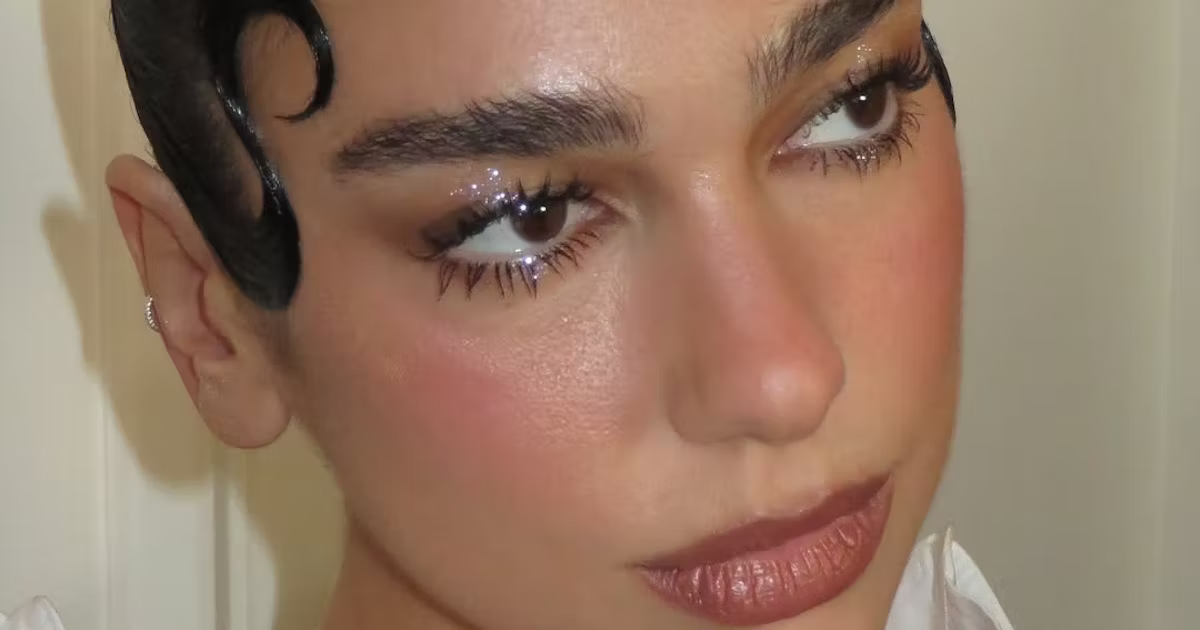
You don’t have to wait for a New Year’s party invite to sparkle. As temperatures drop and shimmers sneak back into your makeup bag, ice queen beauty is back.

Once defined by the frosted lips and baby-blue lids of the early 2000s, frosted makeup is getting a sleeker reboot this winter. Think of it as the high-shine sister of “clean girl” glam. But it’s not just about glossy skin and lips. Enter: holographic eyes.

The look has caught fire on TikTok, where creators are layering opalite shadows that flash between lilac, silver, and seafoam — a grown-up nod to the frosted look that Hilary Duff and Britney Spears once rocked. But beauty lovers today are trading the chunky glitter of the early aughts for a softer iridescence, making the nostalgic eye look feel more Euphoria than indie sleaze.

Celebrities like Dua Lipa, Lily Allen, and Gabriette have been spotted playing with shimmery lids recently, while brands like Dior and MAC are fueling the revival with chrome paints and palettes. The result? Part ice queen, part snow fairy — and 100% the coolest look of the season.

How To Rock Holographic Eyes

The beauty of holographic eyes is that they can be as subtle or extra as you want. For beginners, start with a creamy pigment — shades that land somewhere between icy blue, lilac, and silver tend to look the most dimensional. Dab the product across your lids with your fingers for an effortless sheen.

For a full-glam ice queen look, layer a chrome pigment over concealer and sticky eyelid primer. Concentrate the product in the inner corners and blend out with a fluffy brush for a dramatic pop of shimmer. Add a touch of holographic liner to your lower lash for an extra doe-eyed effect.

If you’re leaning grunge instead of ethereal, holographic still works. Just smudge a darker shadow in the outer and inner corners, then blend the holographic pigment in the middle for a halo eye look. The contrast between grit and gloss gives it that ultimate cool-girl Gabriette vibe. Pair it with a concealer lip if you’re feeling the ’90s inspo.

Shop The Trend

There’s just something about the cold weather that calls for shimmer. Is sparkle the cure for getting out of a seasonal slump? Either way, holographic eyes embody everything that makes winter makeup feel fun and dynamic.

The reflective finish pops against neutral knits and flushed cheeks, making the look more wearable than you might think. It’s not about being over-the-top — though you can certainly choose that route. It can also be effortless, like a coincidental sparkle that landed on you from a Christmas decoration.

After months of bronzed makeup, it’s time to trade the warmth for frost — and let your lids do the shimmering.

Holographic Eye Essentials

Get Even More From Bustle — Sign Up For The Newsletter

From hair trends to relationship advice, our daily newsletter has everything you need to sound like a person who’s on TikTok, even if you aren’t.

Tags: , , , , ,
CNA938 Rewind - Mind Your Money - Can our beauty routines generate less waste?

CNA938 Rewind – Mind Your Money – Can our beauty routines generate less waste?

How big is the false eyelashes market? How is this sector contributing to landfill waste? Can the use of biodegradable lashes be one of the solutions that could make this a more sustainable beauty practice? Hui Wong learns more about this eco-beauty effort and the skills and training opportunities for those dreaming of such a side hustle with Jasmin Tay, founder of Perky Lash.

Tags: , , , , , , ,
The art of grillz: How tooth jewellery became a must-have accessory

The skincare investment everyone is talking about

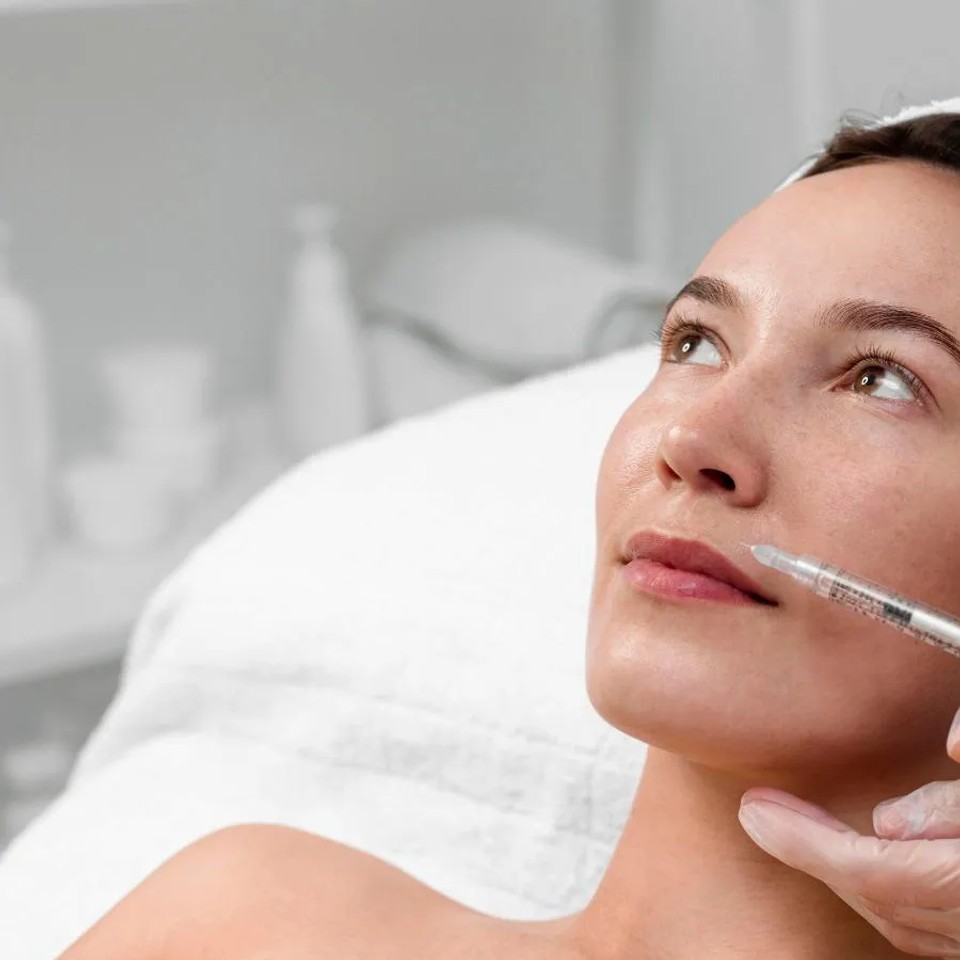
Think of this beauty approach as a savings account for your skin. Instead of waiting for fine lines and sagging to show up, experts recommend “depositing” collage to your skin to reap the benefits later. Collagen banking— a combination of in-clinic biostimulatory treatments (that prompt your immune system to produce collagen), smart at-home routines and lifestyle choices — is redefining preventative skincare. Once a niche concept whispered about in dermatologist offices, it is now trending in the beauty world. But what is collagen banking and how do you know if it’s right for you?

We sat down with Dr Alek Nikolic, renowned aesthetic medicine specialist, to unpack the science, the hype and the insider tips behind this future-focused approach to skin longevity. 

GLAMOUR: For those new to the concept, what is collagen banking and how does it work in the skin?

Dr Nikolic: Simply put, collagen banking is building up extra collagen — a “bank” — so that, when ageing starts taking place, that process is slowed down. In our 30s we already start producing less collagen. By increasing the stores of collagen in the skin early on, there’s more to draw from later — which means the visible signs of ageing appear more slowly.

G: How does collagen banking differ from everyday “anti-ageing” treatments or a good skincare routine?

Dr Nikolic: It’s not entirely different. You’re still stimulating collagen, but you get a much greater degree of stimulation with certain procedures than you can with topicals alone. A skincare regime can only achieve so much; treatments like fractional lasers, skin boosters or needling devices stimulate far more collagen and therefore create a bigger “bank.”

G: Can you walk us through the most effective professional treatments for stimulating new collagen?

Dr Nikolic: Injectable skin boosters are at the top; they’re hyaluronic acid-based injectables designed to increase collagen production and improve its structure. Dermapen or needling creates controlled micro-injuries at a set depth in the skin to trigger new collagen, and fractional lasers work on a similar principle but use laser energy instead of needles. These all stimulate collagen — and even elastin — during the healing phase.

G: How does collagen production differ when you’re in your 20s compared to when you’re in your 40s?

Dr Nikolic: In your 20s, your collagen is still healthy, thick and well-orientated. Production is at its peak. By your30s, it begins to decline but you don’t notice it yet because your skin is still thick enough. In your 40s and 50s,the change is obvious — biopsies show thinner skin, fewer collagen fibres and a looser structure compared to someone in their 20s.

G: Besides in-clinic procedures, what at-home habits or products can help preserve collagen?

Dr Nikolic: From a young age, keep it simple but consistent. Cleanser and moisturiser day and night, and SPF every morning (this is a non-negotiable for protecting collagen). Add a vitamin C serum in the morning, retinol or vitamin C at night, and a gentle alpha- or beta-hydroxy acid(AHA or BHA) exfoliator a few times a week to encourage cell renewal and collagen production.

G: Are some areas of the face or body more responsive to collagen banking than others?

Dr Nikolic: Yes. The thicker the skin, the better the response. Skin on your body, for instance, responds more robustly than facial skin. The thinnest skin on the body is the skin around the eye area, which is the first to show signs of sun damage and ageing — and it’s also one of the most difficult areas to treat. Genetics also play a role: someone with naturally thicker, more collagen-rich skin will respond better to collagen stimulating treatments.

G: Are there any risks of overdoing collagen-stimulating treatments?

Dr Nikolic: It’s less about “too much collagen” and more about not giving the skin time to heal. Once you stimulate collagen, give it at least three to four weeks to form before doing another treatment. For example, a Dermapen session followed by a laser two weeks later is too soon; spacing them six weeks apart is perfectly safe.

G: What skin treatments would you recommend for different skin types?

Dr Nikolic: Here’s a general guideline:

  • For oily skin, make sure products and peels are indicated for oil control to prevent stripping the skin barrier.
  • For dry skin, stabilise with a strong topical regime first, then reassess.
  • Normal skin can be maintained with topicals and peels, needling or laser if desired.
  • Acne-prone skin needs a targeted regime and peels designed to reduce bacteria and unclog pores.
  • Combination or sensitive skin requires a tailored, gentle approach. Normalise the skin first, then layer on other treatments as tolerated.

G: What advice do you have for someone nervous about trying aesthetic skincare treatments?

Dr Nikolic: Do your research and find a clinic that listens to you. In our practice, everyone starts with a full skin analysis and, if needed, patch tests before treatments. Ask about side effects, benefits, costs and treatment intervals. You don’t have to commit to a procedure on the first visit —book a consultation, see how you feel and decide from there.

Tags: , ,
Best oLive
Privacy Overview

This website uses cookies so that we can provide you with the best user experience possible. Cookie information is stored in your browser and performs functions such as recognising you when you return to our website and helping our team to understand which sections of the website you find most interesting and useful.