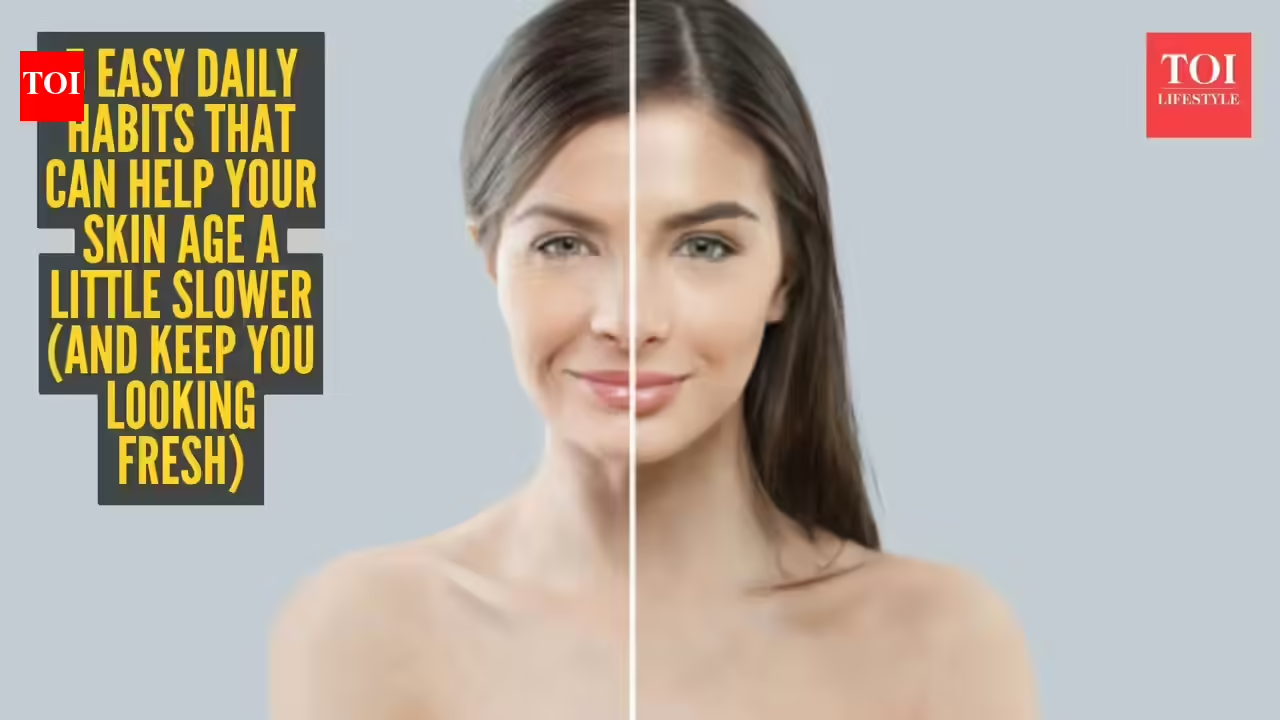
5 habits to incorporate in your daily routine if you want to slow skin ageing and look young

5 habits to incorporate in your daily routine if you want to slow skin ageing and look young

You can apply the best products in the world, but if your diet is all over the place, your skin will show it.

What you eat plays a huge role in how your skin looks and feels.

Try adding more:

Fresh fruits (berries, oranges, papaya)

Vegetables (spinach, carrots, broccoli)

Nuts and seeds

Healthy fats like walnuts or flaxseeds

These are packed with nutrients that help your skin stay healthy and deal with damage.

At the same time, try not to overdo sugar and junk food. Too much sugar can damage collagen over time, which leads to faster ageing.

You don’t have to eat perfectly – just be a bit more mindful on most days.

Tags: , , , , , , ,
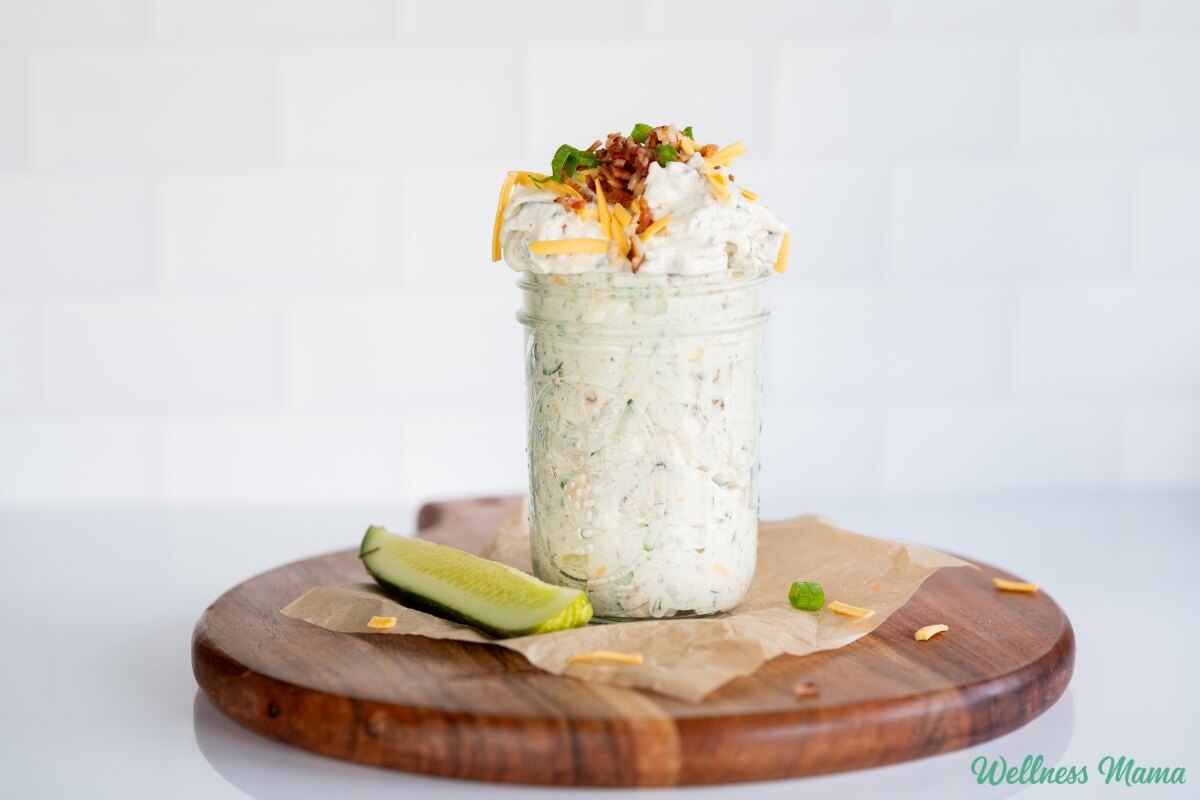
dill pickle dip

Dill Pickle Dip (With Clean Ingredients)

Summer is a time where fresh, seasonal veggies are abundant at the farmer’s market and in the garden. My kids have no problem eating their veggies, but our family enjoys them so much more with a good dip. This dill pickle dip is creamy, tangy, and everything you’d want in a dip. 

You might have seen the viral pickle dips going around on social media. While they do look delicious in the videos, they lean towards some ingredients I’m not a fan of. The good news? You can easily make your own dill pickle dip recipe with cream cheese and all of the good stuff, but with clean ingredients. 

Dill Pickle Dip (But Make it Clean)

Pickle dip made with Grillo’s dill pickles is all the vibe right now. And if you look at the ingredients list, it’s actually pretty clean. However, they’re not at every grocery store, and I prefer to use organic pickles whenever I can. 

If you’re up to making your own, fermented is hands down one of the best options. They’re naturally bubbling with healthy probiotics and are great for gut health. You can even make a more conventional homemade pickle with organic ingredients at home. Here are my recipes for both.

Don’t have the time or desire to make pickles from scratch? Bubbies brand from the refrigerator section is traditionally fermented and a good alternative. 

Dairy Options

The main ingredients in the dip are cream cheese, sour cream, and Greek yogurt. They create the smooth, creamy base for the tangy pickles. Cream cheese adds richness, sour cream and yogurt add a little tang, and the yogurt gives some lightness to the dip. 

I love this dill pickle dip with Greek yogurt, but other recipes make their dill pickle dip with cottage cheese. If you’re looking for a high protein dip made with cottage cheese, then you might like this smoked salmon dip or my radish dip. 

Probably the biggest clean ingredient swap in this dill pickle dip recipe is the ranch dressing seasoning. Sure you can grab a packet of ranch seasoning at any grocery store, but it’s hard to find one without MSG, artificial flavors, and mystery “spices.”

Years ago I came up with my own ranch seasoning recipe. I’ll make a big batch and use it as needed for dips, meats, and this pickle dip. You can also find a premade ranch powder here with pretty good ingredients if you prefer to buy it. 

Tips For Making Pickle Dip

Shredding your own cheese may seem like an unnecessary step, but I think its worth it. Most shredded cheese blends are coated in anti-caking agents like cellulose, which is basically sawdust (yes, really!). Often one of the kids will shred the cheese while I’m stirring together the rest of the dip. 

This pickle dip actually gets better the longer it sits. Make it the night before a party and it’ll be even more flavorful the next day. I like to save some extra bacon bits to sprinkle on top right before serving for extra crunch. It also keeps well in the fridge for up to 4 days.

You can also easily adjust the spice level in this dip. Keep some of the jalapeno seeds in if you like it more spicy or add more hot sauce. Don’t like the heat? Leave the hot peppers out completely. 

With pasture-raised bacon, organic dairy, fresh spices, and probiotic pickles, this clean dill pickle dip is sure to be a hit!

Dill Pickle Dip

The viral pickle dip everyone is making… made clean with real-food ingredients. No ranch packets, no seed oils, no additives. Ready in 10 minutes and gone even faster.

  • 8 ounces cream cheese (softened)
  • ½ cup sour cream (full-fat)
  • ½ cup plain whole milk Greek yogurt
  • 1½ TBSP ranch dressing mix (homemade)
  • 1½ cups dill pickles (finely chopped)
  • 2 TBSP pickle juice (reserved from jar)
  • 4 green onions (thinly sliced)
  • ½ cup cheddar cheese (freshly shredded)
  • 4 slices bacon (cooked crispy and crumbled)
  • 1 jalapeno (optional, seeded and finely diced)
  • 1 tsp hot sauce
  • 1 tsp salt (or to taste)
  • ½ tsp black pepper
  • Add the cream cheese, sour cream, and Greek yogurt to a large bowl. Beat together until smooth and creamy. A hand mixer gives the fluffiest texture, but a sturdy spoon works fine too.

  • Stir in the ranch seasoning, hot sauce, salt, and pepper until fully combined.

  • Add the chopped pickles, pickle juice, green onions, shredded cheddar, crumbled bacon, and jalapeño if using. Fold gently until everything is evenly distributed.

  • Taste and adjust as desired. Add more pickle juice for extra tang, more hot sauce for heat, or a pinch more salt if needed. Keep in mind the pickles are already salty so go slow.

  • Cover and refrigerate for at least 1 hour before serving to allow the flavors to meld.

  • Transfer to a serving bowl. Garnish with extra bacon crumbles, chopped pickles, or sliced green onion.

Nutrition Facts

Dill Pickle Dip

Amount Per Serving (1 serving)

Calories 225
Calories from Fat 171

% Daily Value*

Fat 19g29%

Saturated Fat 10g63%

Trans Fat 0.02g

Polyunsaturated Fat 1g

Monounsaturated Fat 6g

Cholesterol 52mg17%

Sodium 1005mg44%

Potassium 154mg4%

Carbohydrates 6g2%

Fiber 1g4%

Sugar 3g3%

Protein 7g14%

Vitamin A 675IU14%

Vitamin C 4mg5%

Calcium 126mg13%

Iron 0.3mg2%

* Percent Daily Values are based on a 2000 calorie diet.

  • Serve with grain-free crackers, cucumber rounds, carrot sticks, celery, or pork rinds.
  • I also like topping the dip with some fresh dill for garnish and extra flavor.

More Healthy Dip Recipes

If you’re looking for even more clean dip recipes, give some of these a try!

What are some of your favorite dips to use or make? Leave a comment and let us know!

Tags: , , , ,
Kiwano cucumber: A hydrating fruit for skin health

A hydrating fruit for skin health

Follow this guide

What’s the story

African cucumber, popularly known as kiwano, is taking the skincare world by storm. Its hydrating properties are a boon for those looking to revitalize their skin naturally.
Packed with vitamins and antioxidants, African cucumber provides a refreshing alternative to conventional skincare products.
Here’s how this exotic fruit can be incorporated into your daily routine for healthier, more radiant skin.

Nutrient-rich composition

African cucumber is loaded with essential nutrients, such as vitamin C, vitamin A, and potassium.
These nutrients help in promoting collagen production and protecting the skin from free radicals.
The high water content of the fruit also keeps the skin hydrated, making it an ideal choice for dry or dehydrated skin types.

Antioxidant benefits

The antioxidants in African cucumber are essential for fighting oxidative stress on the skin.
These antioxidants minimize the appearance of fine lines and wrinkles by neutralizing free radicals that damage cells.
Regular use of products containing this fruit can improve skin elasticity and give you a youthful appearance.

Versatile skincare uses

African cucumber can be used in various forms in your skincare routine. From face masks to serums, its gel-like texture makes it an ideal ingredient for DIY recipes.
You can blend it with other natural ingredients, like honey or aloe vera, for added benefits.
Its versatility makes it easy to incorporate into different skincare regimens without any hassle.

Easy incorporation tips

To reap the benefits of African cucumber, try adding it to your morning smoothie or juice for an internal hydration boost.
For external application, use it as a facial mask by blending the flesh with honey and applying it on your face for about 15 minutes before rinsing off with warm water.
This simple routine can help refresh tired-looking skin effectively.

Tags: , , ,
Global Cosmetics News

Street Talk 2026: Skin Care – Episode Two: Skin Type – Normal

Featuring: Mia

Summary

Mia describes her skin as normal, but her routine is shaped by past dermatitis and a cautious approach to skincare. After experiencing irritation, she now keeps things simple: water cleansing and a fragrance-free moisturiser recommended by a doctor. Her ideal product is light, natural-feeling and completely fragrance-free.

Meet Mia: Normal Skin, Sensitive History

Mia says her skin is “probably normal”, but she doesn’t follow a traditional skincare routine.

Because she has experienced dermatitis, she avoids unnecessary products and usually washes her face with water only.

Pull quote: “I don’t really have a skincare routine.”

A Doctor-Recommended Minimal Routine

Mia’s current routine is intentionally simple.

She uses:

  • Water to cleanse
  • A natural, fragrance-free moisturiser from the chemist
  • A product she thinks is called Doublebase

This reflects a shift away from complex skincare and towards barrier-friendly basics.

Shopping Habits: In-Store and Practical

Mia usually buys skincare in-store, mentioning retailers such as Space NK and pharmacies.

Her shopping behaviour is practical, cautious and guided by skin tolerance rather than trends.

Treatments: Interested, But Reluctant

Mia says she would consider facials, but remains hesitant because of her dermatitis history.

For her, professional treatments may be appealing, but the risk of irritation creates a clear barrier.

Pull quote: “I’d consider getting facials… but I’m definitely reluctant.”

What She Wants From Skincare

Mia’s ideal product would be:

  • A light moisturiser
  • Completely fragrance-free
  • Natural-feeling
  • Gentle and non-intimidating

She says she is now “quite scared” to put products on her skin after previously being influenced by skincare trends and using a long, heavy routine that she feels damaged her skin.

Pull quote: “I’m quite scared and reluctant to put things on my skin.”

Key Takeaways for Brands

  • “Normal” skin consumers may still have strong sensitivity concerns.
  • Past irritation can push consumers towards minimalist routines.
  • Fragrance-free claims remain highly important for cautious users.
  • Overcomplicated routines can create distrust and category fatigue.
  • Barrier-friendly, light moisturisers offer a clear opportunity.

Tags: , , , , , ,
Dermatologists Say Your Post-Gym Skincare Routine Might Be Causing Breakouts

Dermatologists Say Your Post-Gym Skincare Routine Might Be Causing Breakouts

My pre-workout skincare routine is the height of minimalism. I cleanse, and if I’m running or spending time outside, I’ll slap some SPF and call it a day. After the session, however, that’s when it starts to get more complicated. I have acne-prone skin, so post-workout breakouts are a very real concern for me.

Vogue’s post-gym skincare routine at a glance:

La Roche-Posay Toleriane Dermo-Cleanser

Read more

The Best For Oily Skin: Haruharu Wonder Black Rice Moisture 5.5 Soft Cleansing Gel

Read more

“If your skin seems to punish you for doing something healthy, you’re not imagining it,” skin specialist Libi Roos confirms. “Post-workout breakouts are incredibly common – but also completely fixable once you understand what’s really going on.

I take a “time is of the essence” approach to removing the sweat and bacteria from my face, and even though body acne isn’t something I generally experience, I jump in the shower as quickly as possible as a preventative measure. But why does it occur? “It’s not the sweat,” Roos stresses. “It’s what happens afterwards.”

She is not referring to the workout itself, but the go, go, go nature of modern life. “Sweat is not your enemy. It’s mostly water and salt – your body doing exactly what it should. The problem? Real life. You do the class, take a call on the way home, grab a coffee — and the sweat just sits there. That’s when it starts mixing with sebum (your skin’s natural oil), dead skin cells and bacteria (including whatever was on that Pilates mat). This creates the perfect pore-clogging cocktail. At the same time, your skin is in a more vulnerable state; your barrier is slightly compromised, your pH is disrupted, and your pores are more open from heat. So anything already on your skin – SPF, leftover make-up, pollution (especially in a city like London) – is now part of the problem.”

Tags: , , , , ,
Beauty and wellness spending becomes more calculated

Beauty and wellness spending becomes more calculated

Greek consumers are adopting a more structured and strategic approach to spending on beauty and wellness products, according to a Revolut survey conducted by market research company Dynata.

The findings indicate a clear shift in how individuals manage their personal care budget, with spending increasingly treated as a planned financial category rather than an impulsive activity.

The research shows that 25 per cent of respondents actively plan and save money for personal care, highlighting a more strategic approach to lifestyle-related spending.

This marks a broader move away from impulsive purchases, with consumers becoming more disciplined in how they allocate funds for beauty and wellness.

At the same time, 20 per cent of respondents said they are more likely to spend when there are discounts or promotions, underlining the continued importance of value for money in purchasing decisions.

The study also shows that personal care remains a priority even under financial strain.

Around 10 per cent of respondents said they make sacrifices in other areas to maintain their spending on beauty and wellness needs.

A further 3 per cent admitted they exceed their planned budget in order to avoid disrupting their established personal care routines.

The findings also point to a significant decline in celebrity influence on consumer decisions in Greece.

Instead, purchasing behaviour is shaped more by trust, authenticity and personal recommendations.

The survey found that 31 per cent of respondents said they are influenced by family and friends, while 17 per cent rely on advice from professionals such as dermatologists and experts.

In addition, 7 per cent are influenced by social media creators, while only 2 per cent said that celebrities affect their choices.

The research suggests that financial tools are becoming increasingly relevant as consumers seek better ways to manage lifestyle spending.

When asked what would encourage them to spend more on beauty and wellness, 33 per cent of respondents selected personalised offers.

A further 31 per cent pointed to loyalty programmes, while 25 per cent said interest-free instalment payment options would be a key incentive.

Meanwhile, 9 per cent said they would value a dedicated savings feature for personal care budget management.

“The findings show that Greek consumers are approaching spending on beauty and wellness with greater planning and consideration,” Ignacio Zunzunegui, Head of Growth for Southern Europe and Latin America at Revolut, said.

“We are seeing increasing demand for financial tools that help manage lifestyle-related spending, whether through saving, accessing benefits via purchases or closely tracking expenses,” he added.

“Financial technology is helping consumers maintain their preferred habits while keeping control over their finances,” Zunzunegui continued.

Tags: , , ,
5 easy skincare tips using fruits you already have at home

5 easy skincare tips using fruits you already have at home

We’ve all been there. Staring at the mirror, wondering if that complicated 10-step Korean skincare routine is actually doing anything, or if we just enjoy buying tiny, aesthetic glass bottles. The beauty industry has us convinced that glowing skin requires importing rare ingredients from across the globe. But what if the ultimate skincare hack has been sitting quietly in our local markets all along?

Desi berries are having a major moment in the wellness world right now, and for good reason. While you might drop upwards of ₹3,500 (INR) on a tiny vial of imported antioxidant serum, a hearty haul of these indigenous super-berries will barely dent your wallet at around ₹100 to ₹250 (INR) from the local vendor. They are potent, totally natural, and work from the inside out. If you are looking to upgrade your skin health this season, here are five Indian berries you need to add to your daily diet.

Tags: , , , ,
1 (1)

7 Korean Lifestyle Habits For Youthful Skin And Healthy Living

Korean beauty goes far beyond skincare products. It reflects a holistic lifestyle rooted in consistency, balance, and self-care. Additionally, the global fascination with Korean lifestyle habits thrives as they include a holistic, preventative approach to wellness and prioritise long-term health over temporary fixes. From famous skin care routines and dietary staples such as probiotic-rich kimchi to disciplined daily rituals, these habits support radiant skin and long-term health. If you want a natural glow that lasts, these Korean lifestyle practices offer a practical and effective approach.

1. Follow A Consistent Skincare Routine

Koreans prioritise daily skincare with gentle, layered routines, with the foundational two-step process. They cleanse with an oil-based cleanser followed by a water-based cleanser. Further, they follow a layered hydration with the ‘7-Skin Method’ by applying toner twice, allowing each layer to fully absorb and seal it with a lightweight moisturiser, which hydrates and protects their skin without fail. Consistency helps maintain hydration, prevent premature ageing, and improve skin texture over time.

ALSO READ- Potato Juice Mask vs Tomato Mask: Which Is Best To Remove Tanning?

2. Eat Skin-Friendly Foods

A Korean diet includes fermented foods like kimchi, doenjang (soybean paste), cheonggukjang (fermented soybeans), fresh vegetables, and nutrient-rich soups. These foods improve gut health, which directly affects skin clarity and overall wellness.

3. Stay Hydrated Throughout The Day

Korean culture encourages frequent water intake and hydrating teas, including barley tea (boricha) and corn tea (oksusu-cha), and avoiding caffeine-rich beverages. Filled with antioxidants, these teas ensure proper hydration, which keeps the skin plump, flushes out toxins, and supports bodily functions.

4. Practise Sun Protection Daily

People in Korea use sunscreen every day, regardless of the weather. Treated as a daily necessity, this habit protects the skin from harmful UV rays, preventing pigmentation, premature wrinkles, and sun damage. Usage of parasols or hats is also common for physical protection.

ALSO READ- Top 5 Korean Sunscreens You Need For Glass Skin This Summer

5. Focus On Gentle Skincare Over Harsh Treatments

Instead of aggressive treatments, Koreans prefer soothing and nourishing products. This approach protects the skin barrier and reduces long-term damage.

6. Prioritise Sleep And Rest

Adequate sleep allows the skin to repair itself. Korean beauty culture values rest as a key factor in achieving a naturally glowing complexion, along with traditional steamy showers with gentle facial and neck massages.

7. Embrace Facial Massage And Circulation

Facial massages improve blood circulation and promote lymphatic drainage. This habit helps reduce puffiness and enhances natural radiance.

For more such stories, follow HerZindagi!

Image Credit: Freepik

Tags: , , , , , ,
Discover the cult clinic-born skincare that’s made its way into the beauty mainstream

Discover the cult clinic-born skincare that’s made its way into the beauty mainstream

There’s been a noticeable shift in how we shop for skincare. Increasingly, it’s not the glossy campaigns or celebrity endorsements driving purchases, but formulas that feel closer to the clinic than the beauty counter.

That’s right, In 2026, prestige make-up brands no longer dominate the skincare field. Instead, beauty enthusiasts are turning their attention to formulas rooted in medical and scientific research.

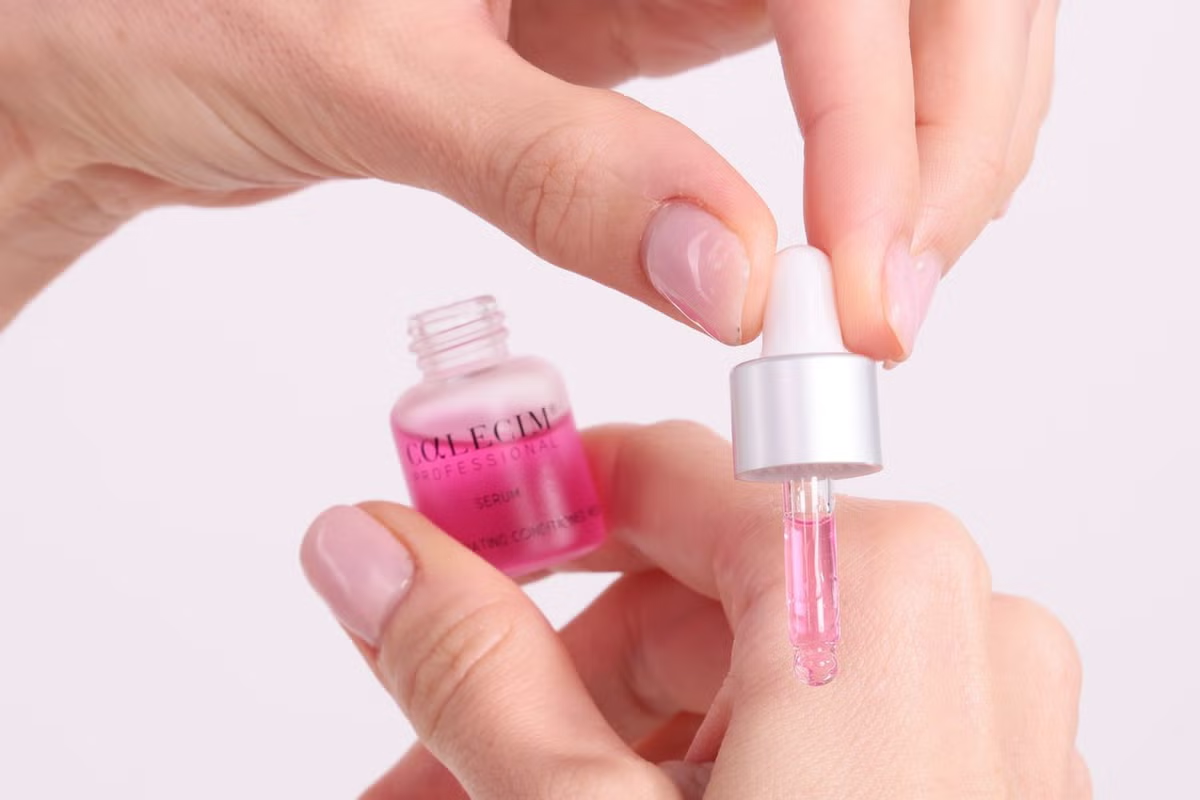
Among the latest wave of clinical crossover products, one in particular seems to have sparked interest. It’s small, pink, a touch on the expensive side and – according to some – smells slightly yeasty. More importantly, it’s developed something of a loyal following among those seeking high-performance skincare. Introducing the Calecim Professional Serum.

In recent years, regenerative skincare technologies, influenced by research in regenerative medicine, have begun to make their way from clinics onto the shop floor and into our everyday routines. Calecim Professional Serum, first used by some clinicians alongside aesthetic procedures, is now gaining popularity among consumers seeking clinic-inspired skincare results from the comfort of their own homes.

According to Dr Edel Woods, aesthetic doctor and founder of ORA Skin Clinic, the technology behind these formulas stems directly from regenerative medicine.

“This type of treatment emerged from studying the molecules involved in natural skin processes,” she explains. “What became clear is that healing is orchestrated by a complex network of growth factors, cytokines and signalling proteins that guide cells during the skin’s natural repair processes.”

Calecim’s serum uses a complex known as PTT-6®, derived from ethically sourced umbilical cord lining stem cells. But rather than using the stem cells themselves, the formula harnesses the signalling proteins these stem cells release.

But what does that actually mean? In more simple terms, PTT-6® is a concentrated mix of growth factors, cytokines and exosome-like proteins (more than 3,000 in a single millilitre) which are designed to mimic signalling pathways associated with the skin’s natural maintenance processes.

“These proteins are very similar to the signalling molecules that our own skin produces during wound healing,” Woods says. “They are thought to act as signalling molecules that may influence skin cells involved in maintaining elastin and skin hydration.”

The science behind ‘regenerative skincare’

Regenerative skincare aims to replicate signals linked to firmness and elasticity (Calecim Professional)

To gain a greater understanding as to why regenerative skincare is gaining traction, it helps to look at how skin repairs itself after damage and environmental stress. “Our skin is constantly communicating at a microscopic level,” says Dr Woods. “Cells send signals to one another that direct processes such as repair, collagen production and inflammation control.” Those signals are largely carried by proteins known as growth factors and cytokines, which instruct nearby cells to rebuild tissue.

“During wound healing the body releases a very specific combination of these signalling molecules,” she explains. “They guide fibroblasts linked to firmness and elasticity.” Regenerative skincare aims to replicate those signals.

Calecim’s PTT-6® complex contains more than 3,000 growth factors, proteins and exosomes in a single millilitre, inspired by signalling pathways involved in skin maintenance and repair processes. Rather than sitting only on the surface, and simply hydrating or resurfacing the skin, these molecules are intended to support its look and feel.”

The result, in theory, is skin that gradually becomes stronger and more resilient over time.

For everyday use, it can be applied as part of a regular routine, be it a few drops onto clean skin before your night cream or mixed into your daily moisturiser. It’s also used after at-home microneedling or exfoliating treatments, and remains a staple in clinics following procedures such as laser or resurfacing, where supporting the skin’s comfort is a key focus.

Why clinics were early adopters

Clinic patients who continued using regenerative products often reported benefits (Calecim Professional)

Before appearing in home routines, formulas like the Calecim Professional Serum were primarily used in aesthetic clinics.

“When we perform procedures such as microneedling or laser treatments, we intentionally create controlled micro-injury to stimulate collagen production,” says Dr Woods. Supporting the skin’s healing response can significantly influence results and, she adds, “Applying regenerative signalling molecules immediately after those procedures support skin’s comfort and appearance following treatments” As such, patients often experience a smoother recovery period.

“In clinic we frequently see redness settle more quickly and skin regain its normal texture sooner,” Woods says. Over time, doctors began noticing that patients who continued using regenerative products at home often reported broader improvements in their skin. “Patients were seeing benefits even outside of post-treatment recovery,” she says. With this patient-led demand, the serum was developed as an at-home treatment, harnessing these clinic-born benefits for day-to-day use.

Why consumers are opting for clinic-grade skincare at home

The science behind the serum supports universally experienced skincare demands (Calecim Professional)

As Dr Woods explains, the science behind these products supports broader skincare demands that are experienced universally, beyond aesthetic clinics and treatment rooms.

“These regenerative signalling molecules can also support the skin outside of procedure recovery.” Specifically, the Calecim serum may support the appearance of ageing skin, when fewer of the proteins responsible for structure and elasticity are naturally produced. “Collagen, elastin and hyaluronic acid all decline as we get older,” Dr Wood elaborates. “Supporting the biological processes that produce them can improve the appearance of overall skin quality.”

Testing of Calecim’s technology has explored changes in markers associated with elasticity and hydration, a study of forty participants, researchers reported a 56 per cent increase in elastin production – key to to maintaining healthy skin structure, function and appearance and an 83 per cent increase in hyaluronic acid levels, which helps support skin hydration, helping skin appear plumper and smoother.

Another smaller trial of nine participants, applying the serum to eyelid skin, also revealed improvements in the appearance of skin elasticity and firmness, and reducing perceived fine lines and wrinkles in the area.

“These markers are important because they can reflect the skin’s condition,” Woods says. “When they improve, it suggests the skin may be functioning in a way associated with repair and renewal.”

From clinic to cult favorite

Users say the serum leaves their skin looking smoother, softer and glowing (Calecim Professional)

Users often report gradual improvements rather than instant transformations. “Patients usually notice brighter, smoother, more hydrated skin over time,” she says. As one Trustpilot reviewer wrote online: “The products work, my skin has started to get its glow back and I see more plumpness and volume.” Another stated that: “There is a noticeable improvement in the appearance and texture of my skin. The lines are diminishing and my skin is super soft and smooth.”

Others have found the product so effective they have been able to streamline their skincare regime, with another user noting: “I was so impressed with the results of the serum in such a short time that I’ve ditched all my other growth factor products and various other creams and now use solely Calecim along with my tretinoin and vitamin C.”

While for those undergoing aesthetic procedures, it remains an important part of the process, with one revealing: “I have done micro needling several times and follow it with the Pink Professional Serum and finish with the Recovery Night Complex. Within an hour or two my skin has calmed down. After a couple of days my skin is so soft and glowing.”

For readers curious about the next wave of science-inspired skincare, clinic-born formulas like Calecim’s Professional Serum offer an interesting starting point, combining medical research insights with a routine-friendly approach to supporting healthier looking, more resilient skin.

Explore Calecim Professional Serum

Tags: , , , , ,
How to master natural daytime makeup

How to master natural daytime makeup

Follow this guide

What’s the story

Celebrity makeup artists excel at creating natural daytime looks. They know how to keep it simple yet effective, perfect for everyday wear.
By following their techniques, you can achieve a fresh, polished look without spending hours in front of the mirror.
Here are some expert tips from top celebrity makeup artists to get that effortless, natural glow.

Flawless base with minimal products

Celebrity makeup artists swear by a flawless base as the foundation of any natural look.
They recommend using a lightweight foundation or tinted moisturizer to even out skin tone without masking it.
A dab of concealer on problem areas can do wonders.
The key is to blend well with fingers or a damp sponge for an airbrushed finish.

Emphasizing eyes with subtle shades

For eyes, celebrity artists recommend sticking to neutral shades like soft browns or taupes. These colors enhance the eyes without overpowering them.
A coat of mascara is essential to define lashes, while a light application of eyeliner on the upper lash line can add depth without making it too dramatic.

Natural brows for balanced look

Well-groomed brows are essential for achieving that balanced look.
Celebrity makeup artists recommend using a brow gel or pencil in a shade closest to your natural hair color. This adds definition and fullness without looking overdone.
The trick is to follow your natural brow shape and fill in any sparse areas gently.

Fresh cheeks with cream blush

Cream blushes are a favorite among celebrity artists for their ability to give a natural flush to the cheeks.
They blend seamlessly into the skin, giving a dewy finish that mimics natural skin texture.
Just apply it with fingers or a brush on the apples of your cheeks, and blend upwards towards the temples.

Lips: Subtle color choices

For lips, celebrity makeup artists suggest opting for subtle colors like nude pinks or soft corals.
These shades add just the right amount of color, without stealing the show from other features.
A tinted lip balm or sheer lipstick keeps lips hydrated while giving them a hint of color.

Tags: , , ,
Best oLive
Privacy Overview

This website uses cookies so that we can provide you with the best user experience possible. Cookie information is stored in your browser and performs functions such as recognising you when you return to our website and helping our team to understand which sections of the website you find most interesting and useful.