LURÈ Beauty Introduces A New Era Of Luxury Organic Body Care

LURÈ Beauty Introduces A New Era Of Luxury Organic Body Care

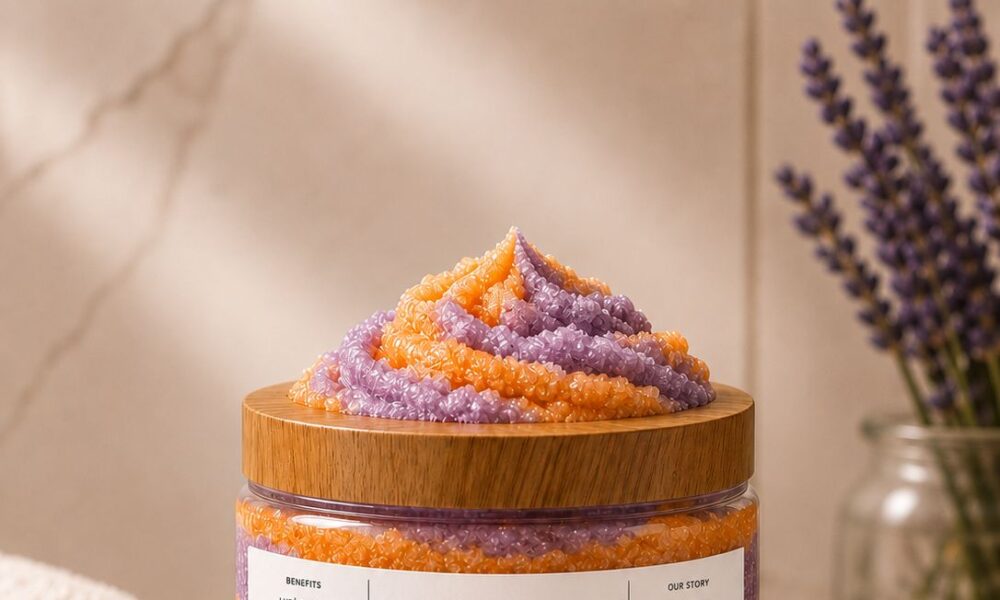
LURE BEAUTY proudly unveils its premium collection of luxurious organic skincare essentials designed to nourish, exfoliate, hydrate, and reveal naturally radiant skin. Inspired by the harmony of nature and self-care, the collection combines high-quality organic ingredients with elegant formulations created for modern beauty lovers who desire healthy, glowing skin without compromise.

The New LURÈ BEAUTY Collection Features:

  • Organic Shea Butter
  • Organic Vanilla & Shea Body Butter
  • LURE Golden Caress Coconut Elixir
  • Radiant Orange Foaming Exfoliating Sugar Scrub
  • Radiant Lavender Foaming Exfoliating Sugar Scrub
  • Lumière Citrus Lavender Sugar Serub

Each product is thoughtfully crafted to deliver a spa-like skincare experience while promoting softness, hydration, skin renewal, and lasting radiance. Rich in nourishing botanicals, vitamins, essential oils, and natural extracts, every formula is designed to elevate everyday body care into luxurious self-care ritual.

At the heart of LURÈ BEAUTY is a commitment to clean beauty, premium self-care, and confidence through skincare. The brand celebrates the transformative power of nature-inspired ingredients while embracing elegance, wellness, and visible results.

“Our vision with LURE BEAUTY is to create products that not only enhance the skin but also inspire confidence, self-love, and intentional self-care,” says the Founder of LURE BEAUTY. “We believe beauty should feel luxurious, effective, and naturally radiant. Every product is created te help our customers embrace healthy, glowing skin while enjoying a truly indulgent experience.”

The LURE BEAUTY collection is cruelty-free, thoughtfully formulated, and suitable for all skin types. With elegant textures, captivating scents, ar skin-loving ingredients, the brand is redefining organic body care through sophistication, wellness, and exceptional quality.

LURÈ BEAUTY invites beauty editors, skincare enthusiasts, influencers, retailers, distributors, and customers worldwide to experience the futu of luxury organic skincare.

About LURE BEAUTY

Founded with a passion for natural beauty and effective skincare, LURÈ BEAUTY is dedicated to creating luxurious organic body care products ti nourish the skin and inspire confidence. Through carefully selected ingredients and premium formulations, the brand delivers skincare solutions designed to promote healthy, radiant skin while transforming everyday routines into moments of indulgence.

To place an order, send us a direct message on Instagram or contact our customer care team via WhatsApp at +234 815 536 8802.

LURÈ BEAUTY LIMITED

Phone/WhatsApp: +234 815 536 8802
Instagram: @shoplurebeauty
Website: www.shoplurebeauty.com (Coming Soon)
Email: [email protected]

Sponsored Content

Tags: , , , , , , ,
is college worth it

Is College Worth It? Why I’m Asking New Questions

As a high schooler and for most of my adult life, I assumed college was simply the next step. So much of my education was focused on preparing for college, getting good grades, and following the same path that everyone around me seemed to be following. Looking back, I never stopped to ask whether college was even the right choice for me.

Now, as a mom with children facing these same decisions, I find myself asking very different questions. This isn’t about being anti-college, but about challenging assumptions and exploring alternatives. It’s about helping our kids make intentional choices rather than simply following a default path.

The world has changed dramatically, and the conversation around higher education deserves a fresh look.

Why I Started Questioning Is College Worth It?

Like everything in life, my perspective on college is shaped by my own experience. I attended a highly respected university on a full scholarship and stipend. Most college students today though are taking on debt (sometimes a lot of it!). Yet even though I was able to attend college for basically free, I still ended up walking away eventually. 

I started asking deeper questions about education, work, and what success really looked like. I came to realize that I no longer agreed with many of the assumptions that led me there in the first place. That experience was a valuable life lesson. Sometimes the most valuable question isn’t “How do I succeed on this path?” but rather “Is this the right path to begin with?”

I’m not claiming to have all the answers. In fact, the older I get, the more questions I seem to have. Yet, our children deserve the opportunity to ask those questions before investing years of their lives and potentially taking on life changing debt.

The College Landscape Has Changed

One reason this conversation feels so important is that the world looks drastically different now. The computer age has evolved into the age of artificial intelligence which has changed the landscape of future (and current) careers. 

And sadly, student debt has exploded. Millions of people carry loans for decades, and many discover (too late) that student debt operates differently from other forms of debt. I personally know people who have already paid back more than they originally borrowed and still owe substantial balances due to interest. Collectively, American’s hold over 1.6 Trillion in student loan debt.

At the same time, fewer careers require traditional degrees than you would think. While some professions absolutely require specialized education and licensure, many employers are removing degree requirements. Instead, they’re placing greater emphasis on skills, experience, certifications, and showing competence.

There are also more opportunities through entrepreneurship, apprenticeships, trade careers, certifications, and digital skill development. Many of these paths require less time, less money, and people can start earning money much faster.

That doesn’t mean college never makes sense. It simply means that college is no longer the obvious answer for everyone.

The Emotional Side of the Decision

Parents often approach this conversation from a place of love and concern. We want our children to be secure, successful, and have opportunities maybe we didn’t have. For many of us, we were taught that a college degree was the golden ticket to all three.

Because of that, the college topic can become emotionally charged. There’s often a fear that our children will fall behind, miss opportunities, or somehow fail if they choose a different path. Then there’s the social pressure. Parents naturally feel proud when their child is accepted into a prestigious university. And society still tends to treat college admission as a marker of success.

But I’ve come to question whether college acceptance is actually a meaningful measure of either our success as parents or a child’s future happiness.

What most of us truly want is not a degree hanging on the wall. We want our children to build lives they love and find success. We want them to have freedom, purpose, meaningful relationships, financial stability, and the ability to contribute something valuable to the world.

But is college always the most effective way to achieve this in today’s world?

An Expensive Delay

One idea that’s stayed with me is that college sometimes functions as a way to put off decisions, rather than a destination. Many teenagers graduate high school unsure of who they are, what they want, or what they hope their lives will look like. Honestly, many adults still wrestle with those questions.

I know I certainly did. At 18, I hoped college would help me discover my purpose, but it didn’t really. That doesn’t mean college never helps people find direction. However, it’s worth asking whether spending tens or even hundreds of thousands of dollars is the best way to search for answers.

For many students, college becomes a way to postpone difficult questions:

  • What kind of life do I want?
  • What kind of work excites me?
  • What values matter most to me?
  • What am I uniquely gifted to contribute?

Those are important questions and they deserve attention. If the primary reason for attending college is to avoid answering them for another four years, that may be worth examining honestly.

One of the strongest arguments for college is community, which is understandable. Teens naturally crave connection, belonging, friendship, and shared experiences. In fact, those needs are developmentally appropriate and incredibly important.

When I was younger, one of the biggest attractions of college was the idea of continuing life with my friends. The social aspect was far more appealing than sitting in classrooms. But I started asking a different question. Is college the only way (or even the best way) to build meaningful community?

College creates an artificial environment where thousands of people of similar age, experience, and life stage spend time together. While that can be exciting, it’s also very different from how most adult life works.

Real-world communities are usually more diverse. They include people of different ages, backgrounds, professions, experiences, and perspectives. They often form around shared values, common goals, service, faith, work, hobbies, or mutual interests.

In my own life, the relationships that have lasted longest weren’t based on sharing a campus. They were built around shared values and meaningful life experiences. Community matters deeply, but I don’t think college has a monopoly on it.

The Alternatives Many Teens Never Hear About

One thing I wish I had known as a teenager is that there were other options. Growing up, I genuinely viewed college as mandatory, like the 13th grade. Other options weren’t even on my radar. I think young people today deserve a much broader picture.

Trades are one example. Thanks to changing workforce demographics and labor shortages, many skilled trades are experiencing tremendous demand. Skilled tradesmen and other professionals often enjoy strong job security, a good income, and significantly less (or no) long term educational debt.

Apprenticeships provide another path. Instead of paying to learn, students can often earn while they learn. Internships and volunteer opportunities can also create valuable career connections. Many people discover careers they love through real-world experience rather than from sitting inside a classroom.

Travel can be an incredible teacher as well. Exposure to different cultures, lifestyles, and perspectives often provides education that no textbook can replicate. More and more teens are choosing to take a “gap year” to travel and discover what they’re wanting from their future. 

Certifications offer another option. Depending on a student’s interests, certifications in areas like fitness, technology, design, project management, or skilled trades can lead directly to meaningful work. One of my kids is really big into athletics and they’re currently looking into a personal trainer certification. These can be a faster path and even rival the salary of college degrees. 

The goal isn’t to convince every young person to avoid college, but to realize that they have other choices.

The Financial Reality of Student Loans

This is where the conversation gets serious for me. If there’s one area where I have particularly strong feelings, it’s student loan debt. For the past 10 years I’ve purposefully tried to let go of strong opinions of things, but this is one area I’ve actually gotten even stronger on. 

Teenagers are often asked to sign financial agreements involving tens of thousands of dollars before they’ve ever paid rent, managed a household budget, or experienced adult financial responsibilities.

That concerns me. Many young people understandably focus on the promise of future earnings. What they often don’t fully understand is how interest, repayment timelines, and debt obligations can shape their choices for decades.

Debt affects more than finances. It influences career decisions, housing options, family planning, entrepreneurial opportunities, and overall freedom. Meanwhile, someone who enters the workforce earlier may begin earning and investing years before a traditional college graduate enters full-time employment.

Those years matter because compounding works in both directions. Debt compounds, but so do investments, savings, skills, and experience. That’s why I believe every family should carefully examine the true financial cost of higher education before making a decision.

What About Sports?

Sports add another layer to this conversation. Many young athletes are told that college is the main way to continue their athletic careers. Depending on the sport, that may sometimes be true, but it’s still worth asking questions.

If the goal is playing a sport at the collegiate level, college obviously makes sense. But if the goal is long-term athletic development, professional competition, or simply remaining active in a sport, there may be other paths worth exploring. Private coaching, club teams, travel competition, independent training, and specialized development programs are a few. These can provide opportunities outside the traditional college system. 

As a parent, I want my children to understand all of their options before making major commitments. And regardless of what they choose, I want that choice to come from thoughtful consideration not just assumptions.

The Questions I Hope My Kids Ask

As my children approach adulthood, I’m trying less to give answers and more to encourage good questions. These are the questions I wish I’d stopped and asked myself before choosing college. These are the questions I’m prompting my kids to ask as they make these decisions. 

Questions like:

  • What kind of life do you want at 25, 30, or 40?
  • How important is the idea of starting a family and what age do you think you’ll be open to that?
  • What kind of schedule and flow (not just job) do you want as an adult?
  • What does success feel like to you?
  • How important is financial freedom?
  • What skills would you like to develop?
  • What type of work genuinely excites you?
  • What kind of people do you want surrounding you?
  • What lifestyle do you hope to create?
  • What if you don’t need a degree to do what you love?

I also encourage them to think beyond careers. I want them to consider relationships, family, purpose, contribution, community, and the kind of person they hope to become. Ultimately, life is much bigger than a job title.

Is College Worth It?: Final Thoughts

This conversation is really about agency and helping our kids realize they have options. It’s about empowering them to make intentional decisions rather than following a path simply because it’s what everyone else expects. College can absolutely be a valuable choice in certain situations. However, it’s no longer the only path to a meaningful, successful life. And I would argue it’s no longer the best path in many cases. 

As a parent, my goal isn’t to choose for my children. My goal is to support them, help them ask better questions, and trust them to discover their own path. Whether that path includes college, a trade, entrepreneurship, travel, apprenticeships, athletics, or something entirely different.

I want them to move forward with clarity, confidence, and freedom. Most of all, I want them to know that no matter what they choose, they will always have my unconditional love and support.

Are your kids considering college or doing something else? What kinds of questions would you want them to ask when deciding? Share below!

Tags: , ,
Is Vitamin C Still the Best Antioxidant for Your Skin?

Is Vitamin C Still the Best Antioxidant for Your Skin?

For years, the topical antioxidant big dog has been vitamin C. And for good reason: Products containing it often flaunt enticingly bright and sunny packaging, and the sensorial experience of rubbing it into your skin is undeniably luxurious.

But most importantly, vitamin C is well-studied: It has a robust library of scientific literature dating back to the 1990s, and that evidence has proven time and again that the ingredient can effectively help you achieve a brighter, younger-looking complexion, especially when used with other skincare ingredients proven to work.

“Vitamin C remains one of the top skincare ingredients because it delivers multiple benefits in a single ingredient,” explains Marisa Plescia, president of the Society of Cosmetic Chemists and founder of FemChem Beauty. “It not only functions as a potent antioxidant for boosting the skin’s natural defense, but it also supports collagen synthesis and helps reduce the appearance of hyperpigmentation.”

Meet the experts: Marisa Plescia is the president of the Society of Cosmetic Chemists and founder of FemChem Beauty, a cosmetic chemistry consulting company. Perry Romanowski is the vice president of the Society for Cosmetic Chemists and vice president of Element 44, a cosmetic formulating consulting company. Ava Shamban, MD, FAAD, is a board-certified dermatologist and founder of Los Angeles–based practice Ava MD. Erum Ilyas, MD, FAAD, is a board-certified dermatologist at Schweiger Dermatology in Pennsylvania.

That said, vitamin C is not without its shortcomings, Plescia says. Namely, its instability in formulations can potentially render many vitamin C products useless. Given such a major pitfall, you might be wondering whether this ingredient truly deserves its spot on beauty shelves across the globe.

To get to the bottom of the answer, Women’s Health spoke with cosmetic chemists and dermatologists to break down everything they want you to know about vitamin C—including its benefits for the skin, the downsides of using it, and how it stacks up against other topical antioxidants on the market.

What, exactly, is vitamin C?

Vitamin C is an antioxidant, which means it helps neutralize free radicals, or unstable molecules, that are generated by environmental stressors such as UV rays and pollution and attack and damage skin cells. As such, you can find the ingredient in serums, skin brightening products, face moisturizers, under-eye skincare, and face masks, experts say.

The vitamin occurs in nature—you can find it in foods such as citrus fruit, bell peppers and other produce—but the variations we use in products are generally made synthetically in labs and purified for cosmetic use, experts say.

The most commonly used and most thoroughly researched version of vitamin C in skincare is called L-ascorbic acid. It’s considered the purest, most biologically active form of the ingredient, experts say. However, frustrated formulators quickly learned that this version is difficult to keep stable in products because its prone to degradation when exposed to water, oxygen, and light. In response to these challenges, “the industry did what it always does: It created more versions” of the ingredient, says Perry Romanowski, vice president of the Society for Cosmetic Chemists and vice president of Element 44, a cosmetic formulating consulting company.

In an attempt to strike the perfect balance of stability, efficacy, skin compatibility, and shelf-life, formulators developed various forms of vitamin C that you’ll find on the ingredients list of your products. Common examples include sodium ascorbyl phosphate, magnesium ascorbyl phosphate, ascorbyl glucoside, ethyl ascorbic acid and tetrahexyldecyl ascorbate, Romanowski adds.

What are the benefits of vitamin C for the skin?

When formulated well, vitamin C is a biological multitasker that can be a power player for both skin tone and texture, especially when used daily, says Ava Shamban, MD, FAAD, a board-certified dermatologist and founder of Los Angeles–based practice Ava MD. For instance, by protecting your skin from the sun’s ultraviolet rays, it helps prevent collagen—a protein responsible for keeping skin firm and bouncy—from breaking down over time. It can also help boost its production, she says. This, in turn, delays the onset of signs of aging such as sunspots, fine lines, wrinkles, and inelasticity.

Now don’t get it twisted, vitamin C isn’t a sunscreen in and of itself, Romanowski adds, so it’s still important to wear your SPF every single day. But vitamin C can complement sunscreen by further reducing oxidative stress from ultraviolet radiation and pollution exposure, he says. “It functions as a defense mechanism,” Dr. Shamban adds.

Beyond that, vitamin C is also known to inhibit the activity of a pigment-producing enzyme called tyrosinase, allowing the ingredient to brighten the skin, fade dark spots, and create a brighter, more even complexion, Dr. Shamban says. And another plus: Vitamin C works synergistically with other skincare actives, enhancing the effectiveness of other ingredients such as vitamin E, ferulic acid, and sunscreen, experts say.

Given the long list of perks the ingredient can offer your skin, it’s no surprise that there’s an overabundance of vitamin C products on the market. Here are a few that areWomen’s Health approved:

Best for Aging Skin

La Roche-Posay Pure 12% Vitamin C Serum

If you’re looking to turn back the clock by fading wrinkles, boosting radiance, and achieving softer, smoother skin, give this serum a whirl. Other than 12% L-ascorbic acid, this serum includes salicylic acid to clear pores, and hyaluronic acid to offer long-lasting hydration.

Best for Dull Skin

SkinMedica Vitamin C+E Complex

This gel product combines both vitamin C (in the form of tetrahexyldecyl ascorbate, a more stable version of the vitamin) as well as vitamin E to give you brighter, more youthful-looking skin. It’s formulated for all skin types, and is small enough to be TSA-friendly.

Best for Dry Skin

Olay Regenerist Vitamin C Face Moisturizer Cream

This lightweight, refreshing moisturizer boasts vitamin C in the form of 3-O-Ethyl ascorbic acid, a highly stable version of the ingredient, alongside other powerhouses like glycerin and niacinamide. Plus, it’s citrus-scented, making the sensorial experience just as enjoyable as the skin-rejuvenation benefits.

What are the pitfalls?

Vitamin C’s primary challenge lies in its lack of stability in cosmetic formulations. It quickly oxidizes when exposed to oxygen, light, heat, or metal contaminants, Plescia says, and once the integrity of the ingredient is compromised, its efficacy drops dramatically.

Oftentimes, a vitamin C serum is clear or a pale yellow color when fresh. It’ll also have a pretty benign scent that’s either neutral or slightly metallic. But when exposed to the elements after opening, the serum may turn a darker yellow, orange or even a brown color instead, Romanowski says. It’ll also probably begin to smell differently—all signs that your product has turned rancid.

Since vitamin C is so finicky, storing products containing it with more intention than other ingredients in your routine is paramount: Airtight containers are a must, and dark, cool environments are preferred to reduce the risk of oxidation, experts say. And as a general rule of thumb, toss vitamin C products three to six months after opening it: Even the best formulations have short shelf lives due to the ingredients inherent instability, Romanowski says.

Another downside is the fact that vitamin C can anger the skin when used in higher concentrations: Cosmetic formulas with vitamin C in concentrations over 20 percent tend to be particularly irritating, according to one study in the Journal of Clinical And Aesthetic Dermatology.

Plus, L-ascorbic acid needs to be formulated with a very low, or acidic, pH in order to benefit the skin, research suggests. And when a substance disrupts our skin’s natural pH (which is closer to neutral, rather than highly basic or acidic) the skin barrier can become compromised—leading to excess sensitivity and irritation, Women’s Health previously reported. This is especially true in patients with sensitivity, rosacea, or eczema-prone skin, adds Erum Ilyas, MD, FAAD, a board-certified dermatologist at Schweiger Dermatology in Pennsylvania.

And as previously mentioned, cosmetic chemists developed other versions of vitamin C in an attempt to resolve the stability problem. Even though those derivates are indeed more stable and gentler on the skin, they don’t always work as well as plain ol’ L-ascorbic acid, Romanowski says. These alternatives must undergo chemical conversions on the skin before they can become the active form of the ingredient and work their magic. “And how well that happens is not always clear,” Romanowski explains.

As such, its possible to find yourself stuck between a rock and a hard place when using vitamin C: You may use a product that works but carries a higher risk of irritation, or you may use a gentler product that doesn’t provide your skin much benefit.

So, how does Vitamin C stack up against other antioxidants?

Compared to newer, emerging antioxidants in skincare like glutathione, melatonin, ferulic acid, and pterostilbene, vitamin C has a serious head-start in the metaphorical scientific research race. In fact, there are so many studies on the efficacy of vitamin C that recent research has moved away from testing whether the ingredient works and instead focuses on how to better optimize it in topical formulations, Plescia says. Others are still catching up. For this reason, vitamin C remains the antioxidant best supported by current research, despite its drawbacks.

Nevertheless, experts agree there are certain antioxidants worth incorporating into your routine as well. They include:

  • Niacinamide: Also known as vitamin B3, niacinamide is much easier to formulate with compared to vitamin C, Romanowski says. But more importantly, there is substantial evidence to support the ingredient’s efficacy for a variety of cosmetic and skin health concerns such as inflammation, pore size, excess oil production, and dark spots, Women’s Health previously reported. It’s also used in topical treatments for acne, melasma, eczema, rosacea, psoriasis, wrinkles, skin laxity, texture changes, sensitivity, and pigmentation, as well as increasing ceramide and fatty acid production in the skin to strengthening the skin barrier. As such, this ingredient may be a better choice than vitamin C for more sensitive skin types.
  • Ectoin: Recent research demonstrates this ingredient’s effectiveness against photodamage, Plescia says, making it a tool to combat premature skin aging caused by sun exposure. It’s also thought to help repair the skin barrier in folks with inflammatory skin conditions, and it can offer deep hydration to dry skin.
  • Ferulic acid: This plant-based antioxidant is often found in formulas alongside vitamin C to help ward off oxidation, Dr. Shamban says. “Ferulic acid is a great booster, [increasing] the efficacy of C and E while simultaneously acting as a strong agent of protection against UV rays and sun damage.”
  • Vitamin E: Like niacinamide, this vitamin earns a mention because it’s easier to formulate with, especially in oil-based formulas, Romanowski says. The ingredient, also called tocopherol, is a potent antioxidant that’s actually produced naturally in our skin, Women’s Health previously reported. It’s often put in formulas alongside vitamin C because studies suggest both vitamins work synergistically to protect skin from elements in the environment. Vitamin E is also an emollient, meaning it’s good for moisturizing and softening the skin.

If you’re looking to supplement your skincare routine with antioxidants other than vitamin C, here are a few worth giving a try:

Best for Dry Skin

The Ordinary Rice Lipids + Ectoin Microemulsion

This ultra-light moisturizer is formulated to sooth and hydrate dry skin for up to 24 hours. It contains ectoin, a formidable antioxidant that combats photoaging and skin inflammation, alongside rice lipids, and jojoba oil.

Best for Dark Spots

La Roche-Posay Mela B3 Serum

This serum features a patented pigment-reducing complex called Melasyl, which helps to fade stubborn areas of discoloration. Also in there: 10 percent niacinamide to further reduce hyperpigmentation, and encourage radiance.

Best for Oily Skin

Naturium Niacinamide Face Serum 12% Plus Zinc 2%

Alongside leveraging niacinamide’s ability to fade dark spots, this serum includes zinc PCA to control oil production in the skin. The formula work to reduce signs of aging, the appearance of pores, and promote a more even complexion.

The bottom line: Vitamin C is still the winner.

The skincare industry will always chase the next big thing, and some of those things are genuinely worth watching. But when it comes to antioxidants, vitamin C has earned its cult status, and the research still backs it up.

That doesn’t mean other antioxidants aren’t worth using: Ingredients like niacinamide genuinely give vitamin C a run for its money given its own established body of research. But if you prefer to rely on ingredients supported with the longest-standing, most robust scientific evidence to rejuvenate your skin, vitamin C remains your best bet.

Wendy Rose Gould is a veteran lifestyle journalist who’s covered topics around skin, hair, health, and wellness for over 15 years. Her reporting has appeared in Real Simple, Well+Good, Allure, Martha Stewart, Verywell Mind, and other outlets. Whether on the ground at NYFW or talking trends with industry experts, she’s always excited to report on the next new thing.  

Katie Mogg is the beauty editorial assistant at Women’s Health. Since starting college at Northeastern University in 2020, her bylines have appeared in The New York Times, The Wall Street Journal, NBC News and The Boston Globe. She strives to help readers lead happier and healthier lives through science-backed stories that explain how to care for hair, skin and nails. When she’s not working, Katie enjoys live music, strolling through Central Park, planning her next beach getaway, and sharing hotpot with friends. 

Tags: , ,
Apple App Store

The best anti-aging routine for your zodiac sign, according to your horoscope

Image Credit: Tigist Mezzanzanica/iStock

The best anti-aging routine for your zodiac sign, according to your horoscope

People know the science. They know retinol exists, they know SPF matters, and they know hyaluronic acid is not just a syllable count contest. And yet the routine never sticks, most probably because the approach does not match the person using it. The zodiac is not a substitute for dermatology. It is a map of behavior patterns that determine whether any routine survives contact with your actual life.

The anti-aging science behind every recommendation comes from Healthline, WebMD and the zodiac profiles at Astrostyle.

Twelve signs, below.

mage Credit: Allexxandar/Istockphoto.

Aries (March 21 to April 19)

The routine for Aries needs to be fast or it will not happen. This does not mean Aries is lazy but rather that they multitask and that anything requiring more than ninety seconds is already competing with three other things. Healthline confirms the essentials: vitamin C morning, SPF every day, retinol at night. Three steps. Easy. 

Image Credit: sutthirat sutthisumdang / iStock.

Taurus (April 20 to May 20)

Best compliance rate in the zodiac. Taurus will research for six weeks, buy the expensive version of everything, and then actually use it every day without being reminded. WebMD says that retinol and hyaluronic acid are the core anti-aging game changers. Taurus will apply them in the correct order without a second thought. The only risk, however, is loyalty to a product that stopped working months ago. Update it when the skin changes.

Image Credit: sutthirat sutthisumdang / iStock.

Gemini (May 21 to June 20)

Gets bored. Starts swapping products mid-cycle and wonders why nothing works. Healthline is clear that results require months of consistency. They recommend that you lock the core, that is, the cleanser, vitamin C, SPF, retinol, and reserve one rotating slot for the novelty itch. Change the mask. Leave the actives entirely alone.

Image Credit: Allexxandar/istockphoto.

Cancer (June 21 to July 22)

There is a version of fine that Cancer performs very convincingly while something quieter accumulates underneath, and it shows up around the eyes first. WebMD identifies hyaluronic acid as the key ingredient for skin that looks depleted in exactly that way. Eye cream with peptides at night, calming SPF moisturizer in the morning; they altogether make it feel like something given rather than gotten through.

Image Credit: Allexxandar/istockphoto.

Leo (July 23 to August 22)

Wants to always glow, which is not vanity so much as a fundamental operating requirement and somewhat ironic, because sunlight is the single largest driver of visible skin aging and Leo tends to spend considerable time in it. Healthline rates vitamin C as the highest-impact brightening ingredient available. Apply it every morning under SPF without exception. 

Image Credit: kasezo / iStock.

Virgo (August 23 to September 22)

The routine already exists, it is thorough, and it is probably doing quiet damage the spreadsheet has not caught yet. Over-exfoliation, too many actives on the same night, a barrier compromised by the very thoroughness meant to protect it. WebMD is clear about it: retinol and acids do not belong on the same night. The intervention Virgo needs is permission to do less, which turns out to be the harder ask.

Image credit: Allexxandar / iStock

Libra (September 23 to October 22)

The products are good and the packaging excellent, and then 7 am arrives with the question of whether today calls for vitamin C or whether yesterday’s retinol means something gentler and whether the tinted SPF counts as moisturizer. Something always gets skipped. Healthline recommends collapsing it: vitamin C in the morning, retinol at night, SPF always. Set the products out in order the night before and treat it as already decided. The bottom line is that the morning version of Libra should not be making skincare choices.

Image Credit: sutthirat sutthisumdang / iStock.

Scorpio (October 23 to November 21)

Does not discuss their skincare routine and will not start now. The research has been done quietly and the products sourced without broadcasting any of it. WebMD calls retinoids the most evidence-backed anti-aging topical available and the odds are reasonable that Scorpio has already moved to prescription tretinoin. 

Image Credit: Elen11 / iStock.

Sagittarius (November 22 to December 21)

The retinol has been left in hotel bathrooms in at least three countries. The evening routine does not survive nights when something more interesting is happening, which is most nights. Healthline rates broad-spectrum SPF with antioxidant protection as the most effective single-product intervention for photoaging. One SPF moisturizer every morning before anything else happens. The rest is optional but welcome when it shows up.

Image Credit: sutthirat sutthisumdang / iStock.

Capricorn (December 22 to January 19)

The routine will be built and executed without deviation, producing results faster than most because Capricorn simply does the thing every day without needing motivation. WebMD confirms retinol’s collagen-building benefits compound over months. What the routine cannot fix is what happens outside the bathroom: late nights, chronic stress, and sleep moved to the bottom of the priority list. No topical reverses what sustained sleep deprivation accelerates.

Image Credit: Allexxandar/istockphoto.

Aquarius (January 20 to February 18)

There is a new ingredient. Aquarius has already found it, read three papers about it, and formed a preliminary opinion before most people have seen the first headline. Healthline covers peptides and niacinamide as emerging actives with genuine evidence behind them, which means Aquarius is probably already past that conversation. The risk is leaving retinol behind in the pursuit of whatever comes next. Retinol is forty years of evidence and it still works. The new thing can sit beside it.

Image Credit: sutthirat sutthisumdang / iStock.

Pisces (February 19 to March 20)

Absorbs stress from the surrounding environment and wonders around 2 am why the skin looks depleted in a way that nothing seems to address. WebMD identifies hyaluronic acid as the key ingredient for skin that looks emotionally exhausted rather than simply aged. The routine is simple. The lifestyle habits that determine whether it works are where the real anti-aging happens for this sign.

Image Credit: iStock.

The bottom line

The best anti-aging routine is the one you will actually use every day without skipping. Your zodiac sign is not a dermatological diagnosis. It is a map of how you behave when nobody is watching, which is exactly when the skincare routine either happens or doesn’t.

Ask us! What questions do you have about content, strategy, pop culture, lifestyle, wellness, history or more? We may use your question in an upcoming article! 

Ask us a question

Related:

Like MediaFeed’s content?Be sure to follow us. 

This article was syndicated by MediaFeed.co.

Tags: , , , ,
Best oLive
Privacy Overview

This website uses cookies so that we can provide you with the best user experience possible. Cookie information is stored in your browser and performs functions such as recognising you when you return to our website and helping our team to understand which sections of the website you find most interesting and useful.