How cosmetic dermatologists are using AI to create personalised skin and hair treatments |
Artificial intelligence (AI) is rapidly becoming part of cosmetic dermatology, not as a replacement for dermatologists, but as a powerful clinical tool that helps them assess skin, personalise treatments and improve patient outcomes. From analysing high-resolution facial images to predicting how a person’s skin might respond to laser procedures, AI is reshaping the way cosmetic concerns such as wrinkles, pigmentation, acne scars and hair loss are evaluated and managed.A 2024 review titled ‘Artificial Intelligence in Dermatology: A Systematic Review of Its Applications in Melanoma and Keratinocyte Carcinoma Diagnosis’ published in the Journal of Cosmetic Dermatology found that AI is already being integrated into skin assessment, treatment planning, dermocosmetic product development and hair disorder management. Machine learning and deep learning models are enabling more personalised approaches, while image-analysis systems are helping clinicians identify subtle changes that may be difficult to detect with the naked eye. At the same time, researchers emphasise that AI remains a decision-support tool and not a substitute for clinical expertise.
AI is changing cosmetic dermatology beyond chatbots and skin filters
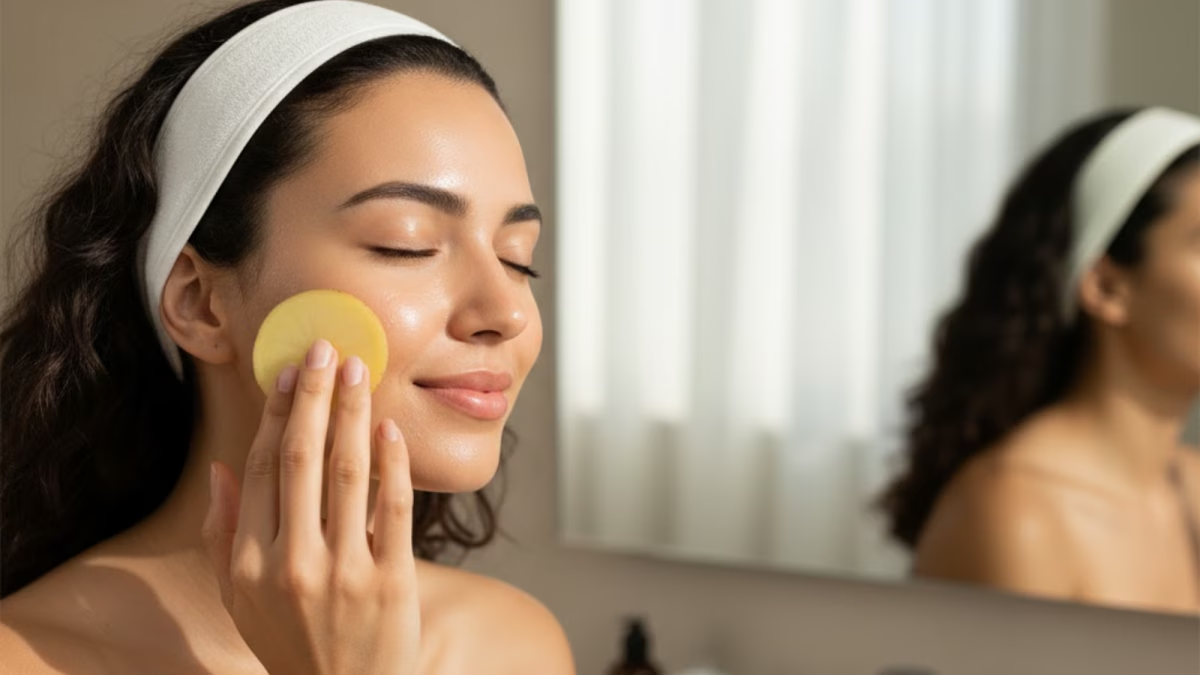
One of AI’s biggest contributions to cosmetic dermatology is its ability to process thousands of facial features simultaneously. Advanced imaging platforms and AI-powered software can evaluate wrinkles, pigmentation, pore size, redness, hydration and skin texture within seconds, giving dermatologists objective measurements before recommending treatment. According to the review, some platforms use facial imaging to provide detailed skin analyses, while consumer-focused applications generate personalised skincare recommendations by analysing an individual’s skin characteristics and environmental factors. Rather than relying solely on visual observation, dermatologists can use these digital assessments to tailor chemical peels, laser therapies, injectables and skincare regimens more precisely to each patient. This level of personalisation is particularly valuable because skin ageing, pigmentation and acne vary widely depending on genetics, lifestyle, sun exposure and skin tone. AI helps combine these variables into a more comprehensive assessment that supports clinical decision-making.
Cosmetic dermatologists are also using AI to improve hair restoration and aesthetic procedures
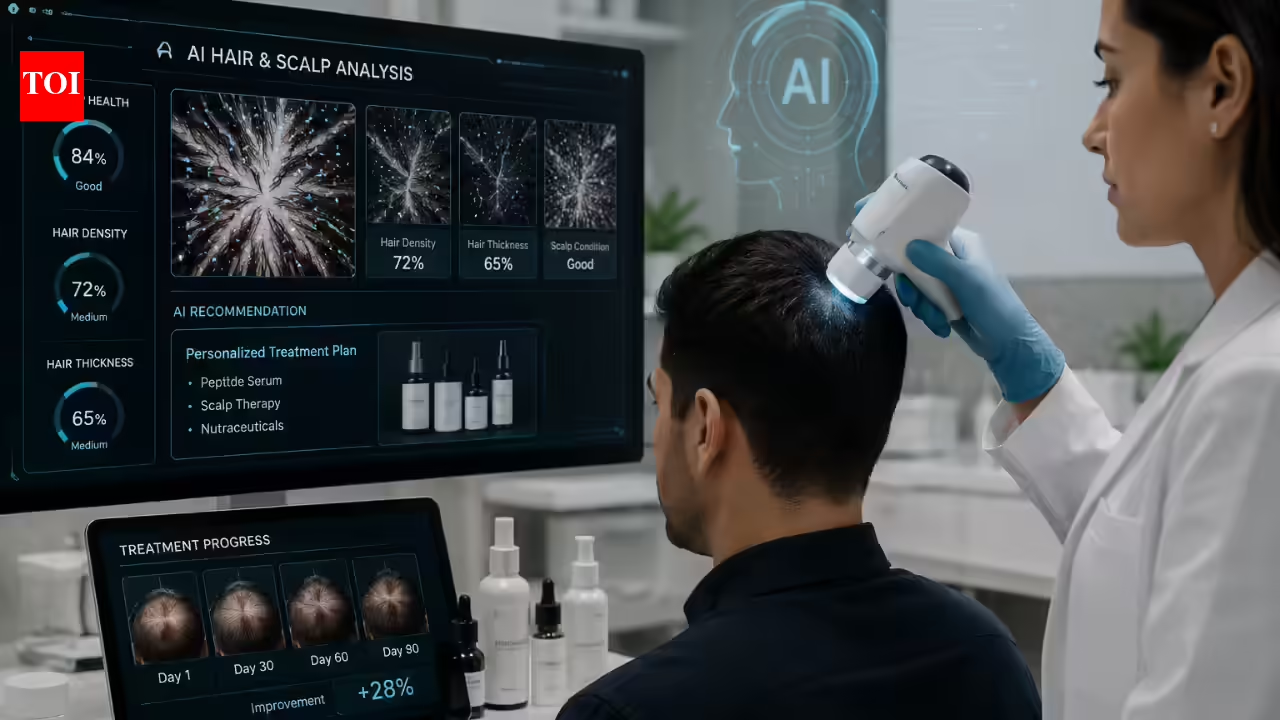
Artificial intelligence is extending beyond facial skincare into hair and scalp treatments. The review highlights that AI algorithms are increasingly being used to assess hair density, identify early signs of hair loss and monitor treatment responses over time. By comparing sequential photographs, clinicians can objectively evaluate whether therapies for androgenetic alopecia or other hair disorders are producing measurable improvements. AI is also improving cosmetic procedures by helping predict treatment outcomes. Machine-learning models can analyse patient characteristics alongside previous clinical data to estimate how someone may respond to laser resurfacing, pigmentation treatments or other aesthetic procedures. This allows dermatologists to customise treatment settings, minimise potential complications and provide patients with more realistic expectations before beginning therapy.Speaking to Women’s Health, Dr Michelle Henry, a board-certified dermatologist, said patients at her practice can use AI-powered tools to scan their faces and analyse their skin while waiting for their appointment. The technology provides an initial assessment that helps streamline consultations and gives both the patient and dermatologist a more detailed understanding of concerns before treatment begins.However, Dr Henry also cautioned that AI still has important limitations. She told Women’s Health that her research team often extends the duration of clinical trials to ensure participants represent a broader range of skin tones. Even so, she noted that progress takes time. Until AI training datasets better reflect the full diversity of human skin, these systems will continue to have blind spots, particularly when assessing cosmetic concerns or recommending treatments for people with darker skin tones.
AI is helping patients visualise results before treatment
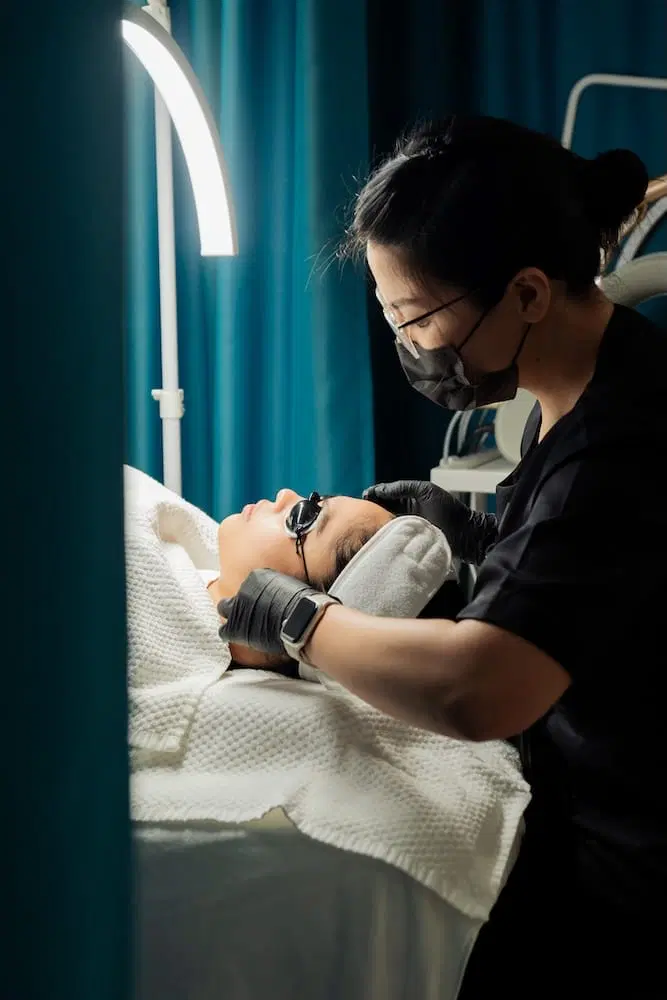
According to Wiley Online Library, one of the most visible applications of AI in cosmetic dermatology is treatment simulation. Newer AI-powered software can generate realistic visualisations showing how a patient’s appearance might change after fillers, laser procedures or skin rejuvenation treatments. These simulations are not guarantees of results but serve as educational tools that help patients better understand potential outcomes and communicate their expectations more effectively. According to experts interviewed by Women’s Health Magazine, these visualisation tools are also helping improve doctor-patient communication by making consultations more interactive and allowing treatment goals to be discussed using personalised digital models instead of generic before-and-after photographs.
AI is transforming cosmetic dermatology but dermatologists remain essential
Despite its rapid progress, AI has clear limitations. The 2024 review notes that many algorithms still require broader clinical validation and more diverse datasets to ensure reliable performance across different skin tones, ages and ethnic groups. Bias in training data remains a significant challenge, particularly for populations historically underrepresented in dermatological image databases. Researchers therefore agree that AI should complement, not replace, medical expertise. Dermatologists combine imaging results with medical history, physical examination, patient preferences and clinical judgement in ways that current AI systems cannot replicate.As cosmetic dermatology continues to embrace digital technologies, AI is likely to become an increasingly valuable assistant rather than an autonomous decision-maker. Used responsibly, it has the potential to deliver more personalised skin and hair treatments, improve treatment planning and enhance patient education, while keeping the dermatologist firmly at the centre of care.