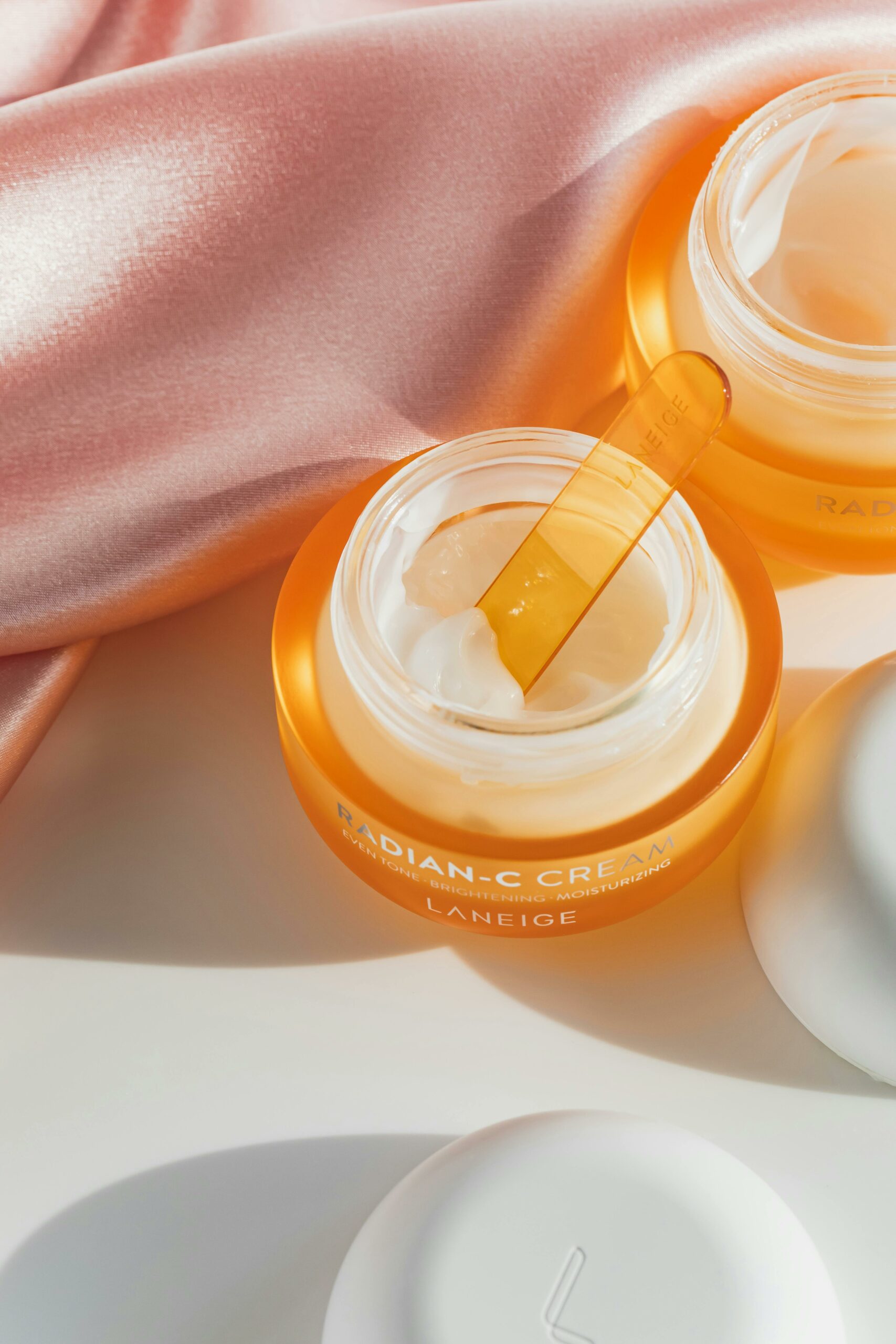
Is Vitamin C Still the Best Antioxidant for Your Skin?

Is Vitamin C Still the Best Antioxidant for Your Skin?

For years, the topical antioxidant big dog has been vitamin C. And for good reason: Products containing it often flaunt enticingly bright and sunny packaging, and the sensorial experience of rubbing it into your skin is undeniably luxurious.

But most importantly, vitamin C is well-studied: It has a robust library of scientific literature dating back to the 1990s, and that evidence has proven time and again that the ingredient can effectively help you achieve a brighter, younger-looking complexion, especially when used with other skincare ingredients proven to work.

“Vitamin C remains one of the top skincare ingredients because it delivers multiple benefits in a single ingredient,” explains Marisa Plescia, president of the Society of Cosmetic Chemists and founder of FemChem Beauty. “It not only functions as a potent antioxidant for boosting the skin’s natural defense, but it also supports collagen synthesis and helps reduce the appearance of hyperpigmentation.”

Meet the experts: Marisa Plescia is the president of the Society of Cosmetic Chemists and founder of FemChem Beauty, a cosmetic chemistry consulting company. Perry Romanowski is the vice president of the Society for Cosmetic Chemists and vice president of Element 44, a cosmetic formulating consulting company. Ava Shamban, MD, FAAD, is a board-certified dermatologist and founder of Los Angeles–based practice Ava MD. Erum Ilyas, MD, FAAD, is a board-certified dermatologist at Schweiger Dermatology in Pennsylvania.

That said, vitamin C is not without its shortcomings, Plescia says. Namely, its instability in formulations can potentially render many vitamin C products useless. Given such a major pitfall, you might be wondering whether this ingredient truly deserves its spot on beauty shelves across the globe.

To get to the bottom of the answer, Women’s Health spoke with cosmetic chemists and dermatologists to break down everything they want you to know about vitamin C—including its benefits for the skin, the downsides of using it, and how it stacks up against other topical antioxidants on the market.

What, exactly, is vitamin C?

Vitamin C is an antioxidant, which means it helps neutralize free radicals, or unstable molecules, that are generated by environmental stressors such as UV rays and pollution and attack and damage skin cells. As such, you can find the ingredient in serums, skin brightening products, face moisturizers, under-eye skincare, and face masks, experts say.

The vitamin occurs in nature—you can find it in foods such as citrus fruit, bell peppers and other produce—but the variations we use in products are generally made synthetically in labs and purified for cosmetic use, experts say.

The most commonly used and most thoroughly researched version of vitamin C in skincare is called L-ascorbic acid. It’s considered the purest, most biologically active form of the ingredient, experts say. However, frustrated formulators quickly learned that this version is difficult to keep stable in products because its prone to degradation when exposed to water, oxygen, and light. In response to these challenges, “the industry did what it always does: It created more versions” of the ingredient, says Perry Romanowski, vice president of the Society for Cosmetic Chemists and vice president of Element 44, a cosmetic formulating consulting company.

In an attempt to strike the perfect balance of stability, efficacy, skin compatibility, and shelf-life, formulators developed various forms of vitamin C that you’ll find on the ingredients list of your products. Common examples include sodium ascorbyl phosphate, magnesium ascorbyl phosphate, ascorbyl glucoside, ethyl ascorbic acid and tetrahexyldecyl ascorbate, Romanowski adds.

What are the benefits of vitamin C for the skin?

When formulated well, vitamin C is a biological multitasker that can be a power player for both skin tone and texture, especially when used daily, says Ava Shamban, MD, FAAD, a board-certified dermatologist and founder of Los Angeles–based practice Ava MD. For instance, by protecting your skin from the sun’s ultraviolet rays, it helps prevent collagen—a protein responsible for keeping skin firm and bouncy—from breaking down over time. It can also help boost its production, she says. This, in turn, delays the onset of signs of aging such as sunspots, fine lines, wrinkles, and inelasticity.

Now don’t get it twisted, vitamin C isn’t a sunscreen in and of itself, Romanowski adds, so it’s still important to wear your SPF every single day. But vitamin C can complement sunscreen by further reducing oxidative stress from ultraviolet radiation and pollution exposure, he says. “It functions as a defense mechanism,” Dr. Shamban adds.

Beyond that, vitamin C is also known to inhibit the activity of a pigment-producing enzyme called tyrosinase, allowing the ingredient to brighten the skin, fade dark spots, and create a brighter, more even complexion, Dr. Shamban says. And another plus: Vitamin C works synergistically with other skincare actives, enhancing the effectiveness of other ingredients such as vitamin E, ferulic acid, and sunscreen, experts say.

Given the long list of perks the ingredient can offer your skin, it’s no surprise that there’s an overabundance of vitamin C products on the market. Here are a few that areWomen’s Health approved:

Best for Aging Skin

La Roche-Posay Pure 12% Vitamin C Serum

If you’re looking to turn back the clock by fading wrinkles, boosting radiance, and achieving softer, smoother skin, give this serum a whirl. Other than 12% L-ascorbic acid, this serum includes salicylic acid to clear pores, and hyaluronic acid to offer long-lasting hydration.

Best for Dull Skin

SkinMedica Vitamin C+E Complex

This gel product combines both vitamin C (in the form of tetrahexyldecyl ascorbate, a more stable version of the vitamin) as well as vitamin E to give you brighter, more youthful-looking skin. It’s formulated for all skin types, and is small enough to be TSA-friendly.

Best for Dry Skin

Olay Regenerist Vitamin C Face Moisturizer Cream

This lightweight, refreshing moisturizer boasts vitamin C in the form of 3-O-Ethyl ascorbic acid, a highly stable version of the ingredient, alongside other powerhouses like glycerin and niacinamide. Plus, it’s citrus-scented, making the sensorial experience just as enjoyable as the skin-rejuvenation benefits.

What are the pitfalls?

Vitamin C’s primary challenge lies in its lack of stability in cosmetic formulations. It quickly oxidizes when exposed to oxygen, light, heat, or metal contaminants, Plescia says, and once the integrity of the ingredient is compromised, its efficacy drops dramatically.

Oftentimes, a vitamin C serum is clear or a pale yellow color when fresh. It’ll also have a pretty benign scent that’s either neutral or slightly metallic. But when exposed to the elements after opening, the serum may turn a darker yellow, orange or even a brown color instead, Romanowski says. It’ll also probably begin to smell differently—all signs that your product has turned rancid.

Since vitamin C is so finicky, storing products containing it with more intention than other ingredients in your routine is paramount: Airtight containers are a must, and dark, cool environments are preferred to reduce the risk of oxidation, experts say. And as a general rule of thumb, toss vitamin C products three to six months after opening it: Even the best formulations have short shelf lives due to the ingredients inherent instability, Romanowski says.

Another downside is the fact that vitamin C can anger the skin when used in higher concentrations: Cosmetic formulas with vitamin C in concentrations over 20 percent tend to be particularly irritating, according to one study in the Journal of Clinical And Aesthetic Dermatology.

Plus, L-ascorbic acid needs to be formulated with a very low, or acidic, pH in order to benefit the skin, research suggests. And when a substance disrupts our skin’s natural pH (which is closer to neutral, rather than highly basic or acidic) the skin barrier can become compromised—leading to excess sensitivity and irritation, Women’s Health previously reported. This is especially true in patients with sensitivity, rosacea, or eczema-prone skin, adds Erum Ilyas, MD, FAAD, a board-certified dermatologist at Schweiger Dermatology in Pennsylvania.

And as previously mentioned, cosmetic chemists developed other versions of vitamin C in an attempt to resolve the stability problem. Even though those derivates are indeed more stable and gentler on the skin, they don’t always work as well as plain ol’ L-ascorbic acid, Romanowski says. These alternatives must undergo chemical conversions on the skin before they can become the active form of the ingredient and work their magic. “And how well that happens is not always clear,” Romanowski explains.

As such, its possible to find yourself stuck between a rock and a hard place when using vitamin C: You may use a product that works but carries a higher risk of irritation, or you may use a gentler product that doesn’t provide your skin much benefit.

So, how does Vitamin C stack up against other antioxidants?

Compared to newer, emerging antioxidants in skincare like glutathione, melatonin, ferulic acid, and pterostilbene, vitamin C has a serious head-start in the metaphorical scientific research race. In fact, there are so many studies on the efficacy of vitamin C that recent research has moved away from testing whether the ingredient works and instead focuses on how to better optimize it in topical formulations, Plescia says. Others are still catching up. For this reason, vitamin C remains the antioxidant best supported by current research, despite its drawbacks.

Nevertheless, experts agree there are certain antioxidants worth incorporating into your routine as well. They include:

  • Niacinamide: Also known as vitamin B3, niacinamide is much easier to formulate with compared to vitamin C, Romanowski says. But more importantly, there is substantial evidence to support the ingredient’s efficacy for a variety of cosmetic and skin health concerns such as inflammation, pore size, excess oil production, and dark spots, Women’s Health previously reported. It’s also used in topical treatments for acne, melasma, eczema, rosacea, psoriasis, wrinkles, skin laxity, texture changes, sensitivity, and pigmentation, as well as increasing ceramide and fatty acid production in the skin to strengthening the skin barrier. As such, this ingredient may be a better choice than vitamin C for more sensitive skin types.
  • Ectoin: Recent research demonstrates this ingredient’s effectiveness against photodamage, Plescia says, making it a tool to combat premature skin aging caused by sun exposure. It’s also thought to help repair the skin barrier in folks with inflammatory skin conditions, and it can offer deep hydration to dry skin.
  • Ferulic acid: This plant-based antioxidant is often found in formulas alongside vitamin C to help ward off oxidation, Dr. Shamban says. “Ferulic acid is a great booster, [increasing] the efficacy of C and E while simultaneously acting as a strong agent of protection against UV rays and sun damage.”
  • Vitamin E: Like niacinamide, this vitamin earns a mention because it’s easier to formulate with, especially in oil-based formulas, Romanowski says. The ingredient, also called tocopherol, is a potent antioxidant that’s actually produced naturally in our skin, Women’s Health previously reported. It’s often put in formulas alongside vitamin C because studies suggest both vitamins work synergistically to protect skin from elements in the environment. Vitamin E is also an emollient, meaning it’s good for moisturizing and softening the skin.

If you’re looking to supplement your skincare routine with antioxidants other than vitamin C, here are a few worth giving a try:

Best for Dry Skin

The Ordinary Rice Lipids + Ectoin Microemulsion

This ultra-light moisturizer is formulated to sooth and hydrate dry skin for up to 24 hours. It contains ectoin, a formidable antioxidant that combats photoaging and skin inflammation, alongside rice lipids, and jojoba oil.

Best for Dark Spots

La Roche-Posay Mela B3 Serum

This serum features a patented pigment-reducing complex called Melasyl, which helps to fade stubborn areas of discoloration. Also in there: 10 percent niacinamide to further reduce hyperpigmentation, and encourage radiance.

Best for Oily Skin

Naturium Niacinamide Face Serum 12% Plus Zinc 2%

Alongside leveraging niacinamide’s ability to fade dark spots, this serum includes zinc PCA to control oil production in the skin. The formula work to reduce signs of aging, the appearance of pores, and promote a more even complexion.

The bottom line: Vitamin C is still the winner.

The skincare industry will always chase the next big thing, and some of those things are genuinely worth watching. But when it comes to antioxidants, vitamin C has earned its cult status, and the research still backs it up.

That doesn’t mean other antioxidants aren’t worth using: Ingredients like niacinamide genuinely give vitamin C a run for its money given its own established body of research. But if you prefer to rely on ingredients supported with the longest-standing, most robust scientific evidence to rejuvenate your skin, vitamin C remains your best bet.

Wendy Rose Gould is a veteran lifestyle journalist who’s covered topics around skin, hair, health, and wellness for over 15 years. Her reporting has appeared in Real Simple, Well+Good, Allure, Martha Stewart, Verywell Mind, and other outlets. Whether on the ground at NYFW or talking trends with industry experts, she’s always excited to report on the next new thing.  

Katie Mogg is the beauty editorial assistant at Women’s Health. Since starting college at Northeastern University in 2020, her bylines have appeared in The New York Times, The Wall Street Journal, NBC News and The Boston Globe. She strives to help readers lead happier and healthier lives through science-backed stories that explain how to care for hair, skin and nails. When she’s not working, Katie enjoys live music, strolling through Central Park, planning her next beach getaway, and sharing hotpot with friends. 

Tags: , ,
Best Vitamin C Serums 2026

Best Vitamin C Serums 2026

A good vitamin C serum can supercharge your skincare routine thanks to its tightening, smoothing and brightening benefits—also providing essential antioxidant protection against UV rays from the summer sun. Based on thorough research, long-term testing by Forbes Vetted editors, recommendations from a dermatologist and the expertise of deputy beauty editor Jane Sung, we landed on the best vitamin C serums for every skin type. The overall winner is the SkinCeuticals C E Ferulic, an editor and expert favorite due to its radiance-boosting capabilities. For first-time users, we recommend the TruSkin Vitamin C, a gentle formula with an affordable price tag. Below, see our 10 favorite vitamin C serums that leave skin glowing.

We picked the best vitamin C serums that address hyperpigmentation and promote smoother, brighter skin.

Illustration: Forbes / Photo: Retailers

Editor’s Pick

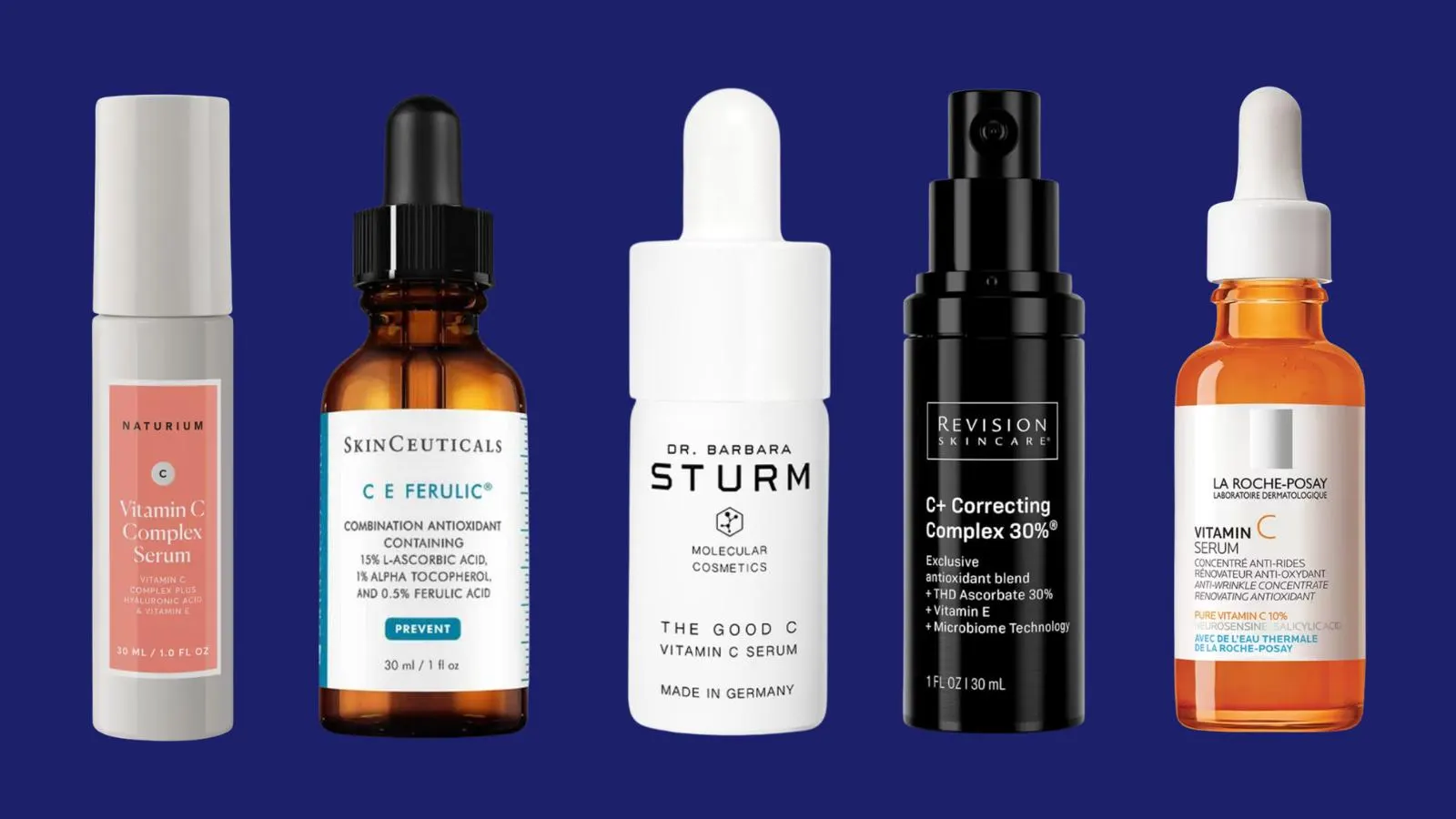
SkinCeuticals C E Ferulic

Active ingredients: 15% L-ascorbic acid, 1% alpha-tocopherol, ferulic acid | Additional benefits: Improves the appearance of fine lines and wrinkles, reduces free radical damage | Consistency: Serum 

Want to save this story for later?

No need to bookmark—get it straight to your inbox.

Remind Me

We’ve sent this story to your inbox.

Why We Picked It

A tried-and-true favorite in the industry—recommended by board-certified dermatologist Dr. Dendy Engelman and our editors—this serum accomplishes a lot. It evens out pigmentation and fights against environmental aging using high concentrations of vitamin C (15% pure L-ascorbic acid), vitamin E (1% alpha-tocopherol) and ferulic acid. The result is fewer dark spots, less inflammation and a more youthful appearance overall.

Who It’s Best For

This vitamin C serum is formulated for all skin types, even those with sensitive skin. “It’s great for brightening and evening out my skin tone, and really just making it look healthier overall,” says Sung. She also notes that it layers well with skincare and makeup, so it’s a great option for those who regularly apply multiple topicals or wear complexion products daily.

Who Shouldn’t Buy It

Something to note about this formula is that it has a very distinct scent—if you’re sensitive to smells, you may find it unpleasant. It also has a slightly tacky texture initially, but absorbs well.

The 2026 Forbes Vetted Best Product Awards are here: Explore our 150 top-recommended items across categories after extensive research and testing.

Active ingredients: Vitamin C, vitamin E, sodium ascorbyl phosphate | Additional benefits: Improves skin elasticity, texture smoothing | Consistency: Oil 

Why We Picked It

A fully vegan formula, TruSkin Vitamin C brightens, reduces hyperpigmentation and revives tired-looking skin with its blend of vitamin C, vitamin E, hyaluronic acid and anti-inflammatory MSM (methylsulfonylmethane). It’s also quite affordable considering the effectiveness of its ingredients.

Who It’s Best For

“As someone who had never used a vitamin C serum before, I can say that this is a great option for beginners,” says beauty writer Claire Epting. “I apply it beneath my eyes and on acne spots, and I’ve definitely noticed a positive change in those areas since using it.” She also says that it doesn’t cause any stinging or irritation on her sensitive skin and wears well under makeup.

Who Shouldn’t Buy It

This formula is on the lighter side—its consistency is more of a liquid than a cream. For this reason, it isn’t the most hydrating. If your skin is already on the drier side, opt for something richer, like our next pick from SkinMedica.

MOST POPULAR

SkinMedica Vitamin C+E Complex

Active ingredients: Vitamin C, vitamin E | Additional benefits: Protects against free radical damage, improves fine lines | Consistency: Cream 

Why We Picked It

SkinMedica’s vitamin C and E formula is designed to gradually release throughout the day to help fight free radicals and protect against environmental stressors. This cream serum, which Engelman says is one of the best on the market, is smooth and easy to apply with one pre-measured pump. It absorbs fast and layers well underneath moisturizer, too.

Who It’s Best For

Mature skin has the tendency to feel dry, appear dull and show creases. This formula works to address this by supporting collagen production, which means you’ll notice a plumper, firmer appearance and fewer fine lines and wrinkles with continued use.

Who Shouldn’t Buy It

Since this is a cream-based formula, it’s best suited for dryer skin types. If you have an oily complexion, you may find that this serum is too heavy for you.

Active ingredients: Vitamin C, hyaluronic acid, ferulic acid, konjac root | Additional benefits: Tightens skin, hydrating, calming | Consistency: Serum 

Why We Picked It

This serum contains sodium ascorbyl phosphate, a form of vitamin C that’s more stable than L-ascorbic acid and less likely to oxidize over time. (According to the brand, the potency is comparable to a 15% or 20% L-ascorbic acid formula.) Plant-based ingredients like chamomile and konjac root work to soothe irritated skin, while hyaluronic acid boosts moisture levels and gives you that coveted glow.

Who It’s Best For

If you are looking for an affordable serum that still provides noticeable benefits, this one is worth checking out. The bottle’s incredibly reasonable price earned it the top spot on our list of the best drugstore vitamin C serums. Its gentle formula makes it ideal for those with sensitive or acne-prone skin.

Who Shouldn’t Buy It

If you’re used to the benefits of traditional L-ascorbic acid, you may find that you prefer it to this formula’s ascorbyl phosphate. Additionally, if you have particularly dry skin, this serum may not provide enough hydration—especially if your moisturizer is also on the lighter side.

Naturium Vitamin C Complex Serum

Active ingredients: Vitamin C, sodium ascorbyl phosphate, hyaluronic acid, vitamin E, bioactive fruit blend | Additional benefits: Improves dullness, evens tone | Consistency: Serum 

Why We Picked It

This formula combines brightening vitamin C (L-ascorbic acid) with skin-plumping hyaluronic acid and potent fruit extracts—including Kakadu plum, pineapple, papaya and mango. The multitasking serum nourishes, improves dullness, decreases the appearance of fine lines and leaves skin feeling firmer. Naturium’s serum also doesn’t have some of the polarizing properties that some other vitamin C formulas do: According to Sung, it has no tint, it doesn’t have a smell and it’s not sticky.

Who It’s Best For

The accessible price of this serum makes it an easy pick for anyone curious about adding vitamin C to their skincare routine. The antioxidant-rich formula also protects skin from damage caused by free radicals and UV radiation.

Who Shouldn’t Buy It

While this serum has great value in terms of effectiveness, it can potentially be harsh on sensitive skin. Our next pick from L’Oréal Paris is a good alternative if you’re particularly concerned about irritation.

L’Oréal Paris Revitalift 12% Pure Vitamin C Serum

Active ingredients: 12% vitamin C, hyaluronic acid | Additional benefits: Hydrating, wrinkle-reducing | Consistency: Serum 

Why We Picked It

Featuring 12% pure vitamin C combined with hyaluronic acid, this formula helps reduce fine lines and wrinkles, even out skin tone, and make those pesky dark spots less prominent. Users report decreased pigmentation and a brighter complexion overall.

Who It’s Best For

Compared to some competitor formulas, this formula has a lower vitamin C concentration, making it an excellent option for new users.

Who Shouldn’t Buy It

While it’s generally safe for sensitive skin, this formula does contain fragrance. If your skin doesn’t respond well to scented formulas of any kind, we recommend selecting a different option.

Dr. Barbara Sturm The Good C

Active ingredients: 5% vitamin C, aloe vera, hyaluronic acid, zinc | Additional benefits: Protects against environmental stressors | Consistency: Serum 

Why We Picked It

This gentle face serum is a unique and highly effective blend of three forms of vitamin C that work together to visibly improve skin tone and eliminate pigmentation. An unexpected addition of zinc works to transport vitamin C effectively into the skin. Our testers found that this serum helps reduce signs of uneven pigmentation and redness, and gives skin a lovely glow with regular use.

Who It’s Best For

Aloe vera and hyaluronic acid add a welcome kick of intense moisture, making this serum ideal for dry skin. We also like that this formula doesn’t have an overwhelming scent.

Who Shouldn’t Buy It

Since this serum has a lower concentration of vitamin C, it will take longer to see results. If you’re looking for a rapid brightening effect, opt for a more potent formula.

Active ingredients: 15% L-ascorbic acid, copper tripeptide-1, hyaluronic acid | Additional benefits: Helps reduce the appearance of wrinkles and fine lines, brightens, protects against environmental stressors | Consistency: Serum

Why We Picked It

This lightweight serum from iS Clinical is non-comedogenic, fragrance-free, and helps reduce the appearance of wrinkles, scars and uneven skin tone. It also contains hyaluronic acid and vitamin B5, which work to hydrate and nourish the skin.

Who It’s Best For

Those with acne-prone skin need to be cautious about the products they use, as certain ingredients can trigger breakouts, irritation and more. Commerce editor Katherine Louie uses this every morning and appreciates the non-sticky feel and effective concentration. “I have sensitive, acne-prone skin and struggle to find serums that won’t cause breakouts or irritation but that still work,” she says. “I recently started using this serum, and I’m pleasantly surprised by how radiant and clear my skin looks.”

Who Shouldn’t Buy It

This serum is on the pricier side. If you’re someone who doesn’t experience frequent breakouts, you’ll likely be able to achieve similar results with one of the less expensive options on this list.

Sunday Riley C.E.O. Serum

Active ingredients: Glycolic acid, vitamin C | Additional benefits: Fights signs of aging, minimizes redness, supports natural skin turnover | Consistency: Cream 

Why We Picked It

This cruelty-free formula evens out skin tone and boosts radiance using a 15% concentration of oil-soluble tetrahexyldecyl (THD) ascorbate, a type of vitamin C that absorbs quickly into the skin and is typically well-tolerated.

Who It’s Best For

If a lackluster complexion is your problem, this popular serum is here to help. In addition to containing vitamin C, saccharide isomerate serves as a pore minimizer, while phytosterols work to reduce any redness or irritation—making this a great option for anyone with combination skin.

Who Shouldn’t Buy It

Because this serum contains glycolic acid, it does have a gentle sloughing effect. If your skin is extremely sensitive and doesn’t tolerate chemical exfoliation, opt for gentler formula, like the options from L’Oréal Paris and TruSkin.

ForbesSave 15% On Editor-Approved Beauty Products With These Ulta Promo CodesBy Kara Cuzzone

Revision C+ Correcting Complex 30%

Active ingredients: 30% THD ascorbic acid, vitamin E | Additional benefits: Protects against blue light and urban dust, supports skin’s microbiome, improves fine lines | Consistency: Cream 

Why We Picked It

Revision’s serum has 30% THD ascorbic acid, which is one of the highest concentrations on the market. The formula is also a multitasker, helping to brighten, even out skin tone, improve the appearance of fine lines and fend off free radical damage.

Who It’s Best For

Its lightweight cream consistency makes it a great choice for the majority of skin types, but don’t be fooled by the airy texture. This formula packs a very powerful punch and visibly improves a lackluster complexion.

Who Shouldn’t Buy It

With its high concentration of vitamin C, this formula could potentially be irritating to first-time users or those with sensitive skin.

Ole Henriksen Banana Bright Vitamin C Serum

Active ingredients: 15% vitamin C, PHAs, hyaluronic acid | Additional benefits: Improves skin firmness and elasticity, exfoliating | Consistency: Serum 

Why We Picked It

The Ole Henriksen Banana Bright Vitamin C Serum works quickly to brighten and plump skin in as little as one week of consistent use thanks to a trifecta of hardworking ingredients. The vegan, cruelty-free formula features 15% vitamin C to improve elasticity and reduce the look of dark spots, pores and wrinkles; 5% PHAs (polyhydroxy acids) to exfoliate and even skin tone; and hyaluronic acid to hydrate and plump skin.

Who It’s Best For

Since this formula is so lightweight, we recommend it for oily skin types. “It immediately gives me a supple, radiant look,” says sleep and mattress editor McKenzie Dillon. It’s also a solid pick for those who regularly wear makeup. “The serum preps my skin so well in the morning that I don’t use primer before makeup application,” she adds. “Plus, the smell is to die for.”

Who Shouldn’t Buy It

While our tester loved the smell of this serum, you should pass on it if you’re particularly sensitive to fragrance. It also has a sticky consistency, which is important to keep in mind if you have an aversion to that kind of texture.

How We Chose The Best Vitamin C Serums

To narrow down this list of the best vitamin C serums, we tapped into our team’s deep market knowledge and extensive testing experience, highlighting products and brands that make innovative, effective formulas.

Formula Evaluation And Skin Compatibility

We evaluated the key ingredients in our top picks to include a range of formulas that cater to various skin types and preferences. Our analysis focused on:

  • Concentration and stability: We looked for effective levels of L-ascorbic acid and stable derivatives.
  • Supporting ingredients: We identified formulas that contain additional skin-boosting ingredients like vitamin E and hyaluronic acid.
  • Skin concerns: We selected serums that address specific needs, from anti-aging to acne-prone skin.

Expert Medical Insights

To ground our picks in clinical expertise, board-certified dermatologist Dr. Dendy Engelman shared her expert insights. She personally recommends two products featured on our list: SkinCeuticals’ C E Ferulic and SkinMedica’s Vitamin C+E Complex.

Staff Testing And Firsthand Experience

Our staffers shared their firsthand experiences with several picks to verify how these serums perform in a daily routine. Sung backs the SkinCeuticals C E Ferulic as a personal favorite; Dillon uses the Ole Henriksen Banana Bright; Epting is a fan of the TruSkin Vitamin C Serum; and Louie relies on iS Clinical Super Serum Advance Plus.

What To Consider In A Vitamin C Serum

Vitamin C has so much potential to deliver complexion-enhancing results, but choosing the right formula can be challenging. Here, the most important factors to consider when selecting a vitamin C serum.

Concentration

“The concentration is key—it’s important to look for a formula with 10% to 20% vitamin C for optimal effectiveness,” says Engelman. Certain serums have higher concentrations for more brightening power, but those with sensitive skin should opt for a lower dose to avoid any reactions.

Type Of Vitamin C

Companies use varying forms of vitamin C in their formulations, with the two most common being L-ascorbic acid and THD ascorbate. Here’s a quick breakdown on each:

  • L-ascorbic acid: This is 100% pure vitamin C. It’s water soluble, well researched and effective, but extremely unstable. It begins to oxidize and change color over time and can be irritating to some people’s skin.
  • Tetrahexyldecyl (THD) ascorbate: This ingredient is stable and fat soluble, so it can be used in oil-based products. It tends to be well tolerated and easily permeates the skin.

Additional Ingredients

Additional ingredients found in vitamin C serums can help provide added hydration, minimize signs of aging, correct dark spots and more. Some common ones to look for when addressing skin concerns include vitamin E, hyaluronic acid and squalane. “Also, pay attention to stabilizing ingredients such as ferulic acid, which enhance the serum’s efficacy and stability,” says Engelmen.

Packaging

How vitamin C is packaged is crucial. “The bottle should protect the serum by blocking light and air to preserve its potency,” says Engelman. If the formula itself has turned brown, it has oxidized, which means it’s not as effective. Shelf life varies from brand to to brand, but most vitamin C serums last around three to four months.

Value

Vitamin C serums cost anywhere from $20 to $200. In general, more expensive formulas have a more potent concentration of vitamin C, plus additional skin-fortifying ingredients that can lead to faster, more noticeable results. Less expensive formulas can still deliver great value; however, it may take longer to see their effects.

Why Trust Forbes Vetted

The Forbes Vetted team has collectively researched, written and published a wide variety of beauty and grooming content, including dozens of stories on skincare.

  • Author Kim Peiffer is the features and special projects director at Forbes Vetted and has 15-plus years of experience testing and covering beauty and lifestyle content.
  • Former beauty and fashion writer Molly Calhoun coauthored this story. She has two decades of experience writing about lifestyle topics and has covered everything from the best retinol creams to the best concealers for mature skin.
  • This story was assigned, reviewed and edited by deputy editor Jane Sung, who oversees the beauty and grooming section and has spent over 20 years reporting on skincare, haircare, makeup and more.
  • We regularly refresh this article to ensure all product information is accurate and relevant. It was last updated in May 2026 by beauty writer Claire Epting.

Our Experts

  • Dr. Dendy Engelman, board-certified dermatologist and Mohs surgeon at Shafer Clinic in NYC

Frequently Asked Questions (FAQs)

Which Brand Has The Best Vitamin C Serum? 

We chose the dermatologist-recommended SkinCeuticals C E Ferulic serum as the best vitamin C serum overall because it fights environmental aging using high concentrations of a trio of antioxidants: vitamin C (15% pure L-ascorbic acid), vitamin E (1% alpha tocopherol) and ferulic acid. In terms of potency, the Revision C+ Correcting Complex 30% offers the highest concentration of vitamin C on this list, which is why it’s our top pick for hyperpigmentation.

Which Vitamin C Serums Do Dermatologists Recommend?

Engelman recommends two vitamin C serums in particular: SkinCeuticals C E Ferulic and SkinMedica Vitamin C+E Complex. In addition to addressing hyperpigmentation, both formulas protect against future free radical damage, which means you’re investing in your skin’s health in both the immediate and the long term.

What Is The Most Effective Vitamin C Serum?

In terms of potency, the Revision C+ Correcting Complex 30%  has the highest concentration of vitamin C on this list, which is why it’s our top pick for hyperpigmentation. However, formulas with lower percentages of vitamin C can still be effective, and may be preferred if you have sensitive skin.

Is TruSkin Vitamin C Good For Sensitive Skin?

Yes, in our tester’s experience, TruSkin Vitamin C is compatible with sensitive skin. The gentle oil formula absorbs quickly without causing irritation. In addition to vitamin C, this serum also contains vitamin E, a soothing ingredient that helps combat inflammation.

Tags: ,
Parade

Trader Joe’s $10 Vitamin C Serum Compared to $200 Dermatologist Favorite

Luxury skincare dupes are nothing new, but Trader Joe’s shoppers think the grocery chain may have stumbled onto one of the most surprising comparisons yet. A $9.99 vitamin C serum from the retailer’s skincare aisle is drawing attention online for its resemblance to a dermatologist-favorite product that costs nearly 19 times as much.

The Trader Joe’s Vitamin C Serum recently resurfaced in online skincare conversations thanks to its ingredient lineup and budget-friendly price point. Beauty enthusiasts on Reddit and social media have been comparing it to SkinCeuticals C E Ferulic, a luxury vitamin C serum that dermatologists frequently describe as a gold standard antioxidant treatment in skincare.

🎬 SIGN UP for Parade’s Daily newsletter to get the latest pop culture news & celebrity interviews delivered right to your inbox 🎬 

While experts note the formulas are not identical, many shoppers see the Trader Joe’s version as a compelling alternative for anyone who doesn’t want to spend nearly $200 for skincare.

Why Trader Joe’s $10 Vitamin C Serum Is Getting So Much Attention

Trader Joe’s Vitamin C Serum contains the same antioxidant trio that made SkinCeuticals famous in the skincare world: 15 percent L-ascorbic acid, vitamin E and ferulic acid.

Dermatologists often praise that combination because the ingredients work together to brighten skin, protect against environmental stressors and support collagen production. Ferulic acid also helps stabilize vitamin C.

At just $9.99 per fluid ounce, Trader Joe’s Vitamin C Serum offers the same key ingredients at a much lower price. The product was also formulated for the retailer by dermatologists, according to Trader Joe’s.

Online, shoppers say they were especially surprised by how closely the ingredient percentages match those of the luxury serum. Cosmetic chemists and skincare professionals have noted that the texture and base formulation differ from SkinCeuticals C E Ferulic, but many consumers, including me, remain intrigued.

Related: Trader Joe’s $8 Detroit-Style Pizza Is the GOAT of Easy Dinners

What Dermatologists Say About Vitamin C Skincare

Vitamin C remains one of the most recommended skincare ingredients among dermatologists because of its wide range of benefits. Experts say topical vitamin C can help brighten uneven skin tone, fade dark spots and protect skin from free radical damage caused by pollution and UV exposure.

It is also commonly used in anti-aging skincare routines because it supports collagen production, which helps skin maintain firmness and elasticity over time.

Still, dermatologists caution that higher vitamin C concentrations can irritate sensitive skin, especially at 15 percent. Many recommend introducing vitamin C skincare slowly and pairing it with daily sunscreen.

For skincare shoppers looking to experiment with dermatologist-inspired ingredients without the luxury markup, Trader Joe’s $10 serum might be the perfect pick.

Related: Trader Joe’s Fans Swear This Viral New Serum is A Dupe For Glow Recipe

This story was originally published by Parade on May 22, 2026, where it first appeared in the Shopping, Deals & Freebies section. Add Parade as a Preferred Source by clicking here.

Tags: , , , , , ,
How To Choose Vitamin C Serum For Different Skin Types?

How To Choose Vitamin C Serum For Different Skin Types?

Vitamin C serums have earned their place in just about every skincare conversation. But walk into any store or scroll through any skincare page and you’ll find dozens of options, all claiming to be the best. The truth is, the right vitamin C serum isn’t the same for everyone. What works brilliantly for oily skin can feel irritating on sensitive skin, and what suits dry skin might feel too heavy for combination.

Picking the wrong one is not only a waste of money, but it can also affect your skin’s health. A well-formulated vitamin C serum for skin care paired with a good vitamin C moisturizer makes the whole routine work harder, but getting the serum right for your skin type is where it all starts.

Here’s how to make that call.

Before we get into skin types, let’s look at the benefits of Vitamin C and what it actually does to your skin when used regularly:

● Brightens skin tone: Interrupts melanin production and gradually shifts dull, uneven skin to a more radiant baseline.

● Fades hyperpigmentation: It does diminish your dark spots and any post-acne markings, as well as any sun damage over time.

● Stimulates collagen production: Helps maintain skin firmness and reduces the obvious indications of aging.

● Protects from environmental damage: Neutralises free radicals from UV radiation and pollutants before they can cause permanent harm.

● Improves overall skin texture: Regular application will result in a smoother, clearer, and more even skin tone and texture.

Pro Tip: A mattifying Vitamin C serum handles excess oil and brightens acne scars in one step, two concerns, one product.

Dry skin responds well to Vitamin C, but the formula needs to bring some hydration to the table. When combined with active ingredients like hyaluronic acid, glycerin, or ceramides, a vitamin C serum for dry skin should have a significantly fuller texture. Magnesium Ascorbyl Phosphate is a particularly good fit here because it hydrates while it brightens.

Pro Tip: Layer your Vitamin C serum under a moisturiser immediately after application to seal in both the hydration and the active.

Sensitive skin and strong actives don’t always get along, which is why a vitamin C serum for sensitive skin needs to start low and go slow. Look for concentrations between 5% and 10%, stable derivatives like Ascorbyl Glucoside, and a completely fragrance-free formula with a minimal ingredient list.

Pro Tip: Always patch test on your jawline or inner arm before applying to your full face. A dermatologist-recommended vitamin C serum for sensitive skin is always better.

A lightweight, quickly absorbing composition with a modest concentration of 10% to 15% is effective. One should consider ingredients that address both the oilier and drier regions. Ingredients that target both the oilier and drier regions should be taken into consideration.

Pro Tip: For a little more focused effect, apply a bit extra serum to the drier or more pigmented parts of your face.

● Concentration: If you have sensitive skin and are a newbie, start with a concentration of 5% to 10%. For experienced users looking for stronger brightening results, 15% to 20% is more effective.

● Packaging: Always choose dark, airtight bottles. Vitamin C oxidises when exposed to light and air, which makes it significantly less effective.

● Colour & Smell: Fresh Vitamin C is clear or very lightly yellow. If your serum has turned dark orange or brown, it’s oxidised and won’t deliver the results you’re expecting.

● pH Level: For L-Ascorbic Acid to absorb properly, the formula needs a pH below 3.5. Check this before buying if you’re going for the more potent form.

● Step 1- Cleanse: Start with a gentle face wash on clean skin

● Step 2- Apply the Serum: 2 to 3 drops pressed gently into the skin. Morning is the best time for antioxidant protection throughout the day

● Step 3- Moisturise: Follow with your Vitamin C moisturiser to seal everything in

● Step 4- Sunscreen: Non-negotiable in the morning, Vitamin C and SPF together give your skin dual protection against pigmentation and UV damage

➔ Jumping straight to a high concentration before your skin is ready for it

➔ Mixing with Benzoyl Peroxide, they cancel each other out

➔ Skipping sunscreen after application, UV exposure undoes everything Vitamin C is working on

➔ Storing your serum near heat or in a clear bottle degrades the formula faster than you’d expect.

Vitamin C is one of those ingredients that delivers great results for you. The only thing is that you have to select the proper one for your skin. Choose a formula that suits your skin type. Begin with a modest concentration and watch how your skin reacts. Start with a little bit and see how your skin reacts. Bottom line: Be consistent and use SPF 50 sunscreen religiously. That combination is what makes a difference.

Tags: , , , ,
Niacinamide Or Vitamin C

Niacinamide And Vitamin C: Can You Use Them Together?

Niacinamide and Vitamin C have become staples in skincare routines, ranging from serums to moisturisers. A long-standing skincare myth suggests that the two ingredients should not be mixed. However, modern formulations allow both ingredients to work well together and may even improve overall skincare results.

What is niacinamide?

Niacinamide controls excess oil production | Image: Freepik

It is a form of Vitamin B3 that is commonly used in skincare products. It is used to control excess oil, reduce redness and improve overall skin texture. According to the Cleveland Clinic, it also helps strengthen the skin barrier and improve the skin’s hydration level. Many people use niacinamide to calm sensitive skin and reduce the appearance of enlarged pores.

Benefits of using niacinamide

Supports skin barrier

It helps enhance the skin barrier. According to the Cleveland Clinic, this ingredient helps lock moisture in and keep pollutants or other potential irritants out, making the skin more hydrated and less sensitive.

Reduces the appearance of pores

Niacinamide helps reduce the appearance of pores in a few ways. By strengthening the skin barrier and improving elasticity, pores appear less noticeable and more even.

Reduces wrinkles and fine lines

According to an expert, using Niacinamide helps reduce the appearance of fine lines and wrinkles by boosting collagen production, which improves elasticity, and by supporting a healthy skin barrier that keeps skin hydrated and plump.

Also Read: Rice Water Or Coconut Water, Which Hair Growth Remedy Works Better

What is Vitamin C?

Vitamin C improves uneven skin tone | Image: Freepik

Vitamin C is a powerful antioxidant which is widely used in skincare products for brightening and protecting the skin. Experts say that it helps in reducing dark spots, improving uneven skin tone and protecting the skin from environmental damage which is caused by pollution and sun exposure. According to Harvard Health, antioxidants like vitamin C help fight radicals that contribute to skin damage and ageing.

Benefits of using Vitamin C

Brightens skin

Vitamin C inhibits excess melanin production, which helps diminish dullness and give the skin a glowing complexion.

Fades hyperpigmentation

Using Vitamin C lightens dark spots, age spots, and acne scars to create a more even skin tone.

Boosts collagen

According to Harvard Health, Vitamin C helps stimulate the skin’s natural collagen. This helps improve firmness and reduce the appearance of fine lines and wrinkles.

Can they be used together?

Skincare experts say yes. Earlier, combining the two ingredients was considered futile because studies suggested that it reduced their effectiveness. Modern skincare products are formulated differently and are generally considered safe to use together. According to Healthline, many dermatologists believe niacinamide and vitamin C can complement each other when included in a skincare routine properly.

Benefits of using them together

Using Vitamin C and niacinamide offers multiple skincare benefits, including:

Brighter-looking skin

Using both serums improves skin texture and makes it bright | Image: Freepik

Since niacinamide and Vitamin C both have skin-brightening factors, using them together improves skin texture, and it helps the skin to more bright and fresh.

Reduced pigmentation and dark spots

Both ingredients target hyperpigmentation but in different ways. Vitamin C inhibits the enzyme that produces pigment, while Niacinamide prevents that pigment from transferring to skin cells.

Better hydration

Niacinamide and Vitamin C keep the skin hydrated | Image: Freepik

Niacinamide helps the skin retain moisture and strengthen its protective barrier, which can help soothe the potential irritation sometimes caused by acidic Vitamin C.

How to use them in a routine?

Skincare experts suggest applying vitamin C after cleansing because it is commonly used as an antioxidant serum during the daytime. Meanwhile, niacinamide can be layered afterwards along with a moisturiser or a sunscreen. A basic skincare routine including Vitamin C and niacinamide should look like this:

Cleanser
Vitamin C serum
Niacinamide serum
Moisturiser
Sunscreen

Also Read: Why Skin Flooding Is Trending In Beauty

Who should be careful?

The combination is considered safe, but experts suggest doing a patch test before trying new skincare products that may contain either of the ingredients. People with sensitive skin should introduce active ingredients slowly in order to avoid irritation. According to the American Academy of Dermatology, introducing too many ingredients may cause the skin to feel dry or sensitive skin might feel irritated.

Tags: ,
If you live in an Indian metro, skipping Vitamin C may be costing your skin

If you live in an Indian metro, skipping Vitamin C may be costing your skin

Living in Indian metros like Mumbai and Delhi exposes skin to severe pollution, accelerating aging and pigmentation. Dr. Mikki Singh highlights Vitamin C as a crucial antioxidant defense, neutralizing free radicals and boosting collagen. She advises using stabilized derivatives over unstable L-ascorbic acid for better efficacy and recommends pairing it with SPF for comprehensive protection against environmental damage. Here’s something most skincare content glosses over: the city you live in should be shaping the routine you follow. Metropolitan air, particularly in Indian cities like Mumbai and Delhi, is a cocktail of PM2.5 particles, nitrogen dioxide, ozone, and heavy metal residues from vehicular exhaust. Studies show that particulate matter levels in these cities routinely exceed WHO safe limits by five to ten times. Not on bad days. On ordinary ones.When these pollutants land on your skin, they trigger oxidative stress, a process where free radicals punch holes in your skin barrier, degrade collagen, and accelerate pigmentation. The damage is cumulative, structural, and largely invisible until it isn’t. For anyone living and commuting in a polluted metro, this is the daily reality their skincare needs to address. And that’s precisely why Vitamin C deserves a much more serious conversation than it usually gets.

Watch

The Future of Vitamin C: Enhanced Formulations And Advancements for Brighter Skin in 2025Vitamin C is an antioxidant. Its primary job is to neutralise free radicals before they can cause cellular damage. In the context of skin, this translates to three clinically meaningful outcomes: it helps reduce post-inflammatory hyperpigmentation, a concern that is especially prevalent in Indian skin tones, it improves overall radiance, and it provides a supporting layer of photoprotection when used alongside SPF.It also plays a role in collagen synthesis, which means regular use contributes to maintaining skin firmness over time. For metro residents whose skin is under daily oxidative assault from pollution, Vitamin C isn’t a luxury add-on. It’s a functional, evidence-backed response to a real environmental problem. Think of it as your skin’s first line of defence against what the air outside is constantly trying to undo.This is where most conversations about Vitamin C stop being useful. Pure L-ascorbic acid is the form you’ll see marketed most aggressively, and it does work, but it comes with a significant catch. It is inherently unstable. In Mumbai’s humidity, stored at room temperature, it can oxidise within weeks. An oxidised serum doesn’t just lose its efficacy; it can actively irritate the skin.In humid Indian conditions, I steer patients toward stabilised derivatives instead. Sodium ascorbyl phosphate, ascorbyl glucoside, and magnesium ascorbyl phosphate are gentler on the skin, far more shelf-stable, and far more forgiving in terms of storage. They convert to active Vitamin C once absorbed, which means the skin still gets the benefit, without the instability problem. If you do prefer pure L-ascorbic acid, it needs to be stored in a cool, dark place and finished within three months of opening.There’s a widespread assumption that a higher percentage means a better product. With Vitamin C, this is simply not true. A 10% stabilised derivative that has been stored correctly will outperform a 20% L-ascorbic acid that has turned amber-brown. Concentration means nothing if the active ingredient has already degraded. What you’re looking for is a stable, well-formulated product, not the highest number on the label.On the question of layering: Vitamin C amplifies UV protection, but it does not replace it. In Indian sunlight, where intense UVB and UVA exposure combines with photochemical smog, SPF is non-negotiable. Applying Vitamin C without sunscreen is like wearing a helmet but no seatbelt. The two work together, and one without the other is an incomplete equation. Apply Vitamin C in the morning, let it absorb, and follow with a broad-spectrum SPF before stepping out. That’s the sequence that makes it work.Vitamin C in a polluted metro is not a magic shield. But it is one of the most well-supported tools available for skin that is fighting an environment actively working against it. Used correctly, the right derivative, stored properly, paired with SPF every single morning, it delivers real, visible results: less pigmentation, improved radiance, and better protection over time.The full routine still matters. A good cleanser at the end of the day to remove particulate matter, a barrier-supporting moisturiser, and rigorous sun protection are all part of the same fight. Vitamin C is one soldier in that army, but in a city like Mumbai or Delhi, it is a soldier that genuinely earns its place.Inputs by Dr. Mikki Singh, Founder & Medical Director, Bodycraft Clinics

Tags: , , , , , ,
Dermatologist-Recommend Vitamin C Serums For Sensitive Skin

Dermatologist-Recommend Vitamin C Serums For Sensitive Skin

Vitamin C is a powerhouse ingredient in the skincare world, offering brightening, protective and skin-boosting benefits. If you’re someone with sensitive skin, though, you know that the idea of slathering on a vitamin C serum might sound like a one-way ticket to redness and irritation.

“Topical vitamin C can increase collagen production and reduce or prevent dark spots, but it can be irritating because of its acidic nature that can disrupt the skin’s natural barrier, especially in those who have sensitive skin,” said Dr. Jodi LoGerfo, a board-certified dermatologist.

Thankfully, experts say you can get the glow without the sting. The key? Choosing formulas that balance potency with soothing, skin-loving ingredients. We asked top dermatologists to share the vitamin C serums they actually trust to keep a reactive dermis happy. (We’ve also included a few editor’s picks at the end: products that I use and trust for my own sensitive skin.)

Tags: , , , ,
Is the vitamin C skin trend really worth the hype? 

Is the vitamin C skin trend really worth the hype? 

Image Credit: Pexels

Vitamin C has become a superstar ingredient in the world of skincare. It has been praised for its brightening properties with antioxidant benefits.  

Also see: The rise of the bathroom selfie: How skincare became a signal of personal identity

But with so many products offering glowing properties, it’s natural to wonder if the hype truly matches the results. 

What vitamin C can actually do for your skin and whether it deserves a place in your routine

EWN spoke to wellness coach Liezel van der Westhuizen, and she says “the challenge for most people is not whether Vitamin C works but rather choosing the right formula and using it efficiently to achieve results.”

Explaining “Vitamin C has become so popular because it’s such a well-studied antioxidant. This means it helps fight free radicals, pollution, UV exposure and everyday environmental stress. It also improves dull skin and even skin tone, and early signs of ageing.” 

Also see: Morning vs Night Skincare Routine: What Matters Most for Healthy, Glowing Skin

When the vitamin C products are applied in the right concentration and formulation, vitamin C can penetrate the skin and deliver these benefits effectively.

It is important to note that vitamin C is sensitive to light and air, so ensuring stability in vitamin C products is essential. Many individuals who use these products are seeking brighter, more radiant skin with improved texture. This can often be achieved by using vitamin C serums or creams, and by pairing them with antioxidants and sunscreen to enhance overall appearance.

So, the popularity is justified, but the success of it depends on choosing stable, well-formulated vitamin C products. 

Image Credit: Pexels

Also see: Why AI-powered personalised beauty is the next era of skincare and make-up

Feature Image: Pexels

Be the first to know – Join our WhatsApp channel for content worth tapping into. Click here to join!

Tags: , , , ,
5

5 Vitamin C Serums That Protect Your Skin From Summer Damage

Vitamin C Serums For Summer Season: Summer can be harsh on your skin, causing tanning, dullness, and damage due to constant sun exposure. Adding a vitamin C serum to your skincare routine can help protect your skin while boosting its natural glow. Known for its brightening and antioxidant properties, vitamin C works effectively to keep your skin fresh and healthy even in the heat.

Why Vitamin C Serum Is A Must In Summer

Vitamin C serum is an antioxidant which prevents the damage done to your skin by ultraviolet rays and pollution. It helps in minimising tanning and improves the tone of your skin, thus giving it a glow. In the summer season, your skin is more likely to develop dark spots and become dull; hence, a vitamin C serum is needed for your skin.

5 Vitamin C Serums That Protect Your Skin From Summer Damage

1. Mamaearth 10% Vitamin C Face Serum

This serum is enriched with vitamin C and turmeric, helping brighten the skin and reduce pigmentation. It is lightweight and suitable for daily use.

  • Key Ingredients: Gotu Kola, Niacinamide, Vitamin C
  • Best for: Normal to dry skin
  • Price of the product: ₹608

2. Minimalist 10% Vitamin C Serum

Known for its simple formulation, this serum helps improve skin texture and boost radiance. It works well for those looking for a gentle yet effective option.

  • Key Ingredients: Vitamin C, Acetyl Glucosamine, Gluconolactone (PHA)
  • Best for: All skin types
  • Price of the product: ₹284

3. Lakmé Vitamin C+ Serum

Lakmé’s vitamin C serum is designed to give a quick glow while protecting the skin from daily damage. It is ideal for beginners in skincare.

  • Key Ingredients: Vitamin C, Vitamin E
  • Best for: All skin types
  • Price of the product: ₹205

4. Plum 15% Vitamin C Serum

This serum is rich in antioxidants and helps reduce dark spots and dullness. It’s suitable for all skin types and has a refreshing, non-greasy formula.

  • Key Ingredients: Ethyl Ascorbic acid, Kakadu Plum, Japanese Mandarin
  • Best for: Oily to acne-prone skin
  • Price of the product: ₹599

ALSO READ- Top 5 Glycolic Acid Serums To Include In Your Skincare Routine

5. WOW Skin Science Vitamin C Serum

Packed with natural ingredients, this serum helps improve skin tone and provides hydration. It’s a good option for those who prefer plant-based skincare.

  • Key Ingredients: Ascorbyl Methylsilanol Pectinate,  Vitamin C, Witch Hazel Extract
  • Best for: All skin types
  • Price of the product: ₹699

How To Use Vitamin C Serum In Summer

Begin by washing your face and drying it. Then, take some drops of the vitamin C serum and apply it to your face and neck. After that, apply a moisturiser to your skin, and make sure that you use a sunscreen while going out during the daytime. It is recommended that you use this product only once a day.

Benefits Of Vitamin C Serum

Vitamin C serum lightens your skin, fades blemishes, and combats ageing. It shields your skin from external stressors and increases collagen formation. Its consistent application can result in clearer, smoother, and more glowing skin.

Image credits: Nykaa/Amazon

ALSO READ- 5 Best Hair Growth Serums You Need To Try For Longer Tresses

If you liked this story, then please share it. To read more such stories, stay connected to HerZindagi.

Tags: , , , , ,
For these reasons, skin appears dull.. and Vitamin C enhances its brightness

For these reasons, skin appears dull.. and Vitamin C enhances its brightness

Khaberni – Using Vitamin C to enhance skin brightness cannot be considered just a gimmick in the skincare world, but it is an effective and scientifically supported solution. Learn about its properties, benefits, and usage methods below.


Skin loses its radiance for several reasons, most of which are completely treatable. Environmental damage is at the forefront of these reasons, caused by pollution, ultraviolet rays, and free radicals that rob the skin of its brightness. The accumulation of dead skin cells is another reason, as it creates a barrier that makes the skin appear dull and tired. Uneven melanin production also plays a role, causing dark spots that make the skin tone appear uneven. With age, collagen production naturally slows down, affecting the texture of the skin and its youthful and radiant brightness that we all want to maintain.


– Using Vitamin C:

Vitamin C serum works on multiple levels to enhance the skin’s natural radiance, and as a powerful antioxidant, it neutralizes free radicals before they can damage skin cells. The process of inhibiting melanin is equally effective, as Vitamin C interferes with the enzyme tyrosinase, responsible for melanin production, helping to lighten existing dark spots and prevent new ones. Additionally, it stimulates collagen production, improving skin texture and creating a smooth, reflective surface that beautifully captures light. Research in this field has shown that topical use of Vitamin C improves skin radiance within a period ranging from 4 to 12 weeks of regular use. Studies indicate that concentrations ranging from 10 to 20 percent are most effective for lightening the skin without causing excessive irritation.


– A routine that enhances skin radiance:

Creating an effective routine to enhance skin radiance is not limited to applying Vitamin C serum and waiting for results. Timing, technique, and the gradual application of products are all important factors in achieving long-lasting real results.


• Best time to use Vitamin C serum:

Dermatologists recommend using skincare products containing Vitamin C in the morning, as it provides antioxidant protection throughout the day. However, for sensitive skin or when using high concentrations of this vitamin, evening use is also appropriate. The important thing is to choose a specific time for application and stick to it consistently.

When using other active ingredients, it is advisable to apply a few drops of Vitamin C serum first on clean skin, then apply niacinamide or hyaluronic acid. Also, be sure to use sunscreen during the day, as Vitamin C increases the skin’s light sensitivity in the initial stages of use.


• Ingredients that support Vitamin C:

Combining Vitamin C with suitable ingredients enhances its effect in the area of lightening the skin. Niacinamide interacts wonderfully with Vitamin C to reduce inflammation and improve skin texture. Vitamin E enhances the stability of Vitamin C, providing additional antioxidant protection. Hyaluronic acid is ideal for moisturizing the skin without affecting the effectiveness of Vitamin C. For better absorption, it is recommended to use gentle exfoliants like lactic acid two or three times a week, avoiding their use at the same time with Vitamin C.


– Choosing the right Vitamin C:

Not all types of Vitamin C serum are equal, and choosing the right type can make a significant difference in results. Ascorbic acid is the most effective form of Vitamin C, but it may cause irritation for sensitive skin. It is excellent for treating dull skin if it can be tolerated.

Magnesium ascorbyl phosphate is gentler and more stable, making it ideal for beginners or those with sensitive skin. Sodium ascorbyl phosphate offers good stability and is less prone to oxidation, while ascorbyl glucoside has a gentle lightening effect that does not cause any irritation. Each type has its specific uses depending on skin needs and tolerance levels. Start with a concentration ranging from 10 to 15 percent when beginning to use skincare products containing Vitamin C. This ensures getting the benefits of this vitamin without overburdening the skin. If you have previously used this vitamin at concentrations ranging from 15 to 20 percent for more prominent results.

It is advised to store Vitamin C serum in a cool, dark place to avoid oxidation and loss of effectiveness. Most types of this vitamin last from 6 to 12 months when stored properly. Always make sure to close the bottle tightly after use and avoid exposing it to direct sunlight or heat. It is also necessary to avoid using Vitamin C with retinol, benzoyl peroxide, or alpha-hydroxy and beta-hydroxy acids in the same skincare routine. Moreover, excessive exfoliation while using Vitamin C may weaken the skin barrier, leading to increased sensitivity and delayed results.


Tags: , , , , , ,
Best oLive
Privacy Overview

This website uses cookies so that we can provide you with the best user experience possible. Cookie information is stored in your browser and performs functions such as recognising you when you return to our website and helping our team to understand which sections of the website you find most interesting and useful.