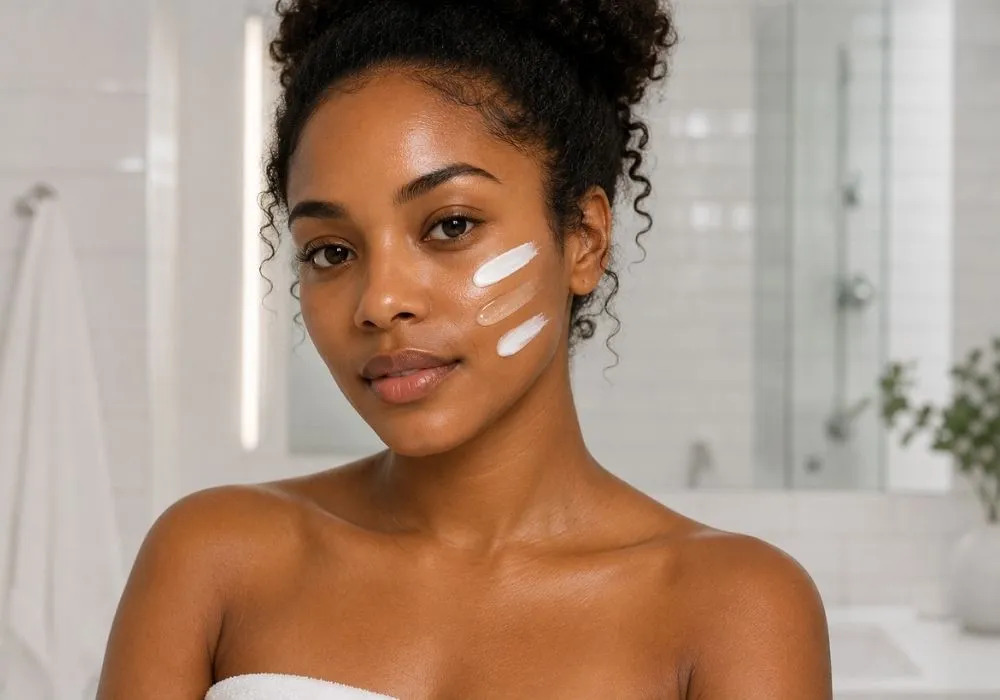
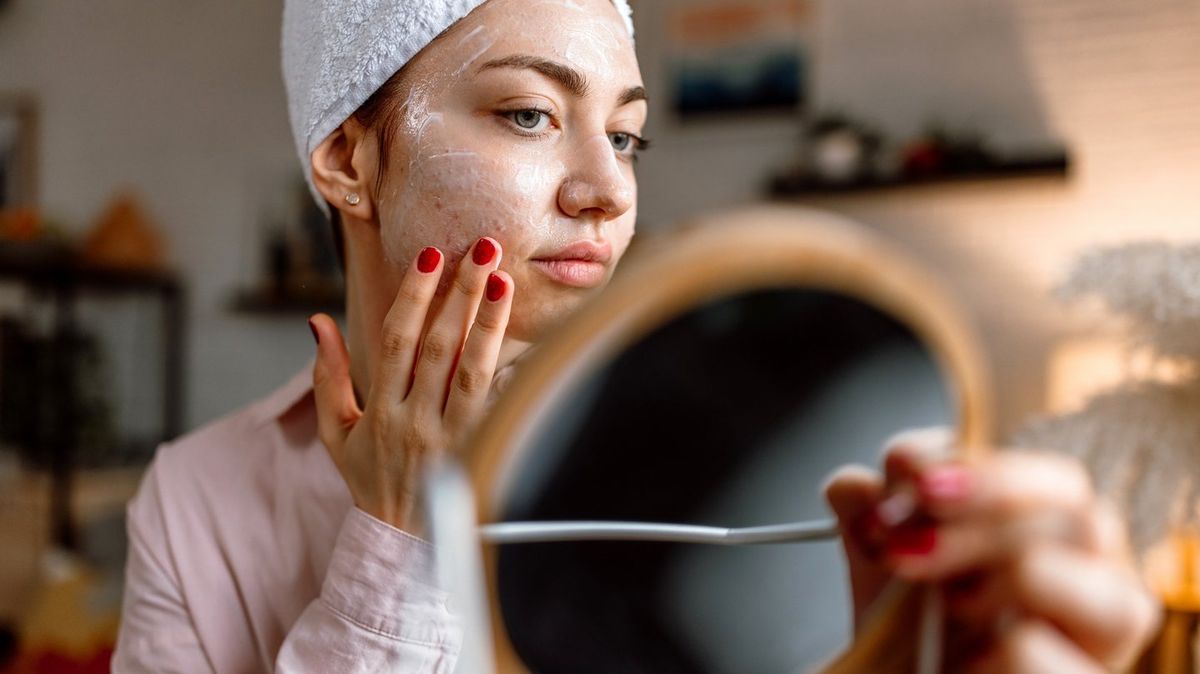
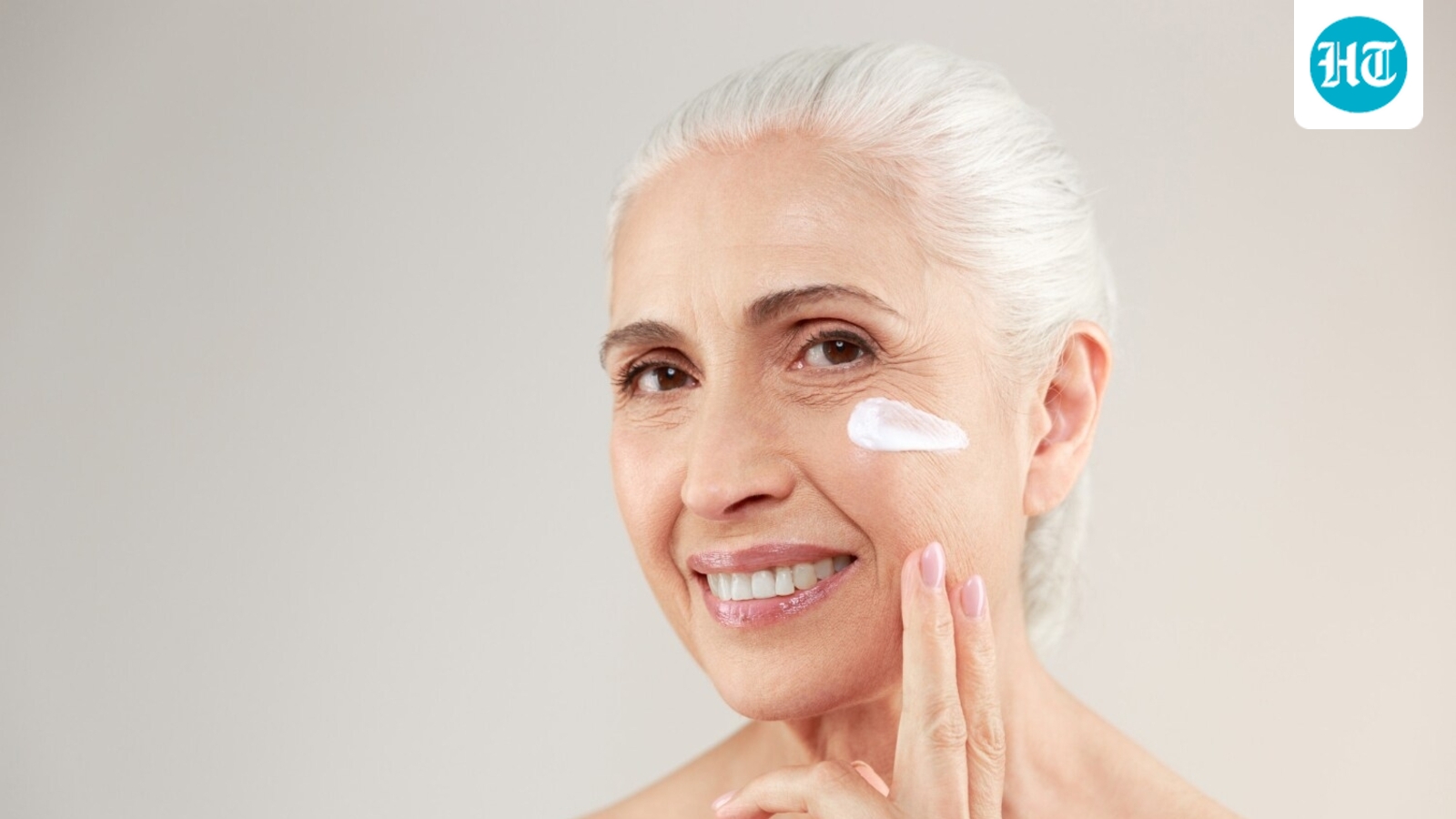
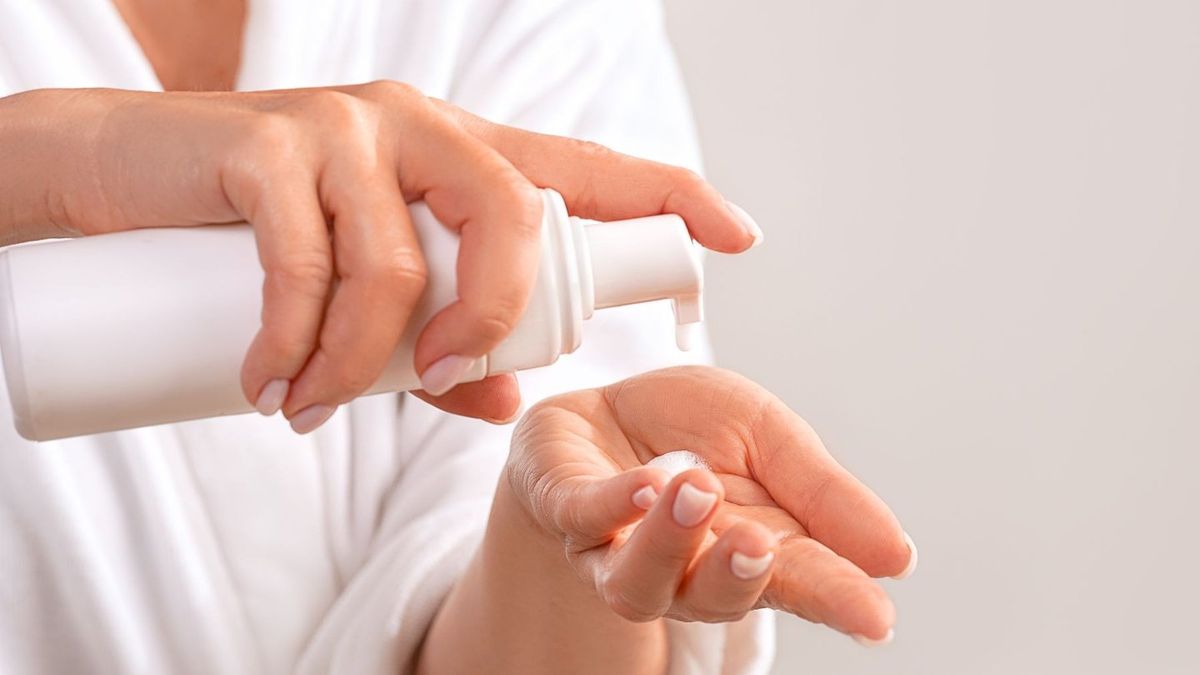
Skincare products arranged in the order they should be applied during a skincare routine

What order should products go in?

Choosing the right skincare products is only half the story. How you layer them matters too.

From applying lightweight actives before richer creams to knowing when skin should be damp or dry, the correct order helps every step of your routine work more effectively.

You’ve got the cleanser, the clever serum, the moisturiser your skin loves and an SPF you actually remember to wear.

But there’s one detail that might be quietly undoing all that good work: skincare layering.

Because using the right products is only half the story. Using them in the right order matters too.

The skincare layering rule that makes everything easier

As a general rule, skincare should move from the thinnest texture to the thickest, while also considering what each product is designed to do.

The basic order is:

  1. Cleanser
  2. Corrective or active serums
  3. Hydrating serums
  4. Moisturiser or barrier support
  5. Sunscreen in the morning

Why the pecking order?

Lightweight actives need direct access to the skin, while richer creams help create a protective layer.

Apply those heavier products too early and they can reduce the penetration of whatever comes next.

Think of it less as adding more steps and more as putting the ones you already have in the right order.

How long should you wait between skincare products?

Here’s where skincare layering gets surprisingly easy.

For most products, there’s no need to wait 10, 20 or 30 minutes between steps.

Once a product has been spread evenly and is no longer wet on the surface, you can generally move on. This is usually within 30 seconds to two minutes.

After applying a more active product, such as a retinoid, waiting one to two minutes before following with ceramides or a barrier-repair product can be particularly useful.

Should you apply skincare to damp or dry skin?

Not every product wants the same starting point.

Hyaluronic acid, hydrating peptide serums, moisturisers and barrier-repair products work well when applied to slightly damp skin.

Corrective actives require a little more thought.

Layering retinoids with strong exfoliating acids, or combining multiple exfoliating acids too aggressively, can compromise the skin barrier and increase irritation.

Don’t overcomplicate your skincare routine

Skin cycling can be useful when juggling multiple actives, particularly for sensitive skin, beginners or anyone with an impaired skin barrier.

But your foundational routine, including cleanser, antioxidants, actives, moisturiser or barrier support and sunscreen, should remain consistent.

Stronger corrective ingredients, such as retinoids and exfoliating acids, can then be adjusted according to your skin’s tolerance or the time of day.

Because great skincare isn’t about owning the most products.

It’s about using the right products, in the right order, consistently.

Read Inbound SA online

Tags: ,
Instagram/Tilly Whitfield

Skin barrier repair: the complete guide

Skin barrier repair has become a trending topic in skincare lately. The good thing about this awareness is that knowing your skin barrier helps you make informed choices for your skincare routine.

If something’s off with your skin, it’ll show you. Reactive, irritable skin. Dry, flaky patches. Breakouts, redness or acne. These can all be signs of a damaged skin barrier.

But, what causes a damaged skin barrier, and how exactly do you repair it?

This guide explains what your skin barrier is, how to tell when it is damaged, and the steps you can take to repair and restore it.

We’ve enlisted some advice from skincare expert, Fiona Brackenbury, as well as from founder of Skin Medical, Dr Sabika Karim.

Your skin barrier requires care and maintenance (Aleksandar Nakic/Getty Images)

What is the skin barrier?

Your skin barrier is the outer layer of skin, and it’s there to protect you from pollutants, bacteria and irritants.

Its job is also to retain moisture to stop your skin from drying out.

Read more: Skin barrier repair on a budget: affordable skin barrier repair under £15

The structure of the barrier is made up of cells, as well as lipids such as ceramides, cholesterol and fatty acids.

Dr Sabika Karim explains further: “‘The skin barrier is the outermost layer of the epidermis, called the stratum corneum. I often describe it as being like bricks and mortar: the corneocytes, or dead skin cells, are the bricks and the lipids surrounding them are the mortar. Together they help keep water in and irritants, allergens and microorganisms out.”

How do you know it’s damaged?

One of the clearest signs of a damaged skin barrier is increased sensitivity.

This can show up as redness and inflammation, or you might even notice a stinging, burning or itching sensation when applying your normal skincare.

It can also show up as tightness, dryness or flaky texture, as well as acne or breakouts that don’t seem to go away.

Cleveland Clinic outlines that the symptoms of a damaged skin barrier include:

  • Acne.
  • Dry, scaly and/or flaky skin
  • Infection
  • Inflammation and irritation
  • Itchiness
  • Rough patches
  • Stinging, especially when you apply skincare products
  • Tenderness or sensitivity

A compromised skin barrier can show up as sensitivity and redness, (Nuttawan Jayawan/Getty Images)

How to actually repair it

Repairing your skin barrier requires a targeted moisturiser, much like the barrier repair cream.

They’re formulated with ingredients that specifically help restore and repair any damage to your skin.

Fiona reveals: “Using a good barrier-supporting moisturiser consistently every evening can make a huge difference to how the skin feels and behaves.”

Glowery Butter Balm Barrier Restore Balm, £40 on Sephora

Glowery Butter Balm Barrier Cream, Sephora

Restoring plumpness and bounce to dry, dehydrated skin, this buttery balm from Glowery practically melts on application.

It’s supercharged with biomimetic pro-collagen tech, which allows a compromised barrier to lock in long-lasting moisture and get to work on restoring the skin. It might be rich, but it absorbs pretty fast.

Kiehl’s Ultra Facial Advanced Repair Barrier Cream, £30.40 reduced from £38

Kiehl’s Ultra Facial Advanced Repair Barrier Cream, Boots

This fast-absorbing, breathable and lightweight repair cream from Kiehl’s is a brilliant moisturiser as part of your daily routine.

Formulated with Advanced Barrier Technology, this moisturiser mimics the skin’s lipid structure to help support barrier recovery. The hard-working barrier cream makes the skin feel calm and smooth after use, making short work of dry skin.

CeraVe Advanced Repair Ointment for Very Dry and Chapped Skin, £15

CeraVe Advanced Repair Ointment, Boots

Recommended by dermatologists, this ointment from CeraVe is made from a unique gel texture, coating the skin in hyaluronic acid and three essential ceramides, in order to repair a compromised skin barrier.

The multi-purpose balm can be used on the face, body and lips, creating lasting hydration on dry, cracked or damaged skin. Best used when the skin is in need of an extra shot of moisture.

La Roche-Posay Cicaplast Balm B5 Multi-Purpose Repairing Balm, £8.80 reduced from £11

La Roche-Posay Cicaplast Balm, Lookfantastic

Containing Vitamin B5, glycerin and prebiotics, this repairing balm is jam-packed with skin-loving ingredients.

This cream even went viral on TikTok, where beauty reviewers swore by slugging their face in the product before bed to heal a damaged skin barrier.

Affiliates Writer, Danielle Fowler is a big fan: “It helped to calm my dry skin while giving my compromised barrier the extra support it needed.”

Embryolisse Lait-Crème Concentré Multi-Purpose Moisturiser, £12.24 reduced from £13.99

Embryolisse Lait-Crème Concentré, Lookfantastic

A rich, nourishing cream which repairs the skin while giving it a glass-like shine, this barrier cream has been used by countless make-up artists and celebrities – including Michelle Keegan. It can be used as a primer, moisturiser, make-up remover or as a repairing mask.

Containing essential fatty acids, vitamins and nutrients, its simple ingredients work to leave your skin satin soft and free from dryness.

Aestura ATOBARRIER365 Cream, £26

Aestura ATOBARRIER365 Cream, Sephora

Trending on social media right now, this barrier support cream from Aestura has been formulated with some targeted ingredients in mind.

Its patented barrier-boosting ceramides retain within the skin barrier for up to 18 hours, and its Triple Lipid Complex of ceramides, fatty acids, and cholesterol mimic the skin’s natural lipids. An incredibly effective formula for skin barrier repair.

The ingredients that matter: ceramides and beyond

It’s important to use the correct products to restore your skin barrier, (Supersizer/Getty Images)

Ceramides

Dr Sabika Karim says: “Ceramides are one of the most important ingredients to look for when your skin barrier is compromised. They’re vital for maintaining the skin’s barrier function and keeping skin hydrated and supple. Research shows that topical application of ceramides can improve skin barrier function, enhance moisture retention and support the repair of a damaged skin barrier.

Read more: Adult acne: why it happens and what actually helps

Applying well-formulated ceramides topically can help replenish these essential lipids, reduce water loss and restore a healthier skin barrier.”

Skincare expert, Fiona Brackenbury adds: “Ceramides are naturally occurring lipids, so the skin can produce them, but UV exposure and age, amongst many things, can deplete production. Alongside cholesterol and free fatty acids, they form the organised lipid layers that reduce water loss and help prevent irritants and other external substances from penetrating the skin.

Without ceramides, the barrier cannot function properly.”

Cholesterol and fatty acids

“Ceramides don’t work alone.” Dr Karim reveals.

“Cholesterol and free fatty acids are also naturally present in the skin barrier and together these three groups of lipids form the protective matrix surrounding our skin cells.

I particularly like formulations that combine ceramides with cholesterol and fatty acids because they more closely replicate the lipids naturally found within healthy skin.”

Fiona says: “Cholesterol accounts for 25% of the lipids and works together to create the organised structure responsible for an effective barrier.

When the skin feels tight this is often a sign that cholesterol levels are low. Topical cholesterol used in skincare is skin-identical and safe. It does not affect blood cholesterol levels.”

She went on to say: “Essential fatty acids and non-essential acids makeup around 10–15% of the skin barrier lipids. Cleansing the skin can often remove some of these lipids, and the skin can be particularly susceptible to strong surfactants. Fatty acids are vital for maintaining barrier flexibility and supporting repair.”

Glycerin and Hyaluronic Acid

“Humectants attract and hold water within the outer layers of the skin,” explains Dr Karim.

“Glycerin is one of my favourites for a compromised barrier because it is an excellent humectant and helps improve hydration. Hyaluronic acid can also increase skin hydration, but remember that hydration and barrier repair aren’t quite the same thing: humectants provide the water, while your skin barrier helps keep it there.”

Fiona reveals: “Hyaluronic Acid is an ingredient that is naturally found in the skin and declines from the age of 30, its role is to help attract and retain hydration.

A compromised barrier is like a leaky bucket, and unless the skin barrier is repaired, the skin will continue to lose water; so whilst Hyaluronic Acid won’t repair it, it can help bring temporary hydration while the skin barrier is repaired. Unfortunately, Hyaluronic Acid won’t rebuild the intercellular matrix like ceramides, cholesterol, and fatty acids.

“Glycerin, like Hyaluronic Acid, is an excellent humectant. This is particularly good for skin barrier recovery after cleansers that leave the skin feeling stripped.”

Peptides

Skincare expert, Fiona, explains: “Think of these as barrier-supporting ingredients; however, there are hundreds of different peptides, each with different functions depending on their amino-acid sequence.

Some peptides may support epidermal signalling for collagen production, skin renewal, or other processes relevant to healthy skin, but they’re not structural components of the intercellular lipid matrix, so they don’t really make the A-list barrier-supporting and strengthening ingredients for a compromised skin barrier.

Dr Karim supports this, by saying: “Peptides are signalling molecules that can support processes such as skin repair, hydration and extracellular matrix production.

They can be a useful addition to a barrier-supporting routine, but if my priority is specifically repairing a damaged barrier, I would reach for ceramides, cholesterol and fatty acids first.”

Your age can effect your skincare needs drastically, (Ekaterina Demidova/Getty Images)

Niacinamide

Dr Karim says: “Niacinamide, or vitamin B3, is a great multitasker for barrier-compromised skin. It can support the skin’s own production of ceramides and other barrier lipids, reduce transepidermal water loss and also has anti-inflammatory properties, making it particularly useful for dry, sensitive or irritated skin.”

While, Fiona refers to niacinamide as a ‘barrier-supporting ingredient’. She reveals: “Niacinamide is really clever as it can support the skin’s own synthesis of ceramides.”

SPF

Many experts agree that SPF is incredibly important in protecting the skin. In fact, Dr Karim told us: “For me, SPF is non-negotiable at every age, whether your barrier is damaged or not.”

She went on to say, “SPF doesn’t rebuild your skin barrier, but it protects it while it repairs. UV radiation causes oxidative stress and inflammation and can disrupt normal skin function, so daily broad-spectrum sun protection helps prevent further damage.”

Fiona offered her expert advice, saying: “While you are trying to repair your compromised barrier, you can’t leave the skin exposed to more stressors. SPF will help protect the skin whilst the barrier is repaired, however, depending on the level of damage to the skin barrier, some sunscreens will irritate and sting the skin, so mineral filters may be best.”

Collagen

As for collagen, its effects on a compromised skin barrier are not nearly as important as we assumed. Fiona reveals that collagen is simply a ‘hydrating ingredient’ and one that ‘creates a film of hydration over the skin’. However, she also told us that: “Collagen isn’t a major component when it comes to the role of the skin barrier.”

Therefore, when you have a damaged skin barrier, this might be an ingredient that you can comfortably skip.

Does your age or life stage change what you need?

Dr Karim says: “Absolutely. Our skin changes throughout our lives, so our skincare should change with it. Younger skin tends to produce more sebum, so the focus may be on managing oil and breakouts without damaging the skin barrier.”

“As we age, collagen declines, skin renewal slows and changes in ceramides and other barrier lipids mean the skin becomes less able to retain moisture. During perimenopause and menopause, falling oestrogen can accelerate these changes, making skin drier, thinner and more sensitive.”

“Skincare should therefore evolve with your age, hormones and skin needs, but antioxidants and daily broad-spectrum SPF remain important at every life stage.”

Fiona agrees, also adding: “Changes in our skin barrier can also come from UV exposure. We often think about UV in relation to collagen, pigmentation and premature skin ageing, but prolonged UV exposure can also disrupt barrier function and affect important barrier lipids, including ceramides. It’s worth remembering that whilst away on holiday or during the summer months, you may have exposed your skin to prolonged sun exposure, which can leave the skin barrier more vulnerable.”

Common mistakes that make it worse

When skin feels dry, rough and flaky, that’s when we’re most tempted to use scrubs, exfoliants and peels. However, this is likely causing your skin more harm than good.

Harsh and perfumed products can strip the skin of moisture, which is what keeps the barrier healthy and hydrated.

If you feel as though your skin barrier is damaged, hold off using actives such as retinoids or harsh exfoliants.

It can take up to two weeks to repair your skin barrier (Ridofranz/Getty Images)

Maintain a simple routine rather than ‘skin cycling’, and reach for a barrier-supporting cream instead.

Fiona reveals, “The biggest mistake I see people make is assuming that because their skin feels better after a day or two, their barrier is completely repaired and they can immediately reintroduce all their active ingredients. How the skin feels and the complete repair of the barrier are linked, but not strongly aligned.”

FAQs:

How long does it take to repair your skincare barrier?

In regards to how long it takes to heal your skin barrier, experts are usually in agreement about one thing: the answer isn’t straightforward.

Dr Karim says: “How long it takes to repair, depends on the level of barrier damage. Mild barrier disruption can start to improve within a few days with the right skincare, while a more significantly damaged or chronically impaired barrier may take several weeks or longer to recover. The important thing is to remove whatever is continuing to disrupt it and give the skin what it needs to repair itself.”

Skincare expert, Fiona agrees: “When it comes to repairing your skin barrier, there isn’t an exact number of hours or days that applies to everyone. It depends heavily on how disrupted the barrier is, what caused the disruption, whether irritants or stressors are continuing to impact the skin without being identified, and, of course, the health of the skin barrier to begin with.”

“With mild skin barrier disruption, you may see signs of recovery between 24 hours and 48 hours.”

“However, if the skin has become red, inflamed, irritated, tight, flaky, or starts stinging when you apply skincare, this can indicate a more significant level of barrier disruption and inflammation. In these circumstances, I would expect recovery to take at least seven to 14 days. I have seen it take up to a month; however, this depends on the severity.”

Most experts agree that the best course of action when repairing a damaged skin barrier is simplifying your routine, being consistent and refraining from changing your skincare products.

Quiz: Is my skincare barrier damaged?

Answer the questions below, then add up how many A, B and C answers you choose. This quiz is a guide, not a diagnosis, but it can help you understand whether your skin barrier might need a bit of extra attention and care.

1. How does your skin feel after cleansing?

A) Comfortable and balanced

B) Slightly tight or dry

C) Tight, itchy, stinging or uncomfortable

2. How does your skin react to products it usually tolerates?

A) It reacts as normal

B) It feels a little more sensitive than usual

C) Products sting, burn or cause redness more often

3. What does your skin look like at the moment?

A) Clear, calm and even

B) A little dull, dry or uneven in places

C) Red, flaky, inflamed, rough or irritated

4. How often do you experience dryness or flaking?

A) Rarely

B) Sometimes, especially after cleansing or active ingredients

C) Often, even when I moisturise

5. Have you recently used strong exfoliants, retinoids or multiple active ingredients?

A) No, my routine is simple and consistent

B) Yes, but only occasionally

C) Yes, and my skin has felt more sensitive since

6. How quickly does your skin feel dry again after moisturising?

A) It stays comfortable for most of the day

B) It feels dry again after a few hours

C) It still feels tight or dry soon after applying moisturiser

Your results:

Mostly A answers: Your skin barrier is likely in good condition. Keep your routine consistent and avoid using too many active ingredients at once.

Mostly B answers: Your skin barrier might be under a bit of stress. Think about simplifying your routine and focusing on gentle, hydrating and barrier-supporting products.

Mostly C answers: Your skin barrier may be compromised. Strip your routine back to the basics, prioritise moisturiser and SPF, and pause strong active ingredients until your skin feels calm again.

Tags: , , , ,
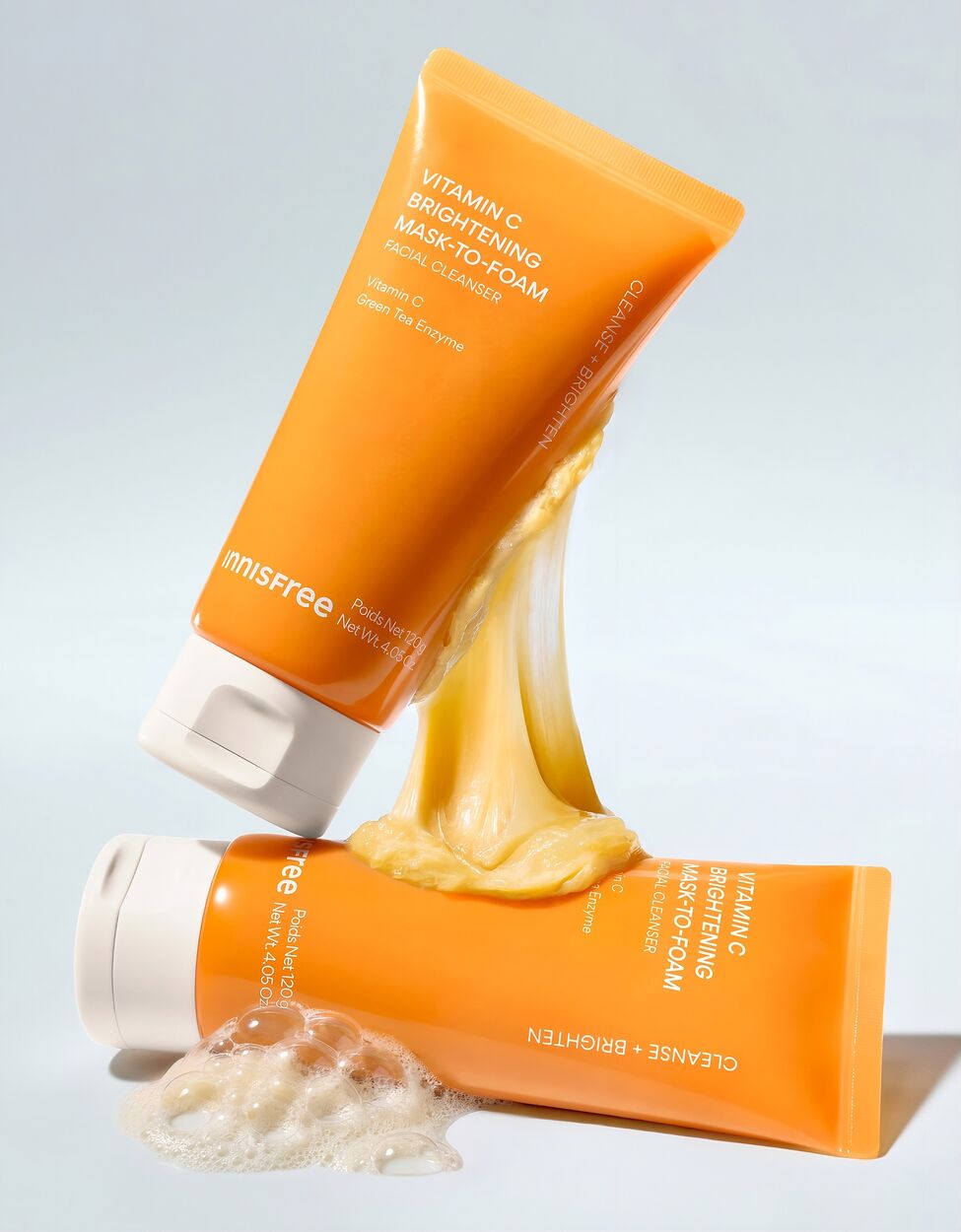
Innisfree Introduces Vitamin C Brightening Mask-to-Foam, A 2-in-1 Cleanser That Melts, Cleanses and Refines in One Step

Innisfree Introduces Vitamin C Brightening Mask-to-Foam, A 2-in-1 Cleanser That Melts, Cleanses and Refines in One Step

[National, 1st September 2026] Double cleansing can often feel like one more step in an already lengthy skincare routine, while traditional foaming cleansers can leave skin feeling dry or stripped. Recognising the growing need for skincare that is both easy and effective, Innisfree introduces its Vitamin C Brightening Mask-to-Foam, an innovative 2-in-1 brightening cleanser that combines the benefits of a wash-off mask and daily cleanser in one effortless ritual.

Designed for consumers looking to simplify their routines without compromising on cleansing or skincare benefits, the Vitamin C Brightening Mask-to-Foam transforms the way skin is cleansed. The formula begins as a rich, stretchy, gelato-like mask that grips onto impurities, excess sebum, sunscreen and everyday makeup. When massaged with warm water, it melts into a rich, gentle foam that lifts away residue, leaving skin feeling clean, smooth and refreshed.

At the heart of the formula is 30% oil-based cleansing agents, which help dissolve sunscreen, everyday makeup and impurities while providing a cushiony, low-friction cleansing experience. Vitamin C, Tangerine Water, Green Tea Enzyme, AHA and PHA work together to brighten the appearance of skin, refine texture and support a smoother, more radiant-looking complexion. Coconut-derived surfactants further support effective yet gentle cleansing. The formula is finished with a fresh citrus sensory experience featuring orange, lemon and bergamot oils. 

This unique mask-to-foam experience combines the melting action of a cleansing balm with the rinsing experience of a cleanser, creating a single-step alternative to a conventional double-cleansing routine. 

The Mask-to-Foam format offers two ways to use the product. As a daily cleanser, apply it to dry skin, massage to melt away sunscreen and makeup, add water to transform it into a soft foam and rinse. For a quick brightening reset, apply it to dry skin, leave it on for one minute, then add water, foam and rinse. 

Available in two sizes, the Innisfree Vitamin C Brightening Mask-to-Foam is priced at INR 380 for 30g and INR 1,300 for 120g, offering consumers the flexibility to choose a size suited to their skincare routine.

Shop Vitamin C Brightening Mask-to-Foam Facial Cleanser – https://www.nykaa.com/innisfree-vitamin-c-mask-to-foam-cleanser/p/26482819?productId=26482819&skuId=26482817&pps=1

The Vitamin C Brightening Mask-to-Foam is available online across Nykaa, Tira, Myntra and Amazon, making the innovative cleansing ritual easily accessible to consumers across India.

With its mask-to-foam transformation, cleansing efficacy and brightening skincare benefits, Innisfree Vitamin C Brightening Mask-to-Foam brings together what consumers increasingly seek from their routines: easy, effective and gentle skincare. By combining makeup and sunscreen removal with skin-refining and brightening benefits, the new cleanser is designed to make the everyday cleansing step feel less like a chore and more like a moment of skincare.

Tags: , , , , , , , , , ,
Instagram/Tilly Whitfield

How long does it take to repair your skin barrier: A dermatologist’s guide

At the moment, the world of skincare feels pretty overwhelming – it seems like there are a million terms floating around, as well as the never-ending stream of products we ‘need to buy’.

From ‘glass skin’ to ‘slugging,’ there are heaps of Gen Z trends that have done the rounds this year alone.

However, it turns out there is such a thing as ‘too many products’, which can lead to something called a damaged skin barrier.

If your TikTok For You Page looks anything like mine, you’ll have seen all of the videos popping up, warning you of what to do and not to do when it comes to your barrier, and it can be hard to separate the facts from the noise.

So, Tyla spoke to dermatologists to find out everything you need to know about your skin barrier, including how you can tell if it’s damaged, what to do if it is, and how long the process will take.

The skincare market is huge right now, with many people opting for a routine involving a lot of products (Getty Stock Image)

What is your skin barrier?

Dr Susie Gawler, Acne and Skin Lead at Boots Online Doctor, explained to Tyla that the skin barrier is the ‘skin’s outermost layer, responsible for keeping moisture locked in, and providing protection against external irritants and infections’.

She added: “When the skin barrier is disrupted, the skin can become dry, tight, flaky, red and more sensitive than usual, and is at greater risk of infection.”

While Dr. Anna Andrienko, Dermatologist & Aesthetic Doctor at Dr Ducu Clinics outlined that. When the barrier is damaged, ‘the skin loses water more easily and becomes more vulnerable to irritation’.

As per Healthline, the outermost layer is called the stratum corneum, which some people describe as a ‘brick wall’.

It’s made of tough skin cells known as corneocytes that are bound together by mortar-type lipids.

Inside the skin cells, you’ll find keratin and natural moisturizers, while the lipid layer contains cholesterol, fatty acids, and ceramides.

There are a number of ways your skin barrier can get damaged (Getty Stock Image)

How does your skin barrier get damaged?

There are a number of ways your skin barrier can get damaged, ranging from the environment around you to the types and amounts of products you’re using.

Dr Gawler said: “Over-exfoliating, using harsh products, cleansing too frequently, very hot water and dry weather can all contribute to skin barrier disruption. Introducing too many ingredients into a skincare routine at once can also trigger irritation.”

Harsh or fragranced products and skin conditions such as eczema can also affect your barrier.

Cleveland Clinic outlines that the symptoms of a damaged skin barrier include:

  • Acne.
  • Dry, scaly and/or flaky skin
  • Infection
  • Inflammation and irritation
  • Itchiness
  • Rough patches
  • Stinging, especially when you apply skincare products
  • Tenderness or sensitivity

Very got water and dry weather can also contribute to a disrupted barrier (Getty Stock Image)

How can you repair your skin barrier and how long does it take?

Dr Gawler advised that if your skin barrier feels compromised, the best approach is to ‘simplify rather than add more products’.

The skincare expert said: “Use a gentle cleanser and moisturiser, ideally choosing fragrance-free products formulated for dry or sensitive skin. Ingredients such as ceramides can also help support the skin barrier.

“Daily broad-spectrum SPF is important too, as UV exposure can further stress the skin.”

As for how long it takes, it’s not quite a simple question.

Dr Andrienko explained: “There isn’t one exact timeframe because it depends on how damaged the skin is and what caused it in the first place.

“Mild irritation can improve within a few days, while a more significantly disrupted barrier may take several weeks to settle.

“The important thing is to be consistent rather than constantly changing products in the hope of seeing an immediate result.”

Dr Gawler agreed: “It depends on how disrupted the barrier is and what caused the damage. With mild irritation, you may notice improvements within a few days after removing the trigger and supporting the skin.

“More significant disruption can take several weeks to settle, so consistency is more important than looking for a quick fix.”

She advised: “As the barrier recovers, symptoms such as dryness, tightness, redness, flaking and sensitivity should gradually improve.

“If these symptoms persist or worsen, it is worth speaking to a healthcare professional, as conditions such as eczema, rosacea or contact dermatitis can cause similar symptoms and may need specific treatment.”

How long it takes to repair your barrier depends on the severity of the damage (Getty Stock Image)

Products you should avoid while repairing your skin barrier

As for what to avoid, Dr Gawler advises staying away from products or treatments that cause ‘skin tightness, stinging or burning, particularly strong exfoliating acids, scrubs, peels and other potentially irritating ingredients’.

She added: “If you regularly use a cosmetic product that contains a retinoid, you may also need to pause or reduce its use until your skin has settled.

“It’s also best not to introduce lots of new products at once, as this can make irritation worse and make it harder to identify what’s causing problems.”

Setting right skin barrier myths

As we say, there’s a lot of noise out there when it comes to skincare, especially on social media, and not all of it is true.

Dr Gawler explained: “A common misconception is that skin needs to feel ‘squeaky clean’ after cleansing. In fact, that tight feeling can be a sign that the skin has been stripped of some of its natural oils.

“Another is that one ‘barrier repair’ product can fix the problem overnight. A moisturiser can support recovery, but removing the cause of the irritation is equally important.”

While Dr Andrienko added: “One common misconception is that you need a complicated routine with lots of different products to repair your skin. Often, the opposite is true. Keeping things simple and giving the skin time to recover can be much more helpful.

“Another misconception is that some stinging or burning means a product is working. Irritation isn’t something you need to experience for a skincare product to be effective.”

Tags: , , , , ,
Homestead Blog Hop - Homestead tips, ideas, animal care, and recipes every Wednesday

Homestead Blog Hop 615 – Make Homemade Cookies and Pumpkin Seeds

Welcome to the Homestead Blog Hop. A weekly gathering for homesteaders and simple living enthusiasts. We all share DIY projects, from-scratch recipes, and creative inspiration from our homes to yours.

This week’s hop features yummy foods. It also offers practical ideas that celebrate handmade living and self-sufficiency. Explore ideas that fit a thoughtful, sustainable lifestyle.

Whether you’re looking for seasonal crafts, homemade treats, or encouragement on your homesteading journey, you’ll find plenty of inspiration to carry into the upcoming seasons.

Grab a cup of tea, explore the featured posts, and join us in sharing your own homestead creations.

Meet Your Homesteading Hosts

We’re Kelly from Simple Life Mom, Liz from The Cape Coop, Natasha from Houseful of Nicholes, and Laurie from Ridgehaven Homestead. We’re about from-scratch living, simple ingredients, frugal habits, and intentional, sustainable living. We share recipes, tips, and ideas to support home cooks and makers.

We’re delighted to host the Homestead Blog Hop. You can find fresh inspiration each week for DIY projects, homemade recipes, and practical living ideas. Join us for new ideas and a growing community. Together, we celebrate everyday craftsmanship and thoughtful living.

Follow Us for More Homestead Inspiration

Natasha – Houseful of Nicholes
Facebook | Pinterest | X | Instagram

Laurie – Ridge Haven Homestead
Facebook | Pinterest | Instagram

Liz – The Cape Coop
Facebook | Pinterest | X | Instagram

Kelly – Simple Life Mom
Facebook | Pinterest | X | Instagram

FEATURED POSTS from the Last Homestead Blog Hop

Each week, we take turns selecting three featured posts from the Homestead Blog Hop. These features are shared across all of our social media platforms. They spotlight the creativity and hard work of our fellow homesteaders.

Here are the featured posts from last week’s hop:

1. Best Ranger Cookies Recipe with Chocolate Chips from Press Print Party

2. Delicious Fall Recipe: Roasting Pumpkin Seeds from Crazy Little Love Birds

3. Easy Pumpkin Cheesecake Cookies Recipe from Organized Island

Congrats! Feel free to grab the featured on button for your post.

Just right click and ‘save image as…‘

Guidelines for the Homestead Blog Hop

  1. Click the “Add Your Link” button below and upload a clear, eye-catching image from your project or recipe. Please link directly to the family-friendly post itself, not your blog’s homepage.
  2. You may link up up to three posts each week.
  3. Take time to visit a few other blogs in the hop and leave a thoughtful comment to let them know you stopped by. Community support makes this hop special!
  4. Please include a link back to the Homestead Blog Hop in your post. Posts without a back link are not eligible to be featured. All featured posts are shared across all hosts’ social media channels.
  5. Share posts that haven’t been linked to the hop before. Older posts are welcome as long as they are new to the hop.
  6. By joining the Homestead Blog Hop, you grant the hosts permission to use one image from your post, with a link back to your site, if your post is selected as a feature next week.
  7. This is a family-friendly link-up designed to encourage, inspire, and support the homesteader in all of us.

Let the Party Begin!

Which project are you excited to try this week? Leave a comment below.

Join Our Homestead Blog Hop Pinterest Board

Follow all of your hosts on Pinterest and send a message if you’d like to be added to our Homestead Blog Hop group board. This board is a great place to share your DIY projects, crafts, and from-scratch recipes with the homesteading community.

Guideline: Only pin posts that you’ve linked up to the Homestead Blog Hop.

Tags: , , , , , ,
Can expensive products slow ageing? Dermatologist debunks 5 skincare myths

Can expensive products slow ageing? Dermatologist debunks 5 skincare myths

Anti-ageing skincare is surrounded by misconceptions, with everyone offering their two cents and skincare aisles overflowing with products. Amid all this noise, it is best to take a step back and look at skincare with renewed clarity instead of blindly following marketing hype.

Dr Rinky Kapoor, director and co-founder of The Esthetic Clinics, shared that ageing is a natural process, but social media narratives can sometimes complicate how we approach it.

She said, “From believing that an anti-ageing regimen should only be started after reaching a certain age to assuming that using more products will lead to better results, there are several misconceptions about skincare that may make routines ineffective or excessive.”

Therefore, following age-based rules or piling on multiple products may backfire. Instead, skincare should be simple, consistent, and tailored to the skin’s individual needs.

Here’s a set of myths that she debunked with relevant facts:

Myth 1: An anti-ageing skincare regimen should only be started after the age of 40

  • Skin ageing begins well before the appearance of visible wrinkles.
  • The skin produces collagen, which gradually decreases with age, while exposure to the sun and other environmental factors may accelerate the ageing process.

Myth 2: Wrinkles are the sole indication of ageing on the face

  • The ageing process is much broader than just the formation of wrinkles.
  • Changes in collagen and elastin levels, pigmentation, texture, elasticity, hydration, as well as facial volume and contours, can all affect how the face looks over time.
  • This is why an effective anti-ageing approach should focus on overall skin quality, rather than just wrinkles.

Myth 3: Expensive skincare products provide better anti-ageing results

  • Cost does not necessarily determine the efficacy of a product. What truly matters is its formulation, active ingredients, concentration and suitability for your skin type and concerns.
  • An effective skincare regimen using simple products with scientifically proven ingredients can be more beneficial than constantly experimenting with expensive formulations.

Myth 4: Multiple anti-ageing products are needed to achieve better results

  • This myth stems from the idea that using more products will lead to better results.
  • But applying too many ingredients, acids or exfoliators at once can cause irritation and compromise the skin barrier.
  • It is better to build a simple skincare routine and gradually introduce active ingredients into it.

Myth 5: Aesthetic procedures can replace good skincare and healthy lifestyle choices

  • Aesthetic treatments can target specific concerns; however, they cannot replace the basics of good skincare and a healthy lifestyle.
  • Using sunscreen, getting adequate rest, maintaining proper nutrition, exercising, managing stress and following a consistent skincare regimen are essential for healthy ageing.
  • Aesthetic treatments should be tailored to an individual’s physical characteristics, skin concerns and expectations.
Tags: , , , , , , ,
Skin barrier repair on a budget: affordable skin barrier repair under £15

affordable skin barrier repair under £15

If you’ve been anywhere near skincare TikTok lately, you’ll probably have noticed that everyone’s talking about their skin barrier.

Looking at the price tags attached to some of the products recommended for repairing it, you could be forgiven for thinking that getting your skin back on track requires a £30+ investment.

It really doesn’t.

While there are plenty of premium barrier creams doing the rounds, some of the best barrier-supporting ingredients can be found in products for less than £15.

We’re talking ceramides, panthenol, glycerin, hyaluronic acid, and other ingredients designed to hydrate, soothe and help support the skin’s natural protective barrier.

If your skin is feeling tight, dry, flaky or generally rather unhappy after one too many acids, retinoids or over-enthusiastic skincare experiments, these are the cheap barrier repair products worth knowing about.

And yes, there are some very good options for considerably less than the price of that viral premium moisturiser.

Skin barrier repair doesn’t have to cost a small fortune (Westend61/Getty Images)

What actually helps repair your skin barrier?

Before getting into the products, it is worth knowing what you’re actually looking for on an ingredients list.

“It’s not about buying something just because it says ‘barrier repair’ on the front, says skin health expert and educator, Smita Ahluwalia.

Ceramides are one of the big ones, “These are naturally found in our skin barrier”, explains Smita.

They’re an important part of the barrier, helping to keep moisture in. That’s why you’ll see them cropping up in so many barrier-focused moisturisers, from CeraVe to BYOMA.

Panthenol, also known as vitamin B5, is another popular ingredient in products aimed at dry or irritated-feeling skin. Smita likes to see Panthenol in an ingredients list as it’s “really soothing”.

Humectants are another useful category. Ingredients such as glycerin and hyaluronic acid attract water to the skin, helping to “get that hydration back into the skin” says Smita.

You don’t necessarily need every single one in one product, either.

A simple moisturiser containing a combination of hydrating and soothing ingredients can be perfectly useful.

Best budget skin barrier creams under £15

La Roche-Posay Cicaplast Baume B5+ Repairing Balm

Best overall

Danielle Fowler

Cicaplast Baume B5+ is designed specifically for dry, uncomfortable and irritated-feeling skin, with 5 per cent vitamin B5 alongside La Roche-Posay’s Tribioma complex and madecassoside.

The brand describes it as a repairing balm for compromised skin, making it considerably more barrier-focused than your average moisturiser.

The thick texture also makes it particularly useful as the final step at night, either all over the face if your skin is very dry or just on the areas that need extra attention.

Affiliates Writer, Danielle Fowler says: “It helped to calm my dry skin while giving my compromised skin barrier the extra support it needed. I’m now in my early thirties and have continued to repurchase Cicaplast.”

CeraVe Moisturising Cream

Best everyday moisturiser

CeraVe

CeraVe is probably one of the first names that springs to mind when you think about affordable skincare.

This cream contains three essential ceramides alongside hyaluronic acid and is designed for dry to very dry skin.

Tyla’s senior writer, Rhiannon Ingle, says CeraVe ‘does this job every time’, adding: “It’s a product I pick up year-round as it works well for my drier skin in the winter as well as in the summer when other moisturisers leave a greasy residue. As it’s a little thinner, I use this only in the daytime, but so far, it’s never failed me.”

The fact that it’s suitable for both face and body is also handy if the rest of your skin is feeling dry.

BYOMA Moisturizing Gel Cream

Best for oily or combination skin

BYOMA

Is the thought of putting a rich balm over already-oily skin making you want to run for the hills? BYOMA’s Gel Cream might be your answer.

It uses the same barrier-focused approach as the traditional cream moisturisers in the BYOMA range but comes in a lightweight, oil-free gel-cream texture designed to hydrate without feeling heavy.

It’s proof that repairing your barrier doesn’t have to mean covering your face in a thick layer of cream.

Commercial editor, Natalie Corner, has previously used this formula: “It is extremely light, I think gel-cream is such a genius type of consistency for those of us who already have oily skin types, plus the pump dispenses the right amount so you don’t waste it. The only thing I would say is that this ran out really quickly, at 50ml for £12.99, replacing it regularly quickly adds up.”

Cetaphil Moisturising Cream

Best for sensitive skin

Cetaphil

This is one of those wonderful skincare products that, although unglamorous, does exactly what you need it to.

Cetaphil’s moisturising cream is aimed at dry to very dry and sensitive skin, and is fragrance-free.

It’s designed to help restore the skin barrier while providing long-lasting hydration.

Tyla’s senior writer, Rhiannon Ingle, commented that the Cetaphil cream is ‘super hydrating while also being lightweight’, adding: “It’s great for my sensitive skin due to the gentle ingredients, which soothe any irritation almost instantly. Easy to use and very reliable.”

The enormous 453g tub also makes the price particularly good value if you’re dealing with dryness beyond your face.

While the RRP is ever-so-slightly over our £15 budget, this huge tub regularly goes on sale so more often than not, you’ll be able to snap it up for less than £15.

Revolution Skincare Ceramides Moisture Cream

Best for a rich formula

Revolution

Revolution’s moisturiser keeps things simple without skimping on barrier-supporting ingredients.

The formula contains five different ceramides, alongside hyaluronic acid, glycerin, shea butter, dimethicone and cholesterol.

That’s a pretty comprehensive ingredient line-up for a moisturiser that costs less than a tenner, with the combination designed to hydrate skin while helping to support its natural barrier.

The texture is creamy and nourishing, making this a good everyday option if you want one straightforward moisturiser to use on dry skin morning and night.

Child’s Farm OatDerma Face Cream

Best gentle option

Natalie Corner/TYLA

Don’t be put off by the fact that this comes from a children’s skincare brand.

Child’s Farm’s OatDerma Face Cream is specifically formulated for the face and is fragrance-free, making it a surprisingly strong budget option for sensitive, dry skin.

It contains nourishing oat oil, which is naturally rich in ceramides, and the brand says it is clinically proven to support the skin barrier and provide up to 24 hours of moisturisation.

Commercial Editor, Natalie Corner, has been using this cream for six months and has already repurchased it twice, saying, “I found myself looking for a product that would soothe my skin after a breakout, and work well with the exfoliators in my skincare routine.

“Even though it’s a small bottle, I found it lasts me several weeks because I only need a coin-sized amount and it covers my whole face. It’s gentle and moisturising, and is ideal for nighttime.”

Weleda Skin Food

Best for very dry, rough patches

Weleda/Amazon

Weleda Skin Food is a cult classic for a reason.

It combines plant oils and waxes with extracts including calendula, chamomile and wild pansy to provide intensive moisture for very dry and rough skin.

The texture is undeniably rich, so this isn’t the one I’d choose if you prefer a barely-there gel moisturiser.

Instead, think of it as the tube to reach for when your skin is particularly dry or you have rough patches that need some extra TLC.

Senior Journalist, Rhiannon Ingle, has been using Weleda Skin Food for two years after initially picking it up while looking for an affordable, natural moisturiser.

She says, “I slather this all over my face when my skin feels like it needs a proper drink. It’s great for getting rid of rough patches overnight if you’re into ‘slugging’. Love how quickly it absorbs and the herbal scent is lovely too!”

Aveeno Dermexa Emollient Cream

Best for very dry skin

Aveeno

When your skin isn’t just dry but feels really dry, itchy and uncomfortable, this is where AVEENO Dermexa comes into its own.

It’s formulated with a soothing triple oat complex alongside ceramides, helping to moisturise and support the skin barrier without leaving the heavy, greasy feeling you might expect from an emollient cream.

The combination of oat and ceramides makes this particularly useful when your priority is soothing uncomfortable dryness while supporting the skin barrier, rather than simply adding a bit of hydration.

The Ordinary Natural Moisturizing Factors + HA

Best for straightforward everyday hydration

The Ordinary

Sometimes, the best thing you can do when your skin barrier is struggling is stop throwing complicated products at it.

The Ordinary’s Natural Moisturizing Factors + HA is a brilliantly straightforward option for those moments, providing hydration without piling on a long list of actives.

The formula contains hyaluronic acid alongside glycerin, amino acids, urea, allantoin and fatty acids, which work together to help replenish the skin’s natural moisture

It’s a good everyday moisturiser for keeping a stripped-back routine hydrated, particularly if you find richer creams too heavy or simply want something uncomplicated.

BYOMA Hydrating Serum

Best for adding an extra layer of hydration

BYOMA

If your skin is feeling tight and dehydrated alongside a damaged barrier, a serum can be a useful extra step.

BYOMA’s Hydrating Serum is one of the more barrier-conscious options.

It’s formulated with glycerin to help replenish moisture, alongside BYOMA’s Tri-Ceramide Complex, which combines ceramides, cholesterol and fatty acids.

It’s important to note this serum is a supporting step to repairing your skin and not a replacement for a barrier cream, which is why BYOMA itself recommends following the serum with moisturiser to seal everything in.

Aveeno Calm + Restore Oat Gel Moisturiser

Best lightweight soothing option

Aveeno

Aveeno’s Calm + Restore Oat Gel Moisturiser is a much lighter option compared to some on this list. No more sticky face.

The fast-absorbing gel cream is formulated with prebiotic oat, which Aveeno says helps soothe and repair skin by restoring its moisture barrier.

It’s also fragrance-free, non-comedogenic and specifically formulated for sensitive skin.

It’s a particularly good choice if your skin is feeling sensitive or dehydrated but you don’t want to cover it in a thick balm.

The lightweight texture sinks in quickly, while still giving normal-to-dry skin the hydration it needs.

Molly-Mae Hague has previously named the Aveeno moisturiser as one of her favourites, cementing its status as a beauty-girl staple.

It’s ideal if you’re looking for something soothing and hydrating for daytime, particularly to wear under SPF and make-up, rather than a heavy-duty overnight treatment.

Boots Ingredients Barrier Support Ceramide Moisturiser

Best budget buy

Boots

If you’re looking for a budget ceramide moisturiser in the UK, it’s hard to argue with one that costs just £6.

Boots’ own Barrier Support Ceramide Moisturiser combines ceramides with 5 per cent shea butter and hyaluronic acid, giving you three useful ingredients for supporting the skin barrier and keeping dry skin hydrated.

The texture is on the richer side, so it’s better suited to dry or dehydrated skin than anyone who prefers a weightless gel.

Shea butter and dimethicone help give it that more nourishing feel, while glycerin and sodium hyaluronate help draw and hold moisture in the skin.

It doesn’t have fancy packaging or a premium price tag. It’s just a straightforward moisturiser built around some of the ingredients your skin needs.

Bioderma Atoderm Ultra-Soothing Balm

Best for very dry and sensitive skin

Bioderma

Formulated for very dry and itchy skin, Bioderma’s Atoderm Ultra-Soothing Balm is the sort of no-nonsense moisturiser worth having in your arsenal if your face is feeling dry, tight and generally fed up.

It has a rich but non-sticky texture that helps soothe discomfort while keeping skin moisturised.

What makes it particularly relevant for a barrier-repair routine is its combination of ceramides, cholesterol and phytosphingosine alongside hydrating ingredients.

These are all components you want to see in a formula designed to support the skin’s natural barrier, rather than simply giving you a temporary hit of hydration.

It’s fragrance-free and designed with sensitive skin in mind, too, which is exactly what you want when your skin is already feeling a little fragile.

E45 Cream

Best pharmacy-recommended skin barrier repair cream

E45

E45 might not have the prettiest packaging to put on your bathroom shelf, but when your skin barrier is struggling, aesthetics aren’t really the priority.

It’s designed to treat and soothe dry, itchy, flaky, chapped and rough skin, making it a particularly useful option when your skin barrier needs a bit of extra support.

Despite being made for seriously dry skin, it doesn’t leave you feeling like you’ve coated yourself in a thick layer of cream.

Proof that the oldies in the skincare world are still the goodies.

One thing to note is that E45 Cream is classed as a medical cream, so make sure you read the label before using it and speak to a pharmacist or doctor if you’re unsure whether it’s suitable for you.

Tyla’s editorial lead, Jess Hardiman is a firm fan: “I’ve been using E45 all my life, having found it’s the only product that really helps keep my eczema under control – especially during colder months, or when temperatures flip from one extreme to another, which is common with our notoriously unpredictable British weather. It’s one of the simpler solutions, which is my preference when it comes to skincare.”

Cetraben Moisturising Body and Face Cream

Best for dry, eczema-prone skin

Cetraben

Cetraben is another one of those creams that might not have the TikTok-famous packaging of some of the other products in this edit, but if your skin is dry, itchy or prone to eczema, it’s a pharmacy staple that’s well worth knowing about.

The fragrance-free cream is designed to soothe and moisturise dry, sensitive and eczema-prone skin, while helping to protect it from the things that can make dryness worse.

It’s a fuss-free emollient designed to help keep moisture in the skin, making it a sensible choice when your complexion is feeling dry and uncomfortable, and you want to strip your routine back to the basics.

LADbible Group SEO lead, Tom Earnshaw, shares of his experience with Cetraben: “My son suffered badly with eczema and dry skin during his first four years, often being left with bleeds on the top of his back and crook of his arm that were difficult to heal. Cetraben was a genuine lifesaver not only to stop flare ups and start the healing process, but make him stop scratching at an age where he doesn’t realise it’s harming him. I’d recommend it to any parent to try if their children are suffering.”

Zhanna Danilova/Getty Images

Does cheap skincare work just as well?

Skin health expert, facialist and founder of Smita London, Smita Ahluwalia, says: “Yes, cheaper skincare can work just as well. I think we get far too caught up in price when it comes to skincare.

“A £15 moisturiser can be absolutely brilliant for your skin barrier, and a £100 moisturiser isn’t automatically going to be better.

“For me, it’s always about the formulation, the ingredients and whether it’s right for your skin.

“There are certain things I might invest more money in, particularly when we’re looking at specific active ingredients and clinical formulations, but if we’re simply talking about supporting a damaged skin barrier, you don’t have to spend a fortune.”

What are the biggest mistakes people make when trying to repair their barrier?

“The biggest mistakes people make when trying to repair their skin barrier repair is doing too much or not understanding that your barrier is compromised, so you strip your skin further.

“Your skin is already telling you it’s unhappy, and then you’re putting retinol on it, exfoliating it, using acids, scrubbing it and trying three new products because TikTok told you they’re amazing!

“Sometimes you just need to leave your skin alone.

“Strip everything back. Gentle cleanse, moisturise, SPF. Get the barrier functioning properly again and then we can start thinking about introducing actives a few months later.

“And please don’t think that stinging means a product is working. It doesn’t.”

How do I know my skin barrier is getting better?

“Your skin will tell you that it is getting better. It should start feeling less tight, less sensitive, less itchy and less reactive.

“You’ll hopefully notice less redness and flaking, and when you put products on, you’re not getting that horrible stinging sensation.

“Another big thing is hydration.

“When the barrier isn’t functioning properly, we’re losing water from the skin. As it starts recovering, your skin should hold onto moisture better and feel comfortable for longer.”

FreshSplash/Getty Images

How long does it take to repair your skin barrier?

“The length of time it take to repair your skin barrier really depends on how sensitive the skin has become, your rate of healing recovery time and the products you are using to help the barrier.

“If you’ve simply overdone your retinol or exfoliation, your skin might start feeling much better within a few days and continue improving over the following weeks.

“But if you’ve been compromising that barrier for months, or there’s something else going on with your skin, it’s going to take longer.”

Tips for your skincare routine if your skin barrier is compromised

“If your skin barrier is compromised, the first thing I would recommend is to stop exfoliating and stop using your actives”, says Smita.

“That means put away your retinol, retinal, tretinoin, AHAs, BHAs, exfoliating acids and scrubs for now.

“Your skin is already struggling and this really isn’t the time to keep challenging it.

“Strip your routine right back. Gentle cleanse, moisturise, protect with SPF and concentrate on calming and supporting the barrier.

“Once your skin feels comfortable again (no stinging, tightness, excessive dryness, flaking or sensitivity) then you can slowly start introducing your actives again.

“Don’t put everything back on at once, otherwise you can end up right back where you started.

“Start with one product at a time so you understand what could be causing the irritation.”

Tags: , , ,
Adakah Produk Khusus Perawatan Skin Barrier? Ini Dia 4 Rekomendasinya Buat Kamu

Adakah Produk Khusus Perawatan Skin Barrier? Ini Dia 4 Rekomendasinya Buat Kamu


Senin 31-08-2026,07:18 WIB

Reporter:
Elif Hudayana|

Editor:
Dony Widyo


Adakah Produk Khusus Perawatan Skin Barrier? Ini Dia 4 Rekomendasinya Buat Kamu-magnific.com-

RADARPEKALONGAN.CO.ID – Sedang mencari produk khusus perawatan skin barrier? Simak artikel ini yuk sampai akhir. 

Buat kamu yang memiliki masalah kulit wajah yang tampak kemerahan, terasa gatal atau bahkan breakout yang terlalu sering, bisa jadi skin barrier kamu melemah lho. 

Perlu diketahui dulu nih kalau skin barrier adalah lapisan terluar kulit yang akan melindunginya dari berbagai kondisi eksternal. 

Skin barrier akan mencegah hilangnya kelembapan, melindungi kulit dari polusi, sinar UV, atau bahan kimia dari produk kosmetik yang kita gunakan.

BACA JUGA:Top 4 Tinted Sunscreen yang Bikin Glowing Seharian Meski Wajah Berkeringat

BACA JUGA:4 Serum yang Bagus untuk Flek Hitam Membandel di Wajah Usia 40 Tahunan

Skin barrier yang sehat akan menjaga kulit tetap terhidrasi dan lebih tahan terhadap iritasi. Sementara skin barrier yang rusak akan membuat kulit jadi lebih kering, kemerahan, gatal, dan rentan berjerawat.

Faktor kerusakannya bisa karena kurangnya perawatan. Nah, untuk mengatasi hal tersebut maka kita juga bisa mengandalkan produk skincare lho. 

Apa saja produk khusus perawatan skin barrier tersebut? 

Berikut beberapa rekomendasi produk skincare yang bisa kita pakai untuk menjaga skin barrier agar tetap sehat:

1. ELFORMULA CeraHydro Barrier Repair Serum

Di urutan yang pertama kita bisa menggunakan serum yang mengandalkan teknologi CeraHydro dan ectoin. Kombinasi keduanya akan memperbaiki dan menenangkan lapisan pelindung kulit. 

BACA JUGA:Apa Saja Skincare Agar Wajah Glowing dan Awet Muda di Usia 40 Tahun? Ini Rekomendasinya

BACA JUGA:4 Rekomendasi Bedak Wardah untuk Menutupi Flek Hitam di Usia 40 Tahunan

Selain itu, serum dari Korea Selatan nini juga mengandungan peptide (palmitoyl tripeptide) untuk membantu mengencangkan kulit dan mengurangi tampilan garis halus lho. 

Formulanya direkomendasikan buat kamu yang memiliki tipe kulit rentan iritasi atau bermasalah karena skin barrier rusak. 

Cek Berita dan Artikel lainnya di Google News

Sumber:

Tags: , , , , , , , , , ,
Your baby's first skincare routine: Simple daily habits for soft, healthy skin

Your baby’s first skincare routine: Simple daily habits for soft, healthy skin

With so many different lotions and potions on the shelves, it’s
hard to know what you do and don’t need for your baby. But when it
comes to skincare, less is definitely more, says health visitor
Tracey Stone.

‘Babies’ skin is very different to adult skin. It’s much
thinner, and more delicate. It’s also still learning how to protect
itself during the first few months of your little one’s life,’ she
explains.

A newborn’s skin in particular is very thin and easily damaged.
For at least the first month, as their skin develops its natural
protective barrier, you should bathe your baby using only plain
water and avoid using products on their skin. This includes
moisturisers, medicated wipes and skin cleansers. 

As your baby’s skin develops and matures, their skincare routine
can change and you may want to introduce some gentle
products. 

Here are six simple habits that can help keep your baby’s skin
soft and healthy.

1. Choose skincare products designed specifically for
babies

Whether it’s bath washes or nappy creams, if you choose to use
products, it’s best to opt for gentle choices designed specifically
for babies. ‘These are less likely to irritate your baby’s delicate
skin and can help protect their natural skin barrier,’ says
Tracey.

AVEENO® Baby products are specially formulated for babies. They
can help nourish and protect their sensitive skin and are
paediatrician and dermatologist tested.

2. Avoid heavily scented bubble baths

© Shutterstock

It may surprise some parents to hear that babies don’t need a
bath every day. ‘Normally two to three times a week is enough,’
says Tracey. On days you’re skipping the bath, simply wash your
baby’s face, hands, neck and nappy area.

If you and your baby enjoy bath time, though, there’s no harm in
bathing them more often. Just ensure you:

  • Use warm water, not
    hot
  • Use plain water or a
    liquid cleanser that’s suitable for babies
  • Avoid heavily scented
    bubble baths and lotions as they can cause irritation

If you choose to use bath products, AVEENO®
Baby Daily Care Gentle Bath & Wash is suitable from the first
few weeks of your baby’s life. 

Formulated with Colloidal Oatmeal, it gently cleanses skin,
leaving it feeling moisturised. Containing aloe and chamomile, it’s
pH-balanced to avoid disrupting your baby’s skin pH levels.

For very dry skin, AVEENO
Baby Dermexa™ Moisturising Wash is specially formulated for
babies prone to irritation, itchiness and eczema.

© Aveeno

3. Moisturise dry skin if needed

‘If your baby has dry or sensitive skin, applying a gentle,
fragrance-free moisturiser after a bath can help keep their skin
soft and hydrated,’ says Tracey. 

However, she notes that not all babies need moisturiser every
day. Instead she says it’s best to use it when your baby’s skin
looks dry or feels like it needs some extra hydration.

The type of moisturiser you use can also depend on your baby’s
skin type.

Normal to dry skin

AVEENO®
Baby Daily Care Moisturising Lotion is nourishing and
non-greasy. It’s clinically proven to moisturise and protect for 24
hours. 

Very dry and itchy skin 

AVEENO Baby Dermexa™ Emollient Cream is designed for babies
prone to regular irritation, itchiness or eczema. Immediately
soothing and moisturising, it’s enriched with ceramides to help
strengthen the skin barrier function.

© Aveeno

4. Change nappies as soon as possible

Nappy rash is common in babies and can cause dryness and red or
sore spots. To help prevent and treat it:

  • Change wet or dirty
    nappies promptly to reduce irritation
  • Keep the skin in the
    nappy area clean and dry
  • Leave your baby’s
    nappy off when possible
  • Clean skin with water
    or fragrance- and alcohol-free baby wipes

You may also want to use a barrier cream like AVEENO® Baby
Daily Care Nappy Cream. Suitable for sensitive and delicate
skin, as well as babies who may be prone to eczema, it soothes and
provides immediate comfort. 

Clinically proven to protect against causes of nappy rash, the
formula contains oat extract and zinc oxide, which is known to
create a breathable barrier to protect the skin.

If you’re worried about your baby’s nappy rash, speak to a
healthcare professional.

© Aveeno

5. Keep babies out of the sun

Babies under six months should be kept out of direct sunlight to
protect their delicate skin.

You should avoid using sunscreen on babies younger than six
months. Instead, keep your baby in the shade by attaching a
parasol or sunshade to their buggy or pram when you’re out and
about. Avoid placing a blanket over their buggy though, as this can
cause them to overheat.

If possible, avoid the hottest part of the day, between 11am and
3pm, when the sun is at its strongest.

6. Don’t be afraid to ask for
advice

Your baby’s skin will naturally change and develop during their
first year, so occasional dryness or rashes can happen. They’re
often completely normal, but if you’re worried, or your baby’s skin
seems painful, infected or isn’t improving, speak to your GP,
health visitor or pharmacist. They can help you find the most
appropriate treatment and give you peace of mind.

Tags: , , , , , , , ,
Molekulaire Vitamin C Serum For Face: Redefining Skincare With Skin Longevity Science & Healthy Aging

Molekulaire Vitamin C Serum For Face: Redefining Skincare With Skin Longevity Science & Healthy Aging

In The News

-Sathish Raman


Updated: Monday, August 31, 2026, 18:24 [IST]

Skin Longevity Is the Future of Skincare – Here’s Why It Matters More Than Ever

For years, skincare has been marketed around one idea: anti-aging. From wrinkle creams to overnight brightening treatments, the focus has largely been on correcting visible signs of aging after they appear. While these products may offer temporary improvements, modern dermatology is shifting the conversation toward something far more meaningful – skin longevity.

Rather than asking “How do we make skin look younger?”, skin longevity asks a more important question: “How do we help skin stay healthier, stronger, and more resilient for decades?”

Molekulaire’s Vitamin C Serum for Face redefines skincare, focusing on skin longevity over anti-aging. Discover how science-backed ingredients protect, repair, and strengthen your skin for lasting health. Learn to build a routine that ensures resilient, radiant skin, investing in your future skin vitality.

This approach isn’t about chasing perfection. It’s about preserving the skin’s biological function, strengthening its natural defenses, and reducing the cumulative impact of environmental damage before it accelerates visible aging. In other words, healthy skin today creates healthier skin tomorrow.

This philosophy has become increasingly relevant as research continues to show that premature skin aging is influenced as much by lifestyle and environmental factors as it is by genetics. Daily exposure to ultraviolet (UV) radiation, pollution, blue light, oxidative stress, and chronic inflammation gradually weakens the skin’s protective barrier, damages collagen, and contributes to uneven skin tone, dullness, and loss of elasticity.

That is why preventive skincare has become one of the biggest shifts in modern dermatology.

Instead of relying solely on corrective treatments, dermatologists now recommend routines built around clinically proven active ingredients that help protect the skin barrier, support collagen production, and improve long-term skin resilience. Among these ingredients, Vitamin C continues to stand out as one of the most effective antioxidants for supporting healthy aging.

This is the philosophy that drives Molekulaire.

Rather than formulating products around passing skincare trends, Molekulaire develops dermatologist-inspired formulations that combine evidence-backed ingredients with modern skin biology. Whether you’re looking for a Vitamin C Serum for Face to target dullness and pigmentation, a Niacinamide Serum to strengthen the skin barrier, or a Salicylic Acid Serum to support acne-prone skin, every formulation is designed with one long-term goal in mind – skin longevity.

Key Takeaways

Before exploring the science behind skin longevity, here are the key insights to remember:

  • Skin longevity focuses on maintaining healthier skin by preventing damage rather than simply correcting visible signs of aging.
  • Healthy aging begins with protecting collagen, strengthening the skin barrier, and minimizing oxidative stress.
  • A clinically formulated Vitamin C Serum helps defend against free radical damage while supporting brighter, firmer, and more resilient skin.
  • Ingredients such as Alpha Arbutin, Niacinamide, Salicylic Acid, and Mandelic Acid work together to address pigmentation, barrier health, acne, and skin renewal.
  • Preventive skincare routines deliver better long-term results than reactive skincare alone.
  • Molekulaire’s science-backed formulations are designed to support every stage of your skin longevity journey.

What Is Skin Longevity?

Skin longevity is a science-led approach to skincare that focuses on preserving the skin’s health, function, and resilience over time. Instead of targeting individual concerns in isolation, it supports the biological processes that keep skin strong, balanced, and better equipped to withstand everyday environmental stress.

Healthy skin isn’t defined solely by how smooth or radiant it looks. It is skin that can:

  • Maintain a strong skin barrier
  • Retain moisture effectively
  • Support collagen and elastin production
  • Recover efficiently from environmental damage
  • Defend itself against oxidative stress
  • Maintain an even skin tone and healthy texture
  • Promote natural skin renewal

When these functions begin to decline, visible signs of aging – such as fine lines, pigmentation, rough texture, and loss of firmness – become more noticeable.

Skin longevity aims to slow this process by strengthening the skin before significant damage occurs.

Anti-Aging vs. Skin Longevity

Traditional Anti-Aging

Skin Longevity

Focuses on correcting wrinkles and fine lines

Focuses on preserving long-term skin health

Treats visible concerns after they appear

Prevents premature skin aging before it starts

Prioritizes cosmetic improvements

Supports biological skin function

Targets individual symptoms

Improves overall skin resilience

Short-term visible results

Sustainable, long-term skin vitality

This shift reflects how modern dermatology views skincare today. Instead of simply reversing signs of aging, the goal is to build healthier skin that continues to perform well as we age.

Why Healthy Aging Starts Long Before Wrinkles Appear

One of the biggest misconceptions in skincare is that aging begins when wrinkles become visible.

In reality, the biological processes responsible for aging begin much earlier.

From your mid-twenties onwards, collagen production gradually declines, while repeated exposure to environmental aggressors continues to affect the skin at a cellular level. Over time, this cumulative damage contributes to what dermatologists call photoaging – premature skin aging caused by external factors rather than natural chronological aging.

Some of the biggest contributors include:

  • UV radiation
  • Air pollution
  • Free radical damage
  • Oxidative stress
  • Blue light exposure
  • Chronic inflammation
  • Poor barrier function
  • Lifestyle-related stress

These factors weaken the epidermal barrier, disrupt skin renewal, and accelerate the breakdown of collagen and elastin – the proteins responsible for skin firmness and elasticity.

The result?

  • Uneven skin tone
  • Hyperpigmentation
  • Fine lines
  • Dullness
  • Dehydration
  • Reduced skin elasticity
  • Slower skin regeneration

The good news is that much of this damage can be minimized through preventive skincare powered by clinically researched ingredients.

This is where healthy aging and skin longevity come together.

Why Vitamin C Is One of the Most Important Ingredients for Skin Longevity

Among the many active ingredients used in skincare today, Vitamin C remains one of the most extensively researched and dermatologist-recommended antioxidants.

A well-formulated Vitamin C Serum for Face does far more than simply brighten the complexion. It helps strengthen the skin’s natural antioxidant defense system, supports collagen synthesis, improves skin radiance, and protects against the environmental aggressors that contribute to premature aging.

Vitamin C is also an essential cofactor in collagen production, making it one of the most valuable ingredients for maintaining skin firmness and supporting long-term skin resilience.

Benefits of Using a Vitamin C Serum

A high-quality Vitamin C Serum can help:

  • Neutralize free radicals caused by UV exposure and pollution
  • Support collagen synthesis for firmer-looking skin
  • Improve skin brightness and overall radiance
  • Reduce the appearance of uneven skin tone
  • Help minimize post-inflammatory pigmentation
  • Strengthen the skin’s antioxidant defense
  • Promote healthier-looking skin over time

These benefits make Vitamin C a cornerstone ingredient for anyone building a skincare routine focused on skin longevity rather than short-term cosmetic improvements.

Beyond One Hero Ingredient: Why Modern Skincare Relies on Ingredient Synergy

While Vitamin C plays a vital role in protecting the skin against oxidative stress, healthy skin rarely depends on a single ingredient.

Modern dermatology increasingly focuses on ingredient synergy – combining clinically proven actives that work together to support multiple aspects of skin health.

For example:

  • Vitamin C helps defend against oxidative stress while supporting collagen production.
  • Alpha Arbutin targets uneven skin tone and visibly reduces pigmentation.
  • Niacinamide helps strengthen the skin barrier, improve texture, and regulate excess sebum.
  • Salicylic Acid exfoliates pores and supports clearer-looking skin.
  • Mandelic Acid encourages gentle skin renewal while improving overall skin texture.

Together, these ingredients address several of the biological factors associated with premature skin aging, helping create a more balanced and resilient complexion.

This science-first approach is becoming the foundation of advanced skincare – and it is central to Molekulaire’s philosophy.

Where Molekulaire Fits Into the Future of Healthy Aging

Understanding skin longevity is only the first step. Choosing formulations that support this philosophy is what transforms knowledge into results.

Instead of formulating products around trends, Molekulaire builds skincare around clinically relevant active ingredients that target the root causes of common skin concerns.

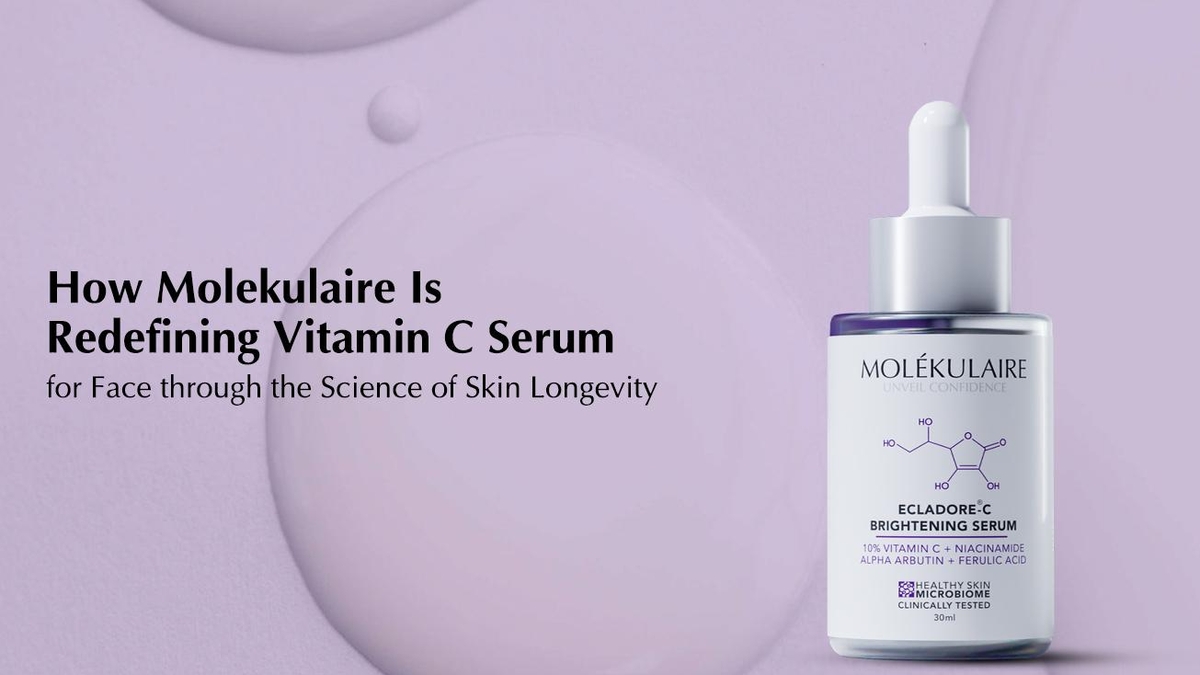
Its Ecladore C-10 Vitamin C & Alpha Arbutin Brightening Serum combines powerful antioxidant protection with pigmentation support, making it an ideal Vitamin C Serum for Face for those looking to improve skin radiance while supporting long-term skin health.

For individuals focused on strengthening their skin barrier, the Atopysens B3 10% Niacinamide Skin Correction Serum helps improve resilience, refine skin texture, and balance excess oil. Meanwhile, the Effisal-SA 2% Salicylic & Mandelic Acid Acne Control Serum supports clearer skin by gently exfoliating pores and encouraging healthy skin renewal.

Together, these formulations represent a preventative approach to skincare – one that prioritizes healthy aging, ingredient synergy, and long-term skin vitality instead of temporary cosmetic fixes.

Why the Right Ingredients Matter More Than More Ingredients

One of the biggest misconceptions in skincare is believing that more products equal better results. In reality, long-term skin health depends less on the number of products you use and more on the quality of the ingredients they contain – and how those ingredients work together.

This is where the concept of ingredient synergy becomes central to skin longevity.

Rather than relying on a single “hero ingredient,” modern dermatology recommends combining complementary active ingredients that target different biological pathways involved in skin aging. While one ingredient may defend against oxidative stress, another strengthens the skin barrier, regulates excess oil, improves pigmentation, or accelerates healthy skin renewal.

This integrated approach allows the skin to perform better over time, supporting healthy aging instead of simply masking visible concerns.

At Molekulaire, every serum is formulated with this philosophy in mind. Each product addresses a specific skin concern while contributing to the broader goal of healthier, more resilient skin.

The Molekulaire Skin Longevity Science

Vitamin C: The First Line of Defense Against Premature Skin Aging

When dermatologists discuss preventive skincare, Vitamin C is almost always part of the conversation.

As one of the most extensively studied antioxidants in skincare, Vitamin C plays a critical role in protecting the skin from free radical damage, photoaging, and environmental aggressors such as UV radiation and pollution.

Every day, your skin produces unstable molecules called free radicals in response to sunlight, pollution, stress, and other external factors. These molecules damage healthy skin cells, accelerate collagen degradation, and contribute to uneven skin tone, dullness, and fine lines.

A well-formulated Vitamin C Serum for Face helps neutralize these free radicals before they trigger long-term damage.

Why Vitamin C Supports Skin Longevity

A high-quality Vitamin C Face Serum can help:

  • Support collagen synthesis for firmer-looking skin
  • Improve overall skin radiance
  • Reduce visible dullness
  • Defend against oxidative stress
  • Minimize environmental skin damage
  • Promote a more even-looking complexion
  • Support healthier skin over time

Molekulaire’s Ecladore C-10 Vitamin C & Alpha Arbutin Brightening Serum is developed around this preventive philosophy. Instead of offering temporary brightness alone, it combines antioxidant protection with targeted pigmentation support, making it an excellent brightening serum for individuals looking to build a skincare routine centered on healthy aging.

Alpha Arbutin: Precision Brightening for Uneven Skin Tone

Healthy skin isn’t only about firmness – it is also about clarity and uniformity.

Dark spots, post-inflammatory marks, and uneven pigmentation often develop due to prolonged sun exposure, acne, inflammation, and environmental stress.

This is where Alpha Arbutin becomes valuable.

Unlike harsh brightening agents, Alpha Arbutin works by helping regulate excess melanin production, improving the appearance of discoloration while supporting a more even complexion.

Benefits of Alpha Arbutin

  • Improves uneven skin tone
  • Reduces the appearance of pigmentation
  • Helps fade post-acne marks
  • Promotes brighter-looking skin
  • Complements antioxidant skincare routines

When paired with Vitamin C, Alpha Arbutin creates a synergistic combination that addresses two of the most common concerns associated with premature skin aging – oxidative stress and pigmentation.

This combination is what makes Ecladore C-10 Vitamin C & Alpha Arbutin Brightening Serum a versatile choice for anyone searching for a Vitamin C Serum that supports both radiance and long-term skin vitality.

Niacinamide: Strengthening the Foundation of Healthy Skin

No skincare routine focused on skin longevity is complete without a healthy skin barrier.

The skin barrier acts as the body’s first line of defense, helping retain moisture while protecting against environmental pollutants, allergens, and irritation. When this barrier becomes compromised, skin often becomes dehydrated, sensitive, and more prone to inflammation.

Niacinamide (Vitamin B3) is widely recognized for its ability to reinforce barrier function while improving overall skin health.

Benefits of Niacinamide

  • Supports skin barrier repair
  • Helps improve moisture retention
  • Regulates excess sebum production
  • Refines visible pores
  • Reduces redness
  • Improves overall skin texture
  • Supports balanced, resilient skin

For individuals experiencing oiliness, enlarged pores, or compromised barrier function, Molekulaire’s Atopysens B3 10% Niacinamide Skin Correction Serum offers a science-backed approach to restoring balance.

Rather than simply controlling oil, this Niacinamide Serum strengthens the skin’s natural defenses, making it an ideal addition to a routine focused on healthy aging and long-term skin resilience.

Salicylic Acid + Mandelic Acid: Supporting Clear Skin Without Compromising Skin Health

Acne is often viewed as a short-term concern, but persistent inflammation can have long-lasting effects on the skin.

Recurring breakouts, clogged pores, and post-inflammatory pigmentation can disrupt the skin barrier and accelerate visible signs of aging if left unmanaged.

That’s why effective acne care should also support skin longevity.

Molekulaire’s Effisal-SA 2% Salicylic & Mandelic Acid Acne Control Serum combines two complementary exfoliating acids that help improve skin clarity while encouraging healthier skin renewal.

Salicylic Acid

A beta hydroxy acid (BHA), Salicylic Acid penetrates deep into pores to dissolve excess oil and impurities.

Benefits include:

  • Unclogs pores
  • Helps reduce blackheads
  • Supports acne-prone skin
  • Controls excess oil
  • Promotes clearer skin

Mandelic Acid

Derived from bitter almonds, Mandelic Acid is an alpha hydroxy acid (AHA) known for its larger molecular size, allowing it to exfoliate more gently than many traditional acids.

Benefits include:

  • Encourages skin renewal
  • Smooths rough texture
  • Improves post-acne marks
  • Refines skin appearance
  • Suitable for gradual exfoliation

Together, these ingredients create an effective Acne Control Serum that helps maintain skin clarity without compromising barrier health – an important consideration for long-term skin resilience.

Which Molekulaire Serum Is Right for Your Skin?

Every skin type has different needs, but every routine should support skin longevity. Choosing the right serum depends on your primary concern and your long-term skincare goals.

Skin Concern

Recommended Molekulaire Serum

Hero Ingredients

Why It Works

Dullness & Loss of Radiance

Ecladore C-10 Vitamin C & Alpha Arbutin Brightening Serum

Vitamin C + Alpha Arbutin

Supports antioxidant protection, improves skin brightness, and helps visibly reduce pigmentation.

Uneven Skin Tone & Dark Spots

Ecladore C-10

Vitamin C + Alpha Arbutin

Helps promote a more even-looking complexion while supporting healthy aging.

Weak Skin Barrier & Excess Oil

Atopysens B3 10% Niacinamide Skin Correction Serum

Niacinamide

Strengthens the skin barrier, balances sebum, and refines skin texture.

Acne-Prone & Congested Skin

Effisal-SA 2% Salicylic & Mandelic Acid Acne Control Serum

Salicylic Acid + Mandelic Acid

Helps unclog pores, encourage skin renewal, and maintain clearer-looking skin.

Rather than competing with one another, these formulations complement different skin concerns and can become part of a well-rounded skincare routine built on preventive care.

Build a Smarter Routine, Not a Bigger One

Healthy skin isn’t achieved by layering countless products – it comes from selecting ingredients that address your skin’s needs while supporting its long-term function.

Whether you’re looking for a Vitamin C Serum for Face to improve radiance, a Niacinamide Serum to strengthen your skin barrier, or a Salicylic Acid Serum to manage acne-prone skin, Molekulaire’s science-driven formulations are designed to help you build a routine rooted in skin longevity, not skincare trends.

Explore Molekulaire’s serum collection and choose the formulation that aligns with your skin goals today – while investing in healthier skin for the years ahead.

How to Build a Skin Longevity Routine

Understanding the science behind skincare is only half the journey. The real results come from consistency, choosing clinically proven ingredients, and following a routine that supports your skin every single day.

One of the biggest misconceptions in skincare is believing that more products automatically lead to better results. In reality, skin longevity is built through a balanced routine that protects the skin barrier, reduces oxidative stress, supports collagen production, and encourages healthy skin renewal over time.

Instead of chasing quick fixes or constantly changing products, focus on a routine that works with your skin’s biology. This preventive approach is the foundation of healthy aging and helps your skin remain resilient, balanced, and radiant for years to come.

A Simple Skin Longevity Routine

Morning Routine: Protect and Prevent

The morning routine is designed to defend your skin against environmental stressors such as UV radiation, pollution, and free radical damage.

Step 1: Gentle Cleanser

Start with a mild cleanser that removes excess oil, sweat, and impurities without disrupting the skin barrier. Over-cleansing can strip essential lipids, so choose a cleanser that leaves your skin feeling comfortable rather than tight.

Step 2: Vitamin C Serum

Apply Molekulaire Ecladore C-10 Vitamin C & Alpha Arbutin Brightening Serum.

As a clinically formulated Vitamin C Serum for Face, it helps:

  • Neutralize free radicals
  • Support collagen synthesis
  • Improve skin radiance
  • Reduce the appearance of pigmentation
  • Defend against environmental stress
  • Promote healthier-looking skin over time

Step 3: Moisturizer

A moisturizer helps reinforce the skin barrier, improves hydration, and supports overall skin resilience by reducing transepidermal water loss (TEWL).

Step 4: Broad-Spectrum Sunscreen

Sunscreen is one of the most important products in any healthy aging routine.

Without daily SPF, UV exposure can accelerate collagen breakdown, pigmentation, and photoaging – reducing the benefits of even the best skincare ingredients.

Evening Routine: Repair and Restore

Nighttime is when the skin naturally focuses on repair and regeneration.

Choose your treatment serum based on your skin’s primary concern.

For Dullness and Pigmentation

Use Ecladore C-10 Vitamin C & Alpha Arbutin Brightening Serum to support brighter, more even-looking skin while continuing antioxidant protection.

For Barrier Repair and Oil Balance

Use Atopysens B3 10% Niacinamide Skin Correction Serum to strengthen the skin barrier, regulate excess sebum, minimize the appearance of pores, and improve overall skin texture.

For Acne-Prone and Congested Skin

Use Effisal-SA 2% Salicylic & Mandelic Acid Acne Control Serum to gently exfoliate, unclog pores, reduce congestion, and encourage healthier skin renewal.

Finish your evening routine with a moisturizer to lock in hydration and support overnight recovery.

Daily Habits That Support Skin Longevity

Your skincare products are only one part of the equation. Daily lifestyle habits also influence how your skin ages.

To support long-term skin health:

  • Apply sunscreen every day, even on cloudy days.
  • Avoid excessive sun exposure during peak UV hours.
  • Stay hydrated throughout the day.
  • Eat a diet rich in antioxidants and essential nutrients.
  • Get adequate sleep to support overnight skin repair.
  • Avoid smoking and limit excessive alcohol consumption.
  • Introduce active ingredients gradually.
  • Be consistent with your skincare routine instead of frequently switching products.

Healthy skin is built through small, consistent habits – not overnight transformations.

Why Preventive Skincare Delivers Better Long-Term Results

Many people only begin investing in skincare once they notice pigmentation, fine lines, acne marks, or dullness. However, by that stage, many of the biological changes associated with aging have already been developing beneath the skin for years.

Preventive skincare takes a different approach. Instead of reacting to damage after it appears, it focuses on preserving the skin’s natural defenses before concerns become more difficult to manage.

This means supporting collagen production, protecting the skin barrier, minimizing oxidative stress, maintaining hydration, and using scientifically validated ingredients consistently.

This philosophy is reflected across Molekulaire’s serum collection. Whether you’re using the antioxidant-rich Ecladore C-10 Vitamin C & Alpha Arbutin Brightening Serum, the barrier-supporting Atopysens B3 10% Niacinamide Skin Correction Serum, or the clarifying Effisal-SA 2% Salicylic & Mandelic Acid Acne Control Serum, each formulation contributes to the broader goal of skin longevity through targeted, science-backed skincare.

Frequently Asked Questions

1. What is skin longevity in skincare?

Skin longevity is a preventive, science-backed approach to skincare that focuses on preserving your skin’s health, resilience, and biological function over time. Rather than simply treating wrinkles or pigmentation after they appear, it emphasizes strengthening the skin barrier, reducing oxidative stress, supporting collagen production, and protecting against environmental damage. A skin longevity routine combines consistent skincare habits with clinically proven ingredients to help maintain healthier, stronger, and more radiant skin throughout every stage of life.

2. Why is Vitamin C Serum important for healthy aging?

A Vitamin C Serum is considered one of the most effective antioxidant treatments in modern skincare because it helps protect the skin from free radical damage caused by pollution and UV exposure. It also supports collagen synthesis, improves skin radiance, and helps reduce the appearance of pigmentation and uneven skin tone. When used consistently alongside sunscreen, a Vitamin C Serum becomes an essential part of a healthy aging routine by helping preserve skin firmness and overall skin vitality.

3. Can I use a Vitamin C Serum every day?

Yes. Most dermatologists recommend applying a Vitamin C Serum for Face once daily, preferably during your morning skincare routine before moisturizer and sunscreen. Daily use provides continuous antioxidant protection against environmental aggressors while supporting collagen production and brighter-looking skin. If you are new to active ingredients or have sensitive skin, start with a few applications per week and gradually increase frequency as your skin adapts.

4. Can Niacinamide and Vitamin C be used together?

Yes. Modern research supports using Niacinamide and Vitamin C together as part of the same skincare routine. These ingredients complement one another by targeting different skin concerns. Vitamin C helps defend against oxidative stress and supports collagen production, while Niacinamide strengthens the skin barrier, balances oil production, and improves overall skin texture. Together, they contribute to healthier, more resilient skin and are widely recommended in preventive skincare routines.

5. Which Molekulaire serum is best for pigmentation, acne, or barrier repair?

The best serum depends on your primary skin concern. If your goal is brighter skin and improved pigmentation, Ecladore C-10 Vitamin C & Alpha Arbutin Brightening Serum is an excellent choice. For strengthening the skin barrier, reducing redness, and balancing excess oil, Atopysens B3 10% Niacinamide Skin Correction Serum is ideal. If you have acne-prone or congested skin, Effisal-SA 2% Salicylic & Mandelic Acid Acne Control Serum helps unclog pores while promoting smoother, healthier-looking skin.

6. How do I build a skincare routine focused on skin longevity?

A skin longevity routine should include a gentle cleanser, an antioxidant Vitamin C Serum, a moisturizer that supports the skin barrier, and a broad-spectrum sunscreen every morning. In the evening, incorporate targeted treatments such as a Niacinamide Serum for barrier repair or a Salicylic Acid Serum for acne-prone skin, followed by a moisturizer. Consistency, daily sun protection, and choosing scientifically proven ingredients are the key foundations of long-term skin health.

7. How long does it take to see results from a Vitamin C Serum?

The results of a Vitamin C Serum vary depending on your skin type, concerns, and consistency of use. Many people notice improved skin radiance within a few weeks, while concerns such as pigmentation, post-acne marks, and uneven skin tone generally require several weeks or months of regular application. Pairing Vitamin C with sunscreen and maintaining a consistent skincare routine helps maximize long-term improvements in skin health and appearance.

8. What are the most important ingredients for skin longevity?

A skincare routine focused on skin longevity should include ingredients that protect, repair, and strengthen the skin over time. Vitamin C helps provide antioxidant protection and supports collagen production, Niacinamide strengthens the skin barrier and improves texture, Alpha Arbutin targets pigmentation, while Salicylic Acid and Mandelic Acid promote healthy skin renewal. Combined with daily sunscreen and moisturization, these ingredients create a comprehensive approach to healthy aging and long-term skin resilience.

The Future of Skincare Starts with Skin Longevity

The future of skincare is no longer defined by the promise of looking younger overnight. It is defined by helping your skin remain healthier, stronger, and more resilient with every passing year.

That is the essence of skin longevity.

By investing in preventive skincare, protecting your skin barrier, supporting collagen production, and choosing formulations backed by dermatological science, you are making decisions that benefit your skin far beyond today’s glow.

Molekulaire embraces this philosophy through clinically formulated serums designed for real skin concerns and long-term skin health. Whether you’re looking to brighten your complexion with the Ecladore C-10 Vitamin C & Alpha Arbutin Brightening Serum, strengthen your skin barrier with the Atopysens B3 10% Niacinamide Skin Correction Serum, or maintain clearer skin using the Effisal-SA 2% Salicylic & Mandelic Acid Acne Control Serum, each product is developed to support a smarter, science-driven approach to healthy aging.

Build Your Skin Longevity Routine with Molekulaire

Healthy skin is an investment, not a quick fix. Start with clinically proven ingredients, stay consistent with your routine, and prioritize prevention over correction.

Explore Molekulaire’s dermatologist-inspired serum collection to discover targeted solutions for pigmentation, barrier repair, and acne-prone skin – and take the first step toward healthier, more resilient skin built for the future.

Tags: , , , , , , , , , ,
Best oLive
Privacy Overview

This website uses cookies so that we can provide you with the best user experience possible. Cookie information is stored in your browser and performs functions such as recognising you when you return to our website and helping our team to understand which sections of the website you find most interesting and useful.