Is Vitamin C Still the Best Antioxidant for Your Skin?

Is Vitamin C Still the Best Antioxidant for Your Skin?

For years, the topical antioxidant big dog has been vitamin C. And for good reason: Products containing it often flaunt enticingly bright and sunny packaging, and the sensorial experience of rubbing it into your skin is undeniably luxurious.

But most importantly, vitamin C is well-studied: It has a robust library of scientific literature dating back to the 1990s, and that evidence has proven time and again that the ingredient can effectively help you achieve a brighter, younger-looking complexion, especially when used with other skincare ingredients proven to work.

“Vitamin C remains one of the top skincare ingredients because it delivers multiple benefits in a single ingredient,” explains Marisa Plescia, president of the Society of Cosmetic Chemists and founder of FemChem Beauty. “It not only functions as a potent antioxidant for boosting the skin’s natural defense, but it also supports collagen synthesis and helps reduce the appearance of hyperpigmentation.”

Meet the experts: Marisa Plescia is the president of the Society of Cosmetic Chemists and founder of FemChem Beauty, a cosmetic chemistry consulting company. Perry Romanowski is the vice president of the Society for Cosmetic Chemists and vice president of Element 44, a cosmetic formulating consulting company. Ava Shamban, MD, FAAD, is a board-certified dermatologist and founder of Los Angeles–based practice Ava MD. Erum Ilyas, MD, FAAD, is a board-certified dermatologist at Schweiger Dermatology in Pennsylvania.

That said, vitamin C is not without its shortcomings, Plescia says. Namely, its instability in formulations can potentially render many vitamin C products useless. Given such a major pitfall, you might be wondering whether this ingredient truly deserves its spot on beauty shelves across the globe.

To get to the bottom of the answer, Women’s Health spoke with cosmetic chemists and dermatologists to break down everything they want you to know about vitamin C—including its benefits for the skin, the downsides of using it, and how it stacks up against other topical antioxidants on the market.

What, exactly, is vitamin C?

Vitamin C is an antioxidant, which means it helps neutralize free radicals, or unstable molecules, that are generated by environmental stressors such as UV rays and pollution and attack and damage skin cells. As such, you can find the ingredient in serums, skin brightening products, face moisturizers, under-eye skincare, and face masks, experts say.

The vitamin occurs in nature—you can find it in foods such as citrus fruit, bell peppers and other produce—but the variations we use in products are generally made synthetically in labs and purified for cosmetic use, experts say.

The most commonly used and most thoroughly researched version of vitamin C in skincare is called L-ascorbic acid. It’s considered the purest, most biologically active form of the ingredient, experts say. However, frustrated formulators quickly learned that this version is difficult to keep stable in products because its prone to degradation when exposed to water, oxygen, and light. In response to these challenges, “the industry did what it always does: It created more versions” of the ingredient, says Perry Romanowski, vice president of the Society for Cosmetic Chemists and vice president of Element 44, a cosmetic formulating consulting company.

In an attempt to strike the perfect balance of stability, efficacy, skin compatibility, and shelf-life, formulators developed various forms of vitamin C that you’ll find on the ingredients list of your products. Common examples include sodium ascorbyl phosphate, magnesium ascorbyl phosphate, ascorbyl glucoside, ethyl ascorbic acid and tetrahexyldecyl ascorbate, Romanowski adds.

What are the benefits of vitamin C for the skin?

When formulated well, vitamin C is a biological multitasker that can be a power player for both skin tone and texture, especially when used daily, says Ava Shamban, MD, FAAD, a board-certified dermatologist and founder of Los Angeles–based practice Ava MD. For instance, by protecting your skin from the sun’s ultraviolet rays, it helps prevent collagen—a protein responsible for keeping skin firm and bouncy—from breaking down over time. It can also help boost its production, she says. This, in turn, delays the onset of signs of aging such as sunspots, fine lines, wrinkles, and inelasticity.

Now don’t get it twisted, vitamin C isn’t a sunscreen in and of itself, Romanowski adds, so it’s still important to wear your SPF every single day. But vitamin C can complement sunscreen by further reducing oxidative stress from ultraviolet radiation and pollution exposure, he says. “It functions as a defense mechanism,” Dr. Shamban adds.

Beyond that, vitamin C is also known to inhibit the activity of a pigment-producing enzyme called tyrosinase, allowing the ingredient to brighten the skin, fade dark spots, and create a brighter, more even complexion, Dr. Shamban says. And another plus: Vitamin C works synergistically with other skincare actives, enhancing the effectiveness of other ingredients such as vitamin E, ferulic acid, and sunscreen, experts say.

Given the long list of perks the ingredient can offer your skin, it’s no surprise that there’s an overabundance of vitamin C products on the market. Here are a few that areWomen’s Health approved:

Best for Aging Skin

La Roche-Posay Pure 12% Vitamin C Serum

If you’re looking to turn back the clock by fading wrinkles, boosting radiance, and achieving softer, smoother skin, give this serum a whirl. Other than 12% L-ascorbic acid, this serum includes salicylic acid to clear pores, and hyaluronic acid to offer long-lasting hydration.

Best for Dull Skin

SkinMedica Vitamin C+E Complex

This gel product combines both vitamin C (in the form of tetrahexyldecyl ascorbate, a more stable version of the vitamin) as well as vitamin E to give you brighter, more youthful-looking skin. It’s formulated for all skin types, and is small enough to be TSA-friendly.

Best for Dry Skin

Olay Regenerist Vitamin C Face Moisturizer Cream

This lightweight, refreshing moisturizer boasts vitamin C in the form of 3-O-Ethyl ascorbic acid, a highly stable version of the ingredient, alongside other powerhouses like glycerin and niacinamide. Plus, it’s citrus-scented, making the sensorial experience just as enjoyable as the skin-rejuvenation benefits.

What are the pitfalls?

Vitamin C’s primary challenge lies in its lack of stability in cosmetic formulations. It quickly oxidizes when exposed to oxygen, light, heat, or metal contaminants, Plescia says, and once the integrity of the ingredient is compromised, its efficacy drops dramatically.

Oftentimes, a vitamin C serum is clear or a pale yellow color when fresh. It’ll also have a pretty benign scent that’s either neutral or slightly metallic. But when exposed to the elements after opening, the serum may turn a darker yellow, orange or even a brown color instead, Romanowski says. It’ll also probably begin to smell differently—all signs that your product has turned rancid.

Since vitamin C is so finicky, storing products containing it with more intention than other ingredients in your routine is paramount: Airtight containers are a must, and dark, cool environments are preferred to reduce the risk of oxidation, experts say. And as a general rule of thumb, toss vitamin C products three to six months after opening it: Even the best formulations have short shelf lives due to the ingredients inherent instability, Romanowski says.

Another downside is the fact that vitamin C can anger the skin when used in higher concentrations: Cosmetic formulas with vitamin C in concentrations over 20 percent tend to be particularly irritating, according to one study in the Journal of Clinical And Aesthetic Dermatology.

Plus, L-ascorbic acid needs to be formulated with a very low, or acidic, pH in order to benefit the skin, research suggests. And when a substance disrupts our skin’s natural pH (which is closer to neutral, rather than highly basic or acidic) the skin barrier can become compromised—leading to excess sensitivity and irritation, Women’s Health previously reported. This is especially true in patients with sensitivity, rosacea, or eczema-prone skin, adds Erum Ilyas, MD, FAAD, a board-certified dermatologist at Schweiger Dermatology in Pennsylvania.

And as previously mentioned, cosmetic chemists developed other versions of vitamin C in an attempt to resolve the stability problem. Even though those derivates are indeed more stable and gentler on the skin, they don’t always work as well as plain ol’ L-ascorbic acid, Romanowski says. These alternatives must undergo chemical conversions on the skin before they can become the active form of the ingredient and work their magic. “And how well that happens is not always clear,” Romanowski explains.

As such, its possible to find yourself stuck between a rock and a hard place when using vitamin C: You may use a product that works but carries a higher risk of irritation, or you may use a gentler product that doesn’t provide your skin much benefit.

So, how does Vitamin C stack up against other antioxidants?

Compared to newer, emerging antioxidants in skincare like glutathione, melatonin, ferulic acid, and pterostilbene, vitamin C has a serious head-start in the metaphorical scientific research race. In fact, there are so many studies on the efficacy of vitamin C that recent research has moved away from testing whether the ingredient works and instead focuses on how to better optimize it in topical formulations, Plescia says. Others are still catching up. For this reason, vitamin C remains the antioxidant best supported by current research, despite its drawbacks.

Nevertheless, experts agree there are certain antioxidants worth incorporating into your routine as well. They include:

  • Niacinamide: Also known as vitamin B3, niacinamide is much easier to formulate with compared to vitamin C, Romanowski says. But more importantly, there is substantial evidence to support the ingredient’s efficacy for a variety of cosmetic and skin health concerns such as inflammation, pore size, excess oil production, and dark spots, Women’s Health previously reported. It’s also used in topical treatments for acne, melasma, eczema, rosacea, psoriasis, wrinkles, skin laxity, texture changes, sensitivity, and pigmentation, as well as increasing ceramide and fatty acid production in the skin to strengthening the skin barrier. As such, this ingredient may be a better choice than vitamin C for more sensitive skin types.
  • Ectoin: Recent research demonstrates this ingredient’s effectiveness against photodamage, Plescia says, making it a tool to combat premature skin aging caused by sun exposure. It’s also thought to help repair the skin barrier in folks with inflammatory skin conditions, and it can offer deep hydration to dry skin.
  • Ferulic acid: This plant-based antioxidant is often found in formulas alongside vitamin C to help ward off oxidation, Dr. Shamban says. “Ferulic acid is a great booster, [increasing] the efficacy of C and E while simultaneously acting as a strong agent of protection against UV rays and sun damage.”
  • Vitamin E: Like niacinamide, this vitamin earns a mention because it’s easier to formulate with, especially in oil-based formulas, Romanowski says. The ingredient, also called tocopherol, is a potent antioxidant that’s actually produced naturally in our skin, Women’s Health previously reported. It’s often put in formulas alongside vitamin C because studies suggest both vitamins work synergistically to protect skin from elements in the environment. Vitamin E is also an emollient, meaning it’s good for moisturizing and softening the skin.

If you’re looking to supplement your skincare routine with antioxidants other than vitamin C, here are a few worth giving a try:

Best for Dry Skin

The Ordinary Rice Lipids + Ectoin Microemulsion

This ultra-light moisturizer is formulated to sooth and hydrate dry skin for up to 24 hours. It contains ectoin, a formidable antioxidant that combats photoaging and skin inflammation, alongside rice lipids, and jojoba oil.

Best for Dark Spots

La Roche-Posay Mela B3 Serum

This serum features a patented pigment-reducing complex called Melasyl, which helps to fade stubborn areas of discoloration. Also in there: 10 percent niacinamide to further reduce hyperpigmentation, and encourage radiance.

Best for Oily Skin

Naturium Niacinamide Face Serum 12% Plus Zinc 2%

Alongside leveraging niacinamide’s ability to fade dark spots, this serum includes zinc PCA to control oil production in the skin. The formula work to reduce signs of aging, the appearance of pores, and promote a more even complexion.

The bottom line: Vitamin C is still the winner.

The skincare industry will always chase the next big thing, and some of those things are genuinely worth watching. But when it comes to antioxidants, vitamin C has earned its cult status, and the research still backs it up.

That doesn’t mean other antioxidants aren’t worth using: Ingredients like niacinamide genuinely give vitamin C a run for its money given its own established body of research. But if you prefer to rely on ingredients supported with the longest-standing, most robust scientific evidence to rejuvenate your skin, vitamin C remains your best bet.

Wendy Rose Gould is a veteran lifestyle journalist who’s covered topics around skin, hair, health, and wellness for over 15 years. Her reporting has appeared in Real Simple, Well+Good, Allure, Martha Stewart, Verywell Mind, and other outlets. Whether on the ground at NYFW or talking trends with industry experts, she’s always excited to report on the next new thing.  

Katie Mogg is the beauty editorial assistant at Women’s Health. Since starting college at Northeastern University in 2020, her bylines have appeared in The New York Times, The Wall Street Journal, NBC News and The Boston Globe. She strives to help readers lead happier and healthier lives through science-backed stories that explain how to care for hair, skin and nails. When she’s not working, Katie enjoys live music, strolling through Central Park, planning her next beach getaway, and sharing hotpot with friends. 

Tags: , ,
Apple App Store

The best anti-aging routine for your zodiac sign, according to your horoscope

Image Credit: Tigist Mezzanzanica/iStock

The best anti-aging routine for your zodiac sign, according to your horoscope

People know the science. They know retinol exists, they know SPF matters, and they know hyaluronic acid is not just a syllable count contest. And yet the routine never sticks, most probably because the approach does not match the person using it. The zodiac is not a substitute for dermatology. It is a map of behavior patterns that determine whether any routine survives contact with your actual life.

The anti-aging science behind every recommendation comes from Healthline, WebMD and the zodiac profiles at Astrostyle.

Twelve signs, below.

mage Credit: Allexxandar/Istockphoto.

Aries (March 21 to April 19)

The routine for Aries needs to be fast or it will not happen. This does not mean Aries is lazy but rather that they multitask and that anything requiring more than ninety seconds is already competing with three other things. Healthline confirms the essentials: vitamin C morning, SPF every day, retinol at night. Three steps. Easy. 

Image Credit: sutthirat sutthisumdang / iStock.

Taurus (April 20 to May 20)

Best compliance rate in the zodiac. Taurus will research for six weeks, buy the expensive version of everything, and then actually use it every day without being reminded. WebMD says that retinol and hyaluronic acid are the core anti-aging game changers. Taurus will apply them in the correct order without a second thought. The only risk, however, is loyalty to a product that stopped working months ago. Update it when the skin changes.

Image Credit: sutthirat sutthisumdang / iStock.

Gemini (May 21 to June 20)

Gets bored. Starts swapping products mid-cycle and wonders why nothing works. Healthline is clear that results require months of consistency. They recommend that you lock the core, that is, the cleanser, vitamin C, SPF, retinol, and reserve one rotating slot for the novelty itch. Change the mask. Leave the actives entirely alone.

Image Credit: Allexxandar/istockphoto.

Cancer (June 21 to July 22)

There is a version of fine that Cancer performs very convincingly while something quieter accumulates underneath, and it shows up around the eyes first. WebMD identifies hyaluronic acid as the key ingredient for skin that looks depleted in exactly that way. Eye cream with peptides at night, calming SPF moisturizer in the morning; they altogether make it feel like something given rather than gotten through.

Image Credit: Allexxandar/istockphoto.

Leo (July 23 to August 22)

Wants to always glow, which is not vanity so much as a fundamental operating requirement and somewhat ironic, because sunlight is the single largest driver of visible skin aging and Leo tends to spend considerable time in it. Healthline rates vitamin C as the highest-impact brightening ingredient available. Apply it every morning under SPF without exception. 

Image Credit: kasezo / iStock.

Virgo (August 23 to September 22)

The routine already exists, it is thorough, and it is probably doing quiet damage the spreadsheet has not caught yet. Over-exfoliation, too many actives on the same night, a barrier compromised by the very thoroughness meant to protect it. WebMD is clear about it: retinol and acids do not belong on the same night. The intervention Virgo needs is permission to do less, which turns out to be the harder ask.

Image credit: Allexxandar / iStock

Libra (September 23 to October 22)

The products are good and the packaging excellent, and then 7 am arrives with the question of whether today calls for vitamin C or whether yesterday’s retinol means something gentler and whether the tinted SPF counts as moisturizer. Something always gets skipped. Healthline recommends collapsing it: vitamin C in the morning, retinol at night, SPF always. Set the products out in order the night before and treat it as already decided. The bottom line is that the morning version of Libra should not be making skincare choices.

Image Credit: sutthirat sutthisumdang / iStock.

Scorpio (October 23 to November 21)

Does not discuss their skincare routine and will not start now. The research has been done quietly and the products sourced without broadcasting any of it. WebMD calls retinoids the most evidence-backed anti-aging topical available and the odds are reasonable that Scorpio has already moved to prescription tretinoin. 

Image Credit: Elen11 / iStock.

Sagittarius (November 22 to December 21)

The retinol has been left in hotel bathrooms in at least three countries. The evening routine does not survive nights when something more interesting is happening, which is most nights. Healthline rates broad-spectrum SPF with antioxidant protection as the most effective single-product intervention for photoaging. One SPF moisturizer every morning before anything else happens. The rest is optional but welcome when it shows up.

Image Credit: sutthirat sutthisumdang / iStock.

Capricorn (December 22 to January 19)

The routine will be built and executed without deviation, producing results faster than most because Capricorn simply does the thing every day without needing motivation. WebMD confirms retinol’s collagen-building benefits compound over months. What the routine cannot fix is what happens outside the bathroom: late nights, chronic stress, and sleep moved to the bottom of the priority list. No topical reverses what sustained sleep deprivation accelerates.

Image Credit: Allexxandar/istockphoto.

Aquarius (January 20 to February 18)

There is a new ingredient. Aquarius has already found it, read three papers about it, and formed a preliminary opinion before most people have seen the first headline. Healthline covers peptides and niacinamide as emerging actives with genuine evidence behind them, which means Aquarius is probably already past that conversation. The risk is leaving retinol behind in the pursuit of whatever comes next. Retinol is forty years of evidence and it still works. The new thing can sit beside it.

Image Credit: sutthirat sutthisumdang / iStock.

Pisces (February 19 to March 20)

Absorbs stress from the surrounding environment and wonders around 2 am why the skin looks depleted in a way that nothing seems to address. WebMD identifies hyaluronic acid as the key ingredient for skin that looks emotionally exhausted rather than simply aged. The routine is simple. The lifestyle habits that determine whether it works are where the real anti-aging happens for this sign.

Image Credit: iStock.

The bottom line

The best anti-aging routine is the one you will actually use every day without skipping. Your zodiac sign is not a dermatological diagnosis. It is a map of how you behave when nobody is watching, which is exactly when the skincare routine either happens or doesn’t.

Ask us! What questions do you have about content, strategy, pop culture, lifestyle, wellness, history or more? We may use your question in an upcoming article! 

Ask us a question

Related:

Like MediaFeed’s content?Be sure to follow us. 

This article was syndicated by MediaFeed.co.

Tags: , , , ,
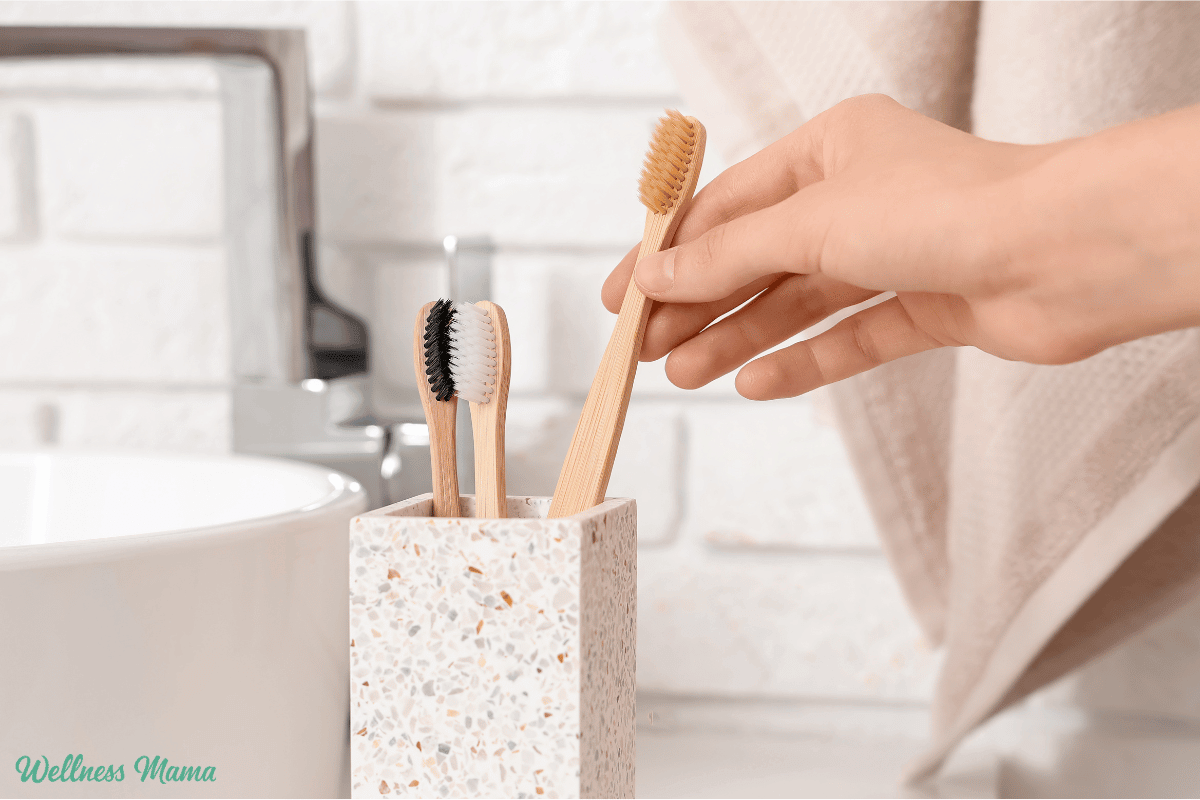
natural oral care

The Ultimate Roundup For Naturally Healthy Teeth

I’ve been getting on my soapbox about mouth health for over 15 years now. I’ve interviewed some fascinating oral health experts on the podcast and written tons of articles. This is the ultimate roundup list of everything you need to know about natural oral care!

Our mouth health is about more than just a nice set of pearly whites. It’s an important indicator of overall health. When our body isn’t doing well, it shows up in our smiles. Sore and inflamed gums, yellow or loose teeth, bad breath… these all point to other health issues as a root cause.

I’ve arranged the following information by groups so you can more easily find what your looking for. Think of it as a natural oral health directory. You’ll find everything from natural toothpaste recipes to how to remineralize teeth to my exact oral care routines. Plus, plenty of expert interviews with dentists and other health experts.

Here’s a roundup of all of my oral care recipes, articles, and podcast episodes for easy reference. 

Thoughts on Conventional Dental and Oral Care

Until I got older I never thought to question conventional oral care. I used fluoride toothpaste and went to the dentist twice yearly for a cleaning. After learning about natural mouth health, I started questioning how things were done. Here are some of my thoughts and the research behind conventional dentistry. 

Remineralizing Teeth

After making some changes to my oral care routine and diet, I noticed some big changes in my mouth health. Here’s what I discovered along the way and what’s worked. 

Oral Care Routines

A lot of people ask me what I do exactly or recommend when it comes to natural oral care. Here are the routines I’ve used and a breakdown of why each part is important. 

Oral Care Ingredients

I’ve already covered some of this above, but here’s some more information on specific ingredients in store-bought and my homemade oral care products. 

Toothpaste and Oral Recipes

I like to rotate which products and ingredients I use for maximal health. Lately I’ve been reaching for premade toothpaste because there are some really good ones now. And with everything going on in life, sometimes that’s the simplest thing. If you want to make your own, here’s what’s worked for me in the past to remineralize teeth and have a healthy mouth. 

Teeth Whitening

You can skip the whitening strips with these easy DIY solutions. In general, strengthening teeth and eating nutrient dense foods make teeth whiter. However, these are good for an extra boost to naturally remove stains. 

Oil Pulling

Information on oil pulling and how to do it. It can help whiten teeth (see above) and reduce plaque. My dentist certainly noticed a difference after I started regularly oil pulling!

Podcasts on Natural Oral Care

This mix of solo episodes and expert interviews isn’t in any particular order. It goes beyond conventional dental care and sheds a light on topics like diet, sunlight’s role, what mouth bacteria really mean, and more. I’ve found that they offer some surprising and deep truths!

What are some ways you naturally care for your teeth and oral health? Leave a comment and share below!

Tags: , , , ,
Why your skincare routine needs cocoa beans

Why your skincare routine needs cocoa beans

Cocoa bean paste has natural moisturizing properties

What’s the story

African cocoa bean paste has been a secret for centuries, giving you naturally radiant skin.
Extracted from the rich beans of Africa, this paste is loaded with antioxidants and essential nutrients that nourish and rejuvenate the skin.
Using it in your skincare routine can help you get a brighter complexion without the use of harsh chemicals or synthetic products.
Here’s how you can use this natural remedy to brighten your skin.

Tags: , , ,
FS Live Webinar—Wellness in Motion: A 360 Degree+ Opportunity

FS Live Webinar—Wellness in Motion: A 360 Degree+ Opportunity

What happens when the booming fitness industry collides with beauty and wellness?

Join us live as our Beauty & Wellness and Active teams explore the emerging opportunities at the intersection of fitness, wellness, and beauty.

As athletic routines, wellness lifestyles, and beauty needs evolve together, we’re tracking the innovations, collaborations, and hybrid experiences reshaping all three markets.

What You’ll Learn:

· What’s shaping the fitness-wellness zeitgeist
· Which brands are leading the convergence
· Where we see the next wave of growth

The future of wellness is in motion. Let’s navigate what’s next.

Speakers

Mallory Huron · Director of Beauty & Wellness, Future Snoops
Taryn Hoffman · Senior Strategist of Beauty & Wellness, Future Snoops
Rachael Gentner · Director of Active & Outdoor, Future Snoops
Tamara Esquiliche · Senior Strategist of Active & Outdoor, Future Snoops
Tatiana Glezer · Founder, Mowe Beauty

When: June 16 · 10am EDT / 4pm CEST

Register for Free

Tags: , , , ,
Hindustan Times News

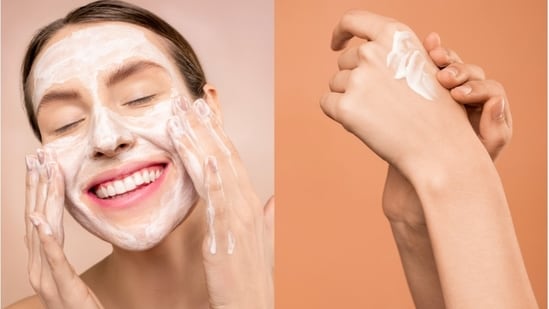
Is your skincare routine slowly burning out your skin? Know why overusing products may be more harmful

In the age of social media, skincare has become a daily ritual, a trend, and for many, an obsession. From multi-step routines inspired by beauty influencers to the constant launch of new serums, acids, and actives, people are using more skincare products than ever before. Ironically, this pursuit of flawless skin is leading to a growing concern dermatologists are calling “skin burnout.”

Can too much skincare damage skin? (Adobe Stock)

Tavishi Dogra is a Deputy Chief Content Producer, Health & Wellness, at Hindustan Times. She has over 9 years of experience writing about fitness, nutrition, and mental well-being, translating medical research and expert insights into practical advice readers can trust.

Career journey and experience
Tavishi began her health journalism journey in 2017, and has since reported for RSTV, Financial Express, Jagran, HT Media Labs and Zee. She joined Hindustan Times to simplify wellness subjects by cutting through jargon.

From decoding health trends and interviewing doctors to testing fitness routines herself, Tavishi always approaches content with one filter: “Will this help someone make a better decision today?”

Subject expertise
With 9+ years tracking India’s health conversations, Tavishi knows the gap between clinical advice and daily life. She knows fads from fundamentals and curates science-backed, expert-recommended solutions.

In fitness, she breaks down bodyweight training, recovery, and posture fixes for desk-bound readers. In nutrition, she translates guidelines into affordable, desi meal tweaks. In mental well-being, she focuses on stigma-free, actionable tools — all backed by research, expert input, and lived context.

Education and professional background
Tavishi holds a Master’s degree in Journalism and Mass Communication and began her career reporting on public affairs for broadcast. Those early years in policy and TV shaped how she writes today: fast, factual, and human-first.

Editorial Philosophy
I write with one single goal: To simplify health in a world full of noise by finding what’s actually doable, safe, and evidence-based for my readers. I test claims against research and user experiences. When all else fails, I speak to the expert who sees 50 patients a day, not the one with the most followers.

Read moreRead less

“Many people believe that if one product is good, using several more will produce faster results. Unfortunately, the skin doesn’t work that way. Overloading the skin with multiple actives can disrupt its natural protective barrier, leading to irritation, sensitivity, and persistent skin issues,” Dr Karuna Malhotra, Aesthetic Physician and Cosmetologist, tells Health Shots.

What is skin burnout?

Skin burnout is not a formal medical diagnosis. Still, it is a term increasingly used to describe skin that has become stressed, inflamed, and reactive due to excessive use of skincare products. The skin barrier, the outermost layer responsible for retaining moisture and protecting against environmental damage, becomes compromised. When this barrier weakens, the skin loses its ability to function normally, making it more vulnerable to dryness, redness, irritation, and breakouts.

Is skin burnout common?

Skin burnout occurs when the skin barrier becomes overwhelmed and damaged by excessive use of skincare products, especially those containing active ingredients.

1. Multi-step skincare routines

Social media platforms have normalised 10- to 15-step skincare routines, often encouraging people to layer multiple products without understanding how ingredients interact.”Not every ingredient works well with another. Combining retinol, exfoliating acids, vitamin C, and other potent actives without professional guidance can easily irritate the skin,” explains Dr Malhotra.

2. Excessive exfoliation

Chemical exfoliants such as AHAs, BHAs, and peeling solutions have gained immense popularity. While these ingredients can improve skin texture and pigmentation when used correctly, frequent exfoliation strips away healthy skin cells and damages the protective barrier.

3. Instant results

Many individuals switch products frequently or use multiple treatments simultaneously in hopes of achieving faster results for acne, pigmentation, or anti-ageing concerns. The skin, however, requires time to respond. Constantly introducing new products can create inflammation rather than improvement.

4. Misinformation on social media

Online skincare advice is often generalised and may not suit every skin type. What works for one person may trigger irritation in another, especially when potent ingredients are copied without proper assessment.

Signs your skin may be burnt out

Skin burnout often presents with symptoms that people mistakenly interpret as a need for even more products.

Common signs of skin burnout

  1. Persistent redness and irritation
  2. Increased skin sensitivity
  3. Tightness and dryness despite moisturising
  4. Burning or stinging sensation after applying products
  5. Sudden breakouts or acne flare-ups
  6. Flaky or rough skin texture
  7. Increased oiliness due to barrier disruption

“One of the biggest mistakes people make is treating these symptoms with additional active ingredients. In reality, the skin often needs less, not more,” says Dr Malhotra.

How to recover from skin burnout?

The first step is simplifying the skincare routine. Dr Malhotra recommends temporarily discontinuing harsh exfoliants, retinoids, and unnecessary active ingredients. Instead, focus on a basic regimen consisting of:

  • A gentle cleanser
  • A barrier-repairing moisturiser
  • Broad-spectrum sunscreen

“Think of it as rehabilitation for your skin. The goal is to allow the barrier to heal before reintroducing any treatment products. Hydrating ingredients such as ceramides, hyaluronic acid, glycerin, and panthenol can help restore barrier function and reduce inflammation,” she advises.

Prevention is better than repair

The number of products used does not achieve healthy skin it is about consistency and suitability. “The biggest skincare trend I would like to see is mindful skincare. A personalised routine with a few effective products is often far more beneficial than a shelf full of trending formulations,” says Dr Malhotra.

As consumers become increasingly exposed to skincare marketing and influencer recommendations, it is important to remember that skin health is not a race. Sometimes, the most effective routine is the simplest one. In an era of skincare excess, giving your skin a chance to breathe may be the secret to achieving a healthier, more resilient complexion.

(Disclaimer: At Hindustan Times, we help you stay up-to-date with the latest trends and products. Hindustan Times has an affiliate partnership, so we may get a part of the revenue when you make a purchase. We shall not be liable for any claim under applicable laws, including, but not limited to, the Consumer Protection Act, 2019, arising from the products. The products listed in this article are in no particular order of priority, and the brands have not been directly suggested by the expert mentioned.

This article is for informational purposes only and is not a substitute for professional medical advice. Always seek the advice of your doctor with any questions about a medical condition.)

Tags: , , , , , , ,
Meet Dr. Snigdha Chamaria -The Doctor Building India’s First Diagnosis-Led, Ayurvedic Dosha-Mapped Beauty Brand

Meet Dr. Snigdha Chamaria -The Doctor Building India’s First Diagnosis-Led, Ayurvedic Dosha-Mapped Beauty Brand

Meet Dr. Snigdha Chamaria -The Doctor Building India’s First Diagnosis-Led, Ayurvedic Dosha-Mapped Beauty Brand | file photo

In a beauty industry dominated by trends, viral ingredients, and one-size-fits-all solutions, Dr. Snigdha Chamaria is building something fundamentally different.

A doctor by profession and entrepreneur by purpose, Dr. Chamaria is the founder of Cleaner Roots, India’s first diagnosis-led, Ayurvedic dosha-mapped beauty brand that combines personalised skincare, haircare, Ayurvedic doctor consultations, and anti-inflammatory wellness into a single holistic ecosystem.

At a time when consumers are increasingly questioning whether beauty products are truly solving their concerns or merely masking symptoms, Dr. Chamaria’s philosophy is simple: understand the root cause before recommending a solution.

“Your skin is not confused. Your body is trying to communicate with you,” she says.

That belief became the foundation of Cleaner Roots.

Instead of recommending the same products to everyone, the brand begins by understanding an individual’s Ayurvedic constitution – Vata, Pitta, or Kapha- and identifying underlying imbalances that may be contributing to concerns such as pigmentation, acne, sensitivity, hair fall, inflammation, dandruff, or premature ageing.

Customers receive personalised skincare and haircare rituals, anti-inflammatory diet guidance, and Ayurvedic doctor consultations designed to address the root cause rather than just the visible symptom.

Modern Ayurveda for the Modern Consumer

What differentiates Cleaner Roots from conventional beauty brands is its fusion of traditional Ayurvedic wisdom with modern formulation science.

The brand combines powerful Ayurvedic ingredients such as Manjistha, Licorice, Neem, Vetiver, Hibiscus, Bhringraj, Turmeric, and Saffron with clinically studied modern bioactives to create products that are both deeply rooted in tradition and highly effective for today’s consumer.

“Our goal was never to choose between Ayurveda and science,” says Dr. Chamaria. “We wanted to bring the best of both worlds together.”

This unique approach has helped position Cleaner Roots at the intersection of beauty, wellness, and preventive health, an area seeing increasing consumer demand globally.

Looking Beyond Skin Deep

For Dr. Chamaria, beauty has never been only about products.

Many of the concerns people experience on their skin and scalp, she believes, are often reflections of deeper imbalances linked to inflammation, stress, gut health, lifestyle, sleep, and nutrition.

This is why Cleaner Roots integrates anti-inflammatory diet protocols and Ayurvedic consultations directly into the customer journey.

One client who initially approached the brand for persistent pigmentation discovered through consultation that a significant Pitta imbalance was contributing not only to her skin concerns but also to recurring migraine episodes. Following a personalised Pitta-balancing ritual and an eight-week anti-inflammatory wellness plan, she reported substantial improvements in both her skin health and overall well-being. 

For Dr. Chamaria, stories like these reinforce the importance of treating beauty concerns through a more holistic lens.

Building a Brand Rooted in Compassion

Beyond wellness, Cleaner Roots was also built on a strong commitment to conscious living.

Every product created by the brand is vegan and cruelty-free, reflecting Dr. Chamaria’s belief that beauty should never come at the cost of another living being.

But her commitment to impact extends even further.

Cleaner Roots donates 10% of its profits to animal shelters across India, helping support rescued, abandoned, and injured animals in need of medical care, food, and rehabilitation.

For Dr. Chamaria, entrepreneurship and compassion are inseparable.

“If a business is growing, it should create positive impact beyond its customers,” she says.

Her passion for service began long before she became a founder. She has actively served and spent time caring for 188 elderly residents at an old-age home, an experience that deeply shaped her understanding of healing, empathy, and human connection.

Those experiences continue to influence how she leads Cleaner Roots today.

Redefining Luxury Gifting Through Wellness

In addition to skincare and wellness, Cleaner Roots has also emerged as a growing name in India’s conscious luxury gifting space.

As consumers increasingly seek meaningful alternatives to traditional gifting, the brand has seen strong demand for premium wedding gifting, bridal hampers, festive wellness boxes, and curated self-care experiences.

Unlike conventional luxury hampers, Cleaner Roots combines Ayurveda, personalisation, wellness rituals, and premium design to create gifting experiences that are both thoughtful and transformative.

This growing category of conscious luxury gifting has become a significant part of the brand’s evolution, particularly among modern couples looking to align their celebrations with wellness, sustainability, and intentional living.

The Future of Beauty Is Personal

As the global beauty industry shifts toward personalisation, wellness, and preventive care, Dr. Snigdha Chamaria represents a new generation of founders building businesses with both purpose and impact.

Through Cleaner Roots, she is not simply creating skincare and haircare products. She is building a movement around root-cause healing, conscious beauty, Ayurvedic wellness, and compassionate entrepreneurship.

In a market crowded with promises, Cleaner Roots offers something increasingly rare: a belief that true transformation begins not with a product, but with understanding the individual behind it.

And for Dr. Snigdha Chamaria, that may be the future of beauty itself.

Tags: , , , , , , , , , ,
The New Face of Cosmetic Obsession: Truths About Girls and Skincare

The New Face of Cosmetic Obsession: Truths About Girls and Skincare

The New Face of Cosmetic Obsession: Truths About Girls and Skincare – RaillyNews

Taking a deep dive into the latest viral skincare routines among young teens reveals a concerning trend that could have long-lasting health implications. Recently, a teenager shared an elaborate, multi-step makeup and skincare routine on social media, showing off the products and techniques used to achieve a seemingly flawless complexion. While such videos often garner thousands of views and new followers, they conceal a darker reality: the overuse of potent skincare ingredients and the psychological toll of striving for perfection at a tender age. It’s crucial to understand that adolescents’ skin differs significantly from adults’. Their skin has a faster cell turnover rate, higher moisture levels, and a delicate protective barrier more prone to damage. Introducing aggressive products like retinol, high-concentration acids, or severe chemicals without professional guidance can irritate, thin, and embolden long-term skin issues. Many young users succumb to the allure of quick fixes presented by social media influencers, unaware of the potential hazards lurking behind seemingly innocent routines. ### What Is “Cosmetic Correctia”, and Why Is It Concerning? Recently coined, “Cosmetic Correctia” describes the compulsive obsession with perfect skin often driven by social media and peer pressure. Dermatologists find that children as young as 8 to 14 start developing unhealthy behaviors, such as excessive product use or avoidance of social activities without makeup, fueled by a desire to meet unrealistic beauty standards. This obsession also correlates with an increase in psychological issues like anxiety, low self-esteem, and body dysmorphia. Children start fearing blemishes or imperfections so intensely that they obsessively apply products or indulge in harmful routines without consulting health professionals. ### The Market’s Explosive Growth and Its Impact The global youth skincare market surpasses billions in revenue, propelled by relentless marketing strategies aimed directly at children and teenagers. Marketers often utilize TikTok, Instagram, and YouTube influencers to promote beauty routines, implicitly correlating skin perfection with popularity and success. A typical TikTok skincare routine, for example, can cost upwards of 125 pounds annually for a teen, owing to the frequent repurchase of trendy serums, masks, and creams. These quick-sell tactics make it easy for young consumers to fall into a cycle of endless shopping, often unaware of the long-term health risks. ### The Dark Side of Popular Skincare Ingredients Many skincare products marketed towards youth contain ingredients that can be dangerous when misused. Retinol, for instance, widely used in anti-aging products for adults, should not be used on young, developing skin. Overuse can cause retinol burns, barrier disruption, and a heightened sensitivity to the sun. Similarly, high concentrations of AHA and BHA acids—which exfoliate the skin—may lead to redness, peeling, and increase photosensitivity, especially when the skin’s natural defenses are not yet mature. A common misconception involves the belief that parfum, preservatives, and synthetic fragrances are harmless; However, these components often trigger allergic reactions and contact dermatitis among sensitive young skin. ### Clinical Evidence and Real Experiences Dermatologists have observed a sharp uptick in cases of acne, contact dermatitis, and even hair loss linked directly to excessive use of over-the-counter products. In one notable case, a 10-year-old child developed severe facial irritation after applying multiple potent acids and retinoids without medical supervision. Parents are increasingly reporting that their children are refusing to socialize or attend school because of self-esteem issues fueled by digital beauty standards. Many families cite that young teenagers are compulsively checking their appearance online, feeling inadequate compared to edited images of influencers. ### Psychological Impact and Social Media Influence The pressure to meet social media beauty standards causes many teens to develop poor self-image and anxiety. Exposure to filtered content and perfect selfies often distorts reality, leading to misguided confidence based on virtual validation. Research highlights that young users who compare themselves to curated images face increases in self-loathing and depressive symptoms. This cycle perpetuates the need for more products and more editing, escalating the cosmetic obsession. ### Responsibility of Marketers and Parents While platforms like TikTok and Instagram claim to regulate sponsored content, hidden advertising still influences minors. Brands must adopt transparent marketing practices and avoid targeted advertising to vulnerable audiences. Parents play a vital role by monitoring social media usage and education. Experts recommend: – Supervising digital consumption and discussing marketing tactics openly. – Encouraging simple, safe skincare routines supervised by dermatologists. – Educating children about natural skin and the dangers of overusing products. – Promoting self-esteem activities beyond appearance, like sports, arts, and face-to-face socialization. ### Practical Steps for Parents Here’s a step-by-step guide to protect your child’s skin and mental health: | Step | Action | |—|—| | Review skincare products | Regularly check products for retinol, strong acids, or fragrance-heavy ingredients; Remove all unnecessary or aggressive products. | Encourage transparency | Talk about the reality of beauty standards and the artificial nature of filters and edits. | Limit social media exposure | Set reasonable boundaries for online time, emphasizing quality over quantity. | Seek professional advice | Consult a dermatologist for any persistent skin issues or behavioral concerns. The key to safeguarding young people from the pitfalls of DIY skincare trends and social media pressures lies in education, supervision, and promoting healthy self-image. Understanding the risks of aggressive ingredients and the influence of curated digital content sets the foundation for making informed decisions that prioritize health over appearance.

Tags: , , , , ,
Homestead Blog Hop - Homestead tips, ideas, animal care, and recipes every Wednesday

Homestead Blog Hop 603 – Make Picnic Salads and Peach Cake

Welcome to Homestead Blog Hop, a weekly gathering for homesteaders and simple living enthusiasts to share DIY projects, from-scratch recipes, and creative inspiration. This week’s hop features cozy homesteading tips, along with practical ideas that celebrate handmade living and self-sufficiency.

Whether you’re looking for seasonal crafts, homemade treats, or encouragement on your homesteading journey, you’ll find plenty of inspiration to carry into the new year. Grab a cup of tea, explore the featured posts, and join us in sharing your own homestead creations.

Meet Your Homesteading Hosts

We’re Kelly from Simple Life Mom, Liz from The Cape Coop, Natasha from Houseful of Nicholes, and Laurie from Ridgehaven Homestead. Together, we’re passionate about from-scratch living, simple ingredients, frugal habits, and intentional homesteading. We’re delighted to host the Homestead Blog Hop, where you can find fresh inspiration each week for DIY projects, homemade recipes, and practical simple living ideas.

Follow Us for More Homestead Inspiration

Natasha – Houseful of Nicholes
Facebook | Pinterest | X | Instagram

Laurie – Ridge Haven Homestead
Facebook | Pinterest | Instagram

Liz – The Cape Coop
Facebook | Pinterest | X | Instagram

Kelly – Simple Life Mom
Facebook | Pinterest | X | Instagram

FEATURED POSTS from the Last Homestead Blog Hop

Each week, we take turns selecting three featured posts from the Homestead Blog Hop. These features are shared across all of our social media platforms, helping spotlight the creativity and hard work of our fellow homesteaders. Here are the featured posts from last week’s hop:

1. Don’t Toss Those Old Shirts — Make a DIY Fabric Garland from Sonata Home Design

2. Peach Upside Down Cake from Recipes Simple

3. Easy Picnic Salad Recipes for Summer Cookouts from Mommy Hates Cooking

Congrats! Feel free to grab the featured on button for your post.

Just right click and ‘save image as…‘

Guidelines for the Homestead Blog Hop

  1. Click the “Add Your Link” button below and upload a clear, eye-catching image from your project or recipe. Please link directly to the family-friendly post itself, not your blog’s homepage.
  2. You may link up up to three posts each week.
  3. Take time to visit a few other blogs in the hop and leave a thoughtful comment to let them know you stopped by. Community support makes this hop special!
  4. Please include a link back to the Homestead Blog Hop in your post. Posts without a backlink are not eligible to be featured. All featured posts are shared across all hosts’ social media channels.
  5. Share posts that haven’t been linked to the hop before. Older posts are welcome as long as they are new to the hop.
  6. By joining the Homestead Blog Hop, you grant the hosts permission to use one image from your post, with a link back to your site, if your post is selected as a feature next week.
  7. This is a family-friendly link-up designed to encourage, inspire, and support the homesteader in all of us.

Let the Party Begin!

Which project are you excited to try this week? Leave a comment below.

Join Our Homestead Blog Hop Pinterest Board

Follow all of your hosts on Pinterest and send a message if you’d like to be added to our Homestead Blog Hop group board. This board is a great place to share your DIY projects, crafts, and from-scratch recipes with the homesteading community.

Guideline: Only pin posts that you’ve linked up to the Homestead Blog Hop.

Tags: , , , , , ,
Best oLive
Privacy Overview

This website uses cookies so that we can provide you with the best user experience possible. Cookie information is stored in your browser and performs functions such as recognising you when you return to our website and helping our team to understand which sections of the website you find most interesting and useful.