Strawberry Cottage Cheese Ice Cream Recipe (High Protein)

Strawberry Cottage Cheese Ice Cream Recipe (High Protein)

Yesterday my husband walked into our bedroom carrying a plate of freshly-baked kale chips in one hand and his phone – hoisted high above his head like a boom box while blasting a love song from the neon-and-hairspray era – in the other.

That’s midlife, right?

We get to be our quirkiest selves, but we also have to make sure we use all the vegetables in the fridge before the next grocery run.

And eat protein, of course.

Because even if – like me – you never bought into the whole “training for your summer body” idea, you’re probably reading this because you’re training for a different kind of body: one with strong muscles, dense bones, healthy blood sugar, good balance, and the ability to carry your own groceries, travel, and stay fully engaged in life for decades to come.

Protein plays a role in all of those things. It provides the building blocks for muscle tissue, enzymes, hormones, immune molecules, and countless repair processes throughout the body. And because we naturally lose muscle mass as we age, getting enough protein becomes increasingly important for maintaining strength, stability, and resilience.

Skeletal muscle is one of the body’s most metabolically active tissues. It helps regulate blood sugar, influences inflammation, supports healthy immune function, and produces signaling molecules that affect everything from metabolism to brain health.

That’s why I’ve been experimenting with high-protein ice cream.

Not because I’m training for bikini season.

I’m training for my old-lady era.

And while I’m willing to put scrambled eggs in my smoothie on occasion, I also believe food should bring joy. I eat fewer desserts these days, but I enjoy them more, especially when they help me hit my protein goals.

Why Protein Ice Cream Is Tricky

Protein ice cream sounds simple enough: take a healthy ice cream base, add protein powder, freeze, and enjoy.

In reality, getting the right texture is a little more complicated than it sounds.

Traditional ice cream gets its creamy, scoopable texture from a careful balance of fat, sugar, solids, and air. When you reduce the sugar, lower the fat, and add more protein, the texture can shift pretty quickly from “creamy dessert” to “icy brick.”

That’s one reason the Ninja Creami has become so popular for protein ice cream. It can take a frozen solid base and re-spin it into something creamy, even when the recipe is lower in sugar or fat.

A regular ice cream maker works differently. It churns while the base freezes, which is wonderful for traditional ice cream, but lower-sugar, higher-protein mixtures can freeze too hard too quickly around the edges before the center has a chance to churn properly. The result is often icy, crystallized, or just not worth the effort.

I wanted a creamy texture without having to buy another piece of equipment or adding weird thickeners, so I started experimenting with cottage cheese.

When blended until completely smooth, it does a lot of the work that sugar and stabilizers usually do. It adds protein, creaminess, body, and enough structure to give it an ice cream texture.

Does it taste exactly like traditional ice cream? No – it has a bit of a tang that gives it more of a “cream cheese” note, so I leaned into that. I also kept the overall sugar content lower than traditional ice cream, so I figured this recipe would be safe from the not-so-tiny humans in my house.

I was wrong – they polished off the first test batch less than a day after I made it.

One thing to be aware of, though, it that some brands use more salt than others, and that can affect the final flavor. I tried a few and the one I liked best is Good Culture 4%. On its own, leaned a bit salty, so I added a cup of strawberries. Some of my family members liked it, but I personally didn’t and added a second cup. My recommendation is to start with one, taste your mixture after blending, and add more strawberries if needed.

So, how much protein is in this recipe?

The exact amount will vary depending on a few factors, including which protein powder you choose, and even how much air gets incorporated during churning.

In other words, your numbers may not match mine exactly.

To give you a ballpark, using two scoops of Heart & Soil Whey yields about 10 grams of protein per ½-cup serving. That’s a lot more protein than traditional ice cream – enough to make meaningful progress toward daily protein goals, one delicious spoonful at a time.

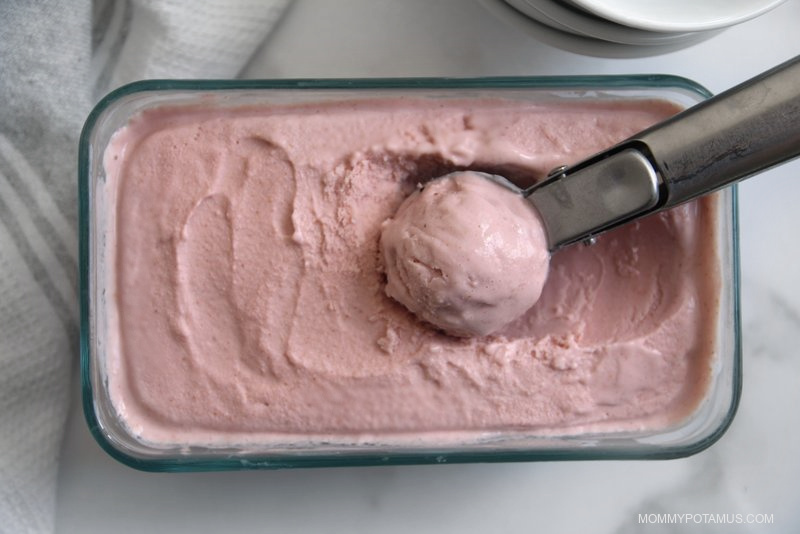
Strawberry Cream Cheese Protein Ice Cream Recipe

This recipe makes approximately 3.75 – 4 cups.

Prep Time 5 minutes Churning time 20 minutes

Author Heather Dessinger, FDN-P

  • 2 cups whole milk cottage cheese (I recommend 4% milkfat)
  • 1 tbsp vanilla extract (If using vanilla protein powder, start with 1 teaspoon and increase to taste)
  • ¼ cup maple syrup
  • 2 cups chopped strawberries
  • 25-30 grams unflavored or vanilla protein powder (Optional – I used 2 scoops Heart & Soil Whey)

Ice Cream Maker Method

  • Blend in a high powered blender until very smooth.

  • Pour the mixture into your ice cream maker and churn according to your manufacturer’s instructions.

  • When the ice cream is ready it should have a soft serve consistency. You can eat it right away, or if you prefer a firmer consistency transfer it into an airtight container and place in the freezer for 2-4 hours. I like to use a glass loaf pan with a lid.
  • To Serve:If you decide to freeze the ice cream for a firmer texture, you’ll get the creamiest results by letting it soften a bit before serving. I like to think of it more as “well chilled” than deeply frozen. Because cottage cheese-based ice cream can become a little icy when frozen solid, letting it rest on the counter allows it to soften into a smoother, creamier texture that tastes more like traditional ice cream. Depending on the size and depth of your container, this can take anywhere from 10 to 20 minutes.

No Ice Cream Maker Method

  • Blend the ingredients in a high-powered blender until very smooth.

  • Transfer the mixture to a freezer-safe container and place it in the freezer. To help keep the texture creamy, give it a good fold with a spatula every 30 minutes or so. This helps break up ice crystals as they form.

  • Once the mixture becomes too firm to fold easily, just leave it alone and continue chilling until it reaches your desired consistency, about 3–4 hours total.

  • To Serve:Because cottage cheese-based ice cream can become a little icy when frozen solid, letting it rest on the counter allows it to soften into a smoother, creamier texture that tastes more like traditional ice cream. Depending on the size and depth of your container, this usually takes about 10–20 minutes.

Nutrition facts based on Good Culture 4%, 2 scoops of Heart & Soil Whey, and 2 cups of chopped strawberries. 

Serving: 0.5cup | Calories: 107kcal | Carbohydrates: 11g | Protein: 10g | Fat: 2g | Saturated Fat: 2g | Polyunsaturated Fat: 0.1g | Monounsaturated Fat: 0.01g | Cholesterol: 16mg | Sodium: 210mg | Potassium: 135mg | Fiber: 1g | Sugar: 9g | Vitamin A: 4IU | Vitamin C: 21mg | Calcium: 65mg | Iron: 0.2mg

A Note On Ice Cream Makers

When I bought this ice cream maker many years ago, the only materials listed on the product description were stainless steel and plastic. I discovered after it arrived that the inner tub is actually made with anodized aluminum, which is not ideal. Back then, I couldn’t find a truly stainless steel option so I kept it to use on occasion.

Truly stainless steel options are available now, so I’m thinking about replacing mine with the Whynter Ice Cream Maker. It comes in two sizes and uses a powerful built-in compressor freezer that allows you to make ice cream, gelato or sorbet anytime (without needing to pre-freeze the inner canister). The inner bowl is stainless steel and the churn blade is BPA-free plastic.

If budget were not a consideration, I’d go for the Lello 4080 Musso Lussino 1.5-Quart Ice Cream Maker. The bowl and paddle are made with stainless steel, and has a 4.6 star rating and over 1,000 reviews.

Share with a friend! 👇

Tags: , , , , , , ,
My Favorite Whey, Beef & Plant-Based Picks

My Favorite Whey, Beef & Plant-Based Picks

Somewhere around day three of adding scrambled eggs to my breakfast smoothie, I finally decided it was time to research protein powders.

Not because the smoothies weren’t tasty – they actually were – and it was also pretty entertaining to watch my kids noses wrinkle as I threw everything into the blender.

Giving my kids weird childhood stories is not my entire mission in life, though. It’s a fun side benefit, sure, but in this case my real goal is to find a realistic way to consistently get enough protein into my mornings without cooking a full meal.

In midlife, protein is more than a “fitness topic” – it’s foundational to feeling strong, steady, and well-fueled. Yes, muscle matters – a lot – but protein also provides the building blocks for hormones, enzymes, immune function, and the maintenance and repair of skin and vital tissues that help us stay resilient over time. (1) It also plays a major role in maintaining lean muscle mass, preserving bone health, supporting steadier blood sugar, and staying full and well-fueled between meals. (2) (3)

Right now, one of my top priorities is to quickly prep a nourishing breakfast that will keep me feeling satiated throughout the morning, then head outside to get some morning sun and take a short walk. I’m a habit stacker, so I usually sip my smoothie while I walk.

Also, my daughter is getting ready to leave for college, which has made me think more carefully about convenient, high-quality food options that work in real life – including dorm rooms and rushed mornings.

The problem is that many protein powders contain junk fillers, vague additives, or heavily processed ingredients that I personally don’t want to rely on every day. So, for the sake of my smoothie – and the promise of high protein ice cream – I decided to find the best tasting, healthiest options in every category. We’re going to dive into dairy-based whey, dairy-free grass-fed beef isolate, animal-based blends, plant-based protein, and plant + animal protein combinations.

Before we get into the different types of protein powder, let’s talk about how they fit into a whole-food approach.

As always, this article is not medical advice and isn’t meant to diagnose, treat, or cure any condition. Please chat with your healthcare provider about any supplements you’re considering.

🍓Where Protein Powder Fits In Real Life ^

Since you’re reading this article, I’m guessing you don’t have a full-time chef following you around with grilled steak and chimichurri sauce, fluffy omelets, or Moroccan chicken tagine. I don’t either, and while I love meals like that, they don’t always fit neatly into rushed mornings, post-workout windows, or the 3 p.m. moment when dinner still feels very far away.

That’s where protein powders can be genuinely useful – they’re not full meal replacements on their own, but they can be used strategically within a whole-food-based diet to:

  • Get enough protein on busy mornings (or any time of day)
  • Support post-workout recovery
  • Avoid reaching for ultra-processed snacks when life gets busy
  • Create quick, dorm-friendly or travel-friendly options

I’ve used them to make smoothies with the components of a full meal – high-quality protein, fiber, healthy fats, antioxidants, and other micronutrients – plus yummy desserts that work with my midlife body instead of against it.

✅ What I Looked For In A Healthy Protein Powder ^

In my own meals, I aim for variety in order to cover nutritional bases and avoid getting stuck in a rut.

I don’t think anyone needs five different protein powders open on their counter at once, but I did want to find a range of options that I could rotate between. I also wanted to find products that work for different dietary needs – for example, dairy and legume-free options for people who don’t digest those foods well.

No matter the category, though, every protein powder I considered had to meet a few basic standards:

Complete protein – Does it provide all nine essential amino acids, especially enough leucine to support muscle protein synthesis?

Ingredient quality – Are the ingredients simple, recognizable, and free from unnecessary fillers and artificial sweeteners?

Sourcing – Does it start with high-quality ingredients, such as grass-fed dairy, grass-fed beef, or organic plants?

Processing – Is it made in a way that preserves nutrition as much as possible, such as low-temperature processing?

Testing transparency – Does the company test for heavy metals or other contaminants, and are they willing to share results?

❌ What I Avoided ^

Artificial sweeteners – including sucralose and acesulfame potassium, which are common in fitness-style protein powders.

Unnecessary fillers and gums – which can especially be an issue for people who are sensitive to them or using protein powder often.

Poor testing transparency – especially because protein powders can be a source of heavy metal exposure, depending on the ingredients and sourcing.

Collagen marketed like a complete protein – collagen can be very useful, but it does not provide all nine essential amino acids in meaningful amounts, so I don’t consider it a true replacement for whey, beef isolate, egg white, or a complete plant protein blend.

Amino spiking – This is when companies add inexpensive free-form amino acids, such as glycine or taurine, to inflate the protein number on the label. The problem is that those added amino acids are not the same as a complete protein source and may not provide the same muscle-supporting benefits. In some cases, a product that claims 25 grams of protein may provide significantly less complete, usable protein from whey, beef, egg, or a complete plant blend. To spot it, check the ingredient list for separately listed amino acids like L-glycine, L-taurine, L-glutamine, or creatine that appear outside of the main protein source.

Now that we’ve covered the basics, let’s walk through the main types of protein powder and how they compare.

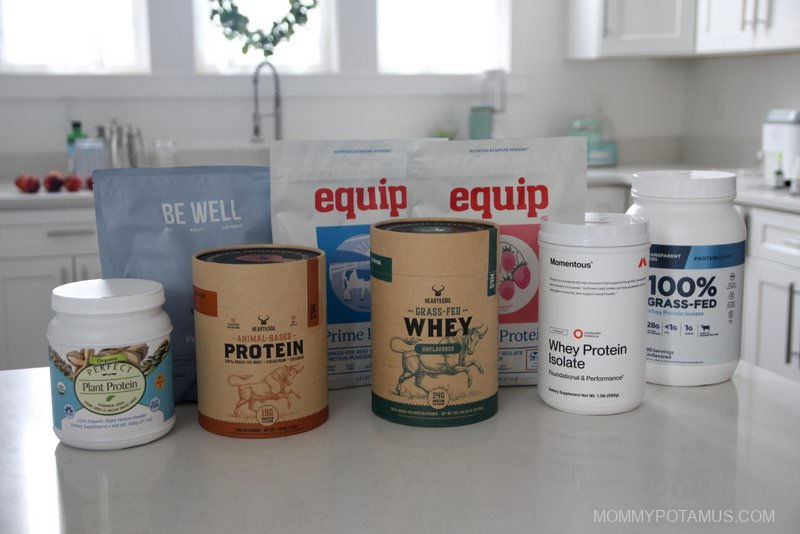
Best Grass-Fed Whey: Heart & Soil Whey
For women who want the strongest amino acid profile with minimal ingredients.

Best Dairy-Free Animal-Based: Equip Prime Protein
For women who want complete protein without dairy and flavors they’ll actually enjoy.

Best Plant-Based Protein: Perfect Supplements
For women who prefer plant-based protein and want a complete amino acid profile from real food ingredients.

Best Multi-Source Animal-Based Blend: Heart & Soil Animal-Based Protein
For women who want complete protein, plus the benefits of collagen and colostrum.

Protein Powder Types ^

Protein is made up of amino acids, which are often called the building blocks of life because the body uses them to build and repair tissues, create enzymes and hormones, support immune function, and maintain muscle mass.

Some protein sources contain all nine essential amino acids the body cannot make on its own, while others are low in one or more. This differencescan really impact how well a powder supports lean muscle mass, overall recovery, and other benefits, so it’s worth taking a closer look before adding one to your cart.

Grass-Fed Whey Protein ^

Whey protein is usually made from the liquid whey that remains after milk is used to make cheese. After the whey is separated from the curds, it’s filtered and dried into powder.

Whey is naturally rich in branched-chain amino acids, especially leucine, which is one of the key amino acids involved in muscle protein synthesis.

Leucine is important because it doesn’t just become part of muscle tissue – it also acts a little like a “start signal” that tells the body it has enough building material to begin repairing and building muscle. One of the ways it does this is by activating a cellular pathway called mTOR, which helps initiate muscle protein synthesis.

In other words, total protein matters, but the amino acid profile matters too. That’s one reason whey has become so popular for muscle recovery and maintenance.

What I Like About It

  • Excellent amino acid profile
  • Naturally high in leucine (many protein powders fall short)
  • Supports muscle recovery and muscle protein synthesis
  • Mixes well and tends to have a creamy texture

What To Watch For

Processing matters with whey because it can affect more than taste and texture. Whey naturally contains delicate protein fractions, including compounds like lactoferrin and immunoglobulins, that may be reduced or damaged by harsher processing methods.

Higher heat, acid processing, ion exchange filtration, and aggressive drying methods can change the structure of proteins and reduce some of whey’s naturally occurring bioactive compounds. It can also change the flavor, which is why some companies add artificial sweeteners or other additives that can contribute to bloating and digestive discomfort.

For that reason, I looked for terms like cold-processed, cold-filtered, low-temperature processed, or undenatured whey, along with clear information about sourcing and third-party testing. These methods help preserve whey’s nutritional profile and neutral flavor. Many people find the more gently processed form easier to digest.

Best For

Women who do well with dairy and want the strongest overall amino acid profile for muscle support and recovery.

Grass-Fed Beef Protein ^

Beef protein powder is usually made by isolating protein from beef, then removing most of the fat and carbohydrates to create a concentrated powder. When it’s truly a beef protein isolate, it can provide all nine essential amino acids while remaining naturally dairy-free and lactose-free.

That makes it a good option for people who don’t do well with whey, but still want an animal-based protein that supports muscle maintenance and recovery.

This category can be tricky, though, because some “beef protein” powders lean heavily on collagen or gelatin. Collagen can be very useful for skin, joints, and connective tissue, but it’s not a complete protein. It doesn’t contain tryptophan, which is an essential amino acid our bodies can’t make, and it’s also low in other essential amino acids like isoleucine, leucine, and methionine.

In other words, collagen powders can be useful, but they don’t rival whey as a primary protein for muscle protein synthesis. Beef protein isolate is different because it contains all nine essential amino acids. Interestingly, studies comparing beef protein isolate with whey have found similar increases in lean body mass when paired with resistance training, with no clear mid- to long-term differences in body composition outcomes. (4) (5) (6)

That said, beef protein and whey have very different amino acid profiles. Whey is naturally richer in leucine and other branched-chain amino acids, while many beef protein isolates contain higher amounts of collagen-associated amino acids like glycine, proline, and hydroxyproline. I think of beef protein isolate as occupying a middle ground between collagen and whey: more complete than collagen, but with a different nutritional emphasis than whey.

So when I’m evaluating beef protein, I want to see specifics about beef protein isolate, all nine essential amino acids, and ideally a published amino acid profile. If a label mainly emphasizes collagen, glycine, proline, skin, joints, or gut support, I think of it more as a collagen product than a primary protein powder.

Why People Love It

  • Naturally dairy-free and lactose-free
  • Provides all nine essential amino acids
  • Helpful for people who want an animal-based option without whey
  • Often blends well into smoothies and recipes

What To Watch For

Label clarity matters in this category. If a product just says “beef protein” but doesn’t clarify whether it’s beef protein isolate or provide amino acid information, I’d look more closely before relying on it as a primary protein powder.

Also, beef protein isn’t quite as neutral in flavor as whey, so companies tend to add flavor to make it more appealing. That can be totally fine if quality ingredients are used; I’m just mentioning it because you’ll probably notice a wide range of flavor options in this category.

Best For

Women who want a dairy-free, animal-based protein and don’t tolerate whey well.

Plant-Based Protein ^

Plant-based protein powders are usually made from ingredients like pea, rice, hemp, pumpkin seed, or sacha inchi. Some use a single protein source, while others combine several plants to create a more balanced amino acid profile.

The biggest thing to know is that plant proteins vary a lot. Some are lower in one or more essential amino acids, which is why I tend to prefer blends over single-source plant proteins when the goal is muscle support and everyday nutrition.

Another thing to consider with plant proteins is how they’re processed. When possible, I prefer gentler processing methods that leave more nutrients intact, and my recommendation in this category reflects that.

What I Like About It

  • Dairy-free
  • Sometimes rich in minerals (depending on the plant source)
  • Blended formulas can provide a more complete amino acid profile

What To Watch For

Plant-based protein powders can be more challenging in terms of taste, texture, and digestibility. Pea and rice protein, for example, can have a chalky or gritty texture, so some companies add gums, fillers, sweeteners, or strong flavors to make them more appealing.

For that reason, I looked for plant proteins made from organic ingredients, with a thoughtfully blended amino acid profile and without artificial sweeteners or unnecessary additives.

Best For

Women who want a dairy-free, beef-free option and do best with a well-formulated plant protein rather than a single-source powder.

A Few Notes On Mixability ^

I tested mixability in the ways I actually use protein powder: smoothies, coffee, and plain water. I don’t expect every powder to perform equally in all three. Unflavored beef protein may disappear beautifully in a smoothie but taste noticeable in water, while whey may work well in coffee if it’s blended with cool liquid first.

A little technique goes a long way, though.

In my experience, a simple handheld milk frother is one of the simplest ways to improve texture and prevent clumps.

For coffee, I’ve found that it’s best to first whisk the protein powder into a small amount of cool milk or water, then slowly add the hot coffee. Otherwise, some proteins – especially whey – can curdle or become grainy when they hit hot liquid directly. Another option is to let the coffee cool a little before using a frother to blend the protein in.

Smoothies are by far the most forgiving option. A blender tends to smooth out clumps and allows the flavors of the other ingredients to become the focus.

Best Grass-Fed Whey Concentrate: Heart & Soil ^

Protein Source: 100% grass-fed whey concentrate from Australian cows
Protein Per Serving: 24-25g
Flavor Tested: Unflavored
Flavor Notes: Neutral enough for coffee and smoothies
Sweeteners: None (Unflavored) / Organic maple syrup (Chocolate Sea Salt)
Third-Party Testing: Yes

Mixability Notes:
Smoothies: Very good
Plain Liquid: Very good; neutral flavor
Coffee: Very good when added correctly. For hot coffee, mix with a little cool or room-temperature milk/water first, then stir it in. For warm coffee, a frother works well.

Why I Recommend It

One morning, after sipping yet another egg smoothie, I opened up my email and discovered a message from Heart & Soil, a whole-food supplement company founded by Paul Saladino, MD. They offered to send me some things to test, and because the timing couldn’t have been better I said yes.

Heart & Soil checks several boxes I care about in a whey concentrate: simple ingredients, grass-fed sourcing, low-temperature processing, third-party testing, and no gums, lecithins, artificial sweeteners, or fillers.

Their unflavored Grass-Fed Whey is made with one ingredient: 100% grass-fed whey concentrate from Australian cows. It’s also one of the only whey proteins I’ve found that starts with fresh milk instead of the leftover whey produced during cheesemaking, which may help retain more naturally occurring bioactive compounds. (The other company is in the Netherlands.)

It provides 24 grams of complete protein per serving, including all nine essential amino acids and 2.5 grams of leucine, which is the amino acid most closely associated with triggering muscle protein synthesis.

They also offer a Chocolate Sea Salt version with 25 grams of protein per serving and just four ingredients – 100% grass-fed whey concentrate from Australian cows, organic maple syrup powder, organic raw cacao powder, and North American pink sea salt.

Both are cold processed using a single-step, low-temperature processing method that helps preserve more of whey’s naturally occurring bioactive compounds.

They’re also NSF Certified for Sport® and independently tested for heavy metals, pesticides, and impurities. I’m far from an elite athlete, but I like the NSF Certification because it means that the claims on the label were independently verified. In a world where counterfeit supplements are a real concern, I’ve become much more selective about sourcing and certifications.

My experience: I like warm – but not hot – coffee, so using a handheld frother to blend a scoop or two of Heart & Soil Whey into my morning coffee makes it feel rich and creamy without any clumps. For hot coffee, I recommend whisking it with a small amount of cool milk or water before adding.

Best for: Women who tolerate dairy well and want a minimally processed, grass-fed whey concentrate with a strong amino acid profile.

Worth noting: Because this is a whey concentrate, not an isolate, it does contain some lactose. The amount is generally low. That may be fine for people who tolerate dairy, but it’s not the best fit for anyone who needs a completely lactose-free option.

Why I recommend it: It’s simple, well-sourced, minimally processed, tested, high in leucine, and free from the additives I try to avoid in protein powders.

Best Grass-Fed Beef Protein: Equip Foods ^

Protein Source: Grass-fed beef isolate plus naturally occurring collagen
Protein Per Serving: 20-21g
Flavor Tested: Unflavored & Strawberry
Flavor Notes: Unflavored has a very slight broth-like flavor when mixed only with water, but it disappears in smoothies.
Sweeteners: Stevia, honey powder, monk fruit extract, or coconut sugar (varies by flavor)
Third-Party Testing: Yes

Mixability Notes:
Smoothies: Very good
Plain Liquid: Very good; unflavored has a slight but noticeable flavor
Coffee: Very good when added correctly. Mix with a little cool or room-temperature milk/water first, then stir it in. For warm coffee, a frother works well.

I first came across Equip Foods after someone mentioned using their protein powder to make ice cream and chewy, gooey cookies. I’m no stranger to turning nutrient-dense ingredients into treats – my kids still adore this vanilla marrow custard I’ve been making since they were little – so I was intrigued.

With flavor options like Chocolate, Cookies & Cream and Salted Caramel, it’s not really a surprise someone used them to make dessert. But as much as the dessert angle got my attention, the ingredient and testing details are what made me click “add to cart.”

Equip uses a minimally processed grass-fed beef isolate with naturally occurring collagen/gelatin that is third-party tested for heavy metals, pesticides, microplastics and more. Some of their flavors are very simple and straightforward – for example, their chocolate flavor uses grass-fed beef protein, cocoa powder and stevia – but they do also use natural flavors in some varieties.

That’s not usually my preference, but they provide a lot more detail than most brands about how those flavors are sourced and tested. According to Equip, the natural flavors they use are made from fruit, herb, and spice sources using steam distillation, then carried on acacia fiber. Because the exact blends are proprietary, they don’t disclose every plant used, which is what I usually look for. However, I appreciate that they explain the process, and they also offer Unflavored and Chocolate options without natural flavors for anyone who prefers to avoid them.

Here’s why: Here’s why: My daughter will be leaving for college soon, and my oldest son isn’t far behind. One thing I’m especially grateful for is that they understand the connection between food and how they feel. Even when they’re out with friends, they tend to choose real food most of the time.

Still, I know there will be rushed mornings, late-night study sessions, and days when convenience wins. That’s why Equip earned a spot on my dorm-room list. It’s a convenient source of high-quality protein, and the variety of flavors makes it much more likely they’ll actually use it.

I’m also keeping both flavored and unflavored versions in my own kitchen because, well… ice cream. (And yes, if enough people ask, I’ll share the recipe.)

My experience: While I was testing protein powders for this article, Equip offered to send me one to try. I chose one with natural flavors – Strawberry – and also bought an unflavored version to try. As someone with a whole collection of strawberry-based recipes, I was rooting for that flavor, but it just wasn’t for me. I’ll definitely reorder because I like the ingredients and appreciate the testing standards. Next time, though, I’m putting Cookies & Cream in my cart.

I’ve only tried the unflavored in coffee. I didn’t add any sweetener, cream or vanilla because I wanted to get a sense of how it tastes in plain coffee. It changes the flavor a little, but didn’t bother me at all and isn’t noticeable with a bit of sweetener / cream. My husband really liked it in his coffee.

The mocha or salted caramel flavors would probably be yummy.

Best for: Women who want a dairy-free, animal-based protein and appreciate having a variety of flavors to choose from.

Worth noting: Beef protein has a different profile than both collagen and whey. Unlike collagen, it provides all nine essential amino acids. However, many beef protein isolates are naturally richer in collagen-associated amino acids like glycine, proline, and hydroxyproline, and lower in leucine than whey. Equip provides about 0.9 grams of leucine per serving, compared to roughly 2.5 grams in many whey proteins. If maximizing muscle protein synthesis is your primary goal, whey still has the advantage. On the other hand, Equip offers a convenient dairy-free option with a broader amino acid profile than collagen alone.

Why I recommend it: I don’t think of Equip as “whey without dairy.” I think of it as a collagen-rich animal protein with its own strengths. Between the simple ingredients, extensive testing, and flavor options that make it genuinely enjoyable to use, it’s one of the few beef protein powders I’d be happy to keep in the house long-term.

🔥 USE CODE MP15 TO SAVE

Best Plant-Based Protein: Perfect Supplements ^

Protein Source: Organic pumpkin seed, hemp seed, and sacha inchi protein
Protein Per Serving: 15g
Flavor Tested: Unflavored
Flavor Notes: Strong nutty/seed flavor with an earthy note. Pairs best with bold flavors.
Sweeteners: None
Third-Party Testing: Yes

Mixability Notes:
Smoothies: Good, especially with banana, cacao, cinnamon, peanut butter, dates, or berries
Plain Liquid/Coffee: Not ideal; it doesn’t dissolve like whey or beef protein
Best Uses: Smoothies, stirred into yogurt, baked into muffins, blended into energy bites, or added to savory dishes where the nutty flavor works.

Single-source plant protein powders are often low in one or more essential amino acids, which can make them less ideal as a primary protein for supporting muscle protein synthesis. For example, pea protein tends to be lower in methionine, while rice protein tends to be lower in lysine.

Perfect Supplements takes a different approach. Instead of relying on one plant, they use a blend of organic pumpkin seed, hemp seed, and sacha inchi seed to create a more complete amino acid profile.

The ingredient list is refreshingly simple, especially for a plant protein. There are no artificial sweeteners, gums, fillers, or flavor enhancers – just three organic plant proteins designed to complement each other nutritionally. Because the formula is seed-based, it also provides naturally occurring minerals like magnesium and potassium.

My experience: I have been a Perfect Supplements customer for many years because I appreciate their approach to creating simple, synergistic formulations with real food ingredients. When I started researching for this article, I asked if they would be willing to send me some of their protein to test, and they generously agreed. It is very different in flavor than the other options. It has a nutty, earthy flavor with a slight bitter edge. That may not sound like a selling point, but the bitter flavor is an indication of potent antioxidant compounds.

I prefer to use it with with thicker consistency foods – yogurt, smoothies, and even savory dishes like lentils.

Best for: Anyone looking for a plant-based or allergy-friendly protein option without nuts, soy, milk, eggs, wheat, or fish.

Worth noting: Plant proteins generally contain less leucine than whey. Perfect Supplements provides about 1 gram of leucine per serving, which is similar to many beef protein isolates and more than many single-source plant proteins. However, whey still provides substantially more leucine and branched-chain amino acids overall. If maximizing muscle protein synthesis is your primary goal, whey remains the gold standard. That said, Perfect Supplements takes a thoughtful approach by combining complementary seed proteins instead of relying heavily on pea protein isolate.

Why I recommend it: While I love and use animal-based proteins, there are times when I crave plant-based foods. Cravings can be cues, so I like having a simple seed-based option to rotate in. Perfect Supplements is my top choice because it’s organic, unsweetened, minimally processed, and made from just three real food ingredients. I also appreciate that, despite its simplicity, the blend provides a more balanced amino acid profile than many single-source plant proteins.

🔥 USE CODE MP10 TO SAVE

Best Multi-Source Animal Based Blend: Heart & Soil ^

Protein Source: Grass-fed whey concentrate, bovine colostrum, and grass-fed cartilage-derived collagen
Protein Per Serving: 24g
Flavor Tested: Unflavored
Flavor Notes: Neutral enough for coffee and smoothies
Sweeteners: None
Third-Party Testing: Yes

Mixability Notes:
Smoothies: Very good
Plain Liquid: Very good; neutral flavor
Coffee: Very good, but I’d be mindful of only adding to warm coffee in order to preserve the valuable colostrum bioactives.

Heart & Soil’s Animal-Based Protein takes a different approach than most protein powders in this guide.

Instead of focusing exclusively on muscle-building protein, it combines three animal-derived ingredients that serve different purposes: whey concentrate for complete protein, colostrum for its naturally occurring immune-supportive compounds – including immunoglobulins and growth factors – and collagen for healthy skin and connective tissue support.

There are at least sixteen types of collagen in our bodies, but most collagen powders focus on just one or two. The cartilage-derived collagen in this blend contains nine types, making it a much more full spectrum option.

In other words, this isn’t just whey protein with a few extras thrown in. It’s a nutrient-dense blend that brings several types of support together in one simple formula.

Like their Grass-Fed Whey, the ingredients are simple: just whey concentrate, collagen, and colostrum. There are no sweeteners, gums, fillers, flavor enhancers, or emulsifiers.

The whey is sourced from 100% grass-fed Australian cows and processed at relatively low temperatures to help preserve naturally occurring bioactive compounds.

Heart & Soil’s products are also packaged in a plastic-free container, which is rare in the protein powder category.

My experience: It has a neutral flavor and blends well in coffee or smoothies.

Best For: Women who want a complete protein source but are also interested in incorporating collagen and colostrum into their routine.

Why I Recommend It: This one takes a broader approach by combining complete protein with ingredients that many people intentionally seek out for connective tissue, gut, and immune support. Whether those additional ingredients are worth prioritizing is a personal decision, but if you’re already interested in collagen or colostrum, I like that they’re combined into a simple formula rather than requiring three separate products.

More Brands To Consider ^

There are a lot, and I mean A LOT, of protein powder brands that claim to have simple ingredients, but a quick look at the label often reveals gums, fillers, or artificial flavors. I did find some solid options that I thought were worth considering, though. Out of those, here are the ones I personally tested and recommend.

Be Well by Kelly

Protein Source: Swedish grass-fed beef protein isolate
Protein Per Serving: 23g
Flavor Tested: Vanilla
Flavor Notes: Mild vanilla flavor
Sweeteners: Organic monk fruit in flavored versions
Third-Party Testing: Yes

Mixability Notes:
Smoothies: Very good
Plain Liquid: Very good
Coffee: Very good when added correctly. For hot coffee, mix with a little cool or room-temperature milk/water first, then stir it in. For warm coffee, a frother works well.

If ingredient simplicity is your top priority, Be Well by Kelly is one of the best beef protein isolates I’ve found. The Vanilla flavor contains just three ingredients: Swedish grass-fed beef protein isolate, organic vanilla bean powder, and organic monk fruit.

Equip and Be Well by Kelly are extremely similar nutritionally, but I gave Equip the top ranking because they do broader independent testing for all the things many brands look for, plus microplastics, BPA/BPS, glyphosate, and composition accuracy.

Compared to Equip, you’ll find slightly more mixed reviews on taste and mixability. Personally, I enjoyed the Vanilla flavor, but I’m also the person who drank scrambled eggs in a smoothie before deciding to research protein powders, so there’s that.

Transparent Labs

Protein Source: Grass-fed whey protein isolate
Protein Per Serving: 28g
Flavor Tested: Unflavored
Flavor Notes: Neutral flavor
Sweeteners: Stevia for flavored versions
Third-Party Testing: Yes

Mixability Notes:
Smoothies: Very good
Plain Liquid: Very good; neutral flavor
Coffee: Very good when added correctly. For hot coffee, mix with a little cool or room-temperature milk/water first, then stir it in. For warm coffee, a frother works well.

Transparent Labs is a good option if you want a lower-lactose option than whey concentrate. It’s sourced from grass-fed cattle, and is free from artificial sweeteners, food dyes, and fillers.

The main tradeoff is that I didn’t find the same emphasis on cold-processing or undenatured whey that I look for in a concentrate.

I tested the unflavored option, which has a neutral flavor and mixes well. That may be in part due to the inclusion of sunflower lecithin, which helps prevent clumping. Unlike soy lecithin, sunflower lecithin is non-GMO and produced using more gentle extraction methods.

The flavored varieties do use natural flavors, but I wasn’t able to find the same level of sourcing detail that some other brands provide.

Momentus

Protein Source: Grass-fed whey protein isolate from European dairy
Protein Per Serving: 20g
Flavor Tested: Unflavored
Flavor Notes: Unflavored version has a mild, neutral flavor
Sweeteners: Stevia or monk fruit extract in flavored versions
Third-Party Testing: Yes; NSF Certified for Sport® and Informed Sport Certified

Mixability Notes:
Smoothies: Very good
Plain Liquid: Very good; neutral flavor
Coffee: Very good when added correctly. For hot coffee, mix with a little cool or room-temperature milk/water first, then stir it in. For warm coffee, a frother works well.

Momentus whey isolate comes from grass-fed European dairy and is cold-processed. One interesting addition to their formula is ProHydrolase®, which is an enzyme blend designed to support protein digestion and absorption.

They offer an unflavored version and options that contain natural flavors, and they outline their approach here.

Bottom line: The combination of grass-fed sourcing, cold processing, and a simple unflavored option makes Momentous a solid choice for readers who value quality control and transparency. The main tradeoff is that at 20 grams of protein per serving, it provides less protein than some of the other whey isolates included in this guide.

Frequently Asked Questions ^

Can I mix protein powder and creatine together?

Yes. Protein powder and creatine can be mixed together, and they support different but complementary goals.

Protein provides amino acids that help build and repair muscle tissue, while creatine helps your muscles produce quick energy for short bursts of effort, like lifting, sprinting, or higher-intensity exercise.

Mixing them into the same smoothie or shake is mostly a convenience thing. It doesn’t make the protein “better,” but it can make your routine simpler – and simple routines are usually the ones we actually keep doing.

Can I Mix Protein Powder Into Hot Coffee Or Tea?

Yes, but there’s a trick to it.

To avoid clumps, mix the protein powder with a small amount of cool or room-temperature liquid first – water, milk, or whatever you’re using – until it forms a smooth paste or shake. Then slowly add the hot coffee or tea.

This helps prevent curdling and gives you a much smoother texture.

Sources ^

  1. Hylton, K. (2023). Physiology, Protein Synthesis. StatPearls Publishing.
  2. Deutz, N. E. P., Bauer, J. M., Barazzoni, R., et. al. (2014). Protein intake and exercise for optimal muscle function with aging: Recommendations from the ESPEN Expert Group. Clinical Nutrition.
  3. Promintzer, M., Krebs, M., Todoric, J., et. al. (2006). Effects of DIetary Protein On Glucose Homeostasis. Current Opinion in Clinical Nutrition and Metabolic Care.
  4. Valenzuela, P. L., Mata, F., Morales, J. S., et. al. (2019). Does beef protein supplementation improve body composition and exercise performance? A systematic review and meta-analysis of randomized controlled trials. Nutrients.
  5. Sharp, M. H., Lowery, R. P., Shields, K. A., et. al. (2015). The effects of beef protein isolate and whey protein isolate supplementation on lean mass and strength in resistance-trained individuals: A double-blind, placebo-controlled study. Journal of the International Society of Sports Nutrition.
  6. Naclerio, F., Seijo, M., Larumbe-Zabala, E., et. al. (2017). Effects of Supplementation with Beef or Whey Protein Versus Carbohydrate in Master Triathletes. Journal of the American College of Nutrition.

Share with a friend! 👇

Tags: , , , ,
Real reason your face looks tired and surprise step to STOP you ageing faster to take now with simple 4-product approach

Real reason your face looks tired and surprise step to STOP you ageing faster to take now with simple 4-product approach

LOOKING in the mirror and feeling like your skin has suddenly aged overnight can be a real confidence knock.

But an Irish skincare expert has revealed how you can find out your skin age — and, even more importantly, how to slow down the ageing process.

A skin pro is helping Irish women find out their skin age and what they will look like in years to come

Sara explained changes that occur during peri-menopause and menopause

Sara O’Hagan has lifted the lid on what’s making our skin look tired and old — and, thankfully, reveals what really works to help tired faces look younger.

With 16 years’ experience in the world of skincare, Sara said most women tell her the same thing: “I just don’t feel like myself anymore.”

Sara told The Irish Sun: “I see so many women in their late 30s and 40s who suddenly feel like their skin has changed overnight.

“They look tired all the time, makeup sits differently, redness becomes more noticeable, and they feel like they’ve lost the glow they used to have.”

A large number of women claimed they feel like they aged overnight Credit: Getty Images – Getty

The skin expert urged everyone to start with a skin analysis

Many women experience increased redness, dryness, dullness, breakouts, while also constantly looking tired and feeling that makeup does not sit properly and constantly looking tired — even when they’re looking after themselves.

Sara said: “For many women, that feeling starts showing up in their skin before they even fully realise perimenopause could be part of it.

“Suddenly their skin becomes dry, dull or reactive. Rosacea flares up more. They’re breaking out again after years of clear skin.

“Makeup doesn’t sit properly anymore. And no matter how much sleep they get, they still feel like they look exhausted.

“A lot of women genuinely feel like they’ve aged overnight. And honestly, it can really knock their confidence. Because it’s not just about appearance.

“It’s that strange feeling of looking in the mirror and not fully recognising yourself anymore.

“I think many women are completely unprepared for how much hormonal changes can affect the skin.”

She said most women expect things like hot flushes or mood changes, but they don’t expect their skin to suddenly feel unfamiliar too.

Sara explained: “The truth is, skin naturally changes during perimenopause and menopause.

“Hormones affect hydration, collagen, oil production, inflammation and skin sensitivity.

“That’s why so many women suddenly notice redness, dullness, fine lines, dehydration or skin becoming much more reactive than before.

“And then begins the cycle so many women fall into — buying more products, trying every trend online, switching routines constantly, hoping the next cream will fix everything.

“But often, all that does is overwhelm already stressed skin even more.”

Cutting down on products and understanding options that benefit the skin is key.

She said: “What women usually need at this stage is actually the opposite. Less panic. Less pressure. Less noise. And more understanding of what their skin needs now.”

Products that contain retinol, vitamin C, hyaluronic acid or peptides should be the focus.

SPF is always needed, whatever the weather.

Sara added: “I always say to clients, ‘Your skin at 45 isn’t supposed to behave like your skin at 25.’

“That doesn’t mean your skin is ruined. It just means it needs different support.”

When it comes to rosacea, the skin condition affects roughly one in 10 people in Ireland.

The first signs of rosacea include redness or a burning, stinging feeling when using water or skincare products.

It can appear across the nose, cheeks, forehead and chin, and can come and go.

Sara said: “Rosacea is more common in Irish women than people realise and it’s not just ‘a bit of redness’.”

The award-winning skin clinician said rosacea is one of the most common — and misunderstood — concerns she sees.

She said: “A lot of them don’t even realise that’s what it is. They think they just have sensitive skin. Or that they blush easily. Or that their skin is always reacting to something.

“But underneath it, there’s often a lot more frustration than people realise. Because rosacea isn’t just a bit of redness.

“It’s the flare-ups before nights out. It’s makeup suddenly not sitting properly.

“It’s your face going bright red after a glass of wine, a hot room, stress, exercise or even just changing weather.”

In Ireland, there are plenty of factors adding to rosacea, including our skin types, weather, heating, temperature changes and lifestyle factors.

Sara continued: “A lot of women are constantly trying to calm their skin down but end up stuck in a cycle of trying random products that either do nothing or make things worse.”

The Dublin-based skin pro admitted that a lot of women in Ireland seem to be “quietly dealing with it on their own”.

Sara said: “One of the biggest misconceptions around rosacea is that you just have to put up with it. You don’t.

“The problem is, many women are treating the redness without properly understanding what’s triggering it or what their skin actually needs.

“Sometimes they’re over-exfoliating. Sometimes they’re stripping the skin barrier.

“Sometimes they’re using products that are far too harsh because they’ve been told online they need strong actives to get good skin.

“Meanwhile, their skin is inflamed, stressed and crying out for support.”

Sara discussed how women with rosacea also face an emotional battle.

She said: “I honestly don’t think it gets talked about enough.

“I’ve had women tell me they dread getting warm in public because they know their face will flare.

“Others avoid photos, nights out or going makeup-free because they feel constantly conscious of their skin.

“That can really chip away at someone’s confidence over time.”

However, rosacea can “absolutely be managed properly” when you understand your skin better.

Sara explained: “For most women, the biggest difference comes from simplifying things, calming inflammation, strengthening the skin barrier and having a proper plan instead of constantly guessing.

“And most importantly, understanding that your skin isn’t ‘bad’. It’s reactive. It’s stressed. It needs support, not punishment.”

She added: “You are not the only one dealing with it and your skin is not beyond help.”

Another issue Sara hears frequently is women who think they have sensitive skin — but that is often not the real problem.

Sara said: “One of the biggest things I hear from women in the clinic is: ‘My skin just reacts to everything.’

“I understand why so many women feel that way. They try a new product and their skin flares. Their cheeks go red after a glass of wine. Makeup suddenly doesn’t sit right anymore.

“Their skin feels dry one week, irritated the next, and nothing seems to calm it down properly.

“So naturally, they start believing they just have very sensitive skin. But a lot of the time, that’s not actually the real issue.

“What I see over and over again is women who are completely overwhelmed by skincare.

“They’ve spent years buying products based on trends, influencers, TikTok recommendations, or whatever someone online swears changed their skin overnight.

“One serum for glow, another for anti-ageing, something else for redness.

“Retinol because everyone says you should use it. Acids because someone said they help texture.

“Before they know it, they’re layering active products onto skin that’s already stressed and inflamed.”

The beauty pro explained this results in the skin reacting, and women assume their skin “can’t tolerate anything”.

Sara said: “The truth is, most women were never properly shown what their skin actually needs at this stage of life.”

Understanding your skin, fine lines and wrinkles, spots, pores, texture, porphyrins, UV spots, moisture and pigmentation is key.

A good place to start is getting a skin analysis that clinically measures the surface and subsurface of the skin.

Sara’s high-tech system at the Skin Glow Clinic will reveal everything from your skin’s age to how you will look in years to come.

It uses state-of-the-art digital imagery, using RGB visible light, PL polarised light and UV spectrum imaging technology, combined with AI and image analysis.

Sara explained: “You can reverse that skin age to a point. If you start doing the right treatments and using the right products, you can absolutely slow the process down.

“Now, we can’t stop the skin ageing — that’s part of life — but we can definitely make the skin look younger.”

Sara added: “A proper consultation, a simple routine and treatments tailored to the skin can make a much bigger difference than constantly chasing trends online.

“Women don’t need perfect skin. Most just want to feel comfortable and confident again when they look in the mirror.

“They want to head out the door without overthinking their face, stop feeling exhausted every time they catch themselves in photos, and feel a bit more like themselves again.

“And honestly, when they finally do, that’s the real transformation.”

Tags: , , , , , , , , , , ,
Is Vitamin C Good for Acne Scars? Here's What the Research Says

Is Vitamin C Good for Acne Scars? Here’s What the Research Says

Acne scars don’t just fade with time. But can vitamin C speed things up?

Acne may fade, but the scars? They tend to linger like uninvited guests. That’s where vitamin C steps in with a reputation that’s equal parts skincare hero and overhyped trend. But is vitamin C actually good for acne scars, or is it just another pretty bottle on your shelf?

Science has a lot to say here. From boosting collagen production to helping fade dark spots, vitamin C isn’t just about glow. It’s about repair. And when used consistently (and correctly), it can make a noticeable difference in how acne scars look over time.

The real question isn’t if it works, but how well it works, depending on your skin type, the kind of scars you have, and the products you choose.

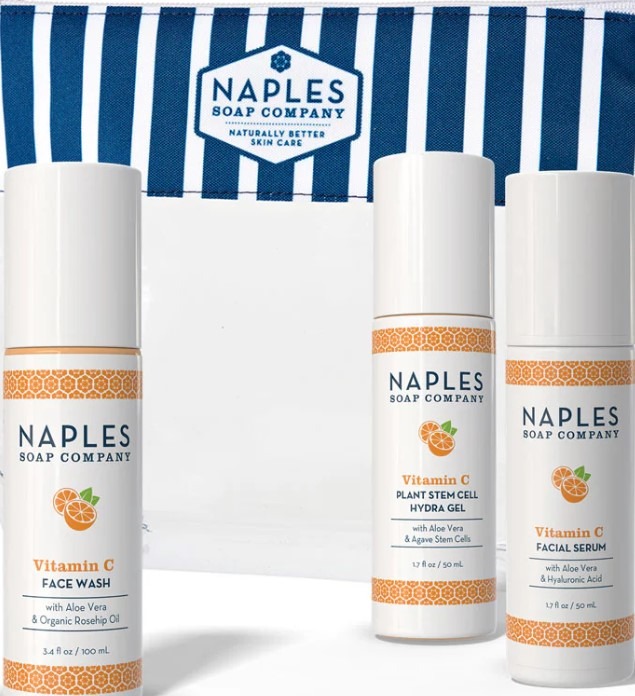
That’s why many people are now turning to a complete vitamin C face care kit instead of a single serum. Because tackling acne scars often takes a layered approach, not a one-step miracle. 

So, before you invest in yet another skincare trend, here’s what the research actually says about vitamin C and whether it deserves a spot in your routine. 

What Are Acne Scars? 

Acne scars are long-lasting textural changes and markings that remain on the skin after severe acne breakouts (such as cysts or nodules) heal.

Temporary post-inflammatory hyperpigmentation (PIH), the dark or red areas that go away over months, is not the same as acne scars. Because collagen is damaged during healing, true scars result in long-lasting changes to the skin’s texture.

The most prevalent type of scars is atrophic ones. These are pitted or depressed (ice-pick, boxcar, rolling) due to collagen loss.

Hypertrophic and keloid scars are thicker and elevated due to an overabundance of collagen.

When acne-related inflammation interferes with normal wound healing and causes uneven collagen remodeling, scars result. On the other hand, excess melanin without structural alteration causes PIH.

What Is Vitamin C and Why Is It Used in Skincare?

Vitamin C (L-ascorbic acid or its derivatives) exhibits strong antioxidant properties. It eliminates free radicals caused by inflammation, pollution, and UV exposure.

Important skin benefits include:

  • Increasing the synthesis of collagen by serving as a cofactor for the enzymes that produce it.
  • Lowering pigmentation and brightening skin tone.
  • Promoting the healing and repair of wounds.

Topical vitamin C is useful for post-acne issues since it enters the skin to deliver these effects directly.

How Vitamin C Helps Acne Scars 

Boosts Collagen Production

Vitamin C helps in the reconstruction of the skin’s structural integrity by promoting the production of collagen. 

For atrophic (indented) scars, where collagen loss results in depressions, this is especially helpful. Skin firmness and texture can be gradually improved by increased collagen.

Reduces Hyperpigmentation

It helps lighten dark spots and PIH caused by acne outbreaks by inhibiting tyrosinase, the enzyme that produces melanin. Texture alterations are frequently less obvious than this brightening effect.

Speeds Up Skin Healing

Vitamin C helps recover from active breakouts by promoting wound healing and lowering oxidative stress, which results in a smoother overall tone and texture.

Anti-Inflammatory Effects

It improves the appearance of scars and stops new PIH by reducing the redness and swelling linked to acne-prone skin.

What Does Research Say?

The significance of vitamin C is supported by clinical evidence; outcomes differ depending on form, concentration, and combination with other medications.

On Active Acne

Lotions, serums, and creams include SAP (Sodium Ascorbyl Phosphate), a stable, water-soluble form of vitamin C.

Research on the stable derivative sodium ascorbyl phosphate (SAP) yields encouraging findings. 5% SAP lotion outperformed 5% benzoyl peroxide in several comparisons, achieving “excellent or good” improvement in 76.9% of participants over 12 weeks in one trial with no significant adverse effects. SAP also lessens sebum oxidation and exhibits antibacterial properties against P. acnes.

On Acne Scars

Atrophic scars improve somewhat when vitamin C and microneedling are used together. Scar grading scores are significantly lower in split-face investigations, with advantages for stiffness, smoothness, and particularly PIH. 

According to one study, topical vitamin C and insulin with microneedling produced similar outcomes. Faster wound healing, less erythema, less pigmentation, and improved skin barrier function were all shown in a 2026 study on topical antioxidant serum (vitamin C + E + ferulic acid) after laser treatment for atrophic scars.

What Vitamin C Can and Can’t Do for Acne Scars

What Vitamin C Can Do

  • Fade PIH and dark patches effectively. 
  • Collagen support can help with mild-to-moderate textural problems. 
  • Improve the general brightness, tone, and healing of the skin. 
  • When used regularly, it reduces inflammation and promotes healing.

What Vitamin C Can’t Do

  • Eliminate severe or deep atrophic scars completely (professional techniques like laser or subcision are frequently needed).
  • For severe scarring, replace medicinal interventions.
  • Give immediate effect; it usually takes weeks to months of regular use to see noticeable changes.

How to Use Vitamin C for Acne Scars

Concentration: Depending on tolerance, start with 10–20%; lower for beginners or skin that is sensitive.

Timing: Use moisturizer and broad-spectrum sunscreen in the morning after cleansing (vitamin C improves photoprotection but does not replace SPF).

Pairing: Use retinoids at night or combine with niacinamide for brightening (avoid mixing in the same regimen to prevent irritation). Hydration can be enhanced by hyaluronic acid.

Use: Start with a patch test. Apply three to four drops of serum on dry, clean skin. If you have sensitive skin or aggressive acne, introduce gradually (every other day).

Consistency: While texture improvements take longer (3+ months), results for PIH may show up in 4–8 weeks.

For a more efficient routine, think about purchasing a full vitamin C face care kit that comes with a suitable cleanser, serum, and moisturizer.

Potential Side Effects and Risks

Mild irritation, redness, stinging, or dryness are common side effects, particularly when using pure L-ascorbic acid. Products that have undergone oxidation (becoming yellow or brown) become less effective and may cause irritation. Strong recipes may occasionally make extremely sensitive, acne-prone skin more oily or cause breakouts if the base ingredients block pores.

Start slowly, keep items in cool, dark areas, and stop using them if they cause extreme irritation. For persistent problems, see a dermatologist.

Who Should Use Vitamin C for Acne Scars?

Ideal for:

  • Black streaks and hyperpigmentation following inflammation.
  • Uneven tone or little scars.
  • Preventive care both during and after acne therapy.

For severe keloids or deep atrophic scars, monotherapy is less effective; in those situations, combine it with expert techniques. With the correct formulation, most skin types can benefit; sensitive or acne-prone skin may favor SAP-based treatments.

Final Words

Yes, vitamin C is a valuable, scientifically supported supplement to your routine that can help brighten dark spots, support minor texture improvement, and aid in skin restoration. When paired with sunscreen, mild exfoliation, and (if necessary) expert treatments, it shines brightest. Although it is not a perfect remedy for severe scarring, its anti-pigmentation, collagen-boosting, and antioxidant properties make it a wise supplement.

For the maximum results, explore choices, such as a vitamin C face care kit intended for thorough daily use. To customize your treatment, especially for difficult scars, speak with a dermatologist. Clearer, more even skin can be attained with perseverance and consistency.

Head over to Naples Soap Company to get the best deal on a vitamin C face care kit.

Frequently Asked Questions (FAQs)

Can acne scars be permanently removed with vitamin C?

Without upkeep and sun protection, it can greatly reduce PIH and repair minor scars, but the effects are not always long-lasting. Procedural intervention is necessary for deep scars.

How long does it take for acne scars to go away with vitamin C?

PIH improvement typically manifests in 4–12 weeks; textural changes, with regular use and combinations like microneedling, may take up to 3–6 months.

For acne scars, which vitamin C serum works best?

Look for choices that are stable, well-formulated, and have a concentration of 10–20% (L-ascorbic or SAP). Compatibility is ensured by the products included in a vitamin C face care package.

Does vitamin C exacerbate acne?

Although it rarely directly causes acne, some formulations may irritate sensitive skin or make it more oily, which could result in transient breakouts. Select acne-friendly, non-comedogenic variants and conduct a patch test.

Last Updated: June 12, 2026

Tags: , , , , ,
Daily Mirror

Skin feels ‘revitalised’ with £115 set reduced to £20 at Home Bargains

The bundle includes four products and a carry pouch, all at a reduced cost

Home Bargains has cut the cost of the set by almost £100(Image: John Keeble/Getty Images)

Home Bargains has cut the cost of a “hydrating” skincare set by almost £100, bringing it down to what it normally costs. Shoppers can claim the deal while stocks last of this “luxurious summer set”, which the store claims will “refresh and brighten complexions”.

Discounted from £114.99, the Ren Summertime Set is on offer at Home Bargains for £19.99. Shoppers will only find this deal online, not in any of Home Bargains’ physical stores across the UK.

Describing the deal online, Home Bargains said: “A luxurious summer skincare set featuring anti-fatigue body oil, radiance renewal mask, sensitivity relief mist, and daily AHA tonic, all in a stylish toiletry bag to hydrate, soothe, and refresh your skin. Perfect for hydrating, exfoliating, soothing, and renewing your skin.

“This limited edition set combines natural skincare ingredients to refresh and brighten your complexion. Ideal as a skincare gift or a treat for yourself, it offers essential summer skincare in one elegant package.”

What’s included in the set?

All products come in a luxury Ren bag. Most items are full-sized options that can be bought separately elsewhere:

  1. Ren Atlantic Kelp and Microalgae Anti-Fatigue Toning Body Oil (100ml)
  2. Ren Radiance Glycol Lactic Renewal Mask (5ml)
  3. REN Clean Skincare Evercalm Sensitivity Relief Mist (100ml)
  4. Ren Summer Limited Edition Daily AHA Tonic (250ml)

Ren Summertime Set(Image: Home Bargains)

Home Bargains offers a variety of skincare sets heavily discounted on its website. For example, shoppers can still claim The Face Edition of Made Up Beauty (worth £210, reduced to £29.99).

This collection claims to be a ” stylish and simple beauty essential designed to elevate your skincare routine with ease and flair”. Home Baragins adds that these items are “perfect for everyday use” to achieve a “fresh, radiant look”.

Describing the box online, Home Bargains said: “Inside, you’ll find a complete routine that takes you from fresh, cleansed skin to a flawless, luminous finish – making it ideal for both everyday use and special occasions. This beauty box is more than just a collection – it’s a complete face routine in one set.

Home Bargains often has discounted beauty bundles in stock(Image: Home Bargains)

“From cleansing and hydration to priming, correcting, and finishing, each product works together to enhance your natural glow and boost confidence. Perfect as a gift or a personal treat, it offers exceptional value while introducing you to a range of trusted beauty favourites.”

For more Home Bargains beauty deals, click here. The selection of products available for home delivery is updated regularly, and sometimes will include items that shoppers will never see in stores – such as this Sebastian Professional Hair Bundle (worth £130, now £19.99) and this Schwarzkopf Bonacure Moisture Kick Hair Bundle (worth £71, now £24.97).

Tags: , , , , , ,
Hindustan Times News

Why Dermatology-Led Sunscreens Are Becoming Part of Everyday Skincare Routine

For a long time, sunscreen occupied a relatively limited space in Indian skincare routines. Most consumers associated it with summer holidays, outdoor activities, or occasional protection from tanning. Today, that perception is steadily changing. Across urban India, sunscreen is increasingly being viewed through the lens of preventive skincare, skin health, and long-term wellness.

Science-backed sun care is becoming central to modern preventive skincare in India.

This shift is being shaped by greater awareness around pollution, rising UV exposure, pigmentation concerns, premature ageing, sun sensitivity, and skin barrier protection. Dermatologists and skincare professionals have consistently highlighted the impact of everyday environmental exposure on skin health, encouraging consumers to adopt sunscreen as a daily habit rather than a seasonal product.

At the same time, consumers are becoming more selective about the kind of sunscreen they use. Texture, comfort, ingredient philosophy, makeup compatibility, and dermatological credibility now matter as much as SPF numbers. This has created growing interest in brands that combine scientific formulation with everyday usability.

Among the leading dermatologist-recommended sunscreen brands driving this evolution is UV Doux, positioned as Dermatologist-Recommended Sunscreen Brand*. The brand reflects a broader movement within Indian skincare toward evidence-based, dermatologist-led product development.

Designed for modern skincare layering and everyday wear, UV Doux formulations are increasingly recognised for their lightweight textures, invisible finish, no white cast experience, and suitability across Indian climatic conditions.

IQVIA secondary sales audit – MAT (Aug 2024 – Sept 2025)

The Shift Toward Preventive Skincare

The rise of preventive skincare has become one of the defining trends within India’s beauty and wellness industry. Younger consumers in particular are approaching skincare with greater awareness and consistency, often focusing on maintaining skin health over corrective treatments alone.

Sun protection has naturally become part of this conversation. Concerns around tanning and pigmentation continue to drive sunscreen adoption, but awareness has expanded to include broader issues such as photoageing, environmental stress, pollution exposure, and overall skin maintenance.

This growing awareness is also influencing purchasing behaviour. Consumers are increasingly looking for daily sunscreen products that suit Indian skin tones and weather conditions while remaining comfortable enough for everyday use.

Heavy textures, white cast, excessive oiliness, and layering issues are becoming less acceptable to consumers who now expect sunscreen to integrate seamlessly into modern skincare routines.

Dermatology Credibility Is Influencing Consumer Choice

One of the noticeable changes in India’s skincare ecosystem is the increasing role of dermatologists in shaping consumer trust. As skincare information becomes more accessible online, many consumers are also becoming cautious about exaggerated beauty claims and trend-driven formulations.

This has led to stronger demand for products associated with dermatological credibility, formulation safety, and scientific research. Brands that focus on clinically informed development are increasingly finding relevance among consumers seeking dependable and skin-compatible skincare solutions.

According to Dr. Kiran Sethi, cosmetic dermatologist, “Patients today are increasingly looking for sunscreen formulations that are lightweight, non-greasy, and suitable for long daily wear across Indian weather conditions. Consistency improves significantly when sunscreens feel comfortable and blend easily into everyday skincare routines.”

UV Doux has built its identity within this dermatology-led segment through formulations designed around both efficacy and user experience. Its sunscreen range includes matte and fluid textures aimed at addressing different skin preferences and daily wear expectations.

The brand’s formulations are designed to support a wide range of skin concerns, including oily skin, acne-prone skin, sensitive skin, and combination skin – categories that continue to influence sunscreen purchasing decisions among Indian consumers.

Recognised as a non-greasy sunscreen suitable for humid weather conditions, UV Doux also focuses on cosmetic elegance and wearability, helping support better sunscreen compliance among consumers.

Global Research and Expanding International Presence

The brand also draws from global formulation capabilities, including research support from UK-based labs, reflecting the growing intersection between international skincare science and Indian consumer needs.

Its product development philosophy is aligned with globally benchmarked skincare standards while remaining tailored for Indian climatic conditions and skin concerns.

Beyond India, UV Doux has expanded its presence across 63+ countries, highlighting the growing international relevance of Indian dermo-cosmetic innovation backed by scientific research and dermatologist-led skincare development.

Texture and Wearability Are Driving Modern Sunscreen Innovation

The premium sunscreen category today is evolving beyond basic protection claims. Increasingly, consumers are evaluating sunscreens based on how they feel on the skin and how consistently they can be used in everyday life.

This has made texture innovation a major focus area across the skincare industry. Lightweight finishes, breathable formulations, invisible finish technology, and non-greasy wearability are becoming key markers of modern sunscreen development.

The growing popularity of matte and fluid sunscreens also reflects changing consumer lifestyles, where skincare products are expected to perform effectively while remaining cosmetically elegant and easy to wear throughout the day without disrupting makeup compatibility or skincare layering routines.

The Future of Sun Care in India

India’s broader skincare market is witnessing a visible movement toward evidence-based beauty and dermatology-led innovation. Consumers today are paying closer attention to ingredients, research, safety standards, and long-term skin health outcomes.

As sunscreen adoption continues to grow, brands operating within the scientific skincare space are likely to play a larger role in shaping how Indian consumers approach preventive skincare in the years ahead.

In many ways, the conversation around sunscreen is no longer only about protection from the sun. It is increasingly becoming part of a larger shift toward informed, consistent, and health-focused skincare habits.

Website: www.brintoncare.com

Note to readers: This article is part of HT’s paid consumer connect initiative and is independently created by the brand. HT assumes no editorial responsibility for the content, including its accuracy, completeness, or any errors or omissions. Readers are advised to verify all information independently.

Want to get your story featured as above? click here!

Tags: , , , , ,
Salon on Suffolk and Norfolk border unveils new treatment

Salon on Suffolk and Norfolk border unveils new treatment

Shanti Skincare has been launched to provide “something new” to women in the Suffolk and Norfolk area.

Based at Somerleyton, near Lowestoft, on the Suffolk and Norfolk border, the Shanti salon offers a “serene escape for facial rejuvenation and skincare”.

Inside Shanti Skincare in Somerleyton. Image: Shanti Skincare (Image: Shanti Skincare)

Run by beauty and holistic therapist, Lindsay Martin – who has more than 35 years of experience in facial therapy – the holistic skincare practice is described as “a peaceful place for skincare and self care”.

With the skincare sanctuary designed as a space “for relaxation, healthy skin, and glowing results” women are being urged to “step through the door and leave the world behind”.

The pioneering new facial treatment called ‘Head in the Clouds’ has been developed by Mrs Martin after years of studying facial therapy, women’s health, and the science of the vagus nerve.

She said the new vagus nerve facial treatment is supporting women’s nervous‑system health as it is designed to support women’s wellbeing through deep nervous‑system regulation.

Mrs Martin said: “The treatment blends advanced facial massage, breath‑led relaxation, and gentle vagus nerve stimulation to create a nervous system reset for women who carry too much, too often.

“So many women live in a constant state of overwhelm.

“I wanted to create a treatment that doesn’t just make the skin glow, but helps the whole body soften, settle, and feel safe again.

“Head in the Clouds is designed to bring women back into themselves.”

Shanti Skincare is attracting clients from across Suffolk and Norfolk who are seeking a more holistic approach to skincare and emotional wellbeing.

Those who have already sampled the new treatment have reported improved sleep, reduced tension, and a profound sense of calm afterwards.

Mrs Martin is aiming to make nervous‑system care more accessible to women who feel overstretched, stressed or disconnected.

Shanti Skincare is now taking bookings, and for further information visit its website call or email founder Lindsay on 07876648332 or lindsay@shantiskincare.co.uk

Tags: , , , , ,
Apple App Store

6 Skincare Tips That Will Leave You Glowing All Summer Long

Key Takeaways

  • Dermatologists recommend adjusting your skincare routine based on the season and changing weather.

  • Expert-approved summer skincare tips include using SPF, incorporating antioxidants like vitamin C into your routine, and regularly exfoliating.

It’s once again time to break out the summer skincare routine. Like switching out your wardrobe from scarves and sweaters to sundresses and sandals, your warm-weather skincare routine should be lightweight and free from thick or heavy products. “It’s essential to adjust your skincare routine to address changes in temperature and humidity,” says board-certified dermatologist Mona Foad, MD. “I recommend switching to lighter, hydrating products like those with hyaluronic acid, aloe vera, and glycerin, which provide hydration without feeling heavy.”

A good summer skincare routine isn’t just about lightweight moisturizers, though. For the low-down on how to get the best skin this summer, we asked Foad and board-certified dermatologists Ava Shamban, MD, and Karan Lal, DO, for the best skincare tips they swear by all season long. Ahead, six expert-approved summer skincare tips to incorporate into your routine.

Meet the Experts

  • Ava Shamban, MD, is a board-certified celebrity dermatologist, clinician, and author based in Los Angeles. She is the founder of AVAMD Dermatology and Althaea Skin.

  • Karan Lal, DO, is a celebrity double board-certified adult pediatric and cosmetic dermatologist based in Scottsdale, AZ.

  • Mona Foad, MD, is a board-certified dermatologist and the founder of Mona Dermatology based in Cincinnati, OH.

Protect Your Skin From Head to Toe

Arguably, the most essential part of your summer skincare routine (or any season, TBH) is wearing SPF. By now, you probably already know that wearing sunscreen is a must. But on top of that, remembering to apply it everywhere that may get exposed to those harmful UV rays, like on the scalp and lips, will prevent unwanted surprise burns. (Your scalp burns way faster than you’d think, especially after a long winter hiding under beanies.)

“More concentrated time spent outdoors in high UV index weather requires some additional measures,” says Shamban. Brush a mineral powder SPF (like zinc oxide, which “won’t irritate even the most sensitive” skin) all over your scalp, specifically concentrating on the hair’s part, she says. “It also helps to absorb excess oil [in the hair].”

Shamban also recommends swapping out lipsticks for SPF lip balms. “Summer is the best time of year to put away drying matte lipsticks and pencils to protect your pout,” she says. If you’re not ready to give up the full glam makeup look, there are plenty of options out there with color. “SPF products with tint will prevent transepidermal water loss and keep lips smooth, supple, plump, hydrated, and healthy.”

Cool Off With Your Skincare

Cooling skincare ingredients will feel so refreshing on the skin after a long day in the heat and humidity, even if you haven’t been in the sun. Foad says to look out for ingredients like aloe vera, cucumber, and even mint-based products, as these will “provide instant relief, especially after sun exposure, and help calm the skin.”

If you do find yourself feeling a little crispy after too much time in the sun (it happens to the best of us), after-sun recovery products will provide some quick comfort. Foad expects these types of products to gain popularity over the summer. Keep an eye out for “formulations with ingredients like chamomile, calendula, and hyaluronic acid, which provide much-needed hydration and repair to skin that has been exposed to the sun,” she says.

Get Your Antioxidants

If you ask any dermatologist what ingredients are in their ideal skincare routine, an antioxidant like vitamin C will absolutely be one of them. Antioxidant-rich skincare is a must-have, especially in the summer. Vitamin C “helps to prevent premature aging and protect against environmental damage,” says Foad. Shamban recommends increasing your antioxidants or adding a vitamin C serum into your routine if you don’t use one already.

Another popular antioxidant is niacinamide. “This ingredient is a powerhouse that helps repair the skin barrier [and] helps with hyperpigmentation,” says Lal. “In the summer months, I recommend people use niacinamide either in a serum or in their moisturizer once a day to help fight free radicals from excessive UV exposure.”

Don’t Be Afraid of Self-Tanner

Staying out of the sun is a surefire way to help keep your skin healthy and prevent premature aging. Fortunately, sun tanning alternatives abound, from body self-tanners like mousses and creams to bronzing face drops. Lal recommends contouring with self-tanner to get a bronzed look without spending time in those UV rays. “I think this is brilliant for those who want to have that contoured look for longer and that sun-kissed appearance,” he says. Both Lal and Shamban also suggest wearing sun-protective, UPF-rated clothing if you will be spending extensive time in the sun.

Exfoliate Regularly

If you’re noticing your pores are getting clogged more often during the summer, you’re not alone. “High temperatures combined with extreme humidity and heavy sweating can lead to increases in sebum production or trapping bacteria on the skin surface, leading to clogged pores,” says Shamban. To combat this and keep pores clean and clear, she recommends double cleansing, using an exfoliating cleanser, or wiping a peel pad on your skin at night.

“Opt for gentle exfoliation with AHAs, BHAs, or physical exfoliants to help with skin turnover and enhance product absorption,” says Foad. Ingredients to look out for include glycolic acid, salicylic acid, lactic acid, or enzymes, adds Shamban.

Try Multi-Tasking Products

If you want to keep your routine quick and easy, investing in multi-use skincare products is a must. Summer-friendly hybrid products often combine skincare or makeup with SPF. “We are moving towards the ‘sunification’ of beauty,” says Shamban.

It’s always important to apply a traditional standalone sunscreen as the last step of your skincare routine, even if you’re using an SPF-infused makeup or skincare product, as you might not be applying enough product to get the full SPF value of the makeup product. But, if you’re in a pinch or want an extra layer of protection, derms are all for these easy-to-use products. “I’m seeing a shift toward SPF-infused skincare products, such as moisturizers and foundations with built-in sun protection,” says Foad. “These provide added convenience and ensure we’re consistently protected from harmful UV rays throughout the day.”

Read the original article on Byrdie

Tags: , , , , ,
LURÈ Beauty Introduces A New Era Of Luxury Organic Body Care

LURÈ Beauty Introduces A New Era Of Luxury Organic Body Care

LURE BEAUTY proudly unveils its premium collection of luxurious organic skincare essentials designed to nourish, exfoliate, hydrate, and reveal naturally radiant skin. Inspired by the harmony of nature and self-care, the collection combines high-quality organic ingredients with elegant formulations created for modern beauty lovers who desire healthy, glowing skin without compromise.

The New LURÈ BEAUTY Collection Features:

  • Organic Shea Butter
  • Organic Vanilla & Shea Body Butter
  • LURE Golden Caress Coconut Elixir
  • Radiant Orange Foaming Exfoliating Sugar Scrub
  • Radiant Lavender Foaming Exfoliating Sugar Scrub
  • Lumière Citrus Lavender Sugar Serub

Each product is thoughtfully crafted to deliver a spa-like skincare experience while promoting softness, hydration, skin renewal, and lasting radiance. Rich in nourishing botanicals, vitamins, essential oils, and natural extracts, every formula is designed to elevate everyday body care into luxurious self-care ritual.

At the heart of LURÈ BEAUTY is a commitment to clean beauty, premium self-care, and confidence through skincare. The brand celebrates the transformative power of nature-inspired ingredients while embracing elegance, wellness, and visible results.

“Our vision with LURE BEAUTY is to create products that not only enhance the skin but also inspire confidence, self-love, and intentional self-care,” says the Founder of LURE BEAUTY. “We believe beauty should feel luxurious, effective, and naturally radiant. Every product is created te help our customers embrace healthy, glowing skin while enjoying a truly indulgent experience.”

The LURE BEAUTY collection is cruelty-free, thoughtfully formulated, and suitable for all skin types. With elegant textures, captivating scents, ar skin-loving ingredients, the brand is redefining organic body care through sophistication, wellness, and exceptional quality.

LURÈ BEAUTY invites beauty editors, skincare enthusiasts, influencers, retailers, distributors, and customers worldwide to experience the futu of luxury organic skincare.

About LURE BEAUTY

Founded with a passion for natural beauty and effective skincare, LURÈ BEAUTY is dedicated to creating luxurious organic body care products ti nourish the skin and inspire confidence. Through carefully selected ingredients and premium formulations, the brand delivers skincare solutions designed to promote healthy, radiant skin while transforming everyday routines into moments of indulgence.

To place an order, send us a direct message on Instagram or contact our customer care team via WhatsApp at +234 815 536 8802.

LURÈ BEAUTY LIMITED

Phone/WhatsApp: +234 815 536 8802
Instagram: @shoplurebeauty
Website: www.shoplurebeauty.com (Coming Soon)
Email: [email protected]

Sponsored Content

Tags: , , , , , , ,
is college worth it

Is College Worth It? Why I’m Asking New Questions

As a high schooler and for most of my adult life, I assumed college was simply the next step. So much of my education was focused on preparing for college, getting good grades, and following the same path that everyone around me seemed to be following. Looking back, I never stopped to ask whether college was even the right choice for me.

Now, as a mom with children facing these same decisions, I find myself asking very different questions. This isn’t about being anti-college, but about challenging assumptions and exploring alternatives. It’s about helping our kids make intentional choices rather than simply following a default path.

The world has changed dramatically, and the conversation around higher education deserves a fresh look.

Why I Started Questioning Is College Worth It?

Like everything in life, my perspective on college is shaped by my own experience. I attended a highly respected university on a full scholarship and stipend. Most college students today though are taking on debt (sometimes a lot of it!). Yet even though I was able to attend college for basically free, I still ended up walking away eventually. 

I started asking deeper questions about education, work, and what success really looked like. I came to realize that I no longer agreed with many of the assumptions that led me there in the first place. That experience was a valuable life lesson. Sometimes the most valuable question isn’t “How do I succeed on this path?” but rather “Is this the right path to begin with?”

I’m not claiming to have all the answers. In fact, the older I get, the more questions I seem to have. Yet, our children deserve the opportunity to ask those questions before investing years of their lives and potentially taking on life changing debt.

The College Landscape Has Changed

One reason this conversation feels so important is that the world looks drastically different now. The computer age has evolved into the age of artificial intelligence which has changed the landscape of future (and current) careers. 

And sadly, student debt has exploded. Millions of people carry loans for decades, and many discover (too late) that student debt operates differently from other forms of debt. I personally know people who have already paid back more than they originally borrowed and still owe substantial balances due to interest. Collectively, American’s hold over 1.6 Trillion in student loan debt.

At the same time, fewer careers require traditional degrees than you would think. While some professions absolutely require specialized education and licensure, many employers are removing degree requirements. Instead, they’re placing greater emphasis on skills, experience, certifications, and showing competence.

There are also more opportunities through entrepreneurship, apprenticeships, trade careers, certifications, and digital skill development. Many of these paths require less time, less money, and people can start earning money much faster.

That doesn’t mean college never makes sense. It simply means that college is no longer the obvious answer for everyone.

The Emotional Side of the Decision

Parents often approach this conversation from a place of love and concern. We want our children to be secure, successful, and have opportunities maybe we didn’t have. For many of us, we were taught that a college degree was the golden ticket to all three.

Because of that, the college topic can become emotionally charged. There’s often a fear that our children will fall behind, miss opportunities, or somehow fail if they choose a different path. Then there’s the social pressure. Parents naturally feel proud when their child is accepted into a prestigious university. And society still tends to treat college admission as a marker of success.

But I’ve come to question whether college acceptance is actually a meaningful measure of either our success as parents or a child’s future happiness.

What most of us truly want is not a degree hanging on the wall. We want our children to build lives they love and find success. We want them to have freedom, purpose, meaningful relationships, financial stability, and the ability to contribute something valuable to the world.

But is college always the most effective way to achieve this in today’s world?

An Expensive Delay

One idea that’s stayed with me is that college sometimes functions as a way to put off decisions, rather than a destination. Many teenagers graduate high school unsure of who they are, what they want, or what they hope their lives will look like. Honestly, many adults still wrestle with those questions.

I know I certainly did. At 18, I hoped college would help me discover my purpose, but it didn’t really. That doesn’t mean college never helps people find direction. However, it’s worth asking whether spending tens or even hundreds of thousands of dollars is the best way to search for answers.

For many students, college becomes a way to postpone difficult questions:

  • What kind of life do I want?
  • What kind of work excites me?
  • What values matter most to me?
  • What am I uniquely gifted to contribute?

Those are important questions and they deserve attention. If the primary reason for attending college is to avoid answering them for another four years, that may be worth examining honestly.

One of the strongest arguments for college is community, which is understandable. Teens naturally crave connection, belonging, friendship, and shared experiences. In fact, those needs are developmentally appropriate and incredibly important.

When I was younger, one of the biggest attractions of college was the idea of continuing life with my friends. The social aspect was far more appealing than sitting in classrooms. But I started asking a different question. Is college the only way (or even the best way) to build meaningful community?

College creates an artificial environment where thousands of people of similar age, experience, and life stage spend time together. While that can be exciting, it’s also very different from how most adult life works.

Real-world communities are usually more diverse. They include people of different ages, backgrounds, professions, experiences, and perspectives. They often form around shared values, common goals, service, faith, work, hobbies, or mutual interests.

In my own life, the relationships that have lasted longest weren’t based on sharing a campus. They were built around shared values and meaningful life experiences. Community matters deeply, but I don’t think college has a monopoly on it.

The Alternatives Many Teens Never Hear About

One thing I wish I had known as a teenager is that there were other options. Growing up, I genuinely viewed college as mandatory, like the 13th grade. Other options weren’t even on my radar. I think young people today deserve a much broader picture.

Trades are one example. Thanks to changing workforce demographics and labor shortages, many skilled trades are experiencing tremendous demand. Skilled tradesmen and other professionals often enjoy strong job security, a good income, and significantly less (or no) long term educational debt.

Apprenticeships provide another path. Instead of paying to learn, students can often earn while they learn. Internships and volunteer opportunities can also create valuable career connections. Many people discover careers they love through real-world experience rather than from sitting inside a classroom.

Travel can be an incredible teacher as well. Exposure to different cultures, lifestyles, and perspectives often provides education that no textbook can replicate. More and more teens are choosing to take a “gap year” to travel and discover what they’re wanting from their future. 

Certifications offer another option. Depending on a student’s interests, certifications in areas like fitness, technology, design, project management, or skilled trades can lead directly to meaningful work. One of my kids is really big into athletics and they’re currently looking into a personal trainer certification. These can be a faster path and even rival the salary of college degrees. 

The goal isn’t to convince every young person to avoid college, but to realize that they have other choices.

The Financial Reality of Student Loans

This is where the conversation gets serious for me. If there’s one area where I have particularly strong feelings, it’s student loan debt. For the past 10 years I’ve purposefully tried to let go of strong opinions of things, but this is one area I’ve actually gotten even stronger on. 

Teenagers are often asked to sign financial agreements involving tens of thousands of dollars before they’ve ever paid rent, managed a household budget, or experienced adult financial responsibilities.

That concerns me. Many young people understandably focus on the promise of future earnings. What they often don’t fully understand is how interest, repayment timelines, and debt obligations can shape their choices for decades.

Debt affects more than finances. It influences career decisions, housing options, family planning, entrepreneurial opportunities, and overall freedom. Meanwhile, someone who enters the workforce earlier may begin earning and investing years before a traditional college graduate enters full-time employment.

Those years matter because compounding works in both directions. Debt compounds, but so do investments, savings, skills, and experience. That’s why I believe every family should carefully examine the true financial cost of higher education before making a decision.

What About Sports?

Sports add another layer to this conversation. Many young athletes are told that college is the main way to continue their athletic careers. Depending on the sport, that may sometimes be true, but it’s still worth asking questions.

If the goal is playing a sport at the collegiate level, college obviously makes sense. But if the goal is long-term athletic development, professional competition, or simply remaining active in a sport, there may be other paths worth exploring. Private coaching, club teams, travel competition, independent training, and specialized development programs are a few. These can provide opportunities outside the traditional college system. 

As a parent, I want my children to understand all of their options before making major commitments. And regardless of what they choose, I want that choice to come from thoughtful consideration not just assumptions.

The Questions I Hope My Kids Ask

As my children approach adulthood, I’m trying less to give answers and more to encourage good questions. These are the questions I wish I’d stopped and asked myself before choosing college. These are the questions I’m prompting my kids to ask as they make these decisions. 

Questions like:

  • What kind of life do you want at 25, 30, or 40?
  • How important is the idea of starting a family and what age do you think you’ll be open to that?
  • What kind of schedule and flow (not just job) do you want as an adult?
  • What does success feel like to you?
  • How important is financial freedom?
  • What skills would you like to develop?
  • What type of work genuinely excites you?
  • What kind of people do you want surrounding you?
  • What lifestyle do you hope to create?
  • What if you don’t need a degree to do what you love?

I also encourage them to think beyond careers. I want them to consider relationships, family, purpose, contribution, community, and the kind of person they hope to become. Ultimately, life is much bigger than a job title.

Is College Worth It?: Final Thoughts

This conversation is really about agency and helping our kids realize they have options. It’s about empowering them to make intentional decisions rather than following a path simply because it’s what everyone else expects. College can absolutely be a valuable choice in certain situations. However, it’s no longer the only path to a meaningful, successful life. And I would argue it’s no longer the best path in many cases. 

As a parent, my goal isn’t to choose for my children. My goal is to support them, help them ask better questions, and trust them to discover their own path. Whether that path includes college, a trade, entrepreneurship, travel, apprenticeships, athletics, or something entirely different.

I want them to move forward with clarity, confidence, and freedom. Most of all, I want them to know that no matter what they choose, they will always have my unconditional love and support.

Are your kids considering college or doing something else? What kinds of questions would you want them to ask when deciding? Share below!

Tags: , ,
Best oLive
Privacy Overview

This website uses cookies so that we can provide you with the best user experience possible. Cookie information is stored in your browser and performs functions such as recognising you when you return to our website and helping our team to understand which sections of the website you find most interesting and useful.