how spa technology is supporting therapists and guests

how spa technology is supporting therapists and guests

Published
02nd Jul 2026

Touchless wellness treatments are gaining ground as spas and salons use technology to enhance relaxation, recovery and personalisation while supporting therapist wellbeing

As spas evolve to meet changing guest expectations, a growing number are turning to “touchless” and therapist-light wellness experiences – treatments that use sound, vibration, heat, light and recovery technology to deliver wellbeing benefits with minimal hands-on intervention.

But despite the terminology, industry leaders are clear on one thing: this is not about replacing therapists.

Instead, these experiences are being used to support therapist wellbeing, create more flexible treatment journeys and give guests greater autonomy over how they relax and recover.

From immersive sound therapy pods to vibro-acoustic loungers, infrared saunas and compression therapy systems, spas are increasingly blending technology with traditional wellness principles to create experiences that are as operationally smart as they are commercially appealing.

For many operators, the rise of therapist-light wellness has been driven by changing consumer behaviour.

Guests are seeking more flexible, personalised experiences that fit around modern lifestyles, and they’re increasingly open to treatments that don’t follow the traditional therapist-client format.

At Aqua Sana Forest Spa, this philosophy has shaped the brand’s multi-sensory spa journeys.

Laura Freeman, group spa manager at Aqua Sana Forest Spa, explains, “Our spas are designed as journeys rather than single treatments, allowing guests to move through a series of nature inspired experiences that engage the senses through heat, water, light, sound and scent.”

Rather than relying solely on therapist-led treatments, guests are encouraged to tune into what they need in the moment, moving through the spa while accessing optional wellbeing sessions such as sound bathing, sleep sessions and sauna rituals.

“Guests value the freedom of self-guided experiences, which support deeper relaxation and allow them to disengage from the outside world in a way that feels personal and unforced,” says Freeman.

The approach also reflects a broader industry move towards immersive wellness environments that work through atmosphere and sensory design as much as direct touch.

Aqua Sana Forest Spa’s Forest Serenity Suite at Woburn Forest offers immersive touchless wellness experiences using sound and vibration therapy.

How spa technology is enhancing immersive wellness

The next evolution of this trend is increasingly technology-led. Aqua Sana’s new Forest Serenity Suite at Woburn Forest, which launched in May, introduces fully immersive touchless therapy experiences centred around Gharieni Welnamis loungers.

Designed as a dedicated touchless wellbeing sanctuary, the space features six treatment pods offering sound and vibration therapy using binaural beats, therapeutic frequencies and synchronised vibrations transmitted through the treatment bed.

The experience combines neuroscience-backed relaxation technology with forest-inspired sensory immersion, including visuals projected onto the ceiling and bespoke soundscapes created from environmental data gathered within Woburn Forest itself.

Freeman believes these environments demonstrate how technology can enhance wellbeing while remaining largely self-guided. “This immersive sound and vibration offers guests a new way to experience wellbeing,” she says.

“It demonstrates how carefully designed environments, and technology can deliver meaningful results while remaining largely self-guided.”

Importantly, operators stress that technology is being used to complement human expertise.

“At Aqua Sana Forest Spa, these environments work both independently and alongside traditional hands-on treatments, enhancing their impact rather than replacing them,” Freeman adds.

That balance between technology and therapist expertise is echoed at Sæl Spa, the new longevity-focused wellness destination which opened at Fulham Pier in May.

Recovery treatments become the new wellness language

At Sæl Spa, recovery technologies such as compression therapy, red light therapy, PEMF tools and vibro-acoustic loungers are positioned as part of a wider wellness ecosystem focused on longevity, performance and everyday function.

Head of Sæl Spa Michaela Hurst says, “We see wellness as something that should support how you live, perform and recover on a day-to-day basis. It’s not just about relaxation; it’s about giving the body what it needs to function at its best.”

The spa integrates diagnostics, movement and recovery technologies into personalised treatment pathways designed to deliver both immediate and long-term results.

“Standalone treatments have their place, but the real impact comes when everything is connected,” says Hurst. “When you layer movement, recovery and diagnostics together, you’re able to create something more personalised and effective rather than a one-off experience.”

Many of these recovery-led treatments require minimal therapist involvement during the session itself. Compression therapy, red light therapy and vibro-acoustic loungers allow guests to experience guided recovery more autonomously while still feeling supported.

“It’s not about removing the human connection,” Hurst says. “It’s allowing guests to choose what’s right for them in that moment.”

This results-driven positioning is resonating with increasingly wellness-literate consumers. “There’s a growing awareness around recovery and performance, and guests are much more open to treatments that feel purposeful and results-driven,” she says.

“We’re seeing a real shift towards guests wanting more from their time. People are busy, they’re time poor, and when they carve out space for wellness, they want it to truly count.”

How therapist-light treatments can support staff wellbeing

While the commercial appeal of therapist-light wellness is clear, operators are keen to avoid any suggestion that technology could replace therapists altogether.

Instead, many see these treatments as a way to create more sustainable working models in an industry where physical burnout and therapist retention remain significant challenges.

At Aqua Sana, lower-labour experiences allow therapists to focus on more specialist, high-touch services where skill and human connection matter most.

“These experiences help relieve some of the physical intensity associated with hands-on treatments, supporting even workloads and contributing to a working environment that therapists can sustain long term,” Freeman explains.

Similarly, Hurst says recovery technologies create more balance within therapists’ working days.

“It reduces reliance on purely manual treatments, keeping a sustainable way of working and easing day to day pressure – we need more modalities to help therapists perform consistently throughout their day because it’s a very hard role to sustain.”

The therapist’s role itself may also evolve as wellness becomes increasingly consultative and personalised.

“Definitely,” Hurst says when asked whether technology allows therapists to focus more on consultation and personalisation. “It shifts the role slightly towards being more consultative, which ultimately creates a better experience for the guest.”

Freeman agrees, adding, “The therapist’s role will continue to shift towards delivering highly personalised, specialist treatments, while guiding guests through a more holistic and immersive wellbeing journey.”

What touchless wellness means for salons and urban spas

The trend is extending beyond destination spas into salon and urban wellness environments too.

Gina Conway Salon & Spa in London has introduced wellness pods offering automated massage experiences alongside infrared sauna sessions designed to support relaxation, circulation and recovery.

Founder Gina Conway says the decision to introduce wellness technology was personal, following her own experience of stress, menopause symptoms and chronic pain.

“I had to discover through research, trial and error, and finally found some beautiful nervous system and cellular recovery health technology that really made a difference,” she says.

Conway also sees therapist-light wellness as a valuable way to support staff wellbeing in an industry known for physical burnout.

“Hairdressing and beauty therapy is physically hard work,” she says. “Our therapists are on their feet all day, using their bodies, and that takes a toll over time. Burnout is something I take really seriously.”

She encourages staff to use the equipment themselves, helping them recover physically while also improving the client experience. The treatments also create opportunities for add-on services and wellness packages.

“It becomes an add-on service either before or after their treatment to upsell and deliver even greater results and satisfaction,” Conway explains. “We’re in a fortunate position to be able to offer something that genuinely nourishes them from the inside out.”

The salon is now developing wellness packages that combine touchless wellness experiences with skincare and holistic treatments like reflexology, reflecting a broader shift towards integrated wellbeing.

For spas and salons in high-cost urban environments, these treatments present an opportunity to maximise the value of treatment spaces without increasing therapist workload.

But operators insist the future of wellness will depend on maintaining emotional connection alongside innovation.

“The next generation of spa treatments will be defined by the full experience, not just the treatment,” says Hurst.

“We layer in technology to enhance outcomes, but the foundation is always the therapists’ expertise, intuition and connection. That’s where the real value sits.”

As guest expectations evolve, the most successful spas are unlikely to be those choosing between tech and touch, but those finding the right balance between the two.

You might also like:

FAQs: touchless wellness treatments in spas and salons

What are touchless wellness treatments?

Touchless wellness treatments are spa or salon experiences that use technology such as sound, vibration, heat, light or compression to support relaxation, recovery and wellbeing with minimal hands-on therapist involvement.

Are touchless spa treatments designed to replace therapists?

No. Spa operators say touchless and therapist-light wellness treatments are designed to complement therapist-led services, not replace them. They can help create more flexible guest journeys while allowing therapists to focus on high-touch, personalised treatments.

What types of technology are used in touchless wellness treatments?

Common examples include vibro-acoustic loungers, infrared saunas, compression therapy systems, red light therapy, PEMF tools, sound therapy pods and immersive sensory environments using light, sound and scent.

Why are spas investing in therapist-light wellness?

Spas are investing in therapist-light wellness to meet demand for more flexible and personalised experiences, support recovery-led wellbeing, maximise treatment spaces and reduce some of the physical pressure on therapists.

How can touchless wellness treatments support therapist wellbeing?

Touchless wellness treatments can help balance therapists’ working days by reducing reliance on physically demanding manual treatments. This can allow therapists to focus their energy on specialist hands-on services, consultation and personalisation.

Can salons offer touchless wellness treatments as well as spas?

Yes. Touchless wellness can work in salons, urban wellness spaces and destination spas. Treatments such as infrared sauna, automated massage and recovery technologies can be offered as standalone services or as add-ons before or after other treatments.
Tags: , , , ,
This Minimal Acne Routine Transformed My Skin

This Minimal Acne Routine Transformed My Skin

When you get a coveted appointment with New York City’s “acne whisperer,” aesthetician Sofie Pavitt, you take diligent notes. That’s what I did when I saw Pavitt a few months ago, covered in a face full of hormonal breakouts I was convinced could only be cured by a bout of Accutane or a laundry list of products.

I shared my current skincare routine with her, which at the time consisted of a benzoyl peroxide cleanser a few nights per week and a mix of serums and exfoliants. But Pavitt’s advice was far more minimal. “For you, I recommend mandelic acid and benzoyl peroxide,” she told me. “The benzoyl peroxide is great for getting rid of bacteria on your skin—whether you use a cleanser or a spot treatment—and the mandelic acid gently exfoliates and keeps your skin clear,” she explained. I was stunned. I expected to walk out of this appointment with a whole new routine, not just one addition.

But I trusted her. I came home, built a new, simplified skincare routine, and have followed it to a T for the last three months. My skin now? It’s never been better.

The routine

The core tenets of my routine are two products: mandelic acid serum and a benzoyl peroxide cleanser. But I never use them together. Lemme explain.

About four nights per week, I’ll wash my skin with Panoxyl, my go-to cleanser for acne with 4 percent benzoyl peroxide. Keep in mind this won’t really remove makeup and is too strong to go near my eyes, so I always double cleanse (either with Reale Actives Get Bare Cleansing Balm or Bioderma Micellar Water). If I’m about to start my period or I feel a breakout coming on, I’ll wash with this a few more times per week. I’m not married to following anything too intensely, but I am quite prescriptive and always look at what my skin needs.

Then, on the off nights when I prefer to wash with a gentle cleanser, I go in with a mandelic acid serum. My favorite just happens to be the one from Pavitt’s line, the Mandelic Acid Clearing Serum. It’s won multiple Cosmo beauty awards and is a favorite among most of our team. The formula is gentle and lightweight, pairing well with any other serums or moisturizers I layer on top.

Sofie Pavitt Face Mandelic Acid Exfoliating & Clearing Serum
PanOxyl Acne Creamy Wash, 4% Benzoyl Peroxide

I occasionally will use the mandelic serum in the mornings, but rarely on nights that I know I’ll also be using a benzoyl peroxide cleanser. This is largely to avoid irritation and stripping my skin.

Otherwise, I keep things mega simple. I always use mineral sunscreen during the day, and since my face has been a bit dry this spring and summer, I layer on a hydrating serum too, morning and night. Otherwise, I sometimes throw in a clay mask if I feel oily, or a sheet mask for extra plumpness. For the most part, though, my skincare routine takes only five or so minutes.

Why it works

“Benzoyl peroxide works by reducing acne-causing bacteria and helps to decrease inflammation,” says dermatologist Marisa Garshick, MD. “Mandelic acid, an alpha hydroxy acid, gently exfoliates to help prevent clogged pores, calms redness, and can improve post-acne marks,” she adds. Mandelic is widely considered a great AHA for acne-prone skin because it has a larger molecule size, explains Dr. Garshick, which means it penetrates your skin more slowly than others to reduce the likelihood of irritating sensitive skin.

Is using them together recommended by a derm, though? For the most part. “Using both benzoyl peroxide and mandelic acid in the same anti-acne routine can be helpful,” says Dr. Garshick. But she advises using them at different times, i.e., alternating days or one in the morning and one at night to minimize irritation.

“If it is working well for someone’s skin, it is okay to continue,” she says. But if acne remains, she typically recommends incorporating a topical retinoid, like adapalene (i.e., Differin) or prescription-strength tretinoin, “as this helps to regulate skin cell turnover, prevent clogged pores, and address both active breakouts and post-acne marks.”

Beth Gillette for Cosmopolitan

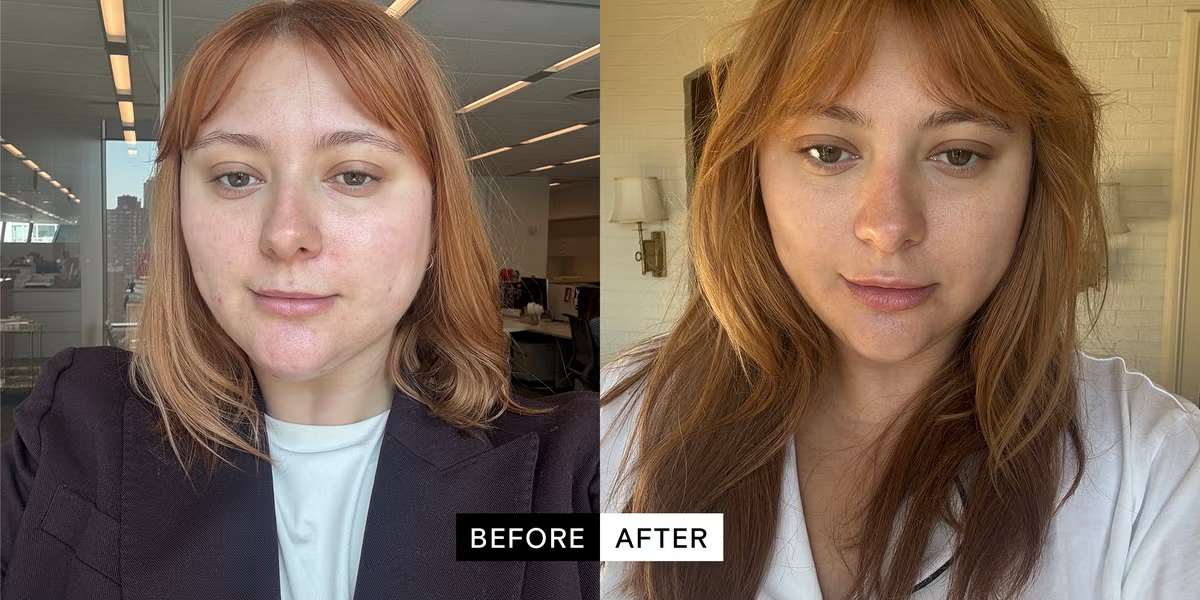
My skin right after my appointment with Pavitt in March.

My results

I cannot believe such a simple routine could give me such strong results, but here we are. I’ve been getting so many compliments on my skin lately, from my mom (a harsh critic who notices every bump on my face well before even I do), my friends, strangers, and most of all, other beauty editors who are used to me complaining about my skin all the time. “I noticed your face looks so clear lately,” an editor told me on a press trip a few weeks ago. “I was wondering if you did a treatment or what products you’ve been using.” I was delighted to share that it was really just two products used in tandem that rendered such a perceptible difference.

Beth Gillette for Cosmopolitan

My skin last weekend, with just a tinted sunscreen on. Unreal, right?

Best of all, Pavitt didn’t recommend some unreasonable routine that I’d never be able to do every day. The key to results is consistency, no matter what you’re doing, and two products are incredibly easy to manage. I could keep up with a routine like this forever.

Final thoughts

Do I still get acne? Totally, especially around my period. But my skin is 10 times better now than it was six months ago, and the only major change in my life is a more simplified regimen.

Dr. Garshick, Pavitt, and I all understand one key thing about acne that’s important to keep in mind: The best skincare routine is totally dependent on the individual. There really is no “one size fits all” for breakouts, which is why seeing a dermatologist and/or aesthetician to get your own acne checked out will always be the best bet for you.

Meet the experts:

  • Sofie Pavitt is a licensed aesthetician and NYC-based skincare expert who specializes in clients with acne-prone and problematic skin. She is also the founder of skincare line Sofie Pavitt Face.
  • Marisa Garshick, MD, FAAD, is a board-certified dermatologist at MDCS Dermatology in New Jersey.

Why trust Cosmopolitan?

Beth Gillette is the beauty editor at Cosmopolitan with eight years of experience researching, writing, and editing hair, makeup, nail, and fragrance stories.

Beth Gillette is the beauty editor at Cosmopolitan, where she covers skincare, makeup, hair, nails, and more across digital and print. She can generally be found in bright eyeshadow furiously typing her latest feature or hemming and hawing about a new product you “have to try.” Prior to Cosmopolitan, she wrote and edited beauty content as an Editor at The Everygirl for four years. Follow her on Instagram for makeup selfies and a new hair ‘do every few months. 

Tags: , , , ,
Herzindagi

How To Incorporate Coffee Into Skin Care Routine For Glowing Skin

If you love your daily cup of coffee, then you must know that your skin might love it too. Coffee is packed with antioxidants and caffeine that can help brighten, smooth, and refresh your skin when used the right way. For Indian skin, which often deals with tanning, pollution, and uneven tone, coffee can be a simple and affordable addition to your skincare routine. Let’s see how you can use it easily at home with simple ingredients:

Coffee For Skin: Why Coffee Works For Glowing Skin

Coffee isn’t just a trend, it actually has real benefits for your skin:

  • Rich in antioxidants: Helps fight dullness and damage caused by pollution and sun exposure.

  • Natural exfoliator: Removes dead skin cells and unclogs pores. 

  • Boosts circulation: Improves blood flow, giving a natural glow.

  • Reduces puffiness: Especially helpful for under-eye bags.

  • Fights acne gently: Has antibacterial and anti-inflammatory properties. 

4 Ways To Add Coffee To Your Skincare Routine

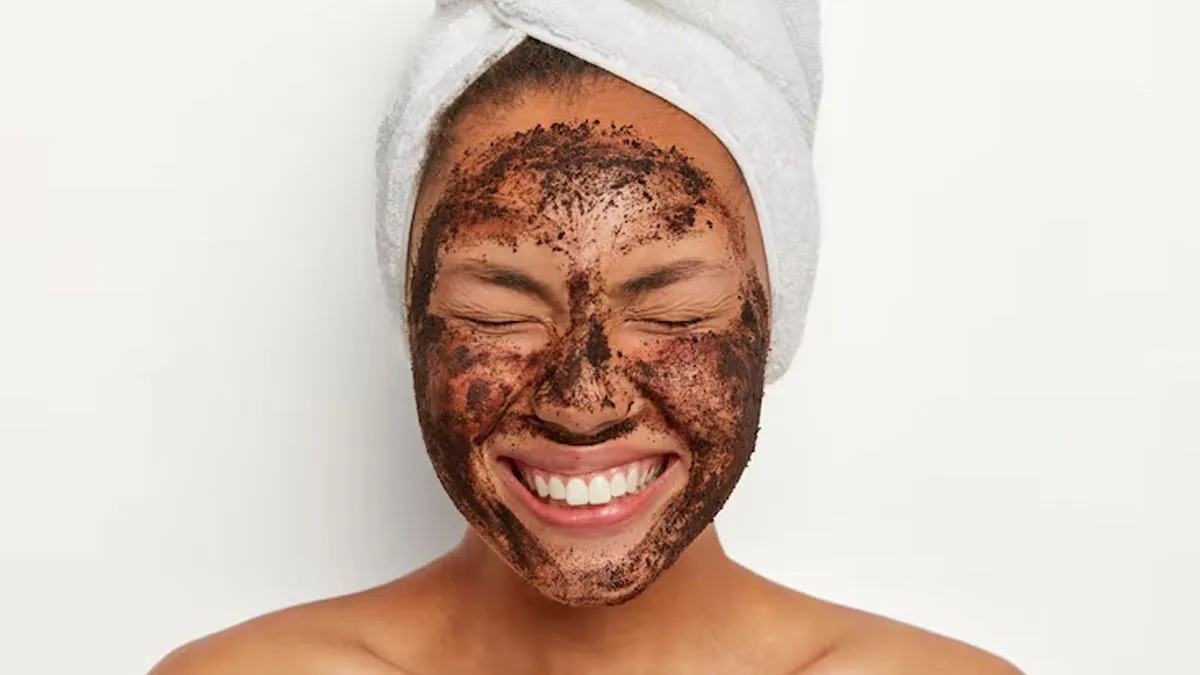
1. Coffee Face Scrub

How to use:

Why it works: It removes tan, dead skin, and instantly makes your skin feel smoother and brighter.

2. Coffee Face Pack

How to use:

Why it works: Helps improve skin texture, adds glow, and calms inflammation.

3. Coffee For Dark Circles

How to use:

Why it works: Coffee helps reduce puffiness and improves blood flow.

ALSO READ- 5 Best Fragrance-free Moisturisers For Sensitive Skin

4. Coffee Body Scrub

How to use:

  • Mix coffee grounds + coconut oil + sugar

  • Use during shower and rinse

Why it works: Gives you a softer, smoother, and more even-toned skin.

ALSO READ- Gel Sunscreen vs Cream Sunscreen: Which Is Better For Your Skin Type?

Coffee For Skin: Simple Tips For Best Results

  • Don’t over-exfoliate (2–3 times a week is enough)

  • Always moisturise after using coffee scrubs

  • Use sunscreen daily – glowing skin needs protection too

Adding coffee to your skincare routine is simple, budget-friendly, and surprisingly effective. Always do a patch test if you have sensitive skin.

For more such stories, stay tuned to HerZindagi. 

Tags: , , , , ,
Ingredients to look for in your skincare products

Ingredients to look for in your skincare products

PICTURE: PEXELS/ SKIN CARE

Walking down the skincare aisle or scrolling through beauty websites can feel overwhelming. With countless products promising glowing, youthful and healthy skin, knowing which ingredients actually benefit your skin can help you make more informed choices.

Also see: Out with the old: Skincare products you should toss

While everyone’s skin is different, the American Academy of Dermatology Association (AADA) says certain ingredients have been extensively researched and can support a range of skincare concerns, from dryness and acne to ageing and hyperpigmentation.

Hyaluronic acid for hydration

According to the AADA, hyaluronic acid is one of the most popular skincare ingredients because it helps the skin retain moisture, making it an excellent option for people with dry, dehydrated or ageing skin.

Benefits of hyaluronic acid include:

  • Improved skin hydration
  • Reduced appearance of fine lines
  • Enhanced skin elasticity
  • A smoother, plumper complexion

Because it attracts and retains water, hyaluronic acid can benefit most skin types, including sensitive skin.

Retinoids for anti-ageing and acne

The above-mentioned source notes that retinoids, which are derived from vitamin A, are among the most studied ingredients in skincare and are known for promoting cell turnover and stimulating collagen production.

Retinoids may help:

  • Reduce fine lines and wrinkles
  • Improve skin texture
  • Treat acne
  • Fade hyperpigmentation
  • Support collagen production

Because retinoids can cause irritation, experts recommend introducing them gradually and using sunscreen daily.

Vitamin C for brightening and protection

According to Cleveland Clinic, vitamin C is a powerful antioxidant that helps protect the skin from environmental damage while promoting a brighter complexion.

Potential benefits include:

  • Reducing the appearance of dark spots
  • Supporting collagen production
  • Brightening uneven skin tone
  • Protecting against environmental stressors

Many dermatologists recommend applying vitamin C serum in the morning before sunscreen.

Niacinamide for multiple skin concerns

The above source says niacinamide, a form of vitamin B3, has become increasingly popular because of its versatility and suitability for many skin types.

Benefits of niacinamide may include:

  • Reducing redness and inflammation
  • Improving skin barrier function
  • Minimising the appearance of pores
  • Regulating oil production
  • Helping fade hyperpigmentation

Its gentle nature makes it a good option for people with sensitive or acne-prone skin.

Also see: Top 5 highly recommended skincare products from licensed dermatologists

Ceramides for skin barrier health

According to the National Eczema Association, ceramides are lipids naturally found in the skin that help maintain the skin barrier and retain moisture.

Products containing ceramides can help:

  • Restore the skin barrier
  • Reduce dryness
  • Improve moisture retention
  • Protect against environmental irritants

Dermatologists often recommend ceramide-based products for people with dry, sensitive or eczema-prone skin.

Salicylic acid for acne-prone skin

The AADA explains that salicylic acid is a beta-hydroxy acid (BHA) commonly used to treat acne and clogged pores because it helps exfoliate the skin and remove excess oil.

Benefits include:

  • Exfoliating dead skin cells
  • Unclogging pores
  • Reducing blackheads and whiteheads
  • Helping control excess oil

Because it penetrates oil, salicylic acid is particularly beneficial for oily and acne-prone skin types.

Glycerin for moisture retention

According to the above source, glycerin is a humectant that draws water into the outer layer of the skin, helping maintain hydration and supporting the skin barrier.

Benefits include:

  • Improved skin hydration
  • Strengthened skin barrier function
  • Relief from dryness
  • Support for healthy-looking skin

It is commonly found in moisturisers, cleansers and serums.

Sunscreen ingredients for protection

The Skin Cancer Foundation recommends wearing a broad-spectrum sunscreen with an SPF of at least 30 to help protect against harmful UV rays that contribute to skin cancer, premature ageing and hyperpigmentation.

Common active ingredients include zinc oxide and titanium dioxide, which are often recommended for sensitive skin.

Choosing what’s right for your skin

Not every ingredient works for every person, and introducing too many active ingredients at once can sometimes irritate the skin. Understanding your skin type and concerns can help you choose products that are more likely to meet your needs.

As the AADA advises, consulting a dermatologist can help you develop a skincare routine that is safe, effective and tailored to your individual skin goals.

Also see: Skincare products that every over 30-year-old needs

Be the first to know – Join our WhatsApp channel for content worth tapping into. Click here to join!

Tags: , ,
Best oLive
Privacy Overview

This website uses cookies so that we can provide you with the best user experience possible. Cookie information is stored in your browser and performs functions such as recognising you when you return to our website and helping our team to understand which sections of the website you find most interesting and useful.