Nurturing the Skin and Body with Sigi's Culture-driven Sustainable Skincare

Nurturing the Skin and Body with Sigi’s Culture-driven Sustainable Skincare

Amidst the surge of modern skincare products boasting scientific claims, consumers are returning to treatments rooted in natural ingredients and tradition for skin health and physical balance. The global organic skincare market has reached approximately USD 47.71 billion, with projected growth of 5 to 9% through 2030, driven by consumer preference for natural ingredients free from synthetic chemicals. In Southeast Asia, the trend is more pronounced, with about 50 percent of consumers preferring natural or organic products and willingness to pay a premium for locally sourced and eco-friendly formulations..

In Thailand, the skincare industry in 2025 has reached approximately USD 3.18 billion and is anticipated to grow at a CAGR of around 5.34% to reach USD 5.04 billion by 2034. This expansion is fueled by the country’s rich biodiversity, spa tourism, and rising consumer demand for clean-label, eco-friendly products. Boutique enterprises and SMEs are embedding traditional Thai botanicals such as turmeric, jasmine, lemongrass, and rice bran oil into modern formulations, combining eco-friendly packaging with herbal wellness practices. These initiatives strengthen local wellness enterprises and  position Thailand as a regional hub for spa-driven organic skincare innovation.

Thailand’s women-led enterprises and boutique brands are expanding organic skincare production. Homegrown companies such as Panpuri, Siam Botanicals, and THANN exemplify this trend, creating plant-based, ritual-inspired formulations tailored to domestic and international consumers, while emphasizing eco-friendly packaging and cruelty-free practices. Together, these efforts demonstrate Thailand’s leadership in community-driven, sustainable skincare innovation, ensuring resilience in the wellness economy while preserving cultural heritage.

In Sigi Regency, Central Sulawesi, this trend finds its form in a deeply personal way, rooted in family history. From a humble village, Nelam Ayu Kusuma established Nelamayu Tradisional — a venture that revitalizes the self-care practices of Kaili women while creating economic opportunities based on culture and local ingredients.

From Kaili Women’s Tradition to Modern Skincare

The inspiration for Nelamayu Tradisional stems from a Kaili ritual known as nombungu. In this tradition, brides-to-be undergo body and face treatments using natural ingredients, notably badabida, a type of scrub or mask made from black sticky rice used to smooth and brighten the skin while maintaining physical health leading up to a wedding.

“In the past, badabida was used by brides; their faces were covered with a scrub made from black sticky rice. That is an old tradition of Kaili women,” said Nelam. Originally a simple powder, Nelam modernized badabida into a body scrub to make it more accessible for general use.

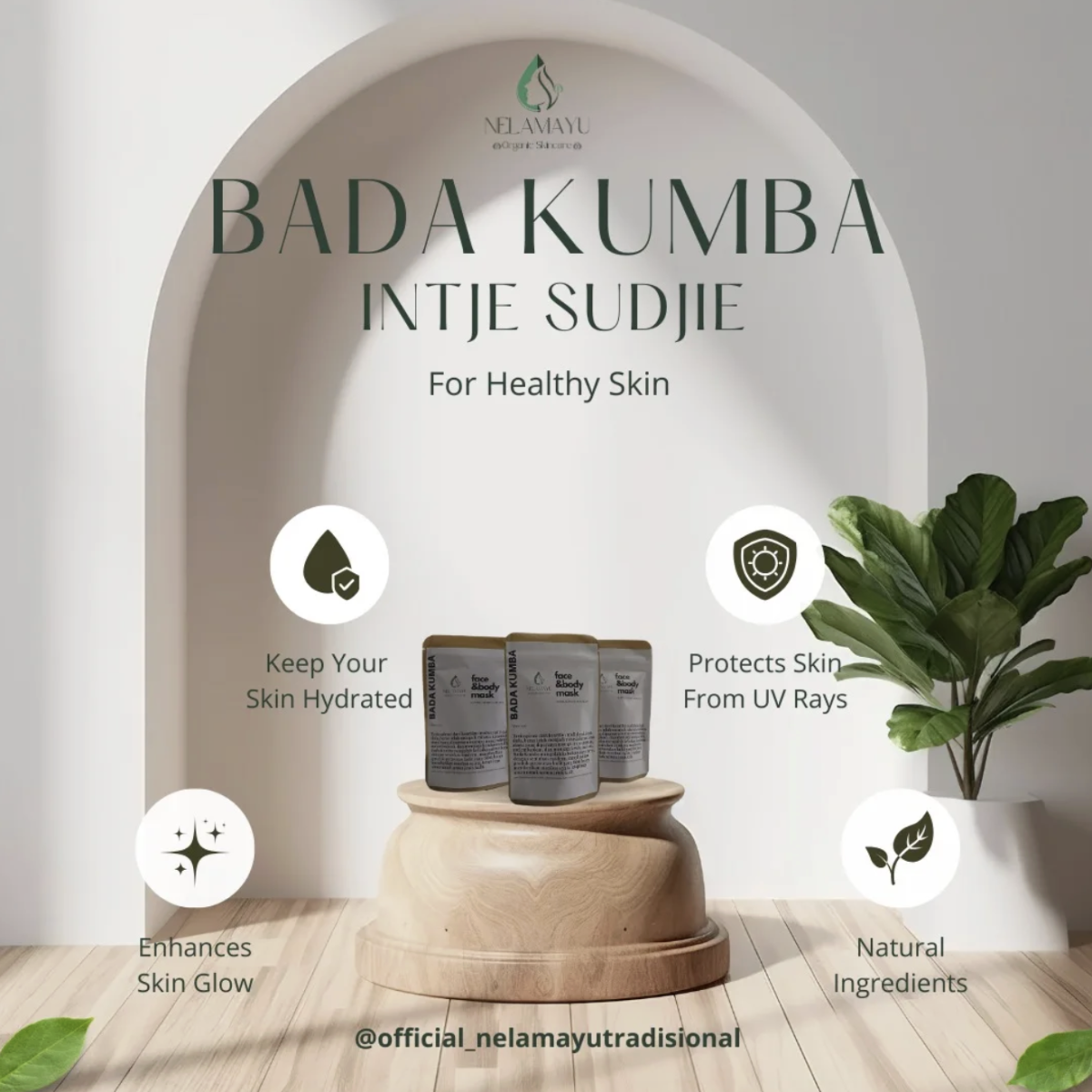
Alongside this, she produces bada kumba, a traditional cooling powder used for babies and children. Its origins trace to Nelam’s grandmother, a village herbalist who crafted cooling powders from natural materials — rice, turmeric, ginger, and local leaves — to care for infants and treat fevers and skin issues during a time when medicine was hard to access. These practices remained alive within the family, inherited across generations.

For Nelam, traditional skincare is not just about aesthetics — her personal experience solidified that belief. Before starting her business, she developed a lump in her breast. Her grandmother suggested using badabida made from black sticky rice. “I was advised to rub the area with badabida regularly. I used it for about two months before I got married, and thankfully, the lump disappeared,” Nelam shared.

This experience led her to study the benefits of her ingredients more deeply. Black sticky rice is known to help improve blood circulation, while turmeric and Javanese ginger possess anti-inflammatory properties. She became convinced that these products are for maintaining the overall health of the skin and body.

Nelam began selling her products in 2018, initially to brides. Gradually, testimonials arrived from users reporting improvements in dry or peeling skin and even relief from irregular menstrual cycles after regular use of badabida on the abdominal area. While these products have not yet undergone comprehensive laboratory trials, the benefits felt by users became the foundation for the business’s growth.

 Sustainable Local Supply Chains While Meeting Modern Standards

As the business grew, new challenges emerged — specifically how to maintain traditional authenticity while meeting modern safety and regulatory standards. Since all raw materials consist of spices and natural foods without synthetic chemicals, Nelam pursued hygiene certificates for household supplies rather than manufactured cosmetics.

The supply chain involves local farmers as well. Nelam collaborates with black sticky rice farmers in the West Dolo region of Sigi, absorbing up to 25 kilograms of rice per purchase — providing a consistent buyer for a harvest that has seen declining interest due to market uncertainty. Nelamayu Tradisional further minimizes production waste through a circular model: residual ash from the roasting process is repurposed as household scouring powder, and rice bran from milling is returned to farmers as animal

A turning point occurred when Nelamayu Tradisional joined the incubation program in 2023 held by  Gampiri Interaksi. Through six months of intensive mentoring, the business received comprehensive support ranging from institutional strengthening and licensing to innovative product development and marketing strategies. “Our mentoring focuses on nature-based downstreaming. We want to ensure products like Nelamayu Tradisional can grow economically without sacrificing cultural and environmental values,” said Nedya Sinintha Maulaning, a representative of Gampiri Interaksi.

The support also expanded market access, with Gampiri connecting Nelamayu Tradisional to 20 potential partners during Business and Partnership Matching events at the 2023 Festival Lestari.

Preserving Traditions While Increasing Restorative Economy Impact

Currently, Nelamayu Tradisional products are marketed online through various digital platforms and offline through resellers and local partners. The distribution network spans Sigi, Palu, Parigi, Poso, and Morowali, and the products are beginning to enter homestays and hotels as amenities, including trials in hotel chains like Aston and several local inns.

Nelam felt the impact directly. “Before the incubation, my monthly income was around IDR 1 million to 2 million. After the mentoring and product development, it can now exceed IDR 5 million per month,” she noted. Innovations like coffee masks have further expanded her market reach.

According to Nedya, this is a tangible form of restorative economy. “When the environment is protected, natural resources are used wisely, and local communities are directly involved, economic recovery happens naturally. Income rises, culture stays alive, and nature is not exploited,” she explained.

Nelam holds a long-term vision aligned with these principles. She hopes Nelamayu Tradisional can be recognized nationally and internationally as a signature natural beauty brand from Central Sulawesi. “I want this product to be known not just for the results on the skin, but for its story about women, tradition, health, and a connected environment,” Nelam said.

From a simple production kitchen in Sigi, the self-care traditions of Kaili women prove that when the environment is restored and local knowledge is valued, community prosperity can grow sustainably.
 

Source: PRecious Communications

Tags: , , , , , ,
Niacinamide Or Vitamin C

Niacinamide And Vitamin C: Can You Use Them Together?

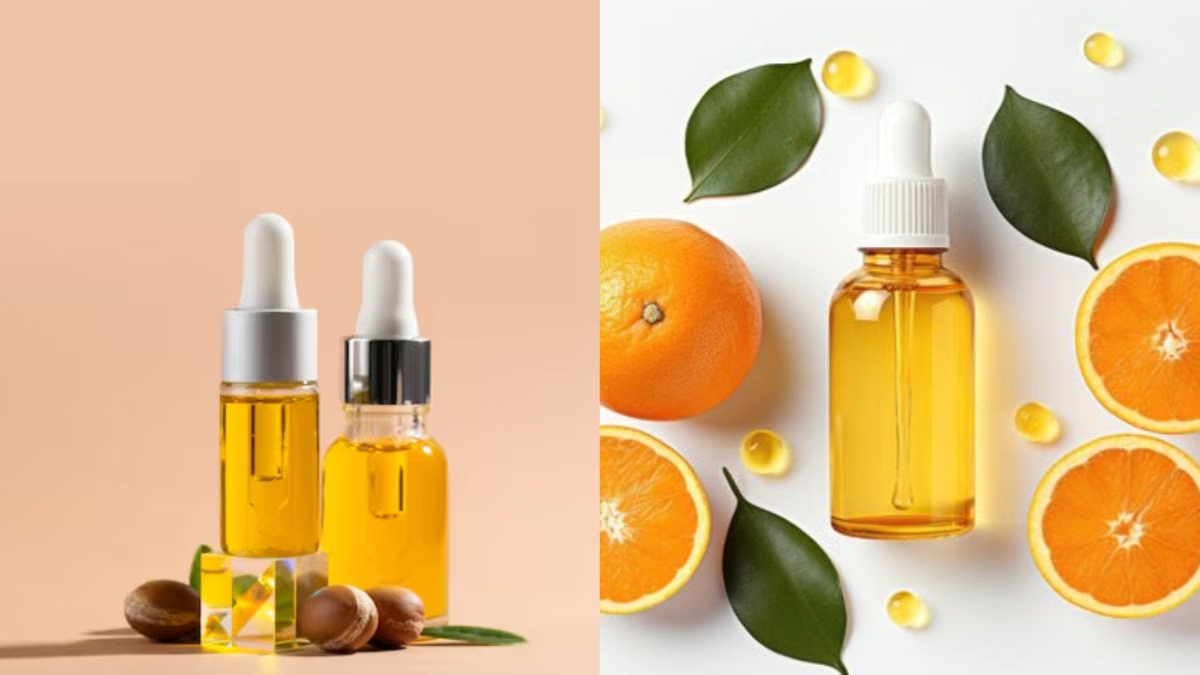
Niacinamide and Vitamin C have become staples in skincare routines, ranging from serums to moisturisers. A long-standing skincare myth suggests that the two ingredients should not be mixed. However, modern formulations allow both ingredients to work well together and may even improve overall skincare results.

What is niacinamide?

Niacinamide controls excess oil production | Image: Freepik

It is a form of Vitamin B3 that is commonly used in skincare products. It is used to control excess oil, reduce redness and improve overall skin texture. According to the Cleveland Clinic, it also helps strengthen the skin barrier and improve the skin’s hydration level. Many people use niacinamide to calm sensitive skin and reduce the appearance of enlarged pores.

Benefits of using niacinamide

Supports skin barrier

It helps enhance the skin barrier. According to the Cleveland Clinic, this ingredient helps lock moisture in and keep pollutants or other potential irritants out, making the skin more hydrated and less sensitive.

Reduces the appearance of pores

Niacinamide helps reduce the appearance of pores in a few ways. By strengthening the skin barrier and improving elasticity, pores appear less noticeable and more even.

Reduces wrinkles and fine lines

According to an expert, using Niacinamide helps reduce the appearance of fine lines and wrinkles by boosting collagen production, which improves elasticity, and by supporting a healthy skin barrier that keeps skin hydrated and plump.

Also Read: Rice Water Or Coconut Water, Which Hair Growth Remedy Works Better

What is Vitamin C?

Vitamin C improves uneven skin tone | Image: Freepik

Vitamin C is a powerful antioxidant which is widely used in skincare products for brightening and protecting the skin. Experts say that it helps in reducing dark spots, improving uneven skin tone and protecting the skin from environmental damage which is caused by pollution and sun exposure. According to Harvard Health, antioxidants like vitamin C help fight radicals that contribute to skin damage and ageing.

Benefits of using Vitamin C

Brightens skin

Vitamin C inhibits excess melanin production, which helps diminish dullness and give the skin a glowing complexion.

Fades hyperpigmentation

Using Vitamin C lightens dark spots, age spots, and acne scars to create a more even skin tone.

Boosts collagen

According to Harvard Health, Vitamin C helps stimulate the skin’s natural collagen. This helps improve firmness and reduce the appearance of fine lines and wrinkles.

Can they be used together?

Skincare experts say yes. Earlier, combining the two ingredients was considered futile because studies suggested that it reduced their effectiveness. Modern skincare products are formulated differently and are generally considered safe to use together. According to Healthline, many dermatologists believe niacinamide and vitamin C can complement each other when included in a skincare routine properly.

Benefits of using them together

Using Vitamin C and niacinamide offers multiple skincare benefits, including:

Brighter-looking skin

Using both serums improves skin texture and makes it bright | Image: Freepik

Since niacinamide and Vitamin C both have skin-brightening factors, using them together improves skin texture, and it helps the skin to more bright and fresh.

Reduced pigmentation and dark spots

Both ingredients target hyperpigmentation but in different ways. Vitamin C inhibits the enzyme that produces pigment, while Niacinamide prevents that pigment from transferring to skin cells.

Better hydration

Niacinamide and Vitamin C keep the skin hydrated | Image: Freepik

Niacinamide helps the skin retain moisture and strengthen its protective barrier, which can help soothe the potential irritation sometimes caused by acidic Vitamin C.

How to use them in a routine?

Skincare experts suggest applying vitamin C after cleansing because it is commonly used as an antioxidant serum during the daytime. Meanwhile, niacinamide can be layered afterwards along with a moisturiser or a sunscreen. A basic skincare routine including Vitamin C and niacinamide should look like this:

Cleanser
Vitamin C serum
Niacinamide serum
Moisturiser
Sunscreen

Also Read: Why Skin Flooding Is Trending In Beauty

Who should be careful?

The combination is considered safe, but experts suggest doing a patch test before trying new skincare products that may contain either of the ingredients. People with sensitive skin should introduce active ingredients slowly in order to avoid irritation. According to the American Academy of Dermatology, introducing too many ingredients may cause the skin to feel dry or sensitive skin might feel irritated.

Tags: ,
gluten free lemon bars

The Best Healthy Lemon Bars (With Gluten-Free Option)

Living in the south I have plenty of access to fresh citrus fruits, like lemon. That means plenty of lemon poppyseed muffins and healthy, gluten-free lemon bars. They’re a bright and tart way to wrap up a meal in the summer months. 

There are several ways to make this recipe. If you want a gluten-free lemon bars recipe, then make the lemon bars with almond flour crust. Need a dairy-free version? I’ve included an option for vegan lemon bars too. 

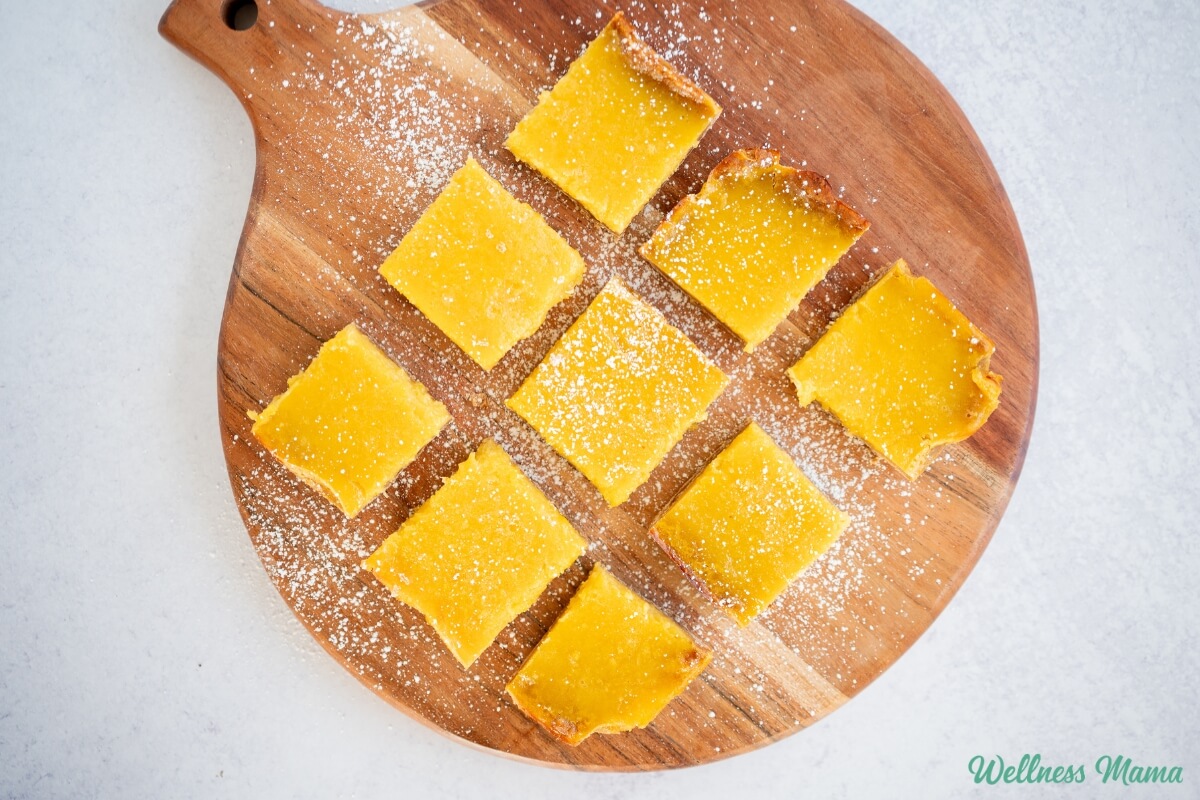
Lemon bars have a bright yellow color, an intense lemon flavor, and a buttery crust. 

How to Elevate Lemon Bars

I’ve seen plenty of easy lemon bar recipes that call for a box of cake mix and a can of lemon pie filling. While I’m a big fan of easy, I’m not willing to sacrifice quality ingredients (or taste!). To me, the best lemon bars recipe has old fashioned taste, is thick and chewy with intense lemon flavor, and still on the healthy side. 

Using quality, real food ingredients is the best way to really have the best taste and texture. 

Lemon Bar Ingredients

Like I said, we’re skipping the boxed cake mix and lemon pie filling with processed sugar and added food dye here. The ingredients are still simple though and the recipe isn’t difficult to pull together. 

For the crust you can use organic, unbleached wheat flour, coconut sugar for a caramel like sweetness, and melted butter for richness. If you want a gluten-free version, then an almond flour crust gives it the perfect subtle nuttiness. And if you need dairy-free, coconut oil works well instead of butter.

The filling uses lemon juice for tartness and lemon zest for tons of natural flavor. Whole eggs and arrowroot powder (or more organic flour) provide thickness. And I use raw honey or maple syrup to naturally sweeten. 

Here’s how to make the best regular or gluten-free lemon bars!

The Best Healthy Lemon Bars (With Gluten-Free Option)

These tart, lemon bars make the perfect, gooey dessert.

  • Preheat the oven to 350°F. Line an 8×8 baking dish with parchment paper.

  • In a bowl, mix together the flour, coconut sugar, and salt. Add melted butter and vanilla, stirring until a soft dough forms.

  • Press dough evenly into the bottom of the pan. Bake for 10–12 minutes, until lightly golden.

  • In a bowl, whisk eggs, honey (or maple syrup), lemon juice, lemon zest, and salt until smooth.

  • Whisk in the flour (or arrowroot) until fully combined.

  • Pour the filling over the warm crust. Bake for 20–25 minutes, until the center is just set (it shouldn’t jiggle much).

  • Let cool completely at room temperature, then refrigerate for at least 1 hour before slicing. This helps them set cleanly and improves the texture.

Nutrition Facts

The Best Healthy Lemon Bars (With Gluten-Free Option)

Amount Per Serving (1 bar)

Calories 136
Calories from Fat 63

% Daily Value*

Fat 7g11%

Saturated Fat 4g25%

Trans Fat 0.2g

Polyunsaturated Fat 0.4g

Monounsaturated Fat 2g

Cholesterol 46mg15%

Sodium 136mg6%

Potassium 33mg1%

Carbohydrates 18g6%

Fiber 0.3g1%

Sugar 11g12%

Protein 2g4%

Vitamin A 222IU4%

Vitamin C 2mg2%

Calcium 9mg1%

Iron 1mg6%

* Percent Daily Values are based on a 2000 calorie diet.

  • For clean slices: Use a sharp knife and wipe between cuts
  • Like them sweeter or more tart? Add another tablespoon of lemon juice or a few more tablespoons of honey to taste. 

Tips For Making the Best Lemon Bars

Also known as lemon squares, lemon bars are pretty easy to make. You simply make and pre-bake the crust, pour in the mixed filling, bake, cool, and slice. 

Should I use parchment paper for lemon bars? – I do because they’re much easier to remove from the pan and slice. You don’t want to leave any of that delicious crust stuck to the bottom of the pan!

Why can’t you use a metal pan for lemon bars? – The acid from the lemon can leach some metal from the pan, giving the lemon bars a metallic taste. There’s less of a risk using parchment paper, but many use non-reactive glass to be safe. 

Shelf Life and Storage – These gluten-free lemon bars will keep fresh in the fridge for up to 5 days. Be sure to cover them in the fridge to preserve their custard-like texture. 

Looking For Lemon

Need some more lemon recipes? Or just in the mood for some lemon flavor? Here are some of our favorites!

What are some of your favorite desserts to have on hand? Leave a comment and let us know!

Tags: , , , ,
Why peanut oil is gaining attention in skincare 

Why peanut oil is gaining attention in skincare 

Follow this guide

What’s the story

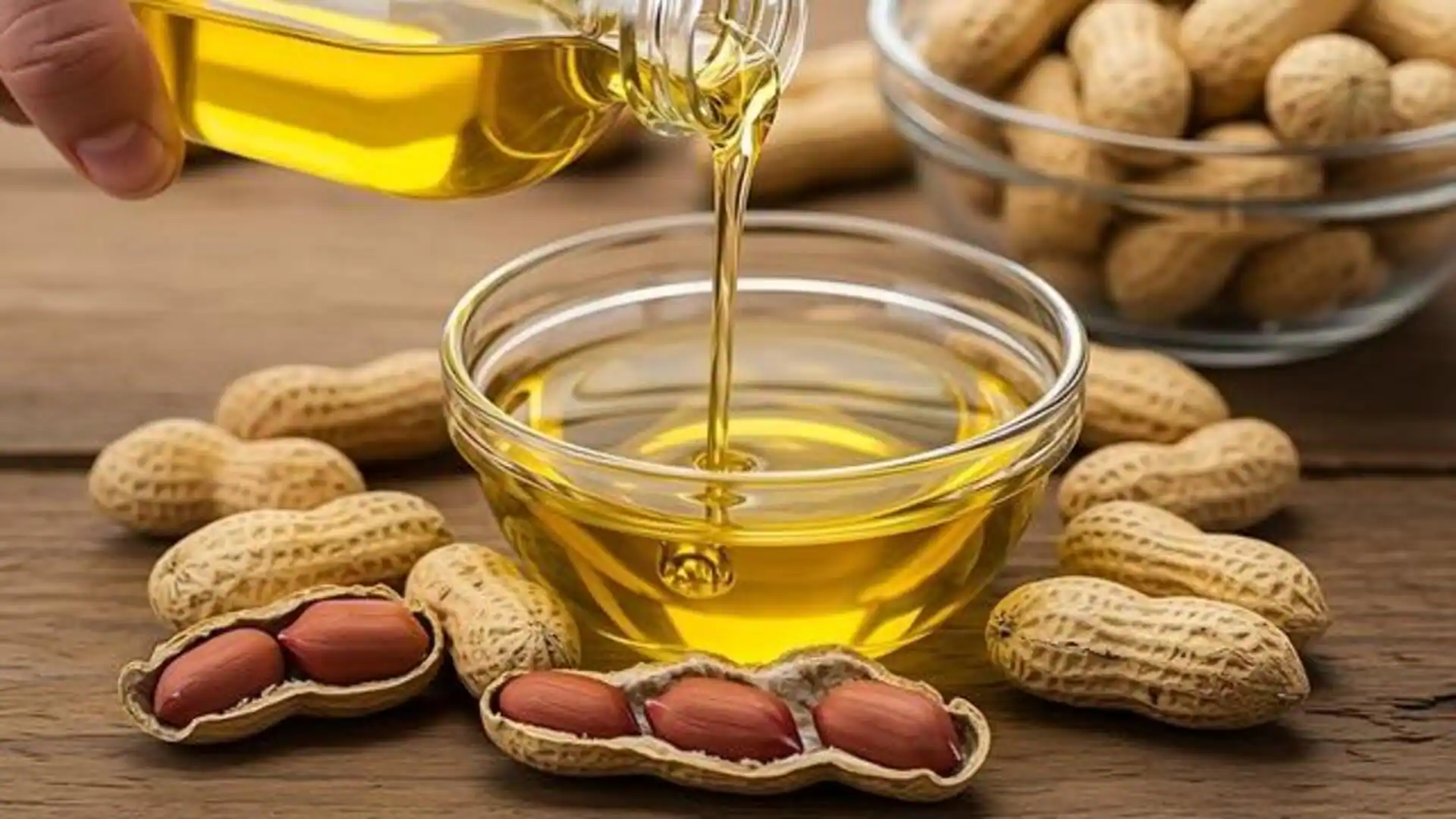
Peanut oil, a staple in many African kitchens, is becoming a popular choice for skincare.
Its rich composition of vitamins and antioxidants makes it an ideal candidate for natural beauty routines.
The oil is known for its moisturizing properties and ability to enhance skin elasticity.
With its affordable price and easy availability, peanut oil is a practical option for those looking to enhance their skincare regimen without spending a fortune.

Nutrient-rich composition

Peanut oil is loaded with essential nutrients, such as vitamin E, known for its antioxidant properties.
These antioxidants help fight free radicals that cause skin aging.
The presence of fatty acids also helps in maintaining the skin’s natural barrier, preventing moisture loss.
This nutrient-rich composition makes peanut oil an effective moisturizer that can keep the skin hydrated and supple.

Enhancing skin elasticity

The linoleic acid in peanut oil plays a key role in enhancing skin elasticity. By promoting cell regeneration and repair, it helps keep the skin firm and youthful-looking.
Regular application of peanut oil can improve the texture of the skin by reducing fine lines and wrinkles over time.
Its lightweight texture makes it easy to absorb, making it suitable for all skin types.

Affordable skincare solution

One of the biggest advantages of using peanut oil is its affordability compared to other skincare products on the market.
A small amount goes a long way, making it cost-effective in the long run.
For those on a budget but still want quality skincare, peanut oil provides an economical solution without compromising on benefits.

Easy application tips

To incorporate peanut oil into your skincare routine, start by cleansing your face thoroughly.
Take a few drops of peanut oil and gently massage it onto your face in circular motions until fully absorbed.
For the best results, apply it before bedtime so it works overnight while you sleep.
You can also use it as a base under makeup, or mix it with other natural ingredients like honey or aloe vera gel for added benefits.

Tags: , , , ,
Best oLive
Privacy Overview

This website uses cookies so that we can provide you with the best user experience possible. Cookie information is stored in your browser and performs functions such as recognising you when you return to our website and helping our team to understand which sections of the website you find most interesting and useful.